Fatigue Management at the Workplace: A Practical HSE Guide

Fatigue management at the workplace has become a critical safety concern because fatigue directly affects alertness, judgment, reaction time and decision-making. When workers are fatigued, the likelihood of errors increases, therefore incident risk rises even in well-controlled environments. This makes fatigue a silent contributor to many workplace accidents and near-misses. In safety-critical industries such as construction, oil and gas, manufacturing, logistics and utilities, fatigue exposure is often unavoidable. Long shifts, night work, overtime, heat stress and mentally demanding tasks place sustained pressure on the human body and mind. As a result, fatigue-related incidents rarely occur in isolation. They develop gradually, while warning signs are overlooked or normalized as part of the job.
An Effective fatigue management focuses on controlling work-related risk factors rather than blaming individuals. This includes realistic shift planning, controlled working hours, structured breaks, supervisor awareness and fatigue risk assessment at task level. When these controls are missing or poorly applied, fatigue undermines both safety performance and operational reliability.

This practical HSE guide explains how fatigue develops at work, why it is frequently underestimated and how organizations can manage fatigue using simple, field-tested controls. The focus remains on real workplaces, real constraints and actions that supervisors and managers can apply immediately.

What Is Fatigue Management in OHS?

Fatigue management in occupational health and safety is the structured approach used to recognize fatigue as a work-related risk and control its impact on safety, performance and reliability. It focuses on how working conditions contribute to fatigue, therefore controls are applied at the system level rather than leaving individuals to manage fatigue on their own.

From an HSE perspective, fatigue management at the workplace sits at the intersection of human factors, risk assessment and operational planning. When fatigue risks are ignored, even experienced workers can make poor decisions, miss hazards or react too late. This is why fatigue management is increasingly addressed within safety management systems, especially in safety-critical operations.

Why fatigue is a safety hazard, not “just tiredness”?

Fatigue is a safety hazard because it directly affects how the brain processes information, evaluates risk and responds to hazards. A fatigued worker is not only slower. They are more likely to misjudge situations, overlook warning signs and accept unsafe conditions as normal.

From an occupational health and safety viewpoint, fatigue contributes to risk in several critical ways:

  • reduced reaction time, especially during sudden or unexpected events
  • weakened attention and concentration, leading to missed steps and controls
  • poorer decision-making, therefore higher likelihood of unsafe choices
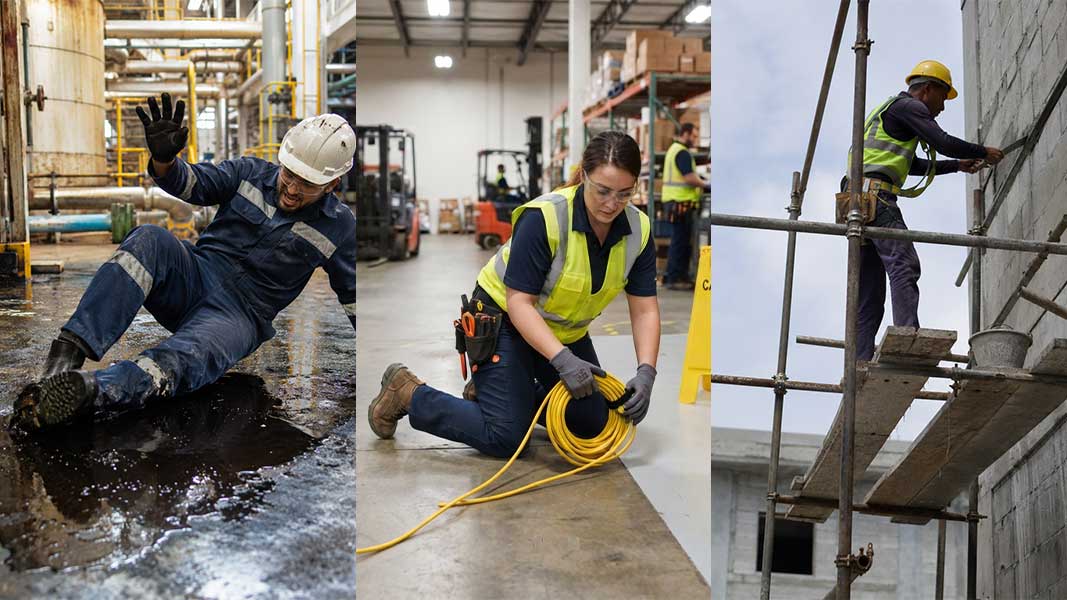
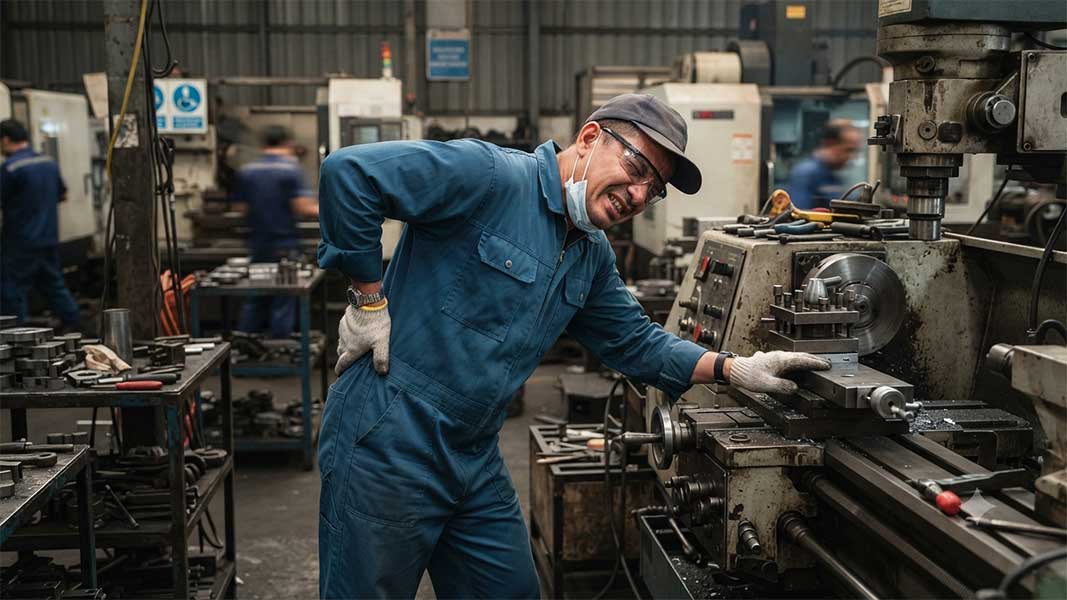
  • reduced coordination, increasing the risk of slips, trips and handling errors

These above mentioned effects become more dangerous in tasks involving driving, lifting operations, working at height, confined spaces and machinery. In such environments, even small performance drops can lead to serious consequences. This is why fatigue must be treated as a hazard that requires assessment and control, not as a personal issue or a sign of low motivation.

How fatigue impacts quality, productivity and compliance?

Fatigue affects more than safety outcomes. It also undermines quality, productivity and regulatory compliance, therefore its impact is often wider than organizations expect.

Fatigue Impact on Quality:

Quality suffers because fatigued workers struggle to maintain attention to detail. Errors in measurements, inspections, documentation and assembly become more frequent. Over time, this leads to rework, defects and reliability issues that increase operational cost.

Fatigue Impact on Productivity:

Productivity declines because fatigue slows work pace and increases mistakes. Although longer hours may look productive on paper, fatigue reduces efficiency beyond a certain point. Therefore, teams may work longer while achieving less meaningful output.

Fatigue Impact on Compliance:

It becomes difficult to sustain when fatigue is high because Workers are more likely to rush procedures, skip checks or poorly complete permits and records. This doesn’t usually happen out of negligence. It happens because fatigue reduces mental capacity, therefore people focus on finishing the task rather than following every control step.

“Workplace fatigue rarely comes from one long day. It builds quietly through long hours, disrupted sleep cycles, high mental load, and physical stress, until performance starts slipping without warning.”

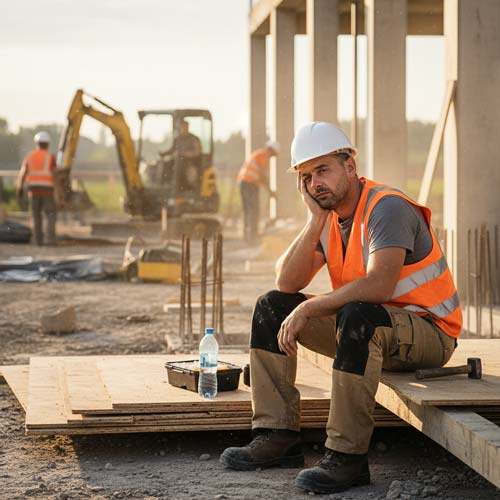
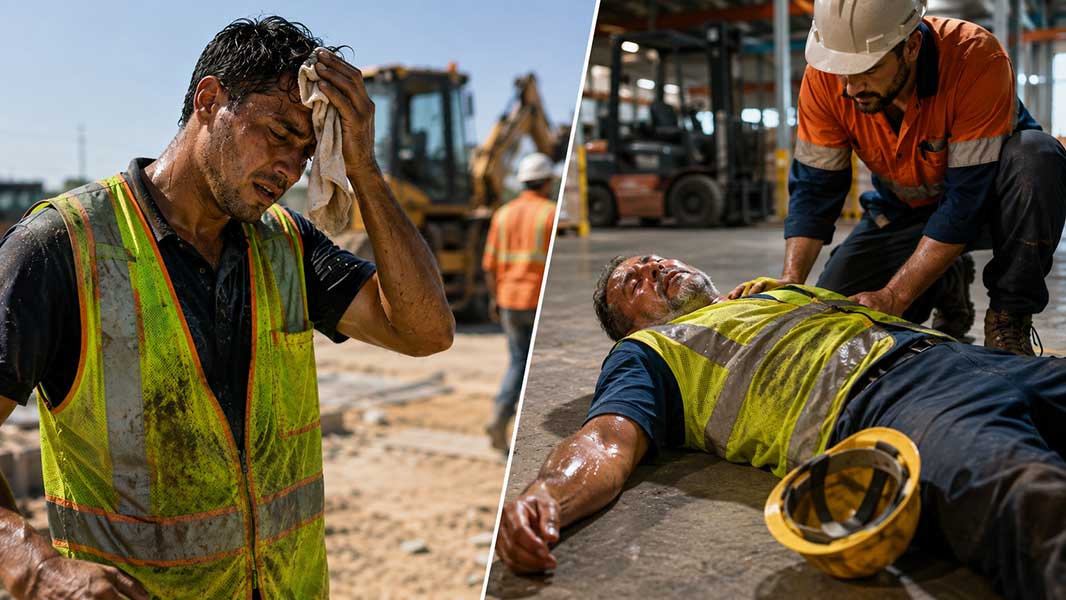
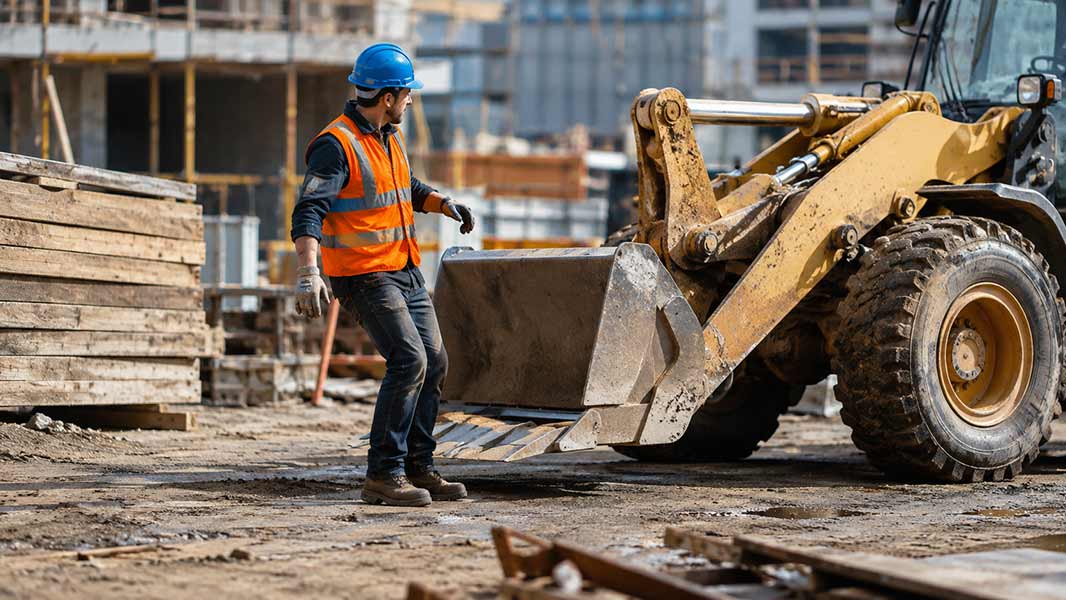
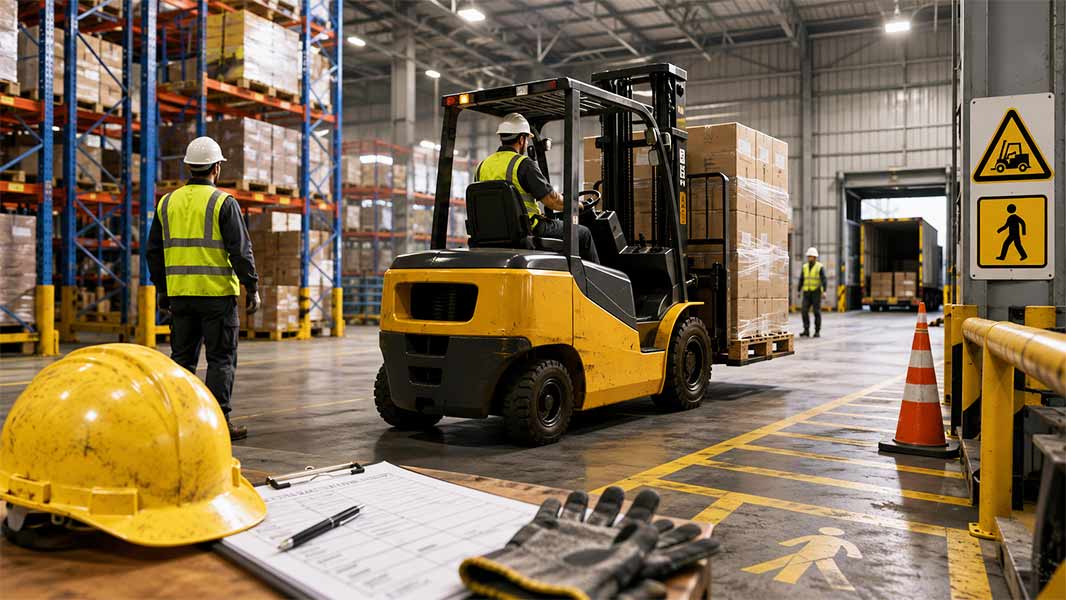
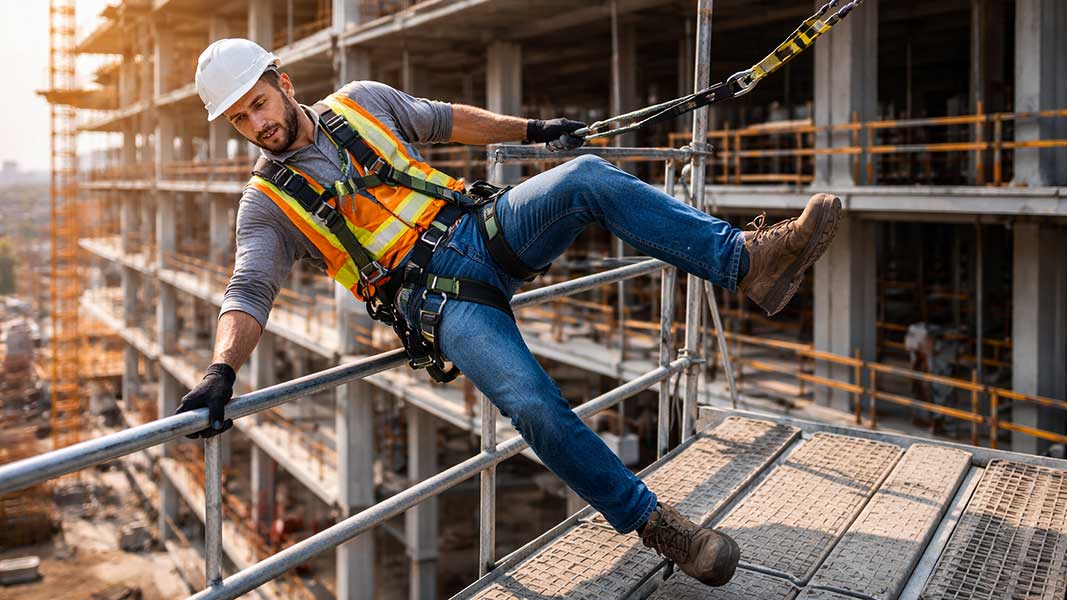
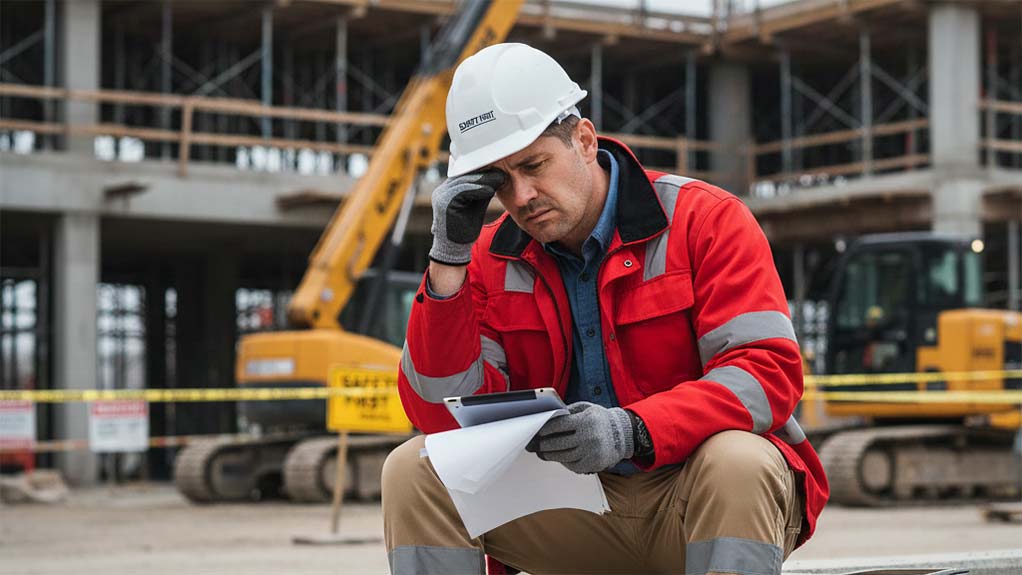
A construction worker facing fatigue that requires fatigue management at the workplace

Why Fatigue Happens at Work (Real Root Causes):

Workplace fatigue usually isn’t caused by one problem. It happens when job demands, shift patterns and physical conditions continuously drain energy faster than the body can recover. Therefore, even skilled and motivated workers can become fatigued if the system is built around long hours, tight deadlines and constant pressure.

From an occupational health and safety perspective, the most useful way to understand fatigue is to look at root causes, not symptoms. When you address root causes, you reduce fatigue at the source. When you only address symptoms, fatigue returns again and again, usually at the worst possible time.

Below are the most common and real reasons fatigue develops at work.

Long working hours and extended shifts:

Long working hours are one of the clearest drivers of fatigue because the human body has limits. When shifts stretch beyond normal working capacity, the brain becomes slower, attention drops and decision-making becomes less reliable. Therefore, the risk doesn’t only increase at the end of the shift. It often starts rising after several hours of continuous effort, especially when workers skip breaks or push through physically demanding tasks.

Extended shifts also create a second problem: reduced recovery time. If a worker finishes late, travels home, eats and then sleeps for only a few hours before coming back, the body never fully resets. As a result, fatigue accumulates over days, which is why incident rates often rise toward the end of a work week or during long duty rotations.

Typical fatigue triggers linked to long hours include:

  • Overtime that becomes routine, not occasional.
  • Extended shifts with limited rest breaks.
  • Double shifts or call-outs after normal duty.
  • High-risk tasks scheduled late in the day.

Night shift fatigue and circadian rhythm disruption:

Night shift fatigue is different from daytime tiredness because it fights the body’s natural clock. The human body is designed to sleep at night and stay alert during daylight. Therefore, even when a worker “gets used to night shift,” their alertness can still drop at predictable times, especially between early morning hours.

Circadian rhythm disruption affects more than sleepiness. It also impacts mood, focus, appetite, digestion and stress levels. As a result, night shift teams often experience reduced concentration, slower reactions and increased mental fatigue even when the workload remains the same. 

Another issue is sleep quality. Daytime sleep is often shorter and lighter because of heat, noise, daylight and family responsibilities. Therefore, night shift workers may technically be “sleeping,” but still not recovering properly.

From an HSE planning perspective, night shifts need additional protection because fatigue risk is structurally higher. This is why high-risk activities should be scheduled smartly and supervision must stay active during the most fatigue-sensitive hours.

High workload, repetitive tasks and mental strain:

Fatigue is not always physical. Mental fatigue is equally dangerous because it reduces attention span, patience and decision quality. High workload creates sustained pressure, therefore the brain stays in problem-solving mode for too long without recovery. Over time, people stop thinking clearly and start reacting automatically.

Repetitive work adds another layer. When tasks feel routine, workers may drift into “autopilot mode.” As a result, they miss early warning signs, ignore small changes in conditions and stop actively checking controls. This is one of the hidden reasons fatigue-related incidents happen during routine jobs rather than complex ones.

Mental strain also increases when multiple priorities compete at once, the team is short-staffed, job pressure comes with strict deadlines and workers face constant interruptions or radio calls. Therefore, fatigue management at the workplace isn’t only about physical strength. It’s also about mental capacity and cognitive load, especially in supervisors, operators, drivers and control room roles.

Heat stress, dehydration and physical exhaustion:

Heat stress increases fatigue faster than many people realize. When the body works in hot environments, it spends energy trying to cool itself, therefore workers become tired earlier and recover slower. This becomes a major concern in outdoor worksites, industrial plants and confined or poorly ventilated areas.

Dehydration makes fatigue worse because it affects blood circulation, heart workload and concentration. Even mild dehydration can reduce focus and increase headache, dizziness and irritability. As a result, workers may take more breaks, make more mistakes or start cutting corners just to finish the task.

Physical exhaustion is also linked to continuous manual handling, climbing and working at height, extended standing or awkward postures or working in PPE for long periods. Therefore, heat stress management and hydration planning are not “comfort topics.” They are direct fatigue controls that reduce safety risk and improve performance.

Common signs that heat-related fatigue is building up include:

  • Heavy sweating followed by reduced sweating.
  • Cramps, headache, dizziness and nausea.
  • Unusual irritability or confusion.
  • Slowing down and poor coordination.

Poor sleep, commuting and lifestyle factors:

Even when work schedules are well planned, fatigue can still increase if workers are not getting consistent sleep. Poor sleep is often caused by irregular shift patterns, stress and overuse of screens late at night. Therefore, many workers come to site already fatigued, even before starting the job.

Commuting also matters, especially in the UAE where some workers travel long distances between cities or camps and job sites. Long commutes reduce rest time, therefore they quietly add fatigue to the shift. This becomes even riskier when commuting happens after long duty hours, because driving while fatigued is one of the most serious and underestimated hazards.

Lifestyle factors can contribute as well, including poor diet, low hydration, smoking and lack of physical recovery. However, fatigue management should never turn into personal judgment. The workplace must control what it can control and workers should be supported with awareness and practical guidance, not blame.

Non-work contributors that commonly increase fatigue include:

  • Insufficient sleep hours or low-quality sleep.
  • Long travel time before and after shifts.
  • Stress from personal or financial pressure.
  • Heavy caffeine use that disrupts sleep later.

Why fatigue builds up over time (cumulative fatigue):

One of the most important HSE realities is that fatigue becomes more dangerous when it accumulates. A worker may be fine on day one, slightly slower on day two and noticeably less sharp on day four. Therefore, the risk increases quietly while everyone assumes the worker is simply “adjusting.” Also the fatigue management at the workplace must include recovery planning. Without recovery, even the best workers eventually reach a point where performance drops and the chance of error becomes too high.

Cumulative fatigue is common during:

  • Back-to-back long shifts.
  • Continuous overtime weeks.
  • Night shift rotations without proper rest.
  • Peak project phases with high pressure.

Fatigue-Related Risks and Workplace Accidents:

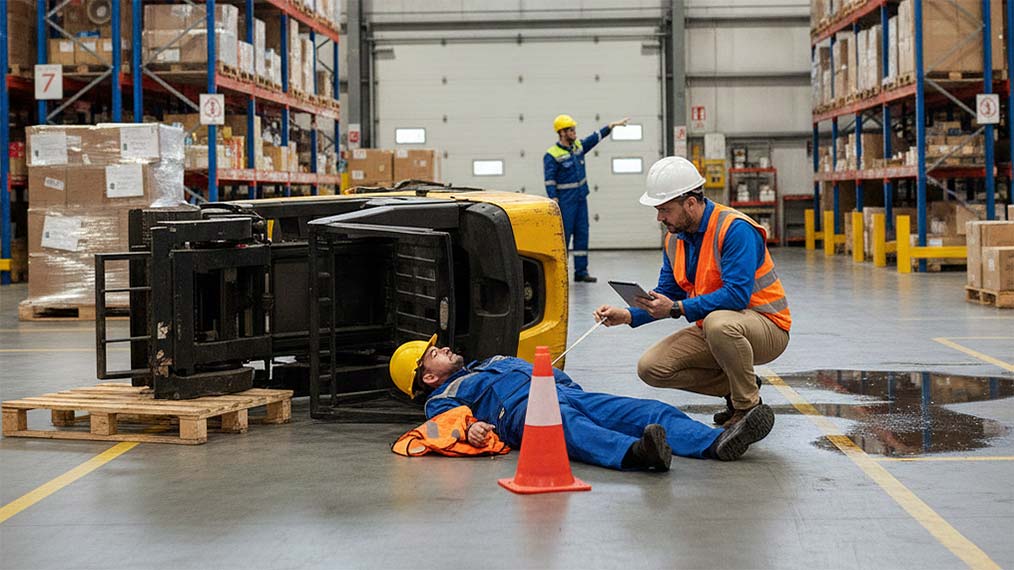
Fatigue rarely appears on incident reports as the main cause, however it is often present in the background. When fatigue is unmanaged, it quietly weakens the human side of safety systems. Therefore, even strong procedures, competent workers and modern equipment can fail under fatigue pressure.

From an occupational health and safety perspective, understanding how fatigue contributes to incidents is essential. It helps organizations move beyond blaming individuals and start fixing the conditions that make errors more likely.

How fatigue increases incident risk?

Fatigue increases incident risk because it reduces a worker’s ability to identifying hazards early and respond correctly. As fatigue builds, attention becomes inconsistent, reaction time slows and judgment weakens. Therefore, hazards that would normally be noticed and controlled may go unseen or be addressed too late.

Another critical issue is risk tolerance. Fatigued workers often accept unsafe conditions because their ability to assess consequences is reduced. They may continue working despite discomfort, skip safety steps to save effort or underestimate the seriousness of a hazard. Over time, this creates a false sense of normality where unsafe conditions are treated as acceptable.

Fatigue also affects communication. Instructions may be misunderstood, handovers become weaker and warning signs are ignored. As a result, the margin for error shrinks and small issues escalate into serious incidents.

Fatigue and human error in high-risk tasks:

Human error is a leading contributor to workplace incidents and fatigue significantly increases the chance of error during high-risk tasks. When workers are fatigued, their cognitive capacity is reduced, therefore tasks that require focus, coordination and decision-making become far more dangerous.

High-risk activities affected by fatigue typically include:

  • Operating moving or heavy machinery.
  • Driving and transportation activities.
  • Lifting operations and crane work.
  • Working at height or near edges.
  • Confined space entry and monitoring.
  • Maintenance, isolation and lockout tasks.

Common fatigue-related incidents in the field:

Fatigue-related incidents often follow familiar patterns across industries. They usually happen during routine work, late in the shift or during night operations, when alertness is naturally lower.

Common examples seen in real workplaces include:

  • Slips, trips and falls due to poor balance or slow reactions.
  • Vehicle and equipment collisions caused by delayed response.
  • Dropped objects and manual handling injuries.
  • Incorrect isolation leading to unexpected energy release.
  • Tool misuse or incorrect assembly during maintenance.
  • Errors in inspection, testing or documentation.

Fatigue as a hidden root cause in incident investigations:

One reason fatigue continues to cause incidents is that it is often missed during investigations. Reports focus on immediate causes such as “failure to follow procedure” or “lack of attention,” while fatigue is not examined as a contributing factor.

Effective incident investigations should ask:

  • How long had the worker been on duty?
  • How many shifts had they worked consecutively?
  • Was the task performed during a high-fatigue time window?
  • Were breaks adequate and taken?

By asking these questions organizations move closer to real root causes. This is where fatigue management at the workplace becomes a preventive tool, not just a reaction after accidents.

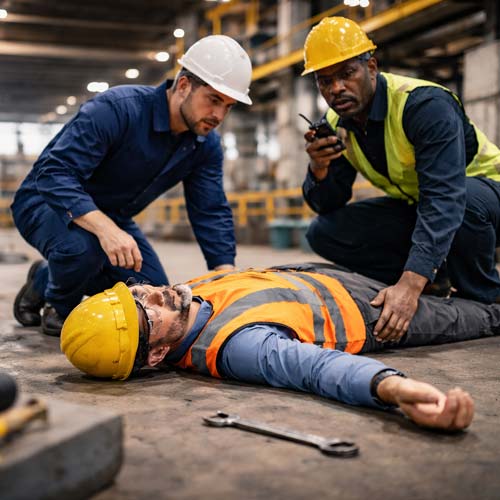
“Fatigue doesn’t cause accidents directly; it weakens judgment, slows reactions, and increases human error. Most serious incidents trace back to moments when workers were mentally present but physically and cognitively exhausted.””

Fatigue Risk Assessment (Practical Approach):

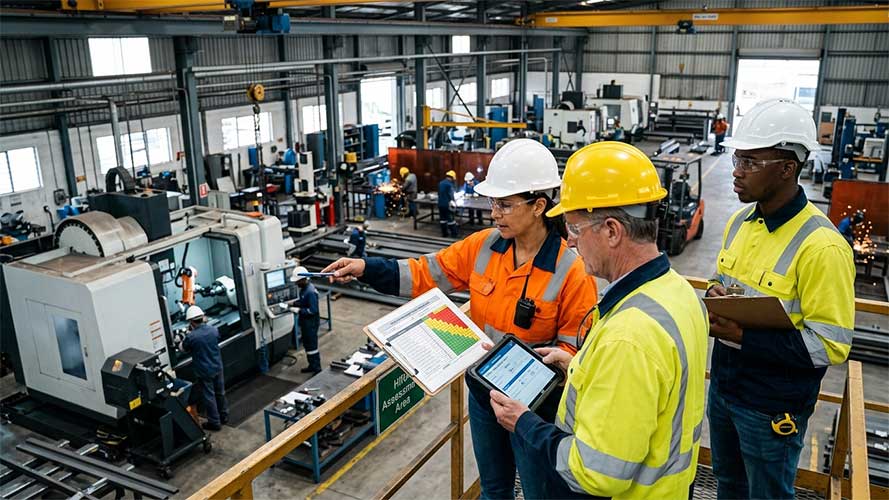
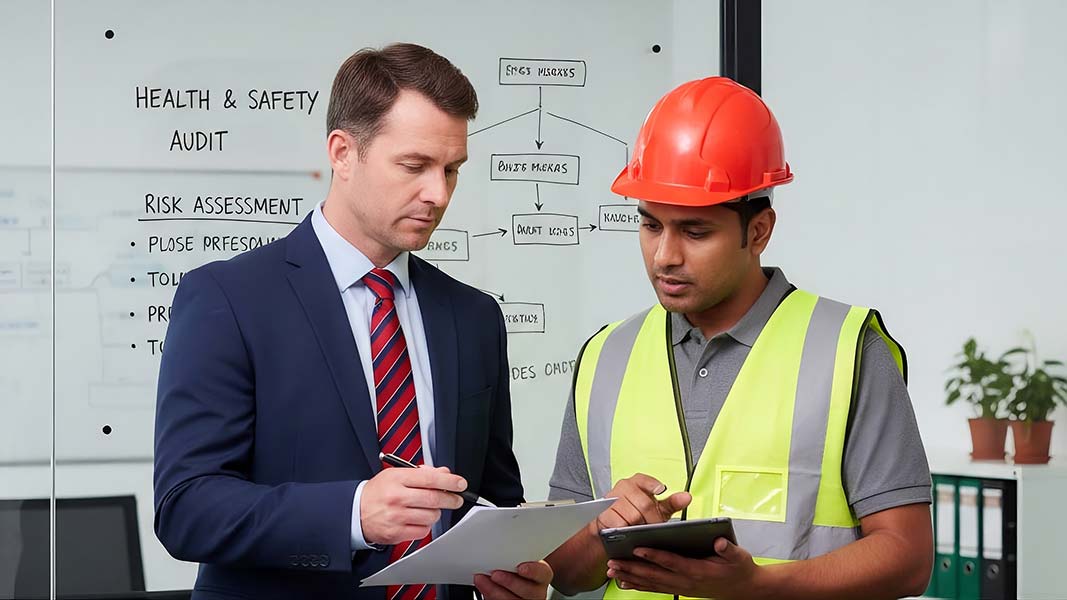
Fatigue risk assessment is the point where fatigue management at the workplace becomes practical. Instead of relying on assumptions or general rules, it examines how specific tasks, schedules and conditions increase fatigue risk. Therefore, it allows supervisors and HSE teams to intervene before performance drops and incidents occur.

A good fatigue risk assessment does not need complex tools. It needs observation, structured questioning and consistency. When fatigue risks are assessed at task level and reviewed regularly, fatigue stops being invisible and becomes manageable.

Identifying fatigue hazards at task level:

Fatigue hazards should be identified where the work actually happens, not only at policy level. Task-level assessment focuses on what the worker is doing, how long they are doing it, and under what conditions.

When reviewing a task, supervisors should consider whether fatigue risk increases due to:

  • Long task duration without meaningful breaks.
  • High physical effort or awkward postures.
  • Sustained mental focus or monitoring.
  • Exposure to heat, noise, or vibration.
  • Time of day when the task is performed.

High-risk scenarios (night shifts, overtime, double shifts):

Some work scenarios consistently carry higher fatigue risk, regardless of worker experience. Night shifts, overtime, and double shifts reduce recovery time, therefore fatigue accumulates quickly if controls are not applied.

High-risk fatigue scenarios typically include:

  • Back-to-back night shifts.
  • Extended shifts beyond normal duty hours.
  • Unplanned overtime due to staffing gaps.
  • Call-outs after completing a full shift.
  • Long commutes combined with long duty hours.

Fatigue risk scoring checklist for supervisors:

A fatigue risk scoring checklist helps supervisors make quick, consistent decisions in the field. It does not replace judgment, however it supports it by highlighting when fatigue risk is becoming unacceptable. When fatigue risk scores exceed acceptable limits, supervisors should adjust the work. This may include changing the task, increasing breaks, rotating duties, or delaying non-critical activities. Therefore, fatigue risk scoring becomes a decision-making tool, not just a form.

A practical checklist should focus on:

  • Hours worked in the last shift and last 7 days.
  • Number of consecutive working days or nights.
  • Quality of rest between shifts.
  • Physical and mental demands of the task.
  • Worker self-reporting of fatigue symptoms.

Recording fatigue-related near-misses and trends:

Recording fatigue-related near-misses is essential for understanding how fatigue behaves over time. Individual events may seem minor, however patterns reveal where fatigue controls are failing.

  • Near-miss records should capture:
  • Time of shift when the event occurred.
  • Task being performed.
  • Hours already worked.
  • Environmental conditions.
  • Signs of fatigue observed.

Fatigue Control Measures:

Fatigue control measures only work when they are practical, consistent and respected at site level. Posters and awareness sessions help, however they don’t control fatigue on their own. Real fatigue management at the workplace is built into planning, supervision and daily discipline, therefore workers don’t have to “push through” until something goes wrong.

The best fatigue controls are also preventive. Instead of reacting after an incident, they reduce fatigue exposure before it becomes dangerous. Below are the controls that consistently work across construction, oil and gas, manufacturing, logistics and other safety-critical operations.

Work-rest scheduling and break management:

The simplest fatigue control is also one of the most neglected: planned rest. Work-rest schedules are even more important during extended shifts or repetitive tasks, because fatigue builds faster when attention is constant. Therefore, supervisors should treat break compliance the same way they treat PPE or permit compliance.

In many workplaces, breaks exist on paper, however they disappear under deadlines, hot weather and supervision pressure. That’s exactly why work-rest scheduling must be managed intentionally. A break only helps if it happens on time and in a way that actually allows recovery.

Effective break management means:

  • Planning breaks into the shift, not “when we have time”.
  • Protecting breaks during high-demand activities.
  • Encouraging short recovery breaks during mentally intense work.
  • Ensuring breaks happen before fatigue becomes obvious.

Shift rotation planning and overtime control:

Shift planning is where fatigue risks either get controlled or multiplied. When rotations are poorly designed, workers may technically be “available,” however their alertness and recovery capacity keep declining. Therefore, incident risk increases even when workers appear experienced and stable.

Overtime is one of the biggest fatigue multipliers because it reduces recovery time. It also creates cumulative fatigue over weeks, which leads to more mistakes, more rework and eventually more incidents. So overtime must be controlled, not normalized.

Practical fatigue controls for shift rotation and overtime include:

  • Setting clear limits for maximum working hours.
  • Avoiding frequent last-minute overtime extensions.
  • Monitoring consecutive night shifts and long duty rotations.
  • Scheduling high-risk tasks earlier in shifts where possible.
  • Ensuring adequate recovery time between shifts.

Job rotation and workload balancing:

Job rotation reduces fatigue because it prevents workers from being stuck in one high-demand task for too long. It works best when rotations are planned logically, therefore workers move between tasks that use different muscle groups and different mental demands.

Workload balancing is equally important. Sometimes fatigue happens because the “strongest” or “fastest” workers keep getting the hardest tasks every day.

Job rotation works well in situations like:

  • Repetitive assembly or fabrication tasks.
  • Manual handling and lifting-heavy operations.
  • Constant monitoring or operator roles.
  • Physically demanding outdoor work.

Hydration, heat stress management and rest areas:

In hot environments, fatigue control measures must include heat and hydration planning. Heat exposure drains energy quickly, therefore workers fatigue earlier, make more mistakes and recover slower.

Hydration is not only a health issue. It’s also an alertness issue. Even mild dehydration can reduce focus and increase irritation, which leads to poor decisions and unsafe behavior. Therefore, hydration and heat stress controls are direct fatigue controls.

What works in real workplaces is simple and consistent:

  • Cool drinking water available near the work area.
  • Scheduled hydration reminders during peak heat periods.
  • Shaded rest areas or air-conditioned recovery spaces.
  • Heat stress awareness for supervisors and workers.
  • Planning heavy tasks for cooler hours where possible.

Fitness for work checks (without micromanaging people):

Fitness for work checks are one of the strongest fatigue controls, if they are done professionally. The purpose is not to police people. It is to confirm readiness for safety-critical tasks, therefore the workplace does not rely on guesswork. 

A good fitness for work approach is respectful, consistent and based on safety need. It focuses on signs of fatigue and performance risk rather than personal judgment. When done properly, it helps workers speak up early, which prevents incidents and builds trust. 

Fitness for work checks can include:

  • Simple pre-shift confirmation of readiness.
  • Supervisor observation for fatigue warning signs.
  • Reassignment from safety-critical tasks when needed.
  • Escalation process when fatigue risk is high.

Fatigue Risk Management System (FRMS) in HSE:

A Fatigue Risk Management System, commonly known as FRMS, provides a structured and evidence-based way to control fatigue where traditional rules alone are not enough. It recognizes that fatigue risk varies depending on work patterns, task demands and operating conditions. Therefore, FRMS focuses on managing fatigue as a safety risk, not simply enforcing fixed working hours.

In occupational HSE, FRMS is especially valuable where work is complex, continuous or safety-critical. It helps organizations move from reactive controls to proactive risk management. Because fatigue behaves differently across roles and shifts, FRMS allows flexibility while maintaining safety. Therefore, it is particularly useful in operations that cannot rely on simple time limits alone.

An effective FRMS typically includes:

  • Fatigue risk identification based on work patterns.
  • Assessment of fatigue risk for specific tasks.
  • Controls to reduce fatigue exposure.
  • Monitoring of fatigue indicators and events.
  • Continuous review and improvement.

FRMS vs basic fatigue policy:

A basic fatigue policy usually sets rules, such as maximum working hours or minimum rest periods. While these rules are important, they do not capture how fatigue actually develops in real operations. Therefore, policies alone often fail during peak workload periods or unusual situations.

The difference becomes clear in practice:

  • A policy tells people what they should do
  • An FRMS examines what actually happens and manages the risk

FRMS integrates fatigue management at the workplace into risk assessments, supervision, training and incident investigations. As a result, fatigue is treated like any other operational hazard, rather than a compliance statement that sits in a document folder.

This does not mean policies are unnecessary. Instead, policies form the foundation, while FRMS adds structure, monitoring and adaptability.

When FRMS is necessary for safety-critical operations:

FRMS becomes necessary when fatigue risk cannot be adequately controlled using basic scheduling rules alone. This is often the case in operations that involve long hours, night work or continuous activity.

Safety-critical operations that benefit most from FRMS include:

  • Oil and gas production and maintenance.
  • Construction projects with extended schedules.
  • Transportation, driving and logistics operations.
  • Manufacturing plants running 24/7 shifts.
  • Utilities, emergency response and control rooms.

In these environments, a single fatigue-related error can have serious consequences. Therefore, FRMS provides an extra layer of protection by identifying fatigue risk early and supporting safer decisions at supervisory and management levels.

Monitoring, reporting and continual improvement:

An FRMS only works if it is actively monitored and improved. Fatigue risk changes over time due to staffing levels, workload, seasonal conditions and project phases. Therefore, continuous feedback is essential.

Key elements of effective monitoring include:

  • Fatigue-related incident and near-miss reporting.
  • Analysis of work hours, shift patterns and overtime trends.
  • Supervisor observations and fitness-for-work data.
  • Worker feedback on fatigue risk and recovery.

This information should be reviewed regularly and used to adjust schedules, controls and training. When fatigue data is ignored, FRMS becomes a paper exercise. When it is used properly, it becomes a powerful tool for preventing incidents and supporting human performance.

Final Thought:

Fatigue is one of the most underestimated workplace risks because it doesn’t look like a typical hazard. There’s no warning sign hanging in the air like gas, no obvious visual cue like an unguarded machine and no single moment when fatigue suddenly appears. Instead, it builds quietly through long hours, night work, workload pressure, heat exposure and poor recovery. Therefore, by the time fatigue becomes “visible,” performance has already dropped and the risk is already high.

The good news is that fatigue is manageable when organizations stop treating it as a personal issue and start controlling it as an operational risk. Practical fatigue management begins with understanding the root causes, then assessing risk at task level and finally applying controls that actually work on real sites. Work-rest scheduling, overtime control, job rotation, hydration planning and respectful fitness-for-work checks can drastically reduce fatigue-related incidents when they are applied consistently.

Fatigue management is also a leadership issue. Supervisors and managers set the tone because they control shift planning, task allocation and break discipline. When fatigue concerns are dismissed, workers stay silent and risks grow. However, when reporting is encouraged and decisions are made early, incidents become less likely and performance becomes more reliable.

If you want fatigue management to work, keep it simple, consistent and realistic. Manage fatigue before the shift becomes unsafe, not after something goes wrong.

Eduskills Training help companies build practical fatigue awareness and fatigue management competency in Dubai, Abu Dhabi, Sharjah and across the UAE.

Frequent Asked Questions (FAQs):

Why is fatigue considered a workplace safety risk?

Fatigue impairs judgment, reaction time and decision-making, therefore it significantly increases the risk of errors, incidents and near-misses.

Which industries are most affected by fatigue risks?

Construction, oil and gas, manufacturing, logistics, utilities, healthcare and transport face higher fatigue risk due to long hours and shift work.

What are common signs of worker fatigue?

Reduced concentration, slower reactions, irritability, frequent mistakes, microsleeps and poor task execution are common indicators.

How do long working hours contribute to fatigue?

Extended shifts reduce recovery time, therefore physical and mental fatigue accumulates over consecutive workdays.

Is night shift work more dangerous due to fatigue?

Yes. Night shifts disrupt circadian rhythms, which reduces alertness and increases incident likelihood, especially during early morning hours.

Can fatigue cause workplace accidents even in trained workers?

Yes. Fatigue affects human performance regardless of experience, training or skill level.

How can supervisors identify fatigue risk at task level?

By reviewing shift length, workload intensity, task complexity, heat exposure and recent overtime before work begins.

What are effective fatigue control measures?

Work-rest scheduling, controlled overtime, job rotation, hydration access, heat management and realistic shift planning work best.

Should fatigue be reported like other safety hazards?

Yes. Fatigue-related concerns and near-misses should be reported to identify trends and prevent incidents.

How often should fatigue management training be conducted?

Initial training should be followed by refresher sessions every 12 to 24 months or after changes in shift patterns.

Inquiry Form