Heat Stress Awareness: Recognize the Warning Signs
Heat Stress Awareness starts with a simple fact: the human body can only handle so much heat before it starts to fail and most workers never see the warning

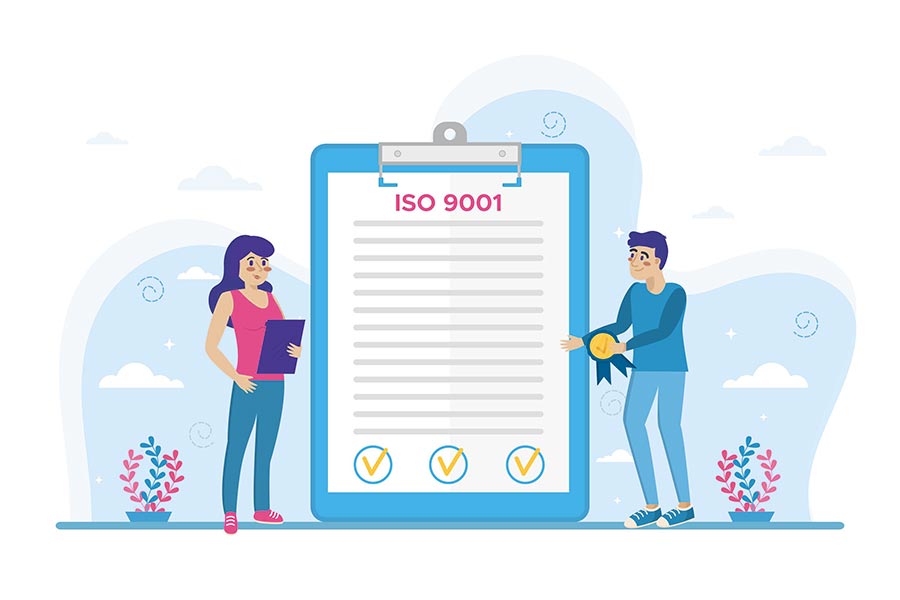
Conducting an ISO 9001 Gap Analysis in UAE is the smartest way to understand how close your business is to meeting the requirements of ISO 9001:2015. Instead of guessing where improvements are needed, a structured ISO 9001:2015 Gap Analysis highlights the exact gaps between your current processes and the standard’s expectations. This approach not only helps you prepare for certification but also strengthens your entire Quality Management System (QMS). By carrying out a thorough ISO 9001 QMS Gap Analysis with Eduskills Training, organizations in Dubai, Abu Dhabi, Sharjah etc and even across neighboring countries like Saudi Arabia or Qatar can identify weaknesses early, set clear priorities and build a realistic action plan. With the right QMS Gap Analysis, businesses save time, reduce risk and position themselves for long-term compliance and performance excellence.
An ISO 9001 Gap Analysis is a structured review that compares your current business practices with the requirements of the ISO 9001:2015 Quality Management System (QMS). In simple terms, it answers one question: where do we stand today and what is missing to meet the standard? A proper ISO 9001 QMS Gap Analysis covers everything from documentation and leadership involvement to process control and customer satisfaction. The outcome is a clear map of strengths, weaknesses and areas that need correction before an audit takes place.
Certification bodies expect organizations to demonstrate that their systems are aligned with ISO 9001:2015. Jumping straight into an audit without preparation is risky because even small nonconformities can delay approval. A QMS Gap Analysis eliminates those surprises. It identifies compliance gaps in advance, helping businesses create action plans and train employees where necessary. For this reason, every successful certification journey begins with a ISO 9001:2015 Gap Analysis, because it sets the foundation for smooth implementation and faster certification.
Companies in Dubai, Abu Dhabi, Sharjah or across the UAE operate in markets where quality standards directly impact customer trust and business reputation. Conducting an ISO 9001 Gap Analysis in Dubai, Abu Dhabi, Sharjah or across the UAE by Eduskills Training ensures that local organizations stay competitive by meeting international benchmarks. The benefits extend beyond compliance:
For many organizations in the region, partnering with experts like Eduskills Training provides added value, because experienced consultants and trainers guide them through the gap analysis with precision and industry know-how.
Before starting an ISO 9001 Gap Analysis in the UAE, you must be clear about the boundaries of your Quality Management System. The scope defines which parts of the business, departments and processes fall under ISO 9001:2015 requirements. For example, a construction company in Dubai may include project management, procurement and on-site operations, while leaving out purely financial functions. A well-defined scope with the help of expert consultants by Eduskills training ensures the ISO 9001 QMS Gap Analysis in Dubai or in UAE remains focused, avoids wasted effort and covers only the processes that truly impact product and service quality.
A QMS Gap Analysis is not the job of a single quality manager; it requires input from across the organization. Senior management, process owners, supervisors and frontline staff all play important roles. Assigning clear responsibilities ensures every requirement of ISO 9001:2015 is evaluated against the right operational insights. In Dubai and Abu Dhabi, where projects often involve multi-national teams, clarifying stakeholder roles is even more critical because misunderstandings can lead to incomplete or inaccurate assessments.
Documentation is the backbone of any ISO 9001:2015 Gap Analysis. Before the review begins, gather all existing policies, procedures, manuals, work instructions and performance reports. This evidence allows you to compare what is currently practiced against the ISO standard. For businesses in the UAE, proper records such as supplier evaluations, training logs and customer feedback reports make the difference between a smooth certification process and a delayed one. By organizing documentation upfront, companies can make the ISO 9001 Gap Analysis far more efficient and insightful.
The most reliable way to conduct an ISO 9001 Gap Analysis in Dubai or UAE by Eduskills Training is to go through the ISO 9001:2015 standard clause by clause. Each section, from leadership and planning to performance evaluation and improvement, contains mandatory requirements. By reviewing these carefully, you create a checklist that forms the foundation of your ISO 9001 QMS Gap Analysis. This approach ensures nothing is overlooked, especially when preparing for certification audits in Dubai or Abu Dhabi, where auditors expect clear evidence of compliance.
Once the requirements are understood, the next step is comparing them to your existing processes. This is where theory meets reality. For instance, if ISO 9001 requires documented risk assessments, you need to verify whether your business has an equivalent process in place and if it’s documented properly. By mapping current practices against the standard, the QMS Gap Analysis highlights both strengths and weaknesses. UAE businesses often discover that while processes exist, they may not be consistent or aligned with ISO expectations.
This is where the real value of the ISO 9001:2015 Gap Analysis comes to light. Gaps are requirements not yet addressed, overlaps are duplicate processes that add no value and nonconformances are practices that directly contradict the standard. Identifying these issues provides a clear picture of what must be corrected. For companies in Dubai and Sharjah, where competition is intense, addressing these findings early ensures smoother audits and stronger client confidence.
Not every gap carries the same weight. Some issues, like missing training records, may be easier to fix, while others, like lack of leadership commitment or process monitoring, can put certification at risk. A well-structured ISO 9001 Gap Analysis ranks findings by risk and impact so businesses can focus resources where they matter most. For example, a manufacturing firm in Abu Dhabi may choose to first address gaps in product quality controls because they directly affect customer satisfaction and regulatory compliance. Prioritization ensures a practical and effective roadmap to certification readiness.
“An ISO 9001 Gap Analysis is far more than a checklist or compliance requirement; it acts as a powerful lens that reveals both strengths and hidden weaknesses within your Quality Management System. When done thoroughly, it becomes the starting point for building operational resilience, boosting customer confidence, and setting your business on a clear path to ISO 9001 certification in the UAE.”
One of the most frequent findings in an ISO 9001 Gap Analysis across UAE companies is poor documentation. Many businesses operate with verbal instructions or undocumented practices, which may work internally but fail under ISO 9001:2015 scrutiny. Missing policies, outdated manuals and incomplete records create compliance risks. A proper ISO 9001 QMS Gap Analysis quickly exposes these weaknesses, reminding organizations in Dubai, Abu Dhabi and Sharjah that “if it’s not documented, it doesn’t exist” in the eyes of an auditor.
ISO 9001 requires top management to conduct regular reviews of the Quality Management System and take action based on findings. In many UAE businesses, management reviews are either skipped, treated as a formality or lack proper follow-up. During a QMS Gap Analysis, this becomes a clear nonconformance. Without leadership engagement, even the best-documented systems fail to deliver results. Closing this gap not only improves certification readiness but also reinforces accountability at the highest level.
ISO 9001:2015 emphasizes risk-based thinking and process management. However, many organizations in the UAE still rely on reactive approaches—fixing issues after they occur rather than preventing them. A ISO 9001:2015 Gap Analysis often highlights the absence of structured risk assessments, measurable objectives and consistent monitoring. For businesses competing in markets like Dubai and Qatar, adopting a process-based mindset improves efficiency, reduces errors and builds client confidence.
Even when documentation and processes are in place, employees may lack the competence to follow them consistently. Eduskills Training’s consultants have often observed that during an ISO 9001 Gap Analysis, gaps in training records, skill assessments and awareness programs are common. For example, a company in Abu Dhabi may have procedures for customer complaints but staff may not know how to apply them correctly. Addressing this gap requires both structured training and proof of competence. Partnering with organizations like Eduskills Training ensures that staff development aligns with ISO 9001:2015 requirements, supporting long-term compliance.
Carrying out an ISO 9001 Gap Analysis doesn’t need to be complicated. With the right tools, UAE businesses can save time, maintain consistency and ensure nothing is overlooked. Using structured checklists, document control templates and risk assessment tools ensures your ISO 9001:2015 Gap Analysis becomes more practical and less overwhelming.
Checklists and scorecards are essential starting points for any QMS Gap Analysis. They provide a structured way to measure current practices against ISO 9001:2015 requirements. A well-designed checklist ensures every clause is reviewed, while a scorecard helps prioritize which gaps need urgent attention. For UAE businesses preparing for certification, these tools act as a roadmap, showing how far you are from full compliance.
Weak documentation is one of the most common gaps identified during an ISO 9001 QMS Gap Analysis. Document control templates make it easier to standardize records, track revisions and ensure documents are accessible to the right people. Whether it’s policies, procedures, or training records, using templates avoids duplication and ensures consistency across departments. This not only simplifies audits but also builds a culture of compliance.
ISO 9001:2015 places strong emphasis on risk-based thinking. Risk assessment tools—like FMEA (Failure Mode and Effects Analysis) or simple risk matrices—help organizations identify potential process failures before they occur. By integrating these tools into your QMS, businesses in Dubai, Abu Dhabi and across the UAE can demonstrate proactive management, which is a key requirement for ISO 9001 certification. These tools not only support compliance but also improve overall business resilience.
“Bringing in ISO 9001 consultants or external auditors is not a sign of weakness but it’s a strategic move that adds experience, objectivity and speed to the certification journey. Their independent perspective helps UAE businesses uncover blind spots, validate compliance and accelerate readiness, ensuring the ISO 9001:2015 Gap Analysis delivers real improvements rather than just paperwork.”
While some organizations prefer conducting an ISO 9001 Gap Analysis internally, bringing in outside expertise often makes the process faster, more accurate and less stressful. Consultants and auditors have the benefit of experience across multiple industries, which allows them to identify gaps you might overlook. For businesses in Dubai, Abu Dhabi and across the UAE, involving external professionals can be the difference between struggling with compliance and achieving ISO 9001 certification on the first attempt.
Engaging an ISO 9001 consultant is especially helpful if your team lacks prior experience with the ISO 9001:2015 Gap Analysis process. Consultants are typically brought in when organizations are either preparing for their first certification, recovering from a failed audit, or upgrading their existing Quality Management System. In Dubai and Abu Dhabi, where industries such as construction, oil and gas and manufacturing face tight regulatory expectations, the guidance of an experienced consultant helps avoid delays and costly missteps.
A pre-certification audit—sometimes called a “mock audit”—provides an unbiased view of your readiness before the official certification audit. It highlights areas where your QMS Gap Analysis findings may not have been fully addressed. This step saves both time and money because it prevents surprises during the formal audit. Many UAE businesses find this process invaluable as it builds confidence, ensures compliance with ISO 9001:2015 requirements and gives leadership a clear picture of their strengths and weaknesses.
External auditors and consultants bring proven methodologies, templates and benchmarking insights that significantly shorten the compliance journey. Instead of trial and error, you benefit from tried-and-tested approaches that align with ISO 9001 QMS Gap Analysis requirements. For UAE companies, this external input can also mean smoother stakeholder buy-in, better risk assessments and faster implementation of corrective actions. In short, involving experts not only accelerates certification but also improves the long-term effectiveness of your Quality Management System.
Conducting an ISO 9001 Gap Analysis in UAE becomes far more effective when guided by the right partner. At Eduskills Training, we don’t just explain the standard, we equip organizations in Dubai, Abu Dhabi, Sharjah and across the UAE with the tools, knowledge and support they need to move from assessment to certification. Whether you’re preparing for your first audit or upgrading an existing system, our approach blends expertise, practical resources and real-world experience to make the process straightforward and result-driven.
Our trainers are industry professionals who have worked hands-on with ISO 9001:2015 Gap Analysis in diverse sectors such as construction, oil and gas and manufacturing. Through targeted workshops, we simplify complex requirements, explain how to apply them in day-to-day operations and prepare your team for both internal and external audits. These sessions are interactive and tailored to the UAE market, ensuring staff understand not just what the ISO standard says, but how to implement it effectively.
One of the biggest challenges companies face during a QMS Gap Analysis is aligning their documentation with ISO 9001 requirements. Eduskills Training provides tailored document templates, process maps and record-keeping tools designed specifically for UAE businesses. Whether it’s quality manuals, procedures, or audit checklists, we ensure your paperwork is not only compliant but also practical and easy to maintain. This level of customization helps avoid the weak documentation practices that often cause certification delays.
Eduskills Training goes beyond training and templates. Our consultancy services cover the entire journey—from conducting the initial ISO 9001 QMS Gap Analysis to implementing corrective actions, performing mock audits and preparing your team for certification. This end-to-end support is particularly valuable for businesses in Dubai, Abu Dhabi and nearby markets like Saudi Arabia and Qatar, where competitive industries demand efficient compliance. With our guidance, companies reduce risks, save time and achieve ISO 9001 certification with confidence.
An ISO 9001 Gap Analysis is not just a compliance exercise—it’s the foundation for building a stronger, more reliable Quality Management System that adds value to your business. By systematically identifying weaknesses, aligning processes with the ISO 9001:2015 standard and implementing corrective actions, companies create a culture of consistency and continual improvement. For businesses in Dubai, Abu Dhabi, Sharjah and across the UAE, the benefits go beyond certification. A thorough ISO 9001:2015 Gap Analysis strengthens customer trust, improves operational efficiency and positions your organization to compete confidently in demanding industries.
At Eduskills Training, we understand that achieving certification is about more than ticking boxes. Our expert-led training, tailored documentation support and end-to-end consultancy services are designed to simplify the process and ensure your team is fully prepared for audits. With our guidance, you move from analysis to certification with clarity and confidence.
It shows where your business already complies and highlights areas needing improvement, reducing the risk of failing an external audit.
The duration depends on company size and complexity—typically from a few days to a couple of weeks.
Yes. Even small organizations gain clarity, improve efficiency and prepare for smooth certification.
Weak documentation, poor record-keeping, lack of risk assessments and insufficient staff training are frequent issues.
It highlights weaknesses and opportunities, helping businesses build ongoing improvement plans instead of one-time fixes.
At least once before certification, then periodically (e.g., annually or before surveillance audits) to maintain compliance.
A gap analysis is a diagnostic tool to find shortcomings, while an audit verifies compliance against the standard.
We provide expert-led training, documentation support and consultancy services tailored to UAE businesses.
Heat Stress Awareness starts with a simple fact: the human body can only handle so much heat before it starts to fail and most workers never see the warning
HIRA in the workplace is not a paperwork exercise. It is the single most important process that stands between your workers and a serious injury, a fatality or a

Forklift hazards and risk control is a critical responsibility in any workplace where powered industrial trucks operate daily. Warehouses, construction sites, manufacturing plants and logistics hubs rely on forklifts
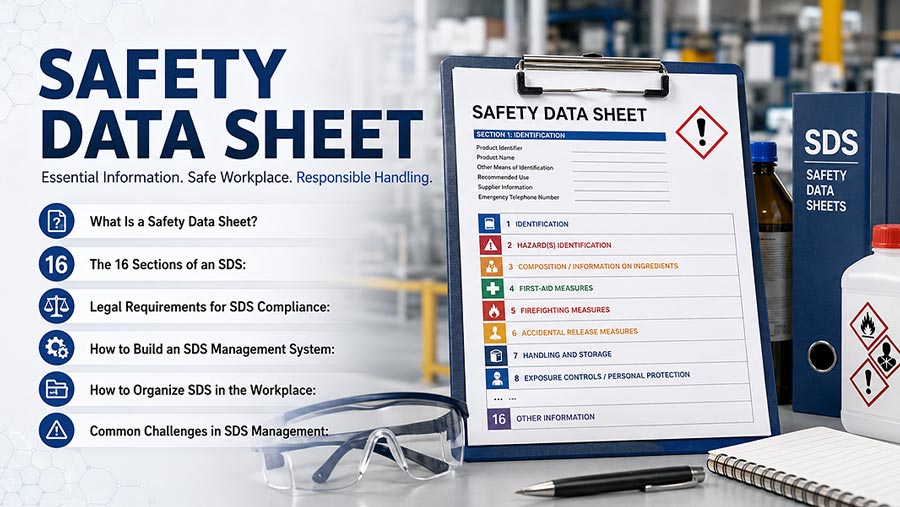
Every year, thousands of workplace chemical incidents happen not because the hazard was unknown, but because the right information was not where it needed to be. A Safety Data
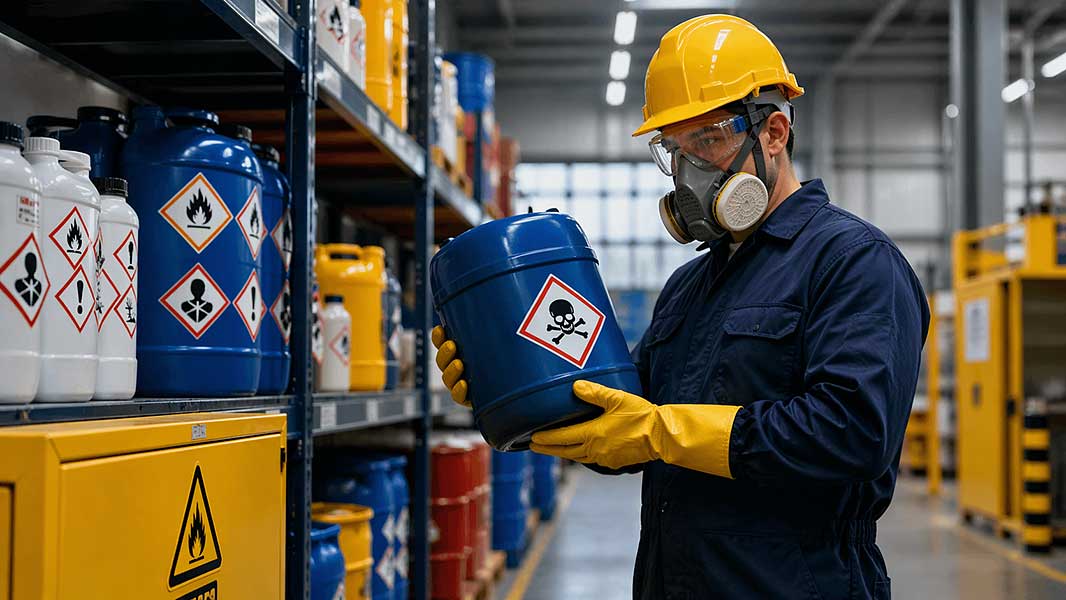
Hazardous Materials Safety is the line between controlled operations and catastrophic failure because one mismanaged chemical, one incompatible storage condition or one missed warning label can trigger injuries, fires,

Emergency Preparedness in UAE is no longer optional because a single unplanned incident can shut down operations, cause serious injuries and expose businesses to legal consequences. In high-risk sectors,

ISO 14001 Environmental Management Lead Auditor in UAE is a highly respected role because organizations rely on qualified professionals to assess environmental management systems (EMS), ensure ISO 14001:2015 compliance

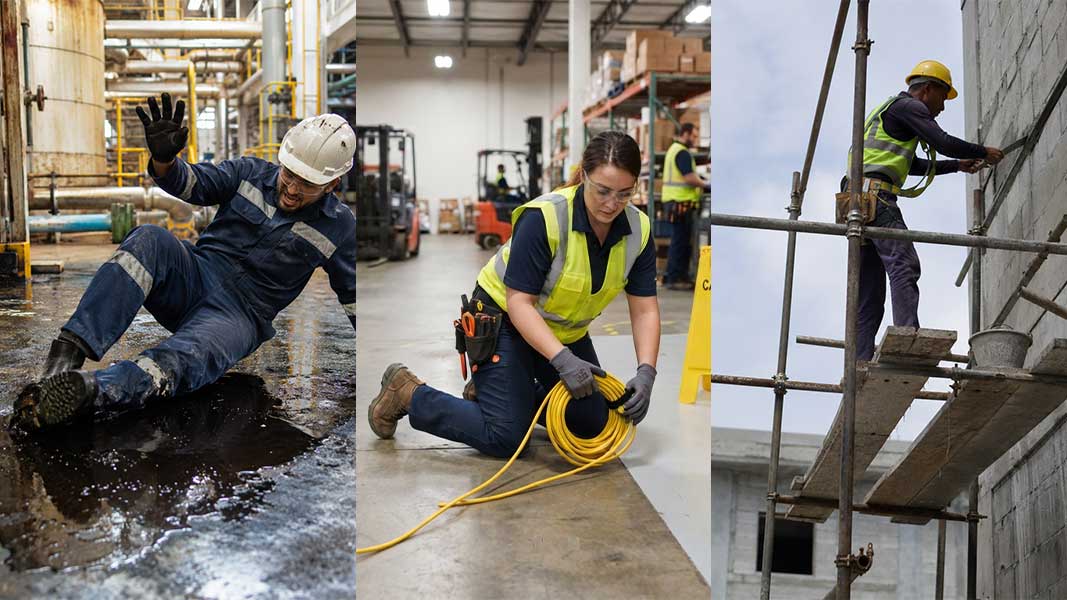
Fall protection for work at height remains one of the most critical safety priorities across construction, oil and gas, manufacturing and maintenance industries because even a minor lapse can

Key requirements of ISO 9001 Certification in UAE define how organizations build a structured, consistent and performance-driven ISO 9001 Quality Management System that meets customer expectations and regulatory demands.

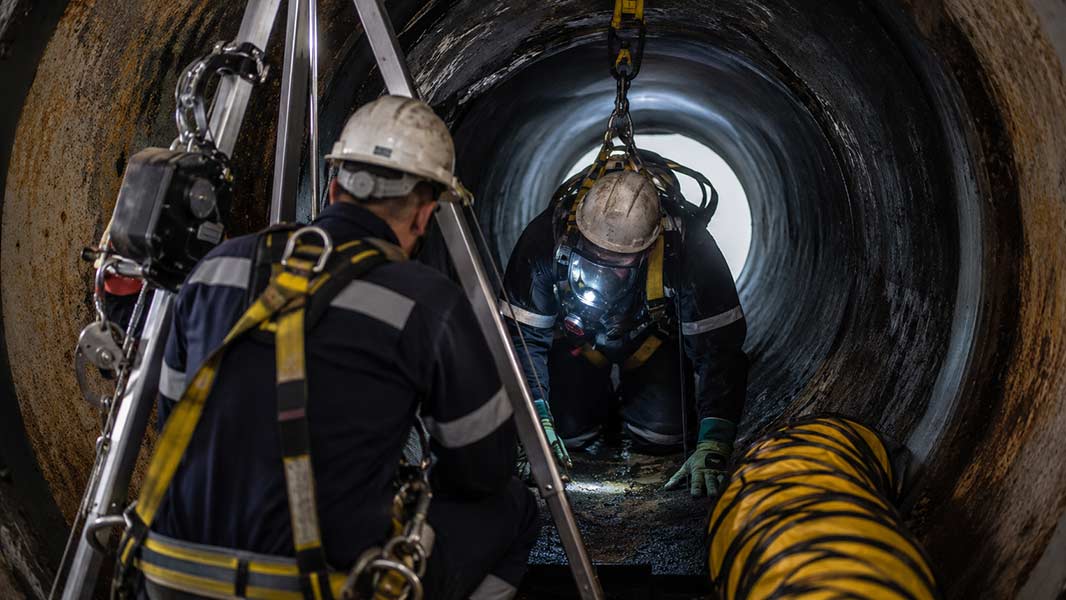
Confined Space Hazards remain one of the most critical risks in industrial workplaces because they combine limited access, poor ventilation and unpredictable conditions that can turn routine tasks into

The benefits of ISO 45001 lead auditor training are becoming increasingly important for safety professionals in the UAE because industries such as construction, oil and gas, manufacturing, logistics and

Machine Guarding Safety protects workers from dangerous moving parts, mechanical hazards and high-risk machine operations that exist across industrial workplaces. Manufacturing equipment, conveyor systems, cutting machines, presses and rotating

The ISO 14001 Certification Process provides organizations with a structured method to establish an effective Environmental Management System (EMS) that identifies environmental aspects, evaluates potential environmental impacts and implements

Digital LOTO Systems are becoming an essential part of modern industrial safety programs because traditional paper-based lockout tagout procedures often create gaps in documentation, communication and verification of hazardous

The benefits of ISO 9001 Lead Auditor Course in UAE are clear for professionals who want authority in quality management, because this qualification proves you can plan, conduct and

Employee Assistance Programs for workplace safety strengthen risk control because mental health, personal stress and financial pressure directly affect concentration, judgment and safe behavior at work. Many incident investigations

ISO 45001 clause 5.1 leadership and commitment requirements determine whether an Occupational Health and Safety Management System truly works in practice. Under the ISO 45001 framework, top management is

Bullying and harassment prevention in the workplace is a critical part of occupational health, legal compliance and organizational risk management. When disrespectful conduct is ignored, employee morale declines and

The benefits of ISO 14001 Lead Auditor Training in UAE extend far beyond earning a professional credential. This advanced qualification by Eduskills Training equips you to plan, conduct and

Workplace violence prevention is not limited to reacting after an incident occurs but instead focuses on identifying risks early and controlling them before harm happens. Violence at the workplace

HSE KPIs are the backbone of effective health, safety and environmental performance measurement because they turn policies, procedures and controls into measurable outcomes. When defined and used correctly, KPIs

ISO 45001 Implementation is the process of building a structured occupational health and safety management system that actually works on the ground, therefore reducing risks, preventing incidents and protecting

Fatigue management at the workplace has become a critical safety concern because fatigue directly affects alertness, judgment, reaction time and decision-making. When workers are fatigued, the likelihood of errors

Guide to ISO 45001 Lead Auditor Course is the starting point for professionals who want to upgrade from “knowing safety” to auditing occupational health and safety systems with confidence

Ergonomics and Musculoskeletal Health sit at the center of injury prevention because most work-related pain develops from everyday tasks rather than sudden accidents. When jobs are designed without considering
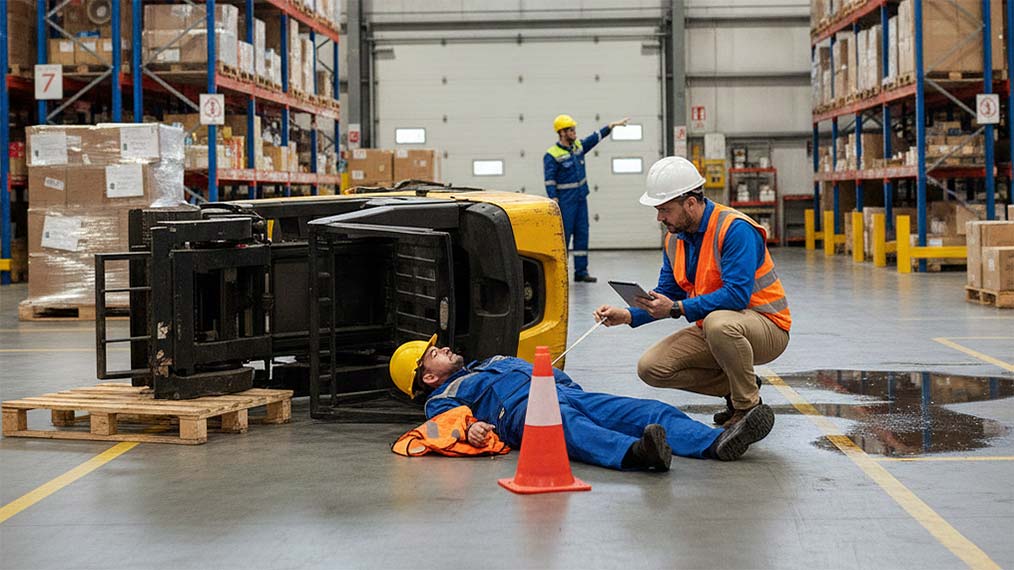
Incident investigation is the backbone of effective occupational health and safety, because it focuses on understanding why an incident occurred rather than who was involved. When done properly, it

ISO 14001 Gap Analysis is a structured assessment that helps organizations measure their current Environmental Management System against ISO 14001 requirements because even small compliance gaps can lead to

Choosing the right professional certification depends on career goals, industry exposure and long-term relevance. Many professionals choose ISO 9001 Lead Auditor Course in UAE because organizations across the region
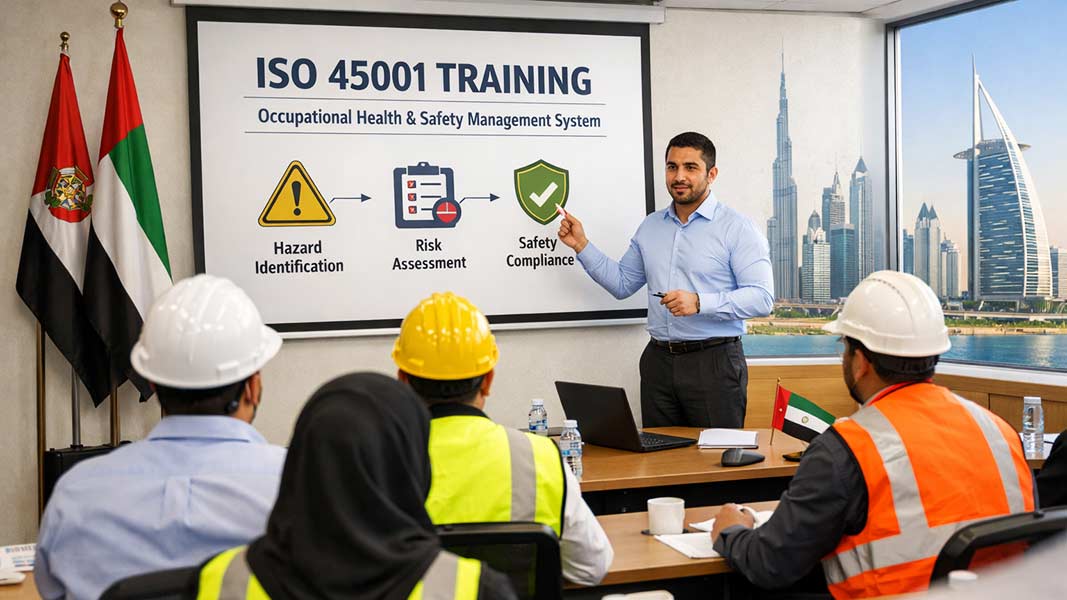
ISO 45001 Training in the UAE is no longer optional for professionals responsible for workplace safety, compliance and operational control. Organizations are under increasing pressure to reduce incidents, meet

ISO 45001 Implementation and Certification for SMEs in UAE has become a direct path for small and medium businesses to strengthen safety performance because it brings structure, accountability and

ISO 14001 Environmental Policy and Leadership set the foundation for how an organization turns environmental intent into measurable action. When both elements work in sync, teams move from declarations

Mental health in workplace safety is a critical factor that decides how consistently people follow procedures, recognize hazards and respond under pressure. When employees feel overwhelmed, their ability to

An ISO 45001 Gap Analysis gives you a realistic picture of how your current safety practices measure against the requirements of the ISO 45001 Occupational Health and Safety Management

Psychosocial hazards in the workplace influence how people think, behave and respond to risks because they directly affect mental wellbeing long before a physical incident occurs. When pressure builds,

Behavior based safety plays a defining role in how workplace safety culture grows, matures and stays consistent across daily operations. When organizations pay attention to the way people act
Soft skills for HSE professionals shape how effectively they communicate, influence and guide people on site, therefore they matter just as much as technical expertise. I’ve seen many safety
ISO 9001 digital transformation is reshaping how organizations in the UAE manage quality, safety and efficiency. Companies across Dubai, Abu Dhabi and Sharjah are moving beyond traditional paperwork and
An HSE Implementation Plan is the foundation of every safe and responsible workplace. It provides a structured framework for managing health, safety and environmental risks so that daily operations
ISO 45001 nonconformities are among the most common challenges organizations face during health and safety audits. We’ve seen many businesses struggle with recurring gaps that delay certification, affect compliance,
Leadership in ISO 9001 Certification success is the single most decisive factor that determines whether an organization truly achieves quality excellence or merely collects a certificate. ISO 9001:2015 places
An ISO 45001 audit preparation is far more than gathering documents and hoping for the best. It’s a disciplined process that tests your organization’s true commitment to occupational health
Common ISO 14001 implementation mistakes can quietly derail even the most well-intentioned environmental management plans. Many organizations across the UAE especially in Dubai, Abu Dhabi or Sharjah start with
ISO 9001 audit nonconformities reveal where a quality management system falls short of meeting the standard’s requirements. They highlight gaps in consistency, documentation, or process control that can impact
Achieving ISO 45001 certification is more than a compliance milestone, it’s a strategic commitment to protecting people and building a culture of safety across all levels of an organization.
Continuous improvement is the backbone of every high-performing organization. It’s not just about fixing what’s broken — it’s about building a culture that keeps evolving, learning and improving every
NVQ Level 6 Career Progression has become a defining step for health and safety professionals aiming to move from technical roles to senior leadership positions. The ProQual NVQ Level
Both the NVQ Level 7 SHSLM and NVQ Level 6 OHSP are highly respected health and safety qualifications, but they serve a little different career stages and objectives. As
A Health and Safety Internal Audit Report is more than a document; it’s the foundation for maintaining a safe, compliant, and accountable workplace. Every organization, whether operating in construction,
Health and safety leadership is the foundation of every successful organization that values its people. It’s not just about rules, checklists, or compliance manuals. It’s about creating a shared
A well-structured HSE Plan is the backbone of workplace safety and regulatory compliance in the UAE. It outlines how businesses protect workers, manage risks and meet legal requirements across