HIRA in the Workplace – Hazard Identification and Risk Assessment
HIRA in the workplace is not a paperwork exercise. It is the single most important process that stands between your workers and a serious injury, a fatality or a

Bullying and harassment prevention in the workplace is a critical part of occupational health, legal compliance and organizational risk management. When disrespectful conduct is ignored, employee morale declines and productivity suffers, but when companies implement structured policies and strong reporting systems, workplace culture improves and legal exposure reduces. Prevention requires leadership commitment, clear behavioral standards, proper investigations and consistent enforcement because psychological safety directly influences performance, retention and reputation. This guide explains how organizations can identify workplace bullying, manage harassment risks, implement preventive controls and build a respectful work environment aligned with compliance and best practice standards.
Understanding workplace bullying and harassment is the first step toward effective bullying and harassment prevention in the workplace. Many organizations confuse misconduct with personality clashes but repeated hostile behavior is a psychosocial hazard that affects safety, morale and legal compliance.
Workplace bullying refers to repeated, unreasonable behavior directed at an employee or group that creates a risk to health and safety. It often involves intimidation, humiliation, exclusion or persistent criticism that undermines a person’s confidence and professional standing.
Bullying usually follows a pattern because it is sustained over time rather than being a single isolated incident. For example, a supervisor who constantly belittles an employee in meetings, assigns impossible deadlines intentionally or spreads damaging rumors is engaging in bullying behavior. This conduct erodes psychological safety and may lead to stress-related illness, absenteeism and reduced productivity.
Workplace harassment involves unwelcome conduct based on protected characteristics such as gender, nationality, religion, age or disability. However, harassment may also include any offensive behavior that creates a hostile work environment, even if it is not repeated frequently.
Unlike bullying, harassment can occur as a single serious incident, particularly in cases of sexual harassment or discriminatory remarks. The key element is that the behavior violates dignity and creates an intimidating, hostile or degrading environment. Therefore, organizations must establish zero tolerance policies and clear reporting mechanisms to ensure compliance with labor laws and anti-discrimination regulations.
Harassment in the workplace can take several forms and recognizing each type is essential for effective prevention and control.
This includes insults, offensive jokes, slurs or derogatory comments. Although some individuals may dismiss such remarks as harmless, repeated verbal abuse contributes to a toxic work culture.
This involves manipulation, intimidation, social isolation or threats that affect mental wellbeing. It is often subtle, but its impact can be severe because it targets emotional stability.
This includes unwelcome advances, inappropriate comments, suggestive messages or any conduct of a sexual nature that creates discomfort or fear. Organizations must address this immediately because legal consequences can be significant.
With remote work and digital communication increasing, harassment through emails, messaging platforms or social media has become more common. Offensive messages, online humiliation or digital stalking are serious misconduct and require formal investigation.
Each of these forms represents a workplace risk that must be controlled through training, policy enforcement and leadership accountability.
In industrial environments such as construction, oil and gas or manufacturing sites, bullying may appear as public shouting, intimidation during toolbox talks or deliberate exclusion from safety briefings. This behavior increases stress levels and may distract workers, therefore raising the likelihood of accidents.
In corporate offices, harassment may occur through inappropriate comments during meetings, exclusion from projects based on personal bias or offensive messages shared in group chats. While the setting differs, the impact remains the same because employees feel unsafe, disengaged and unsupported.
Organizations that invest in structured awareness programs and leadership training create a culture where unacceptable behavior is challenged early. Companies across the UAE increasingly recognize that proactive prevention strengthens compliance and workforce stability, which is why professional training providers such as Eduskills Training support employers in building respectful, legally compliant work environments.
“When disrespect becomes normalized, productivity declines, employee wellbeing suffers and legal exposure increases because fear and intimidation silently damage communication, trust and operational performance.”
Bullying and harassment are serious workplace risks because they directly affect safety performance, employee wellbeing and regulatory compliance. Many organizations underestimate the impact, yet harmful behavior creates psychological stress, weakens teamwork and increases operational instability. When these risks are ignored, incidents escalate and complaints multiply, therefore exposing the organization to legal, financial and reputational consequences.
Unsafe behavior is not limited to physical hazards because a toxic work culture disrupts communication, discourages reporting and reduces hazard awareness. As a result, overall standards decline. Effective bullying and harassment prevention in the workplace requires leadership accountability, structured policies and measurable controls because behavioral risks influence every level of performance.
Workplace bullying and harassment significantly affect mental health and wellbeing of employees because sustained stress alters concentration, confidence and emotional stability. Employees who experience humiliation, intimidation or discrimination often develop anxiety, sleep disorders and reduced motivation.
When psychological safety is compromised, employees hesitate to speak up about operational risks or safety concerns. This silence culture increases the likelihood of errors and near misses. Furthermore, prolonged exposure to hostile environments may lead to burnout or clinical depression, which then increases medical leave and compensation claims.
Productivity declines when employees work in fear or constant tension. Time that should be spent on operational efficiency shifts toward conflict avoidance and emotional coping; therefore, output quality drops and deadlines suffer.
Absenteeism also rises because affected employees may take sick leave to escape a hostile environment. In some cases, high performers resign quietly, which then increases recruitment and onboarding costs. Staff turnover disrupts team continuity and weakens institutional knowledge.
Failure to address harassment and bullying can result in serious legal consequences. One thing is clear that labor laws in many jurisdictions require employers to provide a safe and non-discriminatory work environment. When organizations ignore complaints or conduct biased investigations, they risk penalties, lawsuits and regulatory scrutiny.
Non-compliance may also affect contracts, especially in industries such as construction, oil and gas and manufacturing where safety management systems are audited regularly. Therefore, documented reporting procedures, impartial investigations and corrective actions are essential components of compliance. Clear policies alone are not enough because enforcement and consistent documentation determine legal defensibility.
Reputation influences client trust, investor confidence and talent attraction because when workplace harassment cases become public, brand value can decline rapidly also negative reviews, social media exposure and employee complaints damage credibility.
Skilled professionals prefer organizations known for ethical leadership and respectful culture; therefore, companies that fail to control misconduct may struggle to attract and retain qualified staff.
Psychosocial hazards refer to aspects of work design, organization and social environment that may cause psychological harm. Bullying, harassment, discrimination and workplace aggression fall within this category.
Modern occupational health and safety frameworks increasingly recognize psychosocial risk assessment as part of hazard identification processes therefore, employers must integrate behavioral risk controls into their safety management systems rather than treating them as separate HR matters.
Risk assessments should evaluate leadership behavior, communication patterns, reporting culture and workload pressures because these factors influence employee stress levels. Training supervisors to recognize early warning signs, conduct respectful conversations and intervene promptly strengthens preventive controls.
Organizations that align behavioral safety with occupational risk management create safer, more resilient workplaces where performance and wellbeing move in the same direction.
You might be interested in reading
An effective anti-bullying and harassment policy is the backbone of bullying and harassment prevention in the workplace because it defines expectations, sets boundaries and establishes accountability. Many organizations create short generic statements, but weak documentation leads to inconsistent enforcement and legal vulnerability. A well-structured policy, however, aligns with occupational health standards, labor regulations and internal code of conduct requirements.
Below are the core components every organization should include.
A policy must begin with precise definitions of workplace bullying, harassment, discrimination, retaliation and workplace misconduct. The scope should specify who is covered, including full-time employees, contractors, temporary staff, interns and third-party vendors. It must also define where the policy applies, such as offices, project sites, business travel and digital communication platforms.
A strong zero tolerance statement signals leadership commitment. However, zero tolerance should not be a slogan; it must reflect genuine enforcement and documented consequences.
The statement should confirm that any form of workplace bullying, harassment or retaliation will be investigated promptly and addressed without bias. Leadership must model respectful conduct because policies lose credibility when senior personnel are exempt from scrutiny.
Employees must have safe and accessible reporting options. Effective reporting channels may include direct supervisor reporting, HR or compliance department contact, anonymous hotline or digital reporting platform and designated ethics officer.
Confidentiality measures must protect the complainant’s identity as far as legally possible. Furthermore, anti-retaliation protections must be clearly stated because fear of retaliation is one of the main barriers to reporting misconduct.
Documentation procedures should outline how complaints are recorded, acknowledged and tracked. Transparency increases confidence in the system and strengthens organizational credibility.
A well-structured investigation process ensures fairness and legal defensibility. Investigations must be impartial and evidence-based. This includes interviewing relevant parties, reviewing documentation and maintaining written records. Therefore, investigators should be trained in interviewing techniques, confidentiality principles and procedural fairness.
Corrective actions should address both individual behavior and root causes. If systemic issues such as poor supervision or unclear reporting lines contributed to the incident, management must implement preventive controls to avoid recurrence.
A disciplinary framework defines consequences for policy violations. Without defined consequences, enforcement becomes inconsistent and credibility declines.
The framework may include verbal warnings, written warnings, suspension, demotion, mandatory training or termination depending on severity. However, the policy should emphasize proportionality because disciplinary measures must align with the seriousness of the misconduct.
“Prevention succeeds when organizations move beyond written policies and implement structured risk assessments, leadership accountability and measurable controls that turn intent into daily practice.”
Policies alone do not prevent misconduct because real change happens during implementation. A structured framework ensures that bullying and harassment prevention in the workplace moves from written statements to daily practice. Without measurable actions, leadership commitment weakens and reporting systems lose credibility.
The following step-by-step framework aligns with occupational health principles, compliance requirements and practical risk management.
Workplace risk assessments should include psychosocial hazards such as bullying, harassment, discrimination, excessive workload pressure and leadership behavior patterns. This process may involve employee surveys, confidential interviews, focus groups and review of past complaints. Risk assessments should document behavioral risk factors, vulnerable employee groups, existing control measures, gaps in reporting or supervision. When behavioral hazards are treated with the same seriousness as physical hazards, organizations strengthen overall safety culture.
Leadership commitment and accountability determines whether prevention efforts succeed or fail. Employees observe how leaders respond to complaints, therefore visible accountability builds trust. Senior management must communicate clear behavioral expectations, participate in awareness sessions, enforce policies consistently, allocate resources for training and compliance.
Accountability mechanisms should include performance objectives linked to respectful workplace standards. When leadership behavior aligns with policy commitments, employee confidence increases and reporting improves.
Training transforms policy into understanding. Employees must recognize what constitutes bullying, harassment, retaliation and inappropriate conduct because awareness reduces unintentional violations. Effective training programs should cover definitions and real-life scenarios, reporting procedures and confidentiality, bystander intervention techniques and consequences of policy violations.
Interactive workshops, case studies and scenario-based discussions improve retention because participants engage actively rather than passively listening.
Supervisors play a critical role because they are usually the first point of contact for complaints. Manager-focused training should emphasize early identification of behavioral warning signs, conducting respectful conversations, handling complaints impartially, preventing retaliation and documentation best practices. Competent supervisors strengthen reporting culture and reduce informal conflict escalation. Furthermore, they reinforce zero tolerance standards through daily interactions.
Organizations should establish measurable key performance indicators related to respectful workplace culture and behavioral risk control. Relevant KPIs may include number of reported cases, investigation closure time, employee perception survey results, training completion rates and repeat incident trends.
Continuous improvement involves reviewing investigation findings, updating training content and adjusting policies when gaps are identified. Regular audits and management reviews ensure that prevention strategies remain effective and legally compliant.
You might be interested in reading
Investigation and corrective action procedures determine whether a workplace truly enforces its anti-bullying standards or merely documents them. A clear process protects ensures that complaints are examined objectively while safeguarding confidentiality and dignity. Moreover, consistent procedures reduce emotional decision-making and prevent escalation.
Every complaint must be acknowledged promptly and handled seriously, whether it is submitted verbally, in writing or through a confidential channel. Proper documentation should capture what happened, when it occurred, who was involved and whether witnesses or supporting evidence exist. At the same time, confidentiality must be maintained carefully. Access to complaint information should be limited to authorized individuals so that unnecessary exposure or workplace gossip does not compromise the process.
An effective and fair investigation must be impartial, structured and evidence-based. The investigation should involve careful review of statements, relevant documentation and any available digital or physical evidence. Interviews must be conducted professionally, using neutral and open-ended questioning techniques. Furthermore, findings should be based strictly on facts rather than assumptions or workplace rumors.
A written investigation report should clearly summarize the evidence, analysis and final conclusions. This documentation strengthens compliance and provides a defensible record if regulators or legal authorities request review. Consistency across cases also ensures that similar behaviors receive similar responses, which reinforces organizational credibility.
Reporting misconduct requires courage, particularly when power imbalances exist. Employees may hesitate to come forward if they fear retaliation such as exclusion, demotion or negative performance evaluations. Therefore, anti-retaliation protections must be clearly communicated and actively enforced.
Protection does not end when the investigation concludes. Management should monitor the work environment to ensure that subtle retaliation does not occur.
Disciplinary action alone rarely resolves the broader issue. While individual accountability is necessary, sustainable improvement requires deeper analysis. Organizations should examine whether supervisory practices, workload pressures, unclear communication channels or leadership gaps contributed to the incident.
Root cause analysis helps identify systemic weaknesses rather than focusing solely on individual misconduct. If, for example, poor managerial training caused inappropriate behavior to continue unchecked, leadership development becomes part of the corrective response. Similarly, if reporting mechanisms were unclear, policy updates and awareness training may be required.
Corrective actions should aim to prevent recurrence, not merely close the case. When lessons learned are integrated into training programs, supervision practices and performance reviews, the organization moves closer to a culture where respectful behavior is consistently upheld.
Bullying and harassment prevention in the workplace ultimately depends on leadership responsibility because culture follows behavior at the top. Policies, reporting systems and investigations provide structure, yet leadership example determines credibility. When executives and managers demonstrate respect, respond firmly to misconduct and protect those who speak up, employees recognize that standards are real. As a result, prevention becomes embedded in daily operations rather than treated as a compliance exercise.
Over time, a respectful workplace delivers measurable business value. Employee engagement improves, turnover declines and productivity stabilizes because people work better in psychologically safe environments. Legal exposure also reduces when organizations act proactively instead of reactively. Therefore, investing in prevention strengthens both human wellbeing and operational performance, which positions the organization for sustainable growth and long-term trust.
Harassment usually involves unwelcome conduct linked to protected characteristics or severe offensive behavior, while bullying often involves repeated hostile actions not always tied to discrimination.
Yes, a single serious incident, especially sexual or discriminatory in nature, can qualify as harassment.
It affects mental health, concentration and communication, therefore increasing operational errors and safety risks.
Frequent humiliation, offensive remarks, intimidation, exclusion or inappropriate digital messages are common warning signs.
Yes, cyber harassment through emails, messaging platforms or virtual meetings is increasingly common.
They should document incidents and report them through formal channels defined in company policy.
By ensuring confidentiality, preventing retaliation and demonstrating fair investigation practices.
Managers set behavioral standards, address complaints promptly and model respectful communication.
A culture that tolerates aggressive behavior increases risk, while psychological safety reduces misconduct.
They are risks related to work design and social environment, including bullying, harassment and excessive stress.
HIRA in the workplace is not a paperwork exercise. It is the single most important process that stands between your workers and a serious injury, a fatality or a
Forklift hazards and risk control is a critical responsibility in any workplace where powered industrial trucks operate daily. Warehouses, construction sites, manufacturing plants and logistics hubs rely on forklifts
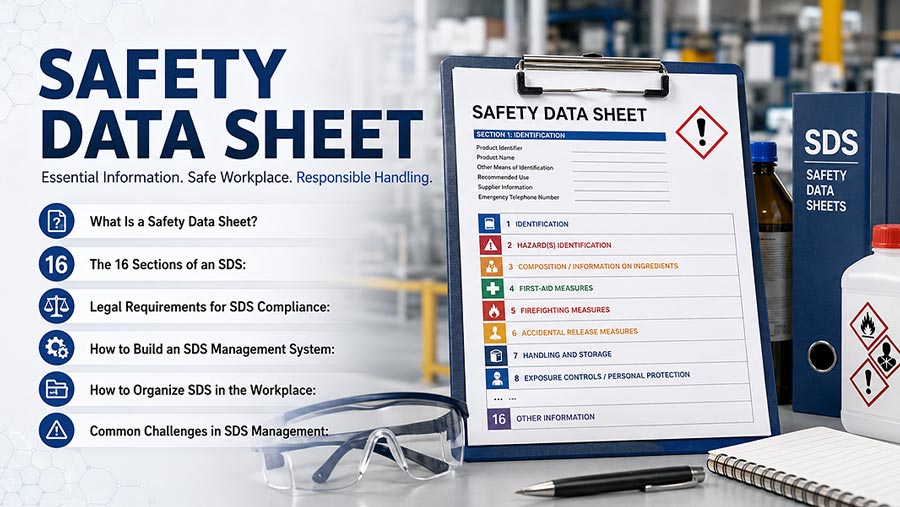
Every year, thousands of workplace chemical incidents happen not because the hazard was unknown, but because the right information was not where it needed to be. A Safety Data
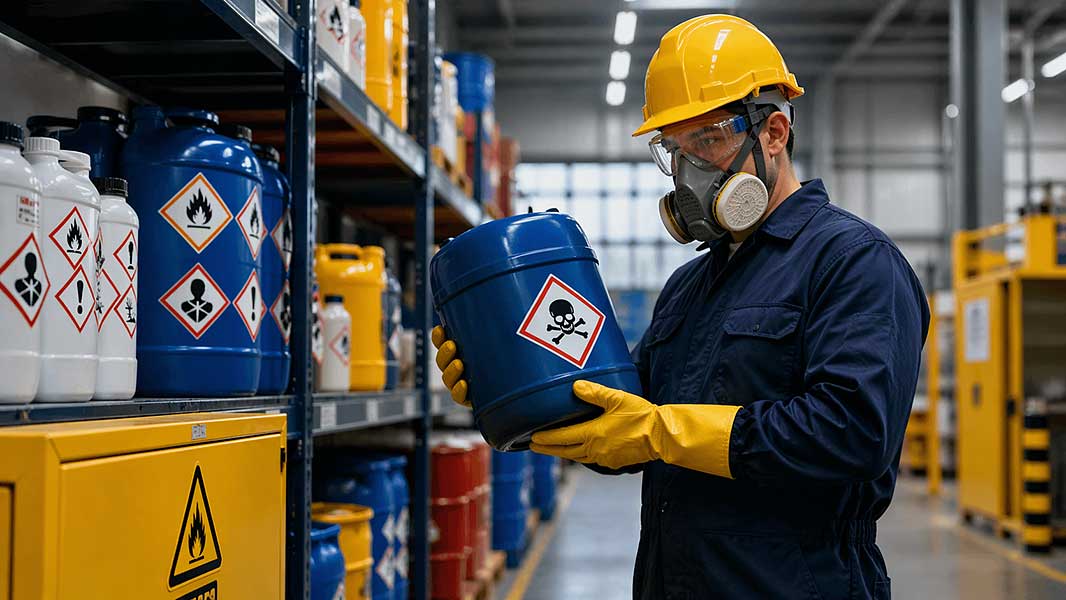
Hazardous Materials Safety is the line between controlled operations and catastrophic failure because one mismanaged chemical, one incompatible storage condition or one missed warning label can trigger injuries, fires,

Emergency Preparedness in UAE is no longer optional because a single unplanned incident can shut down operations, cause serious injuries and expose businesses to legal consequences. In high-risk sectors,

ISO 14001 Environmental Management Lead Auditor in UAE is a highly respected role because organizations rely on qualified professionals to assess environmental management systems (EMS), ensure ISO 14001:2015 compliance

Fall protection for work at height remains one of the most critical safety priorities across construction, oil and gas, manufacturing and maintenance industries because even a minor lapse can

Key requirements of ISO 9001 Certification in UAE define how organizations build a structured, consistent and performance-driven ISO 9001 Quality Management System that meets customer expectations and regulatory demands.
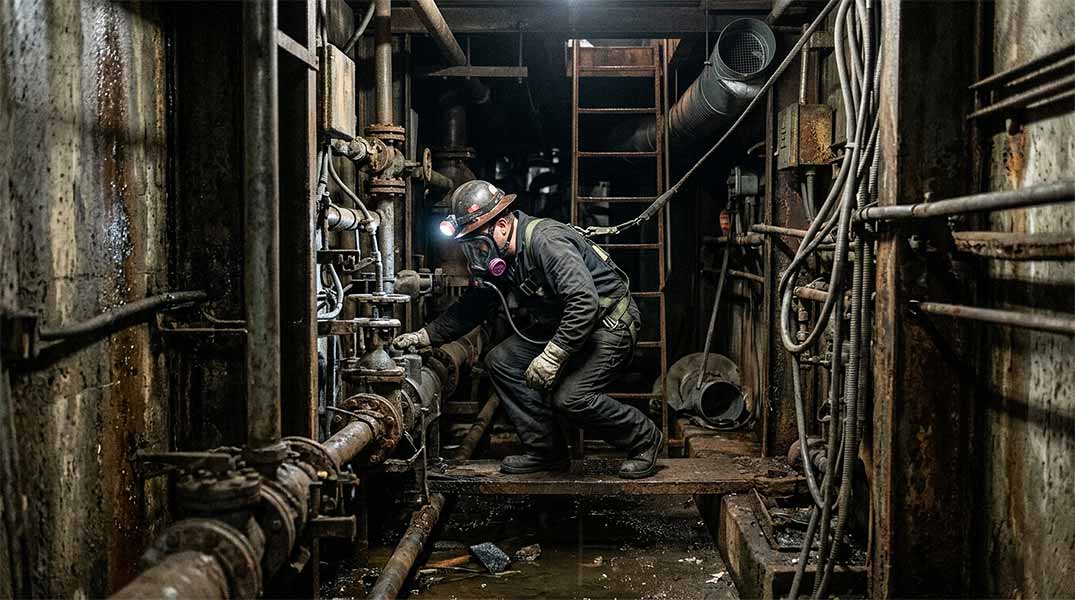
Confined Space Hazards remain one of the most critical risks in industrial workplaces because they combine limited access, poor ventilation and unpredictable conditions that can turn routine tasks into

The benefits of ISO 45001 lead auditor training are becoming increasingly important for safety professionals in the UAE because industries such as construction, oil and gas, manufacturing, logistics and
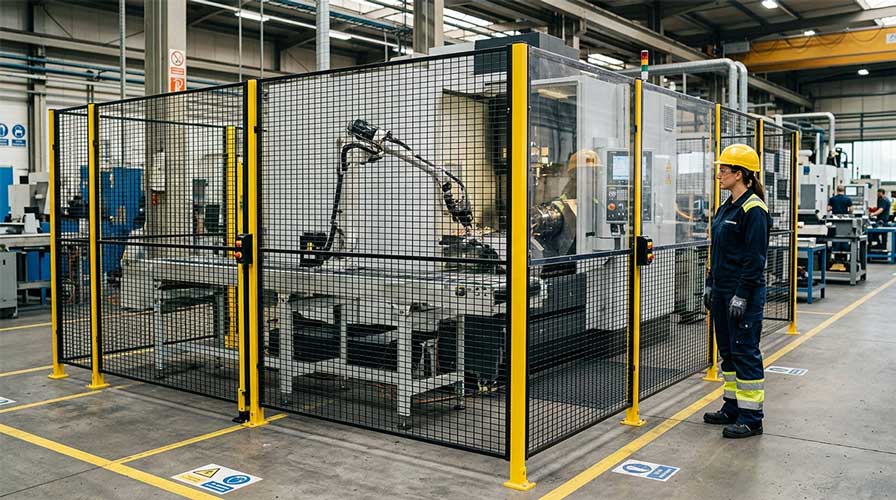
Machine Guarding Safety protects workers from dangerous moving parts, mechanical hazards and high-risk machine operations that exist across industrial workplaces. Manufacturing equipment, conveyor systems, cutting machines, presses and rotating

The ISO 14001 Certification Process provides organizations with a structured method to establish an effective Environmental Management System (EMS) that identifies environmental aspects, evaluates potential environmental impacts and implements
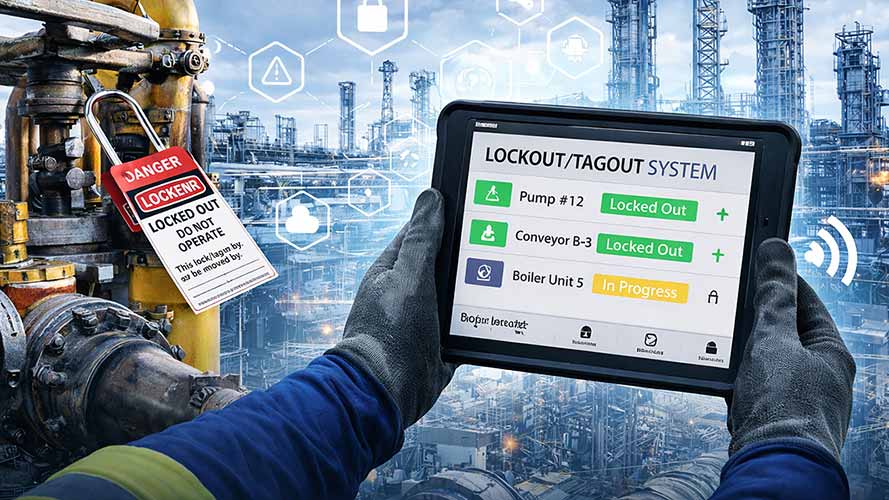
Digital LOTO Systems are becoming an essential part of modern industrial safety programs because traditional paper-based lockout tagout procedures often create gaps in documentation, communication and verification of hazardous

The benefits of ISO 9001 Lead Auditor Course in UAE are clear for professionals who want authority in quality management, because this qualification proves you can plan, conduct and

Employee Assistance Programs for workplace safety strengthen risk control because mental health, personal stress and financial pressure directly affect concentration, judgment and safe behavior at work. Many incident investigations

ISO 45001 clause 5.1 leadership and commitment requirements determine whether an Occupational Health and Safety Management System truly works in practice. Under the ISO 45001 framework, top management is

Bullying and harassment prevention in the workplace is a critical part of occupational health, legal compliance and organizational risk management. When disrespectful conduct is ignored, employee morale declines and

The benefits of ISO 14001 Lead Auditor Training in UAE extend far beyond earning a professional credential. This advanced qualification by Eduskills Training equips you to plan, conduct and

Workplace violence prevention is not limited to reacting after an incident occurs but instead focuses on identifying risks early and controlling them before harm happens. Violence at the workplace
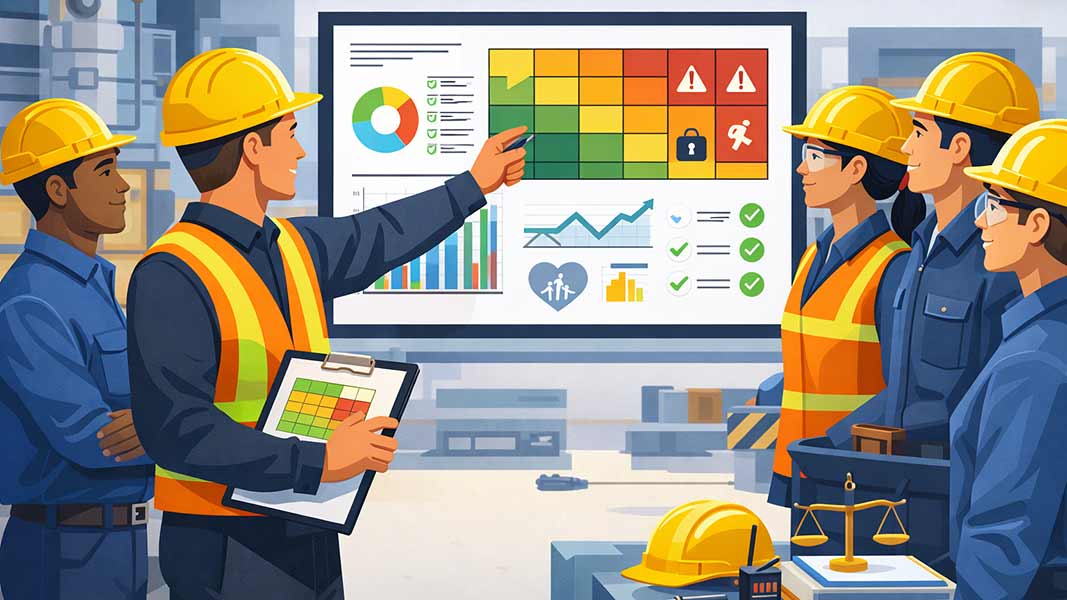
HSE KPIs are the backbone of effective health, safety and environmental performance measurement because they turn policies, procedures and controls into measurable outcomes. When defined and used correctly, KPIs

ISO 45001 Implementation is the process of building a structured occupational health and safety management system that actually works on the ground, therefore reducing risks, preventing incidents and protecting

Fatigue management at the workplace has become a critical safety concern because fatigue directly affects alertness, judgment, reaction time and decision-making. When workers are fatigued, the likelihood of errors

Guide to ISO 45001 Lead Auditor Course is the starting point for professionals who want to upgrade from “knowing safety” to auditing occupational health and safety systems with confidence

Ergonomics and Musculoskeletal Health sit at the center of injury prevention because most work-related pain develops from everyday tasks rather than sudden accidents. When jobs are designed without considering
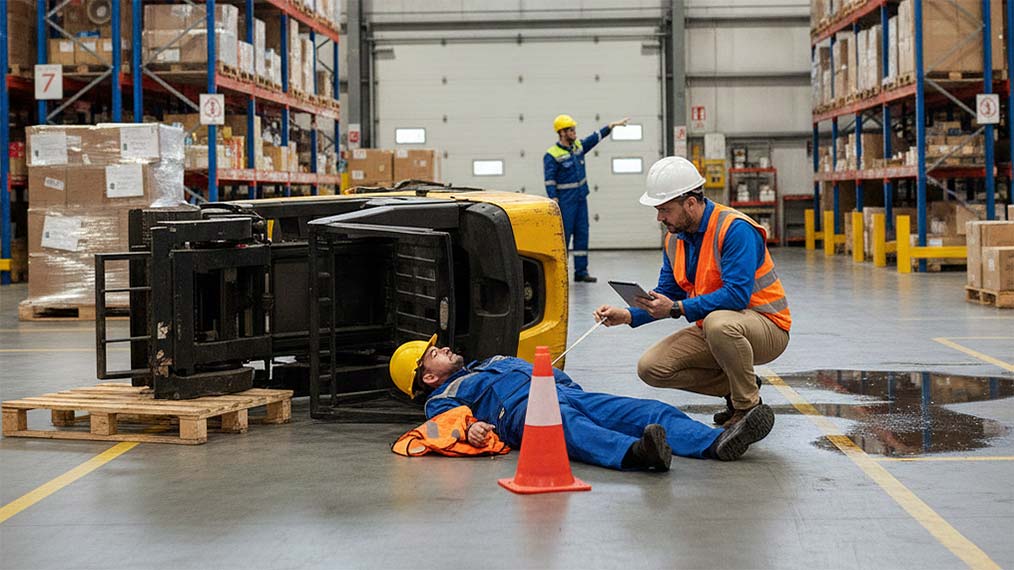
Incident investigation is the backbone of effective occupational health and safety, because it focuses on understanding why an incident occurred rather than who was involved. When done properly, it

ISO 14001 Gap Analysis is a structured assessment that helps organizations measure their current Environmental Management System against ISO 14001 requirements because even small compliance gaps can lead to

Choosing the right professional certification depends on career goals, industry exposure and long-term relevance. Many professionals choose ISO 9001 Lead Auditor Course in UAE because organizations across the region
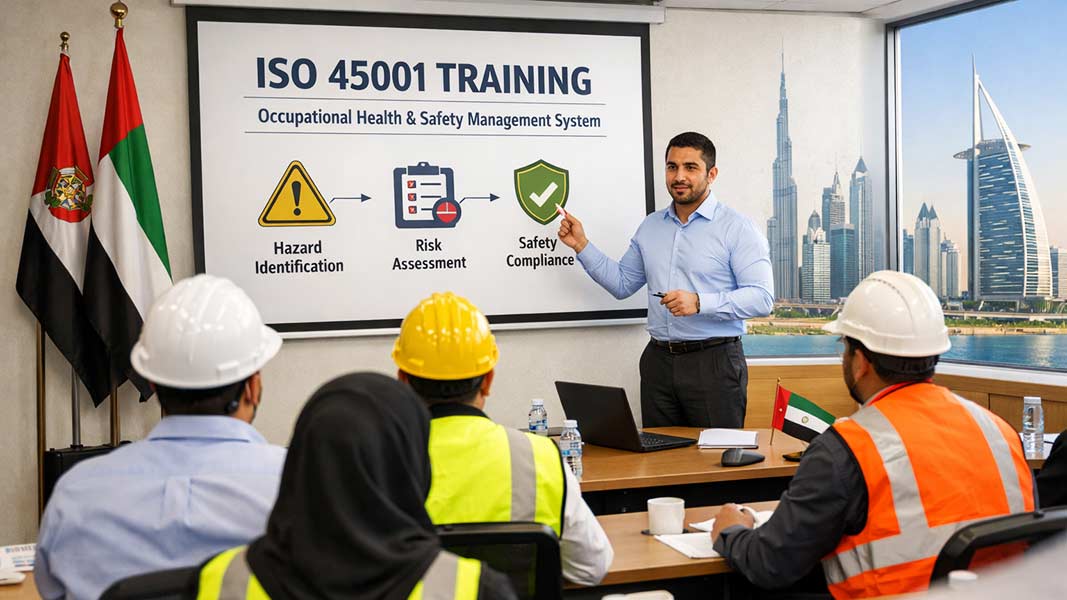
ISO 45001 Training in the UAE is no longer optional for professionals responsible for workplace safety, compliance and operational control. Organizations are under increasing pressure to reduce incidents, meet

ISO 45001 Implementation and Certification for SMEs in UAE has become a direct path for small and medium businesses to strengthen safety performance because it brings structure, accountability and
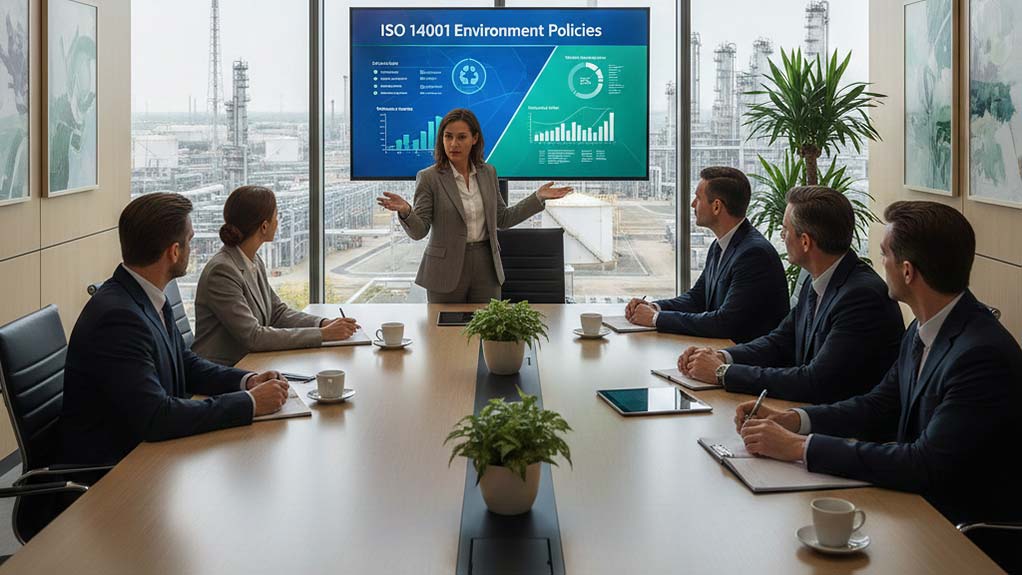
ISO 14001 Environmental Policy and Leadership set the foundation for how an organization turns environmental intent into measurable action. When both elements work in sync, teams move from declarations

Mental health in workplace safety is a critical factor that decides how consistently people follow procedures, recognize hazards and respond under pressure. When employees feel overwhelmed, their ability to

An ISO 45001 Gap Analysis gives you a realistic picture of how your current safety practices measure against the requirements of the ISO 45001 Occupational Health and Safety Management

Psychosocial hazards in the workplace influence how people think, behave and respond to risks because they directly affect mental wellbeing long before a physical incident occurs. When pressure builds,

Behavior based safety plays a defining role in how workplace safety culture grows, matures and stays consistent across daily operations. When organizations pay attention to the way people act
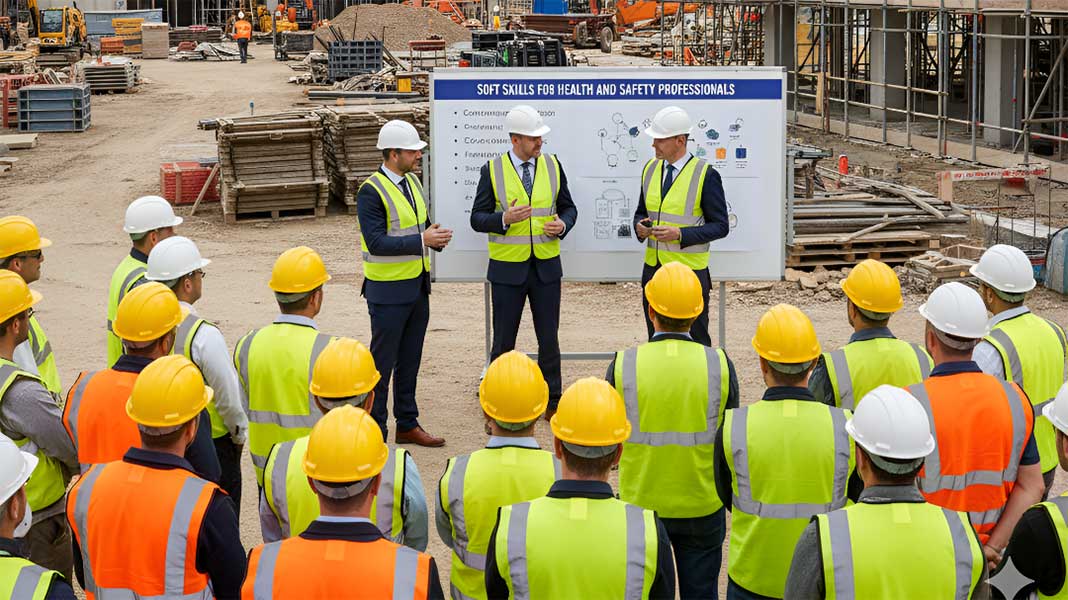
Soft skills for HSE professionals shape how effectively they communicate, influence and guide people on site, therefore they matter just as much as technical expertise. I’ve seen many safety
ISO 9001 digital transformation is reshaping how organizations in the UAE manage quality, safety and efficiency. Companies across Dubai, Abu Dhabi and Sharjah are moving beyond traditional paperwork and
An HSE Implementation Plan is the foundation of every safe and responsible workplace. It provides a structured framework for managing health, safety and environmental risks so that daily operations
ISO 45001 nonconformities are among the most common challenges organizations face during health and safety audits. We’ve seen many businesses struggle with recurring gaps that delay certification, affect compliance,
Leadership in ISO 9001 Certification success is the single most decisive factor that determines whether an organization truly achieves quality excellence or merely collects a certificate. ISO 9001:2015 places
An ISO 45001 audit preparation is far more than gathering documents and hoping for the best. It’s a disciplined process that tests your organization’s true commitment to occupational health
Common ISO 14001 implementation mistakes can quietly derail even the most well-intentioned environmental management plans. Many organizations across the UAE especially in Dubai, Abu Dhabi or Sharjah start with
ISO 9001 audit nonconformities reveal where a quality management system falls short of meeting the standard’s requirements. They highlight gaps in consistency, documentation, or process control that can impact
Achieving ISO 45001 certification is more than a compliance milestone, it’s a strategic commitment to protecting people and building a culture of safety across all levels of an organization.
Continuous improvement is the backbone of every high-performing organization. It’s not just about fixing what’s broken — it’s about building a culture that keeps evolving, learning and improving every
NVQ Level 6 Career Progression has become a defining step for health and safety professionals aiming to move from technical roles to senior leadership positions. The ProQual NVQ Level
Both the NVQ Level 7 SHSLM and NVQ Level 6 OHSP are highly respected health and safety qualifications, but they serve a little different career stages and objectives. As
A Health and Safety Internal Audit Report is more than a document; it’s the foundation for maintaining a safe, compliant, and accountable workplace. Every organization, whether operating in construction,
Health and safety leadership is the foundation of every successful organization that values its people. It’s not just about rules, checklists, or compliance manuals. It’s about creating a shared
A well-structured HSE Plan is the backbone of workplace safety and regulatory compliance in the UAE. It outlines how businesses protect workers, manage risks and meet legal requirements across
Risk assessment in construction is more than a regulatory requirement; it is the foundation of occupational health and safety in one of the world’s most hazardous industries. Every project