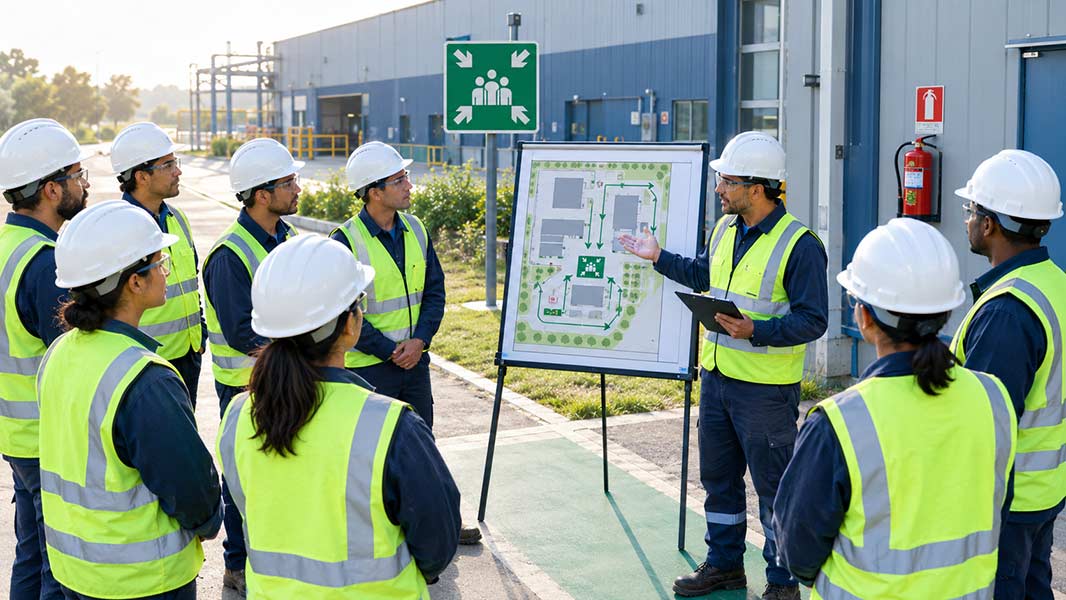
Heat Stress Awareness: Recognize the Warning Signs
Heat Stress Awareness starts with a simple fact: the human body can only handle so much heat before it starts to fail and most workers never see the warning
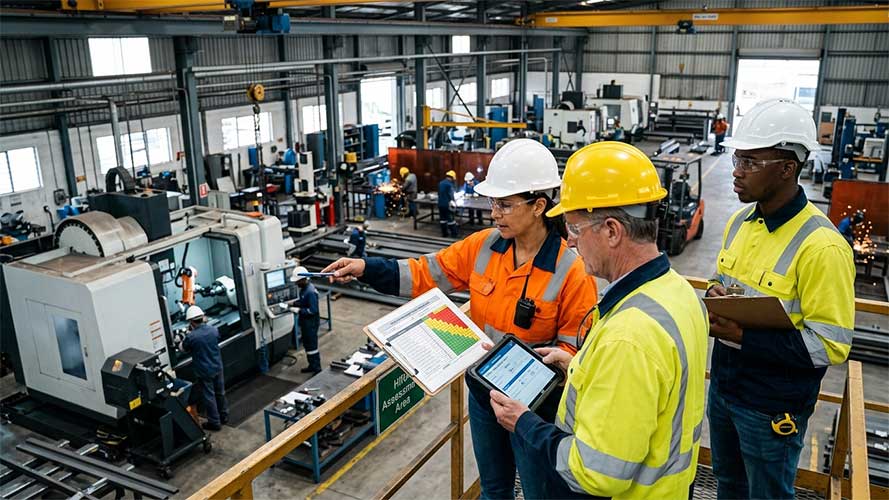
ISO 45001 Implementation and Certification for SMEs in UAE has become a direct path for small and medium businesses to strengthen safety performance because it brings structure, accountability and clear direction to daily operations. We see many SMEs in Dubai, Abu Dhabi, Sharjah or across the UAE trying to manage safety with limited resources, yet the moment they adopt a formal Occupational Health and Safety Management System, their incident trends drop and their teams start working with more confidence. This certification also positions small and medium level businesses as reliable partners for clients who expect compliance, therefore it supports growth in competitive sectors like construction, manufacturing, logistics and facility management. When businesses treat ISO 45001 as a practical system rather than a paperwork exercise, they gain control over risks, reduce disruptions and build a safer workplace that supports long-term sustainability.
ISO 45001 Implementation and Certification for SMEs in UAE matters because small and medium companies operate in environments where a single incident can disrupt schedules, drain budgets and damage client trust. Many SMEs grow fast, therefore their processes often outpace their safety systems. Once they introduce a structured Occupational Health and Safety Management System, they create clarity around responsibilities, reduce reactive firefighting and build a culture where safety supports business growth rather than slowing it down. This is exactly why more organizations in Dubai, Abu Dhabi or Sharjah etc are treating ISO 45001 as a business requirement rather than an optional certification.
SMEs across the UAE manage tight deadlines, lean teams and multiple subcontractors, which increases exposure to operational risks. Construction, maintenance, logistics and manufacturing companies face hazards that range from equipment handling and high-temperature work to traffic movement inside facilities. Because many SMEs operate with limited supervision layers, even small process gaps can lead to injuries or property damage. ISO 45001 helps address these vulnerabilities by giving businesses a structured approach to hazard identification, risk evaluation and control implementation.
ISO 45001 improves performance because it replaces guesswork with documented procedures, measurable safety objectives and defined roles. SMEs start seeing stability once hazards are controlled, communication becomes clearer and incident prevention becomes intentional rather than reactive. Teams receive proper training, supervisors understand expectations and management gains visibility over daily activities. This system reduces downtime, prevents costly disruptions and supports continuous improvement, which strengthens overall business reliability.
Small and medium businesses often experience the most noticeable transformation after implementing ISO 45001 because their operations depend heavily on smooth workflow and consistent productivity. Larger companies may absorb disruptions more easily, while SMEs face immediate consequences when incidents occur. By adopting ISO 45001, smaller organizations gain structured processes, stronger safety ownership and better control over risks without needing large administrative teams. As a result, they achieve safer working environments, improved project delivery and better qualification for client tenders across the UAE.
SMEs planning for ISO 45001 Implementation and Certification in UAE need a clear understanding of several core requirements because each one shapes how effectively the system works once it becomes part of daily operations. These requirements define responsibilities, strengthen control over workplace risks and ensure the organization meets both UAE legal expectations and client demands. When SMEs understand these foundations early, they avoid delays, reduce confusion and move through the implementation phase with more confidence.
ISO 45001 depends heavily on leadership involvement because meaningful change starts from the top. Managers in SMEs must take ownership of safety policies, allocate resources and communicate expectations clearly to their teams. Employees pay attention to what leaders prioritize, therefore visible commitment sets the tone for accountability. When leadership consistently participates in reviews, supports hazard control measures and engages with workers, the entire system becomes stronger and more aligned with daily business needs.
A reliable safety system begins with accurate hazard identification. SMEs need to examine every activity, environment and process that could harm people or interrupt operations. This includes physical hazards, chemical exposures, equipment usage, manual handling and contractor activities. Once hazards are identified, the next step is implementing risk controls that are practical, achievable and easy for workers to follow. Effective control measures reduce incident potential and create predictable workflows, which is essential for SMEs managing tight schedules.
UAE regulations place clear responsibilities on employers to protect their workforce. SMEs must understand these legal obligations because non-compliance can lead to penalties, project delays and reputational damage. ISO 45001 helps organizations build processes that align with local authority requirements, sector-specific guidelines and client-imposed safety standards. By maintaining updated registers, reviewing compliance regularly and documenting corrective actions, SMEs stay ahead of legal risks and demonstrate responsible business conduct.
Competence plays a major role in preventing incidents because untrained or unaware workers often make mistakes that lead to injuries or operational disruptions. ISO 45001 requires SMEs to assess the competence of their workforce, identify gaps and provide suitable training. This includes safety awareness sessions, job-specific training, emergency response drills and refreshers when processes change. When employees understand risks and know how to control them, safety improves, productivity increases and communication flows more smoothly across the organization.
A clear roadmap makes ISO 45001 Implementation and Certification for SMEs in UAE achievable because it guides managers through each stage without overwhelming their teams. SMEs need structure, predictable steps and practical actions they can apply inside their operations. The sequence below reflects how organizations across Dubai, Abu Dhabi and Sharjah successfully move from planning to certification while keeping daily work uninterrupted.
A gap analysis shows where the business currently stands compared to ISO 45001 requirements. SMEs review their existing procedures, identify missing documents and understand which processes need immediate improvement. This assessment also helps set priorities, therefore it becomes the foundation of a realistic implementation plan.
Once gaps are clear, SMEs must define the scope of the Occupational Health and Safety Management System. This includes the locations, activities and functions covered by ISO 45001. After the scope is set, leadership develops an OHS policy that outlines the commitment to preventing injuries, complying with laws and improving safety performance. The policy guides every future decision, so it must be clear, practical and aligned with business operations.
Hazard identification is one of the most critical steps because it highlights what can harm people or disrupt operations. SMEs evaluate tasks, equipment, materials and environmental conditions to identify every potential risk. Afterward, they perform risk assessments to determine severity and likelihood. This step ensures that corrective actions focus on the areas with the highest impact.
Based on hazard and compliance findings, SMEs develop operational controls that workers can follow consistently. These include safe work procedures, permit-to-work processes, equipment handling instructions and emergency response plans. Strong controls bring predictability to daily work, which reduces the chances of incidents and strengthens efficiency.
Training transforms procedures into practical behavior. SMEs must ensure that workers understand risks, control measures and their roles in maintaining safety. Competence-building includes job-specific training, emergency drills, toolbox talks and ongoing refreshers. When employees gain confidence, they perform tasks more safely and communicate hazards earlier.
Clear communication keeps the system alive. SMEs introduce channels that encourage workers to report hazards, participate in discussions and share improvement ideas. Consultation builds ownership because employees feel part of the solution rather than passive observers. This improves teamwork and strengthens the safety culture.
SMEs need measurable indicators to understand if the system is working. Monitoring includes incident tracking, workplace inspections, compliance checks and performance data analysis. These metrics help leadership identify trends, correct weaknesses and reinforce what is working well.
Internal audits evaluate whether the implemented system aligns with ISO 45001 requirements. Trained auditors examine documents, interview employees and observe processes. Their findings direct the corrective actions required before the certification body arrives. Good internal audits reduce surprises during the external audit.
Leadership reviews the full performance of the system, including audit results, training effectiveness, incident trends and resource needs. This meeting is essential because it confirms the system’s suitability and identifies improvements. Strong leadership engagement improves readiness for certification.
Once all corrective actions are complete, SMEs schedule the certification audit. The external auditor reviews documentation, evaluates implementation and verifies compliance with ISO 45001. When the system meets the standard, the organization is awarded the certification. Eduskills Training supports SMEs through this stage by guiding documentation review, preparing teams and ensuring the system is ready for evaluation.
ISO 45001 Implementation and Certification for SMEs in UAE delivers practical benefits that directly influence safety performance, workforce stability and long-term business growth. SMEs operate with lean teams and tight timelines, therefore the positive impact of a structured safety system becomes visible early. As processes become clearer and risks are controlled more effectively, organizations gain stronger credibility and greater confidence from clients in Dubai, Abu Dhabi, Sharjah and across the UAE.
When SMEs adopt ISO 45001, incidents begin to decline because hazards are identified early and controlled through consistent procedures. Workers feel safer, which improves morale, reduces stress and strengthens trust in management. A healthier workforce performs better, communicates more openly and stays engaged with their responsibilities. This improved wellbeing supports productivity and reduces absenteeism, which is essential for SMEs that depend on every team member.
Many major clients in the UAE prefer working with contractors who hold ISO 45001 certification. It shows professionalism, compliance and a commitment to protecting people on site. SMEs with ISO 45001 Implementation and Certification in UAE gain an advantage during prequalification stages because they meet safety expectations from the start. This builds confidence with existing clients and opens doors to new projects, especially in construction, oil and gas, logistics and facility management.
ISO 45001 brings structure to daily work, therefore teams experience fewer disruptions and misunderstandings. Procedures become clear, communication improves and everyone knows how to perform tasks safely. Predictability reduces delays, strengthens coordination between departments and allows managers to plan work with more accuracy. When operations flow smoothly, SMEs deliver projects on time and maintain consistent quality.
Preventing incidents always costs less than responding to them. Medical expenses, lost time, equipment damage and legal issues are major burdens for SMEs. ISO 45001 reduces these risks by keeping hazards under control and ensuring that preventive measures remain active. Over time, SMEs save money because incidents drop, insurance claims reduce and workflow interruptions become rare. These savings create financial stability, which supports business expansion and workforce development.
Many organizations begin ISO 45001 Implementation and Certification in Dubai, Abu Dhabi, Sharjah and across the UAE with clear intentions, yet they struggle because internal systems are still evolving. SMEs juggle operations, client demands and workforce management, therefore they often face obstacles that slow down implementation. Eduskills Training helps remove these barriers by offering practical guidance, structured support and affordable learning options that fit the realities of small and medium businesses across the UAE.
SMEs rarely have dedicated HSE departments, so responsibilities fall on managers who already handle daily operations. This creates pressure because implementing ISO 45001 requires planning, documentation and coordination. When time is limited, progress becomes inconsistent and tasks remain incomplete.
Growing companies often rely on informal communication, which leads to undocumented procedures and inconsistent record keeping. ISO 45001 Implementation and Certification for SMEs in UAE demands clear evidence of how safety processes work, therefore poor documentation becomes a major hurdle. Eduskills Training helps SMEs build proper templates, maintain updated records and create documentation that meets the standard without unnecessary complexity.
SME teams work best when instructions are clear, practical and relevant to their daily tasks. Many workers come from diverse backgrounds, so training must be straightforward and engaging. Eduskills Training delivers training programs that focus on real workplace scenarios, because people learn faster when examples match the jobs they perform. This approach builds competence and strengthens the overall safety culture.
Cost often limits how far SMEs can go, yet ISO 45001 requires proper training and ongoing development. Eduskills Training offers affordable courses that fit the budgets of small and medium businesses, therefore SMEs can access the guidance they need without financial strain. Their experienced instructors bring industry knowledge, practical insights and clear explanations that help teams understand both the requirements and the purpose behind them. This support helps SMEs complete ISO 45001 Implementation and Certification for SMEs in UAE with confidence and better long-term results.
Starting ISO 45001 Implementation and Certification for SMEs in UAE becomes far more manageable once the process is broken into a few clear steps. Most small and medium companies hesitate because they assume certification demands a full-time team, but the reality is different. With the right guidance from Eduskills Training, SMEs can move from zero preparation to a functioning safety management system without interrupting daily operations. Eduskills Training keeps the journey simple, structured and realistic for teams already managing tight deadlines.
SMEs can contact Eduskills Training through a quick call, WhatsApp message or website form and our team responds with a short needs assessment. This helps us understand the size of the workforce, the nature of the activities and the existing safety practices. Because SMEs often work with limited resources, we offer practical recommendations that fit the organization instead of pushing a generic plan. Once the scope is clear, we outline the training requirements, implementation steps and estimated certification timelines.
Eduskills Training offers trainings for teams that prefer structured interactions and also e-learning for staff who need to learn as per their schedule. Eduskills Training also works with SMEs to build a plan that aligns with their workload and project cycles. Small companies usually complete the full ISO 45001 Implementation and Certification for SMEs in UAE within two to four months, provided they follow the steps consistently. This structured timeline keeps everyone focused, therefore ensuring the system is ready for pre-certification review and final audit.
ISO 45001 Implementation and Certification for SMEs in UAE gives a clear route to safer operations, fewer incidents and stronger client trust. When owners take safety seriously, teams respond with better focus, better discipline and better performance. I’ve seen SMEs transform their culture once the framework becomes part of daily work instead of an annual formality. Because Eduskills Training understands the realities of small teams, shifting workloads and budget pressure, we guide organizations through each step with practical training, affordable options and instructors who know how UAE industries operate. If you want a cleaner, safer and more predictable workplace, this certification delivers real change that pays back for years.
Predictable operations. Because the standard reduces disruptions caused by accidents, SMEs gain stability and lower operational costs.
It isn’t mandatory for every sector, but many clients especially in construction, oil and gas and manufacturing require it for tenders.
Most SMEs take 2–4 months, depending on documentation, workforce size and how quickly they adopt required controls.
No. Many SMEs complete the process with part-time internal support and external guidance from training partners like Eduskills Training.
Policies, procedures, risk assessments, emergency plans, training records, incident logs and compliance evidence.
Yes. Internal audits confirm the system is ready and highlight any gaps before the certification body arrives.
Absolutely. A smaller team often means higher risk concentration, therefore strong controls protect operations more effectively.
Every three years, with annual surveillance audits.
Construction, manufacturing, logistics, maintenance, facility management, workshops, engineering services and oil and gas contractors.
Yes. Courses are built for beginners and experienced staff and the instructors bring hands-on UAE experience.
Heat Stress Awareness starts with a simple fact: the human body can only handle so much heat before it starts to fail and most workers never see the warning
HIRA in the workplace is not a paperwork exercise. It is the single most important process that stands between your workers and a serious injury, a fatality or a

Forklift hazards and risk control is a critical responsibility in any workplace where powered industrial trucks operate daily. Warehouses, construction sites, manufacturing plants and logistics hubs rely on forklifts
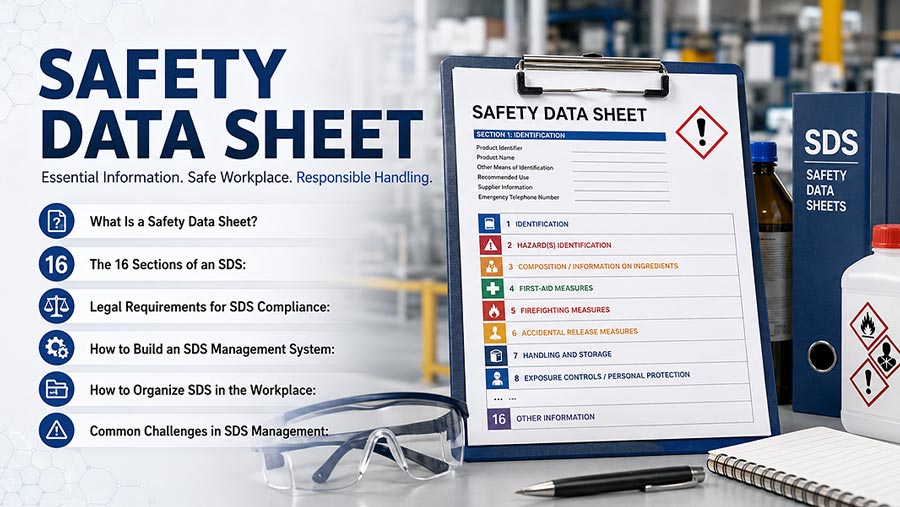
Every year, thousands of workplace chemical incidents happen not because the hazard was unknown, but because the right information was not where it needed to be. A Safety Data
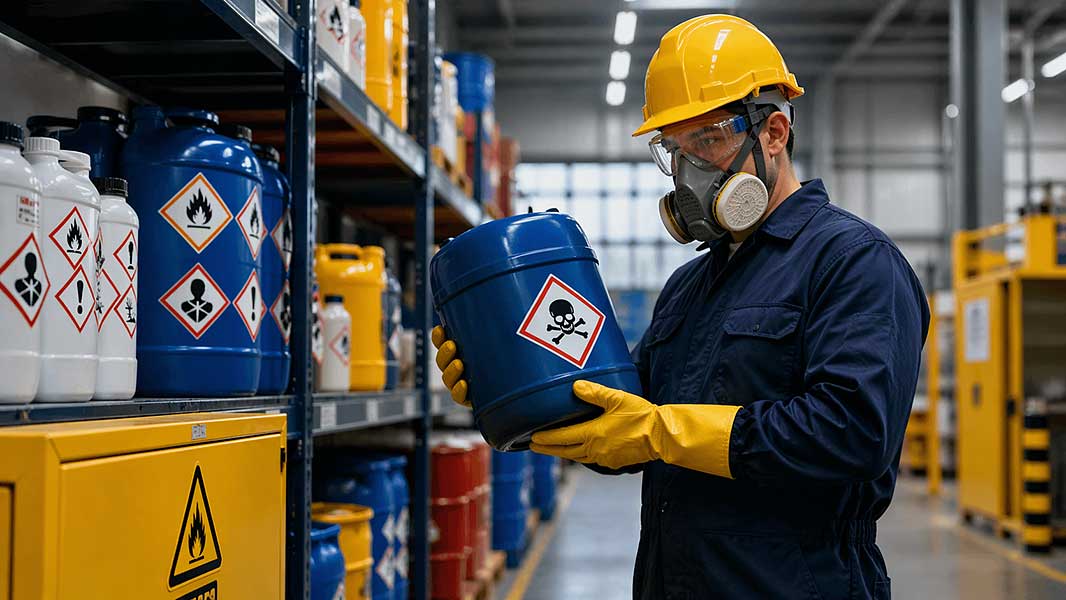
Hazardous Materials Safety is the line between controlled operations and catastrophic failure because one mismanaged chemical, one incompatible storage condition or one missed warning label can trigger injuries, fires,

Emergency Preparedness in UAE is no longer optional because a single unplanned incident can shut down operations, cause serious injuries and expose businesses to legal consequences. In high-risk sectors,

ISO 14001 Environmental Management Lead Auditor in UAE is a highly respected role because organizations rely on qualified professionals to assess environmental management systems (EMS), ensure ISO 14001:2015 compliance

Fall protection for work at height remains one of the most critical safety priorities across construction, oil and gas, manufacturing and maintenance industries because even a minor lapse can

Key requirements of ISO 9001 Certification in UAE define how organizations build a structured, consistent and performance-driven ISO 9001 Quality Management System that meets customer expectations and regulatory demands.
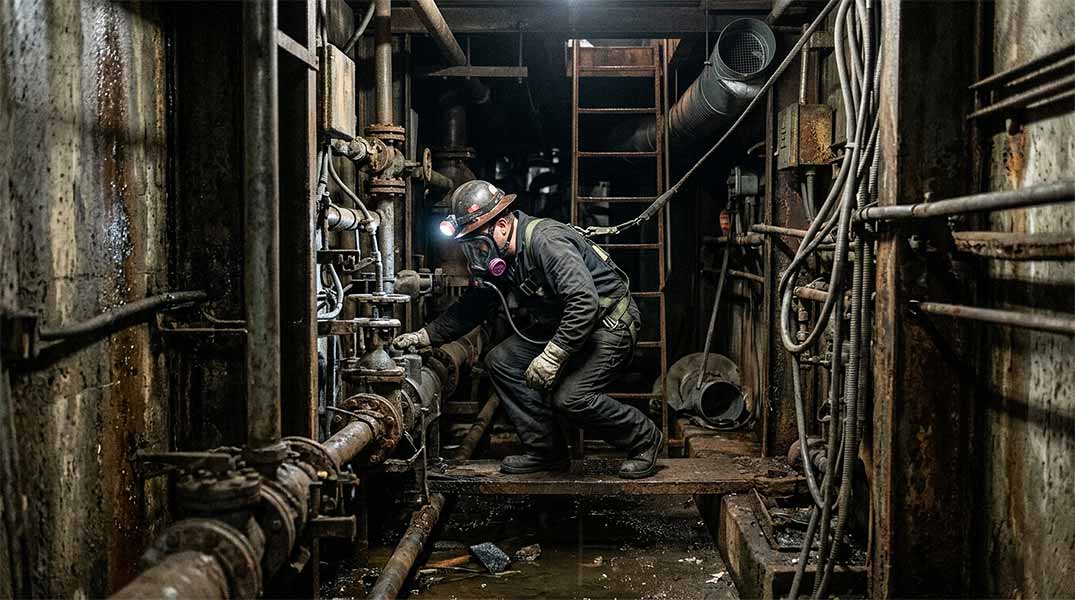
Confined Space Hazards remain one of the most critical risks in industrial workplaces because they combine limited access, poor ventilation and unpredictable conditions that can turn routine tasks into

The benefits of ISO 45001 lead auditor training are becoming increasingly important for safety professionals in the UAE because industries such as construction, oil and gas, manufacturing, logistics and
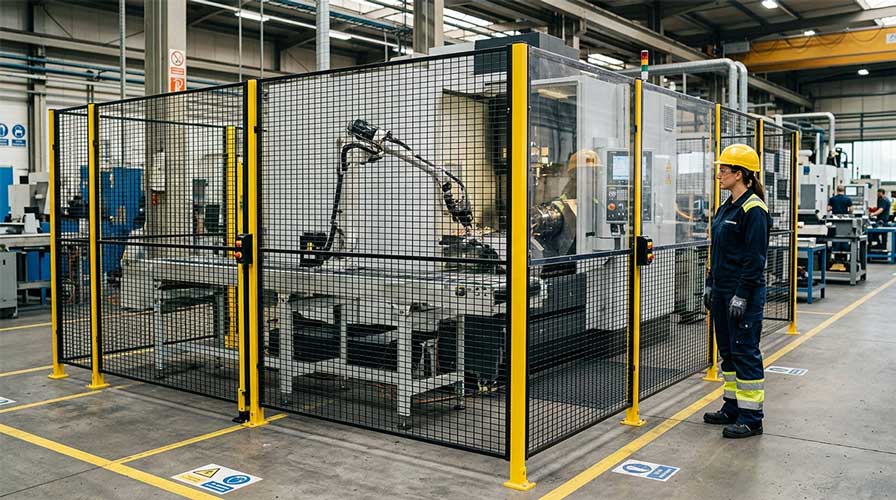
Machine Guarding Safety protects workers from dangerous moving parts, mechanical hazards and high-risk machine operations that exist across industrial workplaces. Manufacturing equipment, conveyor systems, cutting machines, presses and rotating

The ISO 14001 Certification Process provides organizations with a structured method to establish an effective Environmental Management System (EMS) that identifies environmental aspects, evaluates potential environmental impacts and implements
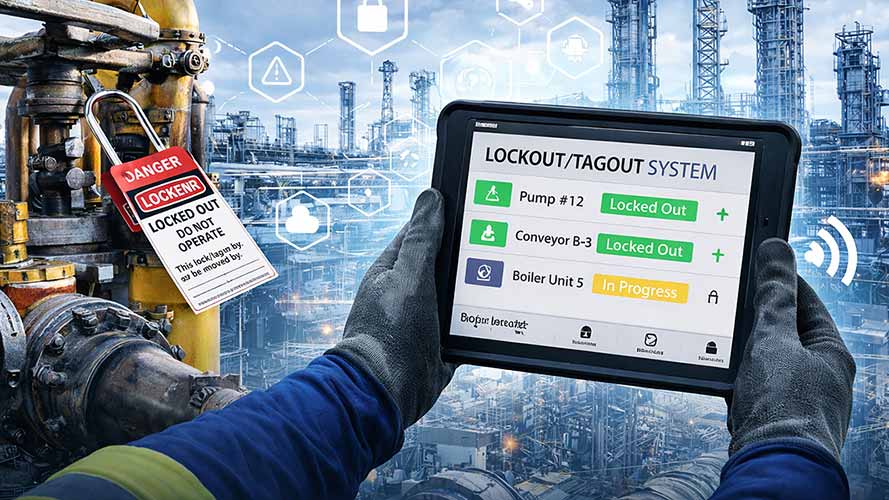
Digital LOTO Systems are becoming an essential part of modern industrial safety programs because traditional paper-based lockout tagout procedures often create gaps in documentation, communication and verification of hazardous

The benefits of ISO 9001 Lead Auditor Course in UAE are clear for professionals who want authority in quality management, because this qualification proves you can plan, conduct and

Employee Assistance Programs for workplace safety strengthen risk control because mental health, personal stress and financial pressure directly affect concentration, judgment and safe behavior at work. Many incident investigations

ISO 45001 clause 5.1 leadership and commitment requirements determine whether an Occupational Health and Safety Management System truly works in practice. Under the ISO 45001 framework, top management is

Bullying and harassment prevention in the workplace is a critical part of occupational health, legal compliance and organizational risk management. When disrespectful conduct is ignored, employee morale declines and

The benefits of ISO 14001 Lead Auditor Training in UAE extend far beyond earning a professional credential. This advanced qualification by Eduskills Training equips you to plan, conduct and

Workplace violence prevention is not limited to reacting after an incident occurs but instead focuses on identifying risks early and controlling them before harm happens. Violence at the workplace
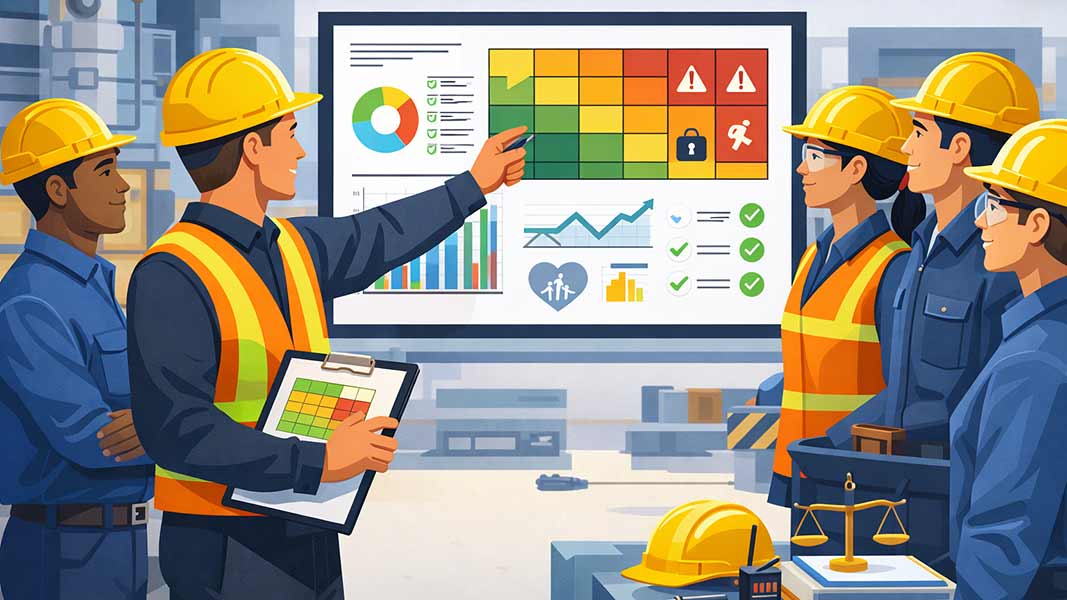
HSE KPIs are the backbone of effective health, safety and environmental performance measurement because they turn policies, procedures and controls into measurable outcomes. When defined and used correctly, KPIs

ISO 45001 Implementation is the process of building a structured occupational health and safety management system that actually works on the ground, therefore reducing risks, preventing incidents and protecting

Fatigue management at the workplace has become a critical safety concern because fatigue directly affects alertness, judgment, reaction time and decision-making. When workers are fatigued, the likelihood of errors

Guide to ISO 45001 Lead Auditor Course is the starting point for professionals who want to upgrade from “knowing safety” to auditing occupational health and safety systems with confidence

Ergonomics and Musculoskeletal Health sit at the center of injury prevention because most work-related pain develops from everyday tasks rather than sudden accidents. When jobs are designed without considering
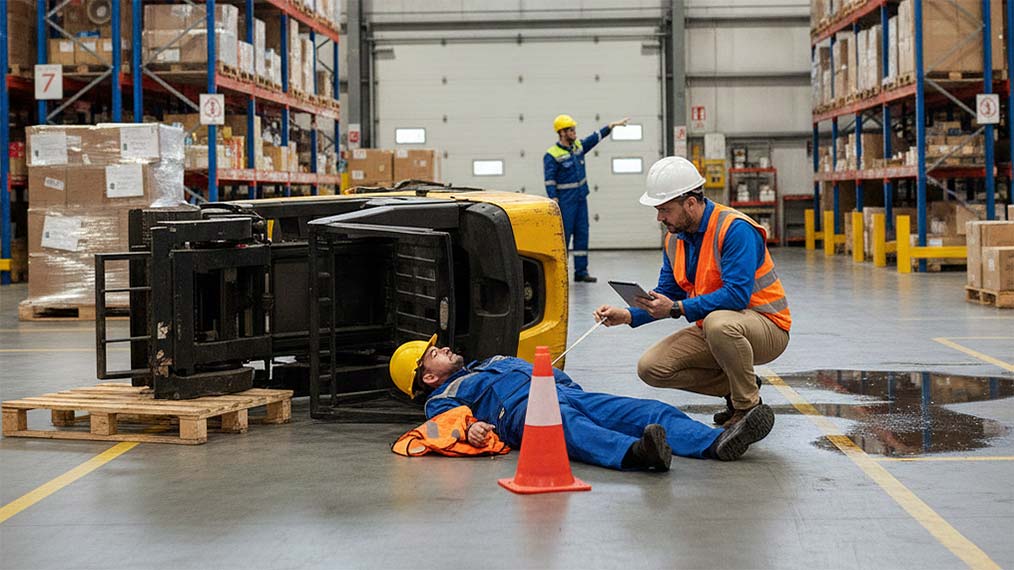
Incident investigation is the backbone of effective occupational health and safety, because it focuses on understanding why an incident occurred rather than who was involved. When done properly, it

ISO 14001 Gap Analysis is a structured assessment that helps organizations measure their current Environmental Management System against ISO 14001 requirements because even small compliance gaps can lead to

Choosing the right professional certification depends on career goals, industry exposure and long-term relevance. Many professionals choose ISO 9001 Lead Auditor Course in UAE because organizations across the region
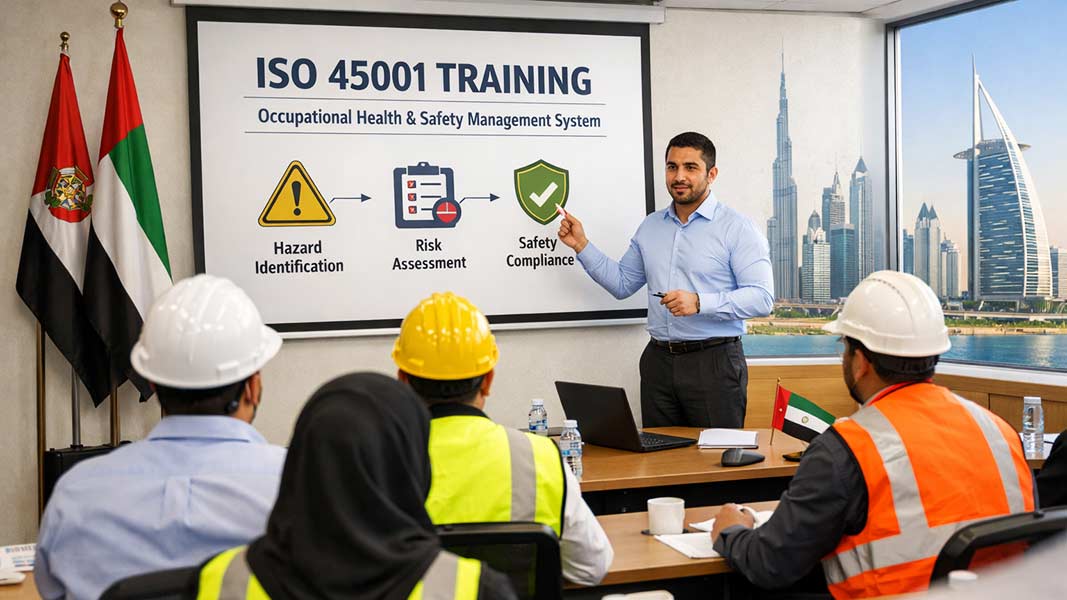
ISO 45001 Training in the UAE is no longer optional for professionals responsible for workplace safety, compliance and operational control. Organizations are under increasing pressure to reduce incidents, meet

ISO 45001 Implementation and Certification for SMEs in UAE has become a direct path for small and medium businesses to strengthen safety performance because it brings structure, accountability and

ISO 14001 Environmental Policy and Leadership set the foundation for how an organization turns environmental intent into measurable action. When both elements work in sync, teams move from declarations

Mental health in workplace safety is a critical factor that decides how consistently people follow procedures, recognize hazards and respond under pressure. When employees feel overwhelmed, their ability to

An ISO 45001 Gap Analysis gives you a realistic picture of how your current safety practices measure against the requirements of the ISO 45001 Occupational Health and Safety Management

Psychosocial hazards in the workplace influence how people think, behave and respond to risks because they directly affect mental wellbeing long before a physical incident occurs. When pressure builds,

Behavior based safety plays a defining role in how workplace safety culture grows, matures and stays consistent across daily operations. When organizations pay attention to the way people act
Soft skills for HSE professionals shape how effectively they communicate, influence and guide people on site, therefore they matter just as much as technical expertise. I’ve seen many safety
ISO 9001 digital transformation is reshaping how organizations in the UAE manage quality, safety and efficiency. Companies across Dubai, Abu Dhabi and Sharjah are moving beyond traditional paperwork and
An HSE Implementation Plan is the foundation of every safe and responsible workplace. It provides a structured framework for managing health, safety and environmental risks so that daily operations
ISO 45001 nonconformities are among the most common challenges organizations face during health and safety audits. We’ve seen many businesses struggle with recurring gaps that delay certification, affect compliance,
Leadership in ISO 9001 Certification success is the single most decisive factor that determines whether an organization truly achieves quality excellence or merely collects a certificate. ISO 9001:2015 places
An ISO 45001 audit preparation is far more than gathering documents and hoping for the best. It’s a disciplined process that tests your organization’s true commitment to occupational health
Common ISO 14001 implementation mistakes can quietly derail even the most well-intentioned environmental management plans. Many organizations across the UAE especially in Dubai, Abu Dhabi or Sharjah start with
ISO 9001 audit nonconformities reveal where a quality management system falls short of meeting the standard’s requirements. They highlight gaps in consistency, documentation, or process control that can impact
Achieving ISO 45001 certification is more than a compliance milestone, it’s a strategic commitment to protecting people and building a culture of safety across all levels of an organization.
Continuous improvement is the backbone of every high-performing organization. It’s not just about fixing what’s broken — it’s about building a culture that keeps evolving, learning and improving every
NVQ Level 6 Career Progression has become a defining step for health and safety professionals aiming to move from technical roles to senior leadership positions. The ProQual NVQ Level
Both the NVQ Level 7 SHSLM and NVQ Level 6 OHSP are highly respected health and safety qualifications, but they serve a little different career stages and objectives. As
A Health and Safety Internal Audit Report is more than a document; it’s the foundation for maintaining a safe, compliant, and accountable workplace. Every organization, whether operating in construction,
Health and safety leadership is the foundation of every successful organization that values its people. It’s not just about rules, checklists, or compliance manuals. It’s about creating a shared
A well-structured HSE Plan is the backbone of workplace safety and regulatory compliance in the UAE. It outlines how businesses protect workers, manage risks and meet legal requirements across