
Process Safety Management: A Complete Guide

Process Safety Management exists because a single overlooked valve, a skipped inspection or an ignored warning sign can turn a chemical plant into a disaster site within minutes. Companies that handle hazardous chemicals don’t get the luxury of learning from mistakes after the fact, because by then workers are already hurt and the damage is already done. That’s why PSM isn’t treated as an optional add-on in high-risk industries, but as the backbone that holds everything else together. It combines process hazard analysis, mechanical integrity checks, OSHA compliance and a genuine safety culture into one working system, so risks get caught on paper before they show up on the plant floor. Since accidents in chemical process industries rarely happen for just one reason, this guide breaks down every element of risk management that actually prevents them, not just the ones that look good in an audit report.

What Is Process Safety Management? A Full Overview

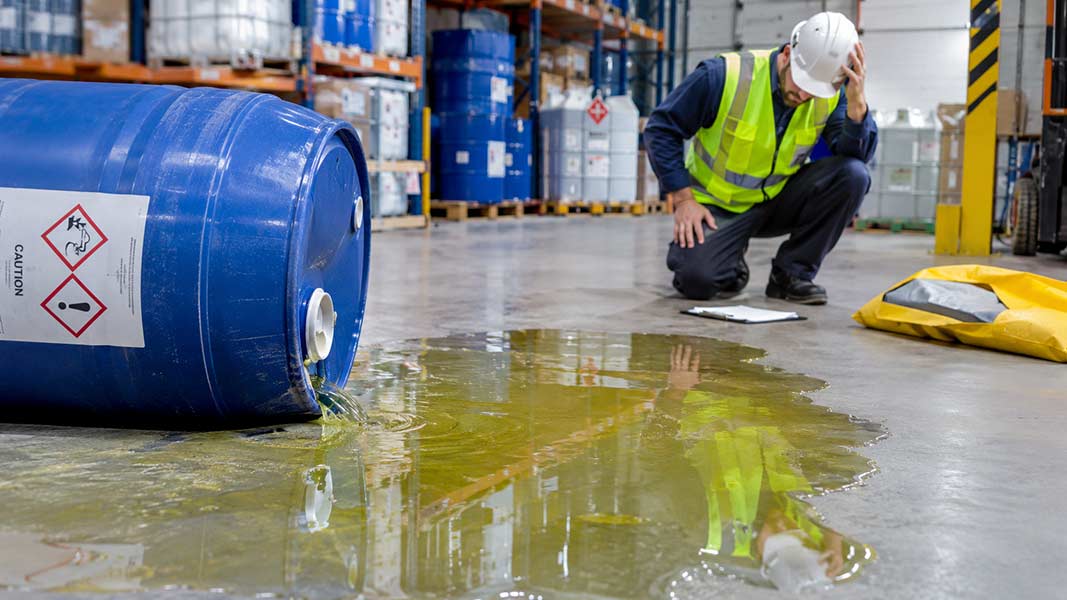
Process Safety Management is often confused with regular workplace safety, but the two solve completely different problems. Regular safety programs stop a worker from slipping on a wet floor. PSM stops a pressure vessel from rupturing and taking out an entire unit. Since the stakes are this different, the systems built to manage them have to be different too and that’s exactly what this section breaks down.

Defining Process Safety Management in Simple Terms:

Process Safety Management or PSM, is a structured system used to prevent the release of hazardous chemicals and toxic substances during industrial processes. It was formalized by OSHA under 29 CFR 1910.119 after a string of catastrophic industrial accidents made it clear that voluntary safety measures weren’t enough.

The idea behind PSM is simple: identify what can go wrong before it goes wrong and build controls around it. That means tracking process hazard information, maintaining equipment through mechanical integrity programs, training workers properly and reviewing every change made to a process before it’s implemented. None of this happens by accident. It happens because someone designed the system to catch failure points early because waiting until something breaks is not a strategy anyone can afford in a facility handling flammable or toxic materials.

Process Safety vs Personal Safety: Key Differences:

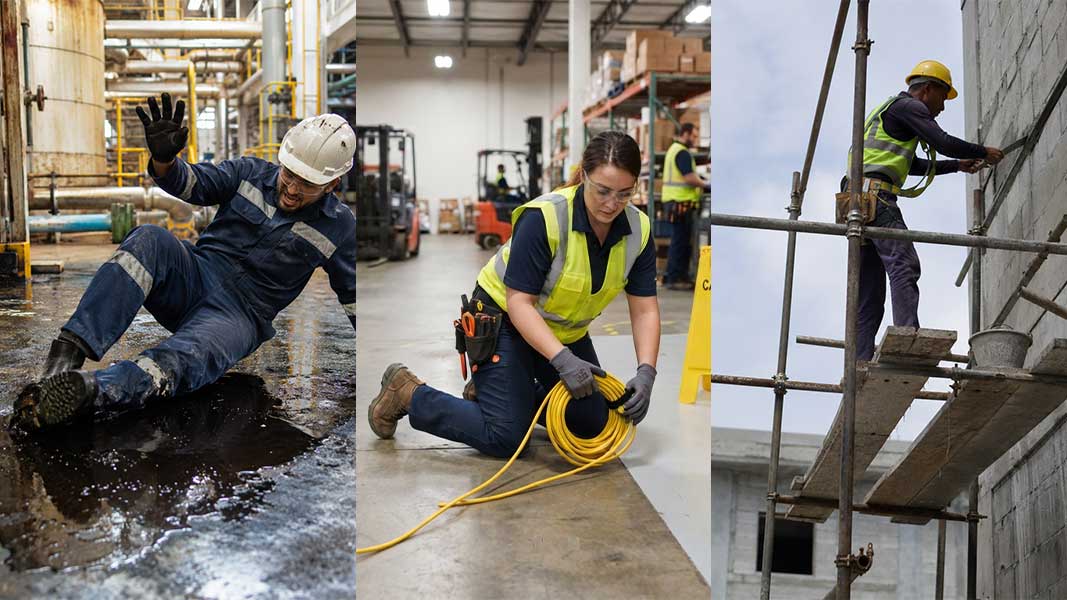
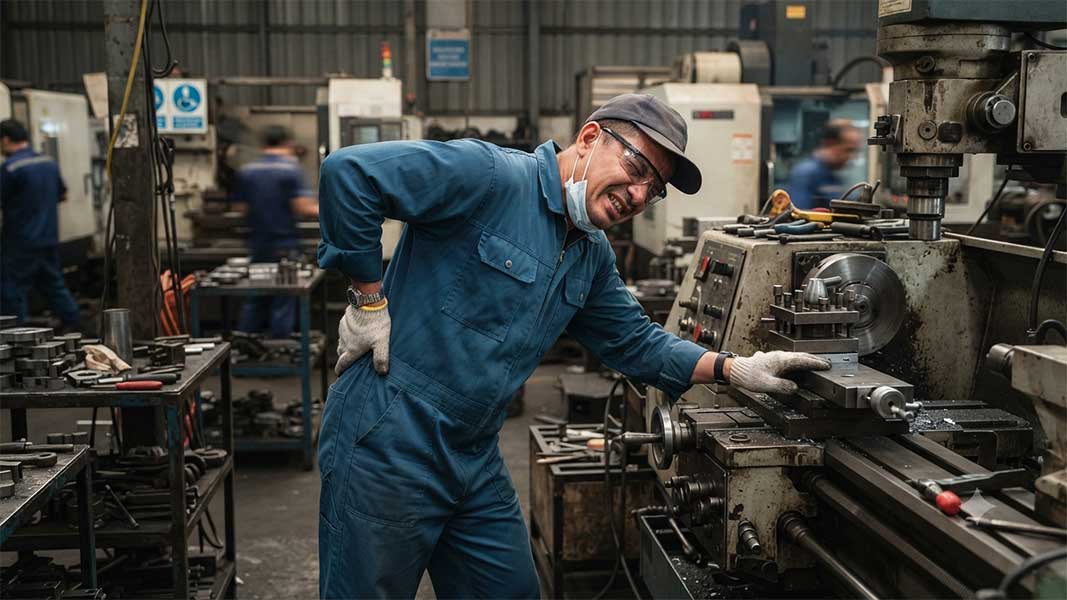
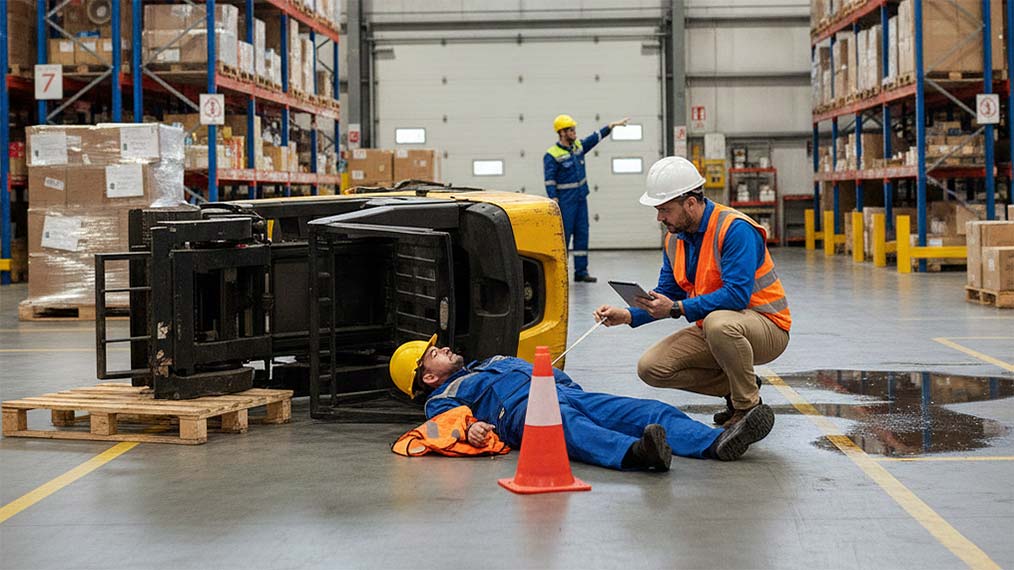
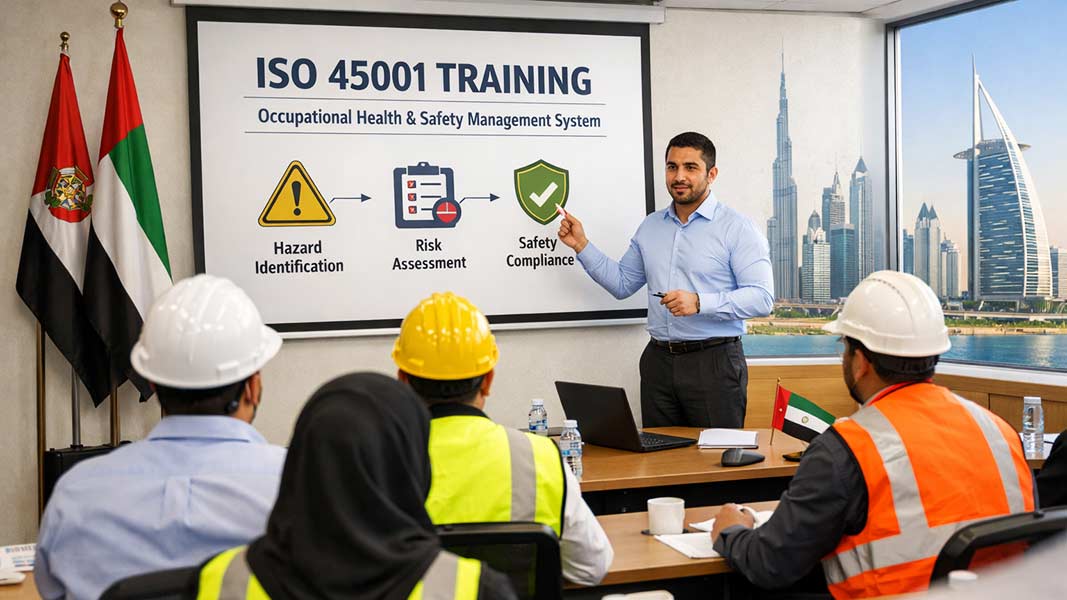
Most new safety professionals mix up process safety and personal safety and that mistake can be costly. Personal safety, usually considered as occupational safety, deals with individual hazards like slips, falls or improper lifting technique. It protects one worker at a time. Process safety, on the other hand, deals with system-level failures that can injure dozens of people at once, damage equipment worth millions and release toxic materials into surrounding communities.

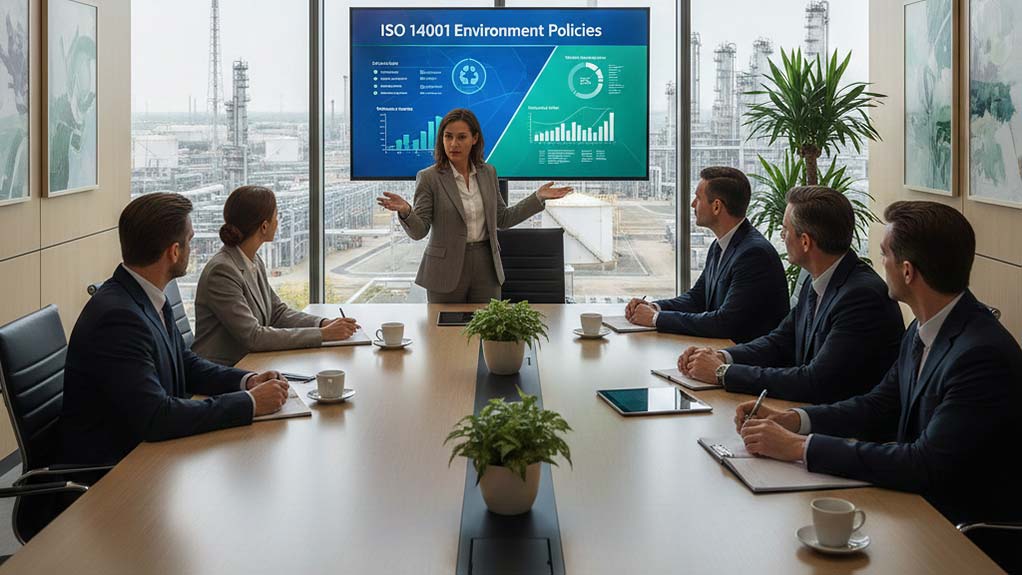
A plant can have an excellent record on personal safety metrics like lost-time injuries and still be one faulty relief valve away from a catastrophic event. That’s because personal safety measures rarely address the chemical and mechanical complexity that drives large-scale incidents. Both systems matter, but treating them as interchangeable is how companies end up with strong injury statistics and a disaster waiting to happen in the background.

Industries Where PSM Compliance Is Mandatory:

PSM compliance isn’t optional guesswork left up to individual companies. OSHA requires it for any facility that stores or processes chemicals above specified threshold quantities, which includes oil refineries, chemical manufacturing plants, petrochemical facilities and pesticide production sites. Pulp and paper mills using certain hazardous substances fall under this too, along with facilities handling highly reactive chemicals in bulk.

The common thread across every one of these industries is scale. When something fails in a facility processing thousands of gallons of flammable liquid, the consequences don’t stay contained to one worker or one incident report. They spread, sometimes for miles, which is exactly why regulators drew such a hard line around PSM compliance in these sectors and continue to enforce it aggressively.

The 14 Elements of Process Safety Management Explained:

Process Safety Management stands on 14 distinct elements defined under OSHA’s 29 CFR 1910.119 and each one plugs into the next. Weaken one and the rest start absorbing the damage. Here’s what all 14 actually require, explained one at a time.

1. Employee Participation in Process Safety Management:

Workers running the equipment every day notice risks that a corporate safety manual never captures, which is exactly why OSHA requires a written plan for employee participation. This isn’t a suggestion box exercise. It means employees sit in on PHA development, procedure reviews and safety discussions, because the people closest to the process are the ones who catch problems before they escalate.

2. Process Safety Information: Documenting Every Hazard

Process safety information covers every technical detail about the chemicals, equipment and technology used in a process, including material hazard data, maximum inventory limits and current piping and instrumentation diagrams. Every other PSM element depends on this data being accurate, since a hazard analysis built on outdated information is really just an educated guess dressed up as a safety document.

3. Process Hazard Analysis: Finding What Can Go Wrong

Process Hazard Analysis or PHA, systematically identifies what could fail in a process and how bad it would get if it did. Teams typically use HAZOP studies, What-If analysis or Fault Tree Analysis and OSHA requires a full revalidation every five years. Because chemical processes change over time, a PHA from a decade ago tells you almost nothing about the risks sitting in your plant today.

4. Operating Procedures: Step-by-Step Safety Instructions

Operating procedures give workers exact instructions for startup, normal running conditions, temporary operations and emergency shutdown. These aren’t generic checklists copied across units, since a shutdown sequence that’s safe for one reactor can be dangerous for another. Therefore, procedures have to be written for the specific equipment and chemistry involved, not adapted from whatever template was easiest to find.

5. Employee Training That Builds Real Hazard Awareness:

Process safety training goes beyond teaching someone how to operate a valve or run a control panel. It ensures workers understand why the hazard exists in the first place, because operators who understand consequences make faster, better decisions during an upset condition than operators who were only trained to follow steps.

6. Contractor Safety Requirements for Site Personnel:

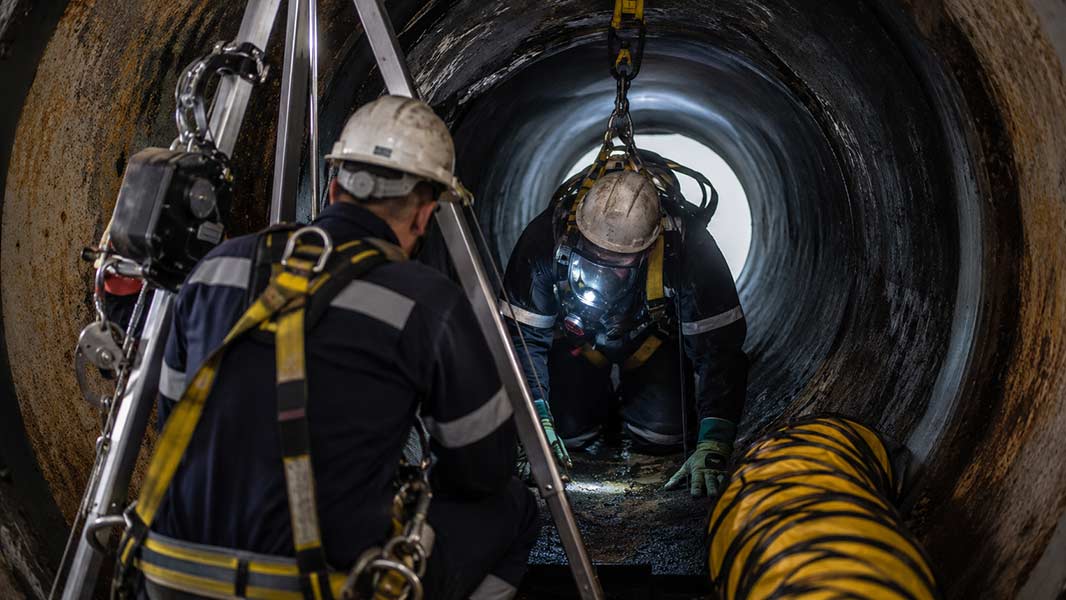
Contractors often work in the highest-risk areas of a facility without the institutional knowledge full-time staff build up over years. That’s why contractor safety requirements exist separately, covering hazard communication, emergency procedures and site-specific rules before any contractor is allowed near a covered process.

7. Pre-Startup Safety Review Before Any Process Launch:

A pre-startup safety review confirms that construction actually matches the design specifications, procedures are written and available and training has genuinely happened before a new or modified process goes live. Skipping this step is one of the most common ways facilities start up with defects already built into the system.

8. Mechanical Integrity of Critical Safety Equipment:

Mechanical integrity covers inspection, testing and maintenance of critical equipment like pressure vessels, relief valves and emergency shutdown systems and it consistently generates more OSHA citations than any other element. Equipment rarely fails without warning. It fails after warning signs get logged and ignored.

9. Hot Work Permits and Controlling Ignition Sources:

The hot work permit system controls welding, grinding and any spark-producing activity near flammable materials. A permit isn’t bureaucratic friction because it’s the one control standing between a routine maintenance task and an ignition source meeting a vapor cloud that shouldn’t have been there.

10. Management of Change: Reviewing Every Modification

Management of change or MOC, requires that any modification to equipment, procedures or raw materials gets reviewed for new hazards before it’s implemented. A seemingly minor equipment swap can alter pressure ratings or chemical compatibility and facilities that skip this review often don’t find out until something has already gone wrong.

11. Incident Investigation and Finding the Root Cause:

When incidents happen, incident investigation looks for root cause, not just the immediate trigger. Blaming “operator error” and closing the file is the fastest way to guarantee the same incident happens again, since the real question is why the system allowed that error to cause harm at all.

12. Emergency Planning and Response When Seconds Count:

Emergency planning and response requires clear evacuation procedures, medical response protocols and coordination with local emergency services, all worked out before a crisis, not during one. Facilities that wait to figure out coordination in the middle of an actual release lose time they don’t have.

13. Compliance Audits That Keep Programs Accountable:

Compliance audits verify that every other PSM element is actually functioning as documented, not just sitting in a binder somewhere. OSHA requires these at least every three years and audits routinely catch outdated procedures, expired training records and equipment inspections that quietly lapsed.

14. Trade Secrets: Protecting Data Without Hiding Risk:

The trade secrets provision lets companies protect proprietary process information while still giving employees, contractors and emergency responders the safety data they actually need. Protecting intellectual property and protecting worker safety aren’t competing goals here, because the standard was written to make sure neither one gets sacrificed for the other.

How to Build an Effective PSM Program?

Building an effective Process Safety Management program isn’t about assembling a binder full of policies and calling it done, because a PSM program only works if it functions the way it’s designed to function, every single day, not just during an audit week. Companies that get this right treat implementation as an ongoing system, not a one-time project with a finish line.

Step-by-Step Process Safety Implementation Plan:

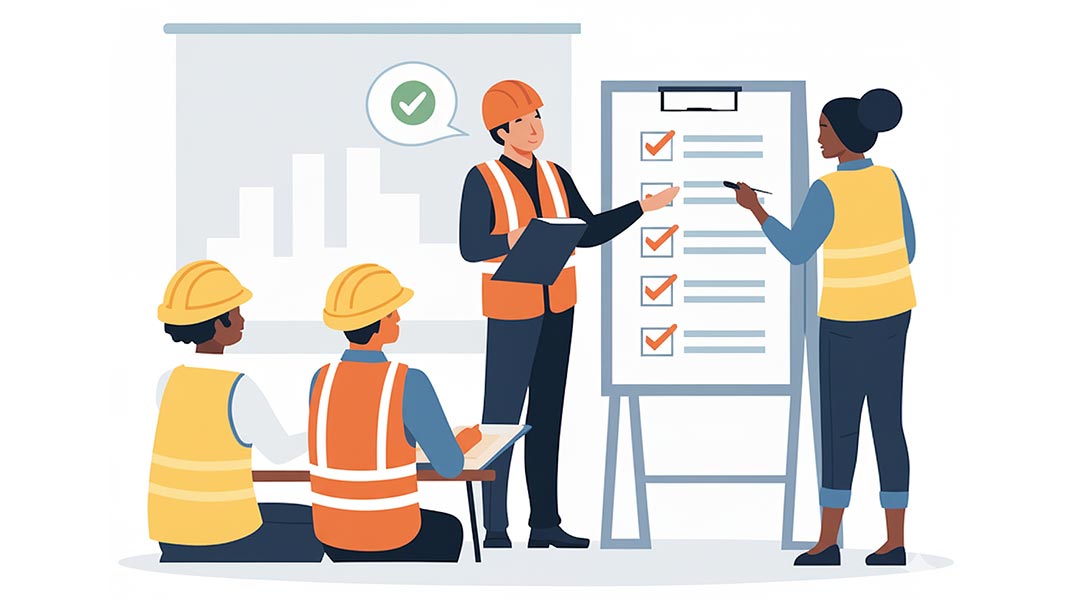
Start with a gap analysis that compares your current practices against all 14 elements of OSHA’s 29 CFR 1910.119, since you can’t fix what you haven’t identified. Once gaps are mapped, prioritize based on risk, not convenience, because fixing an outdated hot work permit form matters less than closing a gap in mechanical integrity inspections on aging pressure equipment. From there, build out written procedures, assign clear ownership for each element and set a realistic timeline for full implementation. Most facilities that fail at this stage try to do everything simultaneously, which spreads resources too thin and leaves half-finished systems everywhere. A phased rollout, tackling the highest-risk elements first, tends to produce a program that actually holds up under scrutiny.

Best Tools and Software for Managing PSM Data:

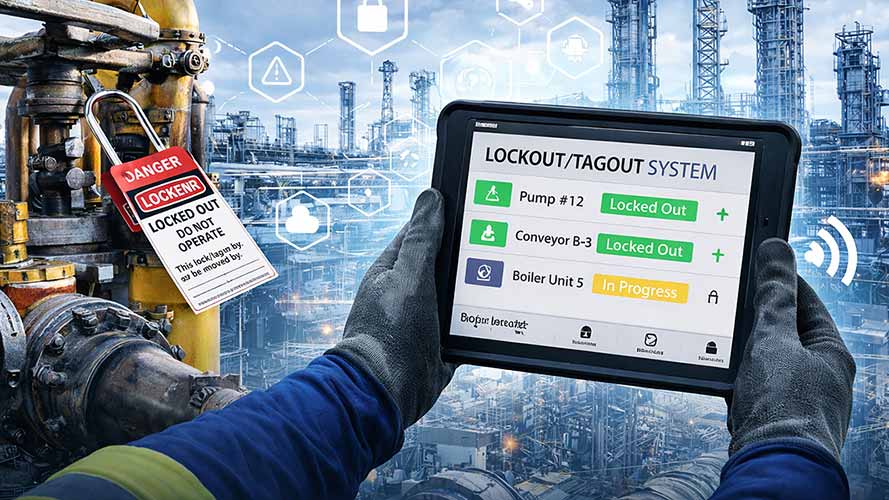
Manually tracking process safety information, PHA revalidation deadlines and mechanical integrity inspection schedules across spreadsheets works fine for a small facility, but it breaks down fast once a plant scales. Dedicated PSM software platforms centralize this data, send automated alerts before compliance audit deadlines slip and create a searchable record that auditors can review without digging through years of paper files.

The right tool doesn’t replace human judgment, but it does remove the risk of a five-year PHA revalidation getting missed because nobody happened to check a calendar. Facilities that still rely purely on manual tracking are usually the ones OSHA cites for expired inspections, not because the work wasn’t done, but because nobody could prove it was done on time.

Why Leadership Drives a Strong Safety Culture:

A PSM program can be perfectly documented and still fail if leadership treats it as a compliance checkbox instead of an operating priority. Workers notice quickly when management skips safety meetings, delays funding for equipment repairs or pressures teams to hit production targets over following procedure. Since safety culture is shaped from the top down, leadership has to visibly participate in PHA reviews, respond seriously to near-miss reports and back up safety decisions even when they slow down output. Facilities with strong safety records almost always share this trait: leadership treats a near-miss as valuable information, not an inconvenience to bury. That mindset shift, more than any software or checklist, is usually what separates a PSM program that works from one that just exists on paper.

Common Challenges Companies Face Implementing PSM:

Building a PSM program on paper is one thing. Keeping it functional under real plant conditions, with production deadlines, staff turnover and aging equipment, is a different challenge entirely. Most companies don’t fail at PSM because they lack knowledge. They fail because these four issues quietly erode a program that looked solid at launch.

Outdated Documentation and Process Safety Information:

Process safety information decays the moment a plant makes a change without updating the paperwork behind it. A P&ID that hasn’t been revised in three years might no longer reflect actual piping, valves or equipment specs, which means every hazard analysis built on that document is working from a false picture. Auditors catch this constantly, because outdated PSI is one of the easiest gaps to spot and one of the most dangerous to leave unresolved, since every downstream safety decision depends on that information being current.

Weak Management of Change and Skipped Approvals:

Management of change breaks down fastest under time pressure, when a team swaps a part or adjusts a setting “just this once” without running it through proper review. That single skipped approval can introduce a pressure mismatch or material incompatibility nobody catches until something fails. Facilities with strong MOC discipline treat even small modifications as mandatory reviews, because the incidents that make headlines rarely start with a big decision. They start with a small one that nobody flagged.

Employee Resistance and Contractor Safety Gaps:

New procedures often meet resistance not because workers don’t care about safety, but because change feels slower and more complicated than the shortcut they’re used to. Over time, that resistance turns into quiet deviations from the written procedure. This gets worse with contractor safety, since third-party workers may not share the same site-specific hazard knowledge as full-time staff and a rushed onboarding process leaves gaps that only surface during an actual upset condition.

Resource Constraints and Competing Production Pressure:

PSM competes directly with production targets for time, staffing and budget and production usually wins in the short term because its results are immediate and visible. But a mechanical integrity inspection delayed to hit a quarterly output goal doesn’t disappear. It just resurfaces later as a failure that costs far more than the inspection would have. Companies that get this right treat process safety spending as a fixed cost of operating, not a discretionary line item that gets cut when budgets tighten.

Business Benefits of a Strong PSM Program:

Process Safety Management isn’t only a defensive measure against fines and disasters. Companies that run it well see real, measurable returns that extend well past avoiding an OSHA citation. Here’s what a strong PSM program actually delivers.

Fewer Incidents Mean Lower Operational and Legal Costs:

Every prevented incident is money that never gets spent on equipment repair, lost production time, legal exposure or emergency response. A single catastrophic release can shut a facility down for weeks and trigger lawsuits that stretch on for years, while a well-maintained PSM program catches the failure points long before they turn into an event. The math is straightforward: prevention costs a fraction of what a major incident costs and companies that treat PSM investment seriously tend to spend far less on cleanup, litigation and downtime over time.

Stronger Safety Culture Improves Employee Retention:

Workers notice whether leadership genuinely prioritizes safety or just talks about it during onboarding. Facilities with a strong safety culture, where employee participation is real and near-miss reports get taken seriously, tend to hold onto experienced staff longer. That matters because turnover in high-hazard industries isn’t just costly to replace, it also means losing institutional knowledge about how a specific process actually behaves, which is exactly the kind of knowledge that prevents incidents in the first place.

Better Regulatory Standing and Insurance Outcomes:

A facility with clean compliance audit history and a documented track record of proactive PSM management builds credibility with regulators, which often translates into smoother inspections and fewer follow-up visits. Insurance providers notice this too, since a company that can demonstrate consistent mechanical integrity programs and low incident rates typically qualifies for better premiums than one with a spotty compliance record. In both cases, the discipline behind a strong PSM program pays for itself in ways that never show up as a single line item, but add up significantly over time.

Conclusion:

Process Safety Management was never meant to be a document that sits in a binder until an auditor asks for it. It’s a living system that only works if every element, from process hazard analysis to management of change, gets treated as a daily responsibility rather than an annual formality. The facilities that avoid catastrophic incidents aren’t the ones with the most paperwork. They’re the ones where leadership shows up, workers speak up and equipment gets inspected before it fails, not after.

Getting there takes more than reading a regulation. It takes trained people who understand why each element exists, not just what it requires on paper. That’s the gap Eduskills Training works to close, helping safety professionals and facility teams build the practical knowledge needed to run a PSM program that holds up under real conditions, not just during a scheduled audit. Because at the end of the day, process safety isn’t measured by how clean your records look. It’s measured by whether everyone goes home at the end of the shift.

Frequent Asked Questions (FAQs):

What is the difference between PSM and Risk Management Program (RMP)?

PSM is OSHA’s workplace safety standard under 29 CFR 1910.119, focused on protecting employees. RMP is EPA’s regulation under 40 CFR Part 68, focused on preventing chemical releases that affect surrounding communities. Many facilities must comply with both simultaneously.

What are OSHA's threshold quantities that trigger PSM applicability?

Threshold quantities vary by chemical and are listed in Appendix A of 29 CFR 1910.119, ranging from as low as 100 pounds for highly reactive substances to 10,000 pounds for common flammables. Flammable liquids and gases in bulk typically fall under the 10,000-pound threshold.

How often must a Process Hazard Analysis be revalidated?

OSHA requires PHA revalidation at least every five years for each covered process, regardless of whether changes have occurred. If a significant modification happens sooner, a revalidation should be triggered through the Management of Change process before the five-year mark.

What qualifies as a "highly hazardous chemical" under PSM?

A highly hazardous chemical is any substance listed in Appendix A of the standard or any chemical with toxic, reactive, flammable or explosive properties that meets OSHA’s defined hazard criteria and threshold quantity.

What is the difference between Mechanical Integrity and routine maintenance?

Routine maintenance addresses general equipment upkeep. Mechanical Integrity specifically targets safety-critical equipment, like pressure vessels, relief systems and emergency shutdown devices, using documented inspection intervals tied to manufacturer and industry standards such as API 510 or 570.

Who is legally responsible for PSM compliance at a facility?

The employer holds ultimate legal responsibility under OSHA, though compliance execution is typically delegated to process safety engineers, EHS managers and site leadership, all of whom can face liability in cases of willful negligence.

What's the difference between an immediate cause and a root cause in incident investigation?

An immediate cause is the direct trigger of an incident, such as a valve failure. A root cause is the underlying system failure that allowed that trigger to occur, such as a flawed procurement decision or a missed inspection.

Are near-misses required to be investigated under PSM?

Yes. OSHA requires investigation of any incident that resulted in or could reasonably have resulted in, a catastrophic release, which explicitly includes near-misses, not just actual releases.

What is the required frequency for PSM compliance audits?

Facilities must conduct a compliance audit at least once every three years to verify that all 14 elements are functioning as documented and to certify that the audit findings have been addressed.

Inquiry Form