Line of Fire Hazards: Causes, Risks & Prevention Guide
Line of fire hazards occur when a worker's body is positioned where it could be struck, crushed, pinned, or caught by moving equipment, falling objects, or released energy and
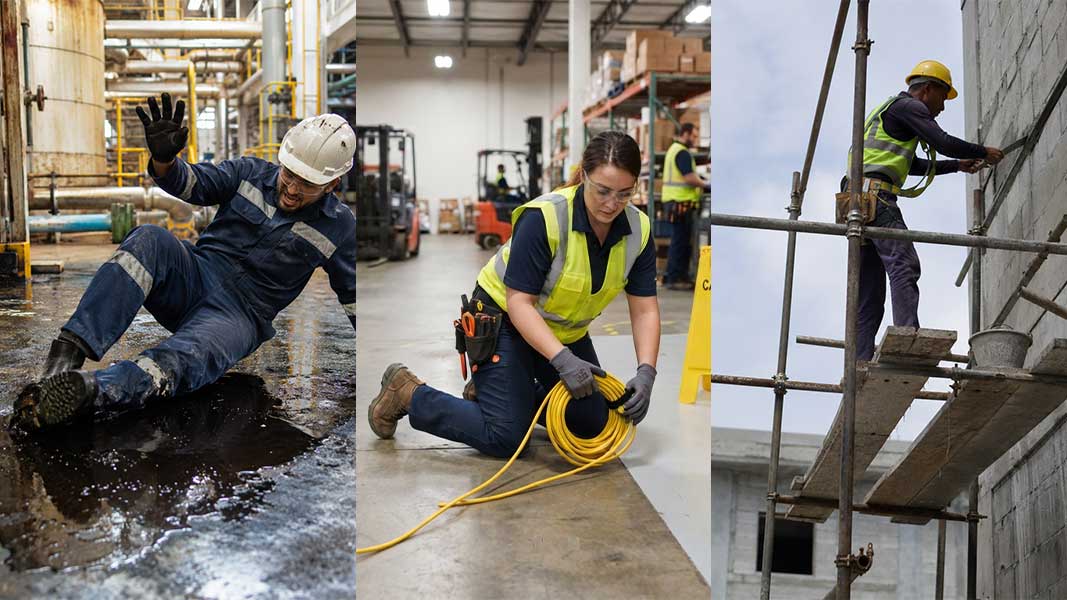
Line of fire hazards occur when a worker’s body is positioned where it could be struck, crushed, pinned, or caught by moving equipment, falling objects, or released energy and because these situations rarely give warning, they remain one of the leading causes of serious injury on active job sites. OSHA’s Fatal Four data confirms that struck-by injuries and caught-in-between hazards account for a significant share of workplace fatalities each year, so staying out of the danger zone is not optional. It comes down to consistent hazard identification, proper engineering controls and enforced exclusion zones and this guide walks through exactly how to build that discipline into everyday workplace safety practices.
The term “line of fire” borrows its imagery from firearms, where standing in the path of a bullet’s trajectory means standing where the danger travels and on a job site, the same logic applies to any pathway a moving object, load, or force could take, whether it’s a swinging excavator arm, a falling beam, or a released hydraulic line.
Most workers picture line of fire hazards as something dramatic, like a crane collapse or an explosion, but the reality is far more routine and therefore far more dangerous. It shows up when someone walks past a running conveyor belt, stands under a suspended load for a few seconds too long, or steps into the swing radius of an excavator because the path felt clear. These moments do not look risky in the moment and that is exactly why they cause so many preventable injuries.
In practical terms, the line of fire is any path along which a hazardous force, object, or substance could travel and make contact with a person’s body. That force could be kinetic, like a swinging boom or a falling tool, or it could be stored energy released suddenly, like a pressurized hose or a spring-loaded mechanism.
OSHA does not classify “line of fire” as a single formal hazard category, but it sits at the core of several regulated areas, including struck-by hazards under 29 CFR 1926.600 and caught-in-between hazards tied to machine guarding standards. Because the term describes a position relative to risk rather than a fixed hazard type, a worker can move in and out of the line of fire multiple times in a single shift without ever realizing it.
Most hazard categories, such as chemical exposure or ergonomic strain, develop over time and give some warning through symptoms or gradual signs. Line of fire hazards behave differently, because the injury usually happens in a single, sudden event with no buildup and no second chance to react.
A worker exposed to noise pollution might lose hearing gradually over years, but a worker standing in the swing radius of heavy equipment can be struck in under a second. This is why positional awareness matters as much as personal protective equipment, since PPE can reduce the severity of an incident but cannot stop a worker from being in the wrong place when energy is released.
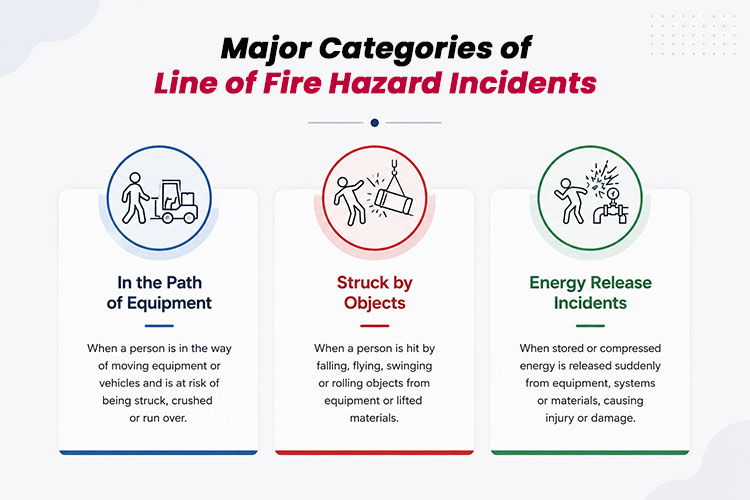
“Line-of-fire exposure can take three distinct forms: being in the path of equipment, being struck by moving or falling objects, or being exposed to suddenly released energy. Recognising these specific danger points helps workers choose a safer position before an incident occurs.”
A line of fire injury rarely gives a worker time to react, because the entire event unfolds within a fraction of a second. Unlike hazards that build up gradually, such as repetitive strain or chemical exposure, this type of incident goes from normal to catastrophic the moment a body enters the path of a moving object or released force. That speed is exactly why the outcome is so often fatal rather than survivable.
The severity of a struck-by injury comes down to a simple equation: mass multiplied by velocity. A swinging excavator boom or a falling steel beam carries enormous kinetic energy and because that energy has to go somewhere on impact, the human body absorbs it in the form of blunt trauma, crush injuries, or fatal internal damage. According to OSHA.com, roughly 75% of struck-by fatalities involve heavy equipment or vehicles, which explains why mobile equipment interaction remains one of the most closely regulated areas of construction safety.
Caught-in-between injuries work differently, since they involve compression rather than impact alone, trapping a worker between two surfaces such as a reversing truck and a fixed wall, or pulling clothing and limbs into unguarded rotating machinery. Both mechanisms share one trait: once the energy transfer begins, no amount of PPE can fully reverse the outcome.
The numbers make the risk difficult to ignore. Bureau of Labor Statistics data compiled through OSHA’s Fatal Four framework shows that struck-by incidents accounted for 11.4% of all construction fatalities in 2024, while caught-in-between incidents added another 5.4%, together contributing to the 58.6% of construction deaths tied to OSHA’s four leading hazard categories. With 1,069 construction workers killed on the job in 2024 alone, that translates to roughly one death every eight hours nationwide and a meaningful share of those fatalities trace directly back to a worker standing in the line of fire at the wrong moment.
These are not outlier statistics buried in an appendix; they represent a pattern that repeats across job sites every single year.
Not every line of fire hazard looks like heavy machinery. Some involve stored energy waiting for a single point of failure, while others involve a worker simply standing in a spot they assumed was safe. Recognizing all seven categories is the difference between a hazard assessment that looks thorough on paper and one that actually prevents injuries on the ground.
Forklifts, dump trucks and site vehicles create some of the most predictable yet most frequently ignored line of fire hazards on any job site. Because operators often have restricted rear and side visibility, a worker walking through a blind spot can go unnoticed until it is too late. This is compounded when reversing alarms are treated as background noise rather than an active warning, so pedestrian-vehicle segregation through marked walkways and physical barriers remains one of the most effective controls available.
Standing beneath a suspended load violates one of the oldest rules in construction safety, yet it still happens because riggers misjudge swing radius or because a “quick pass-through” feels harmless. If a rigging failure or a snapped sling releases that load, there is no reaction time. Effective control depends on enforced exclusion zones beneath the load path, verified rigging inspections and a strict no-walk-under policy that applies to everyone on site, including supervisors.
A cracked hydraulic hose does not look dangerous, but the fluid escaping from it can carry enough force to break through skin at pressures as low as 100 psi. Because the entry wound often looks like a minor puncture, workers frequently delay treatment and delayed treatment is directly linked to worse outcomes. Medical literature shows amputation rates for hydraulic injection injuries can range from roughly 16% up to 48% and that figure climbs toward 100% when pressure exceeds 7,000 psi or when treatment is delayed past ten hours. This is why any suspected fluid injection injury needs to be treated as a medical emergency immediately, not monitored at home.
Augers, conveyor belts and rotating shafts create pinch points that can pull in loose clothing, hair, or a hand in less than a second. Because the machinery does not stop on its own, the injury severity depends entirely on how fast someone can reach an emergency shutoff. Fixed guarding, interlocked access panels and a strict no-loose-clothing policy around rotating equipment remain the primary defenses, since relying on worker reaction speed alone is not a real control.
A dropped wrench from three stories up can strike with enough force to cause a fatal head injury, which is why falling object hazards deserve the same seriousness as fall protection itself. Tool lanyards, toe boards, debris netting and mandatory hard hat zones directly beneath elevated work reduce this risk substantially, but only when workers below actually respect the marked exclusion zone instead of walking through it to save a few steps.
Stored energy does not disappear just because equipment looks powered down. A pneumatic cylinder or a pressurized accumulator can release suddenly during maintenance if lockout tagout procedures are skipped or performed incorrectly and the resulting energy release can launch components or fluid with enough force to cause severe trauma. Verifying zero energy state before any maintenance task begins is non-negotiable, because assuming a system is de-energized has caused some of the most preventable injuries in industrial settings.
Trench walls can collapse in seconds and because soil weighs significantly more than most workers assume, a cave-in can bury a person before they have any chance to move. Even though trench-related fatalities have declined due to stricter enforcement, they still occur when protective systems like shoring, sloping, or trench boxes are skipped to save time. Given that a single cubic yard of soil can weigh over a ton, this hazard belongs firmly in the line of fire category, even though it is often filed separately as a “caught-in” incident.
You might be interested in reading
Spotting a line of fire hazard before it causes injury requires more than a walk-through inspection, because most of these risks only reveal themselves once equipment is moving or energy is active. A site that looks orderly during a static inspection can still expose workers to danger the moment operations begin, so identification has to happen through structured methods rather than casual observation.
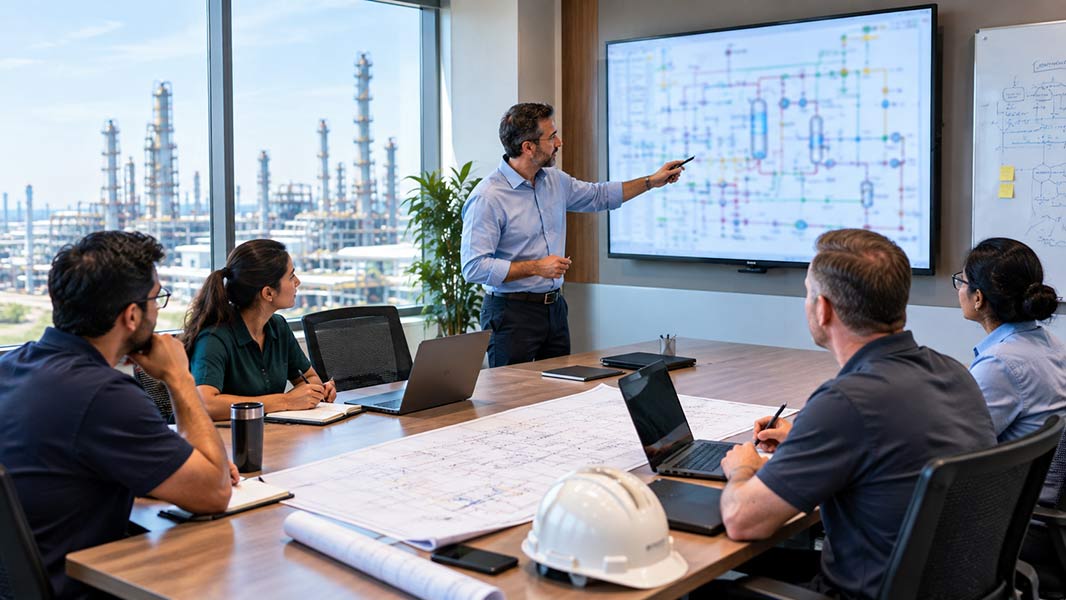
A proper risk assessment starts by mapping every task where a worker’s body could intersect with a moving object, suspended load, or stored energy source and then rating each scenario by likelihood and severity. This means walking the site during active operations, not just before the shift starts, since blind spots and swing radii only become obvious when equipment is actually running.
Teams should document specific trigger points, such as the exact moment a crane begins to lift or when a vehicle reverses near a walkway, because vague hazard descriptions like “watch for moving equipment” rarely translate into real behavior change. The assessment should also assign a clear owner to each identified hazard, so that control measures do not stall waiting for someone to take responsibility.
A Job Safety Analysis (JSA) breaks a task into individual steps and flags the exact point where a worker could enter the line of fire, which makes it one of the most practical tools for catching hazards a general walk-through would miss. For example, a JSA for crane operations would separate rigging, lifting and load travel into distinct steps, each with its own exclusion zone requirement rather than a single blanket warning.
This step-by-step approach also surfaces blind spots, areas where an operator’s line of sight is obstructed by the equipment itself, which standard hazard checklists frequently overlook. Because JSAs are task-specific rather than generic, they force crews to think through the actual sequence of movement on site and that level of detail is exactly what closes the gap between a hazard that exists on paper and one that gets controlled before anyone gets hurt.
Preventing a line of fire hazard is not about hoping workers stay alert every second of every shift, because attention naturally drifts and fatigue sets in. Real prevention comes from designing the work environment so that a moment of distraction does not turn into a fatality. That means layering physical controls, positioning discipline and energy isolation procedures so no single point of failure puts a worker in harm’s way.
The most reliable way to keep someone out of the line of fire is to physically remove the option of entering it, which is exactly what engineering controls are designed to do. Fixed guarding on rotating machinery, crash-rated barriers around vehicle paths and interlocked gates on high-risk zones do not rely on a worker remembering a rule under pressure, since the hazard is physically separated from the person.
Signage plays a supporting role here, but only when it marks a specific, enforced boundary rather than serving as a generic warning that blends into the background after the first week on site. When barriers and guards are treated as permanent fixtures rather than temporary inconveniences, they consistently outperform administrative controls because they do not depend on human memory or discipline in the moment.
Even with strong engineering controls in place, workers still need to understand where their body should never be during an active task and that is where safe work positioning becomes critical. Establishing marked exclusion zones around suspended loads, swinging equipment and pressurized systems gives everyone on site a visual boundary they can recognize instantly, rather than relying on memory or verbal instruction alone.
Supervisors should enforce these zones the same way they enforce fall protection, because a single exception, even for a supervisor walking through “just for a second,” undermines the entire system and signals that the boundary is negotiable.
Positioning also extends to task planning, since sequencing work so that no one operates directly in another crew’s line of fire removes an entire category of risk before the shift even begins.
Stored energy is often invisible, which is why lockout tagout (LOTO) procedures exist to verify that equipment is truly de-energized before anyone works on or near it.
A proper LOTO process isolates every energy source, electrical, hydraulic, pneumatic, or mechanical and confirms a zero energy state through direct testing rather than assumption. Skipping a single step, such as failing to verify isolation after applying a lock, has caused some of the most preventable industrial injuries on record, because the equipment appeared safe while still holding lethal stored energy.
You might be interested in reading
Line of fire hazards do not announce themselves before they cause harm and that single fact should shape every safety decision made on a job site. A worker rarely gets a warning before a suspended load shifts, a hydraulic line ruptures, or a vehicle enters a blind spot, so the entire prevention strategy has to be built before the incident happens, not reacted to afterward. That means combining engineering controls, enforced exclusion zones, disciplined lockout tagout procedures and task-specific JSAs into a system that does not depend on a worker’s attention holding steady for an entire shift.
None of these controls work in isolation, because a barrier without enforced positioning is just as ineffective as a risk assessment that never gets applied on the ground. What separates sites with strong safety records from those with recurring near-misses is consistency, since line of fire hazard prevention has to be practiced on ordinary days, not just after an incident forces a review.
Organizations that treat this as a core competency, rather than a checkbox during onboarding, are the ones that see fewer struck-by and caught-in injuries year over year. This is the standard Eduskills Training works toward with every safety program it builds, because reducing preventable injuries only happens when training translates into behavior that holds up under real working conditions, not just in a classroom.
A struck-by hazard is a specific type of injury mechanism, while line of fire describes the worker’s position relative to any hazardous energy path. Every struck-by incident involves the line of fire, but not every line of fire exposure results in a struck-by event.
Swing radius is determined by the equipment’s maximum boom or counterweight reach, typically specified by the manufacturer, plus an added safety buffer defined in the site-specific rigging plan or lift plan.
An exclusion zone prohibits all entry during an active hazard, such as a crane lift, while a controlled access zone permits limited, authorized entry under specific conditions, often used in fall protection or hot work scenarios.
Treatment delays beyond 6 to 10 hours are strongly associated with amputation rates approaching 100% in medical studies, which is why any suspected injection injury requires immediate emergency care, not observation.
A spotter maintains visual contact with blind spots the equipment operator cannot see and uses standardized hand signals or radio communication to halt movement the moment a worker enters a hazardous path.
It is typically classified under OSHA’s caught-in/between category, but functionally it fits the line of fire definition, since a worker in an unprotected trench sits directly in the path of potential soil failure.
The terms are often used interchangeably, but a JSA typically breaks a task into sequential steps with hazard-specific controls at each step, while a JHA can refer to a broader, less granular hazard review.
Any change in equipment, personnel, site layout, or task sequence should trigger a re-assessment, since exclusion zones and engineering controls calculated for one configuration may not apply after conditions shift.
Line of fire hazards occur when a worker's body is positioned where it could be struck, crushed, pinned, or caught by moving equipment, falling objects, or released energy and
Slip, trip and fall hazards remain one of the most underestimated risks inside any workplace, largely because they hide in plain sight, a wet floor here, a loose cable
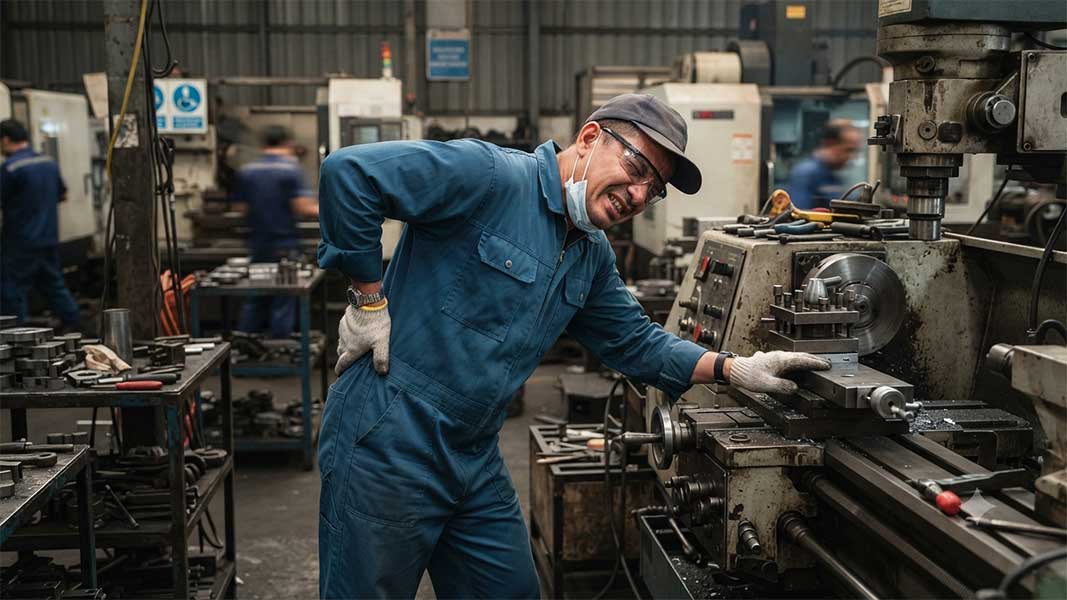
Repetitive strain injury at Workplace affects millions of workers every year and most of them do not realize the damage is building until pain becomes constant. According to the

Heat Stress Awareness starts with a simple fact: the human body can only handle so much heat before it starts to fail and most workers never see the warning
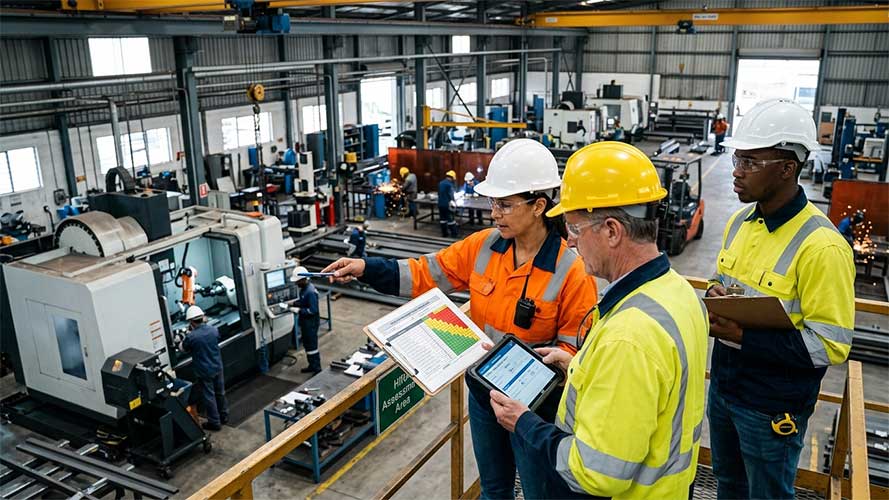
HIRA in the workplace is not a paperwork exercise. It is the single most important process that stands between your workers and a serious injury, a fatality or a
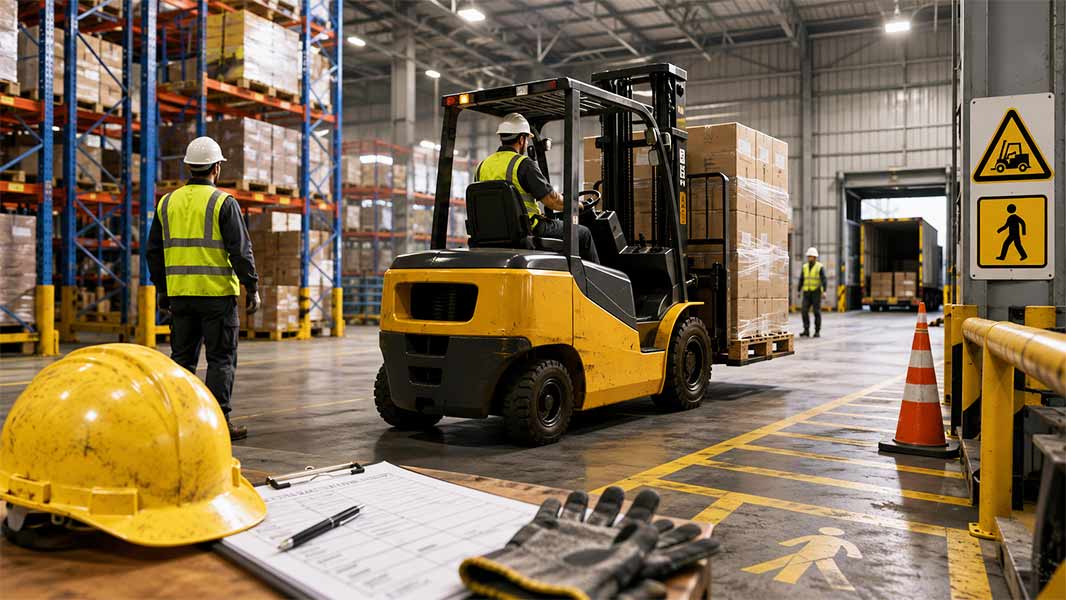
Forklift hazards and risk control is a critical responsibility in any workplace where powered industrial trucks operate daily. Warehouses, construction sites, manufacturing plants and logistics hubs rely on forklifts
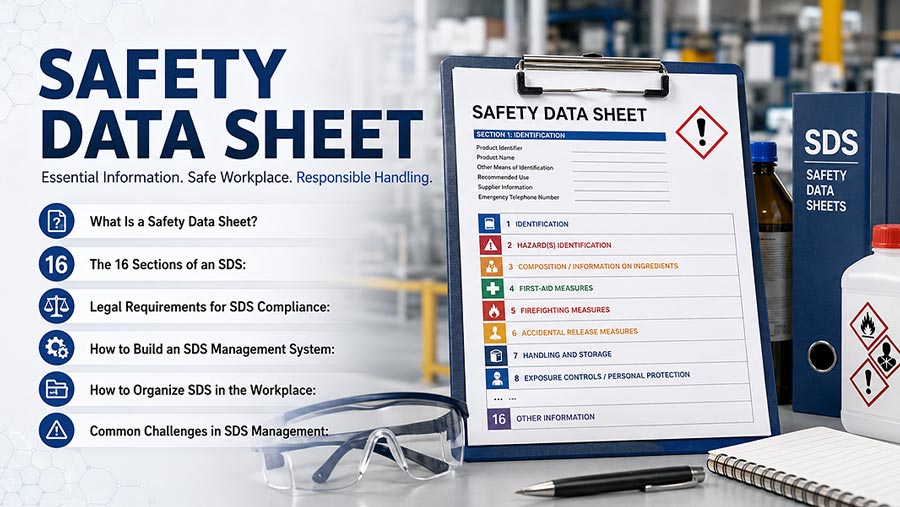
Every year, thousands of workplace chemical incidents happen not because the hazard was unknown, but because the right information was not where it needed to be. A Safety Data
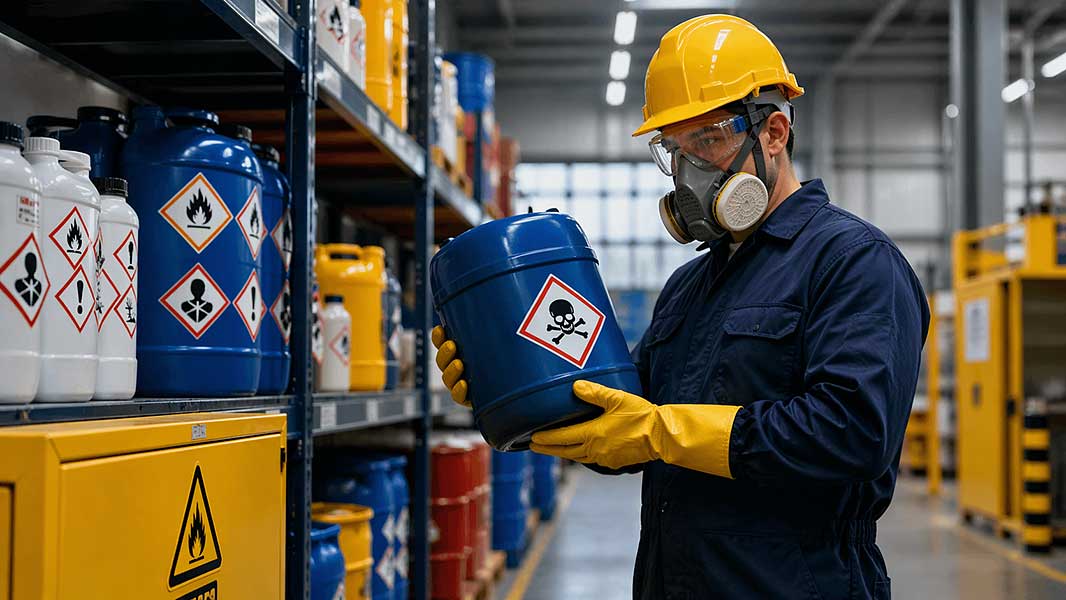
Hazardous Materials Safety is the line between controlled operations and catastrophic failure because one mismanaged chemical, one incompatible storage condition or one missed warning label can trigger injuries, fires,
Emergency Preparedness in UAE is no longer optional because a single unplanned incident can shut down operations, cause serious injuries and expose businesses to legal consequences. In high-risk sectors,

ISO 14001 Environmental Management Lead Auditor in UAE is a highly respected role because organizations rely on qualified professionals to assess environmental management systems (EMS), ensure ISO 14001:2015 compliance
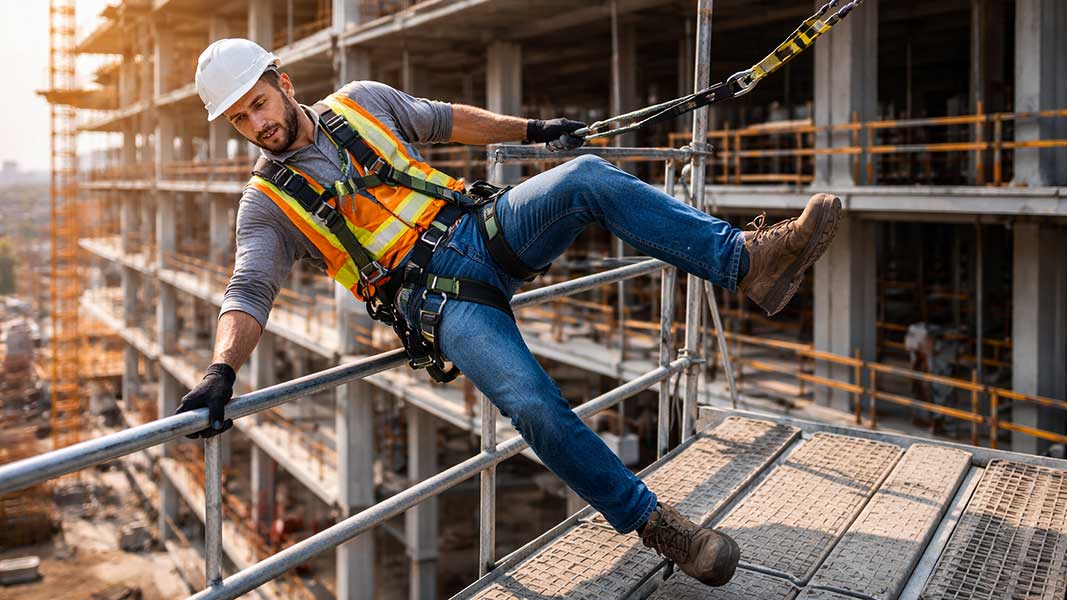
Fall protection for work at height remains one of the most critical safety priorities across construction, oil and gas, manufacturing and maintenance industries because even a minor lapse can

Key requirements of ISO 9001 Certification in UAE define how organizations build a structured, consistent and performance-driven ISO 9001 Quality Management System that meets customer expectations and regulatory demands.
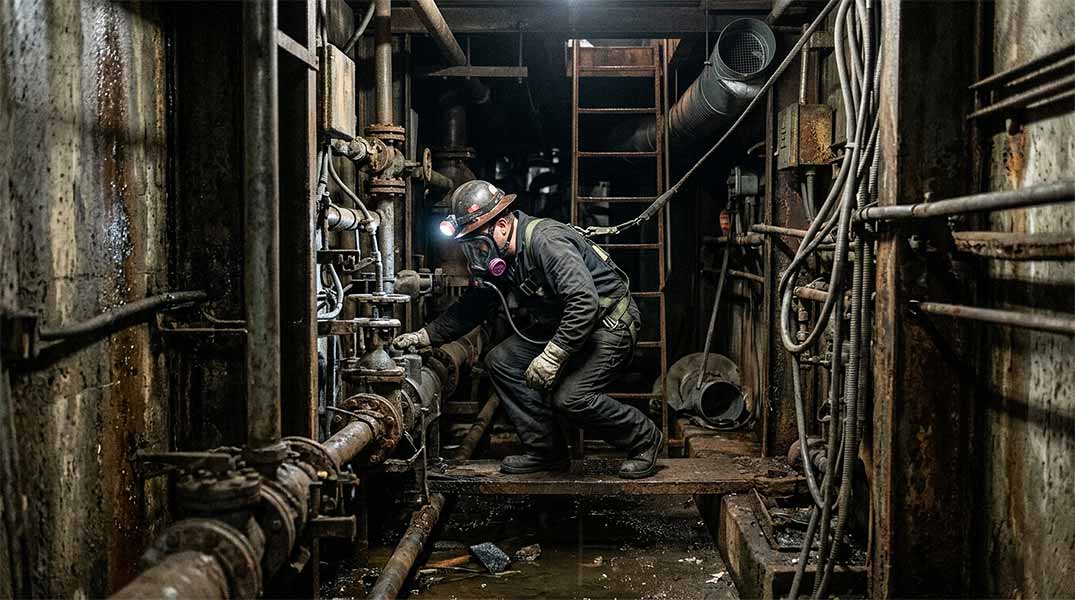
Confined Space Hazards remain one of the most critical risks in industrial workplaces because they combine limited access, poor ventilation and unpredictable conditions that can turn routine tasks into

The benefits of ISO 45001 lead auditor training are becoming increasingly important for safety professionals in the UAE because industries such as construction, oil and gas, manufacturing, logistics and
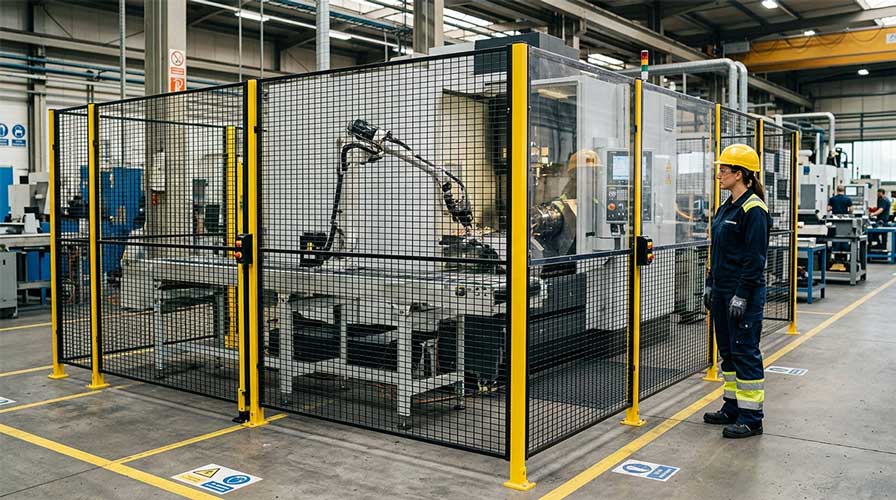
Machine Guarding Safety protects workers from dangerous moving parts, mechanical hazards and high-risk machine operations that exist across industrial workplaces. Manufacturing equipment, conveyor systems, cutting machines, presses and rotating

The ISO 14001 Certification Process provides organizations with a structured method to establish an effective Environmental Management System (EMS) that identifies environmental aspects, evaluates potential environmental impacts and implements
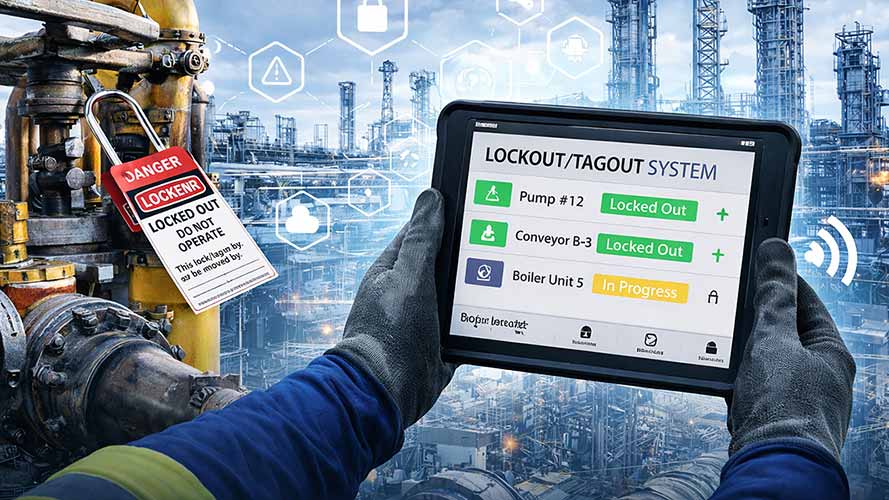
Digital LOTO Systems are becoming an essential part of modern industrial safety programs because traditional paper-based lockout tagout procedures often create gaps in documentation, communication and verification of hazardous

The benefits of ISO 9001 Lead Auditor Course in UAE are clear for professionals who want authority in quality management, because this qualification proves you can plan, conduct and

Employee Assistance Programs for workplace safety strengthen risk control because mental health, personal stress and financial pressure directly affect concentration, judgment and safe behavior at work. Many incident investigations
ISO 45001 clause 5.1 leadership and commitment requirements determine whether an Occupational Health and Safety Management System truly works in practice. Under the ISO 45001 framework, top management is

Bullying and harassment prevention in the workplace is a critical part of occupational health, legal compliance and organizational risk management. When disrespectful conduct is ignored, employee morale declines and

The benefits of ISO 14001 Lead Auditor Training in UAE extend far beyond earning a professional credential. This advanced qualification by Eduskills Training equips you to plan, conduct and

Workplace violence prevention is not limited to reacting after an incident occurs but instead focuses on identifying risks early and controlling them before harm happens. Violence at the workplace
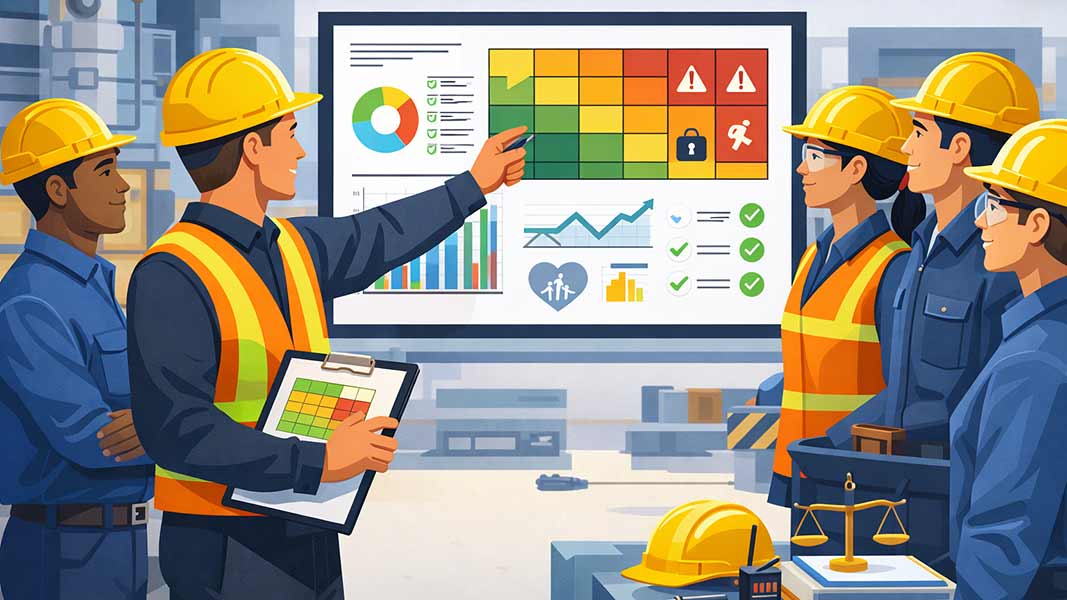
HSE KPIs are the backbone of effective health, safety and environmental performance measurement because they turn policies, procedures and controls into measurable outcomes. When defined and used correctly, KPIs

ISO 45001 Implementation is the process of building a structured occupational health and safety management system that actually works on the ground, therefore reducing risks, preventing incidents and protecting

Fatigue management at the workplace has become a critical safety concern because fatigue directly affects alertness, judgment, reaction time and decision-making. When workers are fatigued, the likelihood of errors

Guide to ISO 45001 Lead Auditor Course is the starting point for professionals who want to upgrade from “knowing safety” to auditing occupational health and safety systems with confidence

Ergonomics and Musculoskeletal Health sit at the center of injury prevention because most work-related pain develops from everyday tasks rather than sudden accidents. When jobs are designed without considering
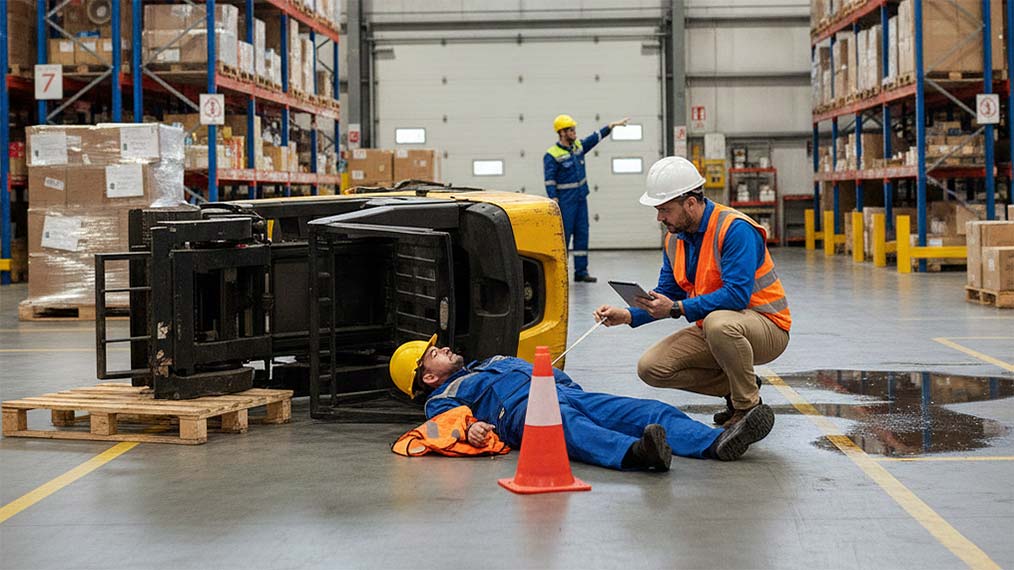
Incident investigation is the backbone of effective occupational health and safety, because it focuses on understanding why an incident occurred rather than who was involved. When done properly, it

ISO 14001 Gap Analysis is a structured assessment that helps organizations measure their current Environmental Management System against ISO 14001 requirements because even small compliance gaps can lead to

Choosing the right professional certification depends on career goals, industry exposure and long-term relevance. Many professionals choose ISO 9001 Lead Auditor Course in UAE because organizations across the region
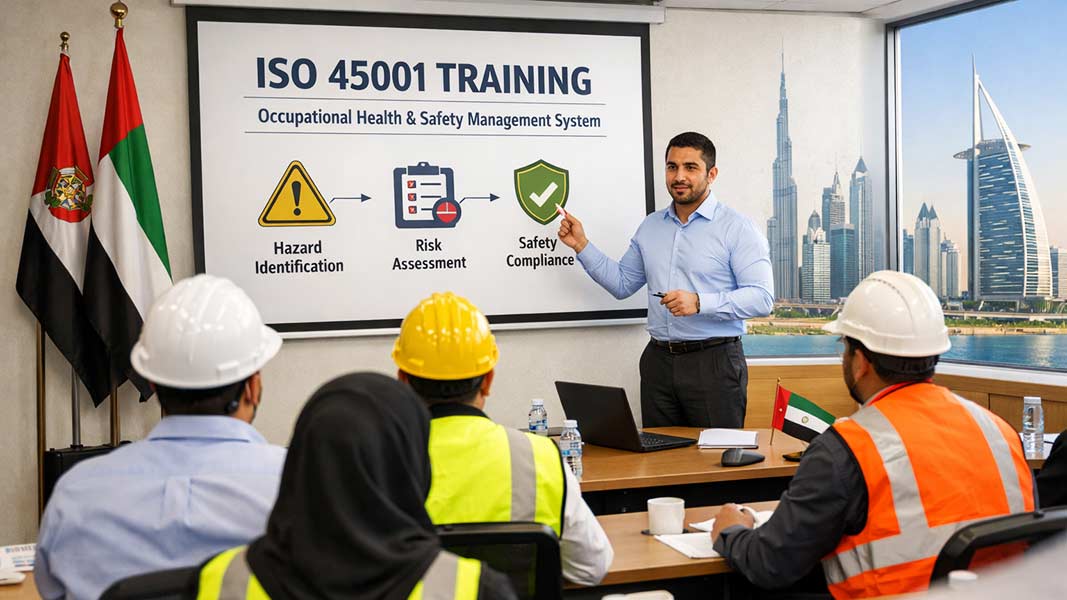
ISO 45001 Training in the UAE is no longer optional for professionals responsible for workplace safety, compliance and operational control. Organizations are under increasing pressure to reduce incidents, meet

ISO 45001 Implementation and Certification for SMEs in UAE has become a direct path for small and medium businesses to strengthen safety performance because it brings structure, accountability and

ISO 14001 Environmental Policy and Leadership set the foundation for how an organization turns environmental intent into measurable action. When both elements work in sync, teams move from declarations
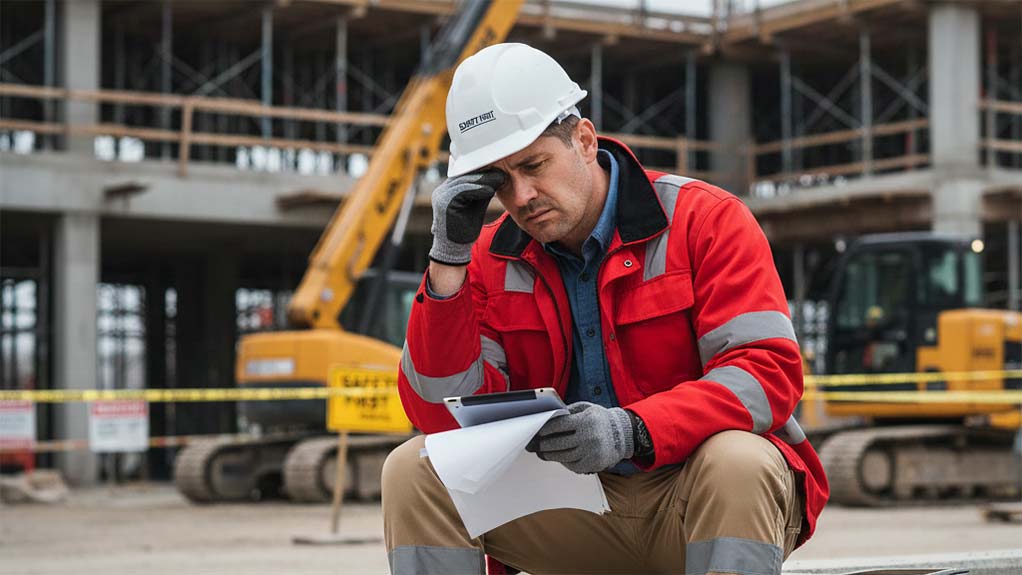
Mental health in workplace safety is a critical factor that decides how consistently people follow procedures, recognize hazards and respond under pressure. When employees feel overwhelmed, their ability to

An ISO 45001 Gap Analysis gives you a realistic picture of how your current safety practices measure against the requirements of the ISO 45001 Occupational Health and Safety Management

Psychosocial hazards in the workplace influence how people think, behave and respond to risks because they directly affect mental wellbeing long before a physical incident occurs. When pressure builds,

Behavior based safety plays a defining role in how workplace safety culture grows, matures and stays consistent across daily operations. When organizations pay attention to the way people act
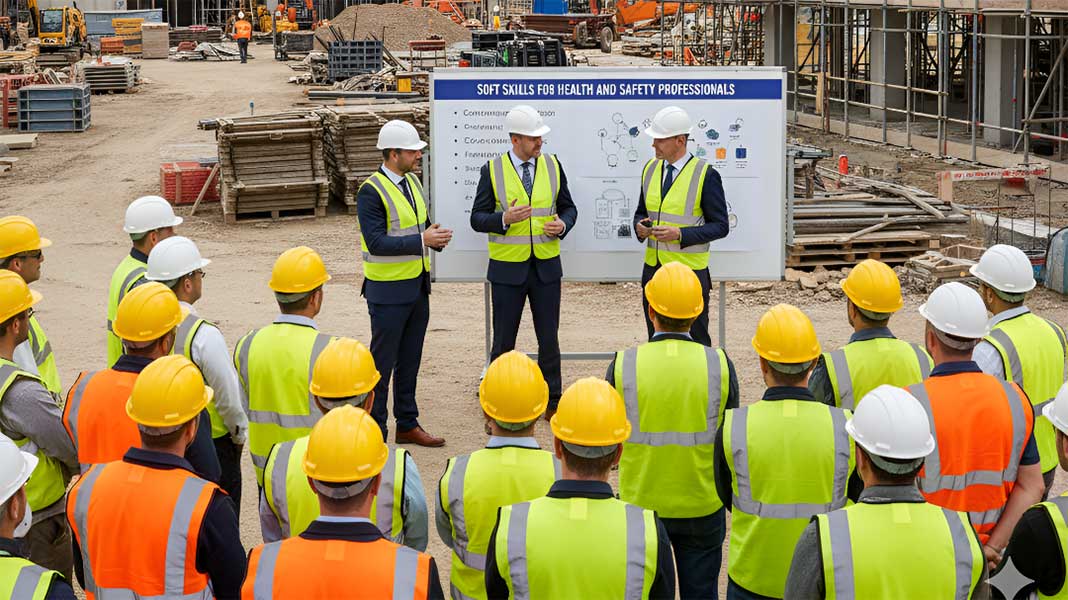
Soft skills for HSE professionals shape how effectively they communicate, influence and guide people on site, therefore they matter just as much as technical expertise. I’ve seen many safety
ISO 9001 digital transformation is reshaping how organizations in the UAE manage quality, safety and efficiency. Companies across Dubai, Abu Dhabi and Sharjah are moving beyond traditional paperwork and
An HSE Implementation Plan is the foundation of every safe and responsible workplace. It provides a structured framework for managing health, safety and environmental risks so that daily operations
ISO 45001 nonconformities are among the most common challenges organizations face during health and safety audits. We’ve seen many businesses struggle with recurring gaps that delay certification, affect compliance,
Leadership in ISO 9001 Certification success is the single most decisive factor that determines whether an organization truly achieves quality excellence or merely collects a certificate. ISO 9001:2015 places
An ISO 45001 audit preparation is far more than gathering documents and hoping for the best. It’s a disciplined process that tests your organization’s true commitment to occupational health
Common ISO 14001 implementation mistakes can quietly derail even the most well-intentioned environmental management plans. Many organizations across the UAE especially in Dubai, Abu Dhabi or Sharjah start with
ISO 9001 audit nonconformities reveal where a quality management system falls short of meeting the standard’s requirements. They highlight gaps in consistency, documentation, or process control that can impact
Achieving ISO 45001 certification is more than a compliance milestone, it’s a strategic commitment to protecting people and building a culture of safety across all levels of an organization.
Continuous improvement is the backbone of every high-performing organization. It’s not just about fixing what’s broken — it’s about building a culture that keeps evolving, learning and improving every
NVQ Level 6 Career Progression has become a defining step for health and safety professionals aiming to move from technical roles to senior leadership positions. The ProQual NVQ Level
Both the NVQ Level 7 SHSLM and NVQ Level 6 OHSP are highly respected health and safety qualifications, but they serve a little different career stages and objectives. As