Repetitive Strain Injury at Workplace: Causes & Prevention
Repetitive strain injury at Workplace affects millions of workers every year and most of them do not realize the damage is building until pain becomes constant. According to the

Repetitive strain injury at Workplace affects millions of workers every year and most of them do not realize the damage is building until pain becomes constant. According to the U.S. Bureau of Labor Statistics, musculoskeletal disorders account for nearly 30% of all worker injury and illness cases requiring days away from work and repetitive tasks are one of the leading contributors. This is not a problem limited to factory floors or assembly lines either, because office employees typing for eight hours a day face the same cumulative trauma disorder risk as a warehouse worker repeating the same lifting motion. The injury develops slowly, through repetitive motion, poor posture and insufficient recovery time between tasks, so by the time an employee reports pain, the underlying tissue damage has often existed for weeks or months.
Employers who ignore early signs of occupational overuse syndrome end up paying for it later, whether through lost productivity, workers’ compensation claims or high turnover in physically demanding roles. Therefore, understanding what causes a repetitive strain injury, how to recognize it early and what preventing repetitive strain in jury actually looks like in practice is not optional knowledge for HSE professionals, it is a core responsibility. This blog breaks down the causes, symptoms, high-risk industries and proven prevention strategies employers and employees can apply starting today.
A repetitive strain injury at Workplace develops when the body performs the same movement so often that muscles, tendons and nerves never get the recovery time they need. It is one of the most common yet most misunderstood occupational hazards because it rarely announces itself with a single dramatic incident. Instead, it accumulates quietly across shifts, weeks and sometimes years, until a worker who once dismissed a little wrist ache finds they can no longer grip a coffee cup without pain. Understanding what this injury actually is, how it forms inside the body and how it differs from an ordinary strain is the foundation for any serious workplace prevention effort.
The human body responds to repeated motion through a cycle of micro-damage and repair and problems start when the repair process cannot keep pace with the damage. Every time a tendon glides across a joint or a muscle contracts under load, it experiences tiny amounts of stress. Under normal circumstances, rest allows the tissue to recover fully before the next round of activity begins. But when a task is repeated hundreds or thousands of times a day, as with typing, scanning or assembly work, the tissue never gets that recovery window. Over time, this leads to inflammation, thickening of the tendon sheath and in some cases nerve compression, which is the mechanism behind conditions like carpal tunnel syndrome. Blood flow to the area can also decrease under sustained repetitive load, slowing healing even further. Therefore, repetitive strain injury is less about a single harmful motion and more about the absence of adequate recovery between motions, which is a critical distinction for anyone designing repetitive strain injury prevention programs.
Not every strain qualifies as an RSI, so it helps to separate acute strain from the chronic, repetitive form. An acute strain happens suddenly, often from a single awkward lift, an unexpected load or an abrupt movement and it usually heals within days to a few weeks with rest and basic care. A chronic repetitive strain injury, on the other hand, develops over months or years of sustained, repeated motion and does not resolve quickly even with rest because the underlying tissue has undergone structural change. Conditions such as tenosynovitis, tennis elbow and trigger finger fall into this chronic category and they tend to recur if the worker returns to the same task without modification. This is why treating an RSI like a one-time injury, rather than an ongoing occupational hazard tied to specific ergonomic risk factors, almost always leads to relapse. Recognizing which category a worker’s symptoms fall into changes both the treatment approach and the RSI prevention strategy needed to stop it from happening again.
“Most cases of repetitive strain injury at Workplace trace back to a small set of preventable workplace conditions, not bad luck or fragile bodies. Posture, task design, workstation setup and rest patterns each play a distinct role and they often compound each other rather than acting alone”.
Most cases of repetitive strain injury at Workplace trace back to a small set of preventable workplace conditions, not bad luck or fragile bodies. Posture, task design, workstation setup and rest patterns each play a distinct role and they often compound each other rather than acting alone.
Sustained awkward posture forces muscles and tendons to work harder than they should for a given task, which accelerates fatigue and tissue breakdown. A worker who hunches over a keyboard or twists their wrist to use a mouse is placing constant, uneven load on structures that were never designed to bear weight that way. Over weeks, this uneven load leads to muscle imbalance, where some muscle groups overcompensate while others weaken from disuse. Therefore, posture correction is rarely a cosmetic fix, it is a direct intervention against the mechanical root cause of many repetitive strain injury at workplace.
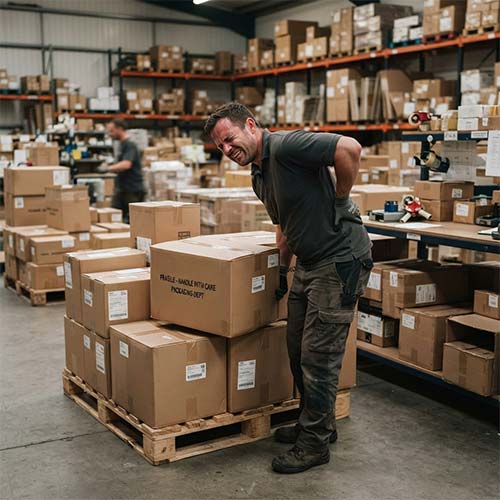
Certain job functions carry inherently higher repetitive motion exposure, including data entry, assembly line work, cashiering, packing and even prolonged phone use. Each of these tasks involves the same small muscle groups firing thousands of times per shift, with little variation to distribute the load elsewhere. Because the motion itself is not harmful in isolation, the danger comes from volume and lack of variation, which is why task rotation is one of the most effective and underused repetitive strain injury prevention tools available to employers.
A workstation that does not match the worker’s body dimensions forces awkward compensations throughout the day, even if the employee never notices it happening. Chairs set too low, monitors positioned above or below eye level and desks that force shoulder elevation all fall under ergonomic failures and they multiply the effect of any repetitive task performed at that station. Eduskills Training’s ergonomic assessments consistently find that workstation misalignment, not the task itself, is the single largest contributor to RSI cases across office environments.
Even a well-designed task becomes harmful without adequate recovery time built into the schedule. Muscle overuse occurs when the body is not given enough pause between repetitions to clear metabolic waste and repair micro-damage and this holds true whether the job involves typing or heavy lifting. Short, frequent breaks consistently outperform infrequent long ones for reducing strain, because they interrupt the damage cycle before it accumulates. Employers who treat breaks as a productivity cost rather than an injury prevention measure often end up paying far more in absenteeism and claims later.
Repetitive strain injury at Workplace rarely announces itself clearly, which is why so many cases go unreported until symptoms interfere with basic tasks. Recognizing the progression from mild discomfort to lasting damage gives both workers and employers a much earlier window to intervene.
The earliest symptoms are often so mild that workers write them off as ordinary tiredness rather than a warning sign. A dull ache at the end of a shift, occasional stiffness in the wrist or shoulder or a slight tingling sensation in the fingers all qualify as early-stage RSI indicators, even though they disappear with rest at this point. Because these signs fade overnight, employees frequently assume the issue has resolved, when in reality the underlying tissue stress is simply being masked by recovery time outside of work hours. Reporting discomfort at this stage, before it becomes constant, is the single most effective thing a worker can do to prevent long-term damage.
Once an RSI progresses, the symptoms stop fading with rest and start interfering with everyday function. Persistent numbness, sharp or burning pain, visible swelling, reduced grip strength and loss of fine motor control are all signs of advanced tissue damage rather than simple fatigue. At this stage, conditions like chronic tendinopathy may already be present and continuing the same repetitive task without medical intervention typically worsens the injury rather than allowing it to heal. Any worker experiencing these symptoms should be referred for medical evaluation immediately, because delayed treatment at this stage often extends recovery time from weeks to months.
A workstation that does not match the worker’s body dimensions forces awkward compensations throughout the day, even if the employee never notices it happening. Chairs set too low, monitors positioned above or below eye level and desks that force shoulder elevation all fall under ergonomic failures and they multiply the effect of any repetitive task performed at that station. Eduskills Training’s ergonomic assessments consistently find that workstation misalignment, not the task itself, is the single largest contributor to RSI cases across office environments.
Even a well-designed task becomes harmful without adequate recovery time built into the schedule. Muscle overuse occurs when the body is not given enough pause between repetitions to clear metabolic waste and repair micro-damage and this holds true whether the job involves typing or heavy lifting. Short, frequent breaks consistently outperform infrequent long ones for reducing strain, because they interrupt the damage cycle before it accumulates. Employers who treat breaks as a productivity cost rather than an injury prevention measure often end up paying far more in absenteeism and claims later.
While repetitive strain injury can develop in almost any job, certain industries see it far more often because of the nature of the tasks involved. Office work, manufacturing and healthcare each carry distinct risk profiles worth examining separately.
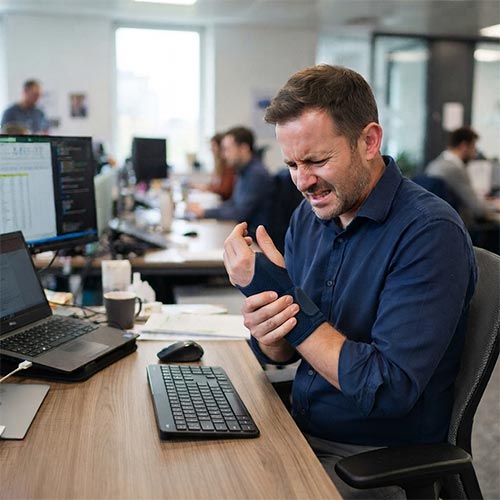
Desk-based employees spend hours performing the same small, precise movements, typing, clicking and scrolling, often without realizing how repetitive the motion actually is. This makes computer-related RSI one of the most common occupational health complaints in administrative and corporate environments.
Poor monitor height, awkward mouse positioning and long uninterrupted screen time all compound the risk, so the injury often develops even in workers who consider their job physically undemanding.
Assembly line and production roles combine repetitive motion with physical force, which increases both the frequency and severity of tissue stress compared to desk work.
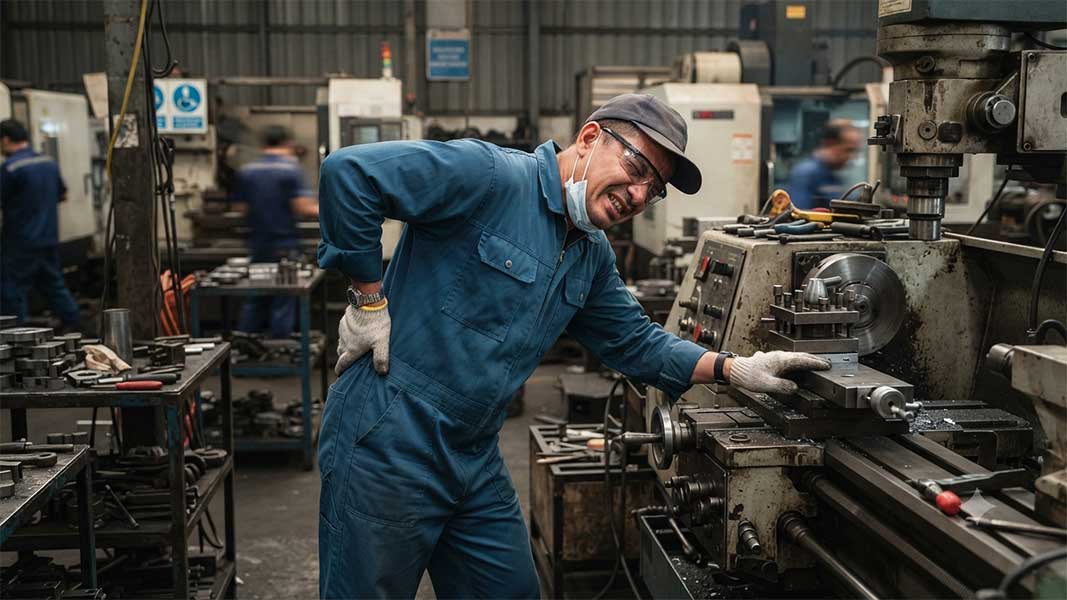
Tasks like tightening fasteners, sorting components or operating hand tools all demand the same muscle groups fire in rapid, continuous cycles. This is why manual handling injuries and RSIs frequently overlap in industrial settings and why job rotation and mechanical assistance are standard recommendations across manufacturing safety programs.
Nurses, dental professionals and caregivers face a unique combination of repetitive fine motor tasks and physically demanding patient handling, often within the same shift. Repeated patient lifting, prolonged instrument use and awkward positioning during procedures all contribute to occupational musculoskeletal strain in this workforce. Because healthcare staffing shortages often reduce the time available for recovery between tasks, this industry consistently ranks among the highest for reported RSI cases globally.
Preventing repetitive strain injury does not require expensive overhauls, it requires consistent attention to workstation design, movement patterns and posture. The following practices form the foundation of any effective RSI prevention plan.
A properly configured workstation removes the mechanical stress that leads to injury before it ever has a chance to build up. Chair height should keep feet flat on the floor with knees at roughly a right angle, monitors should sit at eye level to avoid neck strain and keyboards should allow wrists to remain straight rather than bent. This kind of ergonomic intervention is inexpensive relative to the cost of lost workdays and it remains one of the highest-return investments an employer can make in injury prevention.
Short, scheduled breaks interrupt the cycle of continuous strain and give overworked muscles time to recover before damage accumulates. Simple micro-breaks of thirty to sixty seconds every twenty to thirty minutes, combined with basic wrist, neck and shoulder stretches, have been shown to meaningfully reduce RSI incidence in repetitive-task roles. Because these breaks cost almost nothing to implement, resistance to adopting them usually comes from habit rather than any real productivity tradeoff.
Maintaining neutral spine alignment, keeping shoulders relaxed rather than hunched and avoiding wrist deviation while typing all reduce the mechanical load placed on vulnerable tissue. Training workers in postural awareness is far more effective when paired with periodic reminders or workstation cues, since old habits tend to return quickly without reinforcement. Eduskills Training builds this reinforcement directly into its ergonomic training programs, since one-time instruction rarely produces lasting behavior change on its own.
You might be interested in reading
Not every ache requires a clinical visit, but certain symptoms mean self-care is no longer enough. Knowing when to escalate care prevents a manageable repetitive strain injury at Workplace from turning into a long-term disability. A medical evaluation is necessary if you experience any of the following:
Some symptoms demand urgent attention rather than a routine appointment, because they point to significant nerve involvement rather than ordinary muscle fatigue. Seek immediate medical care if you notice any of the following:
Delaying care at this stage often means the difference between a few weeks of physical therapy and months of restricted work capacity, so workers should never wait for symptoms to become unbearable before seeking help.
Repetitive strain injury at Workplace is one of the most preventable occupational health issues, yet it remains one of the most common because early symptoms are so easy to dismiss. Consistent attention to posture, task design, workstation ergonomics and rest breaks addresses the root causes rather than just managing the pain after it appears. Employers who invest in prevention early avoid far greater costs in lost productivity, turnover and compensation claims down the line. Eduskills Training works with organizations to build these prevention habits into daily operations, because sustainable safety culture comes from consistent practice, not one-time awareness campaigns.
Yes, most occupational health and safety authorities, including OSHA and the HSE, classify RSI as a recognized occupational illness when linked to work-related repetitive tasks.
Carpal tunnel syndrome is a specific type of RSI caused by median nerve compression at the wrist, while RSI is the broader category covering multiple tendon, muscle and nerve conditions.
Tenosynovitis is inflammation of the tendon sheath, commonly caused by repetitive motion and it is one of the most frequently diagnosed forms of chronic RSI.
Yes, prolonged, untreated nerve compression can lead to permanent sensory loss or muscle weakness if the underlying pressure is not relieved in time.
An ergonomic risk assessment identifies specific postural, workstation and task-related hazards, allowing targeted interventions rather than generic prevention advice.
In some jurisdictions, chronic RSI that significantly limits daily function can qualify for disability protections under laws like the ADA, depending on severity and duration.
It reduces incidence by correcting posture, workstation setup and movement patterns before micro-damage accumulates, addressing root causes rather than symptoms.
No, standing desks reduce some risks but can introduce new ones, such as leg fatigue or improper monitor height, if not paired with proper ergonomic setup.
Repetitive strain injury at Workplace affects millions of workers every year and most of them do not realize the damage is building until pain becomes constant. According to the
Heat Stress Awareness starts with a simple fact: the human body can only handle so much heat before it starts to fail and most workers never see the warning
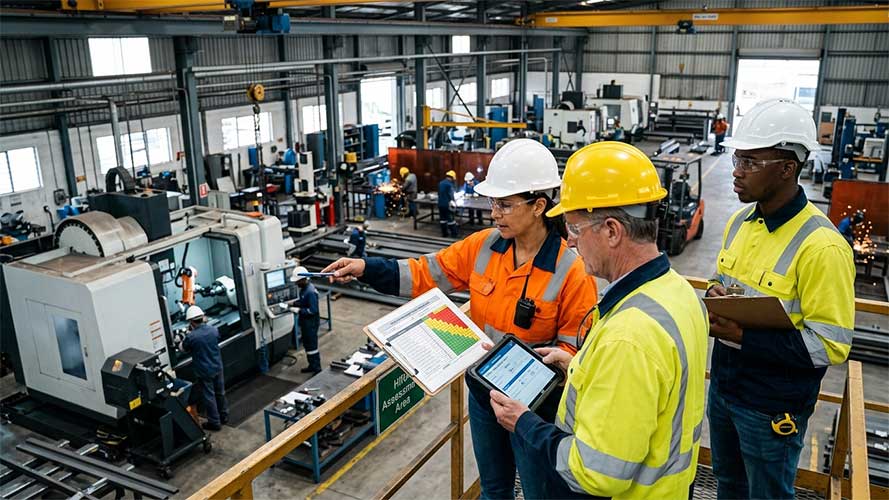
HIRA in the workplace is not a paperwork exercise. It is the single most important process that stands between your workers and a serious injury, a fatality or a
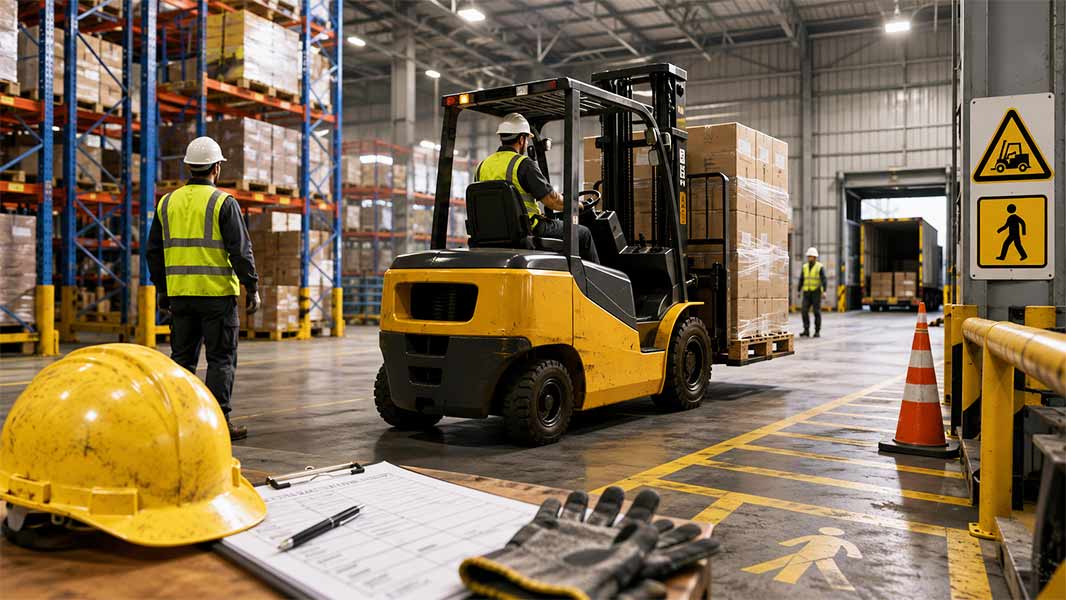
Forklift hazards and risk control is a critical responsibility in any workplace where powered industrial trucks operate daily. Warehouses, construction sites, manufacturing plants and logistics hubs rely on forklifts
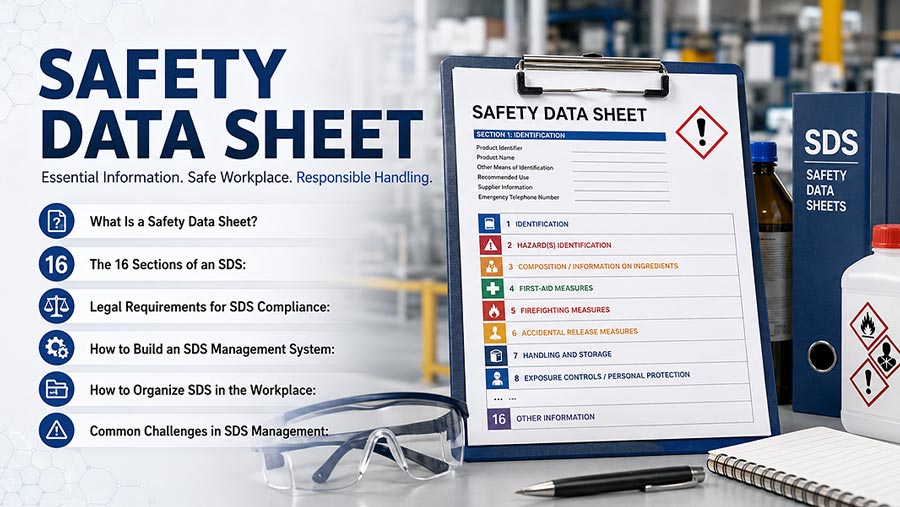
Every year, thousands of workplace chemical incidents happen not because the hazard was unknown, but because the right information was not where it needed to be. A Safety Data
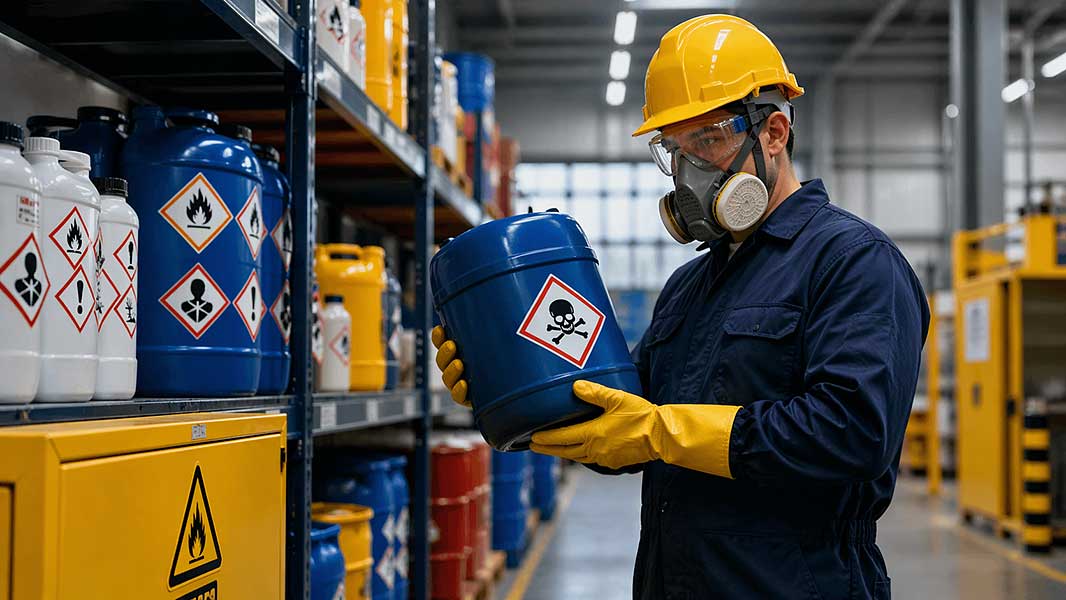
Hazardous Materials Safety is the line between controlled operations and catastrophic failure because one mismanaged chemical, one incompatible storage condition or one missed warning label can trigger injuries, fires,

Emergency Preparedness in UAE is no longer optional because a single unplanned incident can shut down operations, cause serious injuries and expose businesses to legal consequences. In high-risk sectors,

ISO 14001 Environmental Management Lead Auditor in UAE is a highly respected role because organizations rely on qualified professionals to assess environmental management systems (EMS), ensure ISO 14001:2015 compliance
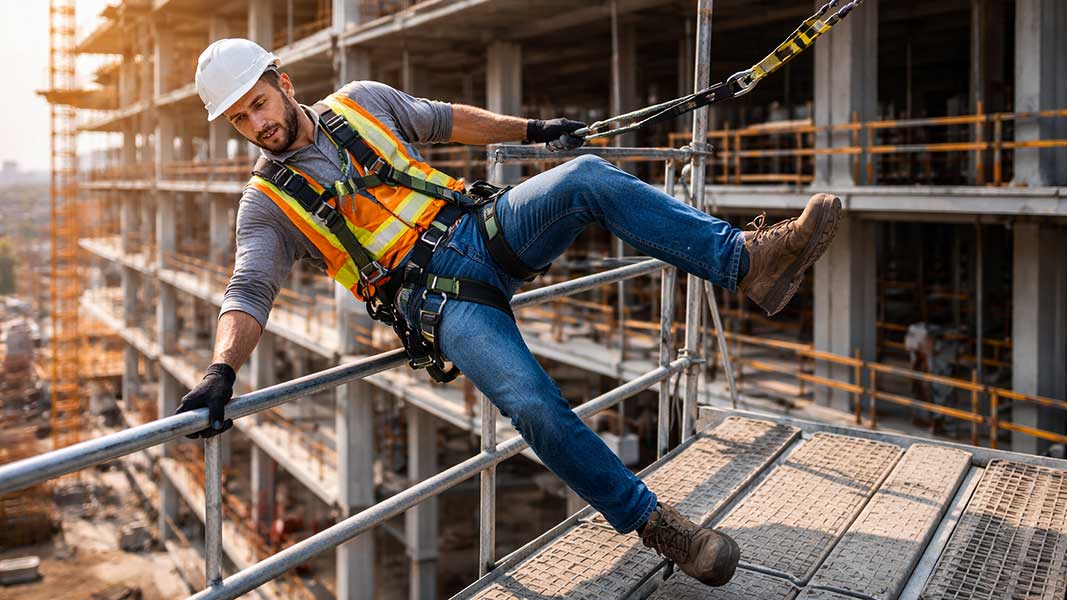
Fall protection for work at height remains one of the most critical safety priorities across construction, oil and gas, manufacturing and maintenance industries because even a minor lapse can

Key requirements of ISO 9001 Certification in UAE define how organizations build a structured, consistent and performance-driven ISO 9001 Quality Management System that meets customer expectations and regulatory demands.
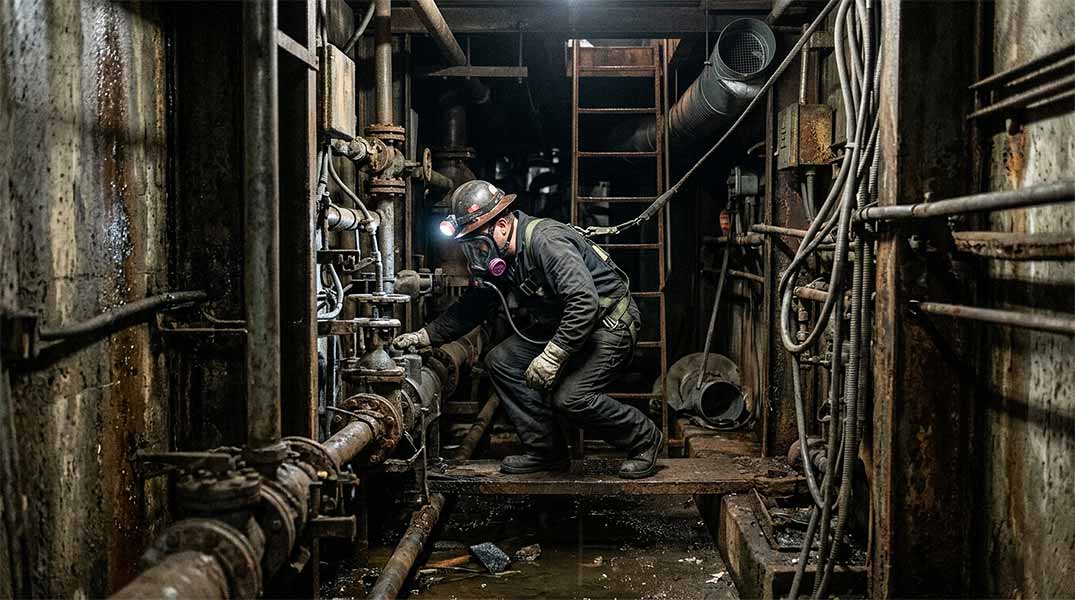
Confined Space Hazards remain one of the most critical risks in industrial workplaces because they combine limited access, poor ventilation and unpredictable conditions that can turn routine tasks into

The benefits of ISO 45001 lead auditor training are becoming increasingly important for safety professionals in the UAE because industries such as construction, oil and gas, manufacturing, logistics and
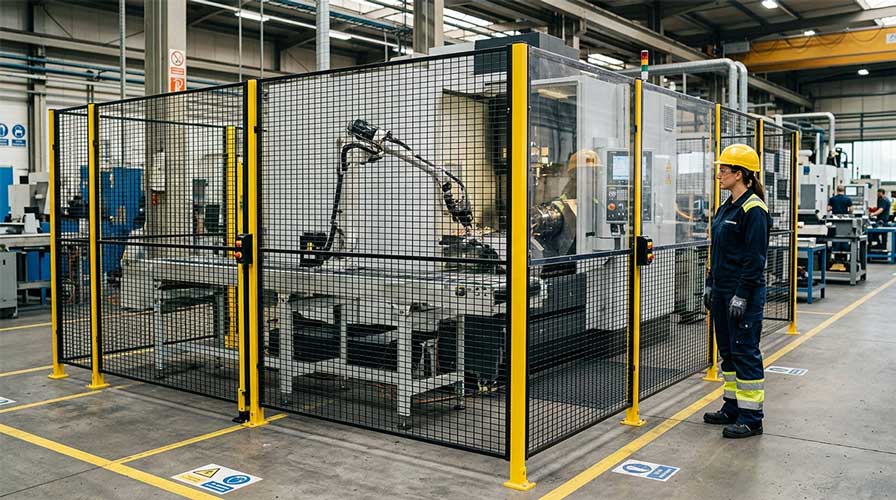
Machine Guarding Safety protects workers from dangerous moving parts, mechanical hazards and high-risk machine operations that exist across industrial workplaces. Manufacturing equipment, conveyor systems, cutting machines, presses and rotating

The ISO 14001 Certification Process provides organizations with a structured method to establish an effective Environmental Management System (EMS) that identifies environmental aspects, evaluates potential environmental impacts and implements

Digital LOTO Systems are becoming an essential part of modern industrial safety programs because traditional paper-based lockout tagout procedures often create gaps in documentation, communication and verification of hazardous

The benefits of ISO 9001 Lead Auditor Course in UAE are clear for professionals who want authority in quality management, because this qualification proves you can plan, conduct and

Employee Assistance Programs for workplace safety strengthen risk control because mental health, personal stress and financial pressure directly affect concentration, judgment and safe behavior at work. Many incident investigations
ISO 45001 clause 5.1 leadership and commitment requirements determine whether an Occupational Health and Safety Management System truly works in practice. Under the ISO 45001 framework, top management is

Bullying and harassment prevention in the workplace is a critical part of occupational health, legal compliance and organizational risk management. When disrespectful conduct is ignored, employee morale declines and
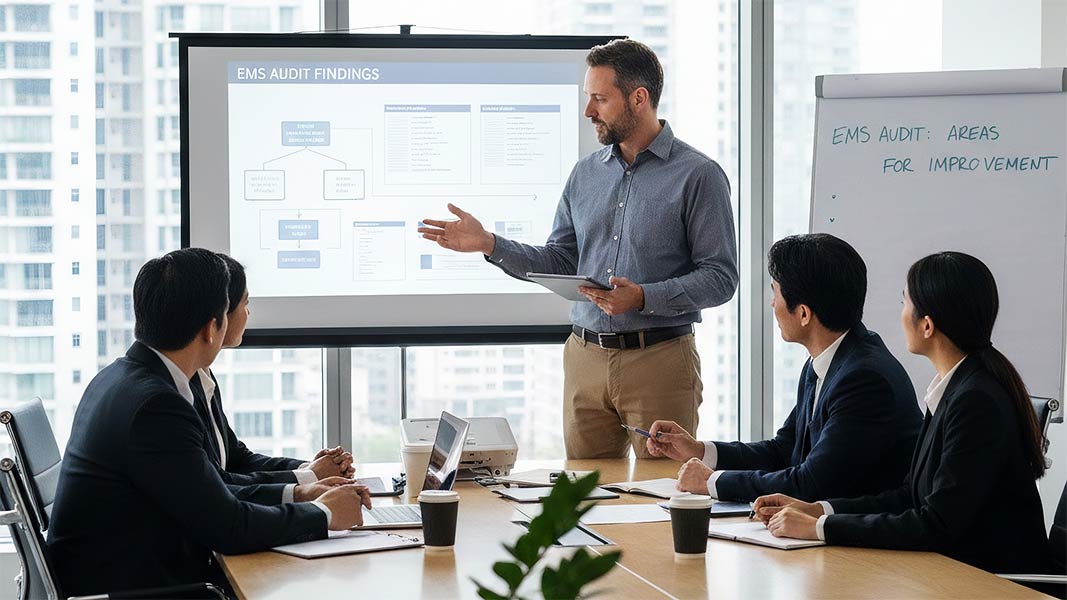
The benefits of ISO 14001 Lead Auditor Training in UAE extend far beyond earning a professional credential. This advanced qualification by Eduskills Training equips you to plan, conduct and

Workplace violence prevention is not limited to reacting after an incident occurs but instead focuses on identifying risks early and controlling them before harm happens. Violence at the workplace
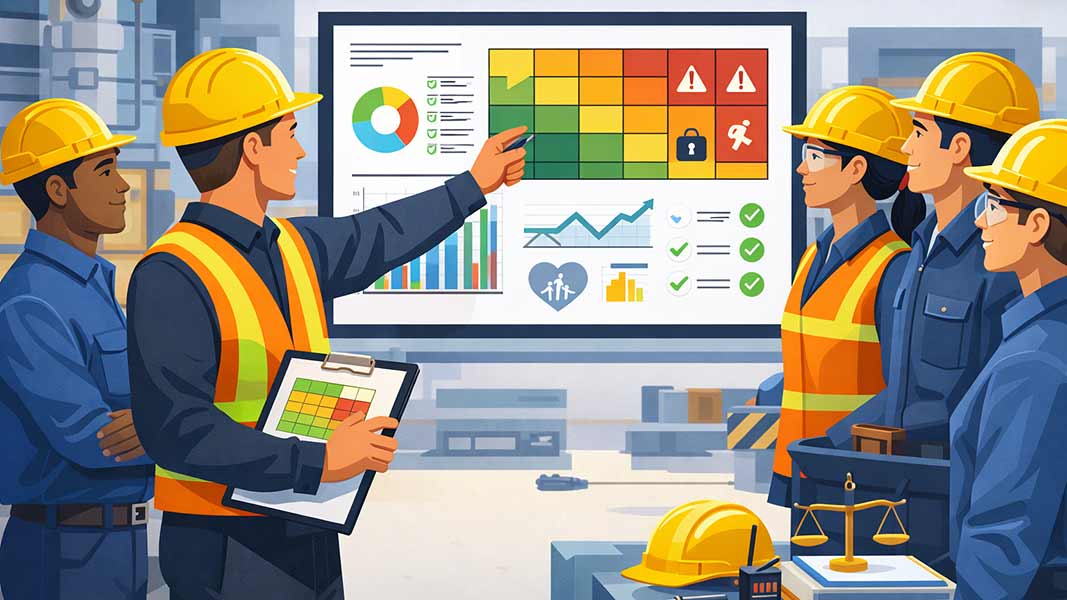
HSE KPIs are the backbone of effective health, safety and environmental performance measurement because they turn policies, procedures and controls into measurable outcomes. When defined and used correctly, KPIs

ISO 45001 Implementation is the process of building a structured occupational health and safety management system that actually works on the ground, therefore reducing risks, preventing incidents and protecting

Fatigue management at the workplace has become a critical safety concern because fatigue directly affects alertness, judgment, reaction time and decision-making. When workers are fatigued, the likelihood of errors
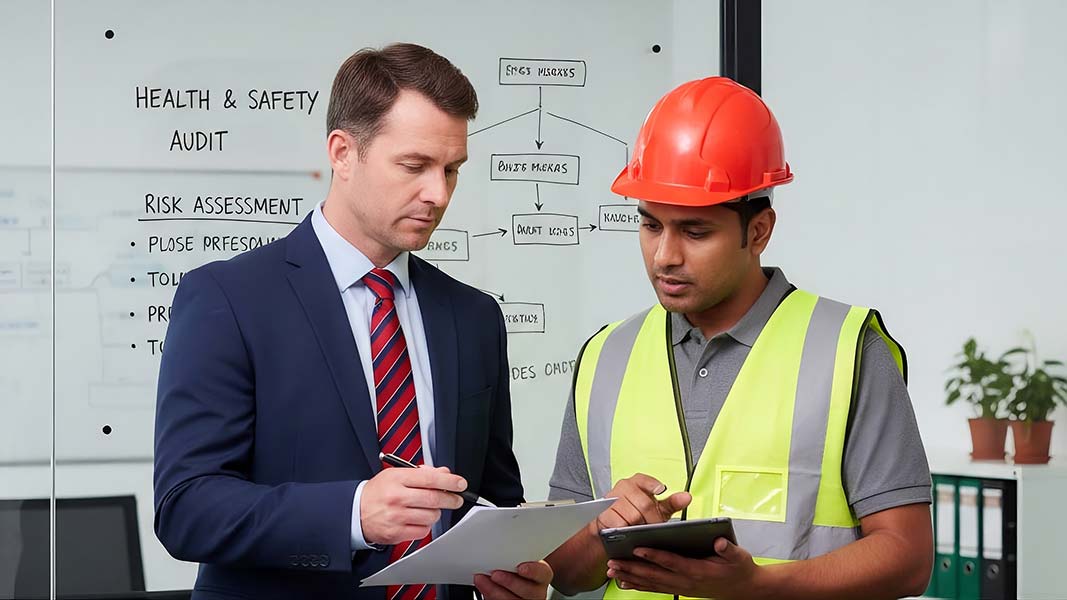
Guide to ISO 45001 Lead Auditor Course is the starting point for professionals who want to upgrade from “knowing safety” to auditing occupational health and safety systems with confidence

Ergonomics and Musculoskeletal Health sit at the center of injury prevention because most work-related pain develops from everyday tasks rather than sudden accidents. When jobs are designed without considering
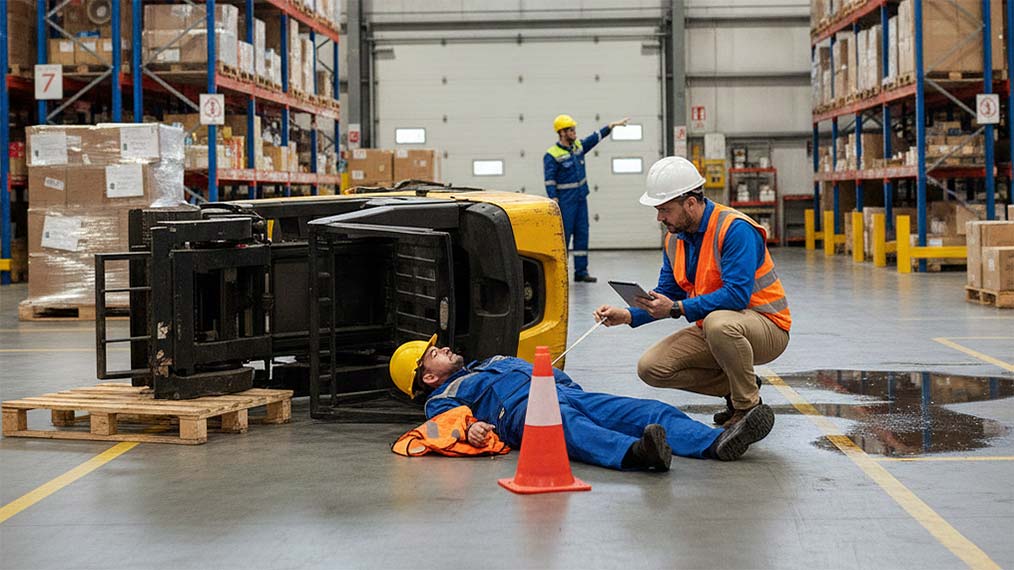
Incident investigation is the backbone of effective occupational health and safety, because it focuses on understanding why an incident occurred rather than who was involved. When done properly, it

ISO 14001 Gap Analysis is a structured assessment that helps organizations measure their current Environmental Management System against ISO 14001 requirements because even small compliance gaps can lead to

Choosing the right professional certification depends on career goals, industry exposure and long-term relevance. Many professionals choose ISO 9001 Lead Auditor Course in UAE because organizations across the region
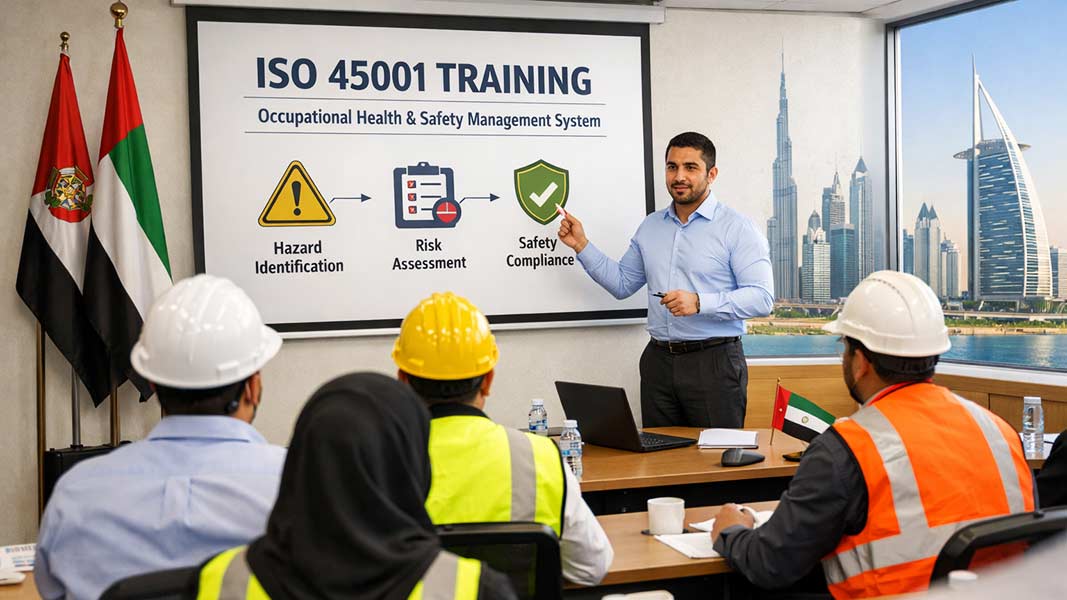
ISO 45001 Training in the UAE is no longer optional for professionals responsible for workplace safety, compliance and operational control. Organizations are under increasing pressure to reduce incidents, meet

ISO 45001 Implementation and Certification for SMEs in UAE has become a direct path for small and medium businesses to strengthen safety performance because it brings structure, accountability and
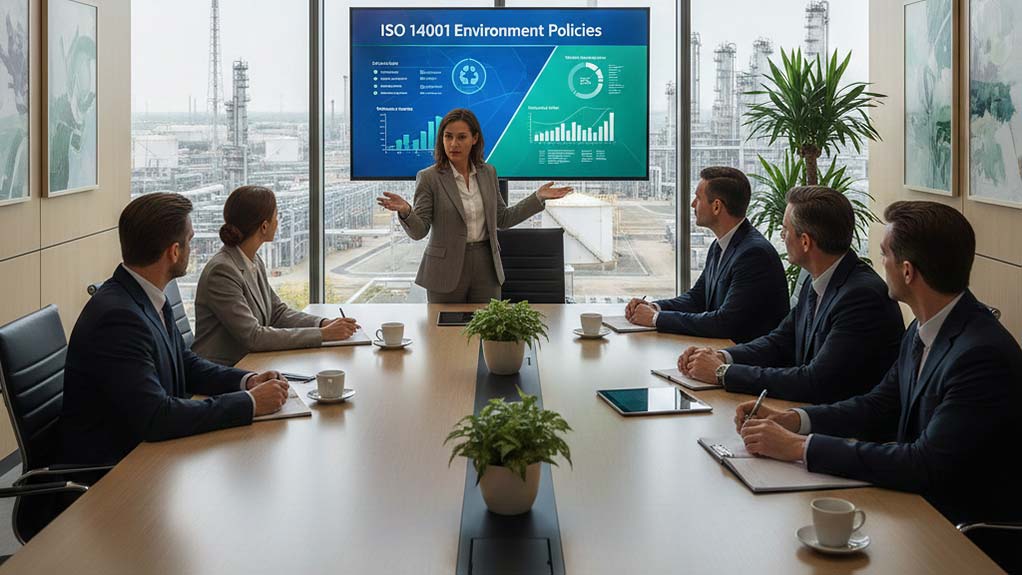
ISO 14001 Environmental Policy and Leadership set the foundation for how an organization turns environmental intent into measurable action. When both elements work in sync, teams move from declarations

Mental health in workplace safety is a critical factor that decides how consistently people follow procedures, recognize hazards and respond under pressure. When employees feel overwhelmed, their ability to

An ISO 45001 Gap Analysis gives you a realistic picture of how your current safety practices measure against the requirements of the ISO 45001 Occupational Health and Safety Management

Psychosocial hazards in the workplace influence how people think, behave and respond to risks because they directly affect mental wellbeing long before a physical incident occurs. When pressure builds,

Behavior based safety plays a defining role in how workplace safety culture grows, matures and stays consistent across daily operations. When organizations pay attention to the way people act
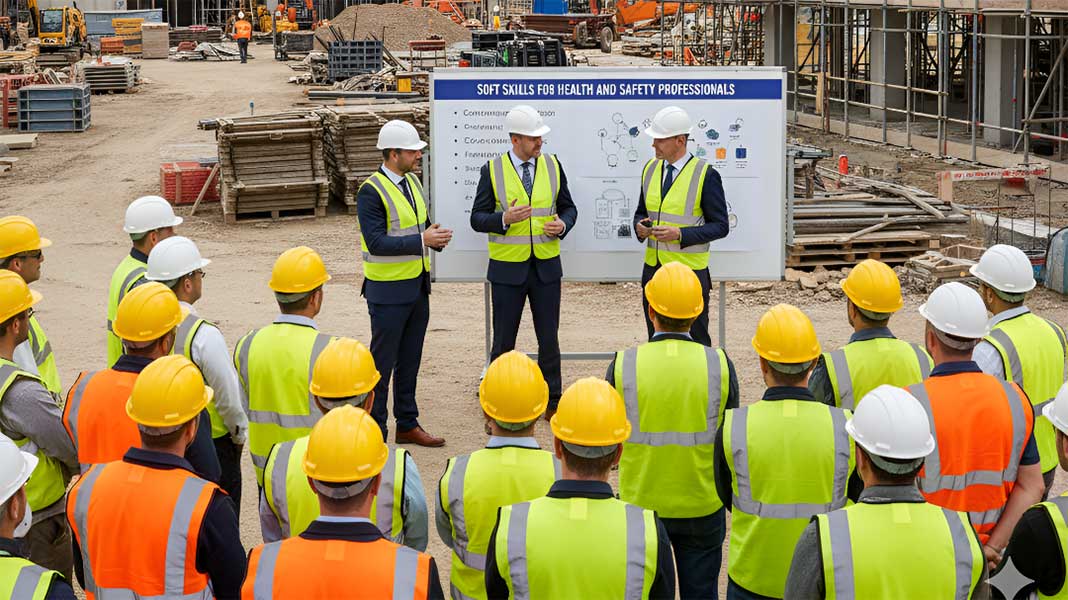
Soft skills for HSE professionals shape how effectively they communicate, influence and guide people on site, therefore they matter just as much as technical expertise. I’ve seen many safety

ISO 9001 digital transformation is reshaping how organizations in the UAE manage quality, safety and efficiency. Companies across Dubai, Abu Dhabi and Sharjah are moving beyond traditional paperwork and
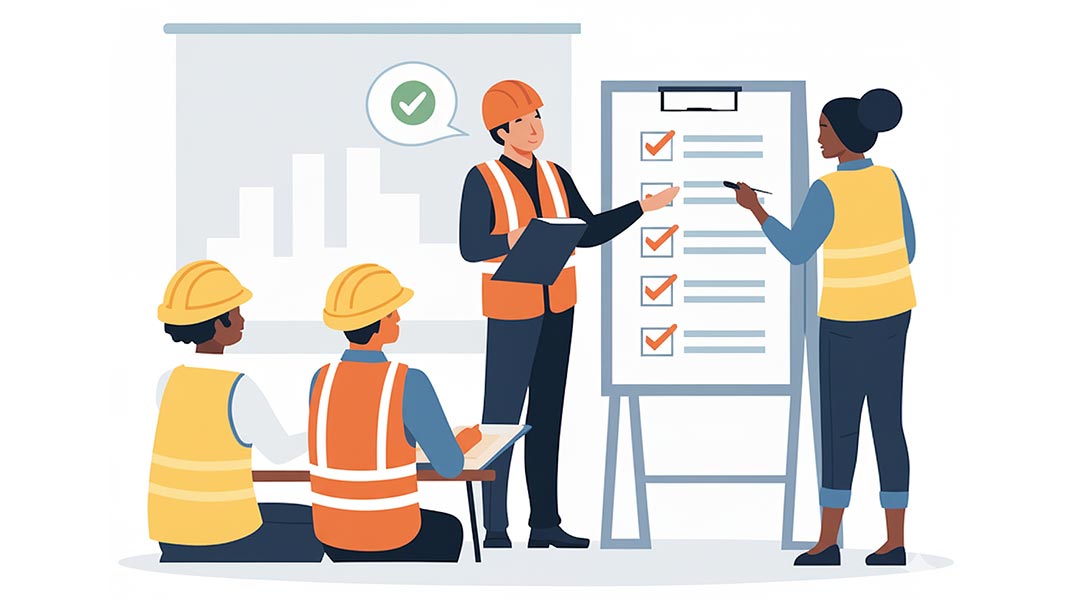
An HSE Implementation Plan is the foundation of every safe and responsible workplace. It provides a structured framework for managing health, safety and environmental risks so that daily operations

ISO 45001 nonconformities are among the most common challenges organizations face during health and safety audits. We’ve seen many businesses struggle with recurring gaps that delay certification, affect compliance,

Leadership in ISO 9001 Certification success is the single most decisive factor that determines whether an organization truly achieves quality excellence or merely collects a certificate. ISO 9001:2015 places

An ISO 45001 audit preparation is far more than gathering documents and hoping for the best. It’s a disciplined process that tests your organization’s true commitment to occupational health
Common ISO 14001 implementation mistakes can quietly derail even the most well-intentioned environmental management plans. Many organizations across the UAE especially in Dubai, Abu Dhabi or Sharjah start with
ISO 9001 audit nonconformities reveal where a quality management system falls short of meeting the standard’s requirements. They highlight gaps in consistency, documentation, or process control that can impact
Achieving ISO 45001 certification is more than a compliance milestone, it’s a strategic commitment to protecting people and building a culture of safety across all levels of an organization.
Continuous improvement is the backbone of every high-performing organization. It’s not just about fixing what’s broken — it’s about building a culture that keeps evolving, learning and improving every
NVQ Level 6 Career Progression has become a defining step for health and safety professionals aiming to move from technical roles to senior leadership positions. The ProQual NVQ Level
Both the NVQ Level 7 SHSLM and NVQ Level 6 OHSP are highly respected health and safety qualifications, but they serve a little different career stages and objectives. As
A Health and Safety Internal Audit Report is more than a document; it’s the foundation for maintaining a safe, compliant, and accountable workplace. Every organization, whether operating in construction,
Health and safety leadership is the foundation of every successful organization that values its people. It’s not just about rules, checklists, or compliance manuals. It’s about creating a shared