Chemical Hazards in the Workplace: Risks and Controls

Chemical hazards cause more workplace injuries and long-term illnesses than most employers realize because exposure often happens quietly through skin contact, inhalation or repeated low-dose contact over months and years. A worker handling solvents, acids or industrial cleaning agents may not feel any immediate effect, but the damage builds internally, so chemical exposure risks rarely announce themselves the way a fall or a cut does. This is exactly why hazardous substances demand structured attention rather than reactive response. Understanding chemical safety in the workplace isn’t optional paperwork; it’s the difference between a controlled environment and one where toxic chemical exposure silently erodes worker health. Eduskills Training works with organizations that treat this seriously, because prevention is always cheaper than remediation and because every worker deserves a workplace where occupational chemical hazards are identified and controlled before they cause harm.
What Are Chemical Hazards in the Workplace?

A chemical hazard is any substance, solid, liquid, gas or vapor, that can harm human health, property or the environment when handled, stored or disposed of incorrectly. This ranges from industrial solvents and acids to everyday cleaning products sitting in an office pantry, which is why most businesses underestimate how many hazardous materials actually exist within their own operations.

A chemical earns its hazardous status based on three factors: its inherent properties, how it’s used and the exposure conditions workers face. Because of this, chemical hazard identification cannot rely on assumptions or guesswork, it requires a clear understanding of what’s actually present in the workplace and how it behaves under real conditions.


Types of Chemical Hazards in the Workplace:

Not every chemical hazard behaves the same way, which is why safety professionals classify them into three distinct categories: physical, health and environmental. This isn’t bureaucratic sorting, it’s a functional system, because a substance that poses a fire risk requires completely different controls than one that causes liver damage over years of low-level exposure. Understanding which category a chemical falls into determines everything from storage requirements to PPE selection to emergency response protocols.
Physical Chemical Hazards Explained:

Physical hazards stem from a chemical’s inherent properties rather than its toxicity. This includes flammable liquids like acetone, oxidizers like hydrogen peroxide, compressed gases and reactive substances that become unstable under heat or pressure. A worker doesn’t need to inhale or touch these substances to be harmed, because the danger often manifests as fire, explosion or violent chemical reaction. Improper storage, such as placing incompatible chemicals near each other, is one of the most common causes of physical hazard incidents on industrial sites.

Health Hazards from Chemical Exposure:

Health hazards affect the body internally, sometimes immediately and sometimes after years of repeated exposure. This category includes toxic agents, corrosives, carcinogens and respiratory sensitizers. Unlike physical hazards, the damage here is often invisible until symptoms appear, which is exactly why workers exposed to substances like asbestos or benzene may not show signs of harm until long after the exposure occurred. Acute health hazards cause immediate reactions like chemical burns, while chronic hazards build silently through repeated low-dose contact.

Environmental Chemical Hazards at Work:

Environmental hazards focus on a chemical’s impact outside the human body, specifically on aquatic life, soil and broader ecosystems. Substances that are acutely or chronically toxic to aquatic environments fall into this category and while OSHA’s domestic labeling requirements don’t always mandate environmental hazard warnings the way GHS does globally, companies operating internationally or handling substances with environmental persistence still need to account for this risk. A spill that never touches a single worker can still trigger regulatory violations and ecological damage if environmental hazard classification is ignored.

OSHA and GHS Standards for Chemical Hazards:

Chemical safety in the US doesn’t run on guesswork, it runs on two interconnected frameworks: OSHA’s Hazard Communication Standard and the Globally Harmonized System. Understanding how these two work together and where recent updates have changed compliance requirements, is essential for any organization handling hazardous chemicals, because falling out of alignment isn’t just risky, it’s a direct violation with financial and legal consequences.

OSHA Hazard Communication Standard Basics:

The Hazard Communication Standard, found in 29 CFR 1910.1200, has required employers to inform workers about chemical hazards since 1983. OSHA updated it again in 2024 through a final rule published on May 20, aligning the standard with the seventh revision of GHS. This update introduced a new hazard class for desensitized explosives, added categories for chemicals under pressure and revised labeling requirements for very small containers. Chemical manufacturers and importers have until January 2026 to comply for substances, while employers get an additional six months after that, so this isn’t a distant regulatory concern, it’s an active deadline many facilities are working against right now.

Understanding GHS Labels and Pictograms:

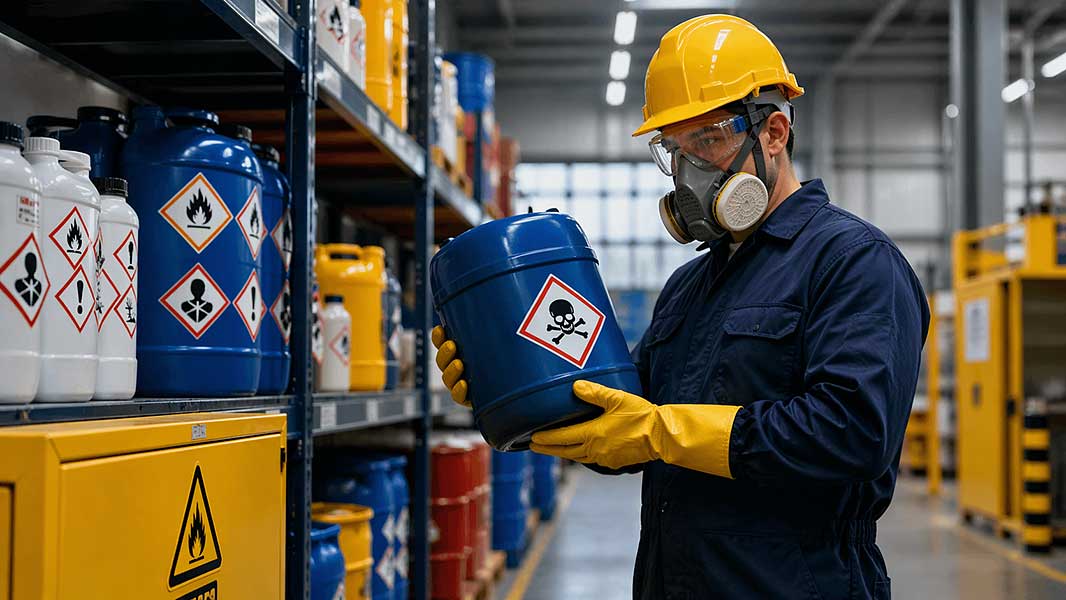
GHS standardizes how chemical hazard information appears on labels worldwide, using consistent pictograms, signal words and hazard statements so a warning means the same thing whether it’s printed in Dubai or Los Angeles. Signal words like “Danger” and “Warning” indicate severity, while pictograms, red diamonds containing symbols for flame, skull or corrosion, communicate the hazard type instantly, even to a worker who can’t read the accompanying text. This visual system exists because relying on paragraphs of text during an active emergency is unrealistic and because global supply chains mean the same chemical often crosses multiple countries before it reaches a factory floor.

Safety Data Sheets and Their Role:

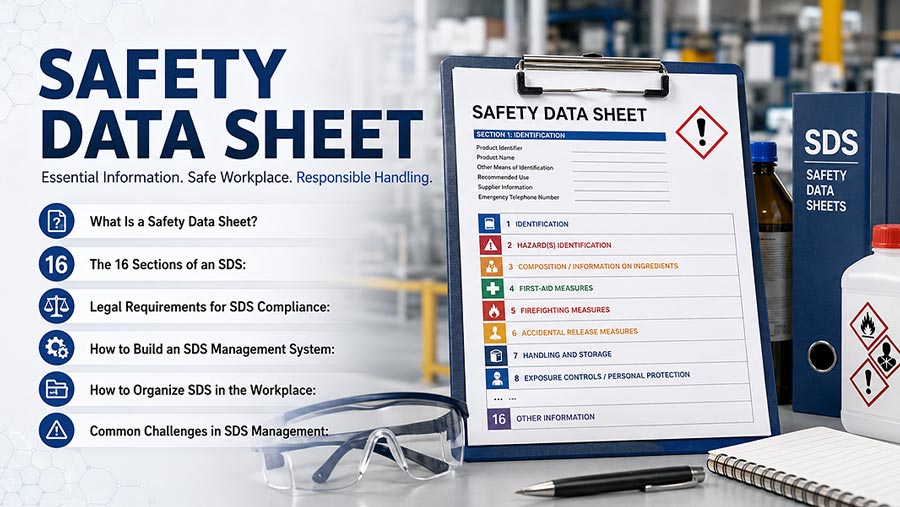
A Safety Data Sheet, formerly known as a Material Safety Data Sheet before the 2012 GHS alignment, is the technical document behind every hazardous chemical label. It follows a standardized 16-section format covering first aid measures, stability, and reactivity data, so workers and emergency responders find the same information in the same place regardless of manufacturer. Employers must keep SDSs accessible during every shift, because a label tells a worker what the danger is, but the SDS tells them how to handle it and respond when something goes wrong. This applied understanding of chemistry and hazard behavior is exactly what Unit OHS707: Industrial Hygiene and Occupational Health covers in the Qualifi Level 7 International Diploma in Occupational Health and Safety Management by Eduskills Training, where learners evaluate chemical hazard classification systems at postgraduate depth.

How to Identify Chemical Hazards at Work?

Identifying a chemical hazard before it causes harm requires more than a walkthrough with a checklist. It takes a systematic approach that combines documentation review, physical assessment and attention to the human body’s early warning signals, because hazards hide in places a rushed inspection will always miss.

Reading Labels and Safety Data Sheets:

Every container of hazardous material carries a GHS label with pictograms, signal words and hazard statements and this label is the first, fastest source of information a worker has. But labels only summarize, so the Safety Data Sheet behind that label holds the full picture, including exposure limits, reactivity data and required PPE. Workers who skip straight to using a chemical without checking either document are essentially operating blind, because the label tells them what’s dangerous and the SDS tells them why and how much.

Conducting a Workplace Chemical Risk Assessment:

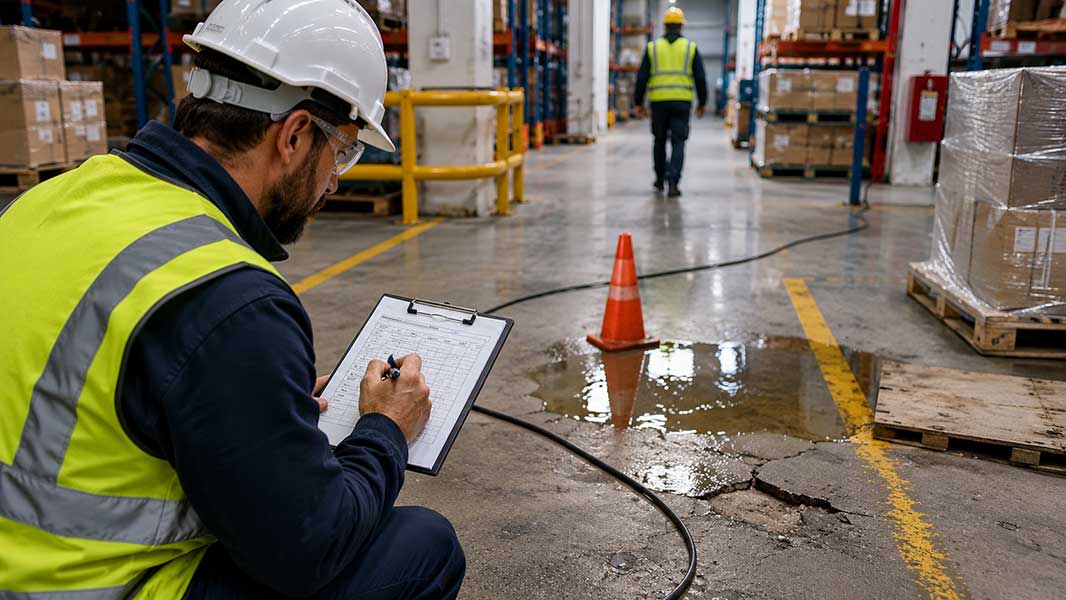
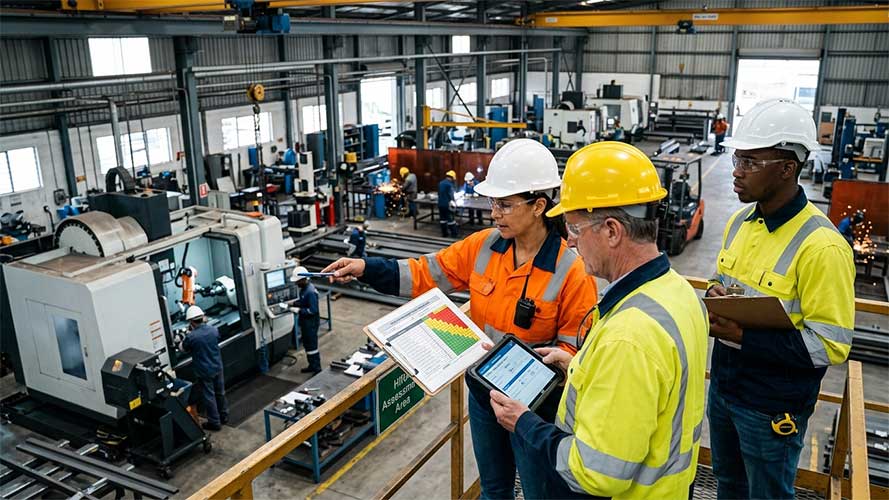
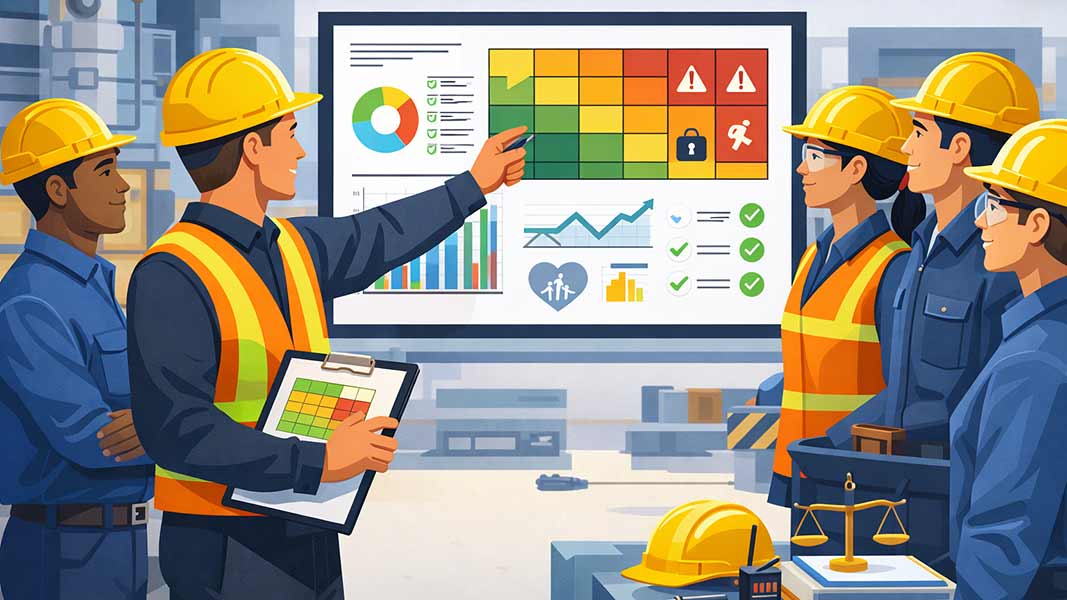
A proper chemical risk assessment starts with a full inventory of every substance present on site, including ones brought in temporarily for maintenance or contract work. From there, assessors evaluate exposure routes, inhalation, skin contact, ingestion and injection and cross-reference them against how the chemical is actually used day to day. This matters because the same chemical can pose minimal risk in a sealed system and severe risk during manual handling or cleaning. A risk assessment that only reviews paperwork without observing real work conditions will always underestimate actual exposure.

Recognizing Warning Signs and Symptoms:

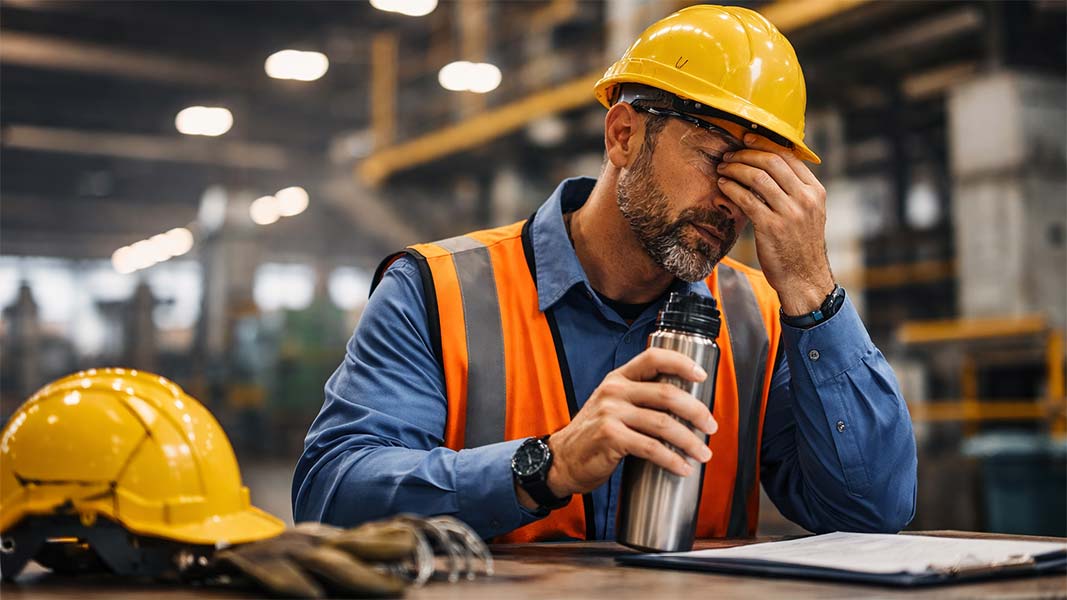
Sometimes the clearest hazard indicator isn’t a label at all, it’s the human body. Persistent headaches, skin irritation, dizziness or unusual fatigue among workers in a specific area often point to low-level chronic exposure long before an SDS review catches it. Strong or unusual odors, visible vapor or residue buildup on surfaces are physical cues that something in the process has changed. Training supervisors to treat these symptoms as data, not coincidence, closes a gap that paperwork alone cannot.

Control Measures for Chemical Hazards:

Once a hazard is identified, controlling it isn’t a single action, it’s a layered strategy. The most effective workplaces don’t rely on one method alone, because no single control is foolproof and combining several creates redundancy that protects workers even when one layer fails.

The Hierarchy of Controls Explained:

NIOSH’s hierarchy of controls ranks five approaches from most to least effective: elimination, substitution, engineering controls, administrative controls and PPE. Elimination removes the hazard entirely, such as discontinuing use of a toxic solvent altogether, while substitution replaces it with something safer, like switching to a water-based cleaning agent. These top-tier controls work regardless of human behavior, which is exactly why they’re prioritized, because a system that depends on someone remembering to wear gloves correctly every single time is inherently less reliable than one where the hazard simply isn’t present anymore.

Engineering Controls and Ventilation:

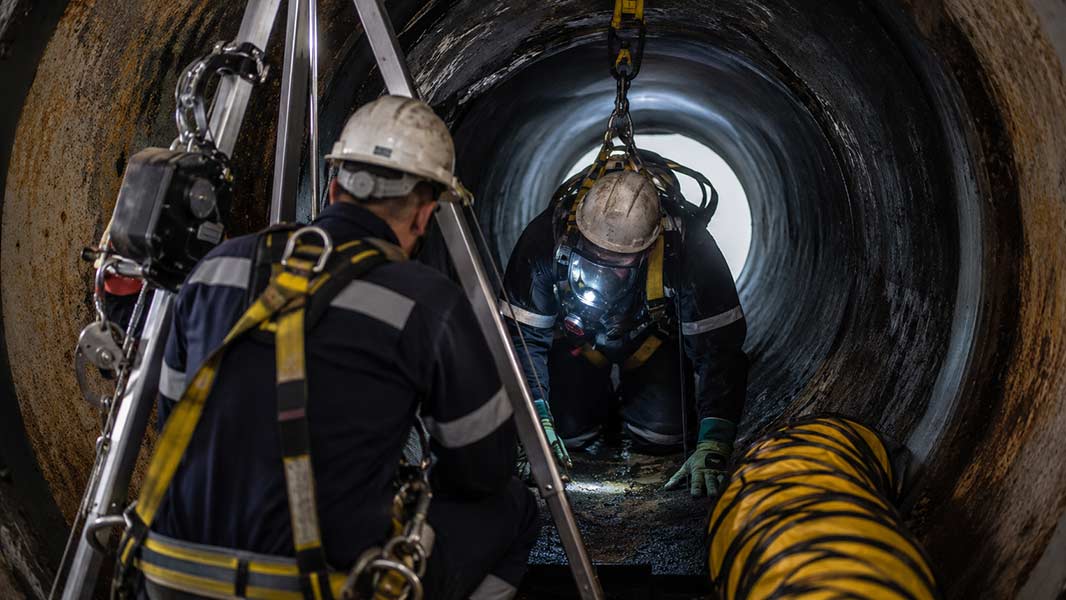
When elimination or substitution isn’t feasible, engineering controls isolate workers from the hazard through physical design. Local exhaust ventilation, fume hoods and closed transfer systems prevent vapors and dust from reaching breathing zones in the first place. Unlike administrative controls, engineering solutions don’t depend on training compliance or worker memory, so they continue functioning correctly even during high-pressure shifts or staff turnover. The upfront investment is often higher, but the long-term reduction in exposure incidents typically justifies the cost.

Administrative Controls and Safe Practices:

Administrative controls change how people work around a hazard rather than removing it. This includes rotating workers to limit exposure duration, scheduling high-risk tasks during low-occupancy hours and posting clear signage near hazardous storage areas. These controls are useful and necessary, but they sit lower in the hierarchy because they rely entirely on consistent human compliance and compliance tends to erode under fatigue, time pressure or inadequate supervision.

Personal Protective Equipment for Chemicals:

PPE sits at the bottom of the hierarchy of controls, not because it’s unimportant, but because it protects only the individual wearing it and only while it’s worn correctly. It’s the last line of defense, which means everything above it should already be doing most of the work.

Choosing the Right PPE for Chemical Tasks:

Chemical-resistant gloves, respirators, goggles and coveralls all vary based on the specific substance and exposure route involved, so PPE selection has to follow the SDS rather than general assumptions. A glove rated for one chemical family can degrade almost immediately on contact with another, which means using the wrong material can create a false sense of safety that’s more dangerous than wearing no protection at all. Respirator selection depends on airborne concentration levels, which is why fit testing and cartridge selection require actual data, not guesswork.

Common PPE Mistakes Workers Make:

The most frequent PPE failure isn’t absence, it’s misuse. Workers reuse disposable gloves beyond their intended lifespan, wear the wrong glove material for the specific chemical or skip eye protection during tasks they consider “quick.” Improper doffing, removing contaminated PPE incorrectly, transfers residue directly onto skin and clothing, undoing the entire purpose of wearing it. These mistakes usually stem from inadequate training rather than carelessness, which is why PPE programs need to teach the how and why, not just hand out equipment and assume correct use follows automatically.

Emergency Response to Chemical Incidents:

Even with strong controls in place, chemical incidents still happen, so preparation determines whether an incident stays minor or escalates into a major injury or environmental release.

Spill Response and Containment Steps:

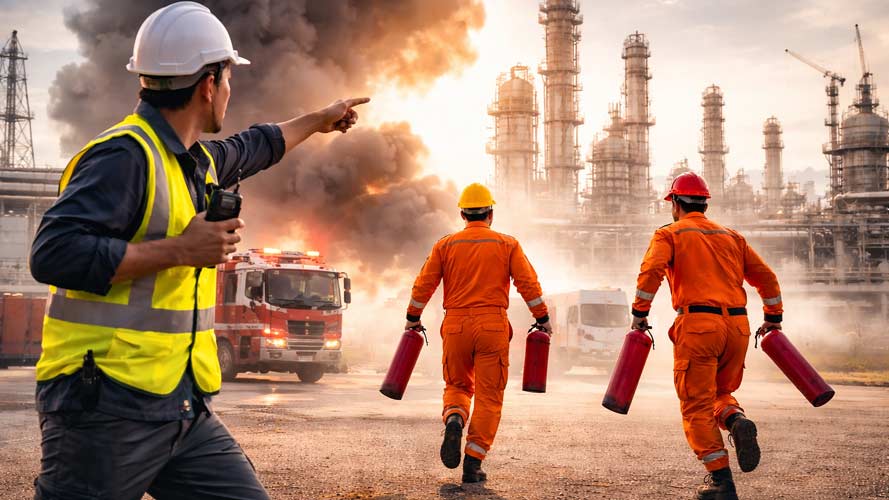
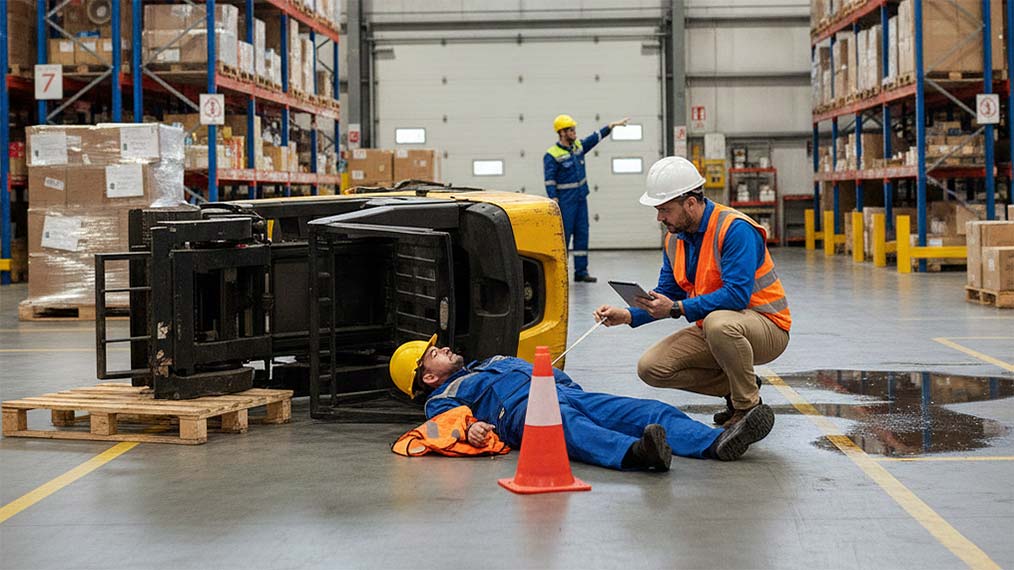
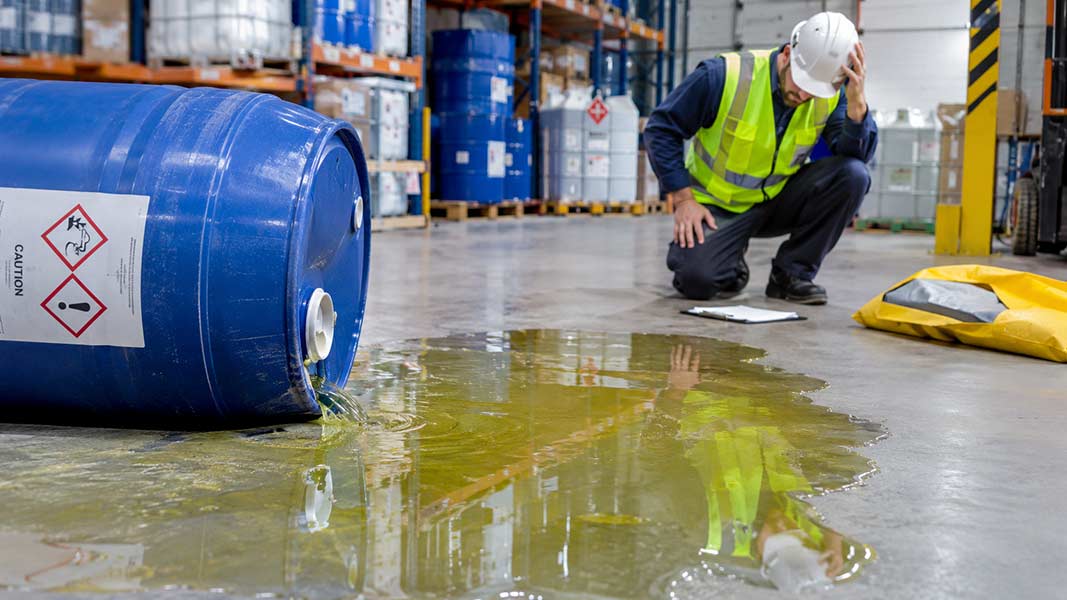
The first few minutes after a spill determine the outcome. Workers need to identify the substance from its label or SDS before attempting containment, because the wrong response, using water on a reactive chemical, for example, can worsen the situation dramatically. Spill kits should be stocked with absorbents matched to the chemicals actually present on site and containment should always work from the outer edge of the spill inward to prevent spreading. Ventilation should be increased immediately if vapors are involved and the area should be evacuated if concentration levels are unknown or suspected to be high.

First Aid for Chemical Exposure Injuries:

Chemical exposure injuries require different first aid depending on the exposure route. Skin contact typically calls for immediate flushing with water for a minimum of fifteen minutes, while contaminated clothing should be removed as soon as safely possible to stop continued absorption. Eye exposure demands immediate use of an eyewash station, because delayed flushing dramatically increases the risk of permanent damage. Inhalation exposure requires moving the affected person to fresh air immediately and monitoring for respiratory distress, since symptoms can sometimes appear after a delay rather than instantly. In every case, medical evaluation should follow even if symptoms seem to resolve, because some chemical injuries progress internally long after the visible reaction has calmed down.

Training Employees on Chemical Safety:

Even the best-written safety policy fails if the people handling hazardous chemicals every day don’t understand it or don’t retain it under pressure. Training is where safety knowledge either becomes muscle memory or stays trapped in a binder nobody opens after orientation week.

What Effective Chemical Safety Training Covers:

Strong chemical safety training goes beyond a slideshow of pictograms. It walks workers through reading a real SDS relevant to their actual job, practicing PPE selection and removal and recognizing early symptoms of exposure specific to the substances they handle daily. Hands-on spill response drills matter more than lecture time, because muscle memory built during a calm practice session is what actually kicks in during a real emergency. Training also needs to be role-specific, since a warehouse worker moving sealed containers faces different risks than a technician performing chemical transfers and treating both groups identically wastes time and misses critical detail.

Eduskills Training structures its programs around this exact principle, building scenario-based modules rather than generic compliance checklists, because retention comes from doing, not just watching.

Building a Safety Culture That Sticks:

Training only works long-term if it’s reinforced by a culture where reporting a near-miss isn’t treated as an inconvenience. Workers need to see supervisors actually respond to hazard reports, correct unsafe practices in real time and lead by following the same protocols they enforce. A safety culture erodes fast when shortcuts go unaddressed, because employees notice what leadership tolerates far more than what they say in a meeting. Regular refresher sessions, not just annual compliance renewals, keep chemical hazard awareness active rather than something workers vaguely remember from months ago.

Chemical Hazard Statistics and Trends:

Numbers tell a story that policy documents often soften and the current data makes clear that chemical hazards remain a persistent, measurable risk despite decades of regulation.

Workplace Chemical Incidents by the Numbers:

In 2024, 687 workers in the United States died from exposure to harmful substances or environments, according to Bureau of Labor Statistics data released in early 2026. This figure sits alongside 5,070 total fatal work injuries recorded that year, so chemical and substance exposure accounts for a significant share of preventable workplace deaths. On the nonfatal side, private industry employers reported 2.5 million workplace injuries and illnesses in 2024 and while this number reflects a decline from the previous year, respiratory illnesses, frequently linked to chemical vapor and particulate exposure, remained one of the most commonly reported categories on OSHA’s injury and illness forms.

This pattern shows that chemical exposure isn’t declining because the hazard has disappeared, but because control measures, when properly enforced, do measurably reduce harm.

The gap between fatal incidents and nonfatal but life-altering respiratory and skin conditions underscores why chemical hazard prevention requires sustained attention rather than a one-time compliance push.

Building a Long-Term Chemical Safety Plan:

A safety program built for a single audit cycle will always fail eventually, because chemical inventories change, regulations update, and staff turnover erodes institutional knowledge. A long-term plan treats chemical safety as ongoing operational discipline, not a periodic checkbox.

This means reassessing chemical inventories as new products enter the workplace, revisiting risk assessments whenever a process changes, and keeping pace with regulatory shifts like OSHA’s 2024 HazCom update rather than waiting for a deadline to force action. Organizations that treat chemical safety as embedded infrastructure, rather than an annual event, consistently see fewer incidents and faster response when something goes wrong. For teams ready to move beyond incident response into predictive failure analysis, Unit OHS703: Digitalisation and Incident Investigation in Eduskills Training’s Qualifi Level 7 IDIP in OHSM trains learners to analyse OHSMS failure scenarios specifically for chemical hazards.

Key Takeaways for Workplace Safety Teams:

Chemical hazards don’t announce themselves clearly, so identification has to be deliberate, through labels, SDS review, risk assessment and attention to worker symptoms. Controls should always follow the hierarchy, prioritizing elimination and engineering solutions over reliance on PPE alone. Training needs to be specific and practiced, not just delivered once and filed away, because retention determines whether a worker responds correctly during an actual emergency. And with real fatality and injury data confirming that chemical exposure remains a measurable workplace risk, safety teams that build long-term, adaptive programs consistently outperform those chasing compliance reactively. Eduskills Training works from this same foundation, treating chemical safety as a continuous capability to build, not a document to file.

Frequent Asked Questions (FAQs):

What's the difference between a hazard classification and a hazard category under GHS?

A hazard class defines the type of hazard, such as flammable liquid or acute toxicity, while a hazard category ranks severity within that class using numbers, where lower numbers typically indicate greater danger.

Does OSHA require environmental hazard labeling on chemical containers in the US?

No. OSHA’s Hazard Communication Standard adopts GHS physical and health hazard categories, but environmental hazard labeling isn’t federally mandated domestically, even though it’s a recognized GHS category internationally.

Can a chemical be both a physical hazard and a health hazard simultaneously?

Yes. Many substances, like certain solvents, are both flammable (physical hazard) and toxic upon inhalation (health hazard), requiring controls that address both classifications simultaneously.

What's the actual difference between an SDS and a chemical label?

A label provides immediate, summarized hazard information visible on the container, while the Safety Data Sheet contains the full 16-section technical breakdown, including toxicological data, handling procedures and emergency measures.

How often should a workplace chemical risk assessment be updated?

Whenever a new chemical enters the workplace, a process changes or regulatory standards update, rather than on a fixed annual schedule alone, since static timelines miss real-time changes in exposure conditions.

What's the correct first response if two incompatible chemicals accidentally mix?

Evacuate the immediate area first, avoid attempting to neutralize the mixture without confirmed compatibility data and ventilate the space if it’s safe to do so, since incorrect intervention can trigger a worse reaction.

Why did OSHA's 2024 update add a hazard class for desensitized explosives?

To align with GHS Revision 7 and address substances that are explosive in their pure form but rendered safer through desensitizing agents, closing a classification gap in the previous 2012 standard.

What respiratory protection factor determines correct respirator selection?

Selection depends on the Assigned Protection Factor matched against measured or estimated airborne concentration levels from industrial hygiene sampling, not a general assumption based on chemical odor or visibility.

Inquiry Form