Heat Stress Awareness: Recognize the Warning Signs
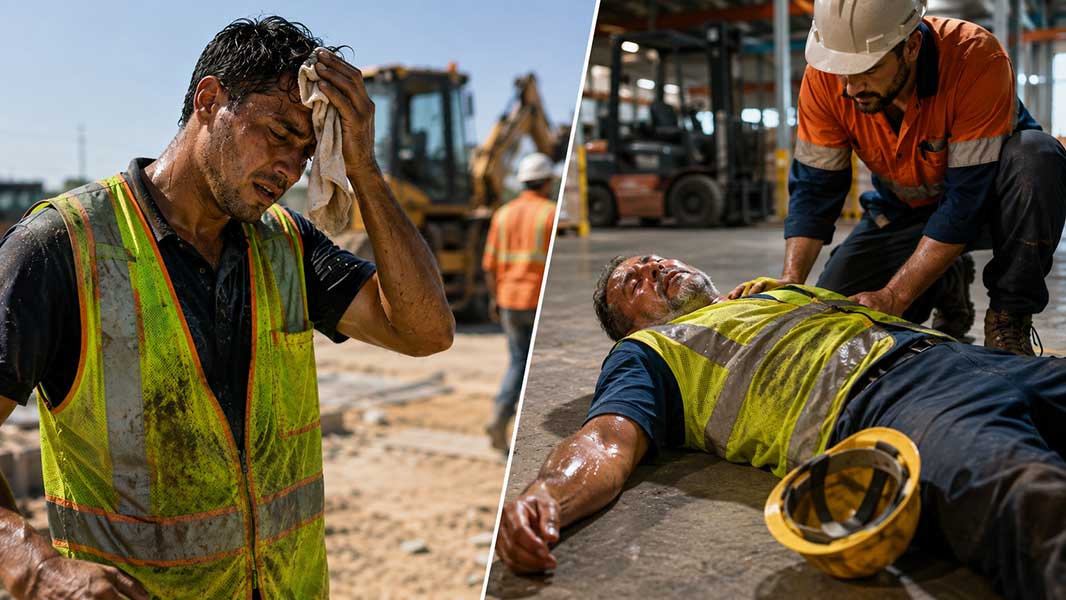
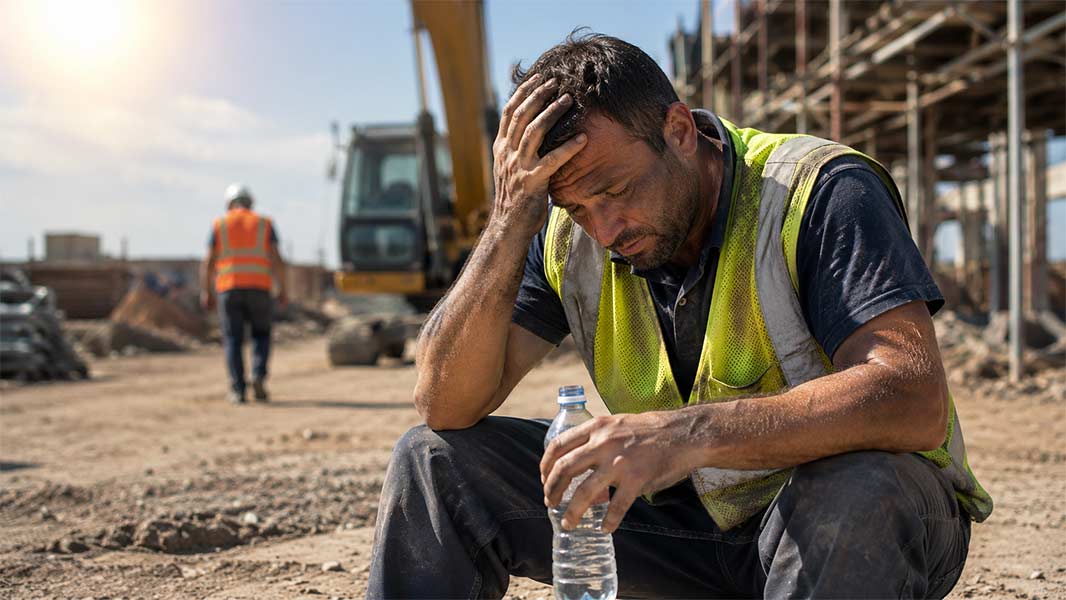
Heat Stress Awareness starts with a simple fact: the human body can only handle so much heat before it starts to fail and most workers never see the warning
Psychosocial hazards in the workplace influence how people think, behave and respond to risks because they directly affect mental wellbeing long before a physical incident occurs. When pressure builds, decision making weakens and teams lose the focus required for safe operations, especially in high-demand environments. These hazards range from stress and role confusion to poor communication and lack of support, therefore they shape safety performance more than most organizations realize.
Psychosocial risks cut through every layer of an organization because they affect judgement, cooperation and situational awareness. A fatigued worker misses warning signs, a stressed supervisor gives unclear instructions and a demotivated team responds slowly during critical tasks. Each of these behaviors increases exposure to hazards that should have been controlled. Eduskills Training helps organizations understand these patterns so they can build stronger safety cultures rooted in trust, clarity and early intervention.
Psychosocial hazards in the workplace sit at the center of workplace behavior because they influence how people think, react and communicate. These risks build quietly therefore they often affect performance before anyone notices the change. When teams operate under pressure or uncertainty, mental load increases and the quality of decision making drops. Work environments across the UAE, especially in sectors like construction, oil and gas and manufacturing, feel this shift quickly because operational demands leave little room for error. Organizations that understand these hazards early manage incidents more effectively and maintain a healthier safety culture.
For employees, psychosocial hazards show up as stress, unclear expectations, heavy workloads or strained relationships. These experiences shape the way a person approaches a task because they influence confidence, focus and their ability to think ahead. A worker who feels unsupported or overwhelmed becomes more prone to distraction and misjudgment, which increases exposure to physical hazards. When these conditions persist, the workplace starts to feel unpredictable and unsafe. Eduskills Training helps teams identify these early signs so employees feel heard, guided and protected, not left to struggle on their own.
Mental wellbeing and safety are tightly connected because cognitive strain affects the capacity to recognize danger. Stress reduces concentration, fatigue slows reaction times and conflict weakens cooperation. Each of these outcomes increases the likelihood of an incident. Therefore, psychosocial hazards in the workplace cannot be treated as separate from traditional safety controls. They influence every part of risk management, from hazard identification to emergency responses. When employees work in environments that value mental health, they become more alert, more confident and more capable of making sound decisions under pressure.
Soft skills for HSE professionals determine how effectively psychosocial hazards in the workplace are identified and resolved because these risks revolve around human behavior. Active listening helps safety teams understand the real concerns behind an employee’s stress. Clear communication prevents misunderstandings during critical tasks. Empathy encourages early reporting because workers feel safer sharing their challenges. Conflict resolution skills also play a vital role since many psychosocial hazards originate from interpersonal friction. When HSE professionals strengthen these capabilities through trainings offered by Eduskills Training, they become better equipped to manage behavioral risks and support healthier, safer working environments across Dubai, Abu Dhabi, Sharjah etc.
Psychosocial risks are often invisible at first, yet they influence the chain of events that leads to many workplace incidents. When mental strain grows, people process information differently because stress affects focus, reaction time and situational awareness. This shift is subtle and therefore it becomes dangerous when teams work around heavy machinery, high-pressure systems or time-sensitive tasks. Many incidents in the UAE’s industrial and technical sectors follow a familiar pattern: an overwhelmed worker misses a warning sign, makes a rushed decision or fails to communicate a concern. Understanding these patterns allows organizations to prevent accidents long before physical hazards come into play.
Stress is one of the strongest predictors of human error because it interferes with memory, judgement and risk perception. When cognitive load rises, employees struggle to process multiple instructions, priorities tasks or react quickly to unexpected changes. A technician might skip a step during equipment isolation, or a supervisor might approve a task without checking environmental conditions. These errors rarely occur because of lack of skill; they occur because the mind is overloaded. Eduskills Training emphasizes early detection of these stress indicators so teams can intervene before a lapse becomes an incident.
Fatigue weakens almost every safety defense because it slows thinking and reduces the ability to anticipate hazards. Workers who experience prolonged mental health strain become less vigilant and more tolerant of unsafe shortcuts because their minds are simply too exhausted to process every detail. In sectors where long shifts and demanding schedules are common, this state significantly increases exposure to slips, trips, equipment failures and process deviations therefore managing fatigue is not merely a wellness practice; it is a core safety requirement. When organizations take this seriously, incident rates drop and teams regain the clarity needed to work safely.
Communication breaks down quickly when psychosocial pressures rise and this breakdown becomes a direct contributor to unsafe behaviors. A stressed supervisor may give incomplete instructions. A worried employee may hesitate to report a near miss. A team under internal conflict may avoid sharing critical information during handovers. These gaps create conditions where hazards go unnoticed or controls are not applied correctly. Unsafe behavior often begins with unclear or strained communication, not a lack of competence. Through focused soft skills development, Eduskills Training helps HSE professionals guide teams towards clearer dialogue, stronger cooperation and behavior that aligns with safe working practices.
Psychosocial hazards in the workplace take many forms because they emerge from work design, organizational culture and interpersonal relationships. Employers who understand these patterns strengthen their safety systems quickly since they can intervene before mental strain turns into unsafe behavior. Monitoring these risks is not optional; it is a core responsibility for organizations that depend on alert, confident and motivated teams, especially across high-demand sectors in UAE. When these hazards are recognized early, the workplace becomes more stable, more collaborative and far better prepared to prevent incidents.
Heavy workloads push employees into a cycle of stress and rushed decisions. When deadlines become unrealistic, people begin cutting corners, overlooking details or skipping essential safety steps because they feel they have no alternative. This mindset increases human error and weakens hazard awareness. Over time, the pressure leads to burnout, higher turnover and a drop in safety performance. Balanced scheduling, fair task distribution and clear communication about priorities help teams maintain accuracy and focus. Eduskills Training guides organizations on designing workloads that support both productivity and safe behavior.
A toxic work culture creates fear, silence and mistrust because employees feel unsafe speaking up. Bullying and harassment damage mental wellbeing, undermine confidence and reduce the likelihood of reporting hazards or near misses. When people hesitate to question unsafe instructions or raise concerns, risks grow unnoticed. Toxic environments also fracture teamwork, making coordination difficult during critical tasks. Addressing these behaviors requires firm leadership, clear policies and HSE teams trained in conflict resolution and behavioral awareness. Supportive workplaces consistently outperform hostile ones because open communication directly strengthens safety outcomes.
Employees need clarity to make sound decisions. When job roles are unclear or when workers have little control over how they perform their tasks, stress rises quickly. Uncertainty forces employees to guess, assume or improvise, which increases the chance of errors. Role ambiguity also causes frustration because workers feel unprepared or unsupported. Clear job expectations, updated procedures and consistent leadership guidance improve confidence and reduce mental load. Organizations that address this hazard early build teams that can act decisively during high-risk situations.
Supervisory support is one of the strongest predictors of mental wellbeing at work because it shapes how employees cope with pressure. When support is missing, workers feel isolated and hesitant to share challenges that may affect their performance. This isolation weakens communication and increases the likelihood of unsafe decisions. Peer support matters as well; teams that communicate openly recognize hazards earlier and collaborate more effectively. Training supervisors in listening, coaching and communication strengthens morale and builds safer work environments. Eduskills Training provides programs that reinforce these skills for leaders across the UAE.
Industries that operate at high speed often demand long hours, night shifts or irregular schedules. When employees cannot recover properly, fatigue builds and mental resilience declines. Work–life imbalance affects mood, concentration and reaction times, which makes complex or hazardous tasks far riskier. Employees may become disengaged, less alert and more likely to take shortcuts. Organizations that offer flexible scheduling, fair rotation systems and realistic staffing plans protect both wellbeing and safety performance. A balanced workforce is more attentive, more motivated and far more capable of maintaining safe behavior under pressure.
Soft skills for HSE professionals matter because psychosocial risks rarely show up as isolated incidents. They build quietly, shape behavior and eventually influence how people think, react and make decisions. When pressure rises on a site, workers look toward supervisors, HSE officers and team leads for clarity and stability. Technical knowledge alone cannot create that stability; soft skills do. When an HSE professional communicates with confidence, listens without judgment and reads a situation accurately, the team feels supported therefore psychosocial hazards are managed earlier, faster and with fewer complications.
Active listening helps HSE officers detect issues before they escalate. Workers often give subtle signals when something feels wrong—changes in tone, hesitation during toolbox talks, or frustration during daily briefings. When an HSE professional listens with intent, asks the right questions and acknowledges concerns quickly, early intervention becomes possible. This approach reduces anxiety, builds trust and keeps teams aligned during tight schedules or high-risk activities.
High-risk industries generate pressure. Pressure creates disagreements and disagreements can turn into unsafe behaviors. Conflict resolution keeps teams steady because it gives HSE professionals the ability to defuse tension before it impacts site operations. Whether it’s a dispute over workload, a clash between departments, or friction between supervisors and technicians, the ability to mediate calmly maintains focus on safety therefore teams stay coordinated and hazards remain under control.
During operations, especially in oil and gas, construction and utilities, communication must be clear enough to guide action and calm enough to stabilize emotions. Workers follow instructions more accurately when the message is simple, steady and delivered with authority. Poor communication increases confusion, which then increases errors. Because psychosocial stress often amplifies miscommunication, strong communication skills help HSE professionals bring teams back to clarity.
Empathy doesn’t mean overlooking non-compliance. It means understanding why behavior changes under stress. An HSE professional who reads emotions well can identify when a worker is overwhelmed, distracted, or disengaged. This awareness, paired with empathy, allows the officer to step in early and adjust workflows, provide short breaks, or escalate concerns to supervisors. Because empathetic leadership enhances morale and reduces the chances of unsafe decisions, it becomes a critical tool for managing psychosocial risks.
Psychosocial hazards in the workplace are often overlooked because they don’t appear on a checklist the same way physical hazards do. Yet they drive many of the human-factor failures we see in high-risk industries. When HSE professionals approach these issues with the same structure they use for physical safety including risk assessments, audits, indicators and verification, the organization gains a clearer picture of what’s happening beneath the surface. Because psychosocial conditions influence behavior, decision-making and situational awareness, assessing them systematically becomes essential for preventing incidents. Eduskills Training always emphasizes this structured assessment approach during our programs across the UAE and neighboring countries so safety teams know exactly how to identify early behavioral shifts and mental-health-related risks.
Psychosocial risk assessments work when they move beyond simple surveys. They require conversations, observations and engagement with the workforce. HSE professionals need to understand workload patterns, leadership behavior, interpersonal dynamics and the emotional pressure points that influence teams. This involves reviewing productivity expectations, interviewing supervisors, analyzing incident reports for behavioral patterns and mapping stress factors within processes. Because many psychosocial hazards in the workplace develop gradually, regular reassessment is necessary.
Safety audits are traditionally built around equipment, processes and safety compliance checks. When mental health indicators are included, the audit becomes more accurate and more reflective of real operational risk. Indicators may include absenteeism spikes, reduced participation during briefings, interpersonal conflicts, or repeated near-misses involving the same teams. These data points reveal the psychological strain behind operational errors. Because mental wellbeing directly affects situational awareness, integrating these indicators helps HSE teams understand whether individuals are mentally prepared for their tasks.
Psychosocial risks need both leading and lagging indicators to form a full picture. Leading indicators highlight early signs of stress—reduced engagement, slower reaction times, increased conflict, or decreased enthusiasm during toolbox talks. Lagging indicators show the consequences, such as human-error incidents, procedural violations, or drops in productivity. When HSE professionals track both sets, they gain early-warning visibility and can intercept issues before they escalate. Because workers in high-pressure sectors like oil and gas or construction often push through stress until it affects safety, these indicators act as a vital safety net. Eduskills Training trains HSE teams to collect, interpret and act on these signals so they can build more resilient, people-centered safety systems.
Reducing psychosocial hazards in the workplace requires practical adjustments to how work is organized, supervised and communicated. Because these risks stem from the way people experience their work environment, control measures must blend operational improvements with behavioral support. When employers address workload, clarify expectations and create space for open dialogue, the workforce becomes more stable and far more safety conscious. Eduskills Training encourages organizations in Dubai, Abu Dhabi, Sharjah and across the UAE to adopt controls that strengthen both wellbeing and operational discipline.
Poorly designed work processes create constant strain. When tasks are repetitive, rushed or unclear, employees begin to feel overwhelmed. Effective work design focuses on balancing workload, eliminating unnecessary steps and ensuring task rotation where possible. Clear procedures also reduce frustration because workers know what is expected and when. Regular workload reviews help supervisors identify pressure points early. Eduskills Training highlights these practices during our courses so organizations can redesign work in ways that support both safety and mental wellbeing.
Supervisors influence the psychological climate of a team more than any other factor. Supportive leaders provide guidance, feedback and reasonable expectations. They check in with their teams, recognize early signs of stress and intervene before issues escalate. When supervisors take the time to understand how pressures are affecting performance, employees feel more confident raising concerns. Because psychosocial hazards are often hidden, strong supervisory skills can prevent many incidents. Eduskills Training offers leadership-focused workshops that help supervisors in high-risk industries build these essential behaviors.
A strong safety-first culture depends on honest, respectful communication. When workers feel comfortable speaking up, they report psychosocial hazards long before they affect performance. Encouraging two-way communication during toolbox talks, shift handovers and safety meetings helps teams raise concerns without fear of blame. Transparent communication also reduces uncertainty, which is a major driver of stress.
Safety programs work better when they acknowledge the role mental health plays in decision-making and situational awareness. Embedding mental health components into inductions, refresher sessions and safety campaigns helps teams understand how stress and fatigue affect judgement. This awareness encourages workers to self-monitor and seek help before minor stress turns into a hazard. Organizations that invest in mental health literacy see more stable teams, fewer conflicts and stronger operational consistency. Eduskills Training integrates mental-health-focused modules into our safety programs so companies across the UAE can build healthier and safer work environments.
Eduskills Training works with organizations in Dubai, Abu Dhabi, Sharjah and across the UAE and neighboring regions to strengthen how teams manage psychosocial hazards in the workplace. Because mental wellbeing and workplace safety are closely linked, we design training and consultancy services that address both operational risks and human behavior. Our programs help companies build competent HSE teams, confident leaders and healthier workplaces where employees feel supported and able to work safely.
Eduskills Training also delivers structured trainings that explain how mental strain influences risk-taking, communication and decision-making. These sessions equip teams to identify psychosocial red flags, conduct informed assessments and respond before issues escalate into incidents. Because our trainers bring strong industry experience, participants learn methods they can apply immediately on site.
Eduskills Training provides consultancy support that includes risk assessments, policy development, training needs analysis and strategies for building psychologically safe workplaces. We help companies create practical frameworks that align with UAE regulations and international best practice. Because psychosocial hazards often sit between HR, operations and HSE, we support organizations in bringing these functions together in a cohesive, structured way.
Psychosocial hazards in the workplace influence how people think, communicate and make decisions therefore they have a direct impact on workplace safety. When employers manage these risks with the same seriousness as physical hazards, teams become more alert, more resilient and far more consistent in following safe work practices. Strong leadership, clear communication and well-trained HSE professionals make the difference. Eduskills Training remains committed to helping organizations across the UAE build workplaces where employees feel supported and safe, both mentally and physically.
Regular conversations, behavioral observations, surveys and supervision reviews help highlight stress patterns before they escalate.
They develop quietly and are linked to thoughts and emotions rather than physical conditions therefore many workers hesitate to report them.
Yes, organizations can integrate mental health indicators, survey results and behavioral observations into their audit checklists.
Heavy workloads increase fatigue and cognitive load, which leads to rushed decisions, skipped steps and poor hazard recognition.
Supportive leaders improve communication, manage expectations and create an environment where employees feel safe discussing concerns.
Soft skills help HSE teams communicate clearly, resolve conflicts, listen effectively and build trust, which strengthens overall safety culture.
Irritability, forgetfulness, withdrawal, unusual mistakes and declining communication are early indicators.
By adjusting schedules, setting realistic deadlines and providing flexibility where possible to reduce chronic stress.
When employees feel overwhelmed or unsupported, they are more likely to take shortcuts or ignore procedures.
Eduskills Training provide training, consultancy, leadership development and soft skills programs tailored for teams across the UAE.
Heat Stress Awareness starts with a simple fact: the human body can only handle so much heat before it starts to fail and most workers never see the warning
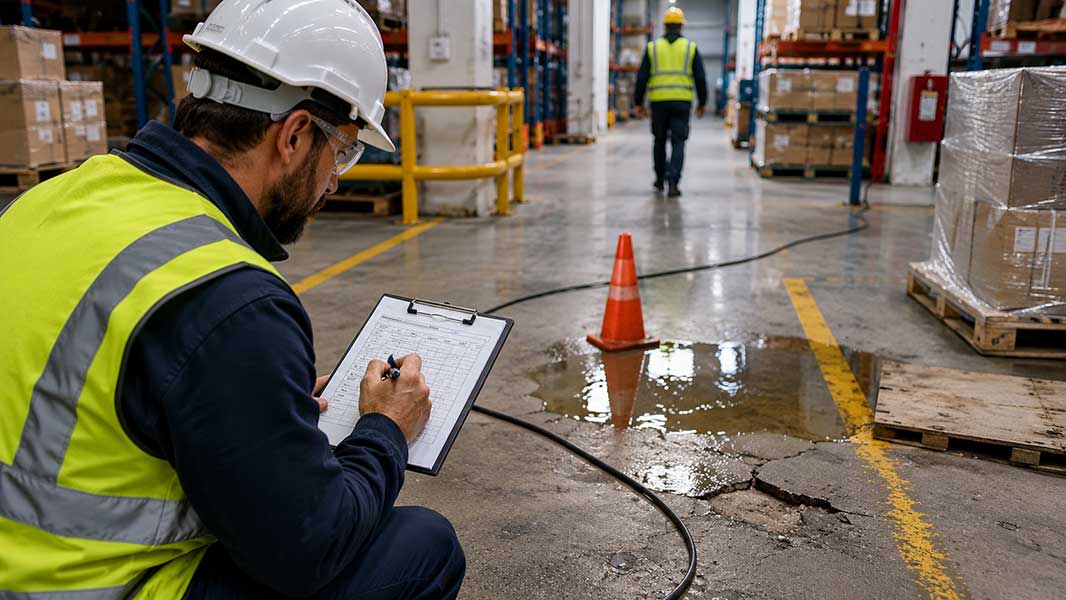
HIRA in the workplace is not a paperwork exercise. It is the single most important process that stands between your workers and a serious injury, a fatality or a
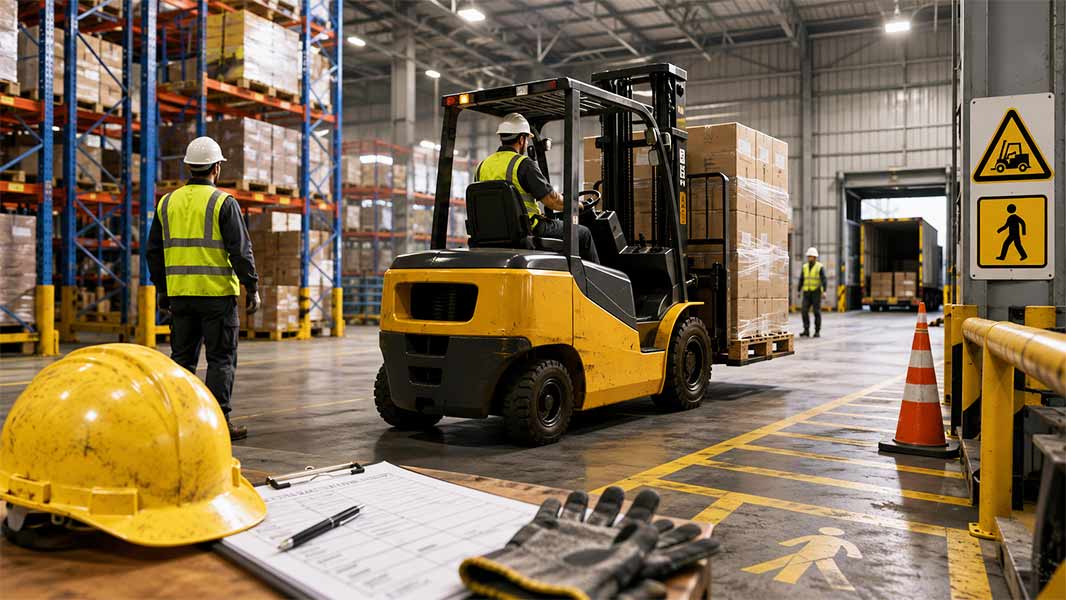
Forklift hazards and risk control is a critical responsibility in any workplace where powered industrial trucks operate daily. Warehouses, construction sites, manufacturing plants and logistics hubs rely on forklifts
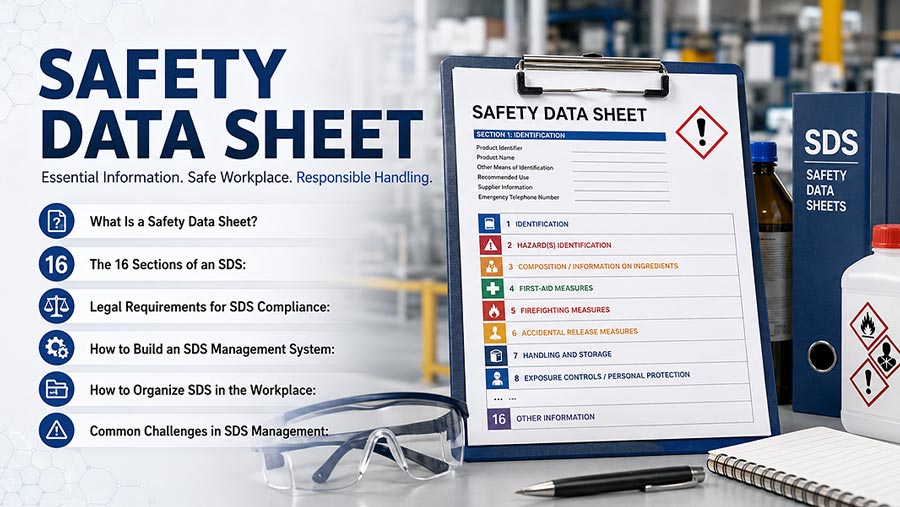
Every year, thousands of workplace chemical incidents happen not because the hazard was unknown, but because the right information was not where it needed to be. A Safety Data
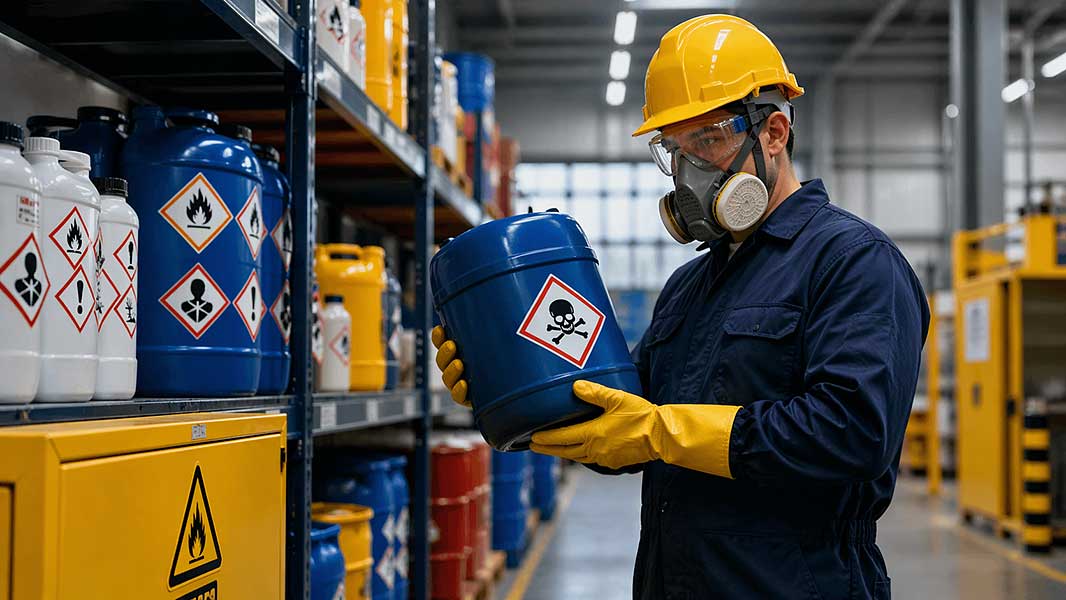
Hazardous Materials Safety is the line between controlled operations and catastrophic failure because one mismanaged chemical, one incompatible storage condition or one missed warning label can trigger injuries, fires,
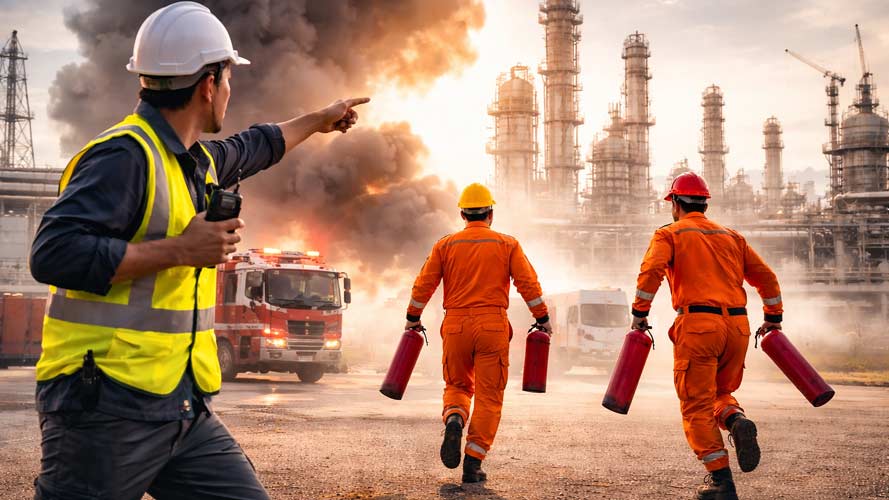
Emergency Preparedness in UAE is no longer optional because a single unplanned incident can shut down operations, cause serious injuries and expose businesses to legal consequences. In high-risk sectors,
ISO 14001 Environmental Management Lead Auditor in UAE is a highly respected role because organizations rely on qualified professionals to assess environmental management systems (EMS), ensure ISO 14001:2015 compliance
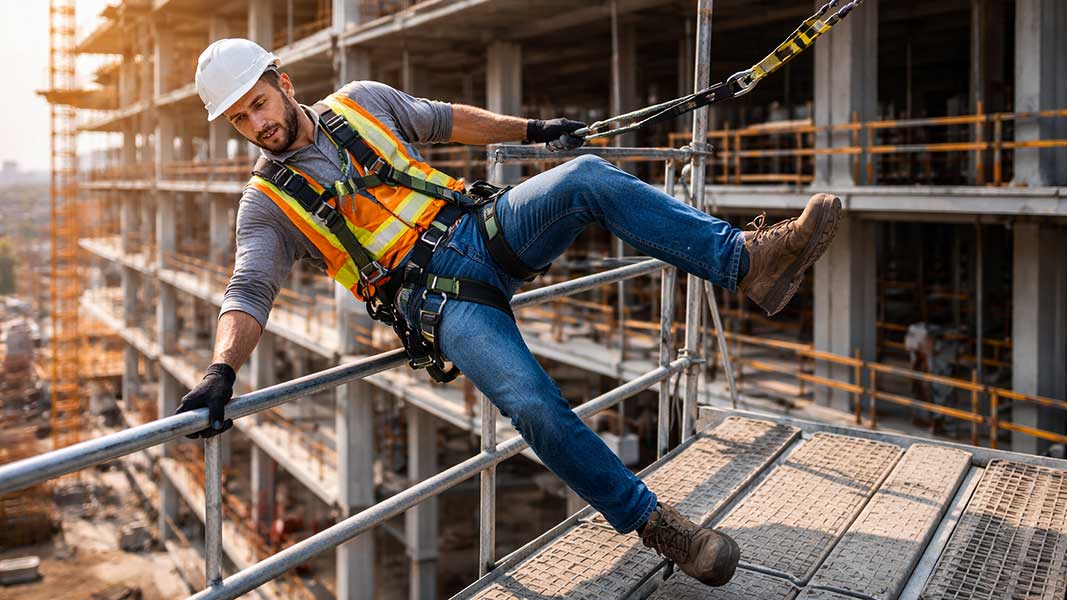
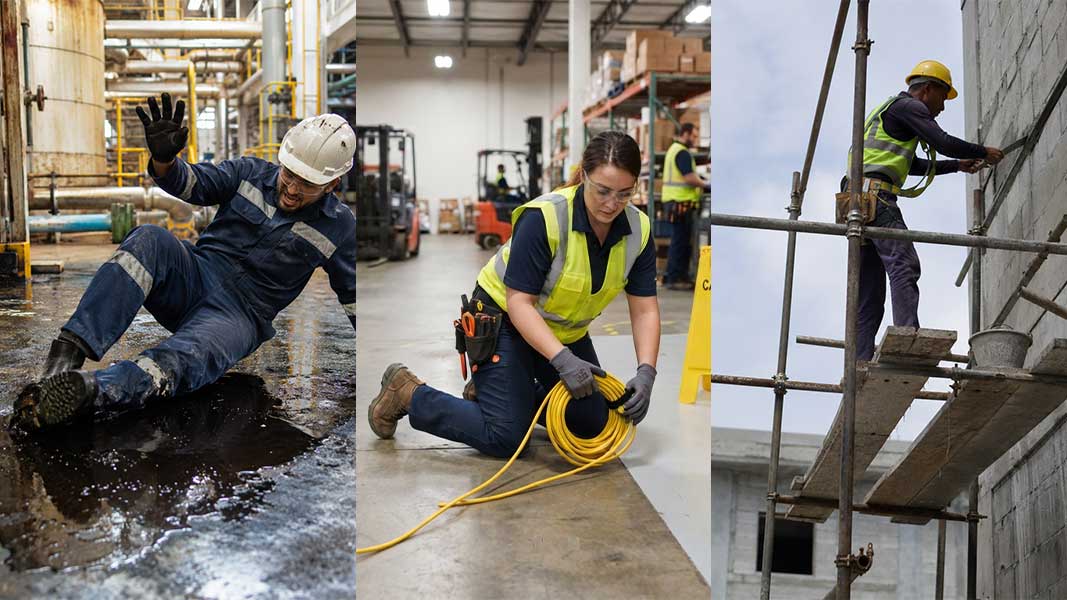
Fall protection for work at height remains one of the most critical safety priorities across construction, oil and gas, manufacturing and maintenance industries because even a minor lapse can

Key requirements of ISO 9001 Certification in UAE define how organizations build a structured, consistent and performance-driven ISO 9001 Quality Management System that meets customer expectations and regulatory demands.
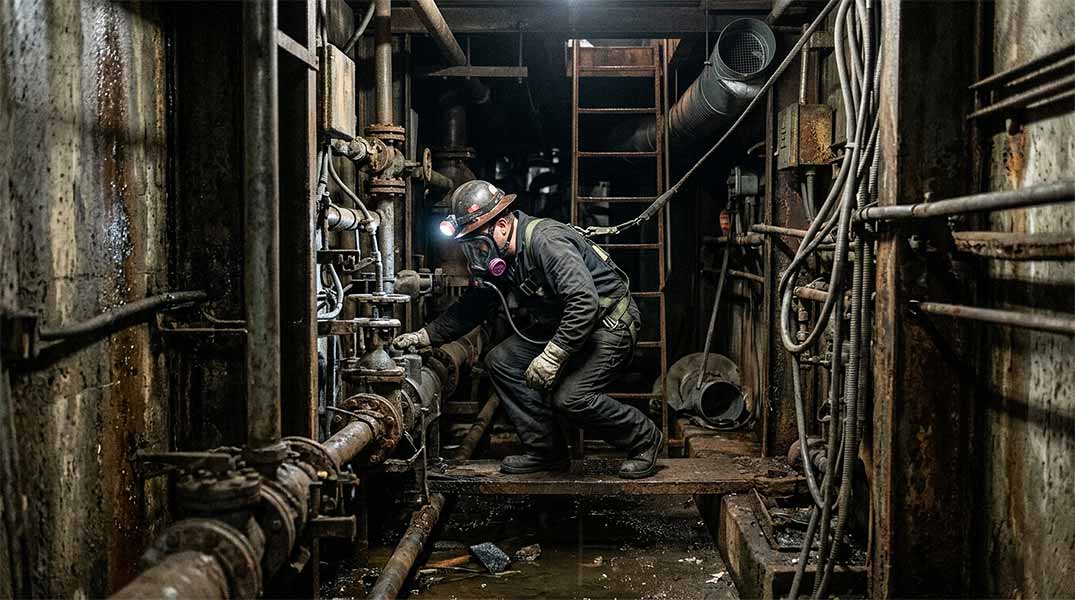
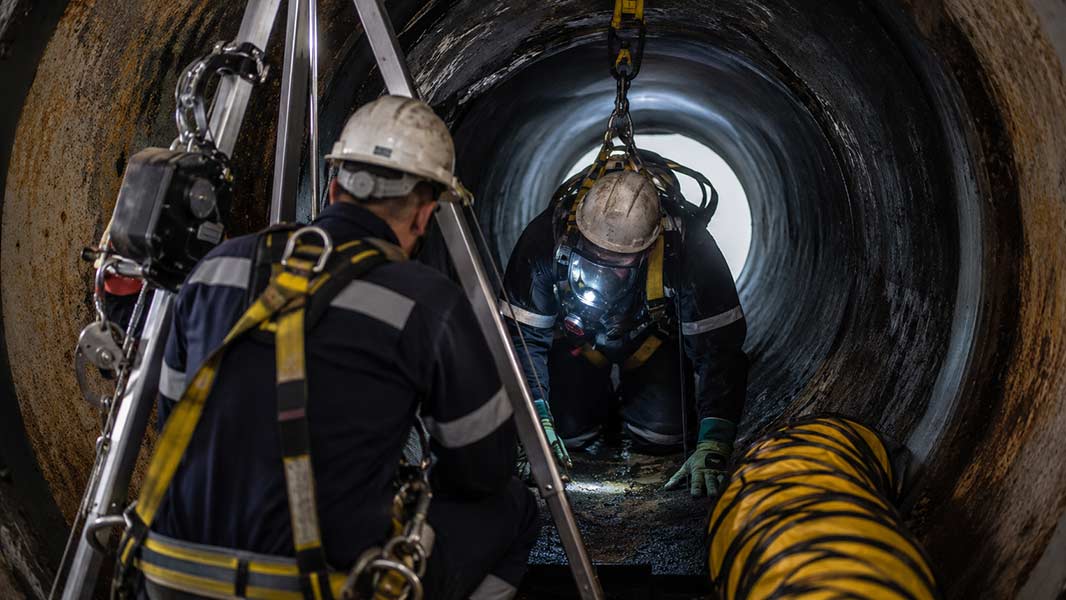
Confined Space Hazards remain one of the most critical risks in industrial workplaces because they combine limited access, poor ventilation and unpredictable conditions that can turn routine tasks into

The benefits of ISO 45001 lead auditor training are becoming increasingly important for safety professionals in the UAE because industries such as construction, oil and gas, manufacturing, logistics and
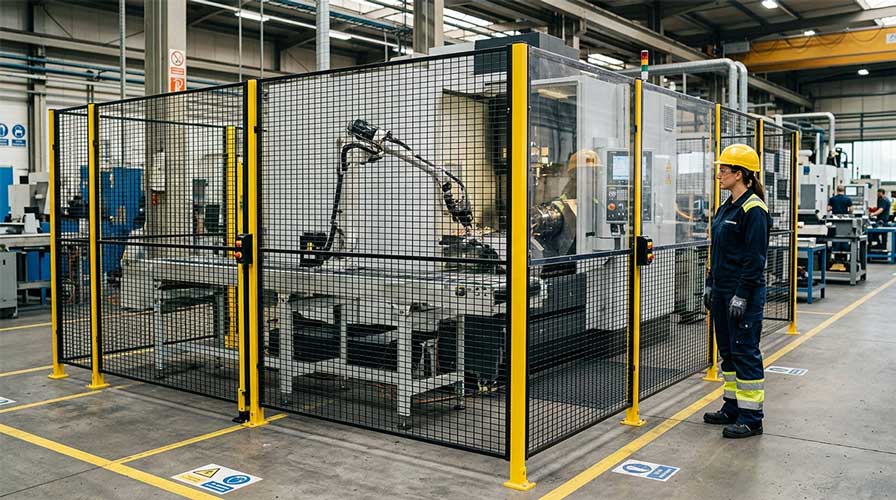
Machine Guarding Safety protects workers from dangerous moving parts, mechanical hazards and high-risk machine operations that exist across industrial workplaces. Manufacturing equipment, conveyor systems, cutting machines, presses and rotating

The ISO 14001 Certification Process provides organizations with a structured method to establish an effective Environmental Management System (EMS) that identifies environmental aspects, evaluates potential environmental impacts and implements
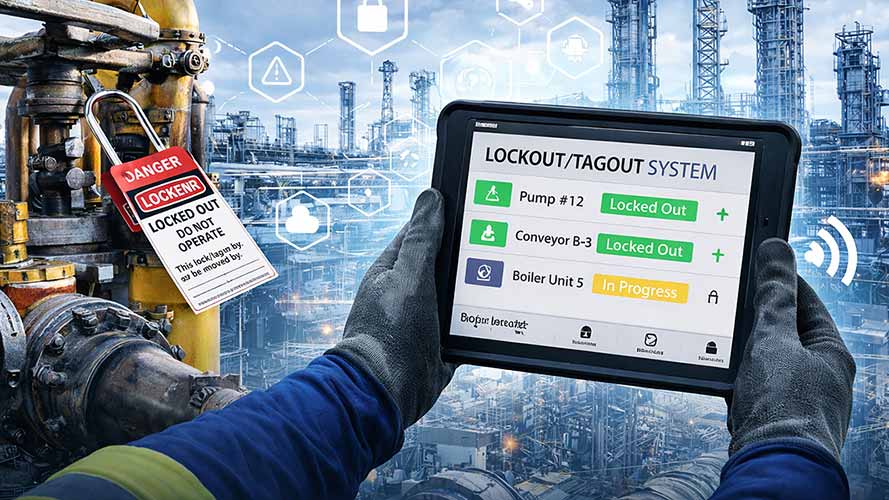
Digital LOTO Systems are becoming an essential part of modern industrial safety programs because traditional paper-based lockout tagout procedures often create gaps in documentation, communication and verification of hazardous
The benefits of ISO 9001 Lead Auditor Course in UAE are clear for professionals who want authority in quality management, because this qualification proves you can plan, conduct and

Employee Assistance Programs for workplace safety strengthen risk control because mental health, personal stress and financial pressure directly affect concentration, judgment and safe behavior at work. Many incident investigations
ISO 45001 clause 5.1 leadership and commitment requirements determine whether an Occupational Health and Safety Management System truly works in practice. Under the ISO 45001 framework, top management is

Bullying and harassment prevention in the workplace is a critical part of occupational health, legal compliance and organizational risk management. When disrespectful conduct is ignored, employee morale declines and

The benefits of ISO 14001 Lead Auditor Training in UAE extend far beyond earning a professional credential. This advanced qualification by Eduskills Training equips you to plan, conduct and
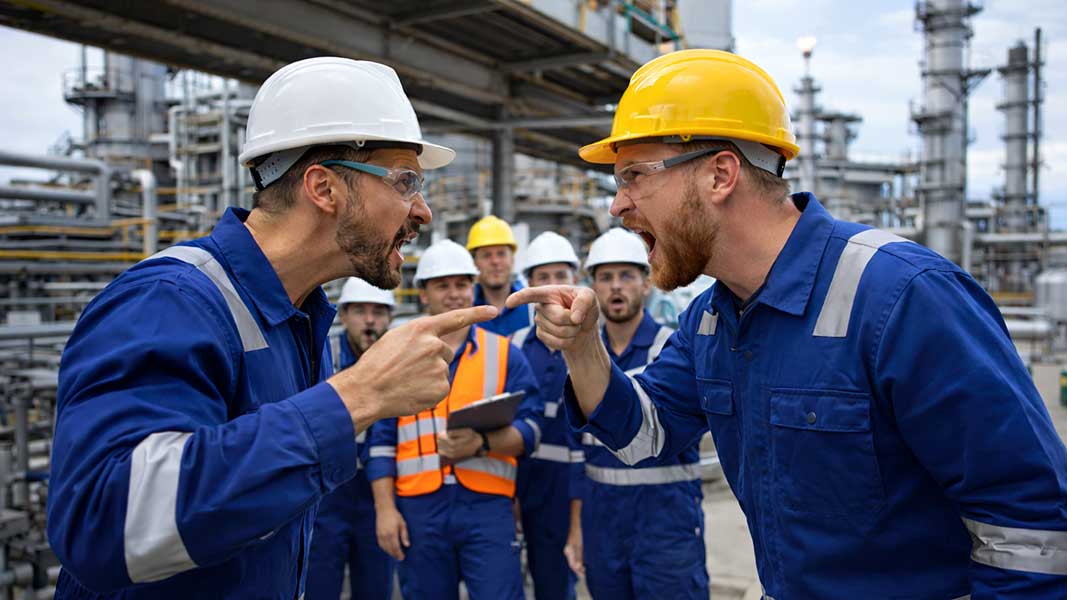
Workplace violence prevention is not limited to reacting after an incident occurs but instead focuses on identifying risks early and controlling them before harm happens. Violence at the workplace
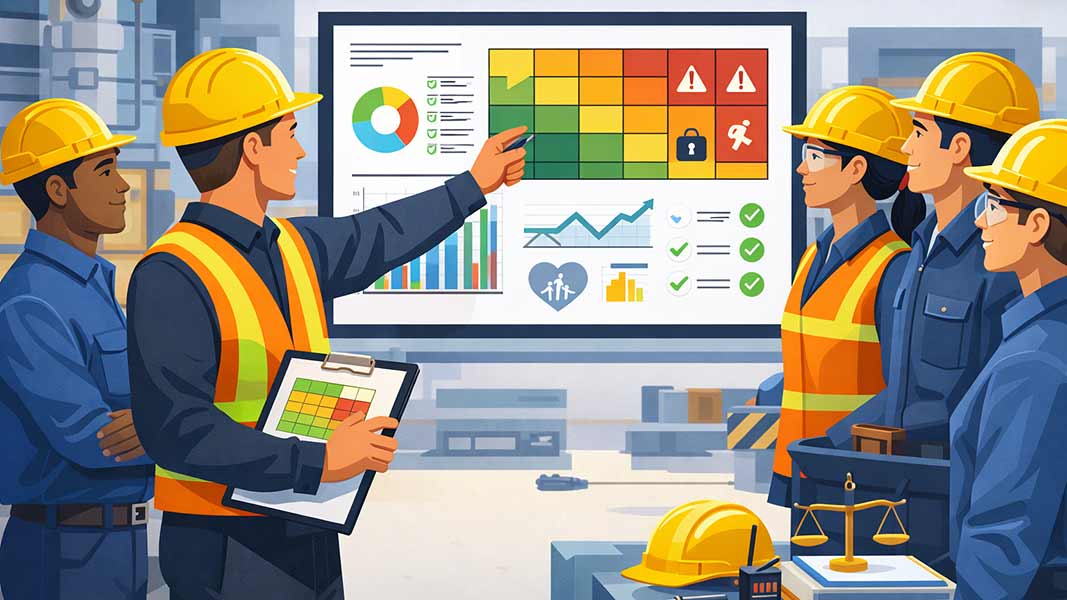
HSE KPIs are the backbone of effective health, safety and environmental performance measurement because they turn policies, procedures and controls into measurable outcomes. When defined and used correctly, KPIs

ISO 45001 Implementation is the process of building a structured occupational health and safety management system that actually works on the ground, therefore reducing risks, preventing incidents and protecting
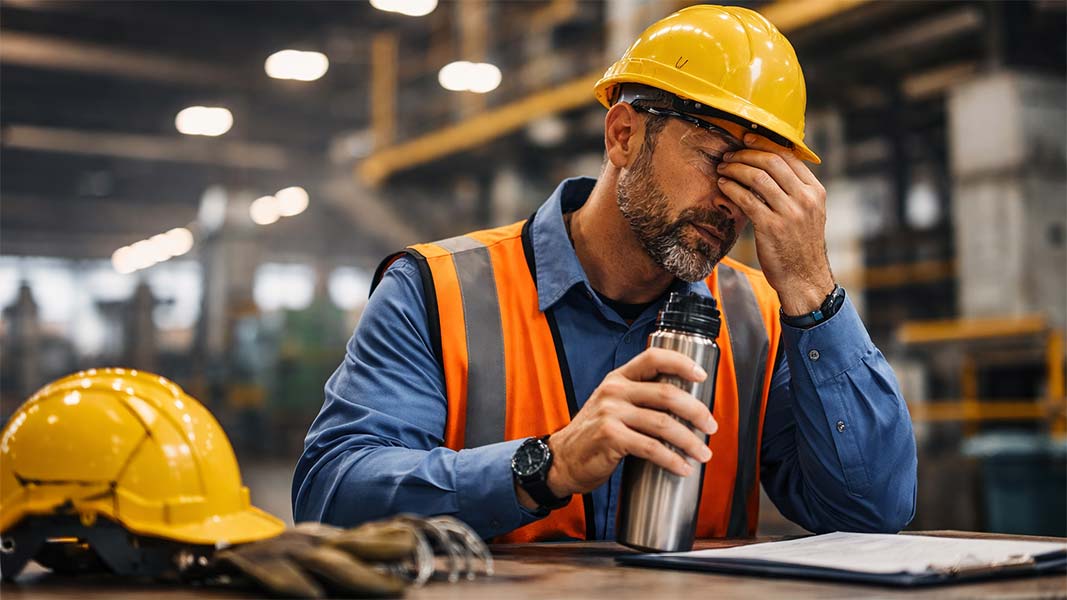
Fatigue management at the workplace has become a critical safety concern because fatigue directly affects alertness, judgment, reaction time and decision-making. When workers are fatigued, the likelihood of errors
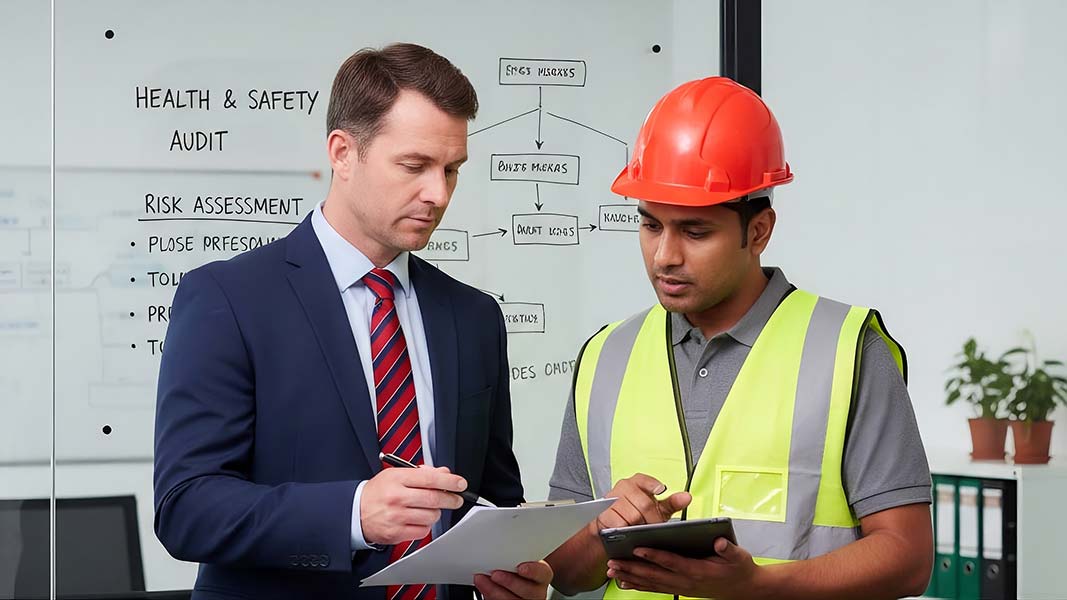
Guide to ISO 45001 Lead Auditor Course is the starting point for professionals who want to upgrade from “knowing safety” to auditing occupational health and safety systems with confidence

Ergonomics and Musculoskeletal Health sit at the center of injury prevention because most work-related pain develops from everyday tasks rather than sudden accidents. When jobs are designed without considering
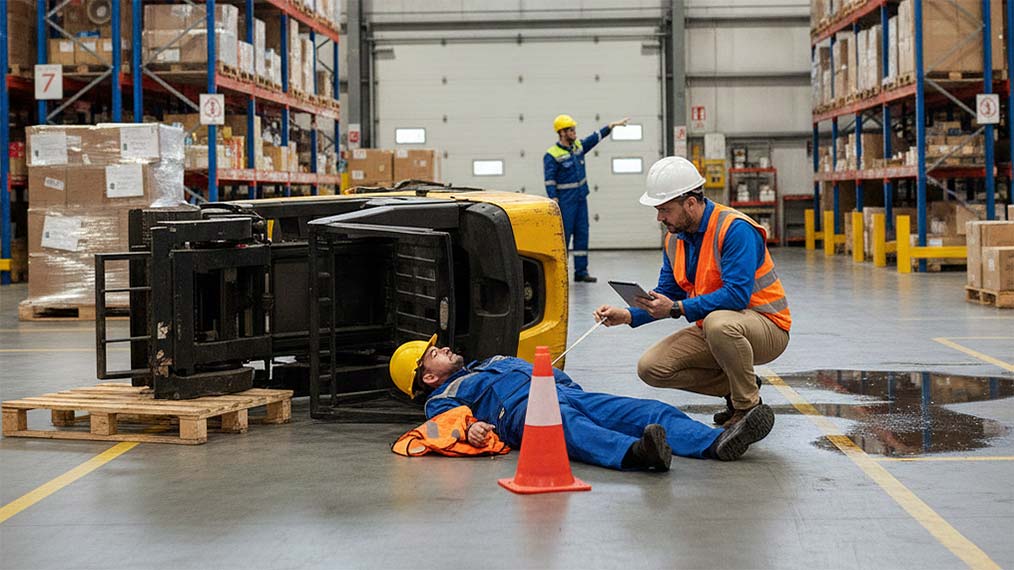
Incident investigation is the backbone of effective occupational health and safety, because it focuses on understanding why an incident occurred rather than who was involved. When done properly, it

ISO 14001 Gap Analysis is a structured assessment that helps organizations measure their current Environmental Management System against ISO 14001 requirements because even small compliance gaps can lead to

Choosing the right professional certification depends on career goals, industry exposure and long-term relevance. Many professionals choose ISO 9001 Lead Auditor Course in UAE because organizations across the region
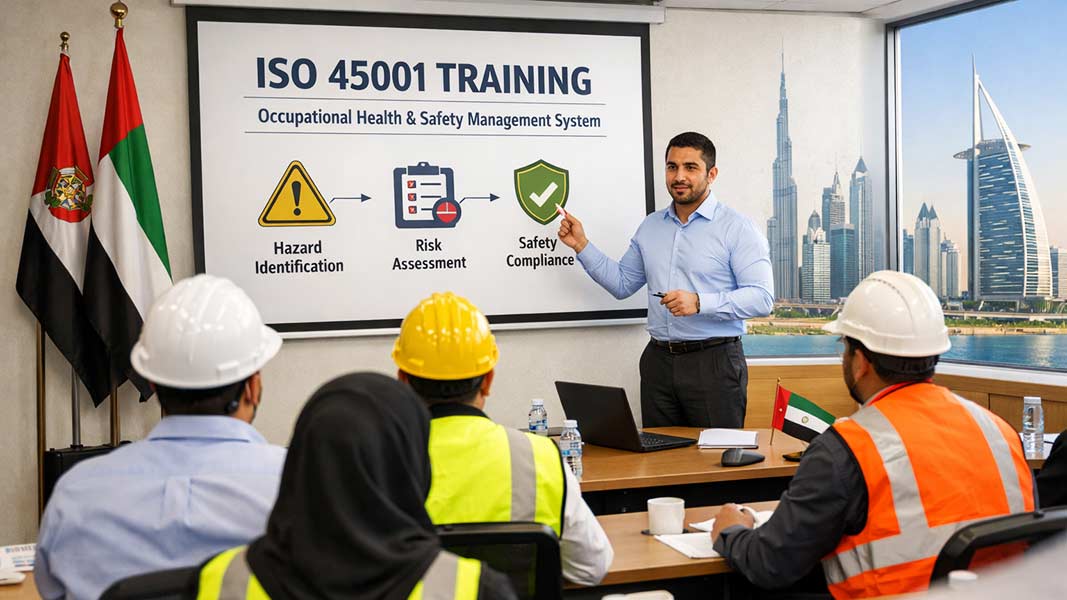
ISO 45001 Training in the UAE is no longer optional for professionals responsible for workplace safety, compliance and operational control. Organizations are under increasing pressure to reduce incidents, meet

ISO 45001 Implementation and Certification for SMEs in UAE has become a direct path for small and medium businesses to strengthen safety performance because it brings structure, accountability and
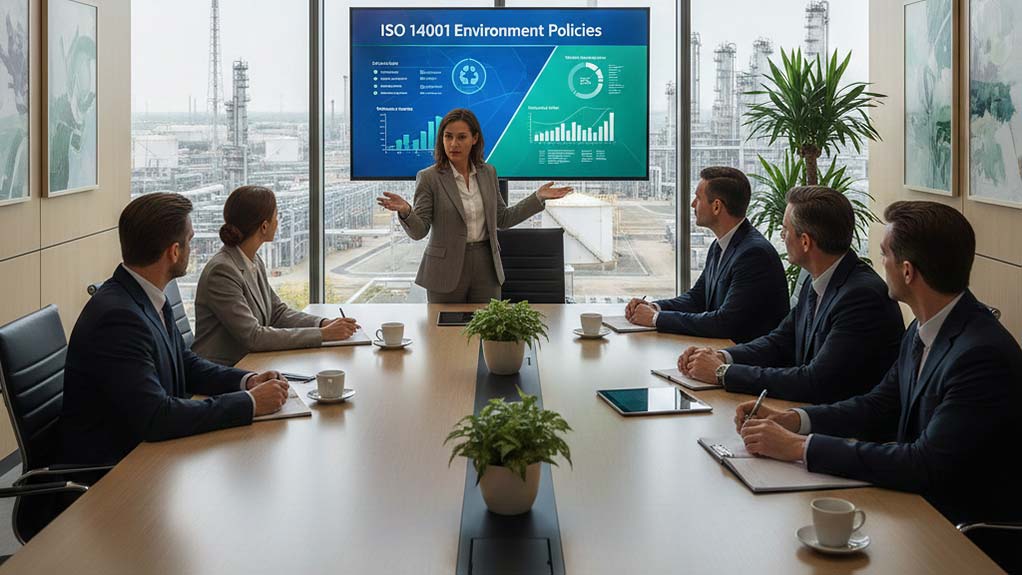
ISO 14001 Environmental Policy and Leadership set the foundation for how an organization turns environmental intent into measurable action. When both elements work in sync, teams move from declarations
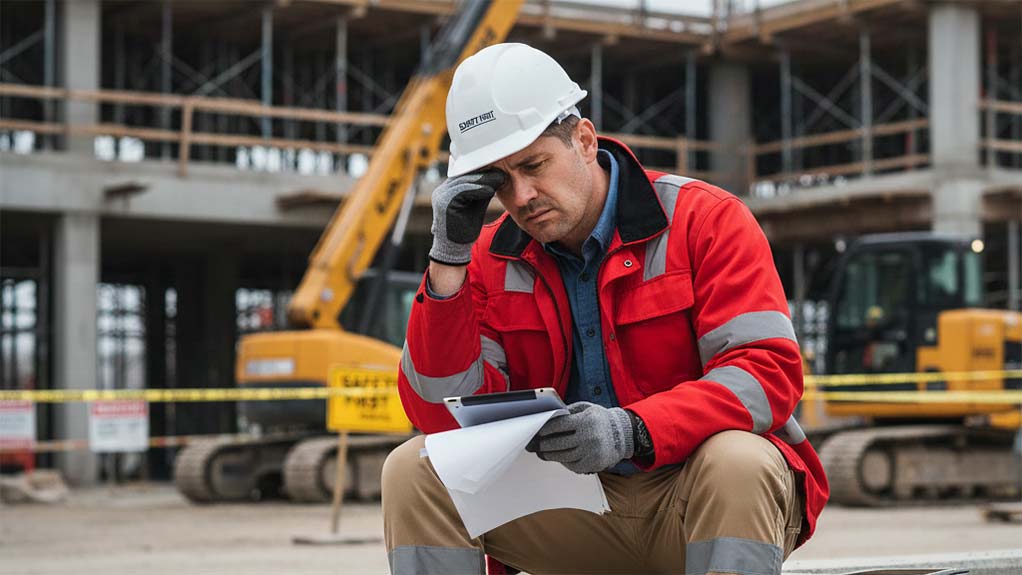
Mental health in workplace safety is a critical factor that decides how consistently people follow procedures, recognize hazards and respond under pressure. When employees feel overwhelmed, their ability to

An ISO 45001 Gap Analysis gives you a realistic picture of how your current safety practices measure against the requirements of the ISO 45001 Occupational Health and Safety Management
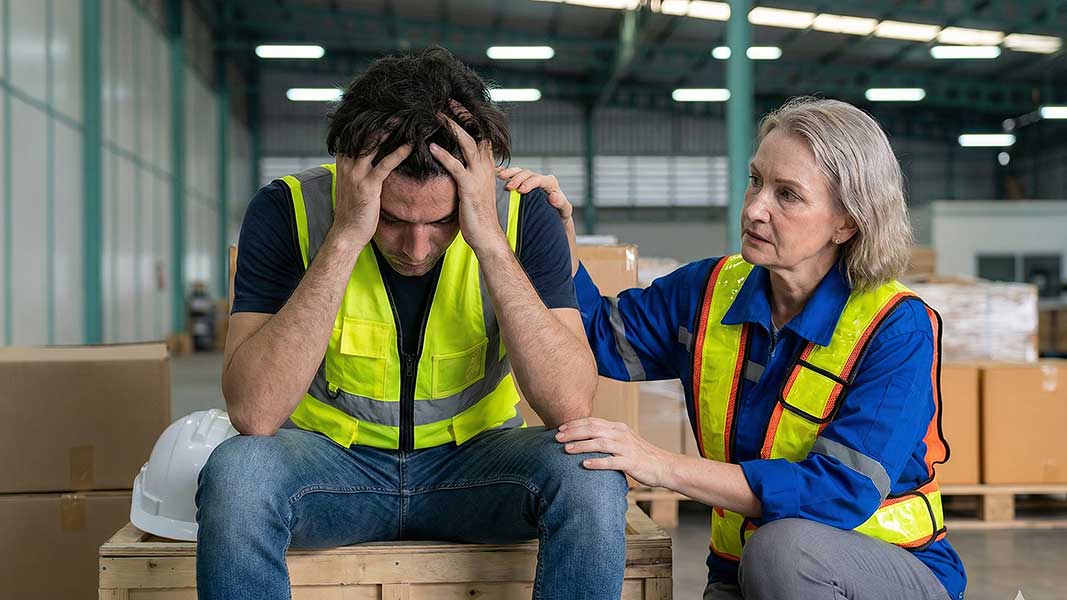
Psychosocial hazards in the workplace influence how people think, behave and respond to risks because they directly affect mental wellbeing long before a physical incident occurs. When pressure builds,
Behavior based safety plays a defining role in how workplace safety culture grows, matures and stays consistent across daily operations. When organizations pay attention to the way people act
Soft skills for HSE professionals shape how effectively they communicate, influence and guide people on site, therefore they matter just as much as technical expertise. I’ve seen many safety
ISO 9001 digital transformation is reshaping how organizations in the UAE manage quality, safety and efficiency. Companies across Dubai, Abu Dhabi and Sharjah are moving beyond traditional paperwork and
An HSE Implementation Plan is the foundation of every safe and responsible workplace. It provides a structured framework for managing health, safety and environmental risks so that daily operations
ISO 45001 nonconformities are among the most common challenges organizations face during health and safety audits. We’ve seen many businesses struggle with recurring gaps that delay certification, affect compliance,
Leadership in ISO 9001 Certification success is the single most decisive factor that determines whether an organization truly achieves quality excellence or merely collects a certificate. ISO 9001:2015 places
An ISO 45001 audit preparation is far more than gathering documents and hoping for the best. It’s a disciplined process that tests your organization’s true commitment to occupational health
Common ISO 14001 implementation mistakes can quietly derail even the most well-intentioned environmental management plans. Many organizations across the UAE especially in Dubai, Abu Dhabi or Sharjah start with
ISO 9001 audit nonconformities reveal where a quality management system falls short of meeting the standard’s requirements. They highlight gaps in consistency, documentation, or process control that can impact
Achieving ISO 45001 certification is more than a compliance milestone, it’s a strategic commitment to protecting people and building a culture of safety across all levels of an organization.
Continuous improvement is the backbone of every high-performing organization. It’s not just about fixing what’s broken — it’s about building a culture that keeps evolving, learning and improving every
NVQ Level 6 Career Progression has become a defining step for health and safety professionals aiming to move from technical roles to senior leadership positions. The ProQual NVQ Level
Both the NVQ Level 7 SHSLM and NVQ Level 6 OHSP are highly respected health and safety qualifications, but they serve a little different career stages and objectives. As
A Health and Safety Internal Audit Report is more than a document; it’s the foundation for maintaining a safe, compliant, and accountable workplace. Every organization, whether operating in construction,
Health and safety leadership is the foundation of every successful organization that values its people. It’s not just about rules, checklists, or compliance manuals. It’s about creating a shared
A well-structured HSE Plan is the backbone of workplace safety and regulatory compliance in the UAE. It outlines how businesses protect workers, manage risks and meet legal requirements across