HIRA in the Workplace – Hazard Identification and Risk Assessment
HIRA in the workplace is not a paperwork exercise. It is the single most important process that stands between your workers and a serious injury, a fatality or a

ISO 45001 clause 5.1 leadership and commitment requirements determine whether an Occupational Health and Safety Management System truly works in practice. Under the ISO 45001 framework, top management is directly accountable for preventing work-related injury and ill health, integrating OH&S into business strategy and ensuring adequate resources are available. Certification bodies assess this clause carefully because visible leadership involvement influences safety culture, legal compliance, risk control and continual improvement. When top management leads from the front and demonstrates measurable commitment, the entire OHSMS becomes stronger, more credible and audit-ready.
ISO 45001 clause 5.1 leadership and commitment places clear responsibility on top management because leadership commitment determines whether the Occupational Health and Safety Management System performs effectively or remains only documented. The clause requires active involvement, strategic alignment, resource allocation and visible accountability. Certification auditors evaluate this area carefully since weak leadership engagement often results in major nonconformities.
Under the ISO 45001 framework, top management cannot delegate responsibility entirely to the HSE department. Directors and senior managers must demonstrate ownership of OH&S performance, therefore safety becomes part of business governance rather than an operational afterthought.
Top management must accept overall accountability for preventing work-related injury and ill health because this responsibility sits at the highest level of the organization. Clause 5.1 requires leaders to ensure hazard identification, risk assessment and operational controls are implemented effectively.
Accountability means more than signing policies. Leaders must review incident trends, participate in management reviews, evaluate corrective actions and monitor safety performance indicators. When senior management actively tracks lost time injuries, near-miss reporting and legal compliance status, the organization responds faster to emerging risks.
ISO 45001 clause 5.1 leadership and commitment requires OH&S objectives to align with the organization’s strategic direction because safety performance directly impacts productivity, reputation and financial stability. Top management must ensure safety objectives are measurable, monitored and linked to broader corporate goals. For example, if a company plans to enter high-risk construction projects, leadership must allocate additional safety resources and training accordingly.
Clause 5.1 emphasizes integration of occupational health and safety into core business processes because isolated safety systems rarely deliver sustainable results. Procurement, contractor management, project planning and human resources must reflect OH&S requirements.
Integration also improves cross-functional accountability, therefore managers outside the HSE team share responsibility for risk control. Evidence of integration may include HSE KPIs within departmental performance reviews, inclusion of OH&S risks in enterprise risk registers and leadership participation in operational planning meetings.
Leadership commitment under ISO 45001 Clause 5.1 requires ensuring adequate resources are available because an underfunded system cannot achieve its objectives. Resources include competent personnel, training programs, monitoring equipment, time allocation and financial support.
Top management must evaluate whether current staffing levels and budgets match the organization’s risk profile. If operations expand into higher-risk activities, resource allocation must increase accordingly.
Auditors frequently review training budgets, competency records and investment decisions to confirm that leadership supports the Occupational Health and Safety Management System in measurable ways.
“Real leadership commitment becomes visible through consistent action, since directors who actively review performance, challenge weak controls and engage with operational risks create a culture where safety is treated as a core business priority rather than a compliance obligation.”
ISO 45001 clause 5.1 leadership and commitment requires leadership commitment to be demonstrated in practice because auditors look for objective evidence, not statements of intent. Real commitment becomes visible through actions, decisions and measurable outcomes. Practical leadership involvement strengthens safety culture, improves hazard reporting and reinforces compliance obligations since employees observe how seriously senior management treats occupational health and safety responsibilities.
Top management must be visibly involved in safety meetings and management reviews because participation signals that OH&S performance is a business priority. Attendance alone is not sufficient. Leaders should review incident data, question root causes, challenge weak corrective actions and demand measurable improvements.
Management review meetings must evaluate safety objectives, audit findings, legal compliance status and risk assessment updates. Auditors often verify meeting minutes, action plans and follow-up records to confirm whether leadership engagement is consistent and meaningful.
ISO 45001 Clause 5.1 requires leadership to ensure OH&S objectives are measurable because vague targets do not drive improvement. Objectives should be specific, realistic and aligned with operational risks.
Examples include reducing lost time injuries by a defined percentage, increasing near-miss reporting rates or achieving full compliance with mandatory training programs. However, setting objectives is only the first step. Leadership must monitor performance indicators regularly and intervene when results fall below expectations.
Performance dashboards, HSE KPIs, internal audit results and trend analysis reports provide evidence of monitoring. When top management reviews these metrics consistently, accountability becomes embedded in the system.
Leadership behavior strongly influences workplace culture because employees often mirror the conduct of senior managers. If leaders bypass safety procedures or ignore personal protective equipment requirements, compliance levels decline quickly.
Clause 5.1 therefore expects top management to model safe behavior, follow site rules and respect reporting processes. Visiting operational areas, engaging with workers about hazards and reinforcing legal compliance obligations demonstrate authenticity.
Continual improvement remains a core principle of the ISO 45001 because risk environments change over time. Improvement may involve revising risk assessments, investing in safer technology, enhancing competency programs or strengthening contractor controls. When leadership allocates resources based on risk data and audit findings, the OHSMS evolves proactively rather than reactively.
You might be interested in reading
“ISO 45001 Implementation: A Step-by-Step Guide for Workplace Safety”
ISO 45001 Clause 5.1 is assessed based on evidence because certification auditors verify leadership commitment through objective proof, not verbal assurances. Auditors evaluate whether top management is actively governing the Occupational Health and Safety Management System or merely approving documents. Therefore, organizations must prepare demonstrable records that show strategic involvement, decision-making authority and measurable oversight.
During Stage 1 and Stage 2 audits, leadership interviews often determine the depth of compliance. If senior managers cannot explain key OH&S risks, legal obligations or performance trends, confidence in the system decreases significantly.
Auditors expect evidence that OH&S is integrated into strategic planning because ISO 45001 clause 5.1 leadership and commitment links safety with business direction. This may include documented strategic objectives that reference occupational risks, board meeting minutes discussing safety performance or expansion plans that incorporate risk assessments. Top management should be able to explain how safety objectives align with growth plans, operational changes or new project launches. When leaders demonstrate awareness of high-risk activities and mitigation strategies, it confirms that occupational health and safety is embedded within governance structures rather than treated as a compliance formality.
Leadership commitment becomes measurable when resources are allocated appropriately because an effective OHSMS requires financial and human support. Auditors frequently review training budgets, staffing levels, equipment investments and monitoring tools to confirm adequate support.
Documented approvals for safety equipment purchases, competence development programs and external audits demonstrate tangible backing from top management. If budget reductions negatively impact safety controls, auditors may question whether Clause 5.1 requirements are being fulfilled effectively.
Clause 5.1 requires top management to ensure hazards are identified and risks are controlled, therefore leadership involvement in high-level risk assessments is critical. Evidence may include approval signatures on risk registers, participation in major hazard reviews or oversight of significant operational changes.
Auditors typically verify whether top management approved the policy, communicated it internally and ensured it aligns with organizational objectives.
Auditors assess whether top management reviews OH&S performance regularly because monitoring results and initiating improvements are core leadership duties under ISO 45001 clause 5.1 leadership and commitment requirements. Evidence may include management review records, KPI trend analyses and documented follow-up actions on audit findings.
Leadership should review incident investigations, evaluate root causes and ensure corrective actions are implemented effectively. If corrective actions remain open for extended periods without management intervention, auditors may interpret this as weak oversight.
“Most audit nonconformities under Clause 5.1 occur when leadership responsibility is diluted or inconsistent, since weak engagement, unclear objectives and limited oversight send a message that safety is secondary to operational pressure.”
ISO 45001 Clause 5.1 nonconformities usually arise from weak leadership execution rather than missing documentation because auditors focus on behavior, decisions and accountability.
Understanding the common gaps helps top management strengthen governance before external audits take place.
One of the most frequent leadership failures occurs when top management transfers full responsibility to the HSE department because safety is viewed as a technical function instead of a strategic obligation. ISO 45001 clause 5.1 leadership and commitment clearly assigns accountability to top management, therefore complete delegation contradicts the intent of the standard.
Auditors often identify this gap during leadership interviews. If directors cannot explain key OH&S risks, objectives or performance trends, it indicates that the Occupational Health and Safety Management System operates in isolation.
Shared responsibility across operations, finance, procurement and human resources ensures safety is embedded in business processes rather than confined to a single department.
Leadership commitment must be communicated consistently because employee behavior reflects management priorities. Communication can include safety briefings, internal newsletters, management review summaries and direct engagement with frontline workers. Clear and repeated messaging reinforces that preventing work-related injury and ill health remains a core organizational objective, not an administrative requirement.
Organizations often state broad commitments to safety, but measurable objectives are missing because leadership has not translated policy into performance indicators. Without defined targets, monitoring becomes subjective and improvement efforts lose direction.
ISO 45001 requires objectives to be measurable and aligned with strategic goals. Examples include reducing lost time injuries, improving near-miss reporting rates or closing corrective actions within defined timeframes.
Incident investigations provide critical insight into system weaknesses, but leadership involvement is sometimes limited to receiving summary reports. ISO 45001 clause 5.1 leadership and commitment expects oversight and active review because root cause analysis influences strategic improvement decisions.
Top management should evaluate investigation findings, ensure corrective actions address systemic causes and monitor implementation progress. When leaders show interest in lessons learned and prevention strategies, employees recognize that safety failures are treated seriously.
You might be interested in reading
ISO 45001 clause 5.1 leadership and commitment requires more than leadership statements because auditors expect structured evidence of accountability, strategic alignment and oversight. A practical implementation checklist helps top management evaluate whether leadership commitment is visible, measurable and embedded into governance processes.
The following checkpoints are aligned with the requirements of the ISO 45001 and reflect what certification auditors typically verify during assessment.
Top management should periodically assess its own involvement because self-review identifies weaknesses before they turn into audit findings. Leaders must evaluate whether their actions genuinely reflect commitment to preventing work-related injury and ill health.
Use this structured self-assessment:
Leadership commitment becomes tangible when sufficient resources are allocated because an under-resourced system cannot deliver effective risk control. Budget decisions must reflect the organization’s risk profile and operational complexity.
Review the following areas:
Management reviews demonstrate strategic oversight because they provide formal evaluation of OHSMS performance. ISO 45001 clause 5.1 leadership and commitment expects top management to actively analyze data and make improvement decisions.
An effective management review should include:
Preparation improves leadership confidence during certification audits because auditors frequently interview senior management to assess understanding and commitment.
Before the external audit, confirm that:
Sustainable ISO 45001 certification depends on leadership maturity because ISO 45001 clause 5.1 leadership and commitment is not a one-time audit requirement. When top management understands its responsibilities clearly and acts consistently, safety becomes embedded into governance structures. As a result, certification shifts from a periodic audit objective to an ongoing business discipline aligned with the ISO 45001.
Executive awareness is critical because directors are legally and strategically accountable for occupational health and safety outcomes. When executives can confidently explain how safety aligns with strategic goals, audit interviews become smoother and more credible. Awareness also strengthens decision-making because leadership evaluates operational risks before approving expansion or change initiatives.
Developing awareness involves more than reviewing the standard. Senior management should understand:
Safety culture reflects leadership behavior because employees observe how management reacts to incidents, near-miss reports and compliance challenges. If leaders prioritize production targets over risk control, unsafe behaviors increase. However, when leadership reinforces accountability and ethical responsibility, safety culture improves across all levels.
Top management strengthens culture by:
Leadership competence often determines the success of ISO 45001 implementation because many directors are unfamiliar with the detailed requirements of ISO 45001 clause 5.1 leadership and commitment structured executive training helps bridge this gap.
Eduskills Training supports organizations across the UAE, including Dubai, Abu Dhabi and Sharjah, by delivering focused ISO 45001 leadership trainings and workshops designed for senior managers and decision-makers. These programs emphasize practical accountability, audit preparedness and strategic integration of OH&S requirements.
The structured approach strengthens governance, improves audit confidence and supports sustainable certification outcomes across high-risk sectors such as construction, oil and gas and manufacturing.
ISO 45001 clause 5.1 leadership and commitment makes one principle clear: leadership commitment determines whether an Occupational Health and Safety Management System delivers real protection or remains a compliance exercise. When top management accepts accountability, aligns safety with strategy, allocates resources appropriately and monitors performance consistently, the system gains credibility and strength.
Sustainable certification is achieved when leadership involvement becomes routine rather than reactive because auditors assess behavior, decisions and oversight. Organizations that embed occupational health and safety into governance structures experience stronger risk control, improved legal compliance and a more resilient safety culture.
Clause 5.1 is therefore not just a requirement within the ISO 45001. It is the foundation of effective safety leadership. When commitment is visible, measurable and strategically aligned, certification success follows naturally and long-term performance improves across the organization.
Top management is directly responsible because the clause assigns overall accountability to leadership, not the HSE department alone.
Leadership commitment is critical because auditors assess whether safety is integrated into strategy, resource planning and governance decisions.
Operational tasks can be delegated, but accountability cannot, since ISO 45001 requires top management to retain ultimate responsibility.
Auditors review management review records, strategic plans, resource allocation decisions and leadership involvement in performance monitoring.
Yes, visible participation in management reviews and safety discussions demonstrates active commitment.
Leadership behavior influences employee attitudes, therefore consistent engagement strengthens reporting, compliance and risk awareness.
Yes, leadership interviews are common because auditors verify understanding of risks, objectives and legal compliance.
Reviews should be conducted at planned intervals, typically annually or semi-annually, depending on organizational risk levels.
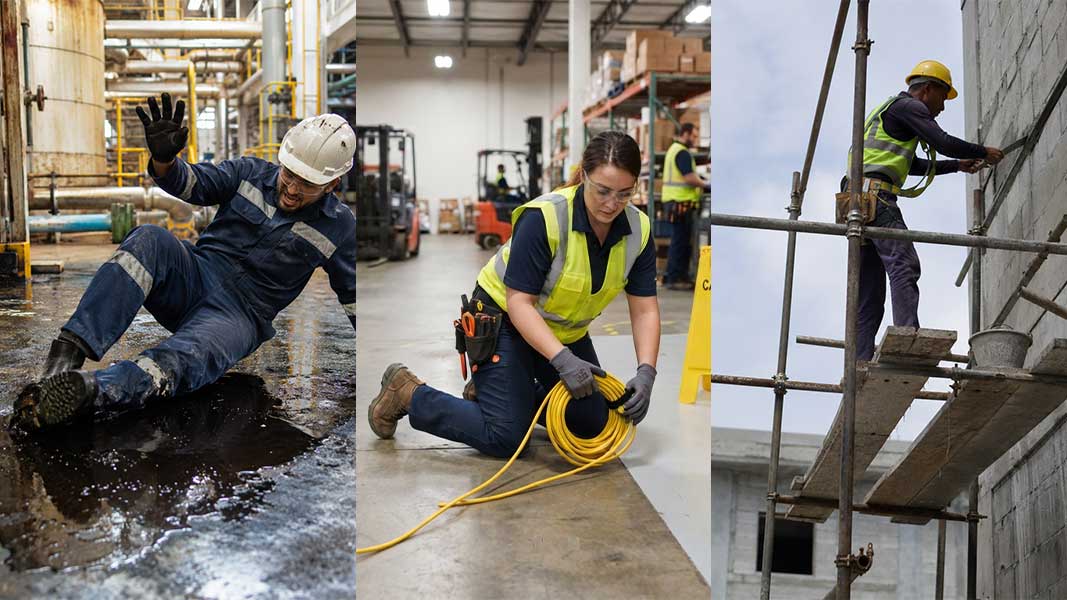
HIRA in the workplace is not a paperwork exercise. It is the single most important process that stands between your workers and a serious injury, a fatality or a
Forklift hazards and risk control is a critical responsibility in any workplace where powered industrial trucks operate daily. Warehouses, construction sites, manufacturing plants and logistics hubs rely on forklifts
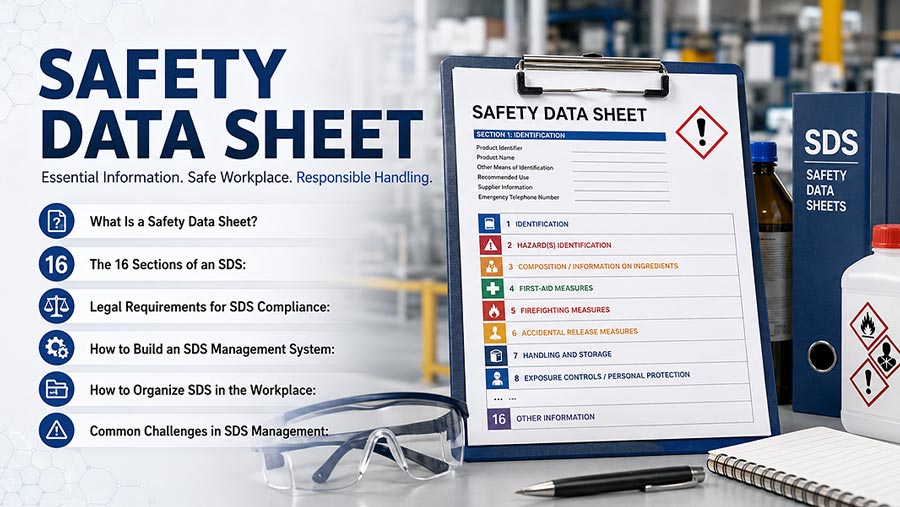
Every year, thousands of workplace chemical incidents happen not because the hazard was unknown, but because the right information was not where it needed to be. A Safety Data
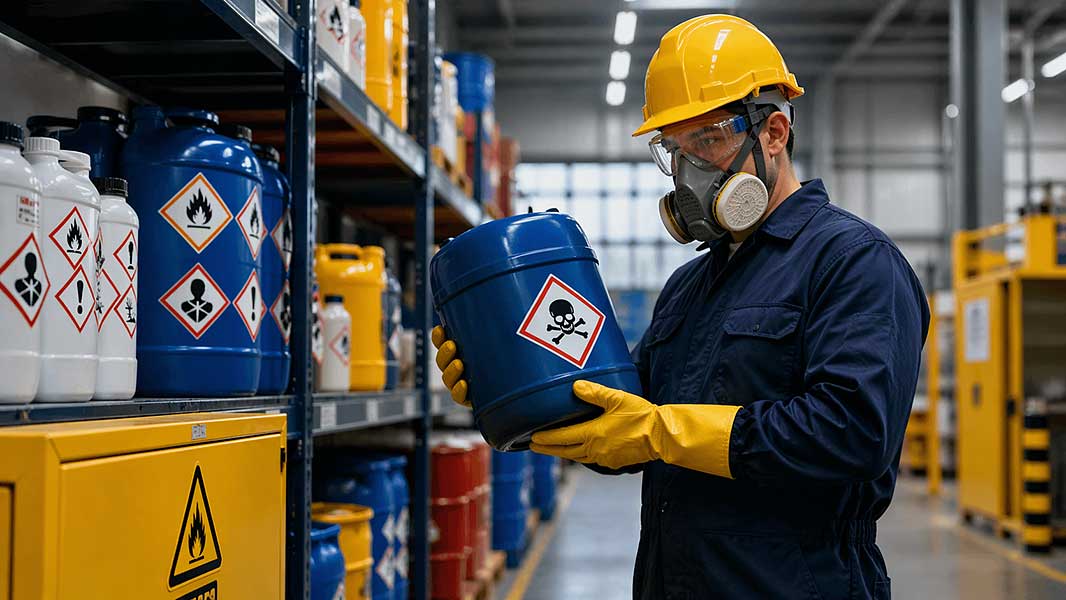
Hazardous Materials Safety is the line between controlled operations and catastrophic failure because one mismanaged chemical, one incompatible storage condition or one missed warning label can trigger injuries, fires,

Emergency Preparedness in UAE is no longer optional because a single unplanned incident can shut down operations, cause serious injuries and expose businesses to legal consequences. In high-risk sectors,

ISO 14001 Environmental Management Lead Auditor in UAE is a highly respected role because organizations rely on qualified professionals to assess environmental management systems (EMS), ensure ISO 14001:2015 compliance

Fall protection for work at height remains one of the most critical safety priorities across construction, oil and gas, manufacturing and maintenance industries because even a minor lapse can

Key requirements of ISO 9001 Certification in UAE define how organizations build a structured, consistent and performance-driven ISO 9001 Quality Management System that meets customer expectations and regulatory demands.
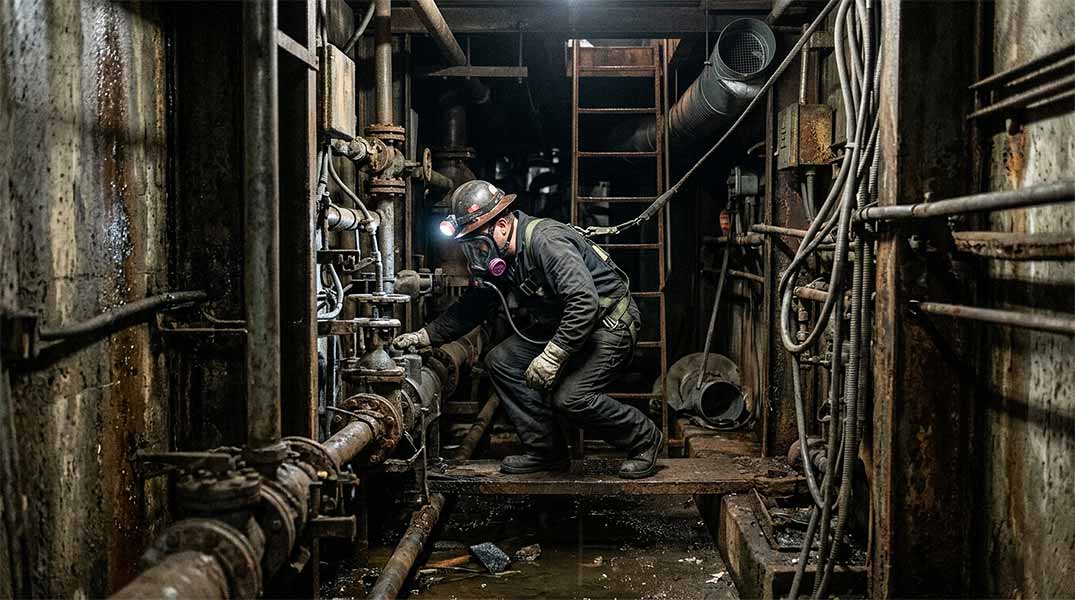
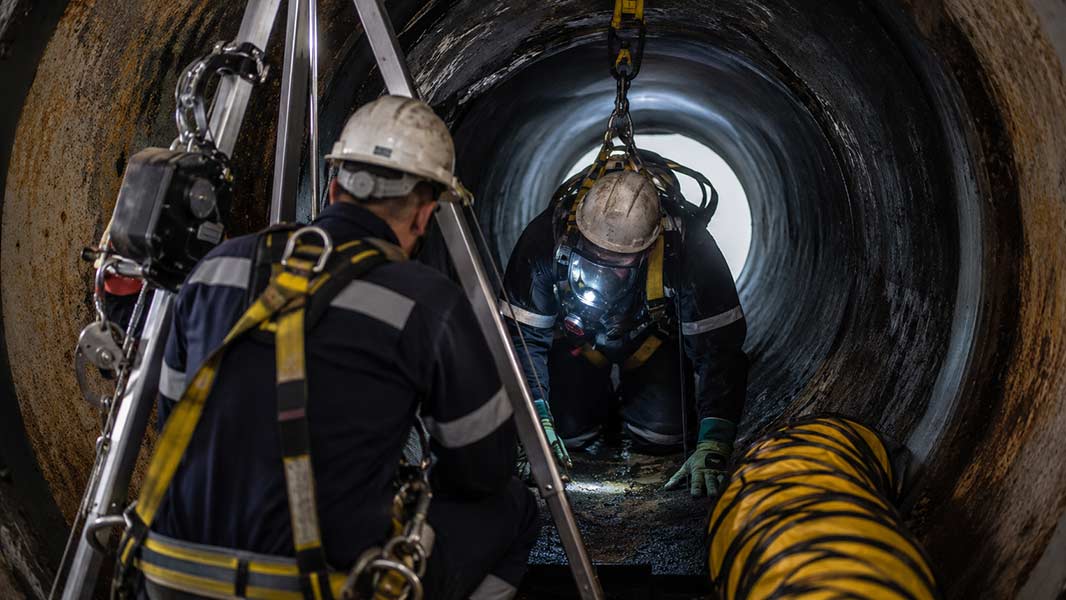
Confined Space Hazards remain one of the most critical risks in industrial workplaces because they combine limited access, poor ventilation and unpredictable conditions that can turn routine tasks into

The benefits of ISO 45001 lead auditor training are becoming increasingly important for safety professionals in the UAE because industries such as construction, oil and gas, manufacturing, logistics and

Machine Guarding Safety protects workers from dangerous moving parts, mechanical hazards and high-risk machine operations that exist across industrial workplaces. Manufacturing equipment, conveyor systems, cutting machines, presses and rotating

The ISO 14001 Certification Process provides organizations with a structured method to establish an effective Environmental Management System (EMS) that identifies environmental aspects, evaluates potential environmental impacts and implements

Digital LOTO Systems are becoming an essential part of modern industrial safety programs because traditional paper-based lockout tagout procedures often create gaps in documentation, communication and verification of hazardous

The benefits of ISO 9001 Lead Auditor Course in UAE are clear for professionals who want authority in quality management, because this qualification proves you can plan, conduct and

Employee Assistance Programs for workplace safety strengthen risk control because mental health, personal stress and financial pressure directly affect concentration, judgment and safe behavior at work. Many incident investigations

ISO 45001 clause 5.1 leadership and commitment requirements determine whether an Occupational Health and Safety Management System truly works in practice. Under the ISO 45001 framework, top management is

Bullying and harassment prevention in the workplace is a critical part of occupational health, legal compliance and organizational risk management. When disrespectful conduct is ignored, employee morale declines and

The benefits of ISO 14001 Lead Auditor Training in UAE extend far beyond earning a professional credential. This advanced qualification by Eduskills Training equips you to plan, conduct and

Workplace violence prevention is not limited to reacting after an incident occurs but instead focuses on identifying risks early and controlling them before harm happens. Violence at the workplace

HSE KPIs are the backbone of effective health, safety and environmental performance measurement because they turn policies, procedures and controls into measurable outcomes. When defined and used correctly, KPIs

ISO 45001 Implementation is the process of building a structured occupational health and safety management system that actually works on the ground, therefore reducing risks, preventing incidents and protecting

Fatigue management at the workplace has become a critical safety concern because fatigue directly affects alertness, judgment, reaction time and decision-making. When workers are fatigued, the likelihood of errors

Guide to ISO 45001 Lead Auditor Course is the starting point for professionals who want to upgrade from “knowing safety” to auditing occupational health and safety systems with confidence

Ergonomics and Musculoskeletal Health sit at the center of injury prevention because most work-related pain develops from everyday tasks rather than sudden accidents. When jobs are designed without considering
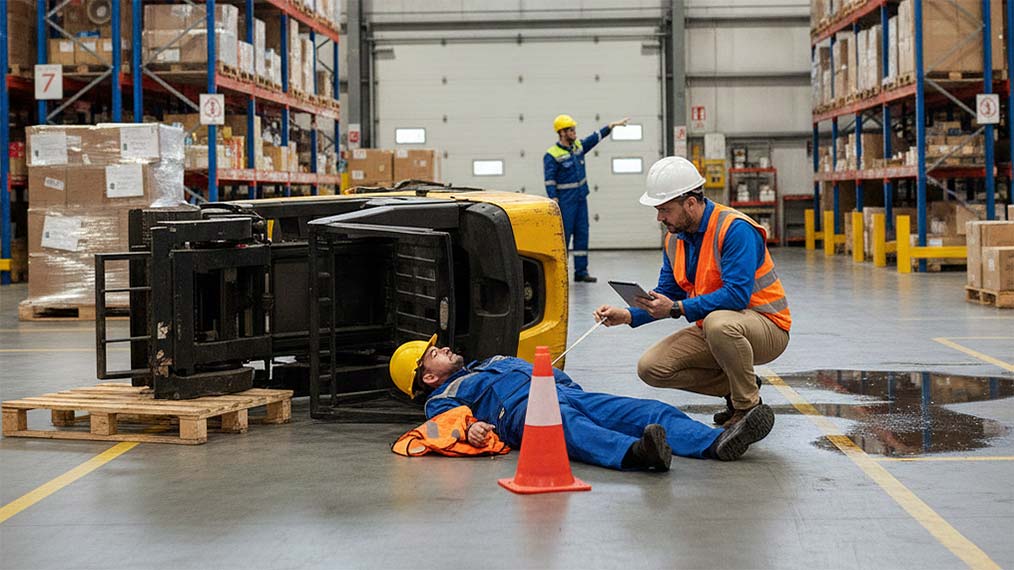
Incident investigation is the backbone of effective occupational health and safety, because it focuses on understanding why an incident occurred rather than who was involved. When done properly, it

ISO 14001 Gap Analysis is a structured assessment that helps organizations measure their current Environmental Management System against ISO 14001 requirements because even small compliance gaps can lead to

Choosing the right professional certification depends on career goals, industry exposure and long-term relevance. Many professionals choose ISO 9001 Lead Auditor Course in UAE because organizations across the region
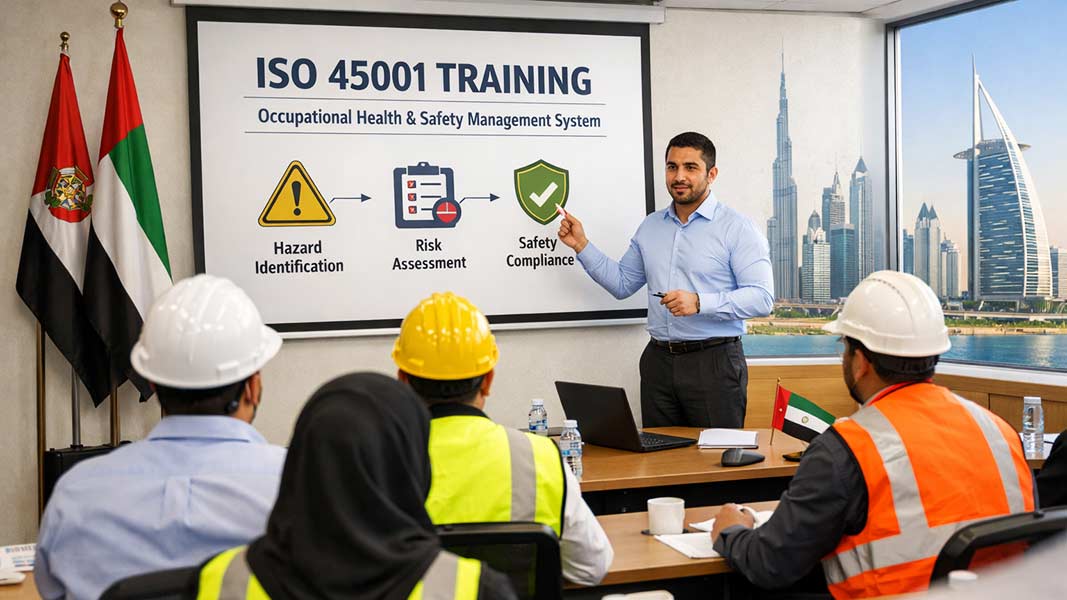
ISO 45001 Training in the UAE is no longer optional for professionals responsible for workplace safety, compliance and operational control. Organizations are under increasing pressure to reduce incidents, meet

ISO 45001 Implementation and Certification for SMEs in UAE has become a direct path for small and medium businesses to strengthen safety performance because it brings structure, accountability and

ISO 14001 Environmental Policy and Leadership set the foundation for how an organization turns environmental intent into measurable action. When both elements work in sync, teams move from declarations

Mental health in workplace safety is a critical factor that decides how consistently people follow procedures, recognize hazards and respond under pressure. When employees feel overwhelmed, their ability to

An ISO 45001 Gap Analysis gives you a realistic picture of how your current safety practices measure against the requirements of the ISO 45001 Occupational Health and Safety Management

Psychosocial hazards in the workplace influence how people think, behave and respond to risks because they directly affect mental wellbeing long before a physical incident occurs. When pressure builds,

Behavior based safety plays a defining role in how workplace safety culture grows, matures and stays consistent across daily operations. When organizations pay attention to the way people act
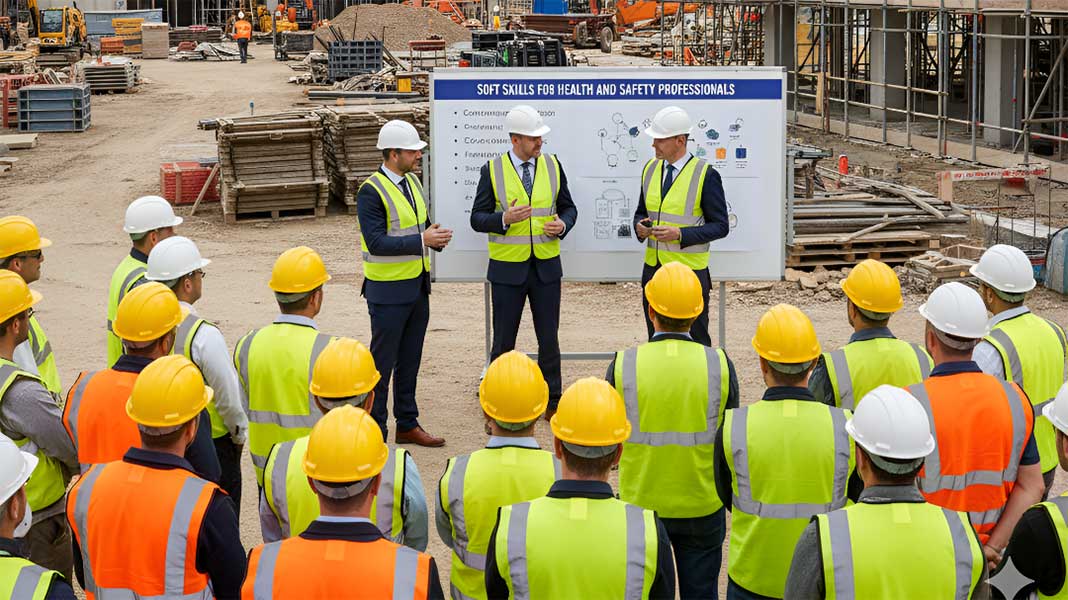
Soft skills for HSE professionals shape how effectively they communicate, influence and guide people on site, therefore they matter just as much as technical expertise. I’ve seen many safety
ISO 9001 digital transformation is reshaping how organizations in the UAE manage quality, safety and efficiency. Companies across Dubai, Abu Dhabi and Sharjah are moving beyond traditional paperwork and
An HSE Implementation Plan is the foundation of every safe and responsible workplace. It provides a structured framework for managing health, safety and environmental risks so that daily operations
ISO 45001 nonconformities are among the most common challenges organizations face during health and safety audits. We’ve seen many businesses struggle with recurring gaps that delay certification, affect compliance,
Leadership in ISO 9001 Certification success is the single most decisive factor that determines whether an organization truly achieves quality excellence or merely collects a certificate. ISO 9001:2015 places
An ISO 45001 audit preparation is far more than gathering documents and hoping for the best. It’s a disciplined process that tests your organization’s true commitment to occupational health
Common ISO 14001 implementation mistakes can quietly derail even the most well-intentioned environmental management plans. Many organizations across the UAE especially in Dubai, Abu Dhabi or Sharjah start with
ISO 9001 audit nonconformities reveal where a quality management system falls short of meeting the standard’s requirements. They highlight gaps in consistency, documentation, or process control that can impact
Achieving ISO 45001 certification is more than a compliance milestone, it’s a strategic commitment to protecting people and building a culture of safety across all levels of an organization.
Continuous improvement is the backbone of every high-performing organization. It’s not just about fixing what’s broken — it’s about building a culture that keeps evolving, learning and improving every
NVQ Level 6 Career Progression has become a defining step for health and safety professionals aiming to move from technical roles to senior leadership positions. The ProQual NVQ Level
Both the NVQ Level 7 SHSLM and NVQ Level 6 OHSP are highly respected health and safety qualifications, but they serve a little different career stages and objectives. As
A Health and Safety Internal Audit Report is more than a document; it’s the foundation for maintaining a safe, compliant, and accountable workplace. Every organization, whether operating in construction,
Health and safety leadership is the foundation of every successful organization that values its people. It’s not just about rules, checklists, or compliance manuals. It’s about creating a shared
A well-structured HSE Plan is the backbone of workplace safety and regulatory compliance in the UAE. It outlines how businesses protect workers, manage risks and meet legal requirements across
Risk assessment in construction is more than a regulatory requirement; it is the foundation of occupational health and safety in one of the world’s most hazardous industries. Every project