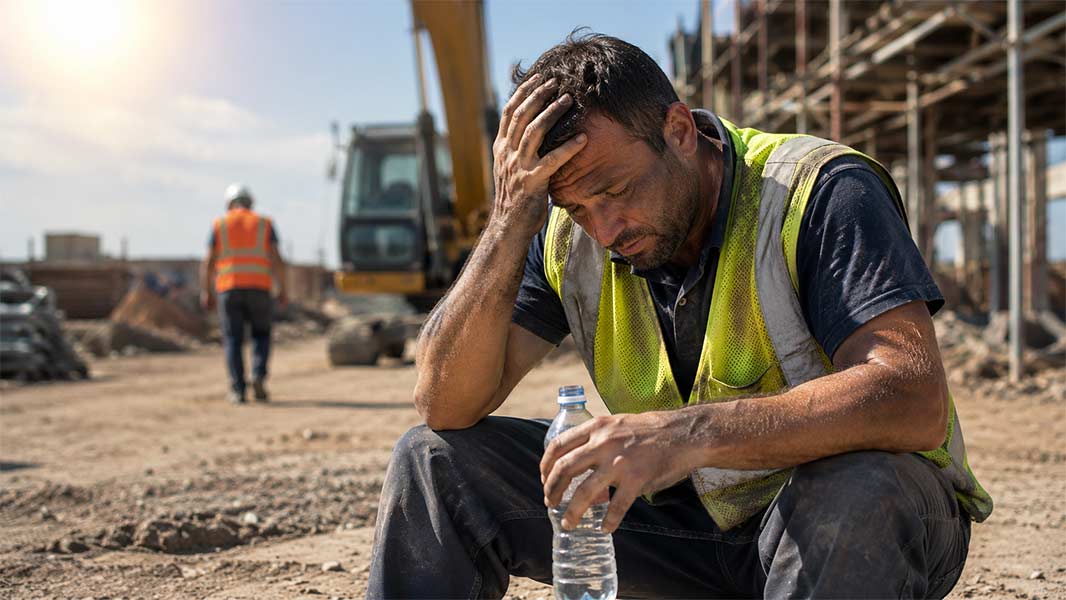
Heat Stress Awareness: Recognize the Warning Signs
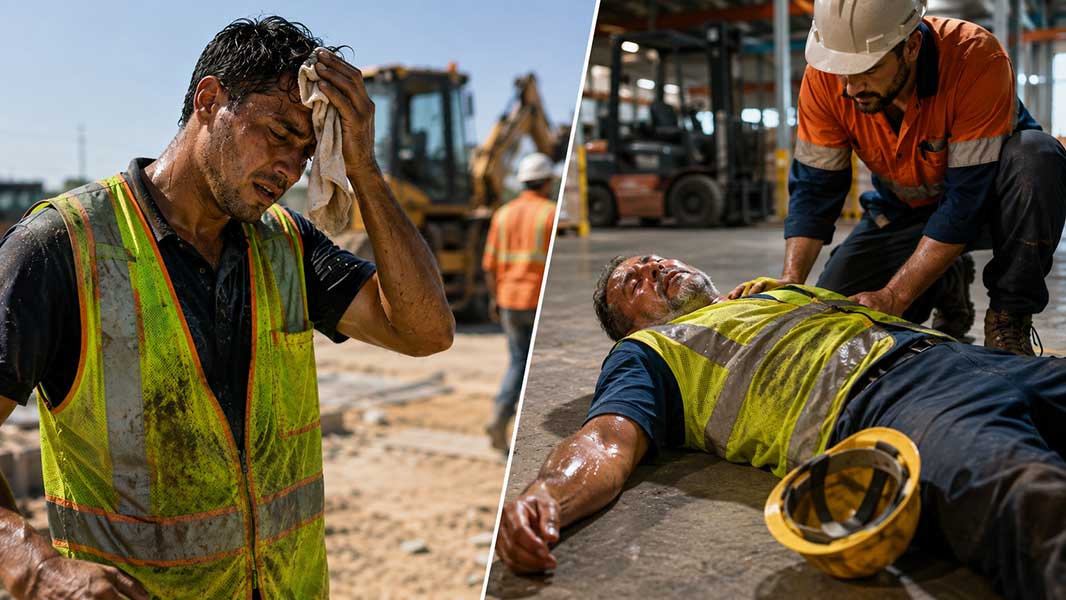
Heat Stress Awareness starts with a simple fact: the human body can only handle so much heat before it starts to fail and most workers never see the warning
A well-structured HSE Plan is the backbone of workplace safety and regulatory compliance in the UAE. It outlines how businesses protect workers, manage risks and meet legal requirements across industries such as construction, oil and gas, manufacturing and services. In cities like Dubai, Abu Dhabi and Sharjah, companies face strict safety regulations and client expectations, therefore a documented HSE Plan is not just a formality but a necessity for project success. By addressing hazard identification, emergency preparedness and employee training, an HSE Plan ensures safer job sites, reduced downtime and stronger stakeholder confidence. Eduskills Training help organizations design and implement HSE Plans that are practical, compliant and tailored to industry-specific needs across the UAE.
An HSE Plan or Health, Safety and Environment Plan, is a structured document that sets out how an organization will protect people, property and the environment during its operations. It serves as a roadmap, defining safety objectives, risk controls, emergency measures and compliance commitments. The core purpose is simple yet critical: prevent accidents, safeguard workers and ensure every task is executed with safety and environmental responsibility in mind. For companies operating in the UAE, where regulatory standards are rigorous, an HSE Plan also demonstrates a company’s commitment to maintaining international safety benchmarks while complying with local laws.
A documented HSE Plan ensures that safety practices are not left to interpretation. Because projects involve multiple stakeholders — contractors, subcontractors, consultants and clients — a formal plan creates alignment and accountability across all parties. It reduces confusion, clarifies responsibilities and provides a single reference point for safety procedures. In high-risk industries such as construction and oil and gas, having a written HSE Plan is not just a best practice but often a mandatory requirement for permits and approvals. Moreover, companies in Dubai, Abu Dhabi and Sharjah increasingly face client audits where documented safety plans are reviewed before contracts are awarded. Without it, organizations risk delays, penalties or even disqualification from major projects.
Many organizations confuse an HSE Policy with an HSE Plan, but the two serve different purposes. An HSE Policy is a broad statement of intent — a commitment from top management to uphold safety, health and environmental standards. It outlines the organization’s values and vision for safety but does not go into detail. An HSE Plan, on the other hand, is operational and specific. It breaks the policy into actionable steps, listing hazards, controls, responsibilities, monitoring methods and emergency procedures. In simple terms, the policy says “what we believe in”, while the plan explains “how we will achieve it”. Companies that only stop at a policy often fail in execution, whereas those with a well-developed HSE Plan demonstrate both intent and implementation.
“In the UAE’s high-growth industries, safety cannot be an afterthought. A well-structured HSE Plan goes beyond meeting legal requirements; it builds trust with workers, strengthens reputation with stakeholders, and ensures projects are delivered without costly interruptions.”
The UAE has some of the most stringent health and safety laws in the region, particularly in high-risk industries such as construction, oil and gas and heavy manufacturing. An HSE Plan is your primary tool to demonstrate compliance with Dubai Municipality, Abu Dhabi Occupational Safety and Health Center (OSHAD) and other regulatory frameworks. Because government inspectors and clients often request documented safety procedures before work begins, a well-prepared plan protects companies from penalties, delays or shutdowns. It also ensures projects run smoothly without unexpected legal obstacles.
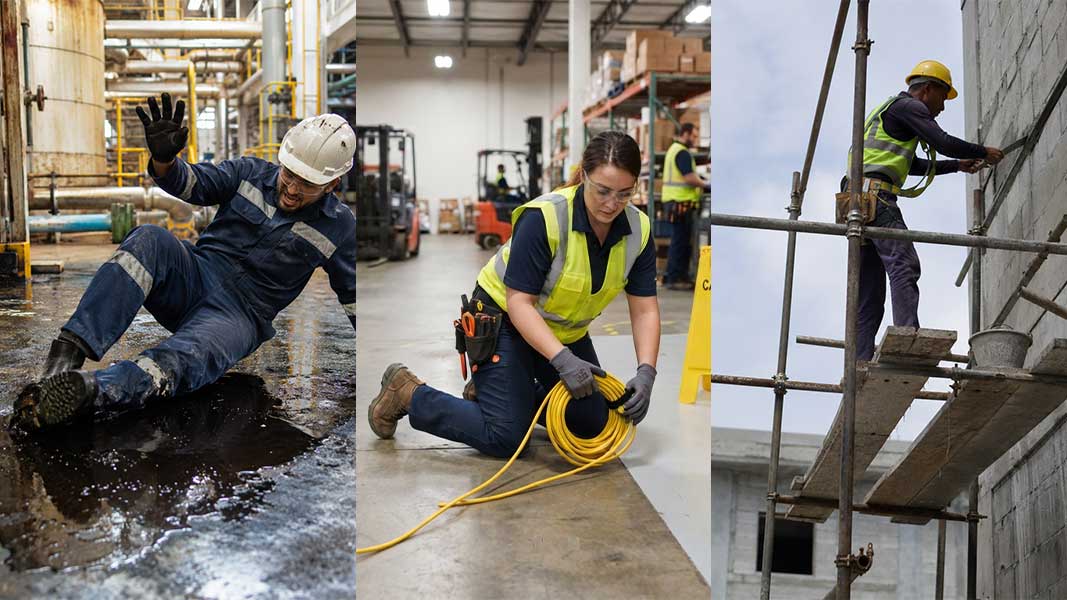
Every project carries risks, from falls on construction sites to chemical exposure in industrial plants. An HSE Plan identifies these hazards early, sets preventive measures and establishes emergency response steps. By prioritizing worker safety, organizations not only reduce injuries and fatalities but also build a culture where employees feel protected and valued. In cities like Dubai and Abu Dhabi, where multi-national teams often work under tight schedules, structured safety planning prevents costly incidents and ensures everyone goes home safe.
Clients, investors and international partners look closely at how seriously a company treats safety. A documented HSE Plan shows commitment, professionalism and accountability. Because of this, businesses that implement strong safety systems gain a competitive advantage when bidding for projects. Stakeholders trust companies that can prove they manage risks responsibly and that trust often translates into repeat contracts and long-term partnerships across the UAE and Gulf markets.
Accidents are expensive. They cause medical expenses, compensation claims, damaged equipment and project delays. By proactively addressing risks through a structured HSE Plan, companies significantly cut these hidden costs. Preventive measures such as safety training, hazard assessments and emergency preparedness cost far less than dealing with accidents after they happen. Therefore, an HSE Plan not only protects people but also safeguards project budgets and profitability.
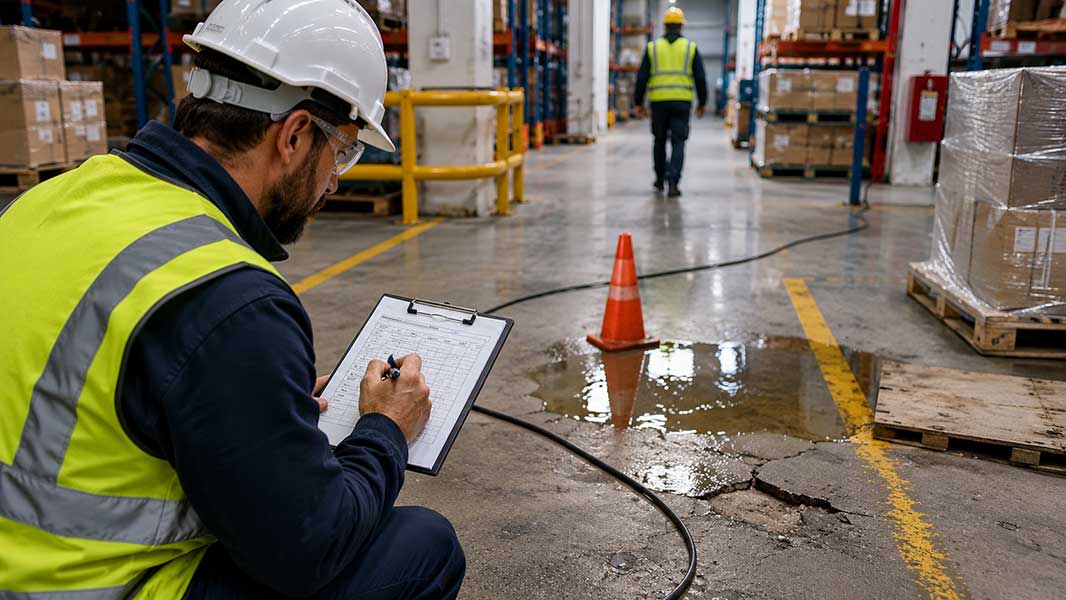
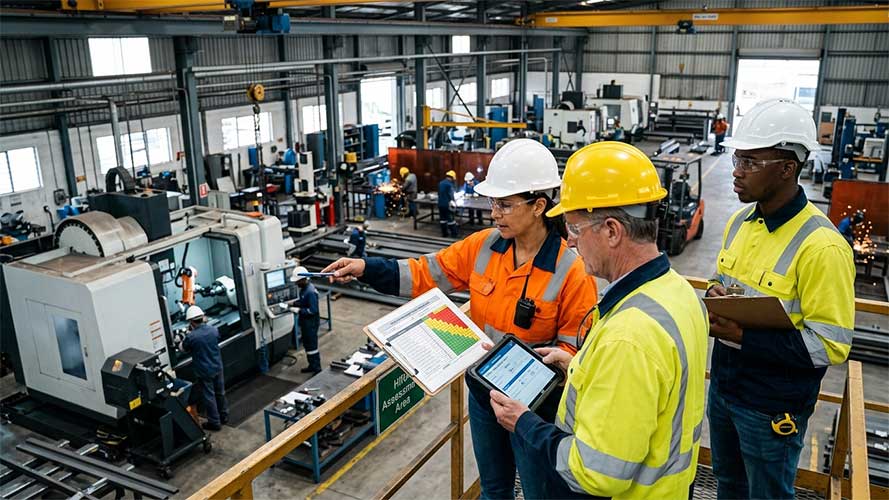
The foundation of any HSE Plan is a clear understanding of potential hazards. This means identifying risks associated with work activities, equipment, chemicals and the project environment. In the UAE, where industries like construction and oil and gas operate under demanding conditions, hazard analysis ensures that risks are prioritized before they escalate into accidents. A structured approach, such as Job Safety Analysis (JSA) or Hazard Identification and Risk Assessment (HIRA), helps organizations put effective controls in place.
Every HSE Plan should set measurable objectives that align with both legal requirements and organizational goals. These objectives might include reducing lost-time injuries, achieving zero fatalities or improving safety audit scores. Performance indicators such as incident rates, near-miss reports and compliance audits provide clear evidence of progress. Because objectives and KPIs are tracked, management can identify gaps and drive continuous improvement.
An effective plan clearly defines who is responsible for what. From project managers to safety officers and frontline supervisors, everyone must understand their role in maintaining workplace safety. Just as important are the communication protocols. In fast-moving projects in Dubai or Abu Dhabi, clear reporting lines and standardized communication channels ensure safety messages reach every level of the workforce without delay.
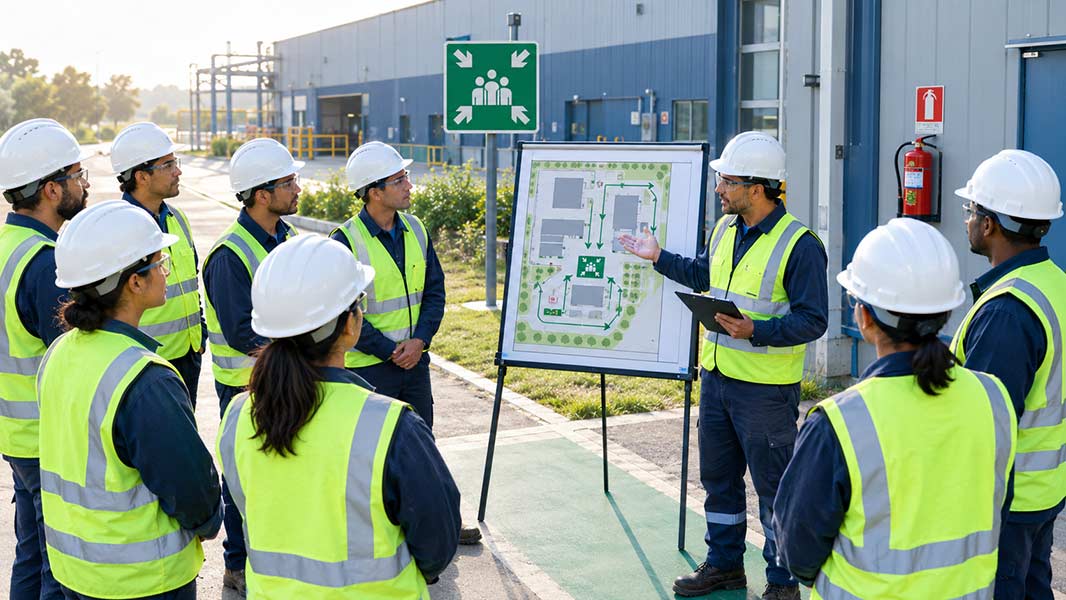
Even the best preventive measures cannot eliminate all risks. This is why emergency preparedness is a critical part of an HSE Plan. Procedures for fire, medical emergencies, chemical spills and equipment failures should be documented and rehearsed. Drills and response training give employees the confidence to act quickly and correctly when it matters most. In industries like oil and gas, where incidents can escalate rapidly, strong emergency protocols can be the difference between containment and catastrophe.
An HSE Plan is only as strong as the people implementing it. Training programs build the knowledge and skills employees need to carry out their work safely. From mandatory inductions to specialized courses in confined space entry or equipment operation, training ensures competence across all job roles. Eduskills Training supports organizations across the UAE by offering both classroom sessions and flexible e-learning, making it easier for businesses to keep their workforce up to standard.
Safety is not a one-time exercise. Continuous monitoring and regular audits verify that safety measures are working as intended. Inspections, incident investigations and performance reviews provide feedback for updating the plan. Because projects and regulations evolve, the HSE Plan must evolve with them. A strong culture of improvement ensures companies in Dubai, Abu Dhabi and Sharjah remain compliant, competitive and resilient.
“Creating an HSE Plan is a step-by-step journey that begins with identifying risks and ends with continuous refinement. Each stage — from setting policies to implementing controls — shapes a safer workplace where compliance is achieved, and accidents are prevented before they happen.”
The first step in developing an HSE Plan is understanding the environment in which employees work. A detailed hazard identification and risk assessment (HIRA) helps uncover potential threats such as equipment failures, chemical exposure, unsafe working conditions or environmental risks. In industries like construction and oil and gas in the UAE, this assessment is not optional but essential to comply with regulations and protect workers.
Once risks are identified organizations must create clear safety policies and standards that set the foundation for safe operations. These policies should align with UAE labor laws, international standards such as ISO 45001 and industry-specific requirements. A well-documented policy provides direction and ensures that safety is prioritized at every level of the organization, from boardroom decisions to frontline activities.
Policies alone are not enough unless translated into practical control measures. This involves putting engineering controls, administrative protocols and personal protective equipment (PPE) requirements in place. For example, scaffolding safety procedures in construction or lockout-tagout systems in manufacturing help prevent common incidents. Control measures should be realistic, achievable and adapted to the specific risks of the project.
An HSE Plan only works if it is clearly documented and effectively communicated. Documentation ensures accountability and provides a reference point for audits and inspections. Equally important is communication. Every worker, contractor and stakeholder must know their responsibilities and understand the safety requirements. In Dubai and Abu Dhabi’s multicultural workforce, multilingual communication and visual aids often make the difference in ensuring compliance.
An HSE Plan is not static. Regular reviews and updates are necessary to address changes in project scope, workforce size or regulatory requirements. Accident investigations, audit findings and employee feedback should also feed into updates. A company that continuously refines its HSE Plan demonstrates commitment to safety, builds trust among stakeholders and avoids costly lapses in compliance.
One of the most frequent hurdles companies face is the lack of awareness among employees about the importance of health and safety protocols. Without proper training, even the most detailed HSE Plan remains ineffective. In the UAE, where projects often employ a diverse workforce, language barriers and varying education levels add another layer of complexity. Regular training sessions and competency development programs are vital to closing these gaps.
Shifting workplace culture toward safety-first thinking is never easy. Many employees view new safety measures as an interruption to productivity, while some managers underestimate their importance. Overcoming this resistance requires strong leadership, continuous engagement and the integration of safety into everyday practices. When safety becomes a shared value rather than a top-down instruction, compliance improves naturally.
Organizations sometimes struggle to allocate sufficient resources to safety. Small and medium enterprises, in particular, may see HSE measures as additional costs instead of investments. However, the reality is that proactive spending on training, equipment and audits prevents far higher costs linked to accidents, legal claims and reputational damage. Demonstrating the return on investment of HSE practices helps justify budgets to decision-makers.
For companies operating across multiple sites in Dubai, Abu Dhabi and beyond, maintaining consistent compliance is a major challenge. Each location may face different risks, workforce dynamics or regulatory nuances. Without proper monitoring systems and centralized oversight, gaps in compliance can quickly arise. Digital reporting tools, standardized training and regular audits are practical ways to ensure alignment across sites.
At Eduskills Training, we don’t believe in one-size-fits-all approaches. Every business has unique risks, industry challenges and compliance requirements. That’s why our consultancy services focus on designing tailored HSE Plans that align with both UAE regulations and international safety standards. With highly experienced trainers and consultants, we guide organizations through every step — from hazard identification to building effective emergency response systems.
An HSE Plan is only as effective as the people implementing it. To bridge training gaps, we offer affordable programs that combine classroom learning with flexible e-learning modules. Whether your workforce is based on a construction site in Dubai or in an office environment in Abu Dhabi, our training ensures that employees understand their responsibilities and have the competency to act safely and confidently.
With offices and active presence in the UAE’s key business hubs, Eduskills Training is well-positioned to support organizations of all sizes. From high-risk industries like oil and gas to fast-growing construction projects in Sharjah, we help companies meet compliance requirements, protect workers and improve safety performance. Our local expertise allows us to address region-specific challenges effectively.
Our role goes beyond the UAE. Companies from neighboring countries like Saudi Arabia and Qatar also benefit from our consultancy and training solutions. Many businesses in the Gulf region operate across borders and we ensure that their HSE Plans remain consistent, compliant and practical regardless of location. By extending our services, we help organizations build stronger, safer and more resilient operations throughout the region.
An effective HSE Plan is more than a compliance document — it’s a roadmap for protecting people, ensuring smooth project execution and safeguarding a company’s reputation. In the UAE, where industries like construction, oil and gas and manufacturing are expanding rapidly, the importance of structured safety planning cannot be overstated. By identifying risks, setting measurable objectives and investing in training, businesses not only reduce accidents but also improve productivity and earn stakeholder trust. Eduskills Training help organizations in Dubai, Abu Dhabi, Sharjah and across the UAE and implement HSE Plans that deliver real results. With expert consultancy, affordable training and flexible learning options, we make it easier for businesses to meet regulatory requirements and build a culture of safety.
It ensures compliance with UAE labor laws, protects workers, reduces accidents and helps companies avoid legal and financial penalties.
An HSE Policy defines an organization’s commitment to safety, while an HSE Plan provides the step-by-step process to achieve it.
Responsibility is shared across management, supervisors and employees, with clear roles defined in the plan.
Construction, oil and gas, manufacturing, logistics and other high-risk industries are legally required to maintain an HSE Plan.
It should be reviewed and updated regularly, especially when regulations change, projects expand or new risks are identified.
By reducing accidents, insurance claims and project delays, it prevents financial losses and improves overall efficiency.
Common challenges include limited training, cultural resistance, budget constraints and ensuring compliance across multiple sites.
Yes, even small and medium businesses benefit through reduced risks, lower costs and better compliance with UAE safety laws.
Eduskills Training provide expert consultancy, affordable training programs and customized solutions for companies in Dubai, Abu Dhabi and Sharjah and across the UAE.
Heat Stress Awareness starts with a simple fact: the human body can only handle so much heat before it starts to fail and most workers never see the warning
HIRA in the workplace is not a paperwork exercise. It is the single most important process that stands between your workers and a serious injury, a fatality or a
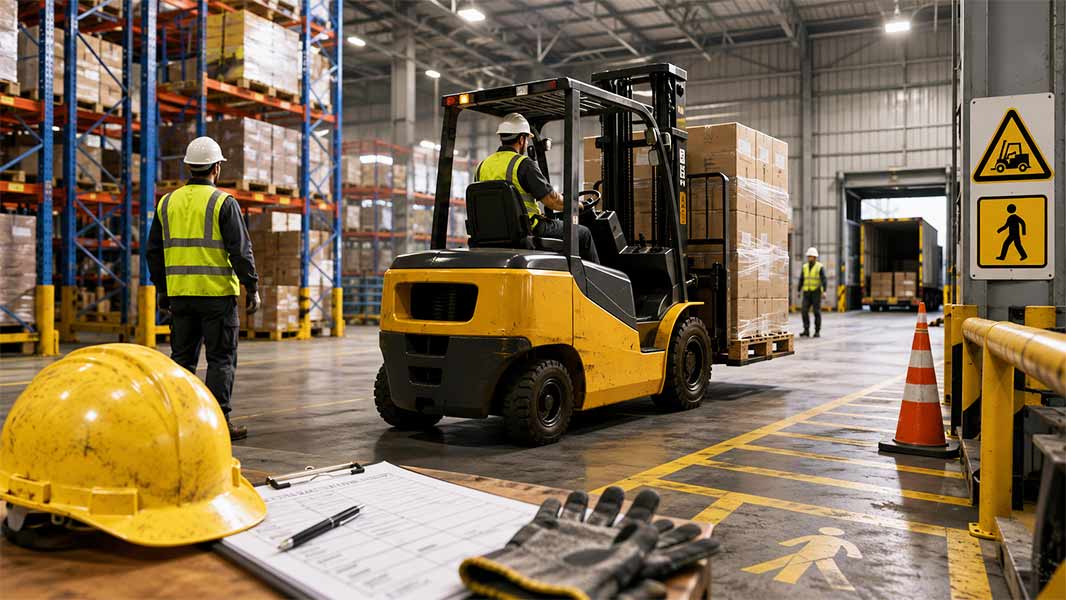
Forklift hazards and risk control is a critical responsibility in any workplace where powered industrial trucks operate daily. Warehouses, construction sites, manufacturing plants and logistics hubs rely on forklifts
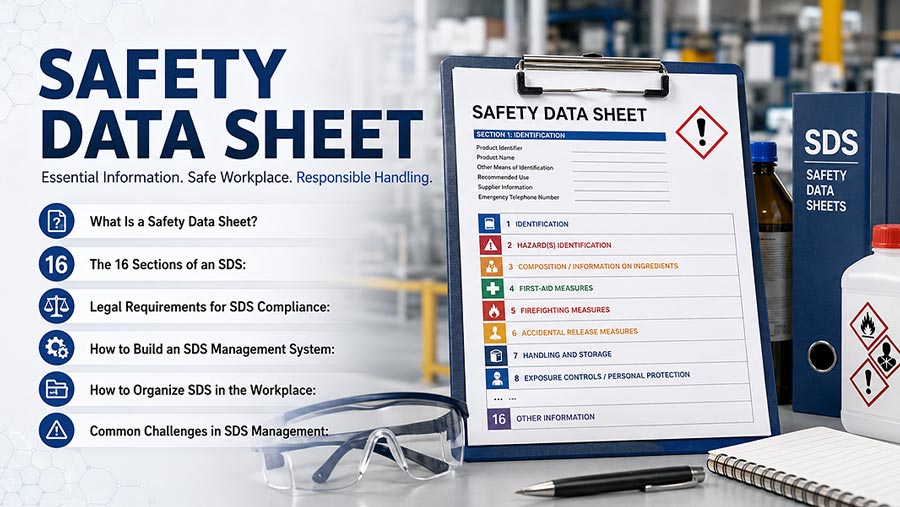
Every year, thousands of workplace chemical incidents happen not because the hazard was unknown, but because the right information was not where it needed to be. A Safety Data
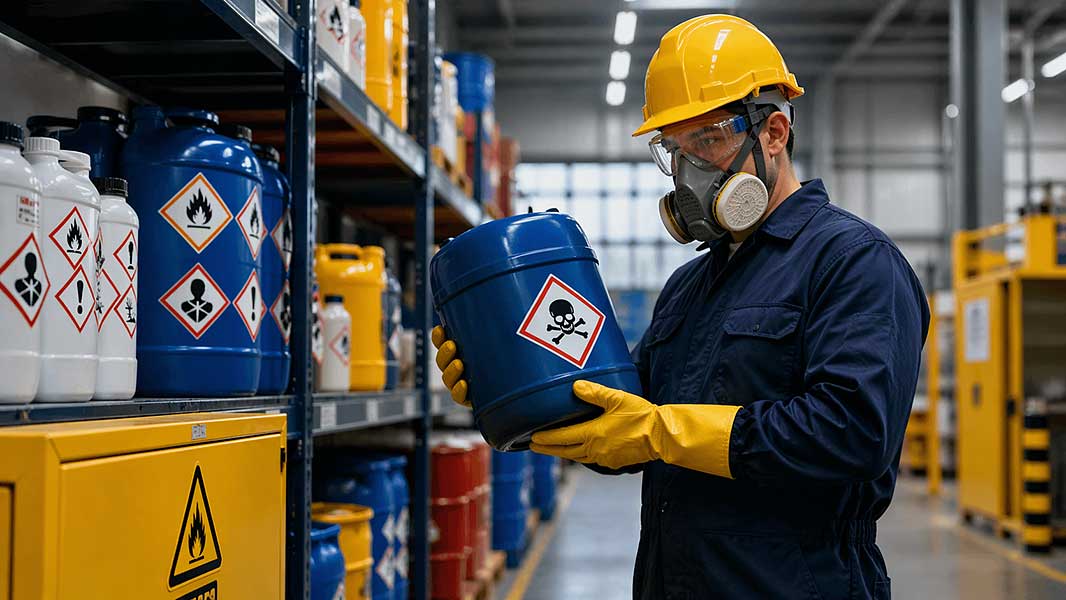
Hazardous Materials Safety is the line between controlled operations and catastrophic failure because one mismanaged chemical, one incompatible storage condition or one missed warning label can trigger injuries, fires,

Emergency Preparedness in UAE is no longer optional because a single unplanned incident can shut down operations, cause serious injuries and expose businesses to legal consequences. In high-risk sectors,

ISO 14001 Environmental Management Lead Auditor in UAE is a highly respected role because organizations rely on qualified professionals to assess environmental management systems (EMS), ensure ISO 14001:2015 compliance

Fall protection for work at height remains one of the most critical safety priorities across construction, oil and gas, manufacturing and maintenance industries because even a minor lapse can

Key requirements of ISO 9001 Certification in UAE define how organizations build a structured, consistent and performance-driven ISO 9001 Quality Management System that meets customer expectations and regulatory demands.
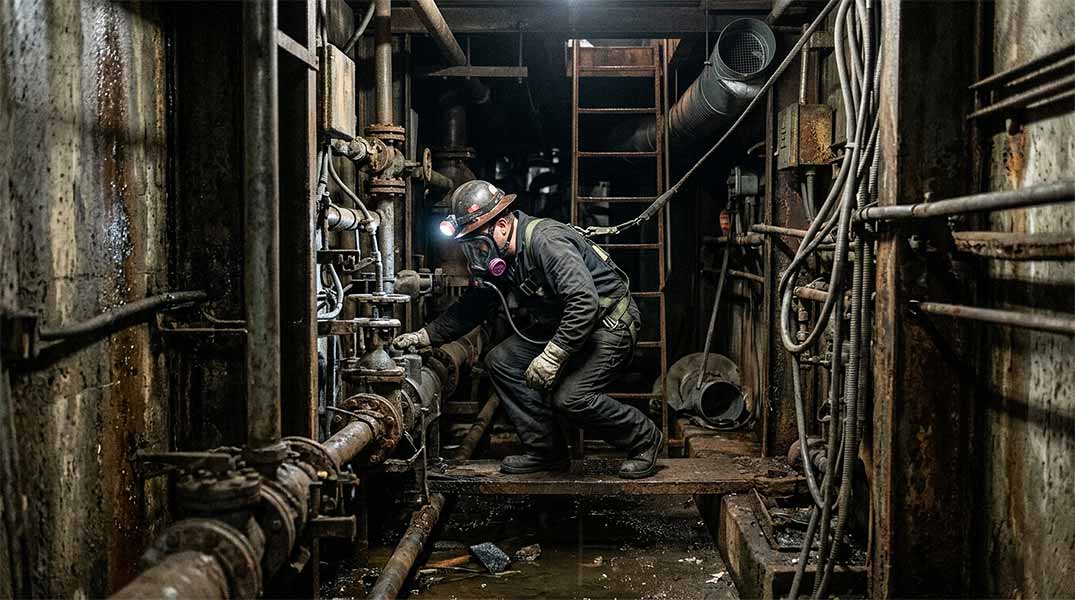
Confined Space Hazards remain one of the most critical risks in industrial workplaces because they combine limited access, poor ventilation and unpredictable conditions that can turn routine tasks into

The benefits of ISO 45001 lead auditor training are becoming increasingly important for safety professionals in the UAE because industries such as construction, oil and gas, manufacturing, logistics and
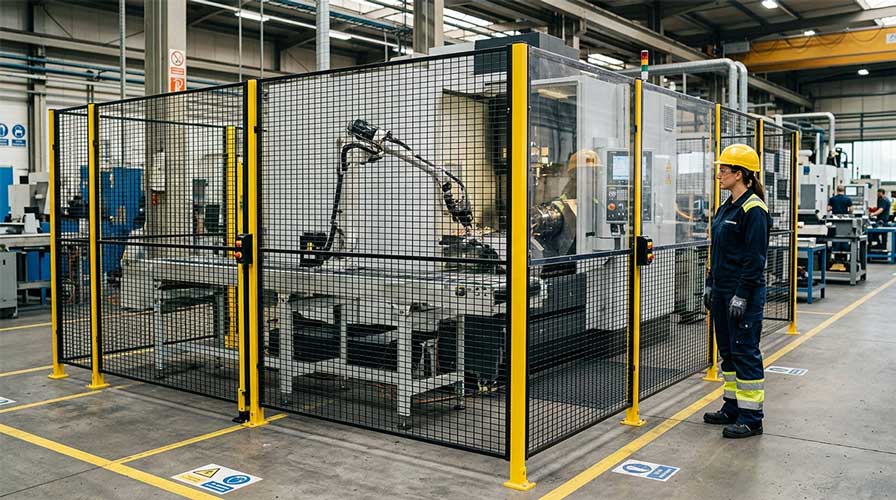
Machine Guarding Safety protects workers from dangerous moving parts, mechanical hazards and high-risk machine operations that exist across industrial workplaces. Manufacturing equipment, conveyor systems, cutting machines, presses and rotating

The ISO 14001 Certification Process provides organizations with a structured method to establish an effective Environmental Management System (EMS) that identifies environmental aspects, evaluates potential environmental impacts and implements
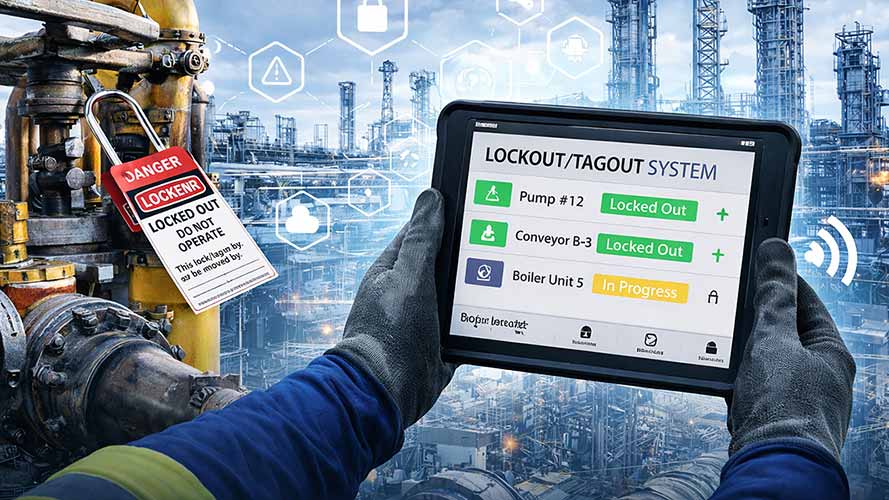
Digital LOTO Systems are becoming an essential part of modern industrial safety programs because traditional paper-based lockout tagout procedures often create gaps in documentation, communication and verification of hazardous

The benefits of ISO 9001 Lead Auditor Course in UAE are clear for professionals who want authority in quality management, because this qualification proves you can plan, conduct and

Employee Assistance Programs for workplace safety strengthen risk control because mental health, personal stress and financial pressure directly affect concentration, judgment and safe behavior at work. Many incident investigations
ISO 45001 clause 5.1 leadership and commitment requirements determine whether an Occupational Health and Safety Management System truly works in practice. Under the ISO 45001 framework, top management is

Bullying and harassment prevention in the workplace is a critical part of occupational health, legal compliance and organizational risk management. When disrespectful conduct is ignored, employee morale declines and

The benefits of ISO 14001 Lead Auditor Training in UAE extend far beyond earning a professional credential. This advanced qualification by Eduskills Training equips you to plan, conduct and

Workplace violence prevention is not limited to reacting after an incident occurs but instead focuses on identifying risks early and controlling them before harm happens. Violence at the workplace
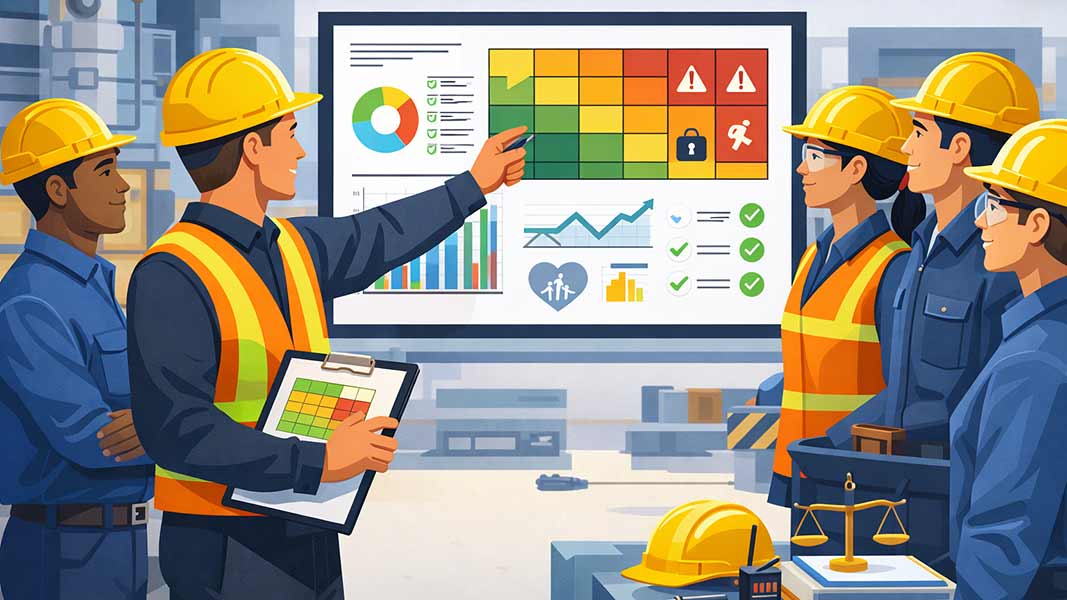
HSE KPIs are the backbone of effective health, safety and environmental performance measurement because they turn policies, procedures and controls into measurable outcomes. When defined and used correctly, KPIs

ISO 45001 Implementation is the process of building a structured occupational health and safety management system that actually works on the ground, therefore reducing risks, preventing incidents and protecting

Fatigue management at the workplace has become a critical safety concern because fatigue directly affects alertness, judgment, reaction time and decision-making. When workers are fatigued, the likelihood of errors

Guide to ISO 45001 Lead Auditor Course is the starting point for professionals who want to upgrade from “knowing safety” to auditing occupational health and safety systems with confidence

Ergonomics and Musculoskeletal Health sit at the center of injury prevention because most work-related pain develops from everyday tasks rather than sudden accidents. When jobs are designed without considering
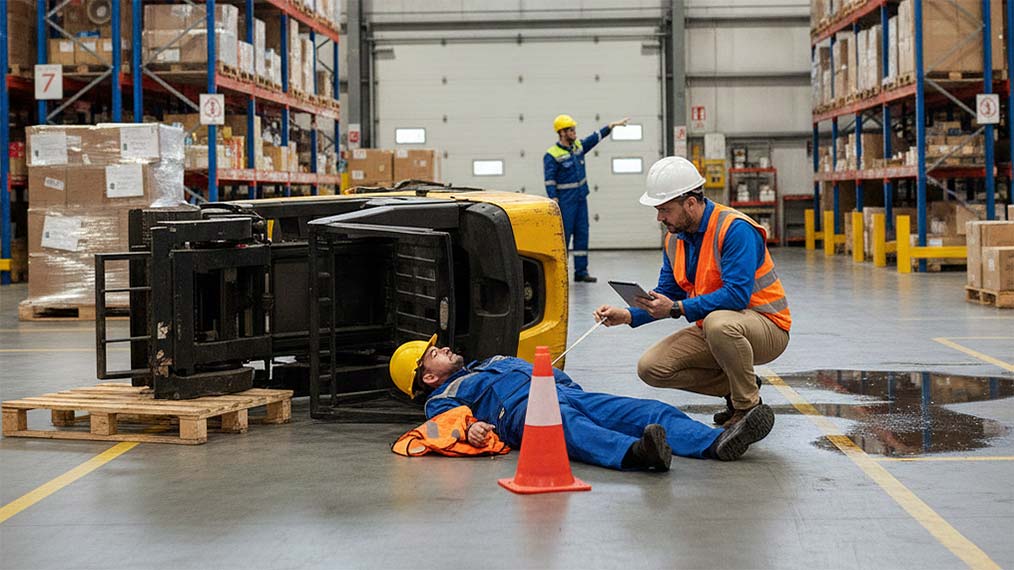
Incident investigation is the backbone of effective occupational health and safety, because it focuses on understanding why an incident occurred rather than who was involved. When done properly, it

ISO 14001 Gap Analysis is a structured assessment that helps organizations measure their current Environmental Management System against ISO 14001 requirements because even small compliance gaps can lead to

Choosing the right professional certification depends on career goals, industry exposure and long-term relevance. Many professionals choose ISO 9001 Lead Auditor Course in UAE because organizations across the region
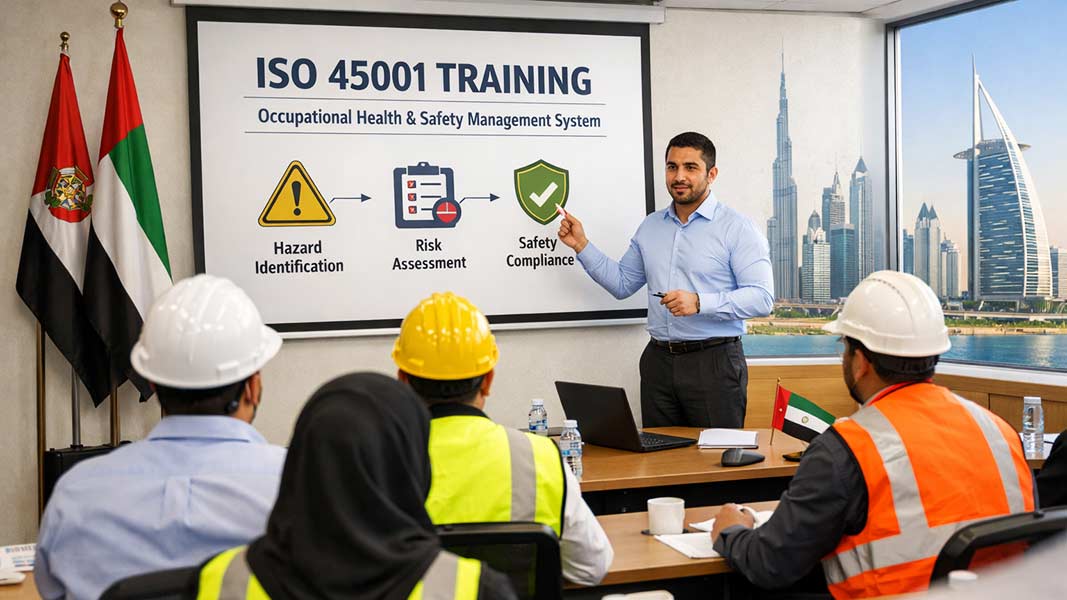
ISO 45001 Training in the UAE is no longer optional for professionals responsible for workplace safety, compliance and operational control. Organizations are under increasing pressure to reduce incidents, meet

ISO 45001 Implementation and Certification for SMEs in UAE has become a direct path for small and medium businesses to strengthen safety performance because it brings structure, accountability and
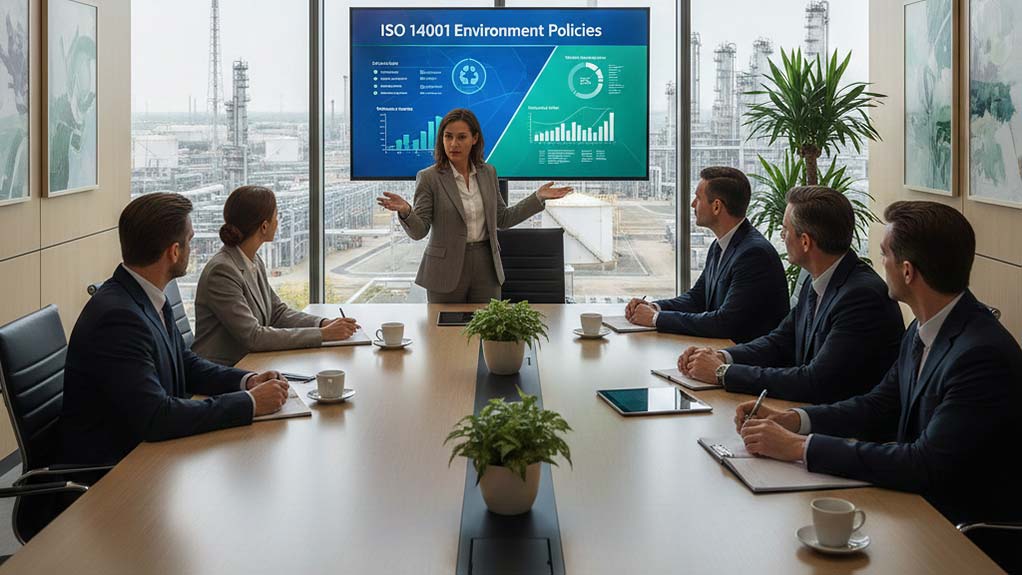
ISO 14001 Environmental Policy and Leadership set the foundation for how an organization turns environmental intent into measurable action. When both elements work in sync, teams move from declarations

Mental health in workplace safety is a critical factor that decides how consistently people follow procedures, recognize hazards and respond under pressure. When employees feel overwhelmed, their ability to

An ISO 45001 Gap Analysis gives you a realistic picture of how your current safety practices measure against the requirements of the ISO 45001 Occupational Health and Safety Management

Psychosocial hazards in the workplace influence how people think, behave and respond to risks because they directly affect mental wellbeing long before a physical incident occurs. When pressure builds,

Behavior based safety plays a defining role in how workplace safety culture grows, matures and stays consistent across daily operations. When organizations pay attention to the way people act
Soft skills for HSE professionals shape how effectively they communicate, influence and guide people on site, therefore they matter just as much as technical expertise. I’ve seen many safety
ISO 9001 digital transformation is reshaping how organizations in the UAE manage quality, safety and efficiency. Companies across Dubai, Abu Dhabi and Sharjah are moving beyond traditional paperwork and
An HSE Implementation Plan is the foundation of every safe and responsible workplace. It provides a structured framework for managing health, safety and environmental risks so that daily operations
ISO 45001 nonconformities are among the most common challenges organizations face during health and safety audits. We’ve seen many businesses struggle with recurring gaps that delay certification, affect compliance,
Leadership in ISO 9001 Certification success is the single most decisive factor that determines whether an organization truly achieves quality excellence or merely collects a certificate. ISO 9001:2015 places
An ISO 45001 audit preparation is far more than gathering documents and hoping for the best. It’s a disciplined process that tests your organization’s true commitment to occupational health
Common ISO 14001 implementation mistakes can quietly derail even the most well-intentioned environmental management plans. Many organizations across the UAE especially in Dubai, Abu Dhabi or Sharjah start with
ISO 9001 audit nonconformities reveal where a quality management system falls short of meeting the standard’s requirements. They highlight gaps in consistency, documentation, or process control that can impact
Achieving ISO 45001 certification is more than a compliance milestone, it’s a strategic commitment to protecting people and building a culture of safety across all levels of an organization.
Continuous improvement is the backbone of every high-performing organization. It’s not just about fixing what’s broken — it’s about building a culture that keeps evolving, learning and improving every
NVQ Level 6 Career Progression has become a defining step for health and safety professionals aiming to move from technical roles to senior leadership positions. The ProQual NVQ Level
Both the NVQ Level 7 SHSLM and NVQ Level 6 OHSP are highly respected health and safety qualifications, but they serve a little different career stages and objectives. As
A Health and Safety Internal Audit Report is more than a document; it’s the foundation for maintaining a safe, compliant, and accountable workplace. Every organization, whether operating in construction,
Health and safety leadership is the foundation of every successful organization that values its people. It’s not just about rules, checklists, or compliance manuals. It’s about creating a shared
A well-structured HSE Plan is the backbone of workplace safety and regulatory compliance in the UAE. It outlines how businesses protect workers, manage risks and meet legal requirements across