Heat Stress Awareness: Recognize the Warning Signs
Heat Stress Awareness starts with a simple fact: the human body can only handle so much heat before it starts to fail and most workers never see the warning
Mental health in workplace safety is a critical factor that decides how consistently people follow procedures, recognize hazards and respond under pressure. When employees feel overwhelmed, their ability to think clearly drops, therefore the risk of human error rises. Burnout doesn’t appear overnight; it builds slowly through long shifts, tight deadlines, poor communication and ongoing stress. Once it sets in, decision-making weakens, concentration slips and even experienced workers begin to miss small but crucial cues.
Organizations across the UAE see this pattern in high-risk sectors like construction, oil and gas, manufacturing and logistics. When mental wellbeing declines, incident rates climb because stress limits attention, slows reaction time and disrupts teamwork. Effective safety management must acknowledge this link and treat mental health as a core part of operational control. Eduskills Training supports companies in creating work environments where mental health and safety work together. When teams feel supported, incidents drop, productivity improves and safety behavior becomes far more consistent.
Understanding mental health in workplace safety is essential because psychological strain is often the hidden trigger behind many preventable incidents. When workers feel mentally stable, they think clearly, communicate better and maintain stronger situational awareness. When their mental load increases, the quality of decisions drops and seemingly minor lapses turn into serious risks. Organizations across the UAE are beginning to acknowledge that mental wellbeing is not separate from health and safety performance; it is woven into every task, shift and operational requirement.
Mental wellbeing sets the foundation for consistent safety performance because it determines how quickly workers process information and react to hazards. When mental health in workplace safety is managed well, employees remain alert and confident in their judgement. When mental wellbeing declines, focus becomes inconsistent and the likelihood of human error rises. Workers may misread cues, skip steps or misunderstand instructions. These patterns appear in high-risk sectors more frequently because the cognitive load is heavier. Organizations that treat mental wellbeing as part of their safety strategy see clearer communication, better hazard recognition and fewer near misses.
Burnout develops gradually through long hours, pressure to meet demanding targets and a lack of recovery time. The connection between burnout and mental health in workplace safety becomes clear when workers begin showing signs of emotional exhaustion or disengagement. High-risk environments accelerate this problem because workers are expected to maintain vigilance for extended periods. Eventually, motivation declines, attention drifts and even experienced staff struggle to manage routine tasks safely. Eduskills Training helps supervisors and HSE teams identify early indicators of burnout so they can intervene before the condition affects operational safety.
Stress disrupts how the brain filters information and, therefore, directly affects mental health. When stress is unmanaged, workers rely on shortcuts or assumptions to speed up tasks. Cognitive overload makes them more vulnerable to misjudging distances, forgetting procedures or interpreting hazards incorrectly. These errors compound during complex operations, especially when teams are handling simultaneous tasks or communicating across noisy environments. Many serious incidents have roots in stress-related behavior rather than technical failure. Organizations that monitor mental health alongside physical hazards build stronger barriers against human error and maintain safer, more predictable operations.
Psychosocial hazards in the workplace shape how people react under pressure and they often decide whether mental health improves or deteriorates. When these risks remain unmanaged, they quietly build stress, fatigue and frustration, which then show up as mistakes, shortcuts or unsafe choices on the job.
Heavy workloads and extended shifts drain a person’s energy to the point where judgement slips. Because tired workers lose the ability to stay alert, the chances of incidents rise. Long-term exposure to this pressure also weakens emotional resilience, which ties directly back to how well an organization protects mental health in workplace safety programs.
When instructions lack clarity or teams receive mixed messages, stress intensifies. People start guessing what matters and mistakes follow. Clear communication supports mental wellbeing because it reduces anxiety and helps employees stay focused on safe behavior rather than navigating confusion.
Employees who feel powerless or unsure about what’s expected of them often experience frustration, disengagement and escalating stress. This loss of control reduces confidence and leads to unsafe improvisation. Practical support, timely feedback and clear roles help stabilize both performance and psychological safety.
In many organizations, workers hesitate to raise concerns because they worry about blame or being seen as difficult. This silence hides early warning signs. When a culture encourages open communication, people speak up sooner and hazards linked to stress or fatigue are resolved before they turn into incidents. A strong speak-up culture also anchors mental health because employees feel respected and heard.
When people struggle emotionally, their ability to notice hazards, respond under pressure and work with others changes in subtle ways. These shifts often go unnoticed until the impact becomes visible on the floor. Because mental health in workplace safety is not just a wellbeing topic but a direct operational risk, understanding how these issues escalate is essential for preventing avoidable incidents.
Fatigue dulls concentration and slows reaction time. A tired worker may walk past a spill, miss a warning sign or misjudge equipment speed. As stress accumulates, the brain prioritizes survival over attention to detail, which means hazard recognition drops even in familiar tasks. This link between emotional strain and physical safety is one of the strongest signals organizations must watch.
When someone is overwhelmed, their mental bandwidth shrinks. They process information slower, overlook critical steps and rely on shortcuts simply to cope with the workload. Cognitive overload is why incidents often happen during routine tasks. Because the mind is already stretched thin, one unexpected variable can push a person into a poor decision that compromises safety.
Stress and burnout weaken communication. People stop sharing updates, stop asking for help and pull away from the team. As coordination drops, situational awareness breaks down and gaps form between what’s happening and what people think is happening. These gaps are dangerous in environments where safety depends on teamwork, clear signals and real-time awareness of changing conditions.
If organizations want lasting change, mental health in workplace safety must be treated as a core safety component, not an HR side topic. An SMS becomes stronger and more realistic when it recognizes psychosocial risks, tracks behavioral indicators and supports teams before stress turns into incidents. Integration is practical, measurable and fully aligned with modern HSE expectations across the UAE.
Psychosocial risks should appear in the same worksheets and inspection tools used for physical hazards. When supervisors assess a job, they should consider workload pressure, unclear instructions, emotional strain after an incident and team fatigue. This step ensures mental health triggers are flagged early rather than only after a safety event.
Procedures work only when they reflect real human capacity. Policies that manage fatigue, break schedules, shift rotations and workload distribution reduce the hidden risks tied to mental fatigue. Because mental health depends on realistic operational limits, procedures should clearly define what happens when an employee reports overload or stress.
Training should help employees recognize early signs of burnout, communication breakdowns and stress-driven errors. New staff need to understand not only the technical hazards of their job but also how emotional strain influences attention and decision-making. When competency frameworks include psychosocial elements, the entire workforce becomes better prepared to prevent incidents.
Mental health challenges often fall between departments. HR may focus on wellbeing, HSE on hazards and supervisors on day-to-day pressure. A unified response closes this gap. Shared reporting lines, confidential referral processes and joint reviews of psychosocial hazards create faster interventions and reduce the chance of issues escalating into safety events.
Reducing burnout requires more than awareness. Organizations need controls that influence day-to-day work, because mental health in workplace safety improves only when pressure points are managed directly. Practical, people-focused strategies help teams stay alert, communicate better and maintain safer decision-making on the job.
Work should be organized in a way that matches human limits. Clear task allocation, predictable schedules and balanced shift rotations prevent fatigue from building to unsafe levels. When employees know what is expected and workloads are shared fairly, performance stays consistent and the risk of burnout-driven errors drops.
Supervisors play a major role in how stress escalates. Leadership who check in regularly, adjust workloads when needed and step in early when they see behavioral changes create healthier teams. Early intervention prevents chronic pressure from turning into mental fatigue, which supports both wellbeing and safer field operations.
Teams behave more safely when they can raise concerns without hesitation. Transparent discussions about pressure, conflicting priorities or unclear instructions reduce misunderstandings that can lead to incidents. A strong speaking-up culture also helps highlight psychosocial risks before they affect performance or increase exposure to hazards.
Safety meetings, toolbox talks and pre-job briefings can easily integrate short reminders related to stress, fatigue and focus. These small touchpoints keep mental health top of mind during routine tasks and reinforce the idea that wellbeing directly shapes safety. Over time, this consistent reinforcement helps embed mental health across the organization.
HSE professionals sit at the intersection of operations, people and risk. Their ability to recognize early signs of strain, guide conversations during stressful work and support a culture of openness directly strengthens mental health in workplace safety. When they step in early and communicate clearly, incident risks drop and teams feel safer raising concerns.
Small behavioral changes often signal deeper issues. A normally focused worker becoming irritable, withdrawn or distracted deserves attention. HSE professionals who observe these shifts during walkthroughs, toolbox talks or field activities can flag concerns early. Timely identification prevents mental strain from growing into fatigue, loss of focus or unsafe decisions.
During complex or high-risk tasks, communication shapes how teams respond to stress. HSE professionals help keep instructions clear, ensure workers understand risk controls and reduce misunderstandings that could escalate into incidents. Calm, straightforward communication creates stability, especially when teams are operating under tight deadlines or unexpected pressure.
People speak up only when they trust that their concerns will be heard without backlash. HSE professionals help build that trust by being approachable, consistent and fair. When workers feel psychologically safe, they are more likely to report stress, confusion or near misses. This behavior strengthens operational control and reinforces the long-term value of mental health in workplace safety.
Eduskills Training helps organizations turn the growing awareness of mental health in workplace safety into measurable action by combining industry expertise, practical insights and flexible learning pathways.
Our training programs equip HSE teams to recognize psychosocial risks, spot early behavioral red flags and intervene before stress or mental fatigue leads to unsafe decisions. At the same time, our customized leadership and soft skills trainings strengthen the communication, empathy and conflict-resolution abilities that supervisors need to guide teams through high-pressure work without escalating tension.
Because many companies still struggle to integrate psychosocial factors into their Safety Management System, we also provide consultancy support that reviews procedures, updates risk controls and aligns HR, HSE and operational leaders. This integrated approach allows organizations across the UAE to improve their safety culture, reduce preventable incidents and build a more resilient workforce without disrupting daily operations.
When organizations treat mental wellbeing as a core part of their safety strategy, everything improves, decision-making, communication, teamwork and incident prevention. Embedding mental health in workplace safety is not a trend; it’s a necessity for high-risk industries striving for strong performance and safer outcomes. With the right training, leadership and system improvements, companies across the UAE can build workplaces where people feel supported, stay productive and work safely.
It refers to how stress, fatigue, burnout and emotional strain influence an employee’s ability to stay alert, make decisions and work safely.
Burnout reduces attention, slows reactions and lowers hazard awareness, which increases the likelihood of mistakes and unsafe behavior.
Because psychosocial risks influence behavior and decision-making, they can trigger the same level of harm as physical hazards if ignored.
Frequent errors, irritability, withdrawal, fatigue and sudden drops in performance often signal mental strain.
Misunderstandings during high-pressure tasks lead to missed signals, incorrect assumptions and unsafe actions.
Yes. Mental fatigue narrows focus and reduces the ability to identify changing risks in dynamic environments.
Supervisors can check in regularly, listen actively, provide realistic workloads and escalate concerns early.
Leaders influence culture. When they communicate calmly and handle pressure well, teams follow their lead and work more safely.
HSE professionals observe behavior, identify red flags, support reporting systems and integrate psychosocial risks into the SMS.
Training ensures supervisors and HSE teams know how to recognize psychosocial hazards, respond early and support safe performance.
Heat Stress Awareness starts with a simple fact: the human body can only handle so much heat before it starts to fail and most workers never see the warning
HIRA in the workplace is not a paperwork exercise. It is the single most important process that stands between your workers and a serious injury, a fatality or a

Forklift hazards and risk control is a critical responsibility in any workplace where powered industrial trucks operate daily. Warehouses, construction sites, manufacturing plants and logistics hubs rely on forklifts
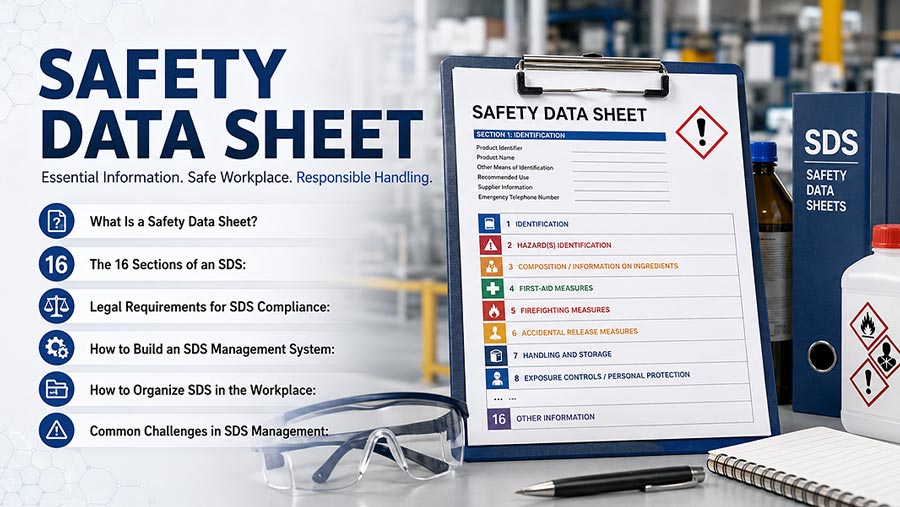
Every year, thousands of workplace chemical incidents happen not because the hazard was unknown, but because the right information was not where it needed to be. A Safety Data
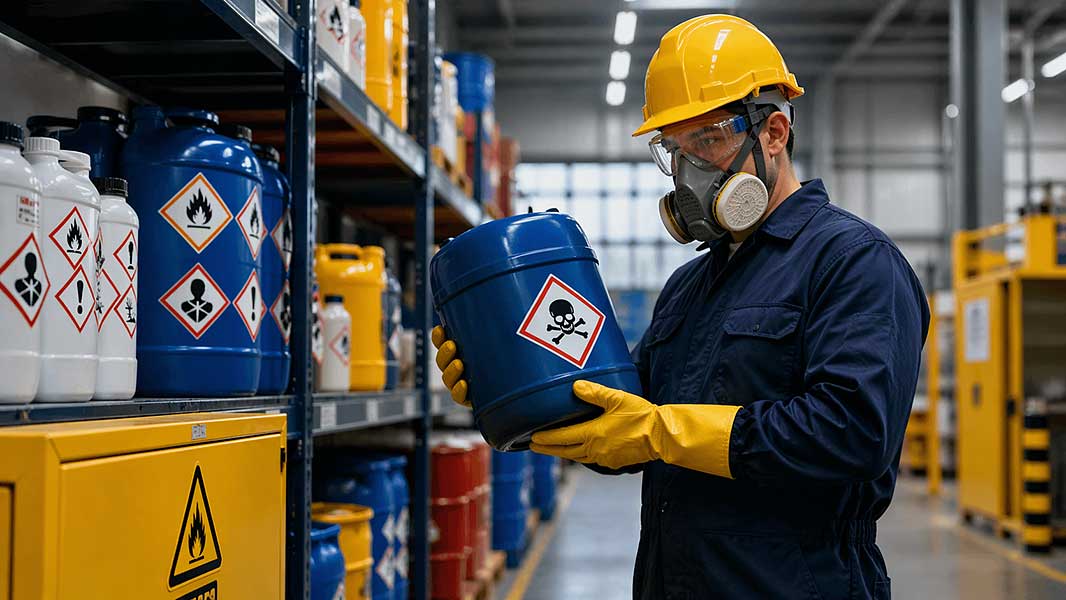
Hazardous Materials Safety is the line between controlled operations and catastrophic failure because one mismanaged chemical, one incompatible storage condition or one missed warning label can trigger injuries, fires,
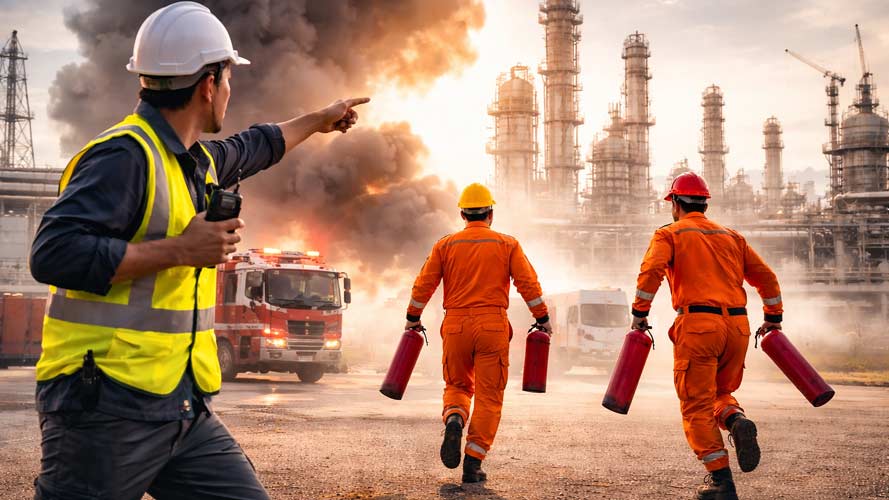
Emergency Preparedness in UAE is no longer optional because a single unplanned incident can shut down operations, cause serious injuries and expose businesses to legal consequences. In high-risk sectors,

ISO 14001 Environmental Management Lead Auditor in UAE is a highly respected role because organizations rely on qualified professionals to assess environmental management systems (EMS), ensure ISO 14001:2015 compliance

Fall protection for work at height remains one of the most critical safety priorities across construction, oil and gas, manufacturing and maintenance industries because even a minor lapse can

Key requirements of ISO 9001 Certification in UAE define how organizations build a structured, consistent and performance-driven ISO 9001 Quality Management System that meets customer expectations and regulatory demands.
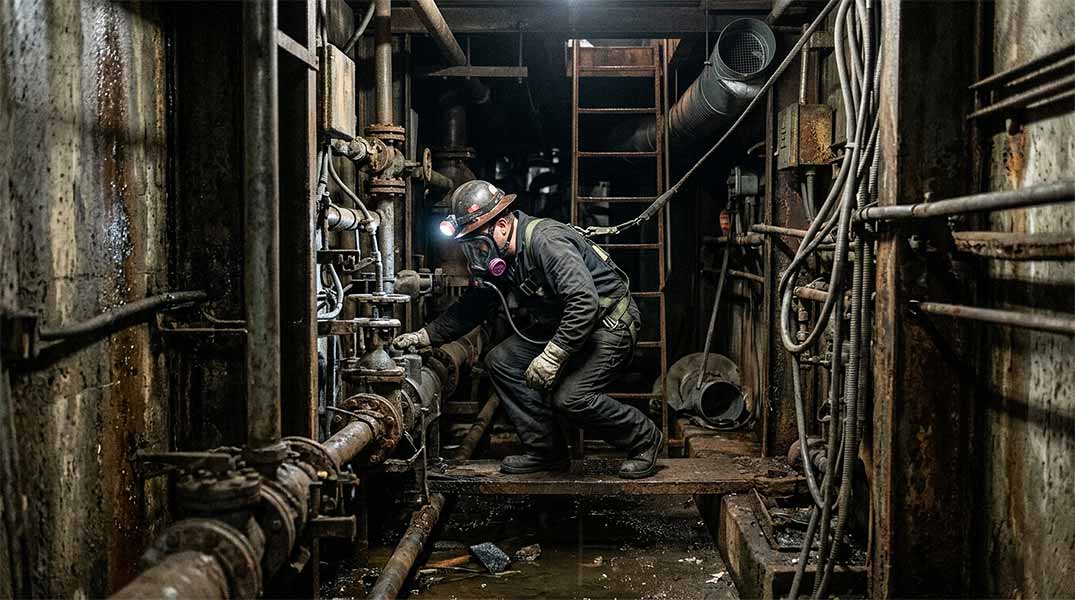
Confined Space Hazards remain one of the most critical risks in industrial workplaces because they combine limited access, poor ventilation and unpredictable conditions that can turn routine tasks into

The benefits of ISO 45001 lead auditor training are becoming increasingly important for safety professionals in the UAE because industries such as construction, oil and gas, manufacturing, logistics and
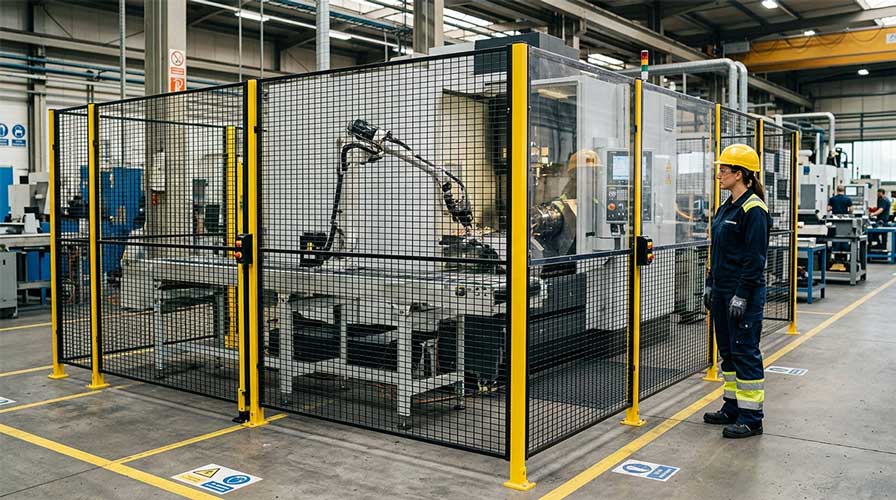
Machine Guarding Safety protects workers from dangerous moving parts, mechanical hazards and high-risk machine operations that exist across industrial workplaces. Manufacturing equipment, conveyor systems, cutting machines, presses and rotating

The ISO 14001 Certification Process provides organizations with a structured method to establish an effective Environmental Management System (EMS) that identifies environmental aspects, evaluates potential environmental impacts and implements
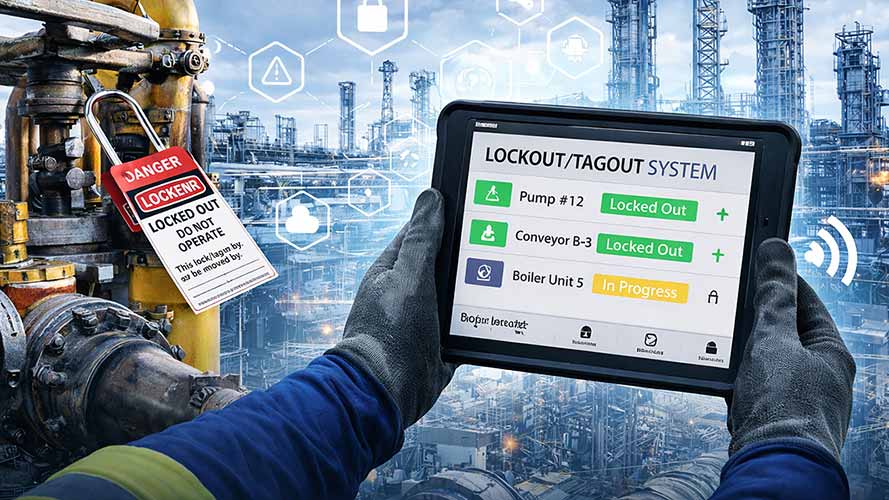
Digital LOTO Systems are becoming an essential part of modern industrial safety programs because traditional paper-based lockout tagout procedures often create gaps in documentation, communication and verification of hazardous

The benefits of ISO 9001 Lead Auditor Course in UAE are clear for professionals who want authority in quality management, because this qualification proves you can plan, conduct and

Employee Assistance Programs for workplace safety strengthen risk control because mental health, personal stress and financial pressure directly affect concentration, judgment and safe behavior at work. Many incident investigations
ISO 45001 clause 5.1 leadership and commitment requirements determine whether an Occupational Health and Safety Management System truly works in practice. Under the ISO 45001 framework, top management is

Bullying and harassment prevention in the workplace is a critical part of occupational health, legal compliance and organizational risk management. When disrespectful conduct is ignored, employee morale declines and

The benefits of ISO 14001 Lead Auditor Training in UAE extend far beyond earning a professional credential. This advanced qualification by Eduskills Training equips you to plan, conduct and
Workplace violence prevention is not limited to reacting after an incident occurs but instead focuses on identifying risks early and controlling them before harm happens. Violence at the workplace
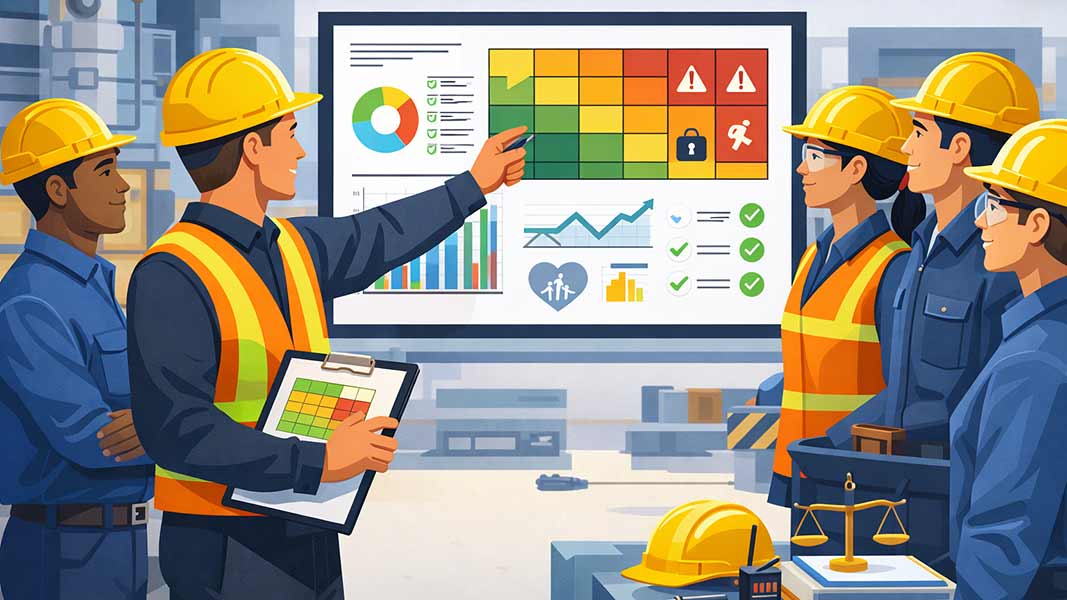
HSE KPIs are the backbone of effective health, safety and environmental performance measurement because they turn policies, procedures and controls into measurable outcomes. When defined and used correctly, KPIs

ISO 45001 Implementation is the process of building a structured occupational health and safety management system that actually works on the ground, therefore reducing risks, preventing incidents and protecting

Fatigue management at the workplace has become a critical safety concern because fatigue directly affects alertness, judgment, reaction time and decision-making. When workers are fatigued, the likelihood of errors

Guide to ISO 45001 Lead Auditor Course is the starting point for professionals who want to upgrade from “knowing safety” to auditing occupational health and safety systems with confidence

Ergonomics and Musculoskeletal Health sit at the center of injury prevention because most work-related pain develops from everyday tasks rather than sudden accidents. When jobs are designed without considering
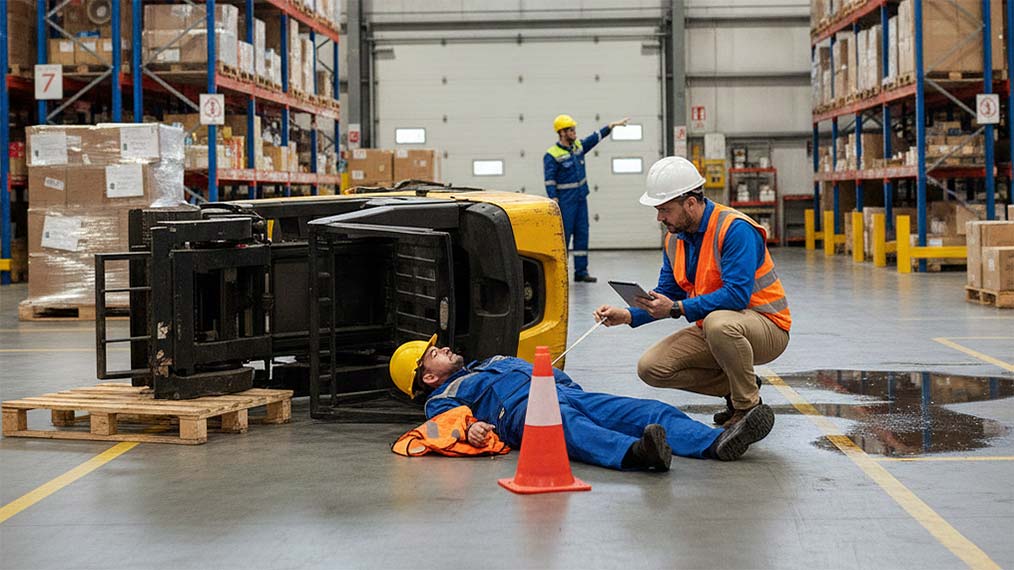
Incident investigation is the backbone of effective occupational health and safety, because it focuses on understanding why an incident occurred rather than who was involved. When done properly, it

ISO 14001 Gap Analysis is a structured assessment that helps organizations measure their current Environmental Management System against ISO 14001 requirements because even small compliance gaps can lead to

Choosing the right professional certification depends on career goals, industry exposure and long-term relevance. Many professionals choose ISO 9001 Lead Auditor Course in UAE because organizations across the region
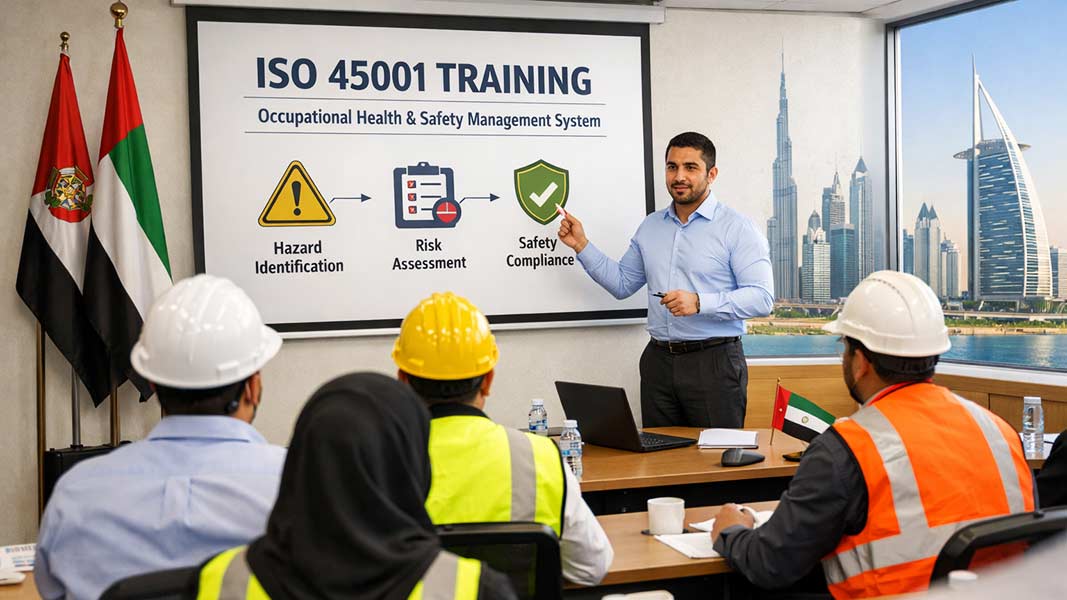
ISO 45001 Training in the UAE is no longer optional for professionals responsible for workplace safety, compliance and operational control. Organizations are under increasing pressure to reduce incidents, meet

ISO 45001 Implementation and Certification for SMEs in UAE has become a direct path for small and medium businesses to strengthen safety performance because it brings structure, accountability and
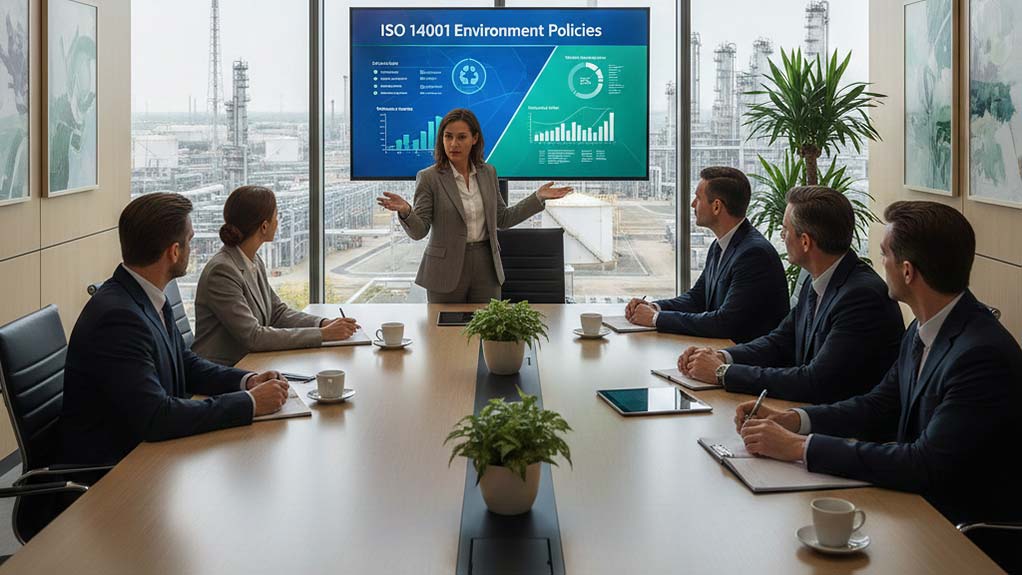
ISO 14001 Environmental Policy and Leadership set the foundation for how an organization turns environmental intent into measurable action. When both elements work in sync, teams move from declarations

Mental health in workplace safety is a critical factor that decides how consistently people follow procedures, recognize hazards and respond under pressure. When employees feel overwhelmed, their ability to

An ISO 45001 Gap Analysis gives you a realistic picture of how your current safety practices measure against the requirements of the ISO 45001 Occupational Health and Safety Management

Psychosocial hazards in the workplace influence how people think, behave and respond to risks because they directly affect mental wellbeing long before a physical incident occurs. When pressure builds,

Behavior based safety plays a defining role in how workplace safety culture grows, matures and stays consistent across daily operations. When organizations pay attention to the way people act
Soft skills for HSE professionals shape how effectively they communicate, influence and guide people on site, therefore they matter just as much as technical expertise. I’ve seen many safety
ISO 9001 digital transformation is reshaping how organizations in the UAE manage quality, safety and efficiency. Companies across Dubai, Abu Dhabi and Sharjah are moving beyond traditional paperwork and
An HSE Implementation Plan is the foundation of every safe and responsible workplace. It provides a structured framework for managing health, safety and environmental risks so that daily operations
ISO 45001 nonconformities are among the most common challenges organizations face during health and safety audits. We’ve seen many businesses struggle with recurring gaps that delay certification, affect compliance,
Leadership in ISO 9001 Certification success is the single most decisive factor that determines whether an organization truly achieves quality excellence or merely collects a certificate. ISO 9001:2015 places
An ISO 45001 audit preparation is far more than gathering documents and hoping for the best. It’s a disciplined process that tests your organization’s true commitment to occupational health
Common ISO 14001 implementation mistakes can quietly derail even the most well-intentioned environmental management plans. Many organizations across the UAE especially in Dubai, Abu Dhabi or Sharjah start with
ISO 9001 audit nonconformities reveal where a quality management system falls short of meeting the standard’s requirements. They highlight gaps in consistency, documentation, or process control that can impact
Achieving ISO 45001 certification is more than a compliance milestone, it’s a strategic commitment to protecting people and building a culture of safety across all levels of an organization.
Continuous improvement is the backbone of every high-performing organization. It’s not just about fixing what’s broken — it’s about building a culture that keeps evolving, learning and improving every
NVQ Level 6 Career Progression has become a defining step for health and safety professionals aiming to move from technical roles to senior leadership positions. The ProQual NVQ Level
Both the NVQ Level 7 SHSLM and NVQ Level 6 OHSP are highly respected health and safety qualifications, but they serve a little different career stages and objectives. As
A Health and Safety Internal Audit Report is more than a document; it’s the foundation for maintaining a safe, compliant, and accountable workplace. Every organization, whether operating in construction,
Health and safety leadership is the foundation of every successful organization that values its people. It’s not just about rules, checklists, or compliance manuals. It’s about creating a shared
A well-structured HSE Plan is the backbone of workplace safety and regulatory compliance in the UAE. It outlines how businesses protect workers, manage risks and meet legal requirements across