Health and Safety Culture: A Complete Workplace Guide

Health and safety culture determines whether a workplace merely follows rules or genuinely protects the people inside it. Because most incidents trace back to attitudes and habits rather than broken equipment, a strong workplace safety culture shapes outcomes long before an inspector ever walks through the door. This guide breaks down what occupational health and safety actually looks like day to day, because definitions alone rarely change behavior on a factory floor or a job site. You will find the core elements of a lasting safety culture, a practical safety maturity model, and the leading indicators that predict trouble before it happens, not after. Eduskills Training built this resource for safety managers, HSE professionals, and business owners who want a positive safety culture that holds up under pressure, since real protection comes from consistent behavior, not paperwork alone.

What Is Health and Safety Culture? A Clear Definition

A health and safety culture is the shared set of values, attitudes, and daily behaviors that determine how seriously an organization treats the wellbeing of its people. The UK Health and Safety Executive defines it as the product of individual and group values, perceptions, and competencies that shape how a company manages occupational risk. That definition matters because it shifts the focus away from paperwork and onto behavior. A business can have a fully compliant policy manual and still run an unsafe operation, because culture lives in what employees actually do when nobody is watching, not in what the handbook says they should do. Therefore, building a genuine safety culture means changing habits at every level, from the shop floor to the boardroom, so that safe choices become automatic rather than enforced.

Safety Culture vs Safety Climate: The Key Differences

Most people use these two terms interchangeably, but they describe different things, and mixing them up leads to weak strategy. Safety climate is a snapshot: it reflects how employees feel about safety at a given moment, usually captured through a survey or an audit. Safety culture, on the other hand, is the deeper, long-term pattern of beliefs and behaviors that shapes those feelings in the first place. Climate can shift after a single incident or a new policy rollout, but culture takes years to build and even longer to repair once it breaks down. Because of this, a company chasing better survey scores without addressing underlying culture is treating a symptom, not the cause. Real improvement requires both: track the climate regularly, but invest in the culture that produces it.

Why a Strong Health and Safety Culture Matters?

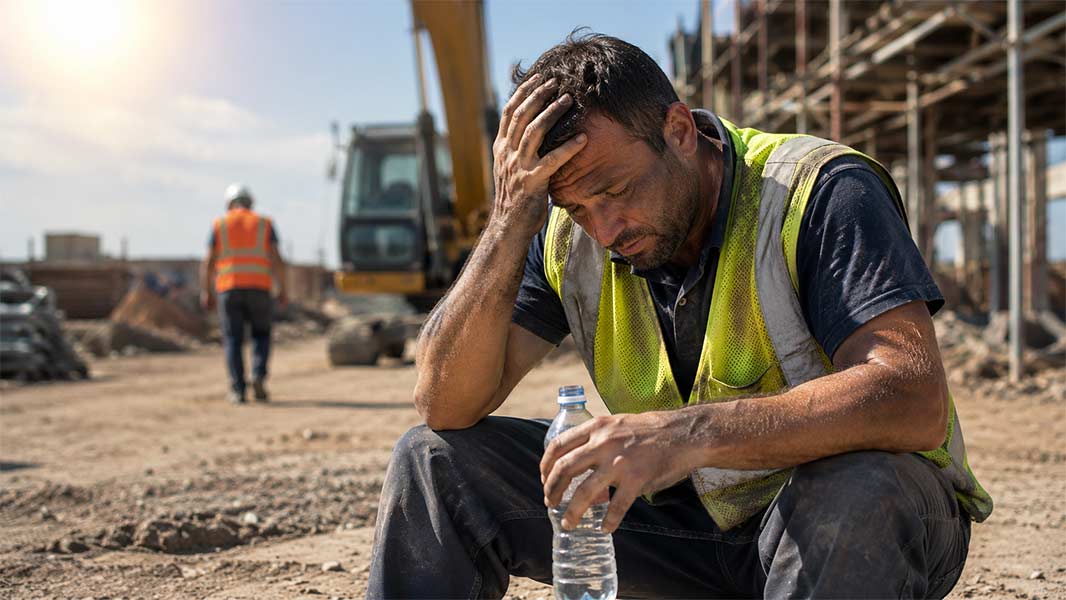
The financial case alone makes this hard to ignore. In the UK, workplace injuries and ill health cost businesses an estimated £18.8 billion every year, and in the US, the National Safety Council put the economic toll of work-related deaths and injuries at $176.5 billion in 2023 alone. But the impact goes beyond balance sheets. When employees trust that their safety is a genuine priority, they report hazards sooner, speak up during near misses, and stay with the company longer, which lowers turnover and training costs as a direct result. A weak culture does the opposite: it breeds silence, because workers who fear blame or retaliation simply stop reporting problems until those problems become accidents. So a strong health and safety culture is not a compliance checkbox, it is a measurable driver of both human and financial outcomes.

The Real Cost of a Weak Health and Safety Culture:

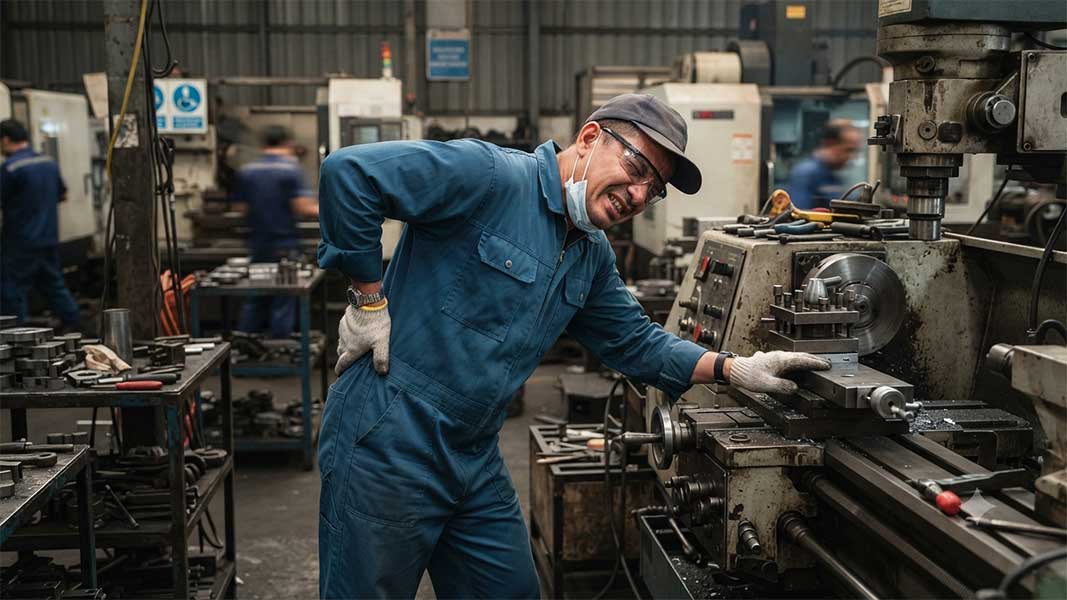
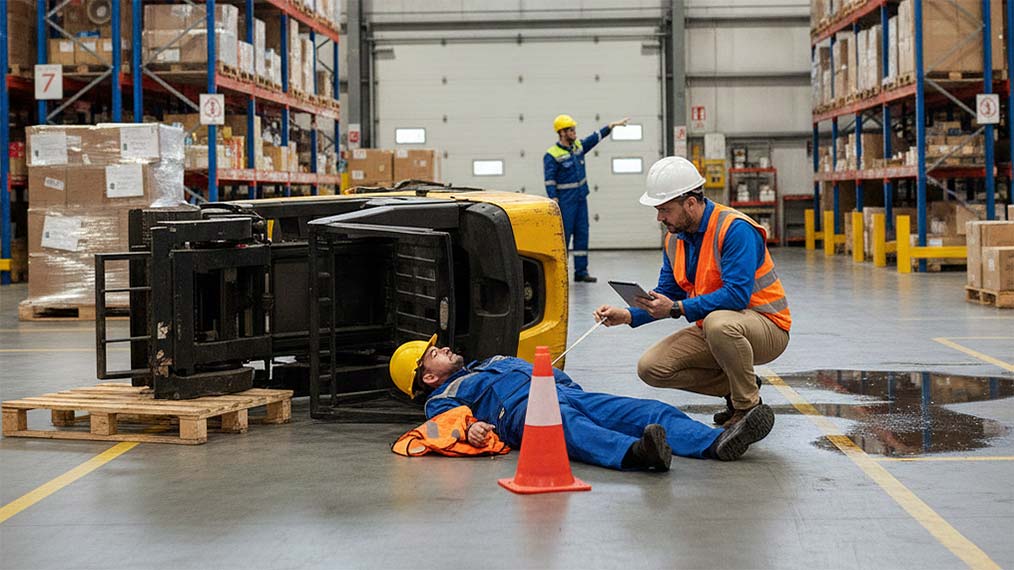
A weak health and safety culture rarely announces itself until something goes wrong, and by then the damage is already spreading beyond the injury itself. Every unreported near miss, every skipped safety briefing, and every ignored hazard report is a small crack, and cracks compound over time. Organizations that treat safety as a checkbox rather than a value often discover the true cost only after a serious incident forces an audit, a lawsuit, or a regulatory investigation. Because these consequences rarely appear on a single line item, leadership teams frequently underestimate how much a poor safety culture is already costing them. The numbers below make that cost harder to ignore, and the less visible damage, covered next, often outweighs the direct expense of the incident itself.

Workplace Injury and Fatality Statistics to Know:

The scale of workplace harm is larger than most leadership teams assume. In the US, private industry employers reported 2.5 million nonfatal workplace injuries and illnesses in 2024, alongside 5,070 fatal work injuries recorded that same year. In the UK, businesses lose an estimated £18.8 billion annually due to workplace injuries and ill health, a figure that has stayed stubbornly high despite decades of regulation. These are not abstract statistics, because each number represents a person who did not go home the way they arrived at work. So when leadership treats occupational safety as a secondary priority, these figures are the direct, measurable result, not a coincidence of bad luck or unavoidable risk.

Hidden Costs: Low Morale, Turnover, and Lost Output:

Beyond injury statistics, a weak safety culture quietly drains a business from the inside. Employees who do not trust leadership to protect them tend to disengage, and disengagement shows up as absenteeism, slower output, and higher turnover, all of which cost far more than most companies realize. Replacing a trained worker is expensive, but replacing an entire team that has lost faith in management is worse, because rebuilding trust takes far longer than rebuilding a headcount. Near misses go unreported in this environment too, since workers who fear blame simply stay quiet rather than flag a hazard. Therefore, the true price of a weak workplace safety culture is not just the incident itself, but everything it silently erodes around it.

Core Elements of a Strong Health and Safety Culture:

A durable health and safety culture is not built from a single policy or a one-time training session, it is assembled from several interlocking elements that reinforce each other daily. Remove one, and the whole structure weakens, because leadership commitment without employee participation breeds resentment, and accountability without open communication breeds fear instead of honesty. The five elements below consistently separate organizations with a genuinely strong safety culture from those that only look safe on paper. None of them work in isolation, so building a lasting culture means treating them as a connected system rather than a checklist to complete once and forget.

Leadership Commitment Sets the Organization’s Tone:

Safety culture starts at the top, and no amount of employee enthusiasm can compensate for indifferent leadership. When executives visibly prioritize safety, walk the floor, ask real questions, and back words with budget, employees notice, and they mirror that seriousness in their own behavior. But when leaders treat safety as a line item to minimize, workers quickly learn that speed matters more than caution, regardless of what the handbook claims. Leadership commitment is therefore the single strongest predictor of a strong workplace safety culture, because tone flows downward far more reliably than it flows upward.

Open Communication and Psychological Safety at Work:

Workers report hazards only when they trust that doing so will not backfire on them. Psychological safety means employees can flag a near miss, question an unsafe shortcut, or admit their own mistake without fear of blame or punishment. Organizations that punish honesty, even subtly, end up with employees who stay quiet until silence becomes an incident. So open, two-way communication channels, where feedback flows both up and down, are not a soft add-on to safety programs, they are the mechanism that makes every other safety effort actually work.

Employee Participation Builds Real Ownership:

Safety programs designed entirely by management and handed down rarely stick, because employees follow rules they had no part in shaping less consistently than rules they helped create. Employee participation, through safety committees, hazard walk-throughs, or simply asking frontline workers what actually slows them down, turns safety from an imposed rule into a shared responsibility. Workers closest to the risk usually understand it best, so involving them is not just good morale management, it is better risk management. Genuine ownership, not mere compliance, is what keeps a safety culture alive between audits.

Accountability Across Every Level of the Business:

Accountability cannot flow only downward, from managers to workers, or it collapses into blame rather than improvement. A strong safety culture holds leadership accountable for providing resources and following through on commitments, just as it holds workers accountable for following procedures. When accountability is uneven, trust erodes quickly, because employees notice immediately if rules apply to them but not to supervisors. Consistent, fair accountability across every level is therefore what separates a durable culture from one that quietly resents its own safety program.

Continuous Improvement Through Quality Management:

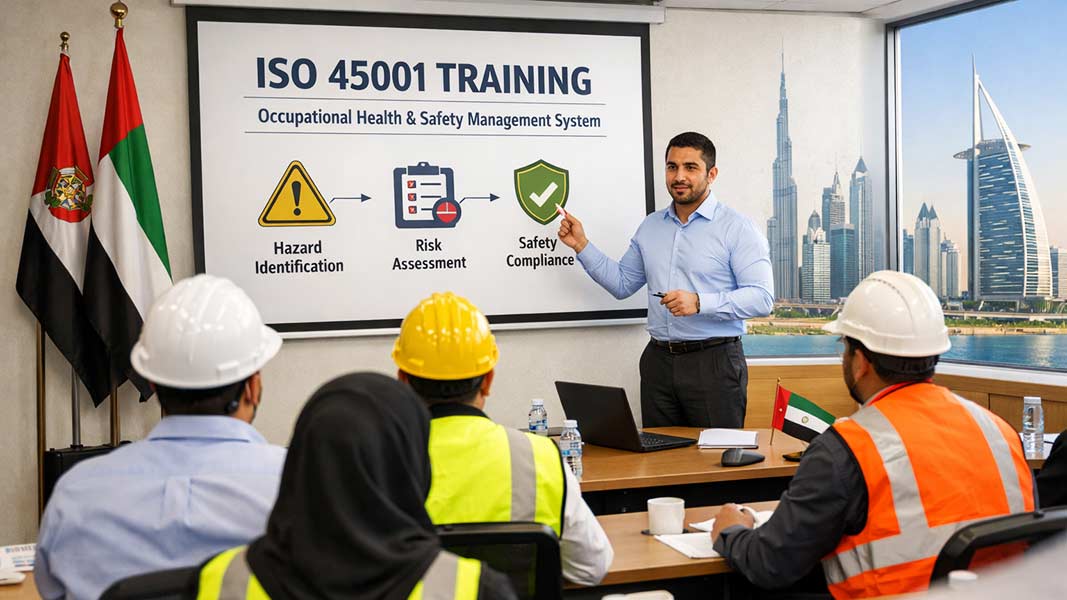
Safety culture is not a fixed state, it is a process that either improves or decays depending on ongoing attention. Borrowing from quality management principles like Plan-Do-Check-Act, organizations can treat safety the same way they treat any other operational metric: measure it, review it, adjust it, and repeat. This is where safety and quality genuinely intersect, because both disciplines depend on structured feedback loops rather than one-time fixes. Companies that align their safety management system with formal quality frameworks, such as ISO 45001, tend to sustain improvement far longer than those relying on annual training refreshers alone.

The Safety Culture Maturity Model Explained Simply:

Not every organization sits at the same point on the safety journey, and pretending otherwise leads to strategies that miss the mark entirely. A safety culture maturity model gives leadership a way to honestly locate where they stand today, rather than assuming they are further along than the data actually shows. Maturity models matter because the right intervention depends entirely on the starting point, since pushing advanced strategies onto an organization still stuck in reactive habits usually backfires. Understanding these stages is therefore not an academic exercise, it is the first practical step toward meaningful, targeted improvement.

Reactive, Proactive, and Generative Safety Stages:

Most organizations move through three broad stages. At the reactive stage, safety exists only in response to incidents, meaning rules get written after something already went wrong, and compliance is driven by fear of penalties rather than genuine care. The proactive stage shifts the focus forward, with organizations identifying hazards before they cause harm, tracking leading indicators, and involving employees in prevention rather than cleanup. The generative stage is where safety becomes fully embedded, so employees at every level actively look for improvement without being asked, because safe behavior has become part of how the organization simply operates. Few companies reach generative status, but it remains the benchmark worth working toward.

How to Identify Your Organization’s Current Stage:

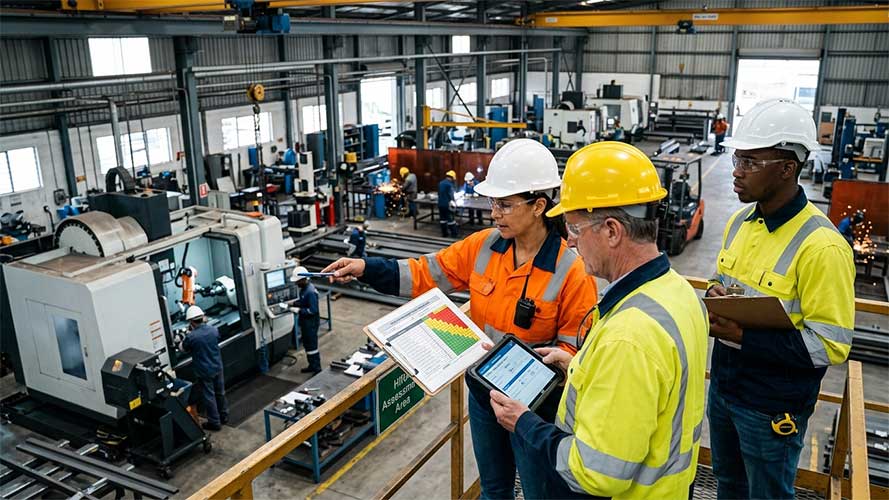
Locating your current stage starts with honest observation rather than assumption. If safety conversations only happen after an incident, and near misses go undocumented, that points to a reactive culture regardless of what the policy manual claims. If employees regularly report hazards, leadership reviews leading indicators, and training happens before problems arise, that signals a proactive culture taking hold. Surveys, incident report patterns, and frank conversations with frontline workers usually reveal the truth faster than any formal audit, because employees know exactly how safety really functions day to day. So assessing your stage honestly, even when the answer is uncomfortable, is what makes real progress possible.

How to Build a Positive Health and Safety Culture?

Building a positive safety culture is not a single initiative, it is a sustained effort that touches hiring, training, communication, and daily operations all at once. Organizations that succeed usually start small and consistent rather than attempting a sweeping overhaul that fizzles out within a few months. Eduskills Training works with businesses at every stage of this process, because the practical steps below tend to matter more than any single grand policy announcement. Each step builds on the last, so skipping ahead to rewards without first establishing trust or training usually produces shallow, short-lived results.

Start With a Clear Safety Vision and Written Policy:

Every strong workplace safety culture begins with clarity about what the organization actually stands for. A written safety policy should state specific expectations, not vague commitments to “safety first,” because employees follow concrete standards far more reliably than slogans. This vision needs to come from leadership directly, and it needs to be communicated repeatedly, not buried in an onboarding packet and forgotten. When the vision is clear, every later decision, from training budgets to disciplinary action, has a consistent standard to measure against, which keeps the whole program coherent as the organization grows.

Train Leaders and Supervisors Before Employees:

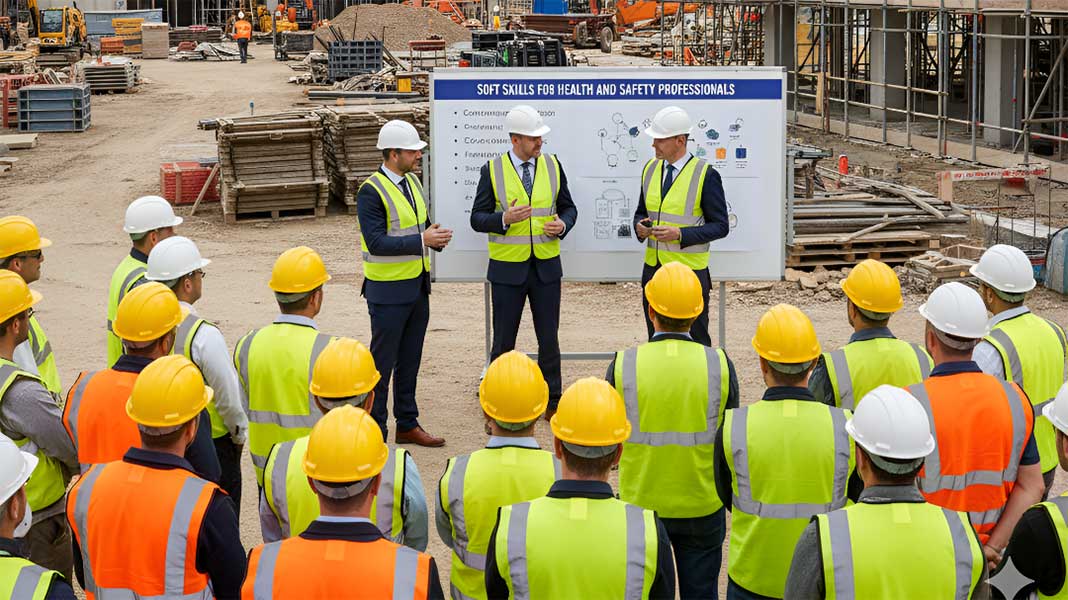
Training frontline workers first, while supervisors remain undertrained, sets the whole program up to fail. Supervisors set the daily tone on the floor, so if they do not fully understand or model safe behavior, employees will notice the gap immediately and follow their example instead of the handbook. Leadership training should cover not just procedures but how to respond when a worker reports a hazard or a near miss, because a defensive or dismissive reaction from a supervisor can undo months of trust-building in a single conversation. Train the people who set the tone first, then build outward from there.

Create Anonymous Hazard Reporting Channels:

Workers report hazards more honestly when they know retaliation is not a risk. Anonymous reporting systems, whether a simple hotline, a digital form, or a dedicated app, give employees a way to flag unsafe conditions without attaching their name to a complaint that might upset a supervisor. This matters most in workplaces still building trust, because visible reporting can feel risky until a track record of fair, non-punitive responses is established. Over time, as employees see reports taken seriously and acted upon, many organizations find that anonymous reporting becomes less necessary, since open reporting starts to feel safe on its own.

Recognize and Reward Safe Behavior Consistently:

Punishing unsafe behavior is necessary, but recognizing safe behavior is what actually reinforces a culture over time. Simple, consistent recognition, whether a mention in a team meeting or a small reward for a well-handled near miss report, signals that safety is genuinely valued rather than just enforced. Recognition programs fail when they are inconsistent or feel performative, so the reward needs to match real behavior, not just attendance at a training session. Employees who feel appreciated for prioritizing safety are far more likely to keep doing so, and to encourage their peers to follow suit as well.

Embed Safety Into Daily Operations and Meetings:

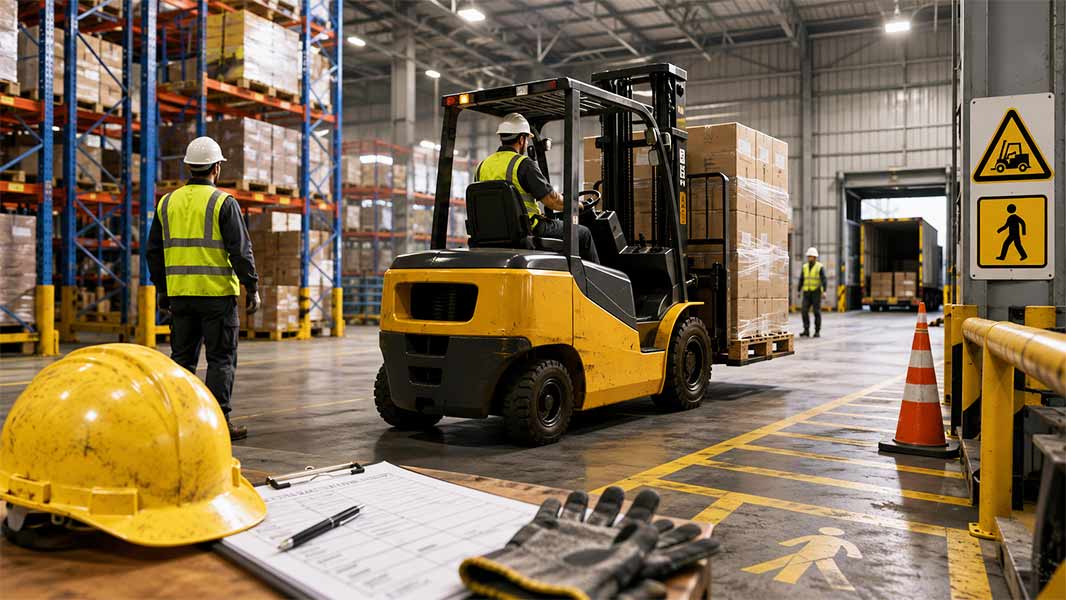
Safety cannot live in an annual training session if it is expected to shape daily behavior. Starting regular meetings with a brief safety update, reviewing a recent near miss, or simply asking what hazards came up that week keeps safety visible without turning it into a separate, forgettable event. This repetition matters because culture forms through habit, not memory, so the more safety appears in ordinary operational rhythms, the more automatic safe behavior becomes. Over time, this consistent presence is what separates a health and safety culture that sticks from one that fades the moment training season ends.

How to Measure and Track Safety Culture Progress?

Culture cannot improve if nobody is measuring it, yet many organizations rely solely on injury counts, which only reveal problems after harm has already occurred. Tracking a health and safety culture properly requires a mix of numbers, since some metrics predict trouble ahead while others simply confirm it happened. The distinction between these two types matters more than most safety programs acknowledge, because relying on the wrong one creates a false sense of security. The sections below cover both, along with the survey and audit tools that turn raw numbers into a clear picture of where culture actually stands.

Leading Indicators That Predict Future Incidents:

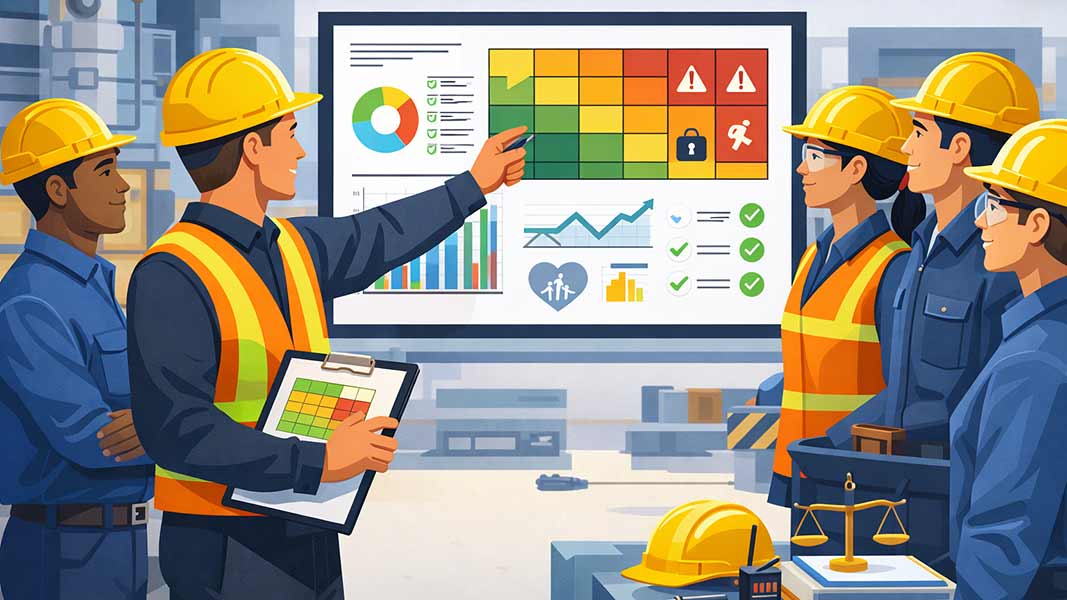
Leading indicators measure the behaviors and conditions that come before an incident, which makes them far more useful for prevention. Near-miss reporting rates, corrective action closure times, training completion quality, and the frequency of safety walk-throughs all fall into this category, because each one reflects active engagement rather than passive record-keeping. Culture survey scores belong here too, since they capture how employees actually feel about safety before that sentiment shows up as an incident. Organizations that track these numbers consistently can intervene early, addressing small warning signs long before they compound into something serious.

Lagging Indicators and Why They Fall Short:

Lagging indicators, like injury rates, lost workdays, and workers’ compensation claims, tell you what already went wrong, not what is about to. They remain useful for benchmarking and regulatory reporting, but leaning on them exclusively means only ever reacting after harm has occurred. A company with zero recorded injuries this quarter is not necessarily safe, it may simply be lucky, or worse, it may be a place where workers do not feel comfortable reporting problems. So lagging indicators should confirm the story leading indicators already told, never serve as the primary signal on their own.

Using Safety Culture Surveys and Internal Audits:

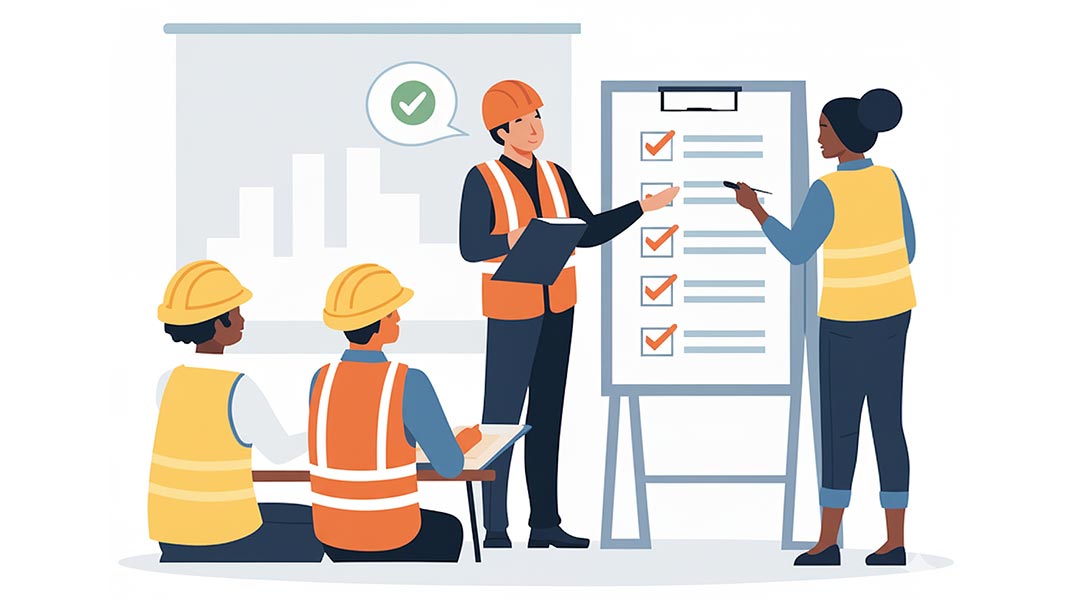
Surveys and audits translate abstract culture into something measurable and comparable over time. A well-designed safety culture survey asks employees direct questions about trust, communication, and whether they feel safe reporting hazards, then tracks how those answers shift year over year. Internal audits complement this by reviewing actual documentation, incident patterns, and floor-level observations rather than relying on self-reported sentiment alone. Used together, surveys capture how people feel while audits confirm what is actually happening, and the gap between the two often reveals exactly where a safety culture needs the most attention.

A Real-World Example of Safety Culture Turnaround:

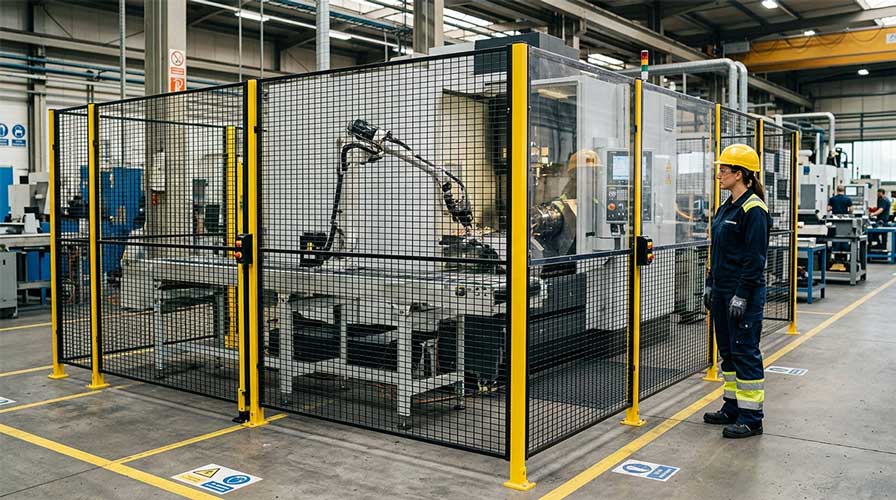
Consider a mid-sized manufacturing facility that treated safety as a compliance formality for years, running annual trainings and posting policy binders that nobody actually read. After a serious near miss involving unguarded machinery, injury numbers alone had stayed low enough to mask the underlying problem, because workers had quietly stopped reporting smaller incidents out of fear it would reflect poorly on their shift. Leadership responded by introducing anonymous reporting, retraining supervisors on how to respond to hazard reports without blame, and reviewing near-miss data monthly instead of annually. Within eighteen months, reported near misses rose sharply while actual injuries dropped, a pattern that confirmed safety culture was finally functioning as intended rather than simply hiding its problems.

What Changed and the Lessons Other Teams Can Use:

The turnaround did not come from a new policy document, it came from changing how supervisors responded the first time an employee reported a problem. When that initial response was calm and non-punitive rather than defensive, word spread quickly across shifts, and reporting rates climbed as trust rebuilt itself. The lesson generalizes well beyond manufacturing: a rising number of reported near misses is often a sign of a healthier safety culture, not a failing one, because it means employees finally feel safe telling the truth. Teams chasing zero reports should ask whether that number reflects safety or simply silence.

The Role of Technology in Modern Safety Culture:

Technology does not replace culture, but it removes friction that often stands between a good intention and an actual report. A safety culture built on trust and communication still needs the right tools to capture that communication consistently, because relying on memory or paper forms lets small hazards slip through unnoticed. Modern workplaces increasingly pair human commitment with digital systems, and the two reinforce each other rather than competing for priority. The tools below show how technology can strengthen, not substitute for, the cultural foundation already covered throughout this guide.

Digital Reporting Tools and Real-Time Alerts:

Digital reporting tools make it far easier for employees to flag a hazard the moment they notice it, rather than waiting for a scheduled meeting or forgetting entirely by end of shift. A quick photo and a short note submitted from a phone lowers the barrier to reporting significantly compared to a paper form buried in a supervisor’s inbox. Real-time alerts also mean leadership can respond faster, sometimes within minutes rather than days, which reinforces the trust that reports actually lead to action. So speed and accessibility, more than any single feature, are what make these tools genuinely useful.

The Role of Technology in Modern Safety Culture:

Technology does not replace culture, but it removes friction that often stands between a good intention and an actual report. A safety culture built on trust and communication still needs the right tools to capture that communication consistently, because relying on memory or paper forms lets small hazards slip through unnoticed. Modern workplaces increasingly pair human commitment with digital systems, and the two reinforce each other rather than competing for priority. The tools below show how technology can strengthen, not substitute for, the cultural foundation already covered throughout this guide.

Digital Reporting Tools and Real-Time Alerts:

Digital reporting tools make it far easier for employees to flag a hazard the moment they notice it, rather than waiting for a scheduled meeting or forgetting entirely by end of shift. A quick photo and a short note submitted from a phone lowers the barrier to reporting significantly compared to a paper form buried in a supervisor’s inbox. Real-time alerts also mean leadership can respond faster, sometimes within minutes rather than days, which reinforces the trust that reports actually lead to action. So speed and accessibility, more than any single feature, are what make these tools genuinely useful.

Data Analytics for Predictive Safety Insights:

Beyond simple reporting, data analytics can surface patterns that would otherwise stay invisible, such as a specific shift, location, or task that generates a disproportionate share of near misses. Spotting these trends early allows leadership to intervene before a pattern becomes a serious incident, shifting the entire approach from reactive to genuinely predictive. This is where leading indicators, discussed earlier, become actionable rather than just theoretical, since analytics turns scattered reports into a clear signal worth acting on. Used well, predictive insight is one of the more powerful tools available for sustaining a mature safety culture over time.

Final Thoughts:

A strong health and safety culture is never finished, it is maintained through consistent attention long after the initial policies are written and the first training sessions wrap up. Every element covered in this guide, from leadership commitment to anonymous reporting to predictive analytics, works because it reinforces trust between employees and the organization they work for. Real progress often looks messy at first, since a rising number of reported near misses usually signals growing trust, not a worsening problem, even though it can feel counterintuitive to leadership watching the numbers climb. Eduskills Training helps organizations move through this process deliberately, because building a positive safety culture is a long-term commitment, not a one-time project that ends once the paperwork is filed. The businesses that take this seriously protect their people first, and everything else, lower costs, better retention, stronger compliance, tends to follow from that same foundation.

Frequent Asked Questions (FAQs):

What are the three stages of the safety culture maturity model?

Reactive, proactive, and generative. Organizations move from responding after incidents, to preventing them proactively, to embedding safety so deeply that improvement happens without prompting.

How does ISO 45001 relate to health and safety culture?

ISO 45001 provides a formal framework for occupational health and safety management systems, but it only works well when paired with genuine cultural commitment, since certification alone does not guarantee behavioral change on the floor.

What are leading indicators in safety management?

Leading indicators are predictive metrics such as near-miss reporting rates, corrective action closure times, and safety walk-through frequency that signal risk before an incident occurs.

What are lagging indicators and why are they limited?

Lagging indicators, like injury rates and lost workdays, measure harm that already happened. They confirm outcomes but cannot predict or prevent future incidents on their own.

How is psychological safety connected to workplace safety culture?

Psychological safety allows employees to report hazards, near misses, and mistakes without fear of blame. Without it, incident reporting drops even as actual risk stays the same or increases.

What is behavior-based safety (BBS)?

Behavior-based safety is an approach that focuses on observing and reinforcing safe actions directly, using peer observation and feedback rather than relying solely on rules and penalties.

What KPIs should organizations track for safety culture maturity?

Common KPIs include near-miss reporting rates, training completion quality, safety survey scores, corrective action closure times, and the ratio of leading to lagging indicators tracked.

How does leadership commitment get measured objectively?

It can be tracked through visible safety walk frequency, budget allocation to safety initiatives, response time to reported hazards, and consistency between stated policy and observed management behavior.

What is the relationship between safety culture and quality management systems?

Both rely on structured feedback loops like Plan-Do-Check-Act. Integrating safety metrics into a broader quality management system helps sustain improvement rather than treating safety as a separate, standalone function.

Inquiry Form