


LOPA: Layer of Protection Analysis in Process Safety

LOPA (Layer of Protection Analysis) is a systematic, semi-quantitative risk assessment methodology used to evaluate whether existing safety measures provide sufficient protection against hazardous events in industrial processes. It examines potential accident scenarios, identifies initiating events, and assesses the effectiveness and independence of Independent Protection Layers (IPLs) to determine whether risks have been reduced to an acceptable level. Commonly applied following HAZOP (Hazard and Operability Study), LOPA helps process safety engineers identify gaps in existing safeguards and establish whether additional risk reduction measures are necessary. Understanding LOPA is essential for making informed process safety decisions and strengthening major accident prevention.

Why LOPA Matters in Process Safety Management?

LOPA helps organizations determine whether existing safeguards provide sufficient protection against hazardous process events. Because major industrial incidents can result from multiple failures, it evaluates the contribution of each qualifying protection layer to overall risk reduction. Therefore, process safety teams can use LOPA to identify gaps, justify additional safeguards and make more consistent risk-based decisions.

Preventing Major Industrial Accidents:

LOPA supports major accident prevention by examining specific scenarios that could lead to fires, explosions, toxic releases or other serious consequences. It evaluates initiating events and the protection layers intended to prevent escalation. Consequently, process safety teams can identify scenarios where existing safeguards may not provide sufficient risk reduction and determine whether additional measures are required.

Evaluating the Effectiveness of Safety Barriers:

Not every safeguard qualifies as an Independent Protection Layer (IPL). To receive LOPA credit, a safeguard must meet defined criteria for independence, functionality, reliability and auditability. Therefore, LOPA helps engineers distinguish between safeguards that genuinely reduce risk and measures that cannot be independently credited. This prevents organizations from overestimating the protection available within a process.

Reducing the Risk of Catastrophic Consequences:

LOPA evaluates whether the available protection layers reduce the frequency of a hazardous scenario to an acceptable level. It considers the initiating event frequency and the Probability of Failure on Demand (PFD) of qualifying IPLs. As a result, engineers can identify where additional risk reduction is necessary to help prevent severe consequences, including fatalities, major equipment damage and environmental harm.

Supporting Risk-Based Safety Decisions:

LOPA provides a structured basis for deciding whether existing safeguards are adequate or additional protection is required. Rather than relying only on qualitative judgement, it uses defined frequencies, probability values and risk tolerance criteria. Therefore, organizations can priorities safety improvements, support engineering decisions and document the technical reasoning behind process risk reduction measures.
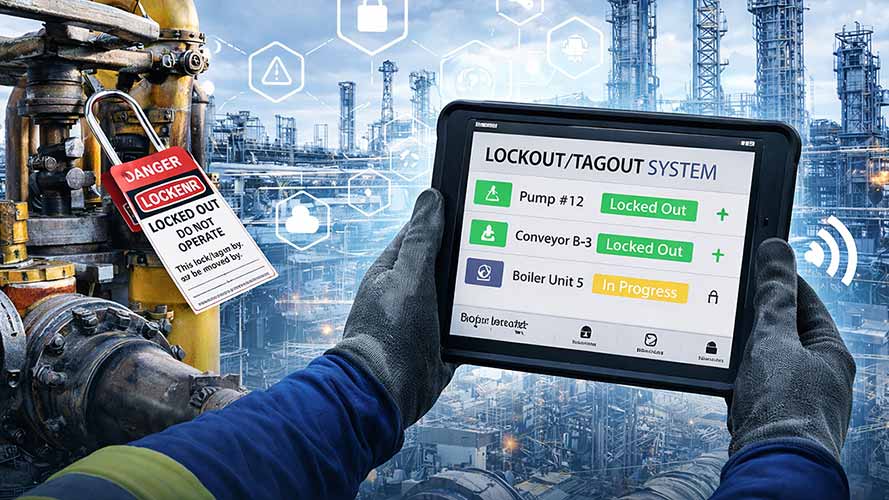
“An effective LOPA study depends on clearly defined accident scenarios, consistent assumptions and reliable engineering data. It credits only safeguards that meet the independence, effectiveness and auditability requirements of an Independent Protection Layer. Sound engineering judgement and clearly established risk tolerance criteria are essential for producing a credible and defensible assessment.”

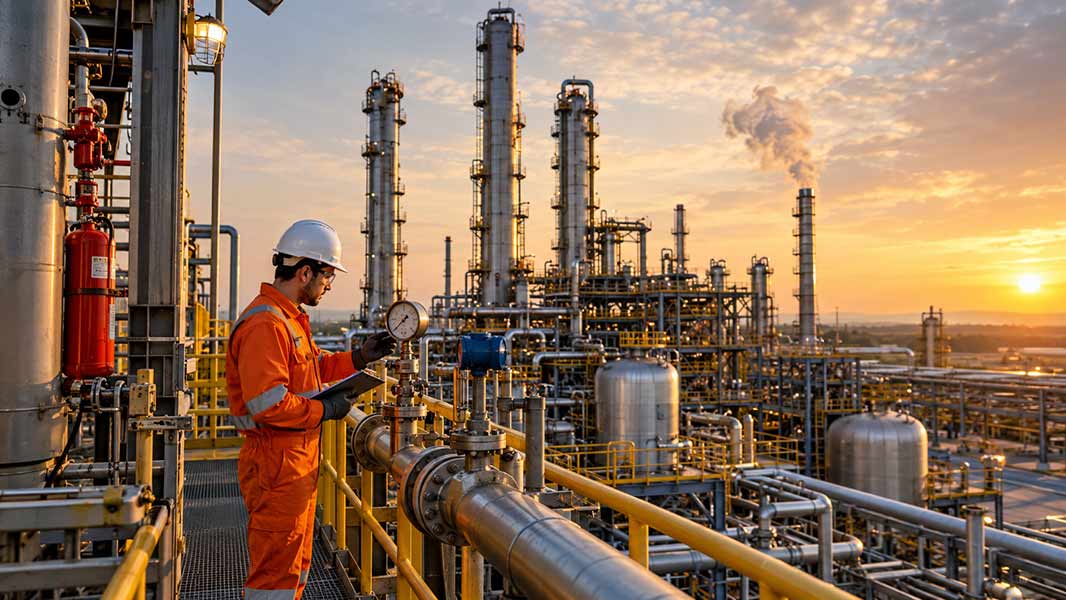
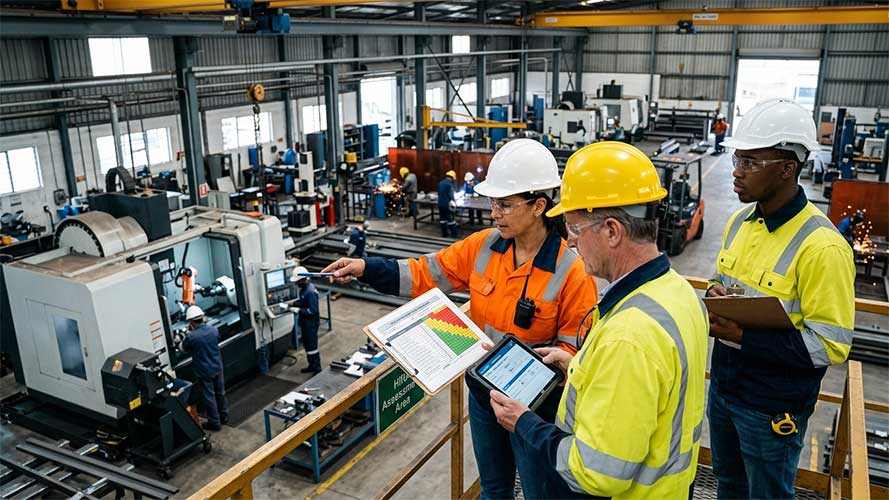
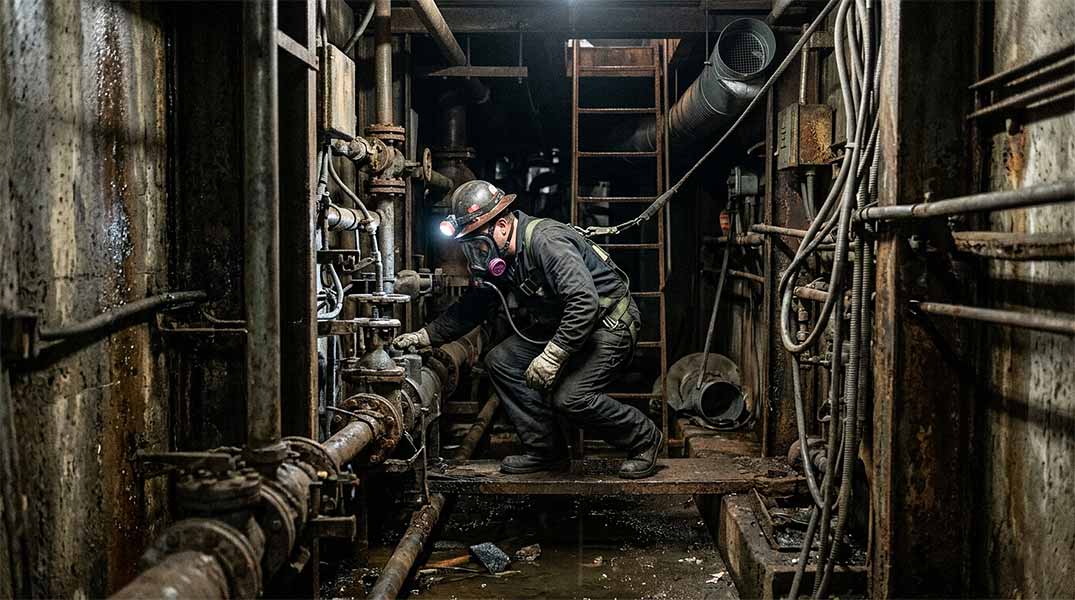
LOPA study and process safety assessment conducted by engineers at a petrochemical refinery.

When Should a LOPA Study Be Conducted?

A LOPA study is generally conducted when a process hazard assessment identifies scenarios requiring more detailed risk evaluation. It is commonly used after HAZOP or another Process Hazard Analysis (PHA), although it can also support design reviews, operational changes and incident investigations. The decision to conduct LOPA should depend on scenario complexity, potential consequences and the need to verify risk reduction requirements.

After HAZOP and Process Hazard Analysis:

LOPA is frequently performed after HAZOP because the initial study identifies process deviations, their causes, potential consequences and existing safeguards. However, not every HAZOP scenario requires a separate LOPA assessment. Engineers select scenarios where the consequences and estimated risk justify further evaluation. LOPA then examines whether the credited protection layers provide sufficient risk reduction.

During Process Design and Engineering:

Conducting LOPA during process design allows engineers to evaluate safety requirements before equipment and control systems are finalized. It can identify the need for additional safeguards, independent shutdown functions or Safety Instrumented Functions (SIFs). Therefore, design teams can address risk reduction requirements early, when engineering changes are generally easier to incorporate.

During Plant Operations and Modifications:

LOPA may be required when operational changes affect process conditions, initiating event frequencies or the performance of existing protection layers. Examples include changes to operating limits, equipment configuration or control systems. Through Management of Change (MOC), organizations can determine whether an existing LOPA assessment remains valid or requires review.

Following Incidents or Major Process Changes:

A process safety incident, near miss or significant process modification may reveal weaknesses in the assumptions used during an earlier LOPA study. Therefore, organizations should review relevant scenarios when new information affects initiating events, consequences or IPL performance. A reassessment may be necessary where the original risk evaluation no longer reflects actual operating conditions.

How LOPA Fits with HAZOP and Process Hazard Analysis?

HAZOP and LOPA are complementary methods used within Process Hazard Analysis (PHA). HAZOP identifies potential process hazards and examines their causes and consequences. LOPA then evaluates selected scenarios to determine whether existing protection layers provide sufficient risk reduction. Consequently, using both methods helps organizations move from hazard identification to a more structured assessment of process risk.

Relationship Between HAZOP and LOPA:

HAZOP identifies deviations from intended process conditions using guidewords such as More, Less, No and Reverse. It examines parameters including pressure, temperature, flow and level. LOPA uses selected HAZOP scenarios as a starting point and evaluates their initiating event frequencies and qualifying protection layers. Therefore, LOPA adds a semi-quantitative risk assessment to the findings of HAZOP.

From Hazard Identification to Risk Evaluation:

The two methods serve different but connected purposes. For example, a HAZOP study may identify cooling failure as a possible cause of reactor overpressure. LOPA can then assess the frequency of that initiating event, the potential consequence and the effectiveness of independent safeguards. This process helps determine whether additional risk reduction is necessary.

When Qualitative Risk Assessment Is Not Enough:

A qualitative risk matrix may identify a scenario as high risk, but it may not provide enough detail to determine the required level of protection. LOPA is useful when organizations need a more structured evaluation of initiating event frequencies and safeguard reliability. However, it remains a semi-quantitative method and does not replace detailed Quantitative Risk Assessment (QRA) where that level of analysis is necessary.

Core Principles Behind an Effective LOPA Study:

Scenario-Based Risk Assessment:

LOPA evaluates individual accident scenarios rather than assessing an entire process as one risk. Each scenario should define the initiating event, potential consequence and relevant protection layers. For example, a loss of cooling scenario may lead to reactor overpressure. Assessing it separately allows engineers to determine the specific risk reduction required.

Independence of Protection Layers:

An IPL must operate independently of the initiating event and other protection layers credited for the same scenario. Shared sensors, utilities, control systems or other dependencies may introduce common cause failures. Consequently, engineers must examine these dependencies before assigning risk reduction credit. A safeguard that cannot demonstrate sufficient independence should not automatically qualify as an IPL.

Probability of Failure on Demand:

Probability of Failure on Demand (PFD) represents the likelihood that a protection layer will fail when required to operate. A lower PFD indicates greater reliability and a higher potential risk reduction. For example, a PFD of 0.01 represents a nominal risk reduction factor of 100, provided the value is justified and applicable to the protection layer being assessed.

Risk Reduction and Acceptable Risk Criteria:

LOPA compares the calculated mitigated event frequency with the organization’s defined tolerable risk criteria. If the result exceeds the acceptable level, additional risk reduction may be required. These criteria should be established before the assessment and applied consistently. Therefore, LOPA provides a documented basis for determining whether the remaining risk is acceptable.

Key Components Used in LOPA:

A LOPA study uses several defined parameters to estimate the risk associated with an accident scenario. These include initiating event frequency, Independent Protection Layers, Probability of Failure on Demand, enabling conditions and conditional modifiers. Each component has a specific role in the calculation. Therefore, engineers must understand how these factors interact to avoid incorrect risk estimates.
Initiating Events and Initiating Event Frequency:

An initiating event is the event that starts an accident scenario. Common examples include equipment failure, instrument malfunction, operator error or loss of a critical utility. Its Initiating Event Frequency (IEF) represents how often the event is expected to occur, usually expressed as events per year. Reliable frequency data is essential for producing a meaningful LOPA result.

Independent Protection Layers (IPLs):

Independent Protection Layers are safeguards that can prevent an accident scenario from progressing to its defined consequence. Examples may include a properly designed Safety Instrumented Function, pressure relief device or independent operator response. However, each safeguard must satisfy the required independence, functionality, reliability and auditability criteria before it can receive IPL credit.

Probability of Failure on Demand (PFD):

PFD measures the probability that an IPL will fail when called upon to perform its protective function. It is a key input in calculating the risk reduction provided by that layer. For example, a PFD of 0.1 corresponds to a nominal Risk Reduction Factor (RRF) of 10. The selected value must be supported by appropriate reliability data and assumptions.

Enabling Conditions:

Enabling conditions are circumstances that must exist for an initiating event to result in the specified consequence. They may include particular operating modes or process conditions. LOPA accounts for these conditions where relevant to the scenario. However, enabling conditions are not protection layers and should not be credited as IPLs.

Conditional Modifiers:

Conditional modifiers account for factors that influence the probability of a specified consequence following an initiating event. Depending on the scenario, these may include the probability of ignition, personnel occupancy or the likelihood of fatal injury. They must be selected carefully because inappropriate assumptions or double counting can distort the calculated risk.

Consequence Severity and Risk Tolerance:

Consequence severity describes the potential impact of an accident, such as fatalities, environmental damage, and equipment loss or business interruption. Risk tolerance criteria define the level of risk an organization considers acceptable. LOPA compares the estimated scenario frequency with the applicable criteria to determine whether additional protection is required.

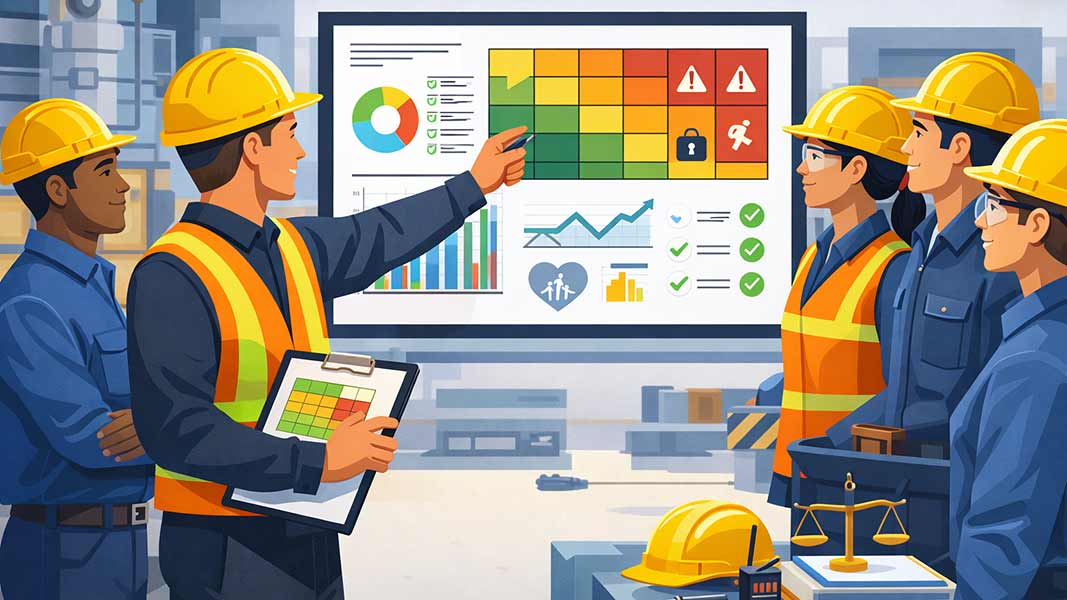
“A LOPA study follows a structured process to evaluate whether existing safeguards provide sufficient protection against identified process hazards. Each stage examines a specific part of the risk scenario, from initiating events to the effectiveness of independent protection layers. Therefore, following a consistent methodology helps process safety professionals produce transparent, technically defensible risk assessments.”

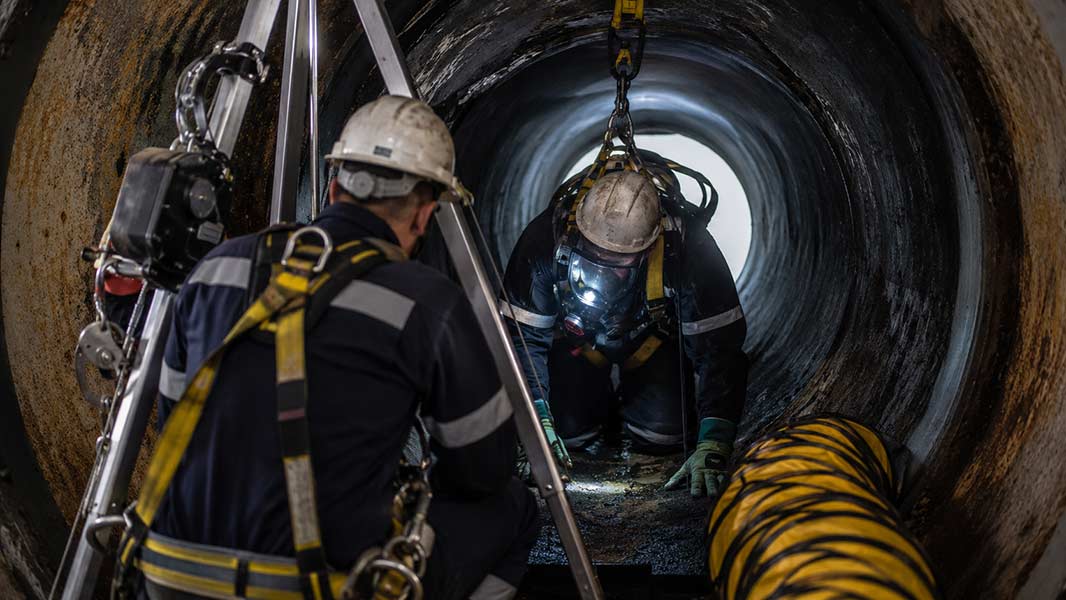
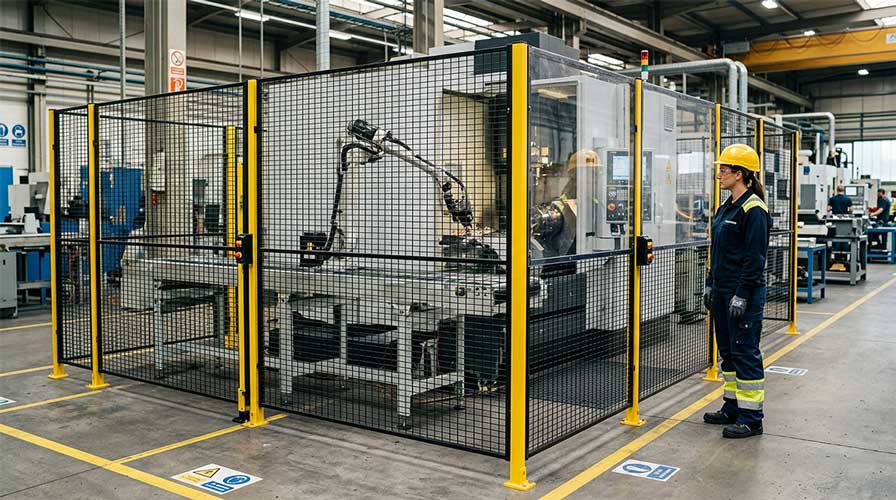
LOPA study methodology being reviewed by process safety engineers at a petrochemical refinery.

How to Conduct a LOPA Study: Step by Step

A LOPA study follows a structured process to evaluate whether existing safeguards provide sufficient protection against identified process hazards. Each stage examines a specific part of the risk scenario, from initiating events to the effectiveness of independent protection layers. Therefore, following a consistent methodology helps process safety professionals produce transparent, technically defensible risk assessments.

Step 1: Define the Scope and Select the Scenario:

The first step in LOPA is to define the study boundaries and select a specific hazardous scenario for evaluation. This involves reviewing process design documents, HAZOP findings, operating conditions and potential process deviations.

Each scenario should describe a clear initiating event and its potential consequence. For example, an uncontrolled pressure increase in a reactor could result in equipment rupture or a hazardous material release. Defining the scenario accurately is essential because the subsequent frequency calculations and safeguard evaluations depend on the selected event.

Step 2: Identify the Initiating Event and Its Frequency:

After selecting the scenario, identify the initiating event that could trigger the hazardous sequence. Common examples include equipment failure, control system malfunction, operator error and utility supply interruption.

Next, determine the initiating event frequency (IEF), normally expressed as events per year. This value should come from recognized industry databases, historical operating records, equipment reliability information or other justified sources. Accurate frequency selection is important because it establishes the baseline risk before independent protection layers are considered.

Step 3: Determine the Consequence and Severity:

The next step is to establish what could happen if the initiating event progresses without sufficient protection. Consequences may include fire, explosion, toxic exposure, environmental contamination, equipment damage or multiple fatalities.

Process safety professionals should evaluate the potential impact on people, assets, the environment and business operations. They must also consider the severity category defined by the organization’s risk assessment criteria. Selecting the correct consequence category ensures that the appropriate tolerable risk target is used during subsequent LOPA calculations.

Step 4: Identify and Validate Independent Protection Layers:

Identify the safeguards that can independently prevent the initiating event from developing into the selected consequence. However, not every safeguard automatically qualifies as an independent protection layer (IPL).

Each proposed IPL must satisfy three essential requirements: independence, functionality and auditability. Its operation must not depend on the initiating event or another credited protection layer. Furthermore, its effectiveness must be demonstrable through suitable design, testing, inspection and maintenance arrangements. Only safeguards meeting these requirements should receive IPL credit in the LOPA assessment.

Step 5: Assign PFD Values to Each Qualified IPL:

Once the IPLs have been validated, assign an appropriate probability of failure on demand (PFD) to each qualifying layer. PFD represents the probability that a protection layer will fail when required to perform its safety function.

Values should be supported by recognized industry data, reliability studies, equipment specifications or documented engineering assumptions. For example, an IPL with a PFD of 0.01 has a 1% probability of failing when demanded. Importantly, PFD values must reflect actual protection system performance rather than unsupported assumptions.

Step 6: Calculate the Mitigated Event Frequency:

The mitigated event frequency represents the expected frequency of the selected consequence after accounting for the credited IPLs.

To calculate it, multiply the initiating event frequency by the PFD values of all qualifying independent protection layers. Where applicable, relevant conditional modifiers should also be included. These may account for factors such as occupancy, probability of ignition or probability of fatality, depending on the consequence being evaluated.

The resulting value provides a quantitative estimate of residual risk and helps determine whether additional risk reduction measures are necessary.

Step 7: Compare the Result with Risk Tolerance Criteria:

After calculating the mitigated event frequency, compare the result with the organization’s established tolerable risk criteria. These criteria define the acceptable frequency or probability of a particular consequence.

If the calculated frequency is below the applicable risk target, the scenario may meet the defined risk acceptance requirement. However, if it exceeds the target, additional independent protection layers or other risk reduction measures may be required. This comparison provides a documented basis for deciding whether the existing safeguards offer sufficient protection.

Step 8: Document Recommendations and Follow-Up Actions:

The final step is to document the complete LOPA assessment, including the selected scenario, initiating event frequency, consequence severity, credited IPLs, PFD values and calculated residual risk.

Where additional protection is necessary, recommendations should identify the required safety improvements, responsible personnel and implementation deadlines. Furthermore, organizations should establish arrangements for tracking and verifying completed actions. Proper documentation supports future safety reviews, management decisions, operational changes and periodic reassessment of process risks.

LOPA Calculation: Formula and Worked Example:

LOPA uses a semi-quantitative calculation method to estimate the frequency of an unwanted consequence after considering independent protection layers. The calculation combines initiating event frequency with the probability of failure of each credited safeguard. Therefore, understanding the formula and its individual variables is essential for process safety professionals conducting risk assessments.

Understanding the LOPA Risk Calculation Formula:

The basic LOPA calculation estimates the mitigated consequence frequency by multiplying the initiating event frequency by the probability of failure of each credited IPL.

Formula: Fc=IEFxPFD1xPFD2…PFDn

Where:

(FC)= Mitigated consequence frequency.

(IEF) = Initiating event frequency.

(PFD) = Probability of failure on demand for each IPL.

(n) = Number of credited independent protection layers.

Where relevant, conditional modifiers are also incorporated into the calculation. The resulting frequency is then compared against the applicable tolerable risk criterion to determine whether further risk reduction is required.

Understanding Initiating Event Frequency and PFD:

Initiating event frequency and PFD are two fundamental variables in LOPA calculations. The initiating event frequency estimates how often a hazardous event could occur, while PFD represents the likelihood that a credited protection layer will fail when demanded.

For example, an initiating event frequency of 0.1 per year represents an estimated occurrence once every ten years on average. Similarly, a PFD of 0.01 represents a 1% probability of failure on demand. Both values must be supported by appropriate reliability data and engineering justification.

Worked LOPA Example: A Process Overpressure Scenario:

Consider a reactor operating under controlled pressure. A control system failure could cause overpressure, potentially resulting in equipment rupture and a hazardous release.

Assume the following illustrative values:

  • Initiating event frequency: 0.1 per year.
  • Independent high-pressure shutdown PFD: 0.1.
  • Independent pressure relief protection PFD: 0.1.

The mitigated event frequency is:

FC=0.1×0.1×0.1

FC=0.001 per year

Therefore, the estimated consequence frequency is 0.001 per year, assuming both protection layers qualify as independent and no additional conditional modifiers apply. These figures are illustrative, not universal industry values.

Interpreting LOPA Results and Risk Reduction:

The calculated frequency must be compared with the organization’s tolerable risk target for the selected consequence. Suppose the applicable target is 0.0001 per year. The calculated frequency of 0.001 per year exceeds this target by a factor of ten.

Therefore, additional risk reduction is required. This may involve introducing another qualifying IPL or improving an existing protection system. The required additional risk reduction factor is ten, subject to appropriate engineering assessment. Importantly, any proposed safeguard must meet IPL qualification requirements before receiving credit in the revised calculation.

Benefits of Using LOPA for Process Risk Decisions:

LOPA provides process industries with a structured method for evaluating hazardous scenarios and determining whether existing safeguards adequately control risk. Unlike purely qualitative assessments, it introduces numerical estimates to support protection layer decisions. Consequently, organizations can make more consistent, transparent and technically justified process safety decisions.

More Consistent and Defensible Risk Assessments:

LOPA applies a structured calculation methodology to evaluate hazardous scenarios using documented initiating event frequencies and protection layer failure probabilities. As a result, different process safety teams can assess comparable scenarios using consistent assumptions and acceptance criteria.

Furthermore, recording the technical basis for each decision improves assessment transparency. This makes the results easier to review, verify and defend during safety audits, management reviews and engineering discussions.

Better Evaluation of Existing Safety Barriers:

Another important benefit of LOPA is its ability to examine whether existing safeguards genuinely reduce process risk. Instead of simply listing available safety barriers, the methodology evaluates their independence, functionality and reliability.

Consequently, organizations can distinguish between safeguards that qualify as IPLs and those that provide supporting protection without receiving independent risk reduction credit. This helps prevent overestimating the effectiveness of existing safety arrangements.

Identification of Additional Risk Reduction Measures:

LOPA helps identify scenarios where existing safeguards cannot reduce risk to the required level. By comparing the calculated consequence frequency against the applicable tolerable risk target, safety professionals can determine the additional risk reduction required.

Potential improvements may include independent shutdown systems, additional engineered safeguards or modifications to existing protection arrangements. Therefore, organizations can priorities safety improvements according to their actual risk reduction requirements.

Supporting Safety Integrity Level Decisions:

LOPA can support Safety Integrity Level (SIL) determination when assessing the required risk reduction from a safety instrumented function (SIF). The calculation helps establish the additional risk reduction needed after accounting for other qualifying IPLs.

This information can support the selection of an appropriate SIL target in accordance with IEC 61511 and IEC 61508 principles. However, LOPA does not replace the detailed safety lifecycle activities required for SIL verification, validation and ongoing management.

Improving Process Safety and Operational Reliability:

By systematically evaluating hazardous scenarios and protection layer performance, LOPA helps organizations identify weaknesses in their process safety arrangements. Consequently, management can make informed decisions about equipment reliability, safety system improvements and operational controls.

Moreover, documented LOPA findings can support management of change, periodic process safety reviews and maintenance planning. When integrated into a wider process safety management system, the methodology contributes to stronger risk control and more reliable industrial operations.

Conclusion:

LOPA is an important methodology for evaluating process hazards, assessing independent protection layers and determining whether existing safeguards provide sufficient risk reduction. By combining initiating event frequencies with protection layer reliability, it gives organizations a structured basis for making informed process safety decisions.

However, reliable results depend on accurate data, properly qualified IPLs and technically justified assumptions. Therefore, process safety professionals must understand both the calculation methodology and the engineering principles behind it.

For professionals looking to strengthen their knowledge of process risk assessment, hazard analysis and industrial safety management, developing practical LOPA competencies is valuable. Eduskills Training supports HSE professionals through industry-relevant training designed to strengthen their technical knowledge and professional capabilities.

Frequent Asked Questions (FAQs):

What is the difference between LOPA and HAZOP in process safety?

HAZOP is a qualitative hazard identification technique that examines process deviations and their potential consequences. In contrast, LOPA is a semi-quantitative method that evaluates specific hazardous scenarios, initiating event frequencies and independent protection layers to determine whether risk is adequately controlled.

How is initiating event frequency determined in a LOPA study?

Initiating event frequency is estimated using historical incident data, equipment failure databases, reliability studies and recognized industry references. The selected value should reflect the operating conditions and documented engineering assumptions of the process.

What are the three essential criteria for an Independent Protection Layer (IPL)?

An IPL must demonstrate independence from the initiating event and other credited IPLs, provide effective risk reduction, and be auditable through documented inspection, testing and maintenance arrangements.

What is the difference between PFD and Risk Reduction Factor (RRF)?

Probability of Failure on Demand (PFD) represents the likelihood that a protection layer fails when required. Risk Reduction Factor (RRF) represents its risk reduction capability and is calculated as the reciprocal of PFD.

Can a Basic Process Control System (BPCS) qualify as an IPL?

Yes. A BPCS function may qualify as an IPL if it meets independence, functionality and auditability requirements. However, a control function involved in the initiating event cannot automatically receive independent protection credit.

What is the relationship between LOPA and Safety Integrity Level (SIL)?

LOPA helps determine the additional risk reduction required from a Safety Instrumented Function (SIF). This requirement can support the selection of an appropriate SIL target, subject to IEC 61511 and IEC 61508 requirements.

How is the required Risk Reduction Factor (RRF) determined in LOPA?

The required RRF is determined by dividing the calculated mitigated event frequency by the applicable tolerable consequence frequency. If the result exceeds 1, additional risk reduction is required.

How does Common Cause Failure (CCF) affect LOPA results?

Common Cause Failure can compromise multiple protection layers simultaneously, reducing their combined effectiveness. Therefore, independence assumptions and shared utilities, sensors, power supplies and maintenance dependencies must be carefully evaluated.

Inquiry Form