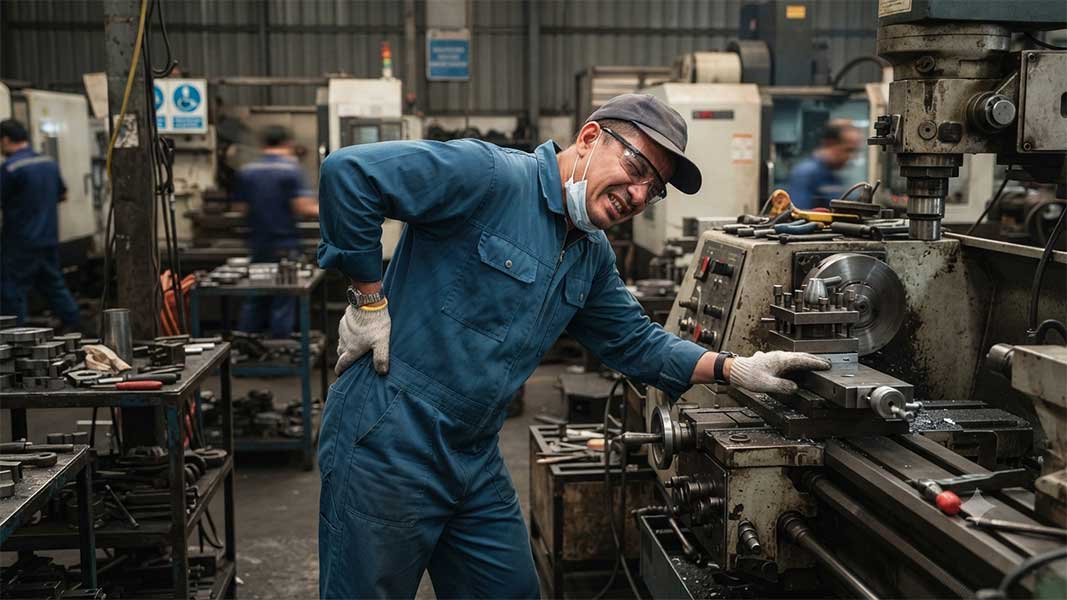


Hierarchy of Controls: A Complete Workplace Safety Guide

The hierarchy of controls is a fundamental occupational health and safety framework that helps organizations identify, prioritize, and manage workplace hazards according to the effectiveness of available control measures. It provides a systematic approach to preventing workplace injuries, occupational illnesses, and hazardous exposure by prioritizing the elimination of risks at their source rather than relying solely on worker behavior or personal protective equipment (PPE). The framework consists of five levels: elimination, substitution, engineering controls, administrative controls, and PPE. Understanding how to apply these measures is essential for HSE professionals, employers, safety officers, and risk assessors who aim to establish safer working environments and strengthen workplace risk management.

What Is the Hierarchy of Controls?

The Hierarchy of controls is a systematic framework used in occupational health and safety (OHS) to identify, assess, and control workplace hazards. It ranks five categories of preventive measures according to their effectiveness in reducing occupational risks.

The framework encourages employers to eliminate hazards wherever possible before relying on measures that reduce exposure or protect individual workers. Therefore, it provides HSE professionals with a structured approach to selecting suitable risk control measures. Its application supports workplace risk assessments, prevents occupational injuries and illnesses, and strengthens overall safety management by addressing hazards before they cause harm.

Meaning and Purpose of the Hierarchy of Controls:

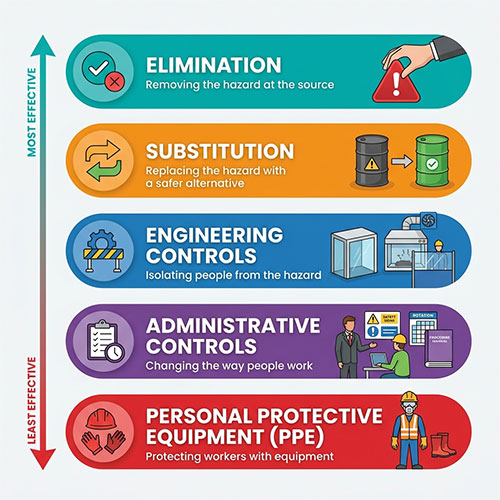
This framework consists of five levels of workplace hazard control, arranged according to their effectiveness, from the strongest preventive measure to the least effective. Its primary purpose is to help organisations select appropriate measures to prevent injuries, occupational illnesses, and harmful exposure.

For example, removing a hazardous chemical from a production process is generally more effective than providing workers with protective gloves and respirators. This is because elimination removes the source of danger rather than relying solely on individual protection.

Furthermore, the framework encourages employers to prioritize preventive solutions during hazard identification and risk assessment. Consequently, HSE professionals can make informed decisions when developing safe systems of work and improving workplace safety.

The Five Levels of the Hierarchy:

The Hierarchy of controls consists of five levels, arranged according to their effectiveness in preventing workplace hazards. Each level represents a different method of reducing occupational risks.

The five levels are:

  1. Elimination: Completely removes a workplace hazard.
  2. Substitution: Replaces a hazardous material or process with a safer alternative.
  3. Engineering Controls: Physically isolate workers from hazards or reduce exposure.
  4. Administrative Controls: Reduce exposure through procedures, training, supervision, and safe work practices.
  5. Personal Protective Equipment (PPE): Protects individual workers using suitable safety equipment.

Why Are Workplace Controls Ranked by Effectiveness?

Workplace controls are ranked by effectiveness because different safety measures provide different levels of protection. Some remove hazards completely, whereas others only reduce exposure or protect workers from potential harm.

For example, eliminating a hazardous task removes its associated risk, while installing physical barriers separates workers from the danger without removing it entirely.

Higher-level controls generally provide more reliable protection because they depend less on individual behavior, supervision, and worker compliance. By comparison, administrative controls and PPE require consistent implementation and correct use.

Therefore, this ranking helps employers prioritize effective hazard prevention strategies and select control measures that offer the greatest possible protection.

Why Is the Hierarchy of Controls Important?

The controls provides organizations with a practical approach to preventing workplace injuries, occupational illnesses, and hazardous exposure. Instead of relying on corrective actions after incidents occur, employers can identify risks and introduce preventive measures before workers are harmed.

Furthermore, the framework helps HSE professionals prioritize control measures according to their effectiveness. When properly implemented, it reduces unnecessary exposure, supports legal compliance, and improves operational safety. Consequently, organizations can develop safer working environments where hazard prevention becomes an essential part of everyday activities.

Preventing Workplace Injuries and Occupational Illnesses:

Effective workplace hazard control measures help prevent injuries and occupational illnesses by reducing workers’ exposure to hazardous conditions.

For example, installing machine guards can prevent contact with moving machinery parts, while replacing toxic chemicals with safer alternatives can minimize harmful exposure. Similarly, controlling excessive workplace noise can reduce the risk of occupational hearing loss.

These measures address the sources of potential harm rather than relying exclusively on workers to protect themselves. Therefore, implementing suitable preventive controls helps organizations strengthen injury prevention, protect employee health, and improve overall occupational safety performance.

Controlling Hazards at Their Source:

Controlling hazards at their source is a fundamental principle of effective occupational health and safety management. Instead of allowing dangerous conditions to remain, organizations should identify opportunities to eliminate or contain hazards before workers become exposed.

For example, a manufacturing facility can replace a hazardous cleaning chemical with a less harmful formulation. Similarly, installing local exhaust ventilation near welding operations can capture harmful fumes before they spread throughout the workplace.

These measures reduce exposure where hazards originate. Consequently, workers become less dependent on personal protective equipment and administrative instructions.

This approach supports effective hazard prevention, exposure control, and workplace risk management.

Reducing Dependence on PPE and Human Behavior:

Workplace safety should not depend entirely on workers remembering instructions, following procedures, or wearing protective equipment correctly. Fatigue, human error, inadequate supervision, and changing working conditions can affect the reliability of these measures.

For example, respirators can reduce exposure to airborne contaminants, but their effectiveness depends on correct selection, fitting, maintenance, and consistent use. By contrast, eliminating the contaminant or installing suitable engineering controls can reduce exposure more directly.

Therefore, employers should prioritize preventive measures that provide reliable protection with minimal dependence on individual behavior. However, administrative controls and PPE remain essential when higher-level measures cannot adequately address residual risks.

Building a Proactive Workplace Safety Culture:

A proactive workplace safety culture focuses on identifying and controlling hazards before they cause injuries, illnesses, or operational incidents. The control measures supports this approach by making hazard prevention part of everyday workplace decision-making.

For example, construction management can consider prefabricating components at ground level to reduce work-at-height exposure. Similarly, manufacturing supervisors can review machinery layouts to minimize workers’ contact with hazardous moving parts.

Furthermore, involving employees in hazard identification and control selection improves practical decision-making. As a result, workers become more aware of workplace risks, while management takes greater responsibility for preventive safety measures.

“The five levels provide a structured framework for selecting appropriate measures to manage occupational hazards. Each level addresses workplace risks differently, from completely removing hazards to protecting individual workers against exposure. Although higher-level controls generally offer greater protection, organizations may need to combine several measures to achieve adequate risk reduction.”

Five levels of the Hierarchy of Controls, ranked from most to least effective workplace hazard prevention measures.

Understanding the Five Levels of the Hierarchy:

The following sections explain each level with practical examples of workplace hazard control.

Level 1: Elimination of Workplace Hazards:

Elimination is the highest level of controls because it involves completely removing a hazard from the workplace or work activity. Once eliminated, workers can no longer be exposed to that particular source of danger. Elimination should always be considered first during workplace risk assessments because it prevents exposure rather than simply reducing its consequences.

For example, a construction company may use prefabricated components assembled at ground level instead of carrying out the same installation work at height. This removes the need for the associated elevated activity.

Other examples include:

  • Removing unnecessary hazardous substances from production.
  • Eliminating manual handling through automation.
  • Removing damaged electrical equipment from service.
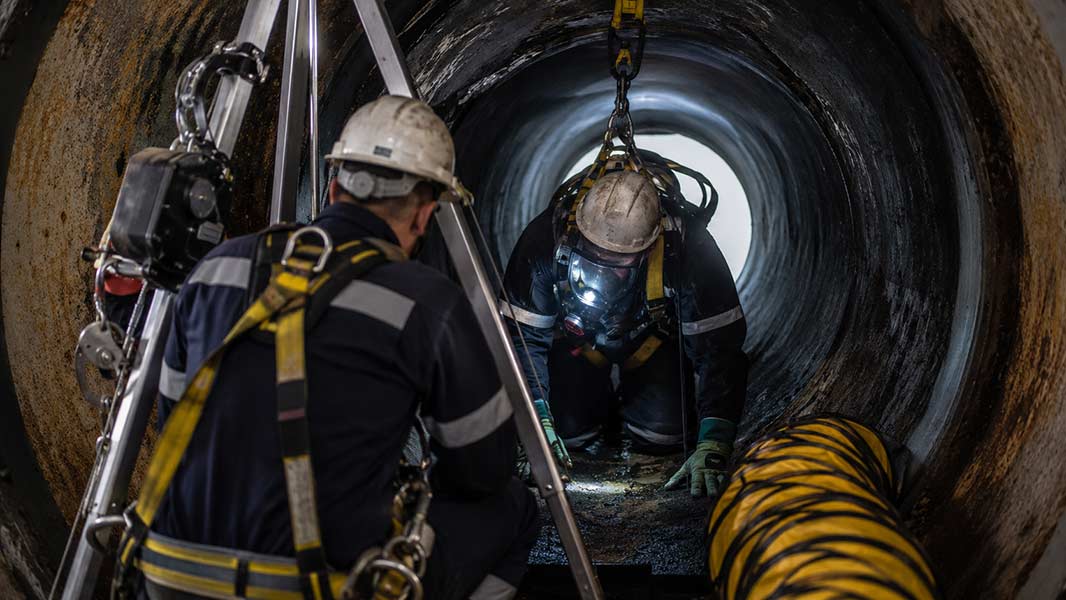
  • Redesigning tasks to avoid confined space entry.

Level 2: Substitution with Safer Alternatives:

Substitution involves replacing a hazardous substance, material, equipment item, or work process with a safer alternative that presents a lower level of risk.

This approach is particularly useful when completely eliminating a process is not technically or operationally practical. However, the replacement must be carefully assessed because an alternative can introduce different hazards.

For example, a manufacturing facility may replace a solvent-based cleaning product with a less hazardous water-based formulation. Similarly, a construction company may select a safer chemical coating for surface treatment.

Other examples include:

  • Replacing highly toxic chemicals with less toxic alternatives.
  • Using low-noise machinery.
  • Selecting less hazardous cleaning agents.

Level 3: Engineering Controls and Isolation:

Engineering controls involve physical modifications to equipment, machinery, processes, or workplace environments to separate workers from hazards or reduce their exposure.

Unlike administrative controls, engineering measures provide protection through physical design and technical systems rather than depending primarily on worker behavior.

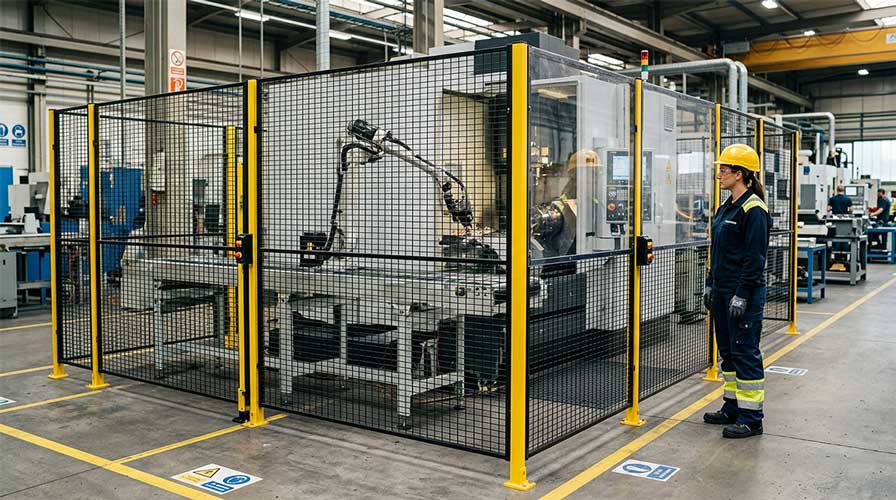
For example, installing machine guards prevents direct contact with dangerous moving parts. Similarly, local exhaust ventilation captures harmful welding fumes near their source before workers inhale them.

Common examples include:

  • Machine guarding and interlocking systems.
  • Local exhaust ventilation (LEV).
  • Acoustic enclosures for noisy machinery.
  • Physical barriers around hazardous areas.
  • Automated material handling systems.
  • Fall prevention guardrails and edge protection.

However, engineering controls require appropriate inspection and maintenance. Therefore, organizations must regularly verify that these systems continue to perform effectively.

Level 4: Administrative Controls and Safe Work Practices:

Administrative controls reduce workers’ exposure to workplace hazards by changing how tasks are organized, performed, supervised, or scheduled. Rather than physically removing a hazard, these measures establish procedures and working arrangements to minimize exposure.

For example, rotating workers between tasks may reduce individual exposure to excessive noise. Similarly, a permit-to-work system ensures that hazardous activities are properly assessed and authorized before work begins.

Common examples include:

  • Safe operating procedures and work instructions.
  • Toolbox talks and safety training.
  • Job rotation and exposure time limits.
  • Permit-to-work systems.
  • Warning signs and restricted access.
  • Planned inspections and safety supervision.
  • Emergency response procedures.

Although these measures are essential, their effectiveness depends on implementation, supervision, and worker compliance. Therefore, they should complement higher-level controls wherever possible.

Level 5: Personal Protective Equipment (PPE):

Personal Protective Equipment (PPE) refers to specialized clothing and equipment designed to protect workers from workplace hazards when exposure cannot be adequately prevented through higher-level controls.

Unlike elimination or engineering controls, PPE does not remove the hazard. Instead, it creates a protective barrier between workers and potential sources of harm.

Common examples include:

  • Safety helmets for head protection.
  • Safety glasses and face shields for eye and face protection.
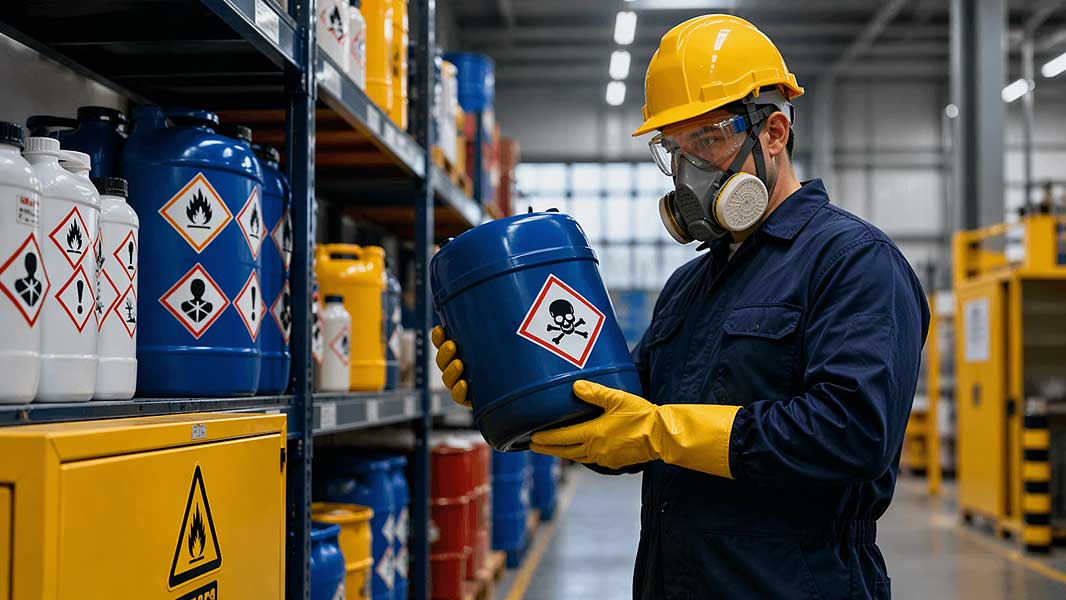
  • Chemical-resistant gloves to reduce skin exposure.
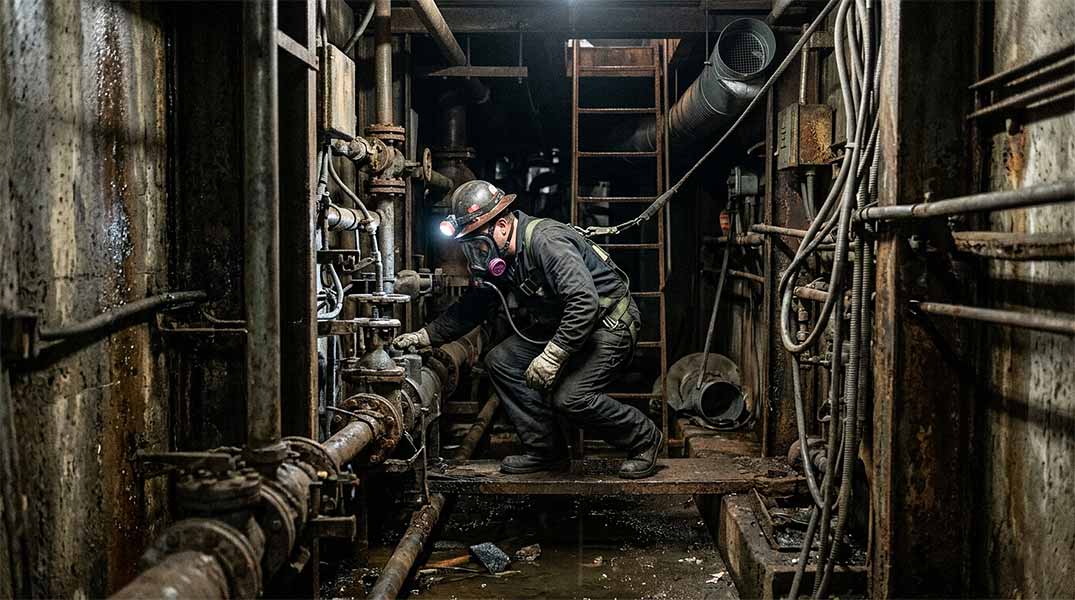
  • Respirators for protection against airborne contaminants.
  • Hearing protection against excessive noise.
  • Safety footwear against impact and penetration hazards.
  • Protective clothing against chemical and thermal exposure.

However, PPE must be selected according to identified hazards and exposure conditions. Proper fitting, worker training, inspection, cleaning, and maintenance are equally important.

Although PPE is the lowest level, it remains essential for controlling residual workplace risks.

Practical Examples of the Hierarchy of Controls:

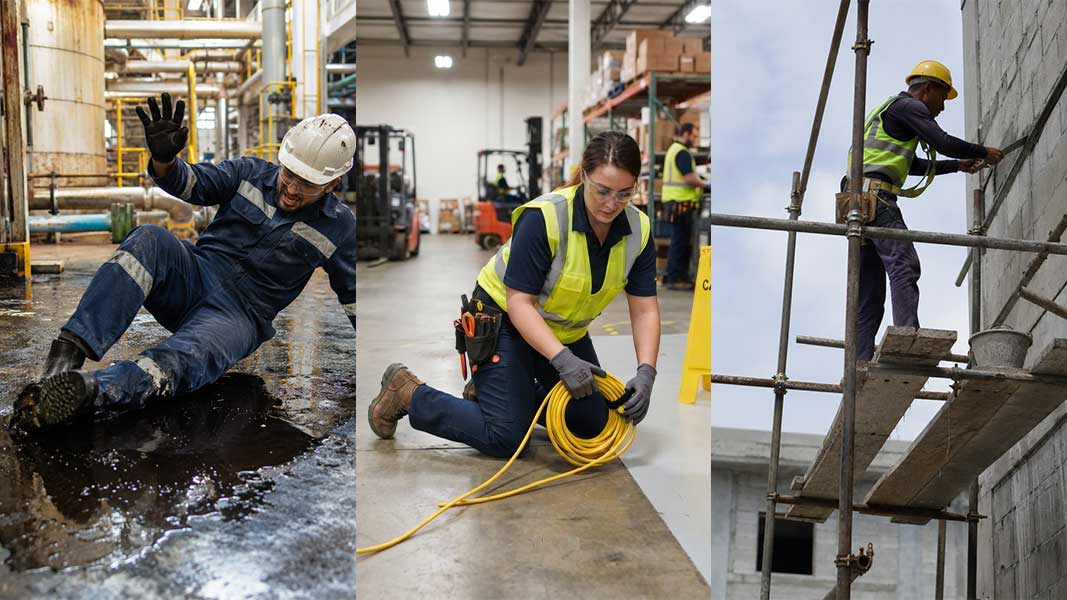
The controls becomes easier to understand when applied to real workplace situations. Different industries face different occupational hazards, including falls, chemical exposure, machinery accidents, hazardous substances, and ergonomic risks. Therefore, the selection of control measures must reflect the nature of each activity and its associated risks.

For example, construction companies may eliminate work at height through ground-level assembly, whereas manufacturing facilities may use machine guarding to prevent contact with moving equipment. The following industry-specific examples demonstrate how organizations can apply all five levels to strengthen workplace hazard prevention.

Workplace Hazard Control Examples in Construction:

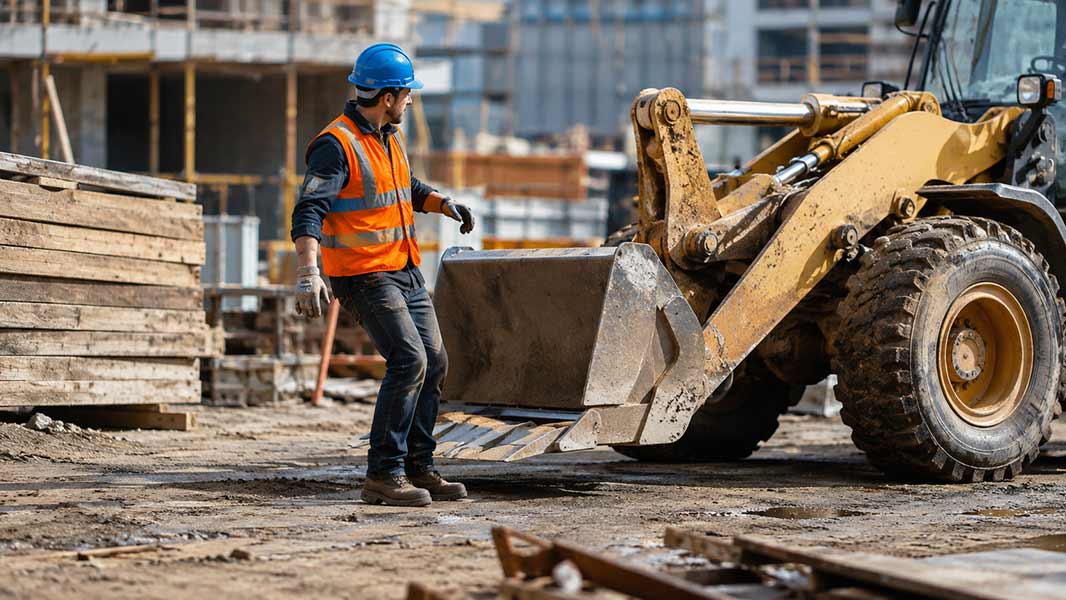
Construction sites involve significant hazards, including falls from height, falling objects, moving machinery, dust exposure, and electrical risks. Applying the controls helps contractors prioritize preventive measures.

For example, when managing work-at-height risks:

  • Elimination: Assemble structures at ground level to avoid unnecessary elevated work.
  • Substitution: Use safer materials or construction methods that reduce hazardous exposure.
  • Engineering Controls: Install guardrails, edge protection, and machine guarding.
  • Administrative Controls: Implement permit-to-work systems, exclusion zones, and safe work procedures.
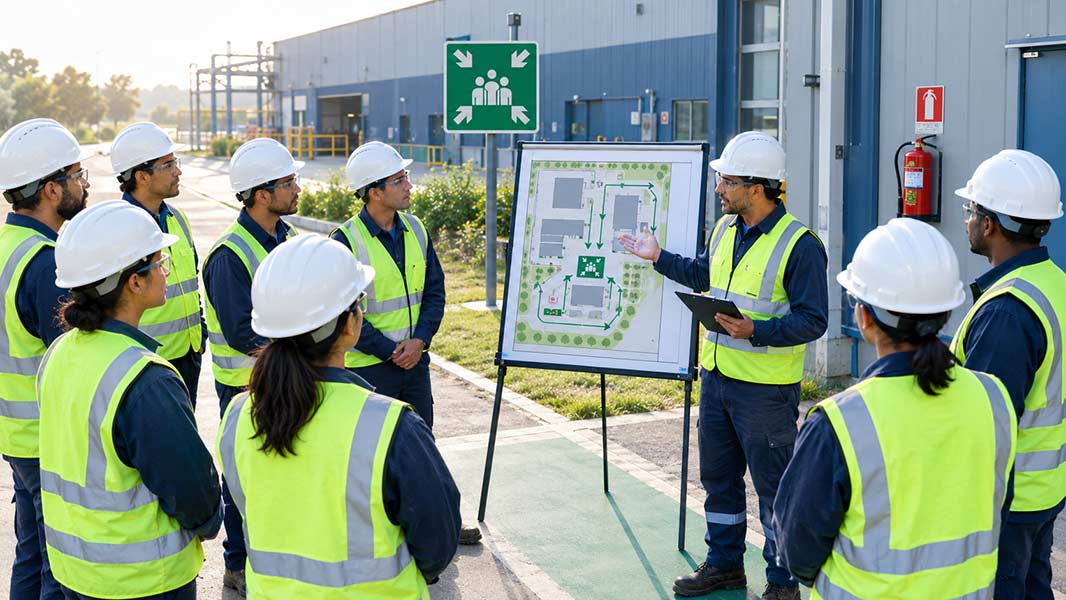
  • PPE: Provide safety helmets, fall protection equipment, gloves, and safety footwear.

However, PPE and administrative controls should not replace reasonably practicable opportunities to eliminate or physically control construction hazards.

Effective Safety Controls in Manufacturing:

Manufacturing facilities involve machinery, hazardous chemicals, excessive noise, repetitive movements, and manual handling activities. Therefore, selecting effective control measures is essential for protecting workers and maintaining safe production operations.

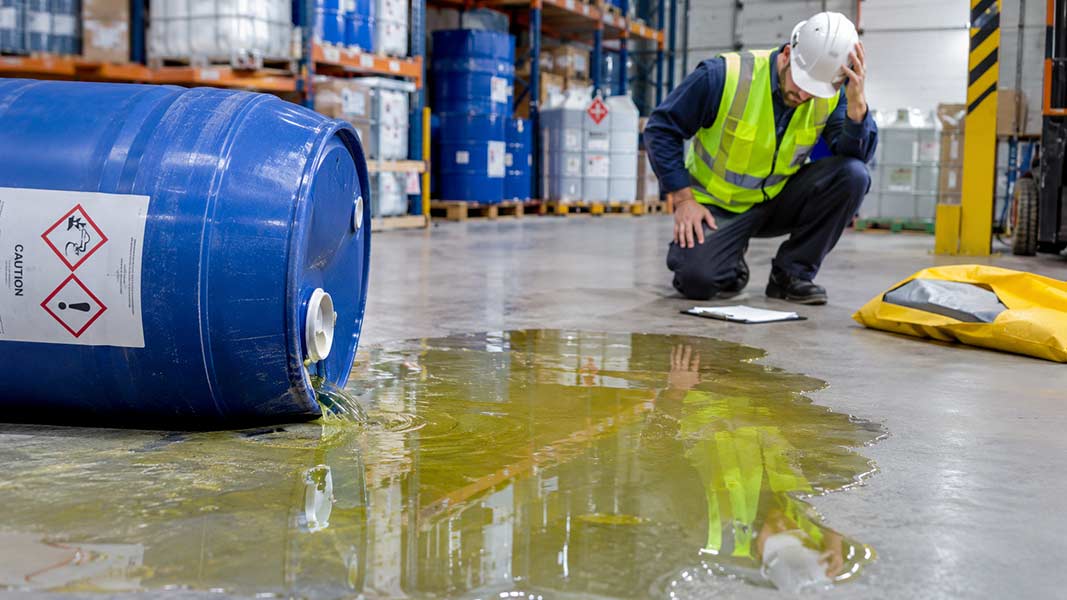
Consider a manufacturing process involving hazardous chemical cleaning:

  • Elimination: Remove unnecessary chemical cleaning from the production process.
  • Substitution: Replace hazardous solvents with less harmful alternatives.
  • Engineering Controls: Install local exhaust ventilation and enclosed cleaning systems.
  • Administrative Controls: Establish chemical handling procedures, training, and exposure monitoring.
  • PPE: Provide chemical-resistant gloves, protective clothing, and suitable respiratory protection.

Furthermore, machinery-related risks can be reduced through automated processes, interlocking guards, and effective maintenance programs.

Hazard Prevention Measures in Oil and Gas Operations:

Oil and gas operations involve high-risk activities such as hydrocarbon processing, confined space entry, hazardous chemical handling, pressure systems, and working in potentially explosive atmospheres. Consequently, control measures must address both routine operations and major accident hazards.

Consider the risk of hydrocarbon exposure during maintenance:

  • Elimination: Avoid unnecessary intervention by using remote monitoring systems.
  • Substitution: Use less hazardous cleaning chemicals where technically suitable.
  • Engineering Controls: Install gas detection, ventilation, and suitable isolation systems.
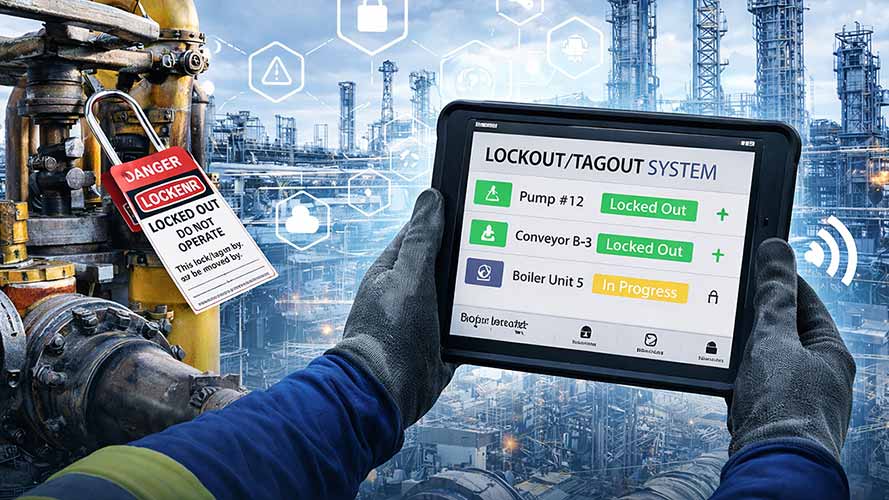
  • Administrative Controls: Apply permit-to-work, lockout/tagout, and gas testing procedures.
  • PPE: Provide suitable flame-resistant clothing, gloves, and respiratory protection.

However, equipment isolation, process safety management, and emergency arrangements remain essential for controlling major operational risks.

Workplace Safety Controls in Warehousing and Logistics:

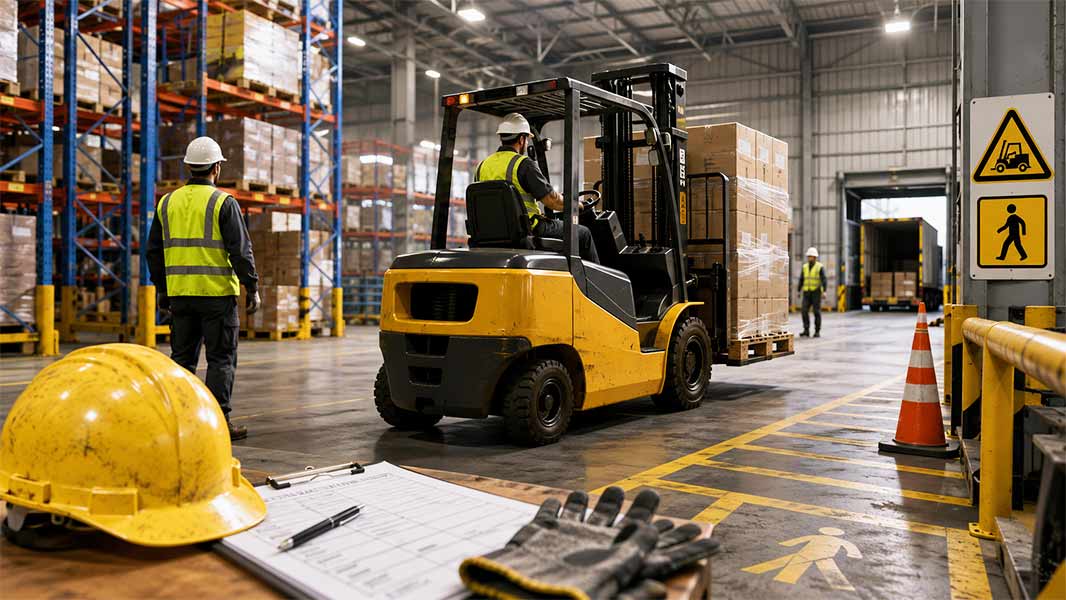
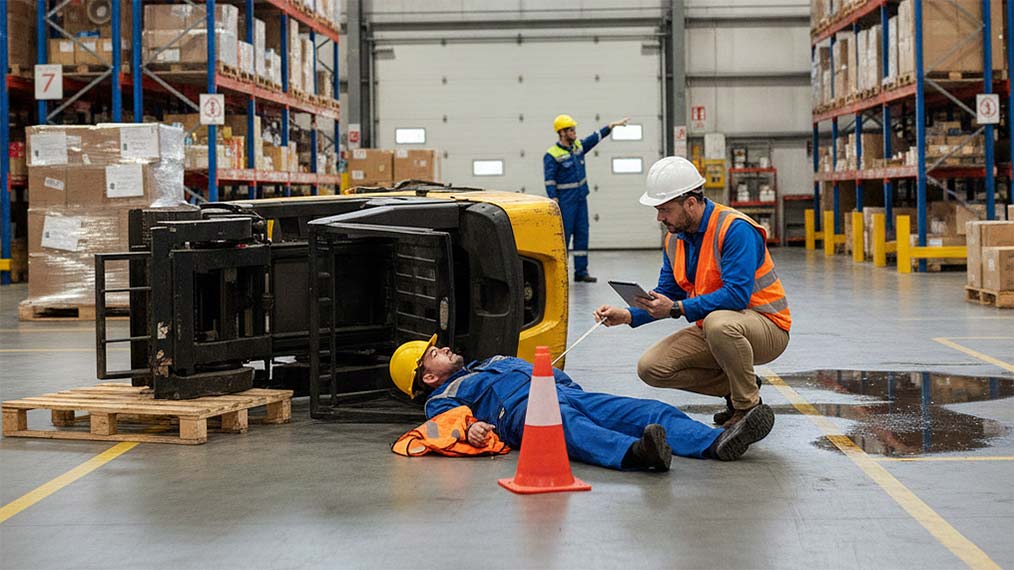
Warehousing and logistics activities involve forklift movements, falling materials, manual handling, vehicle collisions, and repetitive physical tasks. These hazards can affect warehouse operators, drivers, loading personnel, and other employees.

Consider the risk of forklift and pedestrian collisions:

  • Elimination: Remove unnecessary forklift movements from pedestrian areas through layout redesign.
  • Substitution: Use suitable electric handling equipment where it reduces relevant operational hazards.
  • Engineering Controls: Install physical barriers, pedestrian walkways, and vehicle safety systems.
  • Administrative Controls: Introduce traffic management plans, speed limits, and designated routes.
  • PPE: Provide high-visibility clothing and suitable safety footwear.

Additionally, mechanical lifting equipment can reduce manual handling risks and associated musculoskeletal injuries.

Controls in Healthcare Sector:

Healthcare facilities expose employees to biological agents, hazardous medications, needlestick injuries, chemical disinfectants, and ergonomic hazards. Therefore, effective exposure prevention requires a combination of control measures.

Consider the risk of exposure to infectious biological agents:

  • Elimination: Remove unnecessary exposure-generating procedures where clinically appropriate.
  • Substitution: Use safer disinfectants or procedures when suitable alternatives are available.
  • Engineering Controls: Install sharps disposal systems, isolation facilities, and appropriate ventilation.
  • Administrative Controls: Implement infection prevention procedures, training, and exposure management protocols.
  • PPE: Provide suitable gloves, masks, gowns, and eye protection.

However, healthcare organizations must select controls according to the specific infection risk, clinical procedure, and exposure route.

How to Apply the Hierarchy of Controls at Work:

Applying the controls requires a systematic process that connects hazard identification with practical risk reduction. Employers and HSE professionals must understand the hazards, evaluate potential consequences, and select suitable preventive measures. Simply identifying a hazard or providing protective equipment does not guarantee effective risk management. Therefore, organizations should assess whether hazards can be eliminated or replaced before considering lower-level controls. They must also involve workers, communicate safety arrangements, and verify that implemented measures continue to provide adequate protection. The following six steps provide a practical approach to implementing the framework across different workplace activities.

Step 1: Identify Workplace Hazards:

The first step is to identify workplace hazards that could cause injury, occupational illness, or damage to property and equipment. HSE professionals should examine work activities, machinery, substances, environmental conditions, and employee exposure.

Common hazard identification methods include:

  • Workplace inspections and safety audits.
  • Job Safety Analysis (JSA).
  • Review of incident and near-miss reports.
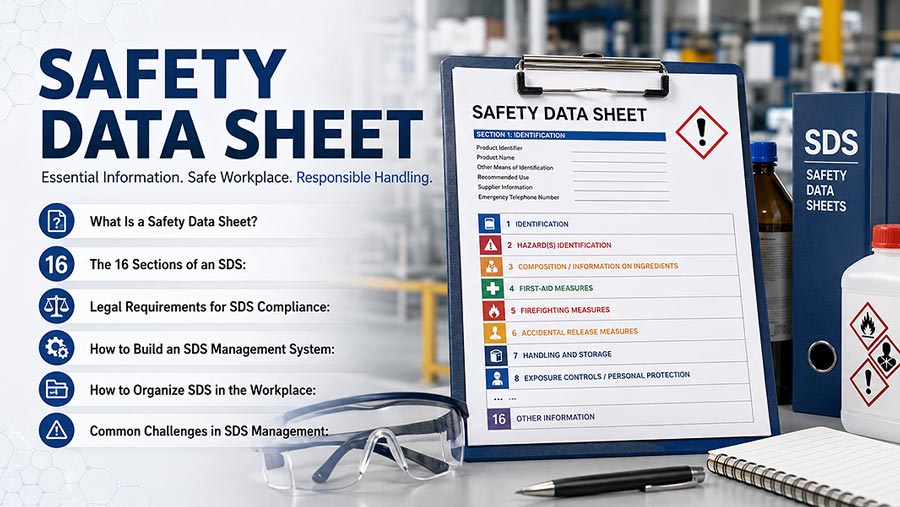
  • Safety Data Sheet (SDS) assessments.
  • Worker consultations and task observations.

For example, inspecting a manufacturing area may reveal unguarded machinery, excessive noise, or chemical exposure. Accurate identification provides the foundation for selecting appropriate control measures.
Step 2: Assess Risks and Exposure Levels:

After identifying hazards, organizations must evaluate the associated risks by considering the likelihood of harm and its potential severity. Exposure duration, frequency, and the number of workers affected should also be considered.

For example, a risk assessment involving chemical vapours should examine the substance’s toxicity, exposure route, concentration, and duration. Where appropriate, air monitoring and occupational exposure measurements can provide additional evidence.

This assessment helps HSE professionals determine which hazards require immediate attention. Consequently, organizations can prioritize significant risks and establish suitable control objectives before implementing preventive measures.

Step 3: Identify Suitable Control Measures:

Once risks have been assessed, the next step is to identify practical control measures that address the hazards effectively. Organizations should first consider whether the hazard can be eliminated or replaced with a safer alternative.

For example, a facility experiencing excessive workplace noise could consider quieter machinery, acoustic enclosures, or equipment redesign.

When evaluating possible solutions, HSE professionals should consider:

  • Effectiveness in reducing exposure.
  • Technical and operational feasibility.
  • Potential introduction of new hazards.
  • Maintenance and long-term reliability.

Therefore, control selection should focus on reducing risk at its source rather than choosing the easiest available solution.

Step 4: Prioritize Higher-Level Controls:

Control measures should be selected according to their position in the Hierarchy of controls. Organizations should prioritize elimination, substitution, and engineering controls before relying primarily on administrative measures and PPE.

For example, installing a permanent machine guard generally provides more reliable protection than simply instructing workers to avoid dangerous moving parts.

However, higher-level controls must also be evaluated for technical feasibility and potential secondary risks. If complete elimination is not reasonably practicable, organizations should select the most effective combination of available measures.

This approach helps establish stronger and more sustainable workplace hazard control.

Step 5: Implement and Communicate Controls:

Selecting suitable controls is not enough. Organizations must implement them correctly and ensure that affected workers understand how they operate.

For example, installing a local exhaust ventilation system requires appropriate positioning, commissioning, operating instructions, and maintenance arrangements.

Effective implementation should include:

  • Assigning responsibilities for each control measure.
  • Providing relevant worker training and instructions.
  • Updating risk assessments and safe work procedures.
  • Communicating changes to affected employees.
  • Establishing inspection and maintenance schedules.

Furthermore, consulting workers during implementation helps identify practical difficulties before they undermine the effectiveness of safety arrangements.

Step 6: Monitor and Review Control Effectiveness:

The final step is to verify whether implemented controls continue to reduce workplace risks effectively. Conditions can change because of equipment deterioration, new processes, increased production, or changes in worker activities.

Organizations should therefore conduct:

  • Routine workplace inspections.
  • Engineering control performance checks.
  • Occupational exposure monitoring where necessary.
  • Safety audits and incident reviews.
  • Periodic risk assessment updates.

For example, a ventilation system may initially control chemical exposure effectively, but damaged filters or reduced airflow can weaken its performance.

Consequently, regular monitoring and corrective action are essential for maintaining effective workplace hazard control.

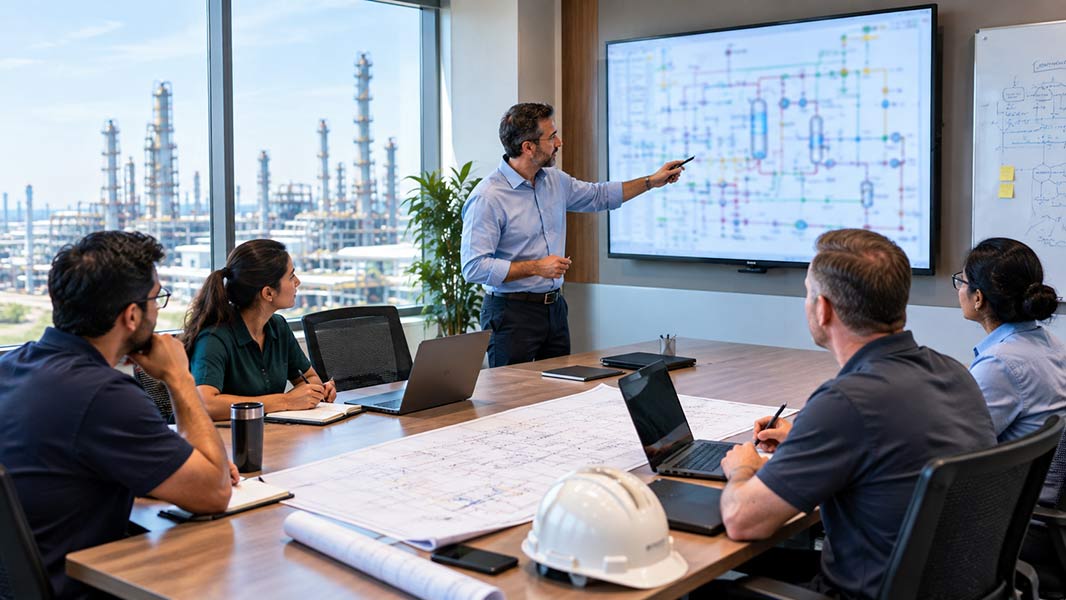
“Risk assessment and the Hierarchy of controls work together to support effective occupational hazard management. Risk assessment identifies hazards, evaluates potential harm, and determines the level of risk, whereas the hierarchy guides the selection of appropriate control measures. This connection helps employers move beyond simply documenting workplace risks and focus on implementing practical preventive solutions.”

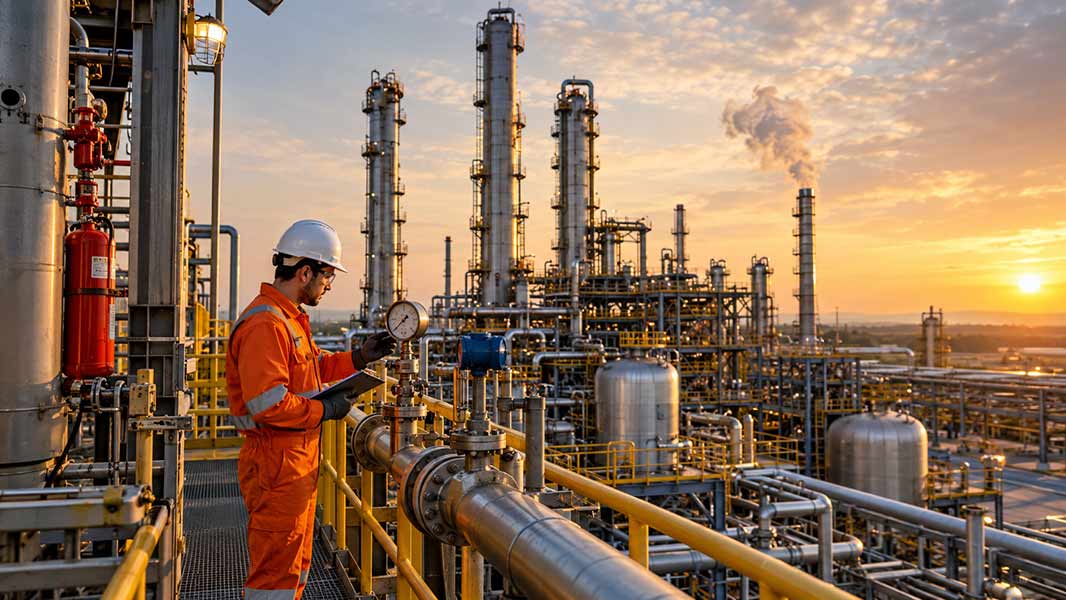
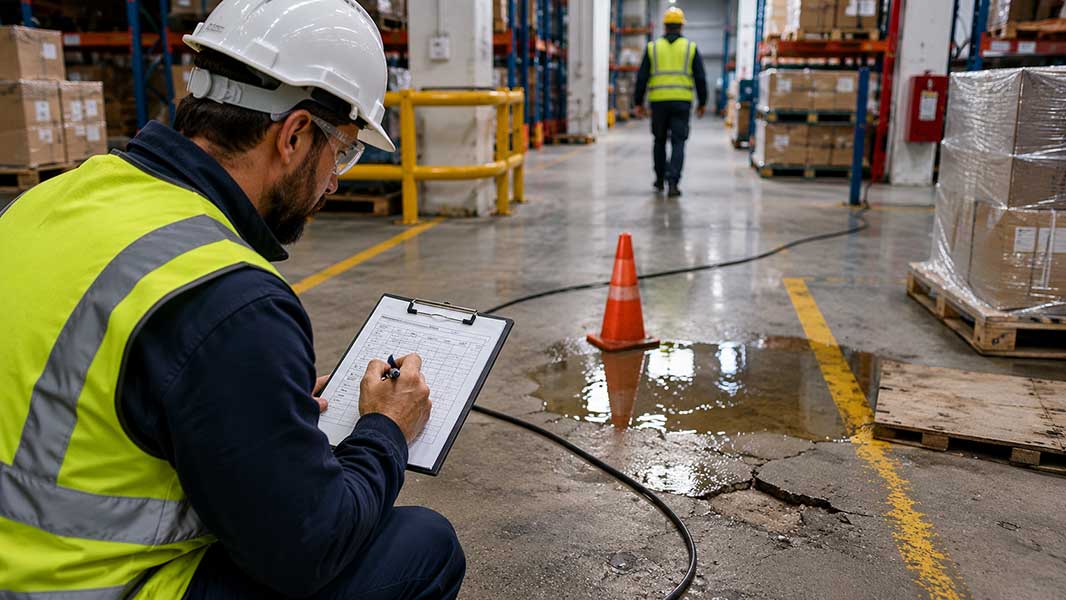
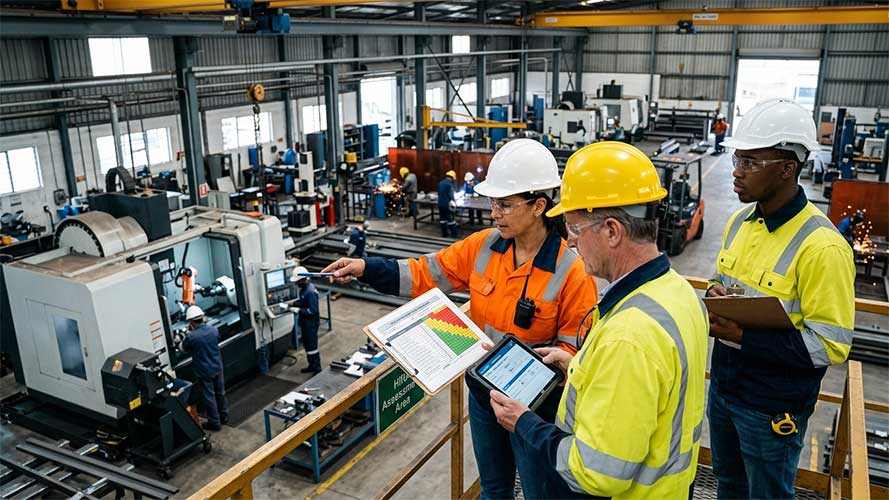
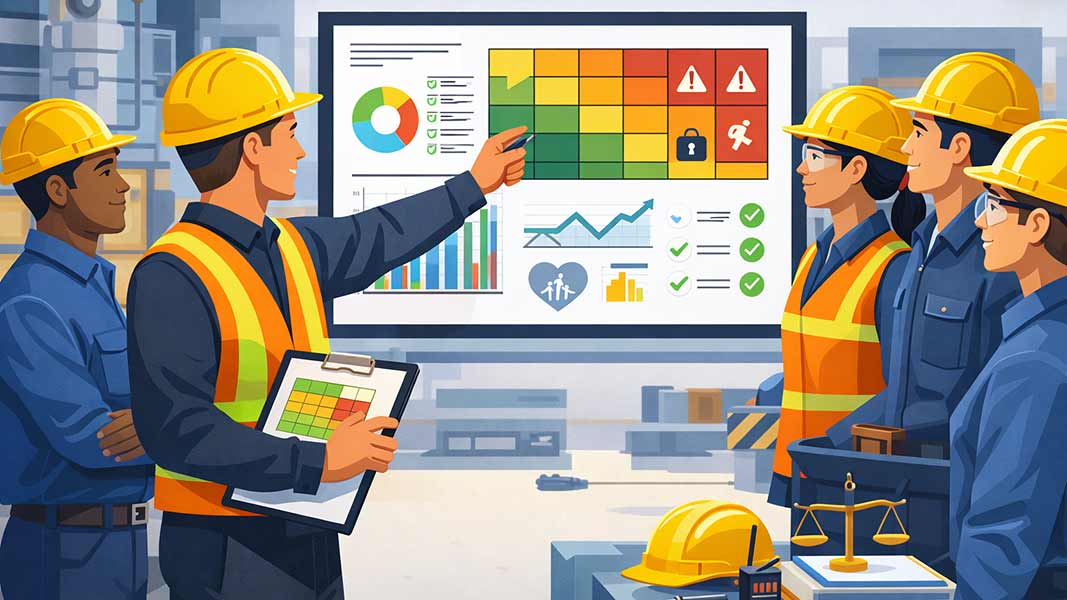
HSE professional reviewing workplace hazards during an industrial risk assessment.

Applying the Controls in Risk Assessment:

Effective risk assessment requires more than identifying workplace hazards and assigning risk ratings. Organizations must translate assessment findings into practical actions that prevent exposure and minimize the likelihood of harm. This involves examining the nature of each hazard, evaluating available preventive options, and selecting measures that offer the highest level of protection.

Moreover, control decisions should consider operational conditions, employee exposure, and the potential introduction of new risks. Once implemented, each measure must be evaluated to confirm that it performs as intended. This systematic approach helps organizations maintain effective hazard prevention, manage changing workplace risks, and strengthen their overall occupational health and safety management system.

Linking Hazard Identification with Control Selection:

Hazard identification establishes what could cause harm, while control selection determines how that hazard should be managed. Both activities are essential components of an effective workplace risk assessment.

For example, identifying excessive noise in a manufacturing facility is only the starting point. HSE professionals must then investigate whether quieter machinery, acoustic enclosures, equipment maintenance, or hearing protection can reduce exposure.

The hierarchy provides a structured method for evaluating these options. Therefore, control selection should directly address the identified hazard rather than relying on general safety instructions that may not reduce the underlying risk.

Using Risk Assessment to Prioritize Controls:

Risk assessment helps organizations determine which hazards require the most urgent attention. Factors such as potential injury severity, likelihood of occurrence, exposure frequency, and the number of workers affected should influence control priorities.

For example, an unguarded industrial machine presenting a serious entanglement risk requires immediate attention. Installing appropriate guarding may provide a more reliable solution than simply issuing additional warnings.

Furthermore, organizations should consider legal requirements and reasonably practicable control options when prioritizing actions. This ensures that resources are directed towards measures that provide meaningful risk reduction.

Evaluating Residual Risk After Controls:

Residual risk refers to the level of risk that remains after control measures have been implemented. Even when organizations introduce effective safeguards, some hazards may continue to present a degree of risk.

For example, installing machine guards can reduce contact with moving parts, but maintenance activities may still involve exposure during authorized access.

Therefore, HSE professionals should reassess the remaining risk by considering:

  • Whether the controls operate as intended.
  • Whether additional exposure pathways remain.
  • Whether workers require further protection.
  • Whether supplementary controls are necessary.

The remaining risk should be documented and managed through appropriate workplace safety arrangements.

Reviewing and Updating Control Measures:

Control measures must be reviewed regularly because workplace conditions, equipment, processes, and exposure levels can change. A measure that was effective during initial implementation may become inadequate if it is damaged, poorly maintained, or no longer suitable.

For example, introducing new production machinery may increase noise levels and require additional engineering controls.

Reviews should also follow workplace incidents, near misses, changes in legislation, and findings from inspections or exposure monitoring.

Consequently, organizations should update risk assessments, revise safe work procedures, and introduce corrective actions whenever existing controls fail to provide adequate protection.

Common Mistakes When Applying the Hierarchy:

Although the controls provides a clear approach to hazard prevention, organizations do not always apply it correctly. Some employers rely heavily on PPE, while others use training and warning signs instead of addressing hazards through physical or engineering solutions. These practices can leave workers exposed to risks that could have been better controlled. Furthermore, failing to maintain safety equipment or reassess changing workplace conditions can reduce the effectiveness of existing measures. Understanding these common mistakes helps HSE professionals identify weaknesses in workplace risk management and improve the selection, implementation, and monitoring of control measures.

Relying Too Heavily on Personal Protective Equipment:

One common mistake is treating PPE as the primary solution for every workplace hazard. Although helmets, gloves, respirators, and safety footwear provide important protection, they do not remove the source of danger.

For example, providing hearing protection does not eliminate excessive machinery noise. Installing acoustic enclosures or replacing noisy equipment may provide more effective exposure control.

Employers should therefore assess opportunities for elimination, substitution, and engineering controls before relying primarily on PPE. Where residual risks remain, suitable PPE should complement other preventive measures rather than replace them.

Using Training as a Substitute for Physical Controls:

Training helps workers understand hazards and follow safe work procedures. However, it cannot replace physical safeguards when a hazard can be controlled through elimination or engineering measures.
For example, instructing machine operators to keep their hands away from moving parts is less reliable than installing suitable machine guards and interlocking systems.

Similarly, training workers about chemical exposure does not replace appropriate ventilation or safer chemical alternatives.

Therefore, organizations should use training to support effective controls, not as a substitute for practical measures that physically prevent exposure.

Ignoring Higher-Level Control Opportunities:

Another mistake is selecting convenient or inexpensive control measures without properly evaluating higher-level alternatives. This can result in organizations repeatedly relying on administrative instructions and PPE while significant hazards remain.

For example, rotating employees to reduce exposure to hazardous noise may be less effective than replacing noisy equipment or installing suitable acoustic enclosures.

HSE professionals should investigate whether hazards can be eliminated, substituted, or isolated before selecting lower-level controls. This approach encourages more reliable prevention and helps organizations avoid unnecessary dependence on worker behavior.

Failing to Monitor and Maintain Safety Controls:

Installing safety equipment does not guarantee continued protection. Engineering controls, machinery guards, ventilation systems, and other safeguards require regular inspection and maintenance to remain effective.

For example, a damaged machine guard or poorly maintained extraction system may expose workers to hazards despite having been installed correctly.

Organizations should establish inspection schedules, maintenance responsibilities, and performance checks for critical controls. Furthermore, defects should be reported and corrected promptly.

Without effective monitoring, even well-designed control measures can deteriorate and create unacceptable workplace risks.

Overlooking Residual Risks and Changing Conditions:

A control measure may reduce a hazard without removing every associated risk. Organizations make a mistake when they assume that implementing one safety measure automatically makes an activity safe.

For example, installing guardrails reduces fall risks, but workers may still face hazards during installation, inspection, or maintenance activities.

Similarly, changes in equipment, materials, staffing, or production processes can introduce new risks.

Therefore, employers should reassess residual risks and review existing controls whenever workplace conditions change. This ensures that preventive measures remain suitable and effective.

Hierarchy of Controls and Workplace Safety Standards:

The controls are closely connected with recognized occupational health and safety guidance and management system requirements. Organizations can use these principles to establish consistent processes for identifying hazards, selecting preventive measures, and evaluating control effectiveness. OSHA and NIOSH provide widely used guidance on workplace hazard prevention, while ISO 45001 incorporates a defined hierarchy for eliminating hazards and reducing occupational health and safety risks. In the UAE, employers must also follow applicable federal requirements and instructions issued by competent authorities. Understanding these connections helps HSE professionals align workplace controls with recognized safety practices and applicable legal obligations.

OSHA Guidance on Hazard Prevention and Control:

The Occupational Safety and Health Administration (OSHA) provides guidance on identifying, preventing, and controlling workplace hazards. Its recommended safety management practices encourage employers to evaluate control options using the Hierarchy of controls.

OSHA emphasizes selecting controls that are feasible, effective, and sustainable. It also recommends involving workers in control selection, implementing interim measures where necessary, and reviewing whether existing safeguards continue to provide adequate protection.

For example, employers should consider machine guarding, ventilation, and safer work processes before relying solely on warnings or PPE.

These principles provide useful guidance for organizations developing workplace hazard prevention programs.

NIOSH Recommendations for Exposure Control:

The National Institute for Occupational Safety and Health (NIOSH) promotes the Hierarchy of controls as a preferred approach for reducing workplace exposure to occupational hazards.

Its framework prioritizes elimination, substitution, and engineering controls because these measures generally provide protection with less dependence on individual worker behavior. Administrative controls and PPE remain important, particularly when higher-level measures cannot adequately control exposure.

NIOSH also emphasizes evaluating proposed substitutes to ensure they do not introduce new hazards. Furthermore, organizations should train workers and periodically assess whether implemented controls remain effective.

These recommendations support evidence-based decisions in occupational exposure prevention.

Relationship with ISO 45001 and OH&S Management:

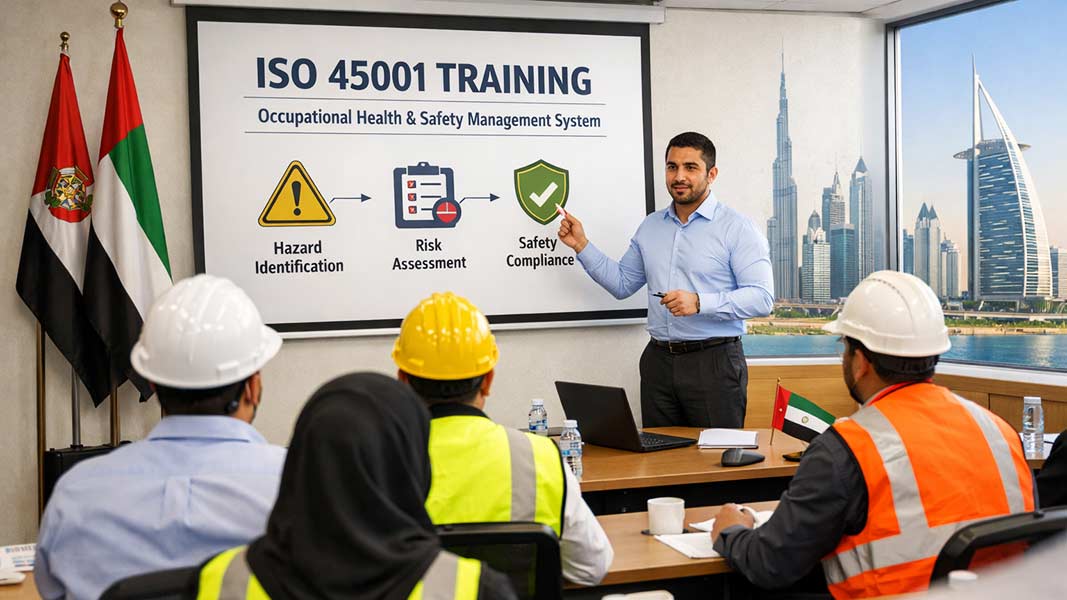
ISO 45001:2018 is an international standard for occupational health and safety management systems. Clause 8.1.2 specifically addresses eliminating hazards and reducing OH&S risks through the Hierarchy of controls.

It establishes the following order:

  • Eliminate the hazard.
  • Substitute with less hazardous materials, processes, or equipment.
  • Apply engineering controls and reorganize work.
  • Introduce administrative controls.
  • Provide suitable personal protective equipment.

Organizations implementing ISO 45001 should establish, maintain, and improve processes that apply this hierarchy. Consequently, it becomes part of operational planning, hazard prevention, and continual improvement within the OH&S management system.

Applying Hazard Controls Under UAE HSE Requirements:

Organizations operating in the UAE must follow applicable occupational health and safety legislation, including Federal Decree-Law No. 33 of 2021, its implementing regulations, and relevant requirements issued by competent authorities.

Ministerial Resolution No. 44 of 2022 addresses employer and worker responsibilities concerning occupational health and safety. Employers must provide appropriate protection, safety instructions, and training. They must also comply with applicable requirements issued by the Ministry of Human Resources and Emiratisation (MoHRE) and other competent authorities.

For example, construction and industrial employers should assess work-at-height risks, chemical exposure, machinery hazards, and heat-related risks when selecting preventive measures.

Therefore, organizations should align their hazard control arrangements with applicable federal, emirate-level, and sector-specific requirements.

Key Takeaways for Effective Workplace Hazard Control:

Effective workplace hazard management requires organizations to identify risks, select appropriate preventive measures, and monitor their performance. The focus should remain on eliminating hazards wherever reasonably practicable and prioritizing stronger controls before relying on administrative procedures or PPE. Consistent implementation, employee involvement, and regular reviews help maintain protection as workplace conditions change. 

The following principles are important for effective workplace hazard management:

  • Eliminate hazards first: Removing the source of danger provides the strongest preventive solution.
  • Consider safer alternatives: Substitution can reduce exposure when elimination is not practical.
  • Prioritize engineering controls: Physical safeguards provide more reliable protection.
  • Support controls with procedures: Training, supervision, and safe work practices remain essential.
  • Use appropriate PPE: Protect workers against residual risks and unavoidable exposure.
  • Review control effectiveness: Conduct inspections, monitoring, and regular risk assessments.
  • Involve workers: Their practical knowledge helps identify hazards and improve safety arrangements.

Ultimately, effective hazard control requires a combination of preventive measures supported by management commitment and continuous improvement.

Conclusion:

The Hierarchy of controls is more than a theoretical workplace safety model. It provides HSE professionals and employers with a practical method for preventing injuries, controlling occupational exposure, and improving workplace safety performance. By prioritizing elimination, substitution, and engineering controls, organizations can address hazards more effectively instead of depending entirely on administrative procedures and personal protective equipment. However, successful implementation also requires competent risk assessment, worker involvement, proper maintenance, and regular monitoring. Whether applied in construction, manufacturing, oil and gas, or healthcare, the objective remains the same: identify hazards early and introduce the most effective preventive measures. Organizations that consistently follow these principles can establish safer working environments and strengthen their occupational health and safety management systems.

Frequent Asked Questions (FAQs):

What is the most effective level of the Hierarchy of controls?

Elimination is the most effective level because it completely removes the hazard from the workplace. Consequently, workers no longer need to rely on procedures, protective equipment, or behavioral controls to avoid that specific hazard.

How does the controls influence risk assessment?

The controls helps HSE professionals select control measures based on their effectiveness. After identifying hazards and evaluating risks, assessors use the hierarchy to prioritize elimination, substitution, and engineering controls before considering administrative measures and PPE.

What is the difference between hazard elimination and risk reduction?

Hazard elimination completely removes the source of potential harm. In contrast, risk reduction decreases the likelihood or severity of an incident while the hazard may remain present. For example, removing a hazardous chemical eliminates its associated exposure risk, whereas installing ventilation reduces airborne exposure.

Can multiple levels of the controls be applied simultaneously?

Yes. Combining control measures is often necessary when one measure cannot adequately control a hazard. For example, a manufacturing facility may install machine guarding, introduce lockout/tagout procedures, provide operator training, and require suitable PPE.
Why engineering controls are considered more reliable than administrative controls?

Engineering controls physically isolate workers from hazards or reduce exposure at the source. Administrative controls, however, depend on procedures, training, supervision, and consistent human behavior. Therefore, engineering controls generally provide more reliable protection when properly designed and maintained.

How should organizations evaluate the effectiveness of engineering controls?

Organizations should inspect, test, and monitor engineering controls against defined performance criteria. Depending on the hazard, this may include ventilation airflow measurements, noise monitoring, machine guarding inspections, pressure testing, and equipment performance checks.

When should PPE be selected under the Hierarchy of controls?

PPE should be selected when higher-level controls cannot completely eliminate exposure or when residual risks remain. It may also be necessary as an interim measure while permanent controls are being implemented. Selection must consider the specific hazard, exposure level, compatibility, fit, and applicable standards.

What is residual risk in the Hierarchy of controls?

Residual risk is the level of risk remaining after control measures have been implemented. Organizations must reassess this risk to determine whether existing controls provide adequate protection or whether additional measures are required.

How does the controls apply to permit-to-work systems?

Permit-to-work systems support administrative control by defining authorized activities, precautions, responsibilities, and operating conditions. However, a permit alone does not eliminate hazards. It should be supported by physical isolation, energy control, gas testing, and other appropriate safeguards.

How is the Hierarchy of controls connected to ISO 45001?

ISO 45001:2018 addresses the controls in Clause 8.1.2, which requires organizations to establish processes for eliminating hazards and reducing OH&S risks. It prioritizes elimination, substitution, engineering controls, administrative controls, and appropriate PPE.

What is the difference between isolation and engineering controls?

Isolation separates workers from a hazard, often through physical barriers, enclosed systems, or remote operation. Engineering controls are broader and include isolation as well as ventilation, machine guarding, noise reduction, and equipment redesign.

Inquiry Form