
Understand Health and Safety Audit, Types and Process

A Safety Audit is a systematic evaluation of workplace health and safety arrangements to determine whether an organization is meeting its legal obligations, following established safety standards and effectively controlling occupational risks. It examines how safety policies, procedures and control measures are implemented in actual working conditions, rather than simply checking whether documentation exists. Furthermore, an effective audit evaluates hazard identification, risk assessments, employee competency, operational practices, emergency preparedness and incident management. Regular auditing plays an important role in strengthening safety management systems, improving regulatory compliance and promoting continuous improvement across different industrial and commercial workplaces.

What Is an Occupational Health and Safety Audit?

An occupational health and safety audit or OHS audit is a systematic, independent and documented examination of an organization’s occupational health and safety management arrangements, processes and workplace practices against defined audit criteria. It determines whether safety requirements are being implemented effectively and whether existing arrangements are suitable for controlling workplace risks.

Unlike a routine workplace inspection, which primarily focuses on identifying immediate physical hazards and unsafe conditions, an audit evaluates the broader effectiveness of safety management arrangements. This may include reviewing:

Therefore, an audit provides management with an evidence-based understanding of how well workplace safety is being managed.

Purpose and Objectives of an OHS Audit:

The primary purpose of conducting an OHS audit is to determine whether an organization’s safety management arrangements are effective, compliant and capable of preventing workplace harm. It also helps identify weaknesses that may otherwise remain unnoticed during routine operations.

Key objectives include:

  • Verify regulatory compliance: Determine whether workplace practices meet applicable occupational health and safety legislation and regulatory requirements.
  • Identify management system gaps: Detect weaknesses in safety policies, procedures, responsibilities and operational controls.
  • Evaluate risk control effectiveness: Assess whether implemented preventive and protective measures adequately control identified hazards.
  • Prevent workplace incidents: Identify unsafe conditions and management failures before they contribute to accidents or occupational illnesses.
  • Improve safety performance: Provide evidence-based recommendations to strengthen existing safety arrangements.
  • Support continuous improvement: Establish corrective actions, monitor their implementation and evaluate whether identified deficiencies have been resolved.

Consequently, audit findings help management make informed decisions about safety priorities, resource allocation and operational improvements.

Key Elements of an Effective Health and Safety Audit:

An effective audit requires a structured methodology, competent auditors and reliable evidence. Each element contributes to the accuracy of audit findings and ensures that identified deficiencies lead to meaningful improvements.

The essential elements include:

  • Defined audit scope and criteria: Establish the operational boundaries, objectives, applicable legislation and standards against which performance will be evaluated.
  • Competent and impartial auditors: Ensure auditors possess appropriate technical knowledge, audit skills and sufficient independence to make objective assessments.
  • Document and record review: Examine safety policies, risk assessments, training records, inspection reports, incident investigations and other relevant documentation.
  • Workplace verification: Observe actual working conditions, interview employees and verify whether documented procedures are followed during operations.
  • Evidence-based findings: Record objective evidence of compliance, non-conformities and areas requiring improvement.
  • Corrective action and follow-up: Assign responsibilities, establish completion deadlines and verify that corrective measures effectively address identified deficiencies.

Together, these elements ensure that auditing becomes a practical tool for evaluating safety performance rather than merely a documentation exercise.

Types of Occupational Safety Audits in the Workplace:

The OHS audits can be classified according to their purpose, scope, assessment criteria and the people conducting them. Each type examines a different aspect of occupational health and safety performance. Therefore, organizations may use several audit types to evaluate legal compliance, operational controls, management systems and contractor activities. The appropriate approach depends on workplace hazards, operational complexity and applicable safety requirements.

Internal Safety Audit:

An internal audit is conducted by an organization’s own trained and competent personnel to evaluate its occupational health and safety arrangements. The audit team may include HSE managers, safety officers or employees with appropriate auditing skills. However, auditors should remain sufficiently independent of the activities they assess to maintain objectivity.

Internal audits help organizations identify weaknesses, monitor compliance and evaluate whether safety procedures are followed consistently. For example, a manufacturing facility may conduct an internal audit to examine machinery guarding, lockout/tagout procedures, PPE compliance and employee training records. Consequently, management can address deficiencies before they contribute to workplace incidents or regulatory problems.

External Safety Audit:

An external audit is conducted by an independent auditor or third-party organization that is not directly involved in the workplace’s day-to-day safety management. Its purpose is to provide an objective assessment of existing safety arrangements and identify deficiencies that internal teams may overlook.

Organizations may commission external audits to evaluate management systems, verify contractual HSE requirements or obtain independent assurance of workplace safety performance. Depending on the applicable scheme, an external audit may also form part of a certification process. For example, a construction company may appoint an independent HSE auditor to assess site safety arrangements, emergency procedures and contractor management practices.

Compliance Safety Audit:

A compliance audit evaluates whether an organization’s activities, procedures and safety management arrangements meet applicable occupational health and safety legislation and other binding requirements. It may also examine relevant contractual obligations and internal safety standards.

Auditors typically review legal registers, permits, risk assessments, inspection records, training documentation and actual workplace practices. However, documentation alone cannot establish compliance because requirements must also be verified in operational conditions.

For example, an industrial facility may be assessed against applicable requirements for fire protection, machinery safety, hazardous substance handling, worker welfare and emergency preparedness. Therefore, this audit helps management identify regulatory gaps and priorities necessary corrective actions.

Management System Safety Audit:

A management system audit evaluates whether an organization’s occupational health and safety management system is properly established, implemented and maintained. It examines how leadership, worker participation, risk management, operational controls and performance monitoring work together to manage workplace risks.

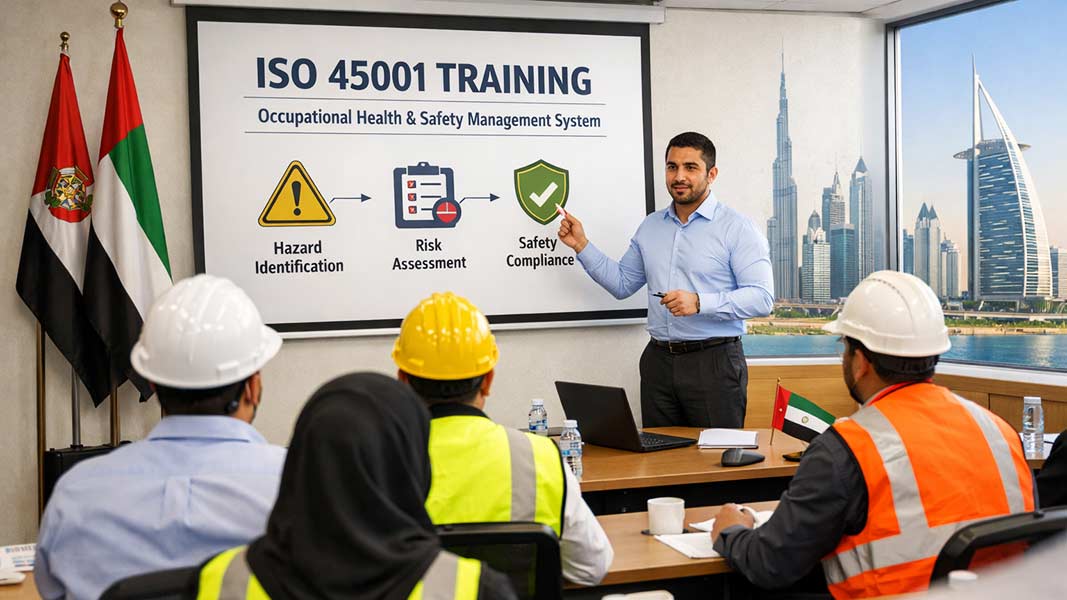
ISO 45001 provides an internationally recognized framework for occupational health and safety management systems. Therefore, an audit based on its requirements may examine leadership commitment, consultation, hazard identification, operational planning, performance evaluation and continual improvement. For example, auditors may assess whether risk assessments influence operational decisions and whether corrective actions are monitored for effectiveness. This approach helps determine whether the management system delivers practical safety improvements rather than simply maintaining documented procedures.

Process and Operational Safety Audit:

This audit process focuses on the safety of specific industrial processes, equipment and operational activities. It evaluates whether technical safeguards, operating procedures and risk controls adequately prevent incidents caused by equipment failures, human error or deviations from approved processes.

This audit is particularly relevant to high-risk sectors such as oil and gas, petrochemicals, manufacturing and power generation. For example, an audit of a hydrocarbon processing facility may examine process isolation, pressure relief systems, control room procedures, hazardous area controls and permit-to-work arrangements. Furthermore, auditors may assess whether critical safety barriers are inspected and maintained. This helps identify weaknesses that could contribute to fires, explosions or loss-of-containment events.

Contractor Safety Audit:

A contractor safety audit evaluates whether contractors and subcontractors comply with an organization’s occupational health and safety requirements while performing work at its premises or project sites. It examines contractor selection, prequalification, risk assessments, method statements, worker competency and site supervision.

The audit also checks whether contractors follow applicable permit-to-work procedures and coordinate their activities with other work groups. For example, a construction project may audit an electrical contractor’s isolation procedures, equipment inspection records, worker qualifications and compliance with site-specific safety rules. Consequently, contractor audits help identify weaknesses in supervision, communication and coordination, particularly where multiple employers operate within the same workplace.

How to Conduct a Safety Audit: Step-by-Step Process:

It requires a systematic and evidence-based approach. The process should examine both documented safety arrangements and their implementation during actual workplace activities. Furthermore, each stage must be properly recorded so that findings can be verified and addressed.

The following ten steps provide a practical framework for planning, conducting and completing a workplace OHS audit.

Step 1: Define the Audit Scope and Objectives:

The first step is to establish what the audit will examine and what it is intended to achieve. A clearly defined scope helps auditors focus on relevant workplace risks, operational activities and management arrangements.

The audit scope should identify:

  • Workplace areas: Facilities, departments, projects or operational locations included in the assessment.
  • Activities and processes: Specific tasks, equipment and operations to be examined.
  • Audit objectives: The purpose and expected outcomes of the assessment.
  • Assessment boundaries: Any exclusions, limitations or relevant time periods.

For example, a construction site audit may focus on work at height, lifting operations, excavation activities and temporary electrical installations. Therefore, defining the scope helps determine the required audit expertise, resources and assessment methods.

Step 2: Establish Audit Criteria and Standards:

After defining the scope, auditors must establish the criteria against which workplace safety performance will be evaluated. These criteria provide a consistent basis for determining whether the organization’s arrangements meet applicable requirements.

Depending on the audit objectives, the criteria may include:

  • Applicable national and local occupational health and safety regulations.
  • ISO 45001 requirements, where adopted or contractually required.
  • Approved organizational safety policies and procedures.
  • Client and contractual HSE requirements.
  • Relevant industry codes of practice and technical standards.

However, auditors must distinguish legally binding requirements from voluntary standards and internal expectations. This distinction is important because a deviation from an internal procedure is not automatically a breach of legislation. Consequently, accurate audit criteria help ensure that findings are classified and reported correctly.

Step 3: Prepare the Audit Plan and Checklist

An audit plan establishes how the assessment will be conducted, while an audit checklist helps auditors examine relevant requirements systematically. Both should reflect the audit scope, applicable criteria and operational risk profile.

An effective audit plan should specify the audit schedule, locations, responsible auditors, departments involved, assessment methods and reporting arrangements.

The checklist may cover:

  • Hazard identification and risk assessments.
  • Machinery safety and equipment maintenance.
  • PPE selection, availability and correct use.
  • Fire prevention and emergency preparedness.
  • Employee training and competency.
  • Permit-to-work and high-risk activities.
  • Incident reporting and corrective action records.

Furthermore, the checklist should guide the assessment rather than restrict it. Auditors must remain alert to additional hazards or weaknesses identified during workplace observations and employee interviews.

Step 4: Review Safety Documents and Records

Before conducting detailed workplace assessments, auditors should examine relevant documents and records to understand how the organization manages occupational health and safety. This review also helps identify inconsistencies that require further investigation during the site assessment.

Important documents may include:

  • Occupational health and safety policies and procedures.
  • Hazard identification and risk assessment records.
  • Safe work procedures and method statements.
  • Permit-to-work documentation.
  • Employee training and competency records.
  • Equipment inspection and maintenance reports.
  • Incident investigation and near-miss records.
  • Emergency response plans and drill reports.

However, approved documentation does not automatically demonstrate effective implementation. Auditors must verify whether employees understand these requirements and follow them during actual work activities. Therefore, document reviews should be supported by physical observations and interviews.

Step 5: Conduct Workplace Inspections and Interviews

The next stage involves examining actual workplace conditions to determine whether safety procedures and control measures are implemented effectively. Auditors should visit relevant operational areas, observe work activities and interview employees and supervisors.

During this assessment, particular attention should be given to:

  • Unsafe conditions and hazardous work activities.
  • Correct selection and use of PPE.
  • Machinery guarding and equipment condition.
  • Housekeeping, access routes and workplace organization.
  • Compliance with approved work procedures.
  • Employee awareness of hazards and emergency arrangements.

Employee interviews are equally important because they reveal whether workers understand their responsibilities and can identify relevant workplace risks. For example, when auditing work at height, auditors should verify fall protection arrangements, equipment condition, anchorage suitability and worker competency.

Step 6: Collect and Verify Audit Evidence

Audit evidence consists of verifiable information used to determine whether the organization meets the established audit criteria. It must be relevant, reliable and sufficient to support the auditor’s conclusions.

Evidence can be collected through several methods:

  • Document examination: Reviewing approved procedures, permits, registers and inspection records.
  • Direct observation: Examining workplace conditions and actual work practices.
  • Employee interviews: Confirming workers’ understanding of safety requirements.
  • Physical verification: Checking equipment condition, protective devices and safety installations.
  • Record sampling: Examining selected records to evaluate implementation and consistency.

Importantly, auditors should corroborate significant findings using appropriate evidence. For instance, a missing inspection record may require physical equipment verification and further enquiries before a conclusion is reached. Therefore, audit findings must never rely solely on assumptions.

Step 7: Identify Non-Conformities and Risk Gaps:

Once sufficient evidence has been collected, auditors must compare actual workplace performance against the established criteria. This comparison helps identify non-conformities, unsafe practices and weaknesses in existing risk controls.

A non-conformity occurs when a specified audit requirement has not been fulfilled. However, not every observation represents a formal non-conformity. Auditors should distinguish between confirmed non-compliance, improvement opportunities and immediate safety concerns.

For example, missing inspection records may indicate a documentation or compliance gap. Conversely, using lifting equipment without required inspections or operating controls may present a direct safety risk. Findings should therefore include objective evidence, the relevant requirement and an appropriate risk classification. This enables management to priorities corrective actions according to the severity and potential consequences of each issue.

Step 8: Prepare the Audit Report

The audit report communicates the assessment results and provides management with a documented record of identified strengths, deficiencies and recommended improvements. It should present findings clearly, objectively and in a format that supports decision-making.

  • A professional audit report should include:
  • Audit objectives, scope and assessment criteria.
  • Audit dates, locations and participating personnel.
  • Assessment methodology and evidence reviewed.
  • Identified conformities and non-conformities.
  • Risk classifications and supporting evidence.
  • Recommended corrective actions.
  • Responsible departments and proposed completion dates.

Findings should refer to specific evidence and applicable requirements rather than vague observations. Furthermore, significant safety deficiencies should be highlighted so management can address critical risks promptly. A clear report also establishes accountability for follow-up actions.

Step 9: Implement Corrective and Preventive Actions

An audit provides limited value if identified deficiencies remain unresolved. Therefore, management must establish appropriate actions to address non-conformities, control existing risks and prevent similar problems from recurring.

An effective action plan should identify:

  • The specific finding and its underlying cause.
  • Immediate measures required to control existing risks.
  • Corrective actions addressing the identified failure.
  • Preventive measures to reduce recurrence.
  • Responsible individuals or departments.
  • Target completion dates and required resources.

For example, if an audit identifies repeated machinery guarding failures, management should investigate why the existing controls were ineffective. Simply replacing missing guards may not be sufficient. Instead, corrective measures may also require changes to maintenance arrangements, supervision and employee training. This approach addresses the underlying causes rather than only the visible symptoms.

Step 10: Verify Actions and Close Audit Findings

The final step is to verify whether corrective actions have been implemented and whether they have effectively addressed the identified deficiencies. However, marking an action as completed does not automatically demonstrate that the original problem has been resolved.
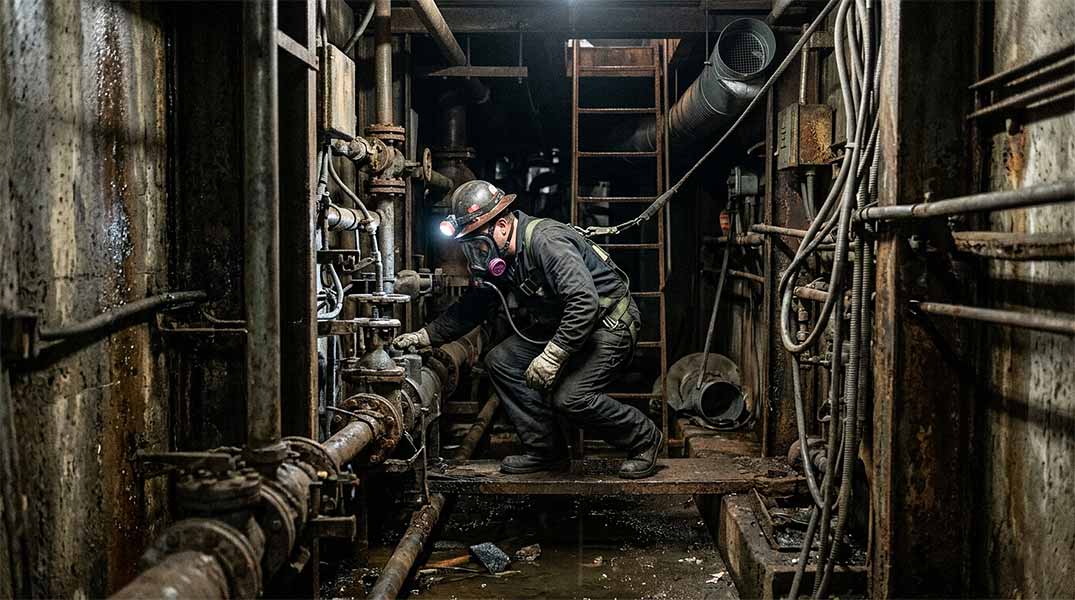
Auditors or designated competent personnel should examine supporting records, inspect affected work areas and, where necessary, repeat relevant tests or observations. For example, after correcting an unsafe electrical installation, verification should confirm that the required modifications have been completed and that the installation meets applicable safety requirements.

An audit finding should only be closed when sufficient evidence demonstrates that the agreed actions have been implemented and their effectiveness has been evaluated. If deficiencies remain, further corrective action and follow-up verification are necessary.

Key Areas Covered in a Workplace OHS Audit:

A workplace occupational health and safety audit examines the systems, procedures and operational controls an organization uses to protect employees and other people who may be affected by its activities. Although the exact audit scope depends on the industry and risk profile, several areas require particular attention. These include hazard management, equipment safety, emergency arrangements, employee competency and regulatory compliance. Therefore, auditors should assess both documented arrangements and their practical implementation.

Occupational Risk Assessment and Hazard Control:

Auditors examine how an organization identifies workplace hazards, evaluates associated risks and implements appropriate control measures. This includes reviewing risk assessments, hazard registers, safe work procedures and the hierarchy of controls. They should also verify whether control measures remain effective when working conditions or operational activities change.

For example, an audit at a construction site may assess controls for working at height, excavation, manual handling and moving machinery. Furthermore, auditors should check whether residual risks are communicated to employees and whether identified control measures are regularly reviewed.

Personal Protective Equipment and Safety Practices:

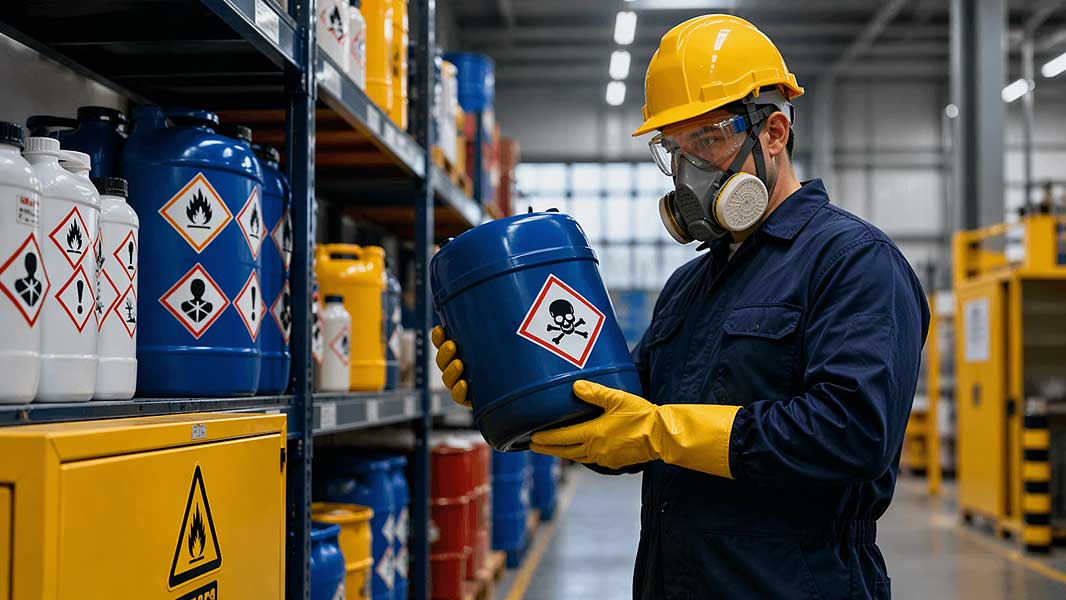
This audit area evaluates whether appropriate personal protective equipment (PPE) is selected, provided, maintained and used correctly. Auditors should verify that PPE selection is based on workplace risk assessments rather than general assumptions.

The assessment may cover:

  • Availability and suitability of helmets, gloves, safety footwear and eye protection.
  • Respiratory and hearing protection where required.
  • Equipment inspection, maintenance and replacement arrangements.
  • Employee training on correct PPE use.
  • Compliance with site-specific safety procedures.

However, PPE should not replace higher-level control measures where these are reasonably practicable. Therefore, auditors must also assess whether engineering and administrative controls are being properly implemented.

Fire Safety and Emergency Preparedness:

Auditors assess whether an organization has suitable arrangements to prevent fires, respond to emergencies and protect employees and visitors. This includes examining fire detection systems, firefighting equipment, emergency exits, evacuation routes and alarm arrangements.

The audit may also verify:

  • Accessibility and condition of fire extinguishers.
  • Emergency lighting and exit signage.
  • Evacuation plans and designated assembly points.
  • Employee awareness of emergency procedures.
  • Emergency drills and response records.
  • Arrangements for people requiring evacuation assistance.

Furthermore, auditors should verify whether emergency equipment is inspected and maintained according to applicable requirements. A documented emergency plan alone is insufficient if employees cannot follow it during an actual emergency.

Machinery, Equipment and Workplace Safety:

This area examines whether machinery, tools and workplace equipment are maintained and operated under appropriate safety controls. Auditors should assess equipment condition, protective devices, inspection arrangements and compliance with approved operating procedures.

Particular attention should be given to:

  • Machinery guarding and emergency stop devices.
  • Electrical installations and portable equipment.
  • Lifting equipment and lifting accessories.
  • Preventive maintenance and inspection records.
  • Safe access, housekeeping and workplace conditions.
  • Equipment operator competency and authorization.

For example, an audit of a manufacturing facility may examine whether machine guards prevent access to dangerous moving parts and whether maintenance activities follow appropriate isolation procedures. Consequently, auditors can identify equipment-related hazards before they contribute to serious incidents.

Permit-to-Work and High-Risk Activities:

Auditors evaluate whether high-risk activities are properly authorized, assessed and controlled through suitable permit-to-work (PTW) arrangements. The assessment should determine whether permits reflect actual site conditions and whether required precautions are implemented before work begins.

Relevant activities may include:

  • Hot work, including welding and cutting.
  • Confined space entry.
  • Electrical work and energy isolation.
  • Work at height.
  • Excavation and ground disturbance.
  • Lifting operations and critical maintenance activities.

Auditors should verify risk assessments, gas testing where applicable, isolation certificates, authorizations and handover arrangements. Furthermore, they should confirm that permits are suspended or closed when work conditions change or activities are completed.

Safety Training and Employee Competency:

An audit examines whether employees have the knowledge, skills and training required to perform their duties safely. It also evaluates whether the organization identifies competency requirements according to job responsibilities and workplace risks.

Auditors may review:

  • HSE induction and refresher training records.
  • Job-specific safety training.
  • Equipment operator qualifications and authorizations.
  • Emergency response and first-aid training.
  • Competency assessments and practical evaluations.
  • Training arrangements for contractors and temporary workers.

However, attendance records alone do not prove competency. Auditors should also interview employees and observe work practices to determine whether they can apply the required safety procedures. Therefore, the assessment should consider both training completion and demonstrated capability.

Incident Reporting and Investigation:

Auditors examine how an organization reports, records and investigates workplace accidents, near misses and occupational health and safety incidents. The purpose is to determine whether incidents are investigated systematically and whether lessons are translated into effective preventive measures.

The review should consider:

  • Incident and near-miss reporting procedures.
  • Investigation records and supporting evidence.
  • Root cause analysis methods.
  • Reporting of applicable incidents to relevant authorities.
  • Corrective action responsibilities and completion records.
  • Communication of lessons learned to employees.

For example, repeated hand injuries may indicate weaknesses in machinery guarding, task design or employee training. Consequently, auditors should assess whether investigations address underlying causes rather than simply attributing incidents to individual behavior.

Safety Documentation and Record Keeping:

This area evaluates whether occupational health and safety documents are properly maintained, controlled, accessible and regularly reviewed. Accurate records help organizations demonstrate compliance, monitor safety performance and verify that established procedures are being implemented.

Auditors may examine:

  • HSE policies, procedures and safety manuals.
  • Risk assessments and method statements.
  • Inspection and maintenance records.
  • Training and competency documentation.
  • Permit-to-work and isolation records.
  • Incident investigations and corrective action registers.
  • Emergency plans and drill reports.

Furthermore, auditors should check document approval, revision history and distribution arrangements. Outdated procedures or inconsistent records can create confusion and undermine operational controls. Therefore, effective document management is an important part of a functioning safety management system.

What Should a Safety Audit Report Include?

It provides a formal record of the assessment, its findings and the actions required to address identified deficiencies. It should communicate results clearly enough for management to understand compliance status, workplace risks and improvement priorities. Moreover, every significant finding should be supported by objective evidence and linked to an applicable audit criterion. A well-structured report also establishes accountability for corrective actions and follow-up verification.

Audit Scope, Objectives and Methodology:

The report should begin by explaining why the audit was conducted, what areas were assessed and how the evaluation was performed. This information helps readers understand the boundaries of the assessment and the basis of its conclusions.

It should include:

  • Audit objectives and defined scope.
  • Locations, departments and activities assessed.
  • Audit dates and participating personnel.
  • Applicable regulations, standards and internal criteria.
  • Methods used, including document reviews, interviews and workplace observations.
  • Any limitations or exclusions affecting the assessment.

Furthermore, identifying the audit methodology improves transparency and allows management to understand how the findings were established.

Evidence, Findings and Risk Classification:

The report should present each significant finding with sufficient objective evidence to demonstrate the issue and its relationship to the relevant audit criterion. Findings should be specific, factual and clearly distinguish confirmed non-conformities from observations or improvement opportunities.

Each finding should ideally identify:

  • The applicable legal, regulatory or internal requirement.
  • The observed condition or identified deficiency.
  • Supporting evidence, such as records, observations or interview results.
  • The potential safety consequences.
  • An appropriate risk or priority classification.

However, organizations should use a consistent classification methodology rather than assigning severity based on personal judgement. This enables management to priorities issues according to their potential consequences and required response.

Recommendations and Corrective Action Tracking:

A useful audit report should translate findings into practical recommendations and a structured corrective action plan. Each action must address the identified deficiency and, where appropriate, its underlying cause.

The corrective action register should record:

  • Audit finding and recommended action.
  • Immediate risk control measures, where necessary.
  • Root cause and proposed corrective measures.
  • Responsible person or department.
  • Target completion date.
  • Implementation status and supporting evidence.
  • Verification results and closure date.

Furthermore, management should monitor overdue actions and escalate unresolved high-risk findings. An action should only be closed after its implementation and effectiveness have been verified.

How to Improve Workplace Safety Performance?

Effective safety auditing requires more than completing checklists and issuing reports. Organizations must establish a consistent audit program, involve employees and use findings to strengthen operational controls. Therefore, audit performance should be evaluated not only by the number of audits completed but also by the quality of findings, timely corrective actions and measurable improvements in workplace safety.

Establishing a Proactive Audit Program:

A proactive audit program helps organizations identify weaknesses before they contribute to workplace incidents or regulatory non-compliance. It should be developed according to operational risks, legal obligations, previous audit findings and changes in workplace activities.

An effective program should include:

  • A documented annual or periodic audit schedule.
  • Risk-based prioritization of departments and activities.
  • Competent and sufficiently independent auditors.
  • Defined audit criteria and reporting procedures.
  • Follow-up arrangements for corrective actions.
  • Periodic reviews of audit program effectiveness.

Furthermore, organizations should conduct additional audits when significant operational changes, serious incidents or recurring deficiencies indicate the need for closer assessment.

Strengthening Employee Participation:

Employee participation improves audit effectiveness because workers understand the practical conditions, hazards and challenges associated with their daily activities. Their involvement can help auditors identify weaknesses that may not be apparent through document reviews or management interviews alone.

Organizations should encourage employees to:

  • Participate in workplace interviews and safety discussions.
  • Report hazards, near misses and unsafe conditions.
  • Provide feedback on existing safety procedures.
  • Contribute to risk assessments and improvement initiatives.
  • Understand and follow corrective actions relevant to their work.

Moreover, employees should feel comfortable raising safety concerns without fear of blame or retaliation. Their practical feedback can help management develop controls that are both effective and realistic.

Using Audit Results for Continuous Improvement:

Audit findings should be treated as an opportunity to improve safety management rather than simply a record of past deficiencies. Organizations should analyses recurring findings, investigate underlying causes and monitor whether corrective actions produce lasting improvements.

Management can strengthen this process by:

  • Reviewing recurring non-conformities and risk trends.
  • Monitoring corrective action completion and effectiveness.
  • Updating risk assessments and safe work procedures.
  • Providing additional training where competency gaps exist.
  • Allocating resources to address significant safety weaknesses.
  • Reviewing safety performance indicators over time.

For example, repeated findings involving unsafe lifting operations may indicate weaknesses in planning, equipment inspection or operator competency. Therefore, analyzing trends helps management address systemic problems instead of repeatedly correcting individual incidents.

Conclusion:

A safety audit is an essential part of evaluating how effectively an organization identifies hazards, controls workplace risks and meets its occupational health and safety obligations. However, its value depends on the quality of the assessment, the reliability of the evidence and the organization’s commitment to addressing identified deficiencies.

By following a structured audit process, examining critical workplace safety areas and verifying corrective actions, organizations can identify weaknesses before they contribute to serious incidents. Furthermore, regular risk-based auditing helps strengthen accountability, improve operational controls and support continual improvement.

For organizations seeking to develop stronger HSE capabilities, investing in professional knowledge and practical auditing competence is equally important. Eduskills Training supports occupational health and safety learning through classroom and e-learning options, helping professionals develop the knowledge required to contribute effectively to safer workplaces.

Frequent Asked Questions (FAQs):

What is the difference between a safety audit and an HSE inspection?

A safety audit evaluates the effectiveness of an organization’s overall safety management arrangements against defined criteria. In contrast, an HSE inspection primarily examines physical workplace conditions, equipment and work practices to identify immediate hazards. Both activities complement each other.


What are the main criteria used during an OHS audit?

Audit criteria may include applicable occupational health and safety legislation, ISO 45001 requirements, internal HSE procedures, contractual obligations and relevant industry standards. However, auditors must distinguish legally binding requirements from voluntary standards.

How is audit evidence evaluated for reliability?

Auditors evaluate evidence based on its relevance, accuracy, traceability and consistency. They typically use document reviews, direct observations, employee interviews and record sampling. Furthermore, significant findings should be supported by verifiable evidence rather than assumptions.

What is the difference between a major and minor non-conformity?

A major non-conformity generally indicates a significant failure to meet an applicable requirement or a breakdown in a critical safety management process. A minor non-conformity involves a more limited deviation that does not indicate an overall system failure. Classification should follow the organization’s defined audit criteria.

How should auditors classify OHS audit findings according to risk?

Findings should be evaluated according to the potential severity of harm, likelihood of occurrence and effectiveness of existing controls. Organizations may use a documented risk matrix to assign priority levels. However, immediate and serious safety threats require prompt intervention regardless of the overall audit classification.

What is the role of ISO 45001 in OHS audits?

ISO 45001 provides requirements for establishing, implementing, maintaining and improving an occupational health and safety management system. Audits against this standard evaluate areas such as leadership, worker participation, hazard identification, operational controls, performance evaluation and continual improvement.

What is the difference between corrective action and preventive action in auditing?

Corrective action addresses the cause of an identified non-conformity to prevent its recurrence. Preventive measures aim to reduce the likelihood of similar deficiencies or potential failures elsewhere. Both should be proportionate to the identified risks and supported by appropriate verification.

What is root cause analysis in a OHS audit?

Root cause analysis is a systematic process used to identify the underlying reasons behind a non-conformity or safety failure. Methods such as the Five Whys and fishbone diagrams can help auditors examine weaknesses in procedures, supervision, equipment, training and management systems.

What is audit sampling, and why is it important?

Audit sampling involves examining a selected portion of records, activities, equipment or work areas to evaluate compliance and implementation. It is useful when reviewing every available record is impractical. However, samples must be appropriate to the audit scope, and limitations should be considered when drawing conclusions.

Why is auditor independence important in occupational health and safety audits?

Auditor independence helps prevent conflicts of interest and reduces the risk of biased findings. Auditors should not assess activities in which their personal responsibilities could compromise objectivity. Where complete organizational independence is impractical, appropriate safeguards should be established to maintain impartiality.

Inquiry Form