Heat Stress Awareness: Recognize the Warning Signs
Heat Stress Awareness starts with a simple fact: the human body can only handle so much heat before it starts to fail and most workers never see the warning

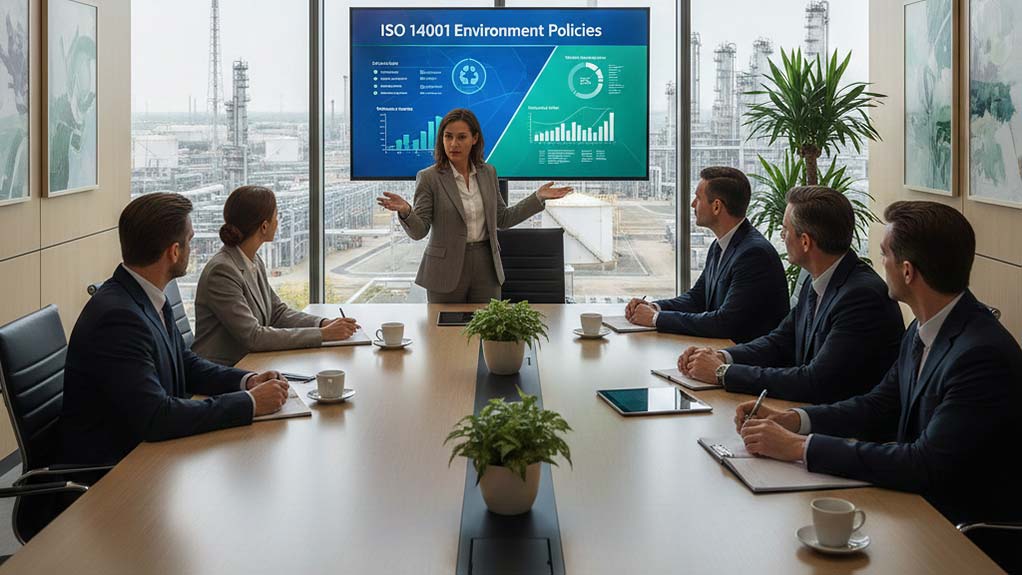
ISO 14001 Environmental Policy and Leadership set the foundation for how an organization turns environmental intent into measurable action. When both elements work in sync, teams move from declarations to real progress because the standard pushes companies to define a clear policy, communicate expectations effectively and align people around shared objectives. Leadership plays the deciding role here, as it shapes priorities, allocates resources and influences how employees approach their environmental responsibilities. When the direction is visible and supported at the top, the entire environmental management system gains strength and consistency. Eduskills Training reinforces this approach by helping professionals build the competence needed to lead environmental performance across the UAE, including Dubai, Abu Dhabi and Sharjah.
A strong ISO 14001 Environmental Policy and Leadership gives an organization clarity because it defines what the company stands for and what it intends to achieve. Leadership turns that direction into action and ensures teams stay aligned with the environmental management system. When both elements are taken seriously, companies experience fewer compliance issues, respond faster to environmental risks and build a culture that values responsible performance. This combination shapes the overall maturity of an EMS and influences how confidently an organization meets the expectations of ISO 14001:2015.
A clear ISO 14001 Environmental Policy and Leadership as the foundation of the entire management system because it guides decisions, sets priorities and outlines the level of commitment the organization is willing to uphold. A well-designed policy helps teams understand what matters most, whether it is reducing energy use, controlling waste or improving resource efficiency. It also supports consistent communication, which means employees across different departments know exactly how their roles contribute to the environmental goals. When the direction is defined early, the rest of the EMS becomes easier to structure and maintain.
Leadership shapes the behavior and momentum of an EMS because people take environmental responsibilities more seriously when they see commitment from the top. Leaders influence the allocation of resources, approve objectives and make decisions that determine how environmental risks are managed. Their involvement also builds trust, therefore employees are more willing to participate in environmental initiatives. When leaders stay engaged during planning, implementation and performance review, organizations achieve stronger outcomes and maintain compliance with fewer setbacks. This is also where upskilling becomes valuable and many professionals choose professional qualification like ProQual Level 7 Diploma in Environmental Management offered by Eduskills Training to strengthen their leadership capability.
Accountability ensures environmental responsibilities are clearly assigned, which reduces confusion and prevents tasks from being overlooked. ISO 14001 expects organizations to identify who is responsible for what because compliance improves when ownership is clear. When managers and team members understand their obligations, they report issues earlier, evaluate risks more accurately and follow procedures more consistently. This structure builds discipline inside the EMS, therefore external audits, regulatory inspections and internal reviews become easier to manage. Strong accountability also supports long-term improvement because teams know how their actions influence environmental performance.
A strong ISO 14001 Environmental Policy and Leadership framework acts as the backbone of an EMS because it defines how an organization plans to manage its impact, meet legal obligations and drive meaningful improvement. ISO 14001 expects this policy to be more than a formal statement. It should guide decisions, shape behaviors and support measurable performance across all levels of the company. When these elements are defined with intent, the policy becomes a living part of the organization rather than a document sitting on a wall.
ISO 14001 requires organizations to commit to environmental protection because it reinforces responsible operations and sets a clear expectation for compliance. A policy should express how the company intends to manage pollution, reduce environmental risks and follow all applicable legal requirements. When this commitment is stated clearly, teams understand that compliance is not optional and environmental responsibilities must be taken seriously. This clarity also strengthens audit readiness and supports credibility with regulators, partners and clients.
Continual improvement keeps an EMS active because it encourages companies to look for better ways to reduce waste, improve energy performance and optimize resource use. A strong policy should reflect this mindset so employees understand that environmental performance is never a one-time achievement. When the focus stays on ongoing progress, companies set meaningful objectives, review results and adjust strategies to remain competitive and compliant. This approach naturally supports resource efficiency, which reduces costs and strengthens sustainability across operations.
Engaging stakeholders strengthens environmental performance because it brings clarity to expectations, roles and responsibilities. The policy should encourage transparent communication with employees, contractors, regulators and other relevant groups. When people understand the environmental goals and how they contribute, participation increases and operational control becomes easier. Communication also helps teams respond faster to risks and keeps environmental expectations visible across the organization. Many professionals enhance these competencies through advanced training such as the ISO 14001:2015 Environmental Management System Lead Auditor online course offered by Eduskills Training in the UAE.
The ISO 14001 Environmental Policy and Leadership must align with wider organizational objectives because environmental performance should support business goals rather than operate separately from them. When the policy reflects the company’s strategy, it becomes easier to integrate environmental considerations into planning, procurement, operations and decision-making. This alignment also motivates leadership because they can see the EMS contributing to long-term value, operational resilience and stakeholder trust. Clear alignment creates a consistent direction for teams and helps the EMS grow with the business instead of constraining it.
Leadership shapes the effectiveness of an Environmental Management System because decisions at the top influence every part of implementation. The expectations of ISO 14001 Environmental Policy and Leadership make it clear that leaders must stay involved, give direction and ensure the EMS supports long-term environmental performance. Their role is not symbolic. It requires active participation, continuous evaluation and a commitment to creating conditions where environmental goals can be met consistently. When leadership is engaged at this level, compliance becomes easier, risks are managed earlier and employees understand the importance of environmental responsibilities.
Leaders are responsible for setting objectives that reflect the organization’s policy and real operational needs. This step matters because objectives guide planning, resource allocation and daily decision-making. Effective targets are measurable, realistic and linked to significant environmental aspects such as energy use, emissions, waste control or resource consumption. When leadership sets clear objectives, departments can align their actions and track progress with confidence. It also prepares the organization for internal and external audits by showing that environmental performance is driven by defined goals rather than vague intentions.
ISO 14001 expects leadership to ensure that the right people, tools and competencies are available. Environmental performance weakens when teams lack training, equipment or authority to act. Leaders must allocate time, budgets and support for EMS activities because the system cannot function effectively without them. Competence development is equally important. Teams need the knowledge to identify risks, follow procedures and contribute meaningfully to environmental goals. Many organizations strengthen this area by investing in professional development qualifications, including ProQual Level 7 Diploma in Environmental Management offered by Eduskills Training, because qualified management can manage compliance more confidently and improve EMS maturity.
A successful EMS is not a separate system. It should be part of everyday work. Leadership ensures this integration by embedding environmental considerations into purchasing, maintenance, operational planning, project execution and performance evaluation. When environmental controls become routine, teams handle risks earlier and maintain consistency without constant reminders. This approach transforms environmental responsibilities from a checklist into a natural part of how the company operates. Integration also reduces errors and strengthens compliance because employees understand how their daily actions affect environmental impact.
Performance reviews are essential because they help leaders see whether the EMS is working as intended. ISO 14001 requires top management to evaluate progress, identify gaps and make informed decisions about improvements. Regular reviews reveal trends in nonconformities, audit findings, resource use and environmental indicators. Leaders can then adjust strategies, update objectives or introduce new controls to strengthen the system. This commitment drives continual improvement and keeps the EMS aligned with both environmental goals and business priorities. When leadership remains involved at this stage, the organization develops resilience and maintains a forward-looking approach to environmental performance.
Environmental culture strengthens when leadership sets the tone, supports accountability and shows that environmental priorities matter as much as operational and financial goals. Employees reflect the values they see from the top, therefore consistent leadership involvement shapes how people think, act and respond to environmental responsibilities. The expectations of ISO 14001 Environmental Policy and Leadership reinforce this because a strong EMS depends on shared values, not just documented procedures. When leaders demonstrate commitment, communicate expectations and reward responsible practices, the culture becomes aligned with long-term environmental performance.
Leadership influences behaviors and decision-making because employees mirror the priorities they see from the top. When leaders connect daily decisions with the expectations of ISO 14001 Environmental Policy and Leadership, teams start addressing environmental risks earlier, asking better questions and considering impacts before approving work. This shift strengthens operational control and builds a more proactive environmental mindset across the organization.
Environmental responsibilities stretch across departments, therefore leadership must encourage shared ownership rather than leaving everything to the HSE or EMS teams. When cross-functional groups understand how their actions support the goals of ISO 14001 Environmental Policy and Leadership, coordination improves and problems are resolved faster. This approach breaks silos and creates a system where every department supports environmental performance. Many organizations develop this capability through Eduskills Training, especially when preparing for ISO 14001 Certification or strengthening EMS integration.
Linking responsibilities to job roles makes environmental culture stronger because people understand how their tasks align with the organization’s ISO 14001 Environmental Policy and Leadership commitments. Leadership ensures these responsibilities are clear, realistic and supported with the right competence. When employees know how their role contributes to environmental goals, they work with more confidence, report issues earlier and maintain consistency across the EMS.
A well-structured environmental policy only creates real value when it is applied consistently across the organization. ISO 14001 encourages a practical, systematic approach because EMS implementation requires clarity, coordination and continuous evaluation. Leadership, managers and frontline teams all play a part in turning policy commitments into daily practices. When these steps are followed with discipline, the EMS becomes predictable, effective and aligned with organizational goals.
The implementation process begins with identifying environmental aspects because an organization must understand how its activities affect air, water, waste, energy and natural resources. This assessment helps determine which impacts are significant and which controls are necessary to reduce risks. A detailed assessment allows the organization to allocate resources properly, prioritize actions and maintain compliance with legal requirements. When leadership is involved throughout this step, teams gain clarity and respond more confidently to environmental challenges.
Clear objectives convert policy commitments into real performance targets. ISO 14001 expects these objectives to be measurable, trackable and relevant to significant environmental aspects. Targets may focus on waste reduction, improved energy efficiency, pollution control or better resource management. When objectives are measurable, teams can track progress, evaluate performance and adjust actions more accurately. This transparency keeps the EMS active and ensures the organization continues moving toward meaningful environmental improvement.
Communication determines whether the environmental policy becomes a shared responsibility or a forgotten document. Leaders and managers must communicate expectations clearly because employees perform better when they understand how environmental requirements influence their work. Regular briefings, toolbox talks, internal memos and department meetings all help reinforce the message. This visibility creates alignment between teams and prevents misunderstandings that can lead to nonconformities. Effective communication also builds trust, which improves participation and encourages employees to report issues before they escalate.
Monitoring is essential because it shows whether the policy is producing the desired results. ISO 14001 encourages organizations to measure progress using indicators such as waste volumes, energy consumption, incident trends and audit findings. Leaders and managers should evaluate these results regularly to determine whether the policy remains relevant, effective and aligned with changing environmental conditions. When gaps appear, the organization must update the policy or strengthen controls. Many companies refine this part of their EMS by seeking advisory and training support from Eduskills Training, especially when preparing for ISO 14001 Certification or conducting internal audits.
Organizations often struggle with ISO 14001 Environmental Policy and Leadership because the EMS grows without consistent direction or follow-through. These gaps weaken compliance, reduce employee participation and limit the effectiveness of ISO 14001 requirements. Addressing them early strengthens the EMS and prevents recurring nonconformities during audits. When companies understand the root causes, they can correct weaknesses with targeted actions that improve environmental performance and leadership accountability.
Many environmental policies fail because they rely on generic statements that do not reflect real operational activities. A policy must be specific enough to guide decisions because employees should clearly understand what the organization intends to control, reduce or improve. Outdated policies create similar problems since they no longer match current risks, legal requirements or business priorities. Organizations can resolve this gap by reviewing the policy annually, aligning commitments with actual environmental aspects and ensuring the language reflects how the business operates today.
Some companies assign responsibility for the EMS to middle management while senior leaders remain distant from environmental decisions. This creates a visible gap because employees notice when leadership is not involved, which lowers accountability and weakens the environmental culture. ISO 14001 expects leadership to stay engaged, therefore they must participate in reviews, support risk assessments and allocate resources for improvements. When leaders demonstrate consistent involvement, the EMS becomes stronger, more credible and easier to maintain. Engagement at this level also builds confidence during audits and enhances long-term environmental performance.
Environmental responsibilities become unclear when communication channels are weak or training is inconsistent. Employees cannot meet environmental expectations if they do not understand procedures, risks or policy commitments. This often leads to errors, nonconformities and missed improvement opportunities. Organizations can address this gap by strengthening their training programs, updating communication tools and ensuring each department receives information relevant to their work. Practical, role-based training improves competence because employees learn how environmental responsibilities fit into their daily tasks. Many organizations close this gap through structured programs delivered by Eduskills Training, especially when preparing teams for internal audits or policy implementation.
Organizations improve faster when leaders and teams receive the right guidance at the right time. Eduskills Training supports companies in Dubai, Abu Dhabi and across the UAE that want to strengthen their environmental policy, leadership involvement and overall EMS effectiveness because practical competence drives real results. The focus is always on helping organizations understand ISO 14001 requirements, apply them correctly and build internal capability that lasts. This approach supports long-term environmental performance and prepares companies for stronger compliance and smoother certification journeys.
Eduskills Training provides customized guidance that helps companies refine their policies so they are actionable, relevant and aligned with ISO 14001 requirements. This support ensures the policy speaks to the organization’s actual risks and priorities. It also helps leadership understand how policy commitments influence planning, operational controls and continual improvement.
Whether an organization is strengthening its current EMS or preparing for ISO 14001 Certification, Eduskills Training provides practical solutions that fit local regulatory requirements and industry needs. This regional support helps companies build stronger leadership, achieve compliance with confidence and maintain consistent environmental performance across all operations.
Its purpose is to define the organization’s commitment to environmental protection, compliance and continual improvement while guiding decisions across the EMS.
Leadership sets direction, allocates resources and ensures environmental responsibilities remain a priority in daily operations.
It shapes values, behaviors and expectations because employees follow the tone set by management, which directly affects environmental performance.
The policy should include commitments to compliance, pollution prevention, continual improvement and alignment with organizational objectives.
It should be reviewed regularly, usually during management reviews, or whenever operations, risks or environmental requirements change.
Leadership reviews performance, identifies gaps and adjusts strategies so the EMS keeps evolving.
By assigning clear responsibilities, defining job-specific duties and ensuring teams understand how their actions impact the environment.
They create a structured framework for legal compliance, risk management and performance monitoring across all departments.
The standard expects duties to be assigned based on authority, competence and daily activities so everyone contributes meaningfully.
Heat Stress Awareness starts with a simple fact: the human body can only handle so much heat before it starts to fail and most workers never see the warning
HIRA in the workplace is not a paperwork exercise. It is the single most important process that stands between your workers and a serious injury, a fatality or a

Forklift hazards and risk control is a critical responsibility in any workplace where powered industrial trucks operate daily. Warehouses, construction sites, manufacturing plants and logistics hubs rely on forklifts
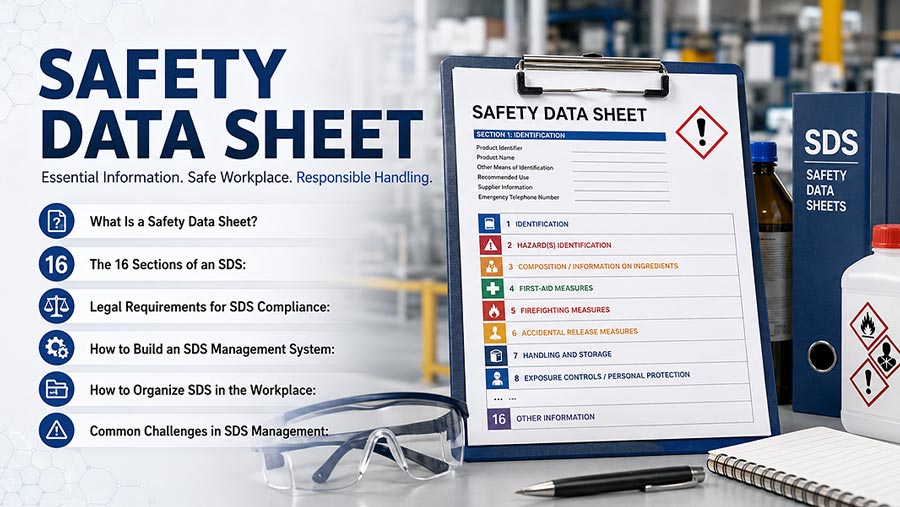
Every year, thousands of workplace chemical incidents happen not because the hazard was unknown, but because the right information was not where it needed to be. A Safety Data
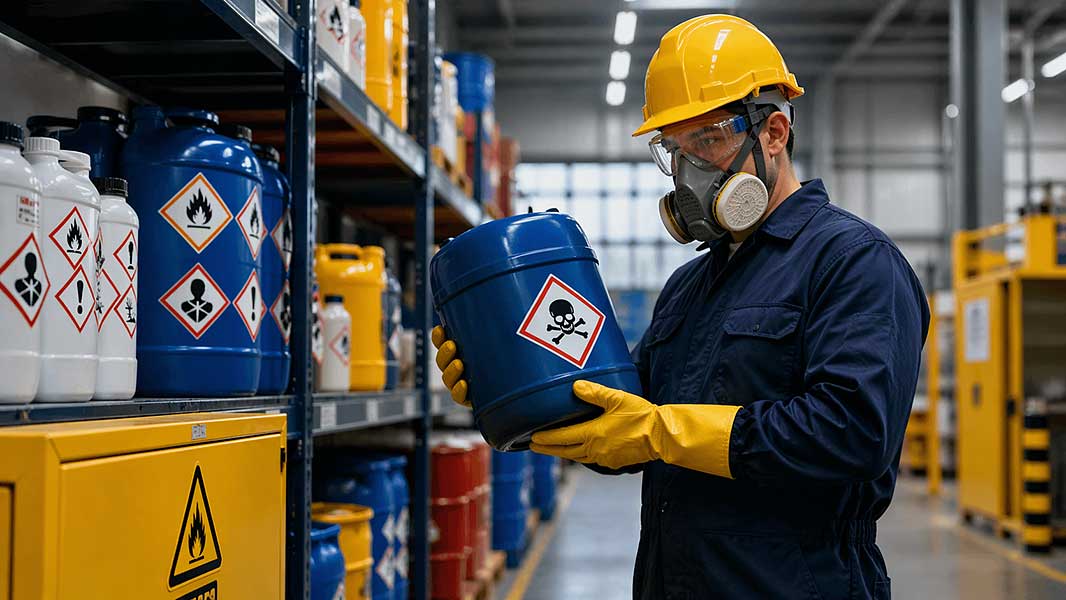
Hazardous Materials Safety is the line between controlled operations and catastrophic failure because one mismanaged chemical, one incompatible storage condition or one missed warning label can trigger injuries, fires,

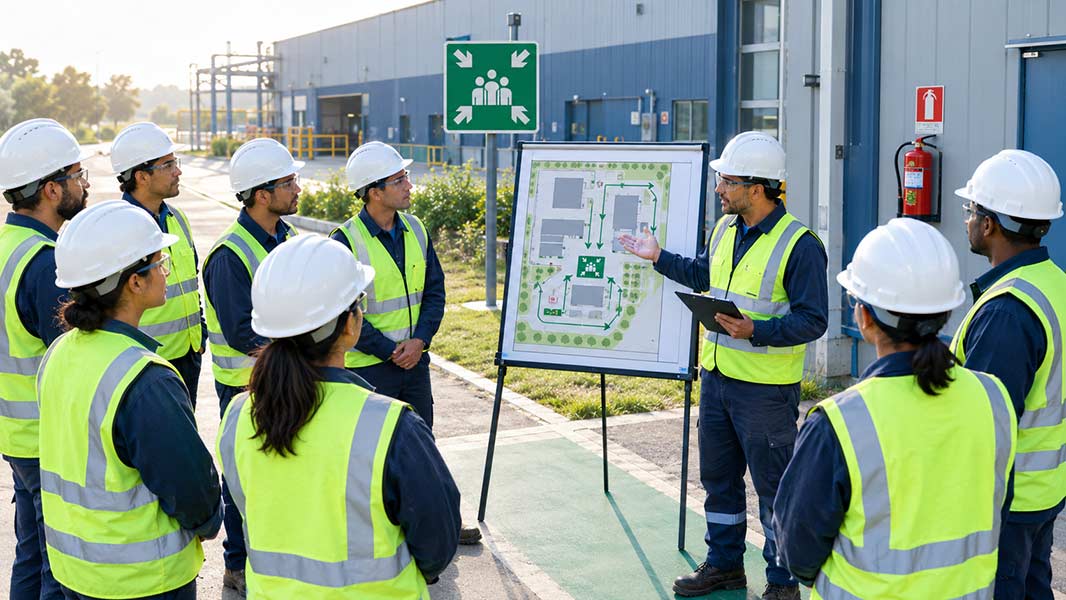
Emergency Preparedness in UAE is no longer optional because a single unplanned incident can shut down operations, cause serious injuries and expose businesses to legal consequences. In high-risk sectors,

ISO 14001 Environmental Management Lead Auditor in UAE is a highly respected role because organizations rely on qualified professionals to assess environmental management systems (EMS), ensure ISO 14001:2015 compliance

Fall protection for work at height remains one of the most critical safety priorities across construction, oil and gas, manufacturing and maintenance industries because even a minor lapse can

Key requirements of ISO 9001 Certification in UAE define how organizations build a structured, consistent and performance-driven ISO 9001 Quality Management System that meets customer expectations and regulatory demands.
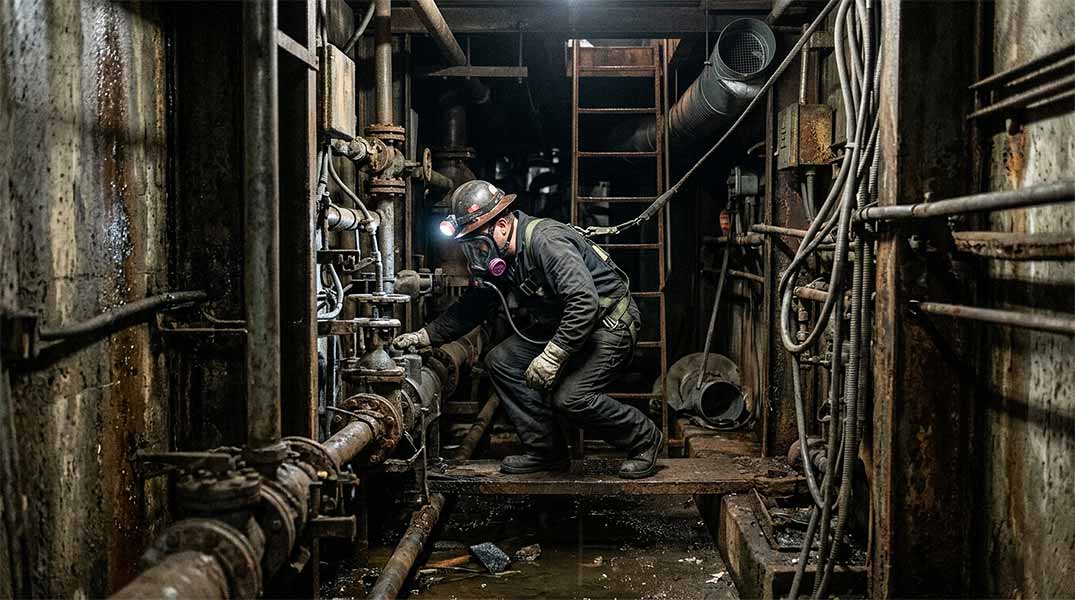
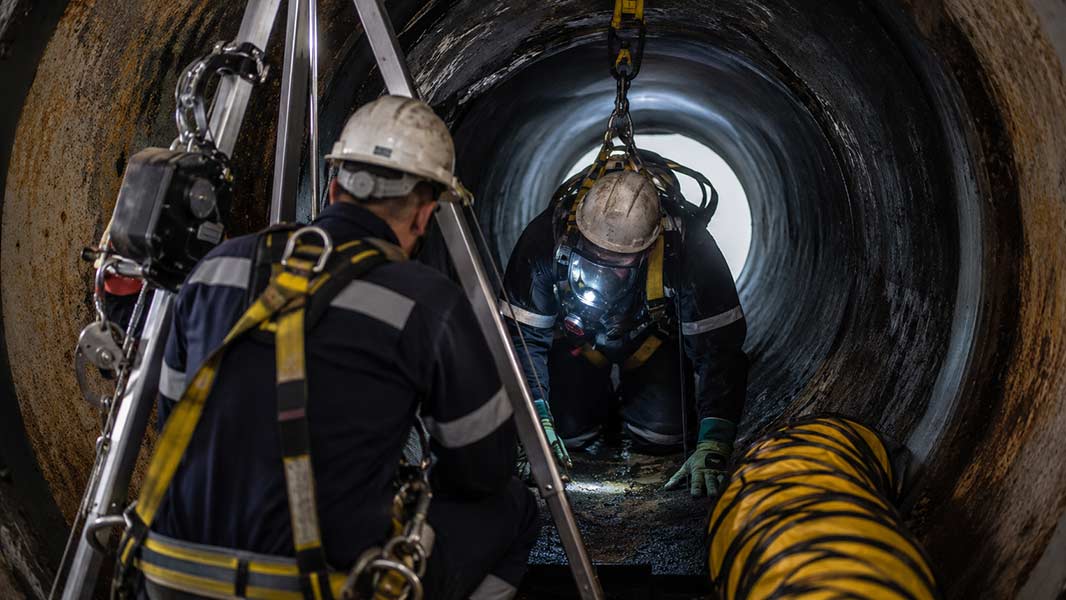
Confined Space Hazards remain one of the most critical risks in industrial workplaces because they combine limited access, poor ventilation and unpredictable conditions that can turn routine tasks into

The benefits of ISO 45001 lead auditor training are becoming increasingly important for safety professionals in the UAE because industries such as construction, oil and gas, manufacturing, logistics and
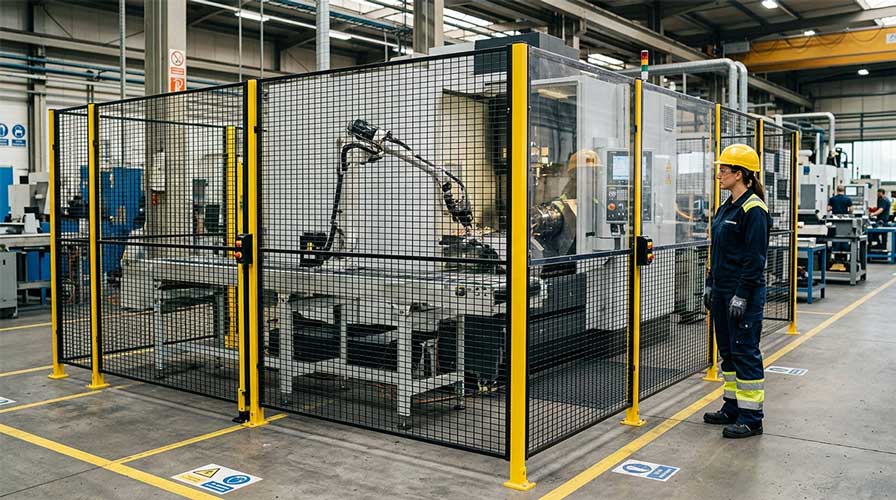
Machine Guarding Safety protects workers from dangerous moving parts, mechanical hazards and high-risk machine operations that exist across industrial workplaces. Manufacturing equipment, conveyor systems, cutting machines, presses and rotating

The ISO 14001 Certification Process provides organizations with a structured method to establish an effective Environmental Management System (EMS) that identifies environmental aspects, evaluates potential environmental impacts and implements
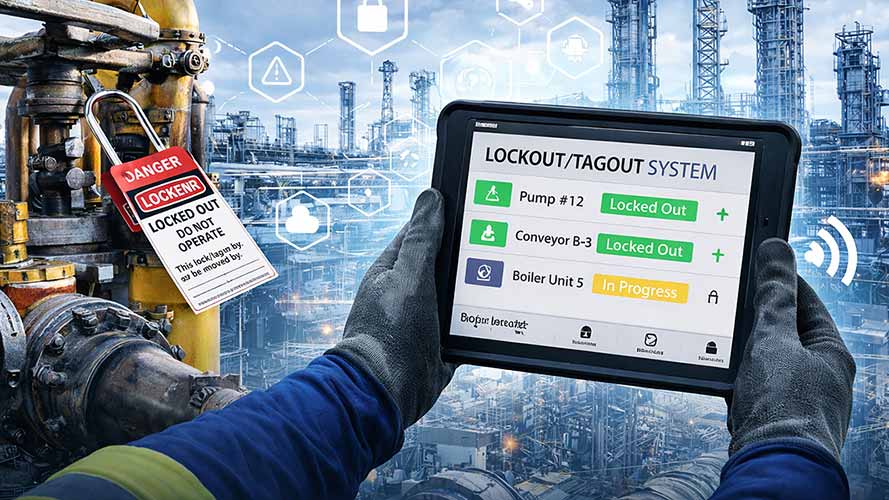
Digital LOTO Systems are becoming an essential part of modern industrial safety programs because traditional paper-based lockout tagout procedures often create gaps in documentation, communication and verification of hazardous

The benefits of ISO 9001 Lead Auditor Course in UAE are clear for professionals who want authority in quality management, because this qualification proves you can plan, conduct and

Employee Assistance Programs for workplace safety strengthen risk control because mental health, personal stress and financial pressure directly affect concentration, judgment and safe behavior at work. Many incident investigations
ISO 45001 clause 5.1 leadership and commitment requirements determine whether an Occupational Health and Safety Management System truly works in practice. Under the ISO 45001 framework, top management is

Bullying and harassment prevention in the workplace is a critical part of occupational health, legal compliance and organizational risk management. When disrespectful conduct is ignored, employee morale declines and
The benefits of ISO 14001 Lead Auditor Training in UAE extend far beyond earning a professional credential. This advanced qualification by Eduskills Training equips you to plan, conduct and

Workplace violence prevention is not limited to reacting after an incident occurs but instead focuses on identifying risks early and controlling them before harm happens. Violence at the workplace
HSE KPIs are the backbone of effective health, safety and environmental performance measurement because they turn policies, procedures and controls into measurable outcomes. When defined and used correctly, KPIs

ISO 45001 Implementation is the process of building a structured occupational health and safety management system that actually works on the ground, therefore reducing risks, preventing incidents and protecting

Fatigue management at the workplace has become a critical safety concern because fatigue directly affects alertness, judgment, reaction time and decision-making. When workers are fatigued, the likelihood of errors

Guide to ISO 45001 Lead Auditor Course is the starting point for professionals who want to upgrade from “knowing safety” to auditing occupational health and safety systems with confidence

Ergonomics and Musculoskeletal Health sit at the center of injury prevention because most work-related pain develops from everyday tasks rather than sudden accidents. When jobs are designed without considering

Incident investigation is the backbone of effective occupational health and safety, because it focuses on understanding why an incident occurred rather than who was involved. When done properly, it

ISO 14001 Gap Analysis is a structured assessment that helps organizations measure their current Environmental Management System against ISO 14001 requirements because even small compliance gaps can lead to

Choosing the right professional certification depends on career goals, industry exposure and long-term relevance. Many professionals choose ISO 9001 Lead Auditor Course in UAE because organizations across the region
ISO 45001 Training in the UAE is no longer optional for professionals responsible for workplace safety, compliance and operational control. Organizations are under increasing pressure to reduce incidents, meet

ISO 45001 Implementation and Certification for SMEs in UAE has become a direct path for small and medium businesses to strengthen safety performance because it brings structure, accountability and
ISO 14001 Environmental Policy and Leadership set the foundation for how an organization turns environmental intent into measurable action. When both elements work in sync, teams move from declarations

Mental health in workplace safety is a critical factor that decides how consistently people follow procedures, recognize hazards and respond under pressure. When employees feel overwhelmed, their ability to

An ISO 45001 Gap Analysis gives you a realistic picture of how your current safety practices measure against the requirements of the ISO 45001 Occupational Health and Safety Management

Psychosocial hazards in the workplace influence how people think, behave and respond to risks because they directly affect mental wellbeing long before a physical incident occurs. When pressure builds,

Behavior based safety plays a defining role in how workplace safety culture grows, matures and stays consistent across daily operations. When organizations pay attention to the way people act
Soft skills for HSE professionals shape how effectively they communicate, influence and guide people on site, therefore they matter just as much as technical expertise. I’ve seen many safety
ISO 9001 digital transformation is reshaping how organizations in the UAE manage quality, safety and efficiency. Companies across Dubai, Abu Dhabi and Sharjah are moving beyond traditional paperwork and
An HSE Implementation Plan is the foundation of every safe and responsible workplace. It provides a structured framework for managing health, safety and environmental risks so that daily operations
ISO 45001 nonconformities are among the most common challenges organizations face during health and safety audits. We’ve seen many businesses struggle with recurring gaps that delay certification, affect compliance,
Leadership in ISO 9001 Certification success is the single most decisive factor that determines whether an organization truly achieves quality excellence or merely collects a certificate. ISO 9001:2015 places
An ISO 45001 audit preparation is far more than gathering documents and hoping for the best. It’s a disciplined process that tests your organization’s true commitment to occupational health
Common ISO 14001 implementation mistakes can quietly derail even the most well-intentioned environmental management plans. Many organizations across the UAE especially in Dubai, Abu Dhabi or Sharjah start with
ISO 9001 audit nonconformities reveal where a quality management system falls short of meeting the standard’s requirements. They highlight gaps in consistency, documentation, or process control that can impact
Achieving ISO 45001 certification is more than a compliance milestone, it’s a strategic commitment to protecting people and building a culture of safety across all levels of an organization.
Continuous improvement is the backbone of every high-performing organization. It’s not just about fixing what’s broken — it’s about building a culture that keeps evolving, learning and improving every
NVQ Level 6 Career Progression has become a defining step for health and safety professionals aiming to move from technical roles to senior leadership positions. The ProQual NVQ Level
Both the NVQ Level 7 SHSLM and NVQ Level 6 OHSP are highly respected health and safety qualifications, but they serve a little different career stages and objectives. As
A Health and Safety Internal Audit Report is more than a document; it’s the foundation for maintaining a safe, compliant, and accountable workplace. Every organization, whether operating in construction,
Health and safety leadership is the foundation of every successful organization that values its people. It’s not just about rules, checklists, or compliance manuals. It’s about creating a shared
A well-structured HSE Plan is the backbone of workplace safety and regulatory compliance in the UAE. It outlines how businesses protect workers, manage risks and meet legal requirements across