HIRA in the Workplace - Hazard Identification and Risk Assessment

HIRA in the workplace is not a paperwork exercise. It is the single most important process that stands between your workers and a serious injury, a fatality or a regulatory shutdown. Every year, the International Labour Organization estimates that 2.3 million workers die from work-related accidents and diseases globally and hundreds of millions more suffer non-fatal injuries. Most of those incidents had warning signs that a proper workplace hazard identification process would have caught in time.
HIRA in the workplace gives organizations a repeatable framework to proactively identify workplace safety hazards, evaluate the level of risk each one carries and put the right controls in place. When done correctly, it protects people, reduces liability and builds a stronger workplace safety management culture from the ground up.

This guide covers everything you need to know, including the HIRA process steps, a practical HIRA checklist for the workplace, the risk matrix, industry-specific examples and the most common mistakes teams make when they think they are doing HIRA right but are not.

What Is HIRA in the Workplace?

HIRA in the workplace is a structured process to identify potential hazards and assess the level of risk each one presents before harm occurs. It is the foundation of any serious occupational health and safety management system. The process is proactive by design, because it requires organizations to examine tasks, equipment, environments and substances in advance and act while there is still time to prevent injury.

The Difference Between a Hazard and a Risk:

Confusing these two terms leads to poorly structured assessments, so the distinction is worth getting right.

A workplace hazard is any source or condition with the potential to cause harm. It exists regardless of whether anyone is exposed to it. An unguarded machine, a chemical spill or a poorly lit staircase are all hazards. The harm has not happened yet, but the potential is present.

Occupational risk is the likelihood that the hazard causes harm, combined with how severe that harm would be. The same wet floor carries a high risk at the top of a busy staircase and a low risk in a rarely accessed storage room. The hazard is identical in both cases, but the risk is not, because risk depends on exposure, frequency and consequence.

In short, a hazard is the source and risk is the probability and impact. HIRA addresses both in sequence, because identifying hazards without evaluating risk leaves you with no clear basis for prioritizing action.

Why HIRA Is a Legal and Moral Obligation?

In most jurisdictions, workplace risk assessment is a legal requirement, not a recommendation. The UK’s Management of Health and Safety at Work Regulations 1999 requires employers to carry out suitable and sufficient risk assessments. OSHA’s General Duty Clause in the US holds employers accountable for recognized hazards. Across the GCC and internationally, ISO 45001 reinforces the same obligation. Non-compliance means fines, shutdowns and litigation.

But the legal case is only part of it. Workers show up expecting to go home unharmed. When a hazard was known and ignored, no insurance settlement undoes the damage to a family or a team. The National Safety Council reported that workplace injuries cost US employers over $181 billion in 2024. Organizations that treat occupational safety risk assessment seriously report fewer incidents, lower insurance costs and stronger workforce morale.

HIRA is therefore both a compliance requirement and a basic standard of responsible management.

Common Workplace Hazards You Cannot Afford to Miss:

Every workplace has hazards. The ones that cause the most damage are rarely the dramatic ones. They are the hazards that become so familiar that nobody notices them anymore. A structured workplace hazard identification process forces you to look at your environment with fresh eyes because familiarity is one of the biggest contributors to workplace incidents.

Physical and Mechanical Hazards:

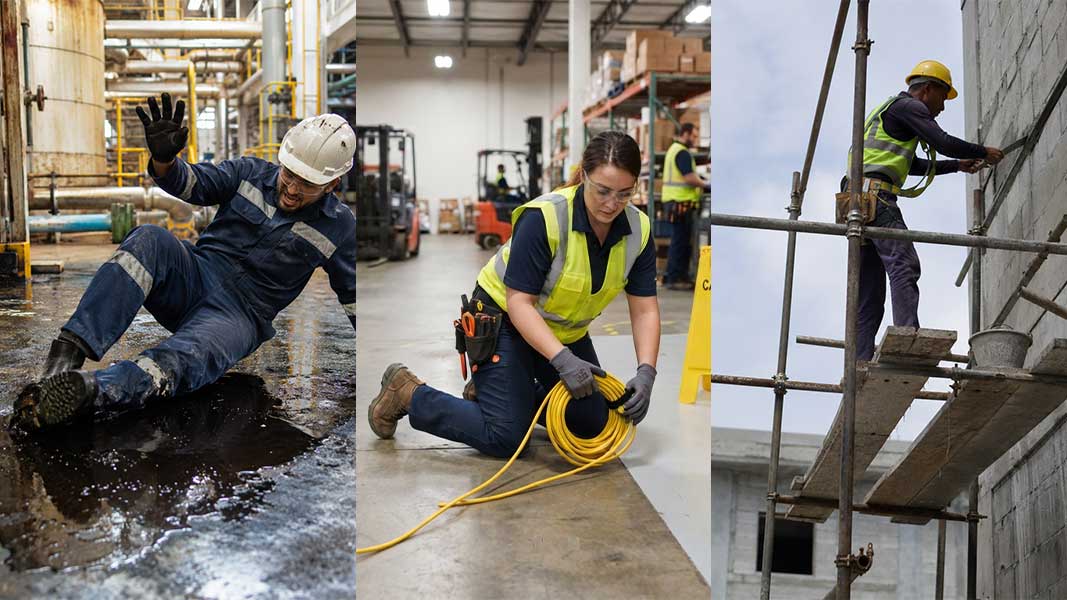
Physical and mechanical hazards are the most visible category and still the leading cause of workplace injuries globally. The ILO reports that slips, trips and falls alone account for over 30% of all non-fatal workplace injuries worldwide.

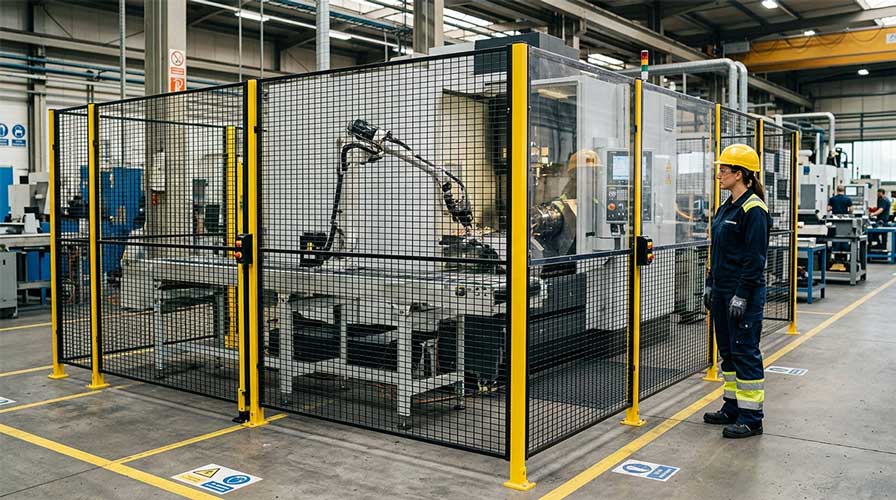
This category includes unguarded machinery, rotating equipment, falling objects, inadequate lighting, excessive noise, extreme temperatures and unsecured working at heights. In construction, an unprotected floor opening is a physical hazard. In manufacturing, an exposed conveyor belt with no emergency stop within reach is a mechanical hazard. Both are preventable and both continue to cause fatalities every year because someone assumed the risk was acceptable.

During HIRA in the workplace, physical hazards should be among the first items examined because they are often the most straightforward to identify and control through engineering measures, barriers and safe work procedures.

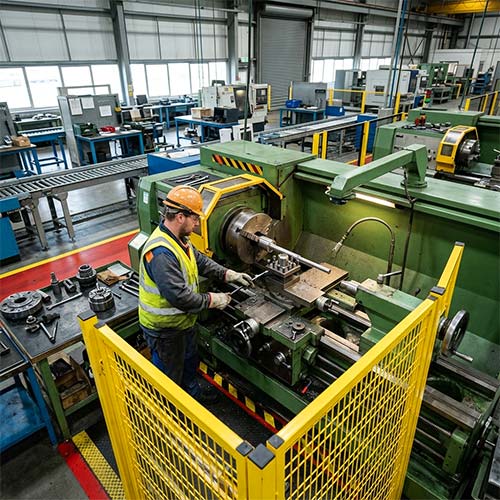
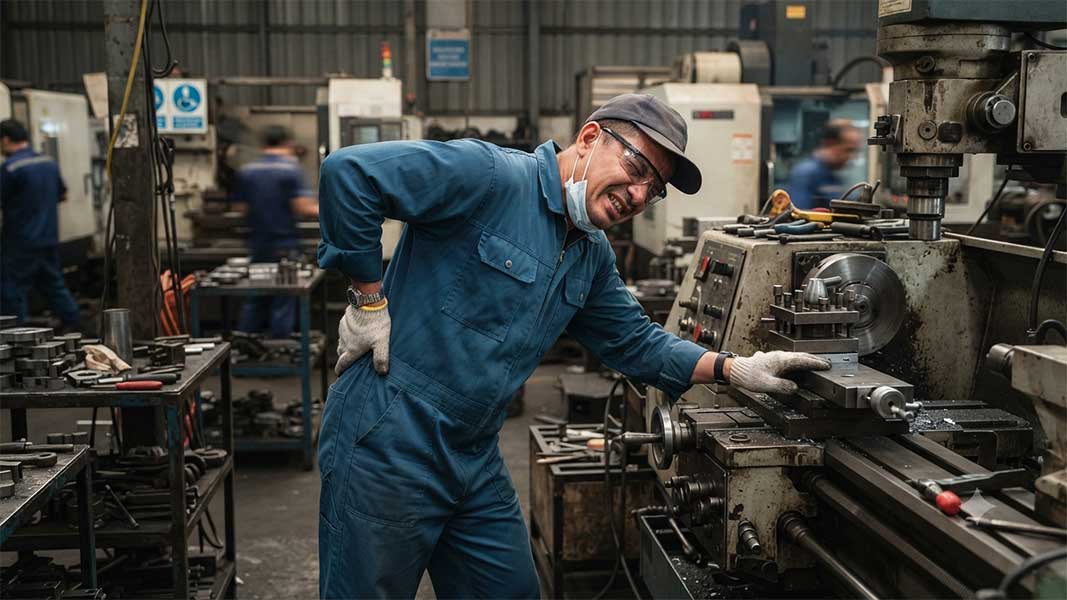
Worker operating a lathe machine with safety guards in a manufacturing facility, representing mechanical hazards in HIRA.

Chemical Hazards:

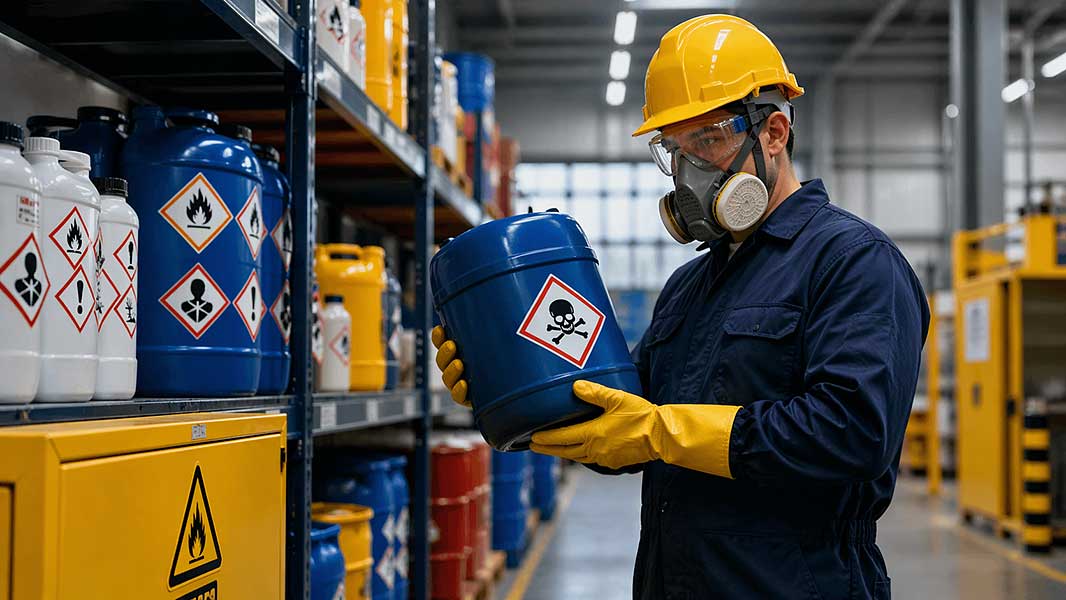
Chemical hazards in the workplace are present in far more industries than most people assume. They exist in oil and gas, laboratories and manufacturing etc. But they also exist in cleaning products used in hotels, adhesives used in carpentry workshops and printer toner in standard office environments.

Exposure does not always look dramatic. Workers can inhale, absorb or ingest harmful substances over months or years before any symptoms appear, which makes chemical hazards particularly dangerous from a long-term occupational health perspective. Diseases like occupational asthma, chemical burns and toxic liver damage are direct consequences of unmanaged chemical exposure.

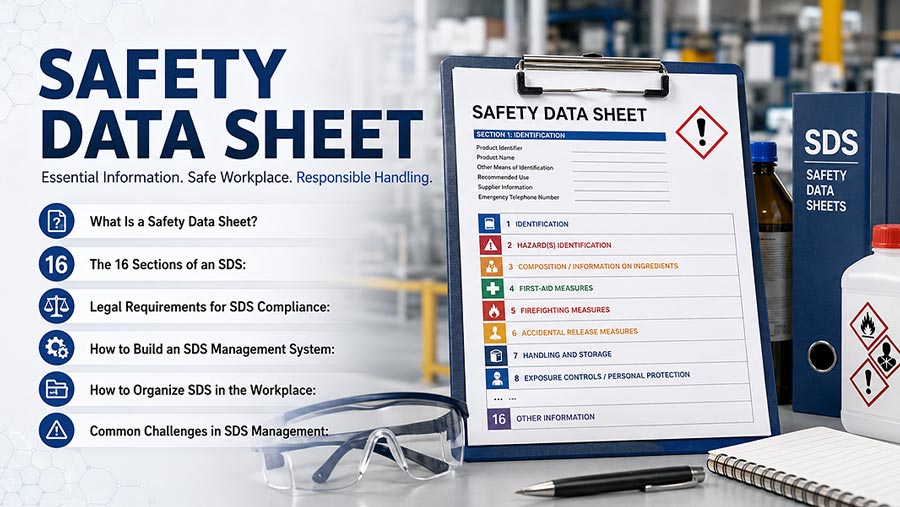
Effective occupational risk assessment for chemical hazards requires reviewing Safety Data Sheets, monitoring air quality, evaluating exposure duration and frequency and selecting appropriate PPE and engineering controls. Substituting a hazardous chemical with a safer alternative where possible is always the preferred control measure.

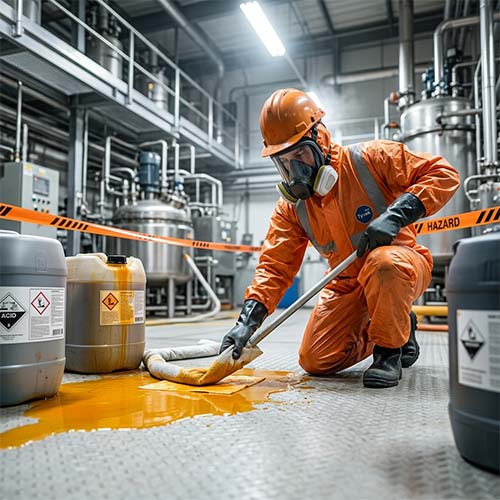
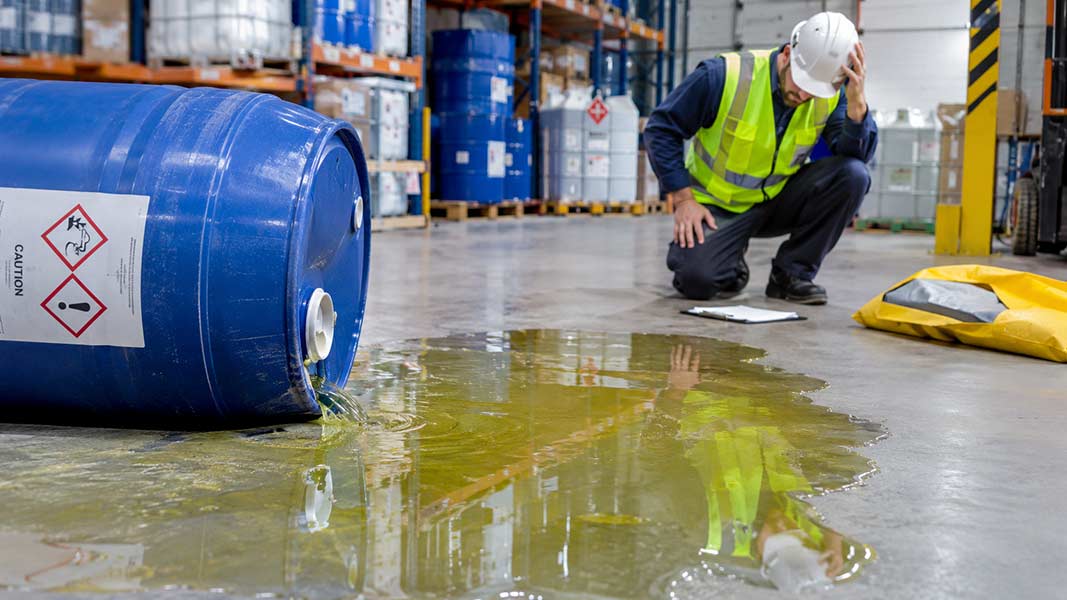
Worker in full protective suit cleaning up a chemical spill in an industrial facility, demonstrating chemical hazard control.

Biological Hazards:

Biological hazards include bacteria, viruses, fungi, parasites and other microorganisms that workers may encounter in their daily tasks. Healthcare, agriculture, waste management, laboratories and food processing are the highest-risk industries, but biological hazards exist wherever humans work in environments shared with organic material or other people.

The COVID-19 pandemic brought biological hazards in the workplace into sharp focus for industries that had never seriously considered them before. Many organizations had no biological risk controls in place, no exposure protocols and no emergency response plans. The result was widespread workforce illness, operational shutdowns and in far too many cases, preventable deaths.

Controlling biological hazards requires a combination of vaccination programs where applicable, strict hygiene protocols, proper waste disposal, adequate ventilation and clearly communicated workplace safety procedures. These controls need to be assessed, documented and regularly reviewed as part of a comprehensive HIRA process.

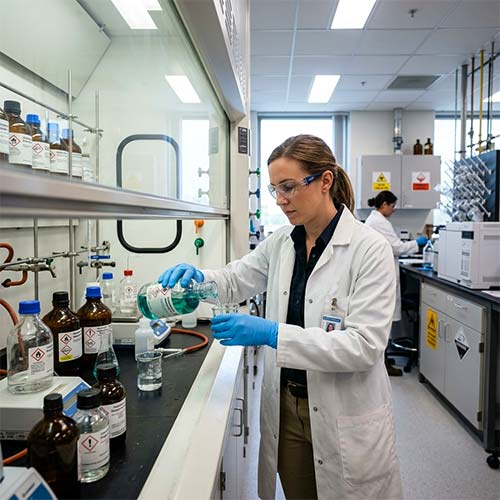
Female lab technician handling chemical substances with PPE in a laboratory, illustrating chemical hazard assessment.

Ergonomic Hazards:

Ergonomic hazards arise from tasks and working conditions that place excessive physical demand on the human body. Repetitive movements, awkward postures, manual handling of heavy loads, prolonged static positions and poorly designed workstations all contribute to musculoskeletal disorders over time.

The Health and Safety Executive in the UK reports that work-related musculoskeletal disorders account for nearly 27% of all working days lost to ill health annually. That is not a minor statistic. It represents millions of workers experiencing chronic pain, reduced mobility and in severe cases, permanent disability, all from hazards that were entirely preventable with proper ergonomic risk assessment.

Ergonomic hazards are particularly easy to overlook because the harm they cause is gradual. There is no single incident to investigate. Therefore, including ergonomic evaluation as a core component of HIRA in the workplace is essential, especially in manufacturing, logistics, construction and office environments where repetitive or physically demanding work is routine.

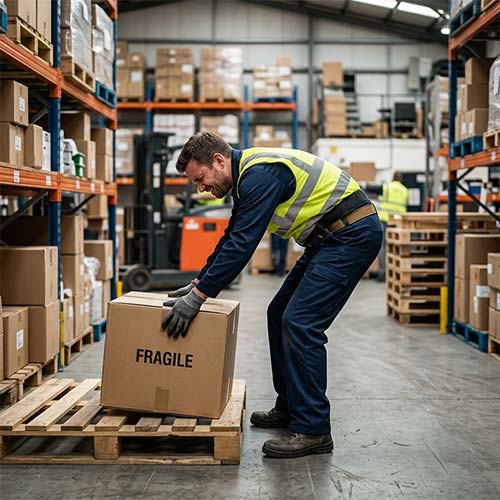
Warehouse worker manually lifting a fragile box with poor posture, representing ergonomic hazards in HIRA in the workplace.

Psychosocial Hazards:

Psychosocial hazards cover the mental and emotional dimensions of work. Excessive workload, poor management practices, workplace bullying, harassment, job insecurity, role ambiguity and lack of autonomy are all recognized contributors to occupational stress, burnout, anxiety and depression.

The World Health Organization estimates that depression and anxiety cost the global economy $1 trillion per year in lost productivity. Despite this, psychosocial hazards remain the most underreported and least assessed category in most workplace risk assessment programs. Part of the reason is cultural. Many organizations still treat mental health as a personal issue rather than a workplace one. That position is no longer professionally or legally defensible.

ISO 45003, published in 2021, provides specific guidance on managing psychological health and safety at work and its adoption is growing. Including psychosocial factors in your occupational risk assessment is not progressive thinking at this point. It is a professional standard that reflects where the HSE field has moved.

Stressed office worker overwhelmed with workload, representing psychosocial hazards identified during HIRA in the workplace.

Electrical Hazards:

Electrical hazards in the workplace are responsible for thousands of injuries and deaths every year, yet they are frequently underestimated outside of obviously high-voltage environments. The reality is that electrical hazards exist wherever there is equipment, wiring or power supply, which means virtually every workplace is exposed.

Common electrical safety risks include faulty wiring, overloaded circuits, damaged insulation, improper earthing, use of electrical equipment in wet conditions and unauthorized modifications to electrical installations. Contact with live electrical parts can cause electric shock, cardiac arrest, severe burns and fatal electrocution. Arc flash incidents in industrial environments can release energy equivalent to a small explosion.

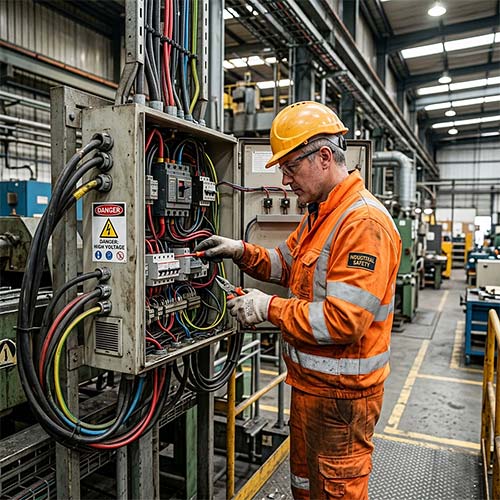
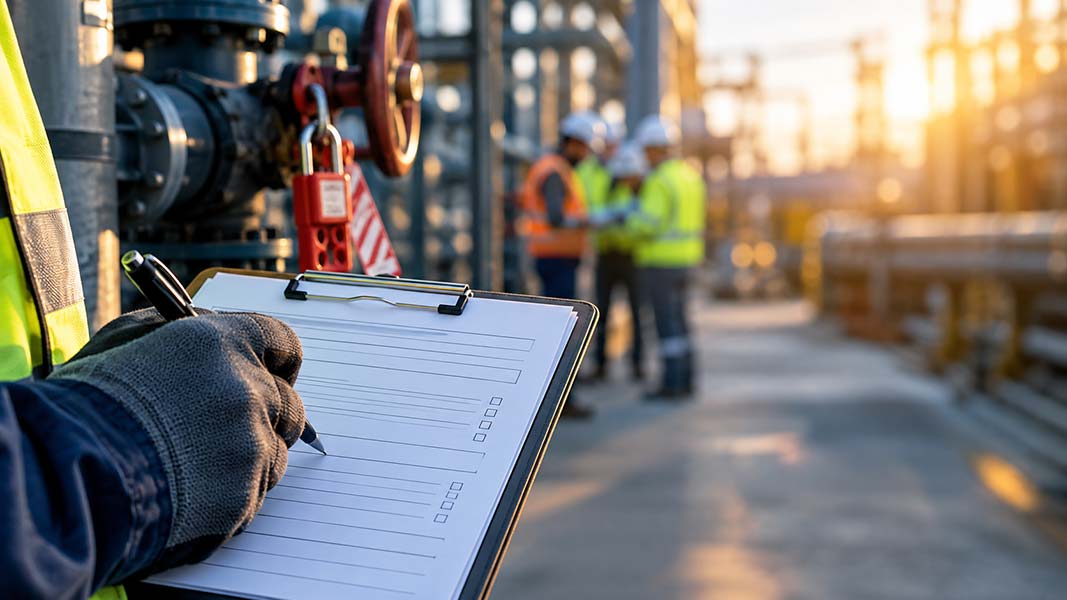
Electrical hazard assessment requires qualified personnel. During HIRA in the workplace, electrical risks should be evaluated against relevant standards such as IEC 60364 or NFPA 70E, with controls including lockout/tagout procedures, residual current devices, regular equipment inspection and strict permit-to-work systems for live electrical work.

Electrician in PPE working on a high voltage electrical panel in an industrial setting, illustrating electrical hazard assessment.

Fire and Explosion Hazards:

Fire and explosion hazards exist wherever flammable materials, ignition sources and oxygen are present simultaneously. That combination is more common than most workplaces acknowledge. Flammable liquids, gases, combustible dust and poorly maintained electrical systems all create conditions where fire or explosion can occur with little warning.

According to the US Fire Administration, workplace fires cause approximately 200 fatalities and over 5,000 injuries annually in the United States alone. In industries like oil and gas, chemical processing and woodworking, the risk is even more acute because the fuel sources are present in large quantities and often under pressure.

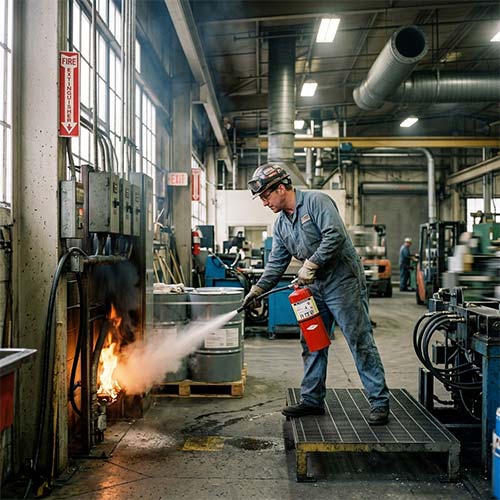
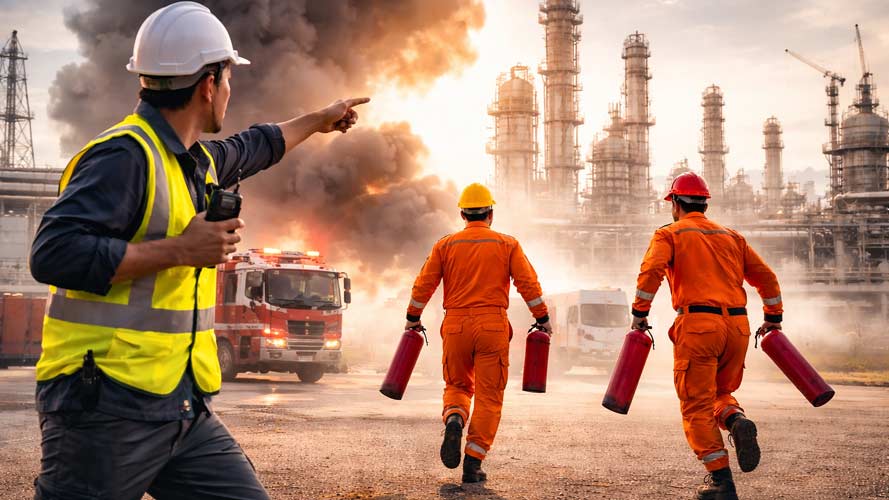
Effective fire risk assessment within the HIRA process includes identifying ignition sources, evaluating fuel loads, assessing housekeeping standards, reviewing storage of flammable materials and verifying the adequacy of fire detection, suppression and emergency evacuation systems. Prevention is always the priority, but preparedness is what determines outcomes when prevention fails.

Worker using a fire extinguisher on a workshop floor fire, demonstrating fire hazard control in workplace safety.

Radiation Hazards:

Radiation hazards in the workplace fall into two categories: ionizing and non-ionizing. Ionizing radiation, which includes X-rays, gamma rays and alpha and beta particles, carries enough energy to damage cellular DNA and cause cancer, radiation sickness and reproductive harm. It is present in medical imaging, nuclear power and industrial radiography.

Non-ionizing radiation covers ultraviolet light, infrared radiation, laser energy and radiofrequency electromagnetic fields. Outdoor workers exposed to prolonged UV radiation face elevated risks of skin cancer. Welders are regularly exposed to intense UV and infrared radiation without always recognizing the cumulative damage being done.

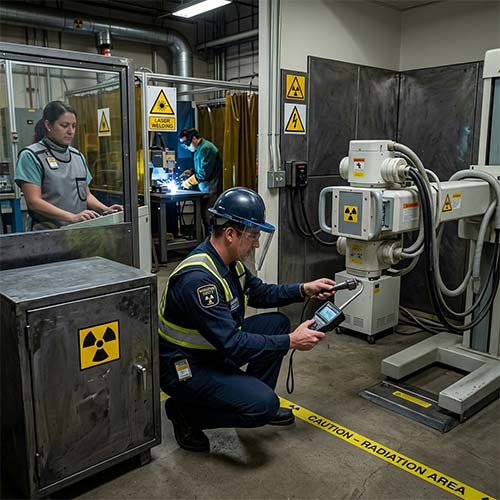
Radiation risk assessment requires specialized knowledge and in many jurisdictions must be conducted by qualified radiation protection advisors. Controls include shielding, distance, time limitation of exposure, personal dosimetry and strict access controls to radiation zones. These hazards must be formally included in any comprehensive workplace hazard identification program.

HSE professional measuring radiation levels near X-ray equipment in an industrial facility during workplace hazard assessment.

Environmental Hazards:

Environmental hazards in the workplace refer to conditions in the physical work environment that negatively impact worker health and wellbeing over time. This includes poor air quality, inadequate ventilation, extreme heat or cold, high humidity, excessive noise and poor lighting.

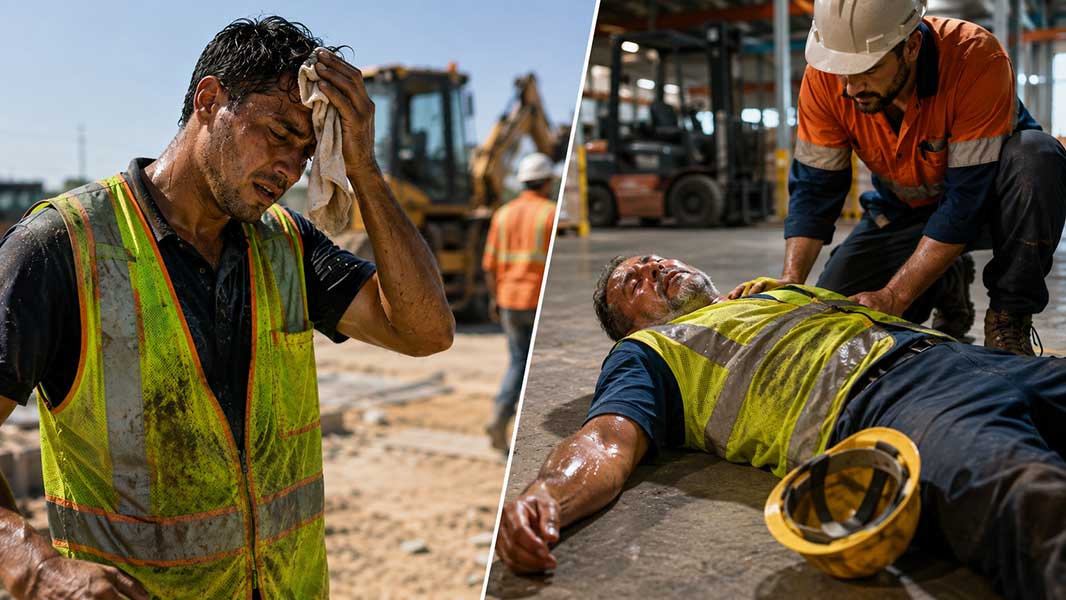
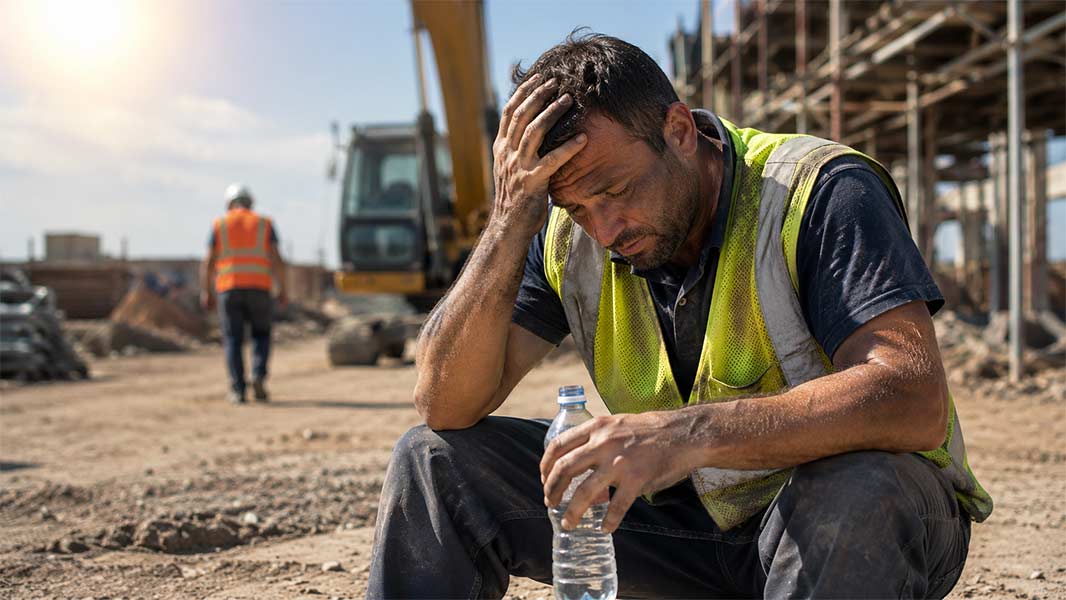
Heat stress deserves particular attention. The ILO projects that by 2030, heat stress linked to climate change could result in the equivalent of 80 million full-time jobs being lost globally due to reduced work capacity and health impacts. For outdoor workers in construction, agriculture and utilities, heat-related illness is already a present and serious occupational health risk.

Environmental hazards also extend to the external environment surrounding the workplace, including contaminated land, poor drainage and exposure to natural elements during outdoor operations. Including environmental conditions as part of HIRA in the workplace ensures a complete picture of what workers face, not just what happens inside the building.

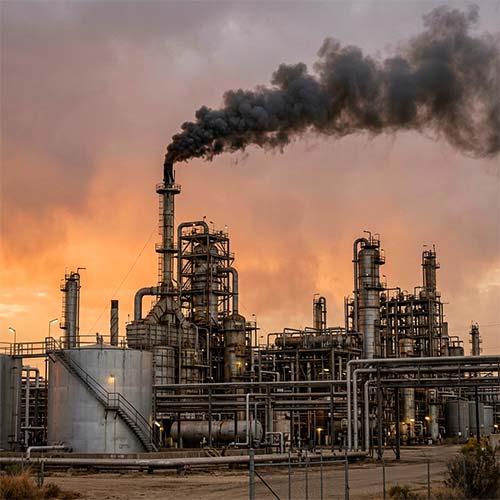
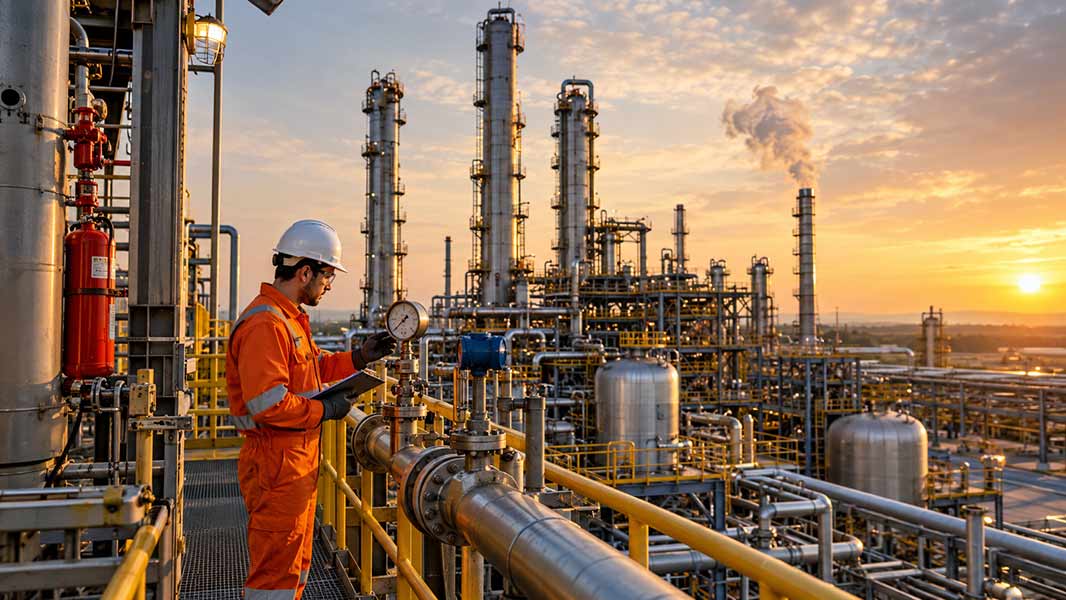
Industrial oil refinery emitting smoke, illustrating fire and explosion hazards assessed during HIRA in the workplace.

How the HIRA Process Works Step by Step?

Knowing that hazards exist is not enough. What matters is having a repeatable, documented process to find them, assess them and control them consistently. The HIRA process follows five structured steps that apply across industries, company sizes and risk levels. Each step builds on the previous one, because skipping any stage leaves gaps that eventually show up as incidents.

Step 1 – Identify the Hazards:

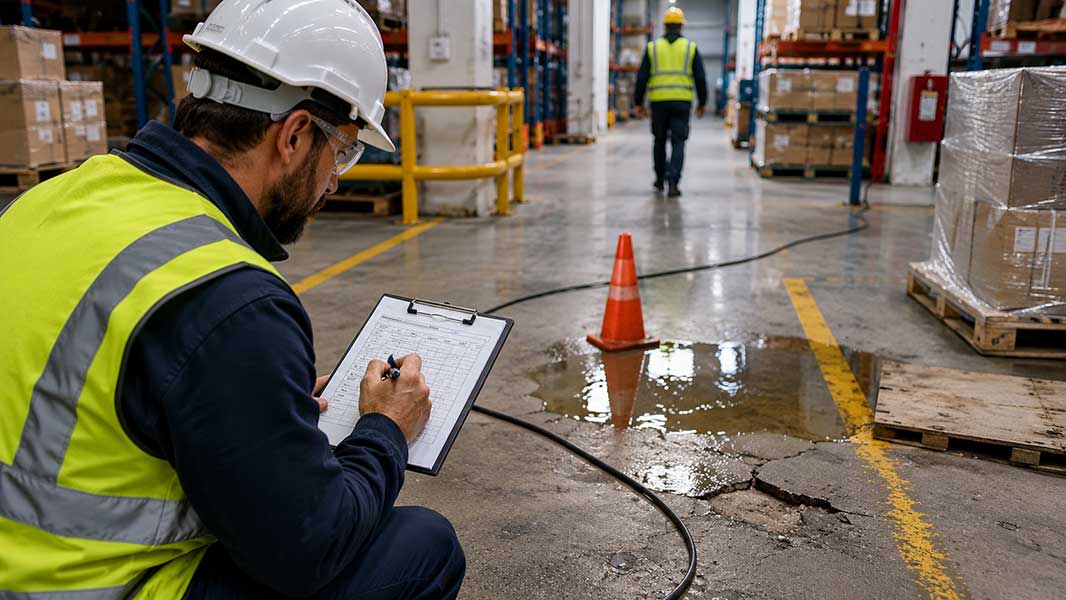
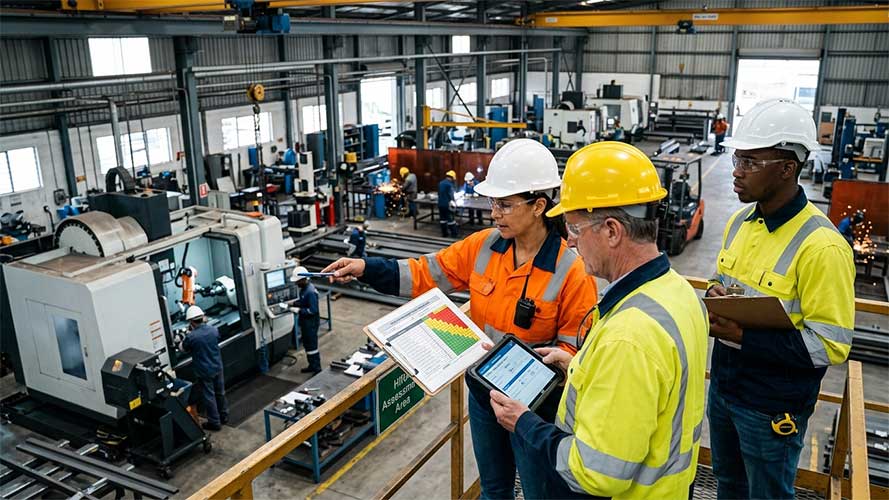
Hazard identification is where everything begins and it requires more than a quick walk around the workplace. It demands a systematic examination of every task, activity, piece of equipment, material and work environment that workers interact with.

There are several methods used in professional workplace hazard identification. Direct observation involves physically inspecting the workplace during actual operations, not just during quiet periods when risks are less visible. Task analysis breaks down each job into individual steps and examines what could go wrong at each stage. Worker consultation is equally important, because the people doing the job every day often know the hazards better than anyone else in the building. Reviewing incident reports, near-miss records and maintenance logs also surfaces hazards that may not be immediately visible during a walkthrough.

A common mistake at this stage is conducting the assessment from behind a desk. HIRA in the workplace requires fieldwork, conversation and observation in real operating conditions to be genuinely effective.

Step 2 – Determine Who Is at Risk and How:

Once hazards are identified, the next step is understanding exactly who could be harmed and under what circumstances. This goes beyond listing job titles. It requires thinking about all categories of people who may be exposed, including full-time employees, part-time workers, contractors, visitors, maintenance personnel and in some environments, members of the public.

Certain groups carry elevated occupational risk and deserve specific attention during this stage. New workers who are unfamiliar with site conditions, young workers with less experience, pregnant workers, workers with disabilities and lone workers operating without direct supervision all face risks that a standard assessment might underestimate if applied without consideration of individual circumstances.

The assessment should also capture how exposure occurs. Is the hazard encountered daily or occasionally? Is exposure brief or prolonged? Does it involve direct contact or indirect exposure? These questions directly influence the risk evaluation outcome in the next step, because frequency and duration of exposure are critical variables in determining overall risk level.

Step 3 – Evaluate and Prioritize the Risks:

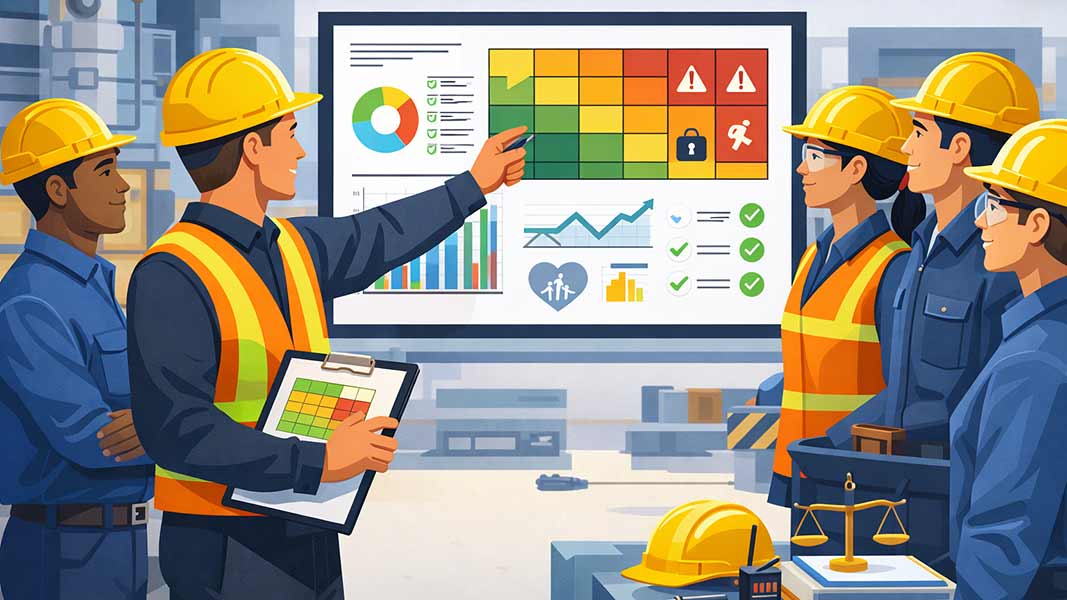
With hazards identified and exposure understood, the next step is assigning a risk level to each hazard. This is where the risk matrix becomes an essential tool. A standard workplace risk assessment matrix plots the likelihood of an incident occurring against the severity of the potential harm, producing a risk score that allows teams to prioritize action.

Likelihood is typically scored on a scale from rare to almost certain. Severity ranges from negligible, such as minor first aid injuries, through to catastrophic, meaning fatalities or permanent disability. Multiplying these two scores gives a risk rating, commonly categorized as low, medium, high or critical.

The purpose of this step is prioritization. Not every hazard can be addressed simultaneously, therefore the highest-rated risks demand immediate action while lower-rated ones are scheduled accordingly. A critical risk, for example an unguarded rotating shaft in a busy production area, should never wait for the next quarterly review. It requires immediate intervention.

Documenting the rationale behind each risk score is equally important, because it demonstrates due diligence and provides a defensible record if the assessment is ever reviewed by a regulator or in legal proceedings.

Step 4 – Implement Control Measures:

Identifying and evaluating risks without acting on them is professionally and legally indefensible. This step is where HIRA in the workplace produces tangible results through the application of the Hierarchy of Controls, which is the internationally recognized framework for selecting the most effective control measures.

The hierarchy works from the most effective to the least effective in this order:

Elimination removes the hazard entirely. If a chemical is no longer needed, stop using it. This is always the preferred option because it removes the risk at source.

Substitution replaces a hazardous substance or process with a safer alternative. Switching from a solvent-based adhesive to a water-based one is a substitution control.

Engineering controls physically separate workers from the hazard. Machine guards, local exhaust ventilation and interlocked safety systems fall into this category.

Administrative controls change the way work is done through safe work procedures, job rotation, signage and training. These reduce exposure but do not eliminate the hazard itself.

PPE is the last line of defense. Personal protective equipment protects the individual worker but does nothing to reduce the hazard at source. It is therefore always used in combination with higher-order controls, never as a standalone solution.

Selecting controls based on this hierarchy ensures that workplace safety risk controls are as effective as possible, not just the easiest or cheapest option to implement.

Step 5 – Review and Update the Assessment:

A workplace risk assessment is not a document you complete once and archive. It is a living record that must be reviewed regularly and updated whenever circumstances change. This is the step that most organizations either rush or skip entirely and it is the reason many assessments become outdated and ineffective within months of being written.

Reviews should be triggered by several conditions. A scheduled periodic review, typically annual for most workplaces, ensures the assessment stays current. An incident or near-miss investigation should always prompt an immediate review of the relevant HIRA documentation. Introducing new equipment, substances, processes or work methods requires a fresh assessment of the associated hazards. Changes in legislation or industry standards also necessitate a review to ensure continued compliance.

Worker feedback is a valuable input at this stage. If the people doing the work are reporting that a control measure is impractical, being bypassed or simply not working, that information must feed back into the assessment and trigger a revision.

Organizations that treat Step 5 as seriously as Step 1 build occupational safety management systems that improve over time rather than becoming stale compliance documents sitting in a folder nobody opens.

How Training Strengthens Your HIRA Process?

A HIRA process is only as good as the people running it. The best checklist or risk matrix means nothing if the assessor does not know what to look for. Untrained staff catch the obvious hazards and miss the ones buried in routine tasks that workers have normalized over time.

A 2022 NIOSH study found organizations with structured HSE training reported up to 60% fewer recordable incidents than those without. Training also fixes a problem checklists cannot solve on their own, which is consistency, because two people can look at the same workspace and reach different conclusions without shared methodology.

Eduskills Training works with organizations to build this competence, covering hazard recognition, risk matrix scoring and practical control measures. The goal is producing people who understand why each step of HIRA in the workplace matters, not just how to fill out a form.

Frequent Asked Questions (FAQs):

What is the difference between HIRA and a Job Safety Analysis (JSA)?

HIRA is a broad, ongoing assessment of all hazards across a workplace or process. A JSA is narrower, breaking down a single task into steps and identifying hazards specific to that task. JSAs often feed into the broader HIRA.

How often should a HIRA be reviewed?

At minimum, annually. But it must also be reviewed after any incident, near miss, change in process, new equipment or change in legislation, regardless of where it falls in the review cycle.

Can HIRA be conducted using qualitative methods only, without numerical scoring?

Yes. Qualitative HIRA uses descriptive categories like low, medium, high instead of numbers. It is faster but less precise for comparing risks across large operations, which is why most industrial settings use semi-quantitative scoring.

What is residual risk in HIRA?

Residual risk is the risk that remains after control measures have been applied. No control eliminates risk completely, so residual risk must be evaluated to confirm it falls within acceptable limits.

What competencies should a HIRA assessor have?

A competent assessor needs working knowledge of hazard categories, risk scoring methodology, the Hierarchy of Controls, relevant legal standards and enough operational familiarity to recognize how tasks are actually performed versus how they are documented.

What documentation should support a completed HIRA?

Supporting documentation includes the risk assessment form itself, photographs, SDS where relevant, training records of the assessment team, evidence of worker consultation and records of management approval and communication to affected staff.

Inquiry Form