Heat Stress Awareness: Recognize the Warning Signs
Heat Stress Awareness starts with a simple fact: the human body can only handle so much heat before it starts to fail and most workers never see the warning
Heat Stress Awareness starts with a simple fact: the human body can only handle so much heat before it starts to fail and most workers never see the warning signs coming until it’s too late. Every year, thousands of workers across construction sites, warehouses, kitchens and outdoor job sites suffer from heat-related illness and many of these cases escalate because early symptoms like dizziness, excessive sweating or muscle cramps get brushed off as nothing more than a tough day at work. But that assumption is exactly what turns a manageable situation into a heat emergency. Because heat stress builds gradually and then overwhelms the body fast, waiting for obvious symptoms is often waiting too long. This is why occupational heat safety cannot be treated as a seasonal afterthought or a checklist item buried in a safety manual. So this guide breaks down exactly what heat stress looks like, who faces the highest risk and what practical steps actually prevent it, grounded in real workplace data and established safety standards rather than surface-level tips repeated across the internet.
Heat Stress Awareness starts with a basic but often overlooked fact: the human body has a very narrow operating range. Core temperature sits around 98.6°F and once it climbs even three or four degrees above that, organs, muscles and cognitive function all start to struggle. Heat stress is what happens when the body absorbs more heat, whether from the environment, physical exertion or both, than it can get rid of.
What makes this dangerous in a workplace setting is that heat stress rarely looks alarming at first. A worker might start the morning feeling completely normal, push through a physically demanding task by noon and by mid-afternoon show clear signs of heat illness that could have been avoided with a short break two hours earlier. Because the progression is gradual, it is easy to dismiss early symptoms as ordinary fatigue rather than the first stage of a preventable medical issue. That is precisely why understanding heat stress matters beyond ticking a compliance box. It is the difference between catching a problem while it is still manageable and reacting to one after someone has already gone down.
People frequently use heat stress and heat stroke as if they mean the same thing, but treating them as interchangeable can be dangerous. Heat stress is the umbrella term. It includes everything from mild heat cramps and heat rash to heat exhaustion and even heat stroke itself. Heat stroke is simply the most severe point on that spectrum and it is a genuine medical emergency, not just a bad case of overheating.
The real difference lies in what the body can still control:
That shift, from a body that is struggling but still cooling itself to one that has stopped cooling altogether, is the single most important distinction in any heat safety training program. Once sweating stops and confusion sets in, this is no longer a “rest and rehydrate” situation. It requires immediate emergency medical attention, because heat stroke left untreated can cause permanent organ damage or death within a short window
The body’s primary defense against overheating is thermoregulation and it relies mainly on two things: blood flow and sweat. When core temperature starts to rise, blood vessels near the skin widen so heat can escape outward and sweat glands release moisture that cools the skin as it evaporates.
This system works well, but only under the right conditions. It needs enough hydration to keep producing sweat, enough airflow for that sweat to actually evaporate and clothing that does not trap heat against the body. Take any one of those away and the whole mechanism starts to break down. Humidity is a good example of this. When the surrounding air is already saturated with moisture, sweat has nowhere to go, so it just sits on the skin instead of evaporating. That is why a humid 90°F day can feel far more dangerous than a dry 100°F day, even though the thermometer says otherwise.
Add physical exertion, heavy PPE or restricted breaks on top of that and the body’s cooling system gets pushed past what it was built to handle. This is not a minor detail buried in physiology textbooks. It is the actual reason hydration, shade and scheduled rest breaks are treated as core controls in occupational safety programs rather than optional comfort measures. They exist specifically to keep thermoregulation functioning before it fails.
Not every worker faces the same level of heat stress risk and treating heat safety as a one-size-fits-all policy misses the point. Risk depends on a combination of factors: how physically demanding the job is, whether the work happens indoors or outdoors, what protective equipment is required and the individual worker’s own health background. Understanding who falls into higher-risk categories is what allows a safety program to actually target resources instead of spreading generic advice across an entire workforce.
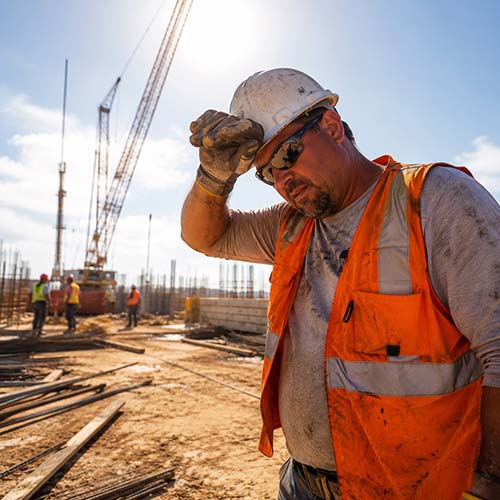
Outdoor labor is the most obvious risk category, but the range of industries affected is wider than most people assume. Construction crews, road maintenance workers, landscapers and agricultural laborers all face direct sun exposure combined with physically demanding tasks, which is a dangerous combination because both factors raise core body temperature at the same time.
Delivery drivers and utility workers fall into this category too, often overlooked because their work does not always look as physically intense as construction. But sitting in a non-air-conditioned vehicle for hours or working near power lines in direct heat carries its own risk, especially since these workers frequently push through discomfort to stay on schedule. Emergency responders, particularly firefighters, face an added layer of risk because their protective gear traps heat against the body precisely when they need their cooling system working at full capacity.
Heat stress is not limited to jobs done under direct sunlight and this is where a lot of workplace safety programs fall short. Kitchens, laundries and food processing facilities regularly expose workers to ambient temperatures well above what feels comfortable and that heat has nowhere to escape without proper ventilation. Warehouses without climate control, especially those storing goods near loading docks where hot air pours in throughout the day, create similar conditions.
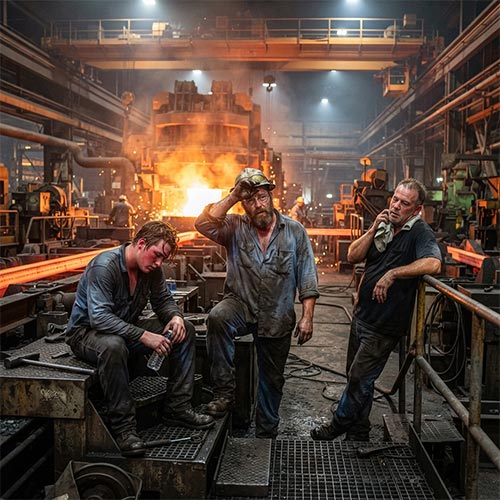
Manufacturing plants add another layer to this problem. Workers stationed near furnaces, boilers or heavy machinery are dealing with radiant heat on top of whatever the ambient temperature already is. Because these environments do not carry the obvious visual cue of a blazing sun overhead, workers and even supervisors sometimes underestimate the risk. But the body does not care whether heat comes from the sky or from a industrial oven. It responds to total heat load and indoor settings can push that load just as high as any outdoor jobsite.
Beyond job type, individual health factors change how a person’s body handles heat and this is where heat stress awareness needs to extend into personal risk factors, not just environmental ones. Workers with cardiovascular conditions face added strain because the heart already has to work harder to pump blood toward the skin for cooling. Those with diabetes may have impaired sweat gland function, which directly undermines the body’s primary cooling mechanism.
Certain medications compound this risk further. Diuretics, some blood pressure medications and specific psychiatric drugs can interfere with the body’s ability to regulate temperature or increase fluid loss without the person realizing it. Age plays a role too, since older workers generally have a reduced capacity to dissipate heat compared to younger colleagues doing the same job. And new or returning workers, regardless of age or health status, are at elevated risk simply because their bodies have not yet acclimatized to working in heat, something OSHA specifically flags as a leading factor in early-career heat illness cases.
This is exactly why a heat safety program built only around temperature thresholds misses half the picture. Two workers can stand in the same conditions and face very different levels of actual risk.
Heat Stress Awareness is only useful if workers and supervisors actually know what to look for and this is where most workplace safety programs fall short. Training often covers the concept of heat stress in general terms but skips the specific, recognizable signs that separate a minor issue from an emergency in progress. Knowing these symptoms and more importantly, knowing which ones demand an immediate response, is what turns awareness into actual prevention.
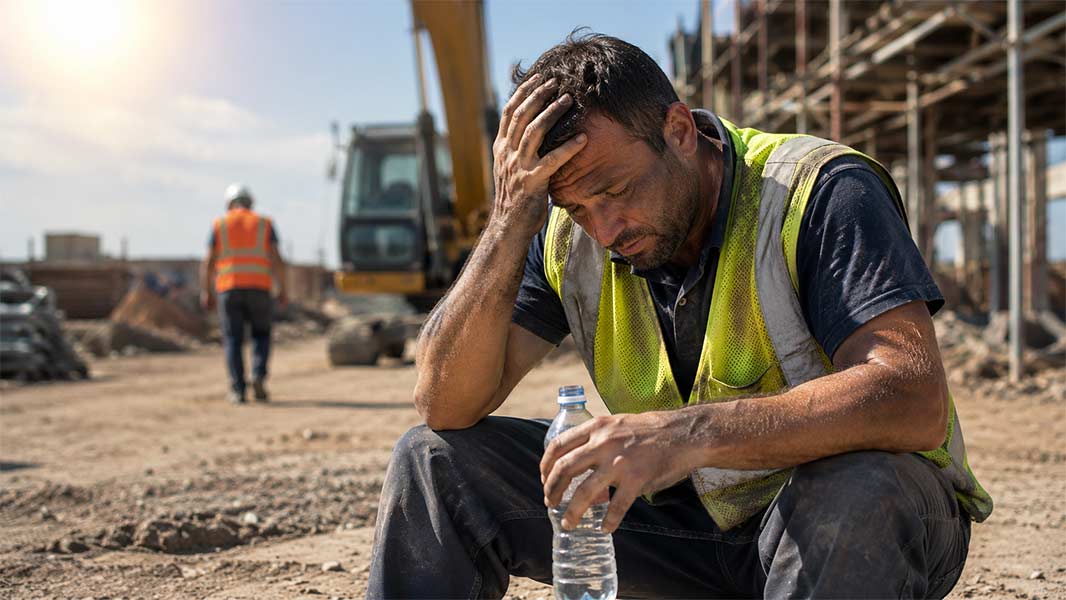
Early symptoms of heat stress are easy to brush off, mainly because they feel like ordinary tiredness rather than a warning sign. This is exactly why they get ignored so often. A worker experiencing mild heat exhaustion might notice:
None of these symptoms look dramatic on their own and that is the problem. Workers frequently push through them because stopping to rest feels like an overreaction, especially on job sites where productivity pressure is high. But these mild symptoms are the body sending a clear signal that its cooling system is falling behind. Ignoring them does not make the underlying issue go away. It just buys a little time before the situation gets worse.
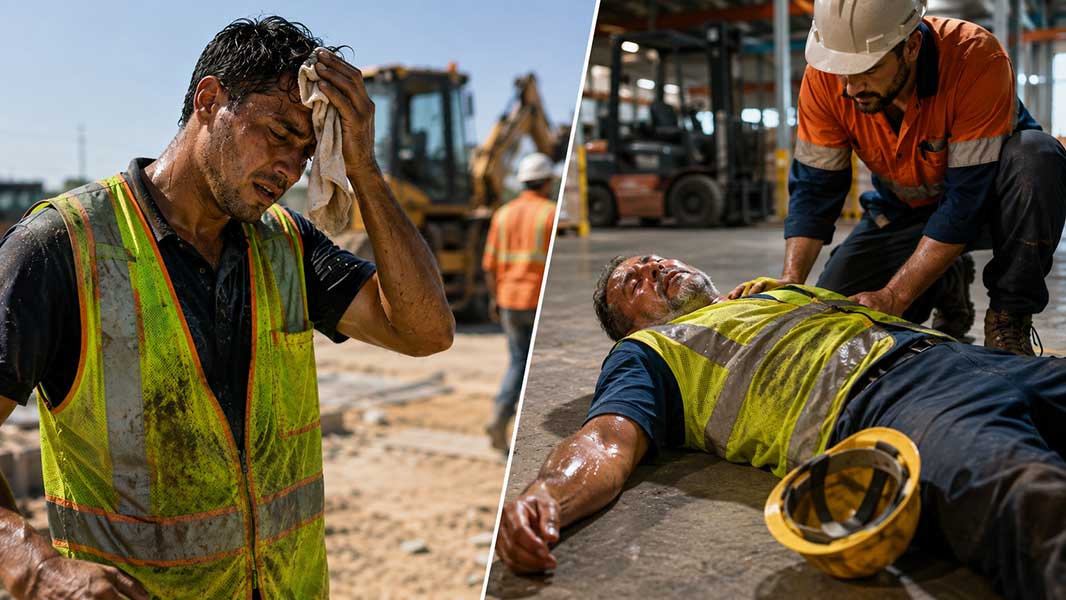
Once mild symptoms are ignored or conditions continue without relief, heat stress can escalate into heat stroke and at that point, the situation shifts from concerning to life-threatening within minutes. Severe symptoms include:
The presence of confusion or altered mental state is one of the clearest indicators that heat stroke has set in, because at this stage the person may not even recognize that something is wrong with their own body. This is why coworkers and supervisors cannot rely on the affected worker to self-report. If someone shows these signs, calling emergency medical services immediately is not an overreaction. It is the only appropriate response, because heat stroke can cause permanent damage to the brain, heart and kidneys if body temperature is not brought down quickly.
You might be interested in reading
Recognizing symptoms matters, but Heat Stress Awareness only becomes protective when it is paired with real prevention measures rather than a laminated poster in the break room. The good news is that heat stress is largely preventable and the controls that work are well documented, tested across industries and not particularly complicated to implement. What they require is consistency, not just a plan that exists on paper but one that actually shapes daily work practices.
Hydration is the most talked-about heat stress control, but the advice given is often too vague to be useful. Telling workers to “drink water” without guidance on timing or quantity does not change behavior in any meaningful way. A better approach is scheduled hydration, where workers drink small amounts of water every 15 to 20 minutes rather than waiting until they feel thirsty, since thirst is already a sign of mild dehydration setting in.
Rest breaks matter just as much and the timing of those breaks should scale with heat index and workload rather than following a fixed schedule regardless of conditions. A 10-minute break every hour might be sufficient on a moderately warm day but completely inadequate during a heat advisory. Shaded or air-conditioned rest areas make these breaks far more effective, because stepping out of direct sun for a few minutes allows the body’s cooling system to actually catch up instead of just pausing exertion while still absorbing heat.
Engineering controls are often the most overlooked category of heat stress prevention because they require upfront investment rather than a quick policy change. But they tend to deliver the most consistent results because they reduce heat exposure at the source instead of relying on individual worker behavior.
Common examples include:
These controls matter because they lower the baseline heat load in the environment itself, which means workers are starting from a safer position before any personal precautions like hydration or PPE even come into play. A workplace that only addresses heat stress through worker behavior, without touching the environment they are working in, is treating a symptom rather than the actual source of the problem.
The human body can adapt to heat, but that adaptation, known as acclimatization, takes time and this is one of the most consistently overlooked factors in workplace heat safety. Studies referenced by OSHA show that most heat-related fatalities occur within a worker’s first few days on a hot job site, which is not a coincidence. A body that has not been recently exposed to heat has not yet built up the physiological adjustments, like increased sweat efficiency and better cardiovascular response, that make heat exposure more manageable over time.
New workers, seasonal hires and even long-term employees returning from vacation or medical leave should be treated as unacclimatized. Best practice involves easing them into full workload over a 7 to 14 day period, gradually increasing exposure time in the heat while monitoring closely for symptoms. Skipping this step because a job needs to get done quickly is one of the most preventable causes of severe heat illness in any industry.
Not all personal protective equipment works in a worker’s favor when it comes to heat. Some PPE, particularly impermeable suits, certain respirators and heavy protective gear required in hazardous material handling, actively traps body heat and prevents sweat from evaporating, which undermines the body’s primary cooling mechanism at the exact moment it is needed most.
That does not mean PPE should be skipped when it is required for other safety reasons, but it does mean employers need to account for the added heat burden it creates. In some cases, this means shortening work cycles, adding more frequent rest breaks or exploring heat-resistant PPE alternatives like reflective clothing or garments built with cooling technology such as phase-change materials. Lightweight, breathable, moisture-wicking clothing should be the default wherever the job allows it, since anything that helps sweat evaporate is working with the body rather than against it. Ignoring how PPE interacts with heat is a common blind spot and closing that gap is a critical part of any serious heat stress prevention strategy.
Knowing the risks, symptoms and prevention methods only creates real protection when they are organized into an actual plan, not scattered across memos or a single toolbox talk delivered once a year. A structured Heat Stress Awareness program brings training, monitoring and peer accountability together so that heat safety becomes part of daily operations rather than a reactive response after something goes wrong.
Most heat safety training fails for one simple reason: it is delivered once, treated as a compliance formality and never reinforced. Workers sit through a session, sign an attendance sheet and by the next heat wave, half the content is forgotten. Effective training looks different. It is scenario-based, repeated at the start of every hot season and tailored to the specific conditions of the worksite rather than generic slides pulled from a template.
This is where organizations often benefit from working with a dedicated training partner rather than building a program from scratch internally. Eduskills Training structures its occupational safety courses around real workplace scenarios and practical decision-making, which helps the information stick in a way that a one-time lecture typically does not. Because behavior change is the actual goal, not just information transfer, training needs to be tested through drills and refreshers, not just delivered and forgotten.
Even well-trained workers can miss symptoms in themselves, especially once confusion or impaired judgment starts to set in. This is exactly why the buddy system is one of the most effective, low-cost controls available. Pairing workers so they check on each other throughout a shift means someone is watching for warning signs even when the affected person is not aware anything is wrong.
A functional buddy system requires more than just assigning partners on paper. Workers need to know what specific signs to watch for in a colleague, such as slowed responses, stumbling or unusual irritability and they need to feel empowered to speak up or stop work without fear of pushback from supervisors. In high-heat conditions, catching a symptom early because a coworker noticed something off can be the difference between a short break and a medical emergency.
Relying on how hot a day “feels” is not a reliable safety strategy, which is why monitoring tools exist to measure heat stress conditions objectively. Heat index combines air temperature and humidity to estimate how hot it actually feels to the body, while Wet Bulb Globe Temperature (WBGT) goes a step further by factoring in humidity, wind speed, sun angle and cloud cover, making it the more accurate standard used in occupational settings.
Many worksites now use portable WBGT monitors or connected sensors that alert supervisors when conditions cross a safety threshold, triggering mandatory rest breaks or work modifications automatically rather than relying on someone remembering to check. Pairing this data with local heat advisories allows a safety team to adjust work schedules proactively, shifting physically demanding tasks to cooler parts of the day instead of reacting once workers are already showing symptoms. Objective measurement removes the guesswork and guesswork is exactly what heat stress prevention cannot afford.
You might be interested in reading
All the awareness and prevention measures in the world do not eliminate every risk, which means every workplace needs a clear, practiced response for when heat stress crosses into an actual emergency. Hesitation costs time and with heat stroke, time is the one thing a person cannot afford to lose.
If a worker shows signs of severe heat illness, the response needs to start immediately, not after debating whether it is serious enough to act on. The following steps apply while waiting for emergency responders to arrive:
Speed matters more than precision here. Because core body temperature needs to come down as quickly as possible, any reasonable cooling method is better than waiting for ideal conditions or specialized equipment. A five-minute delay searching for the “right” tool is five minutes the body did not have.
Some situations require immediate professional medical attention and there is no version of “wait and see” that applies once these signs appear. Call emergency services right away if the person shows confusion, slurred speech, loss of consciousness, seizures or a body temperature that feels dangerously high to the touch. Skin that has become hot and dry, rather than sweaty, is another clear signal that the body’s cooling system has failed entirely.
Even if symptoms seem to be improving after initial first aid, a person who has shown signs of heat stroke should still receive medical evaluation, since internal effects on organs like the kidneys and heart are not always visible from the outside. Treating heat stroke as something that resolves once the person “seems fine” is a mistake that has cost lives. When in doubt, calling for help is always the safer choice and no supervisor or coworker should hesitate out of concern for overreacting.
Heat Stress Awareness is not a seasonal checklist or a single training session completed and forgotten until next summer. It is an ongoing commitment that depends on workers recognizing symptoms in themselves and each other, employers investing in engineering controls and acclimatization plans and safety programs that get tested and reinforced rather than filed away. The workplaces that handle heat stress well are the ones that treat it as a daily operational priority, not an afterthought triggered only once someone has already been hospitalized.
Because heat waves are becoming longer and more frequent across many regions, this is not a problem that is going away on its own. Organizations that want to build a genuinely effective heat safety culture, rather than a compliance document sitting in a drawer, often benefit from structured, scenario-based training that reflects real workplace conditions. Eduskills Training offers occupational safety programs designed around exactly this kind of practical, behavior-focused approach, helping teams move from knowing the risks to actually acting on them before a mild symptom turns into a medical emergency.
Heat stress refers to the external heat load placed on the body from environment, workload and clothing. Heat strain is the body’s actual physiological response to that load, such as increased heart rate and core temperature. Heat stress is the cause; heat strain is the effect.
Yes. Indoor environments like kitchens, laundries and manufacturing plants near furnaces or boilers can produce heat stress through radiant heat and poor ventilation, even without any sunlight involved.
Most workers need 7 to 14 days of gradually increasing heat exposure to acclimatize. OSHA recommends limiting new workers to no more than 20% of full workload on day one, increasing incrementally.
No. Hydration is critical but only one control among several. Rest breaks, shade, engineering controls and acclimatization must work together, since overhydration without electrolyte balance can also cause complications like hyponatremia.
High humidity slows sweat evaporation, which is the body’s primary cooling method. When sweat cannot evaporate efficiently, core temperature rises faster even if the actual air temperature is lower than a dry-heat environment.
Progression can happen within 10 to 15 minutes if symptoms are ignored and the person continues working without rest, water or cooling, especially in high heat combined with physical exertion.
Yes, if the person is unresponsive and not breathing normally, CPR should begin immediately while continuing cooling efforts and emergency services should already be en route.
Heat Stress Awareness starts with a simple fact: the human body can only handle so much heat before it starts to fail and most workers never see the warning
HIRA in the workplace is not a paperwork exercise. It is the single most important process that stands between your workers and a serious injury, a fatality or a
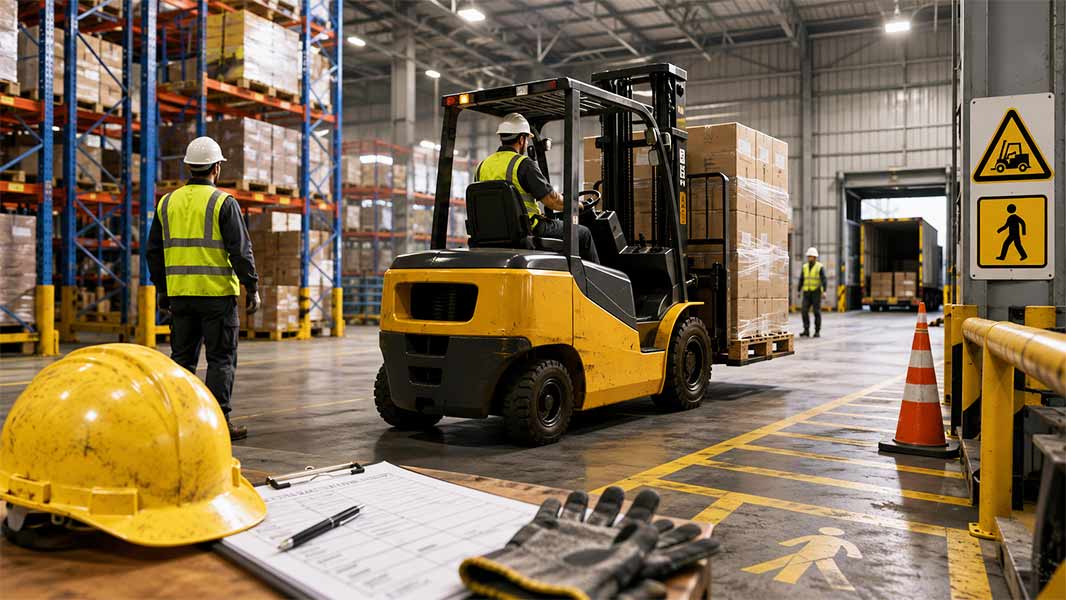
Forklift hazards and risk control is a critical responsibility in any workplace where powered industrial trucks operate daily. Warehouses, construction sites, manufacturing plants and logistics hubs rely on forklifts
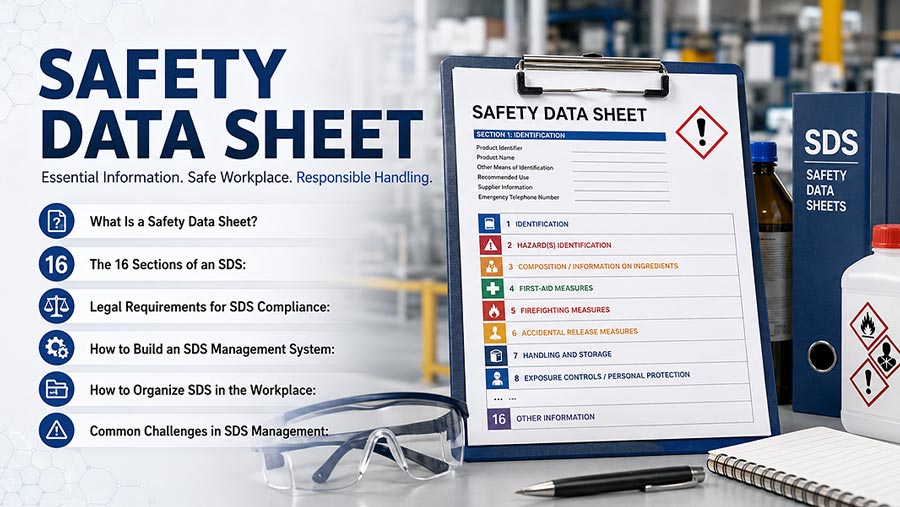
Every year, thousands of workplace chemical incidents happen not because the hazard was unknown, but because the right information was not where it needed to be. A Safety Data
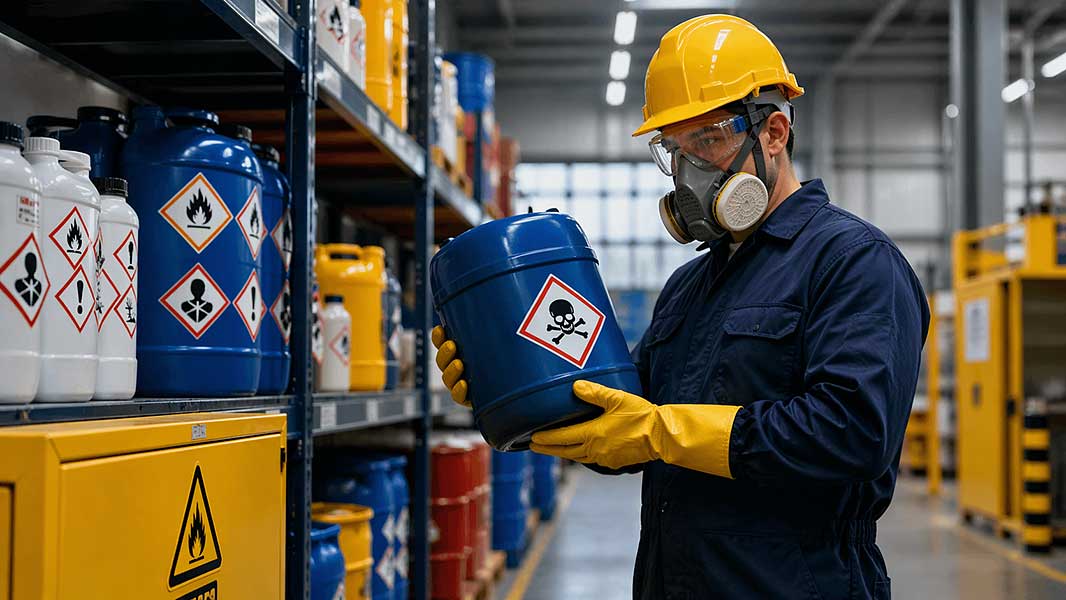
Hazardous Materials Safety is the line between controlled operations and catastrophic failure because one mismanaged chemical, one incompatible storage condition or one missed warning label can trigger injuries, fires,
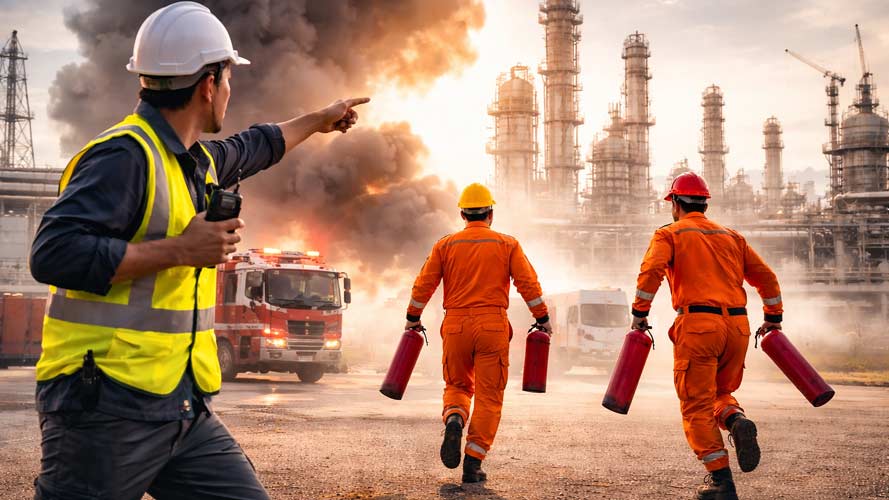
Emergency Preparedness in UAE is no longer optional because a single unplanned incident can shut down operations, cause serious injuries and expose businesses to legal consequences. In high-risk sectors,

ISO 14001 Environmental Management Lead Auditor in UAE is a highly respected role because organizations rely on qualified professionals to assess environmental management systems (EMS), ensure ISO 14001:2015 compliance

Fall protection for work at height remains one of the most critical safety priorities across construction, oil and gas, manufacturing and maintenance industries because even a minor lapse can

Key requirements of ISO 9001 Certification in UAE define how organizations build a structured, consistent and performance-driven ISO 9001 Quality Management System that meets customer expectations and regulatory demands.
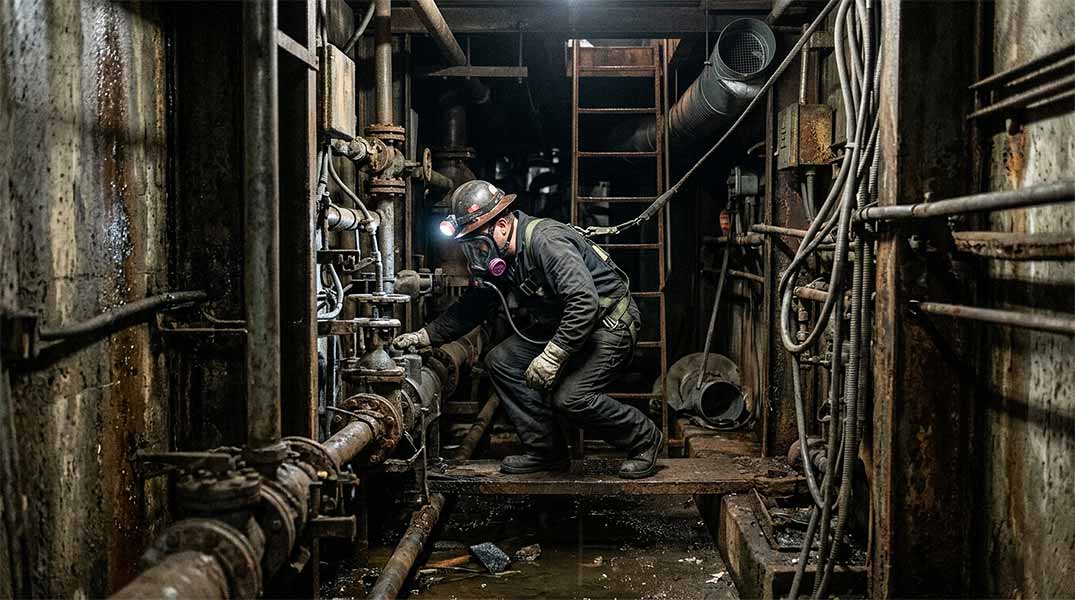
Confined Space Hazards remain one of the most critical risks in industrial workplaces because they combine limited access, poor ventilation and unpredictable conditions that can turn routine tasks into

The benefits of ISO 45001 lead auditor training are becoming increasingly important for safety professionals in the UAE because industries such as construction, oil and gas, manufacturing, logistics and
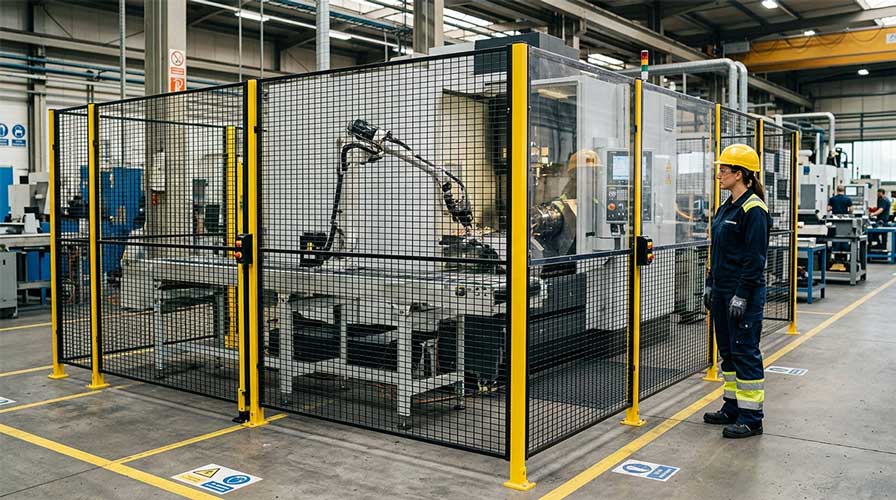
Machine Guarding Safety protects workers from dangerous moving parts, mechanical hazards and high-risk machine operations that exist across industrial workplaces. Manufacturing equipment, conveyor systems, cutting machines, presses and rotating

The ISO 14001 Certification Process provides organizations with a structured method to establish an effective Environmental Management System (EMS) that identifies environmental aspects, evaluates potential environmental impacts and implements
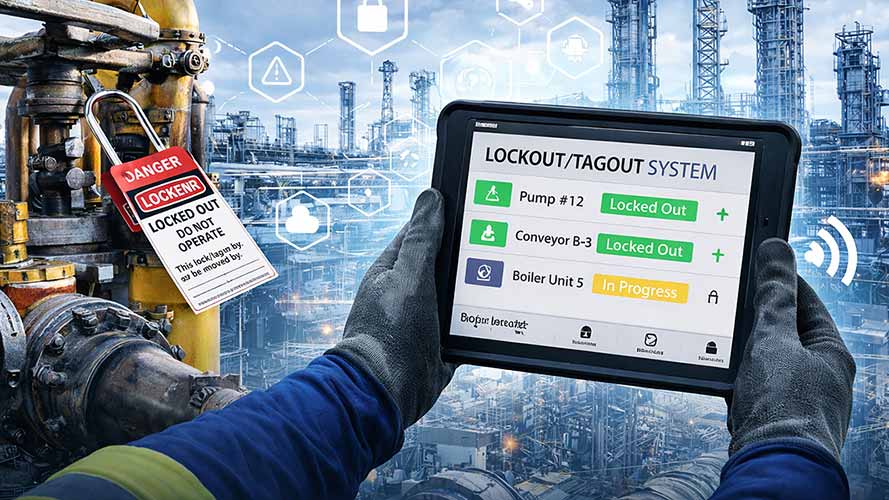
Digital LOTO Systems are becoming an essential part of modern industrial safety programs because traditional paper-based lockout tagout procedures often create gaps in documentation, communication and verification of hazardous

The benefits of ISO 9001 Lead Auditor Course in UAE are clear for professionals who want authority in quality management, because this qualification proves you can plan, conduct and

Employee Assistance Programs for workplace safety strengthen risk control because mental health, personal stress and financial pressure directly affect concentration, judgment and safe behavior at work. Many incident investigations
ISO 45001 clause 5.1 leadership and commitment requirements determine whether an Occupational Health and Safety Management System truly works in practice. Under the ISO 45001 framework, top management is

Bullying and harassment prevention in the workplace is a critical part of occupational health, legal compliance and organizational risk management. When disrespectful conduct is ignored, employee morale declines and

The benefits of ISO 14001 Lead Auditor Training in UAE extend far beyond earning a professional credential. This advanced qualification by Eduskills Training equips you to plan, conduct and
Workplace violence prevention is not limited to reacting after an incident occurs but instead focuses on identifying risks early and controlling them before harm happens. Violence at the workplace
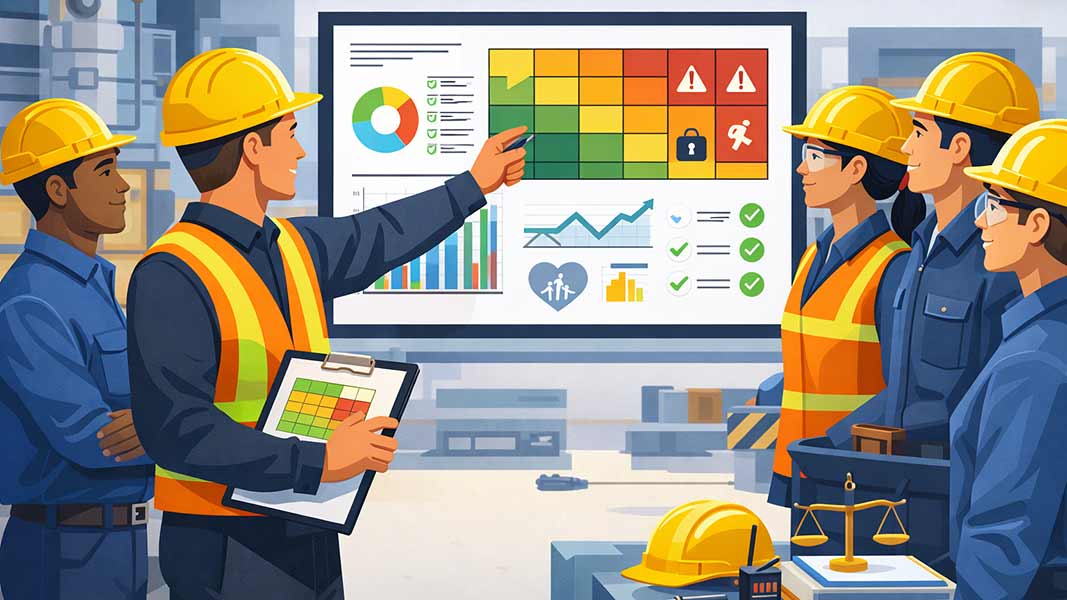
HSE KPIs are the backbone of effective health, safety and environmental performance measurement because they turn policies, procedures and controls into measurable outcomes. When defined and used correctly, KPIs

ISO 45001 Implementation is the process of building a structured occupational health and safety management system that actually works on the ground, therefore reducing risks, preventing incidents and protecting

Fatigue management at the workplace has become a critical safety concern because fatigue directly affects alertness, judgment, reaction time and decision-making. When workers are fatigued, the likelihood of errors

Guide to ISO 45001 Lead Auditor Course is the starting point for professionals who want to upgrade from “knowing safety” to auditing occupational health and safety systems with confidence

Ergonomics and Musculoskeletal Health sit at the center of injury prevention because most work-related pain develops from everyday tasks rather than sudden accidents. When jobs are designed without considering
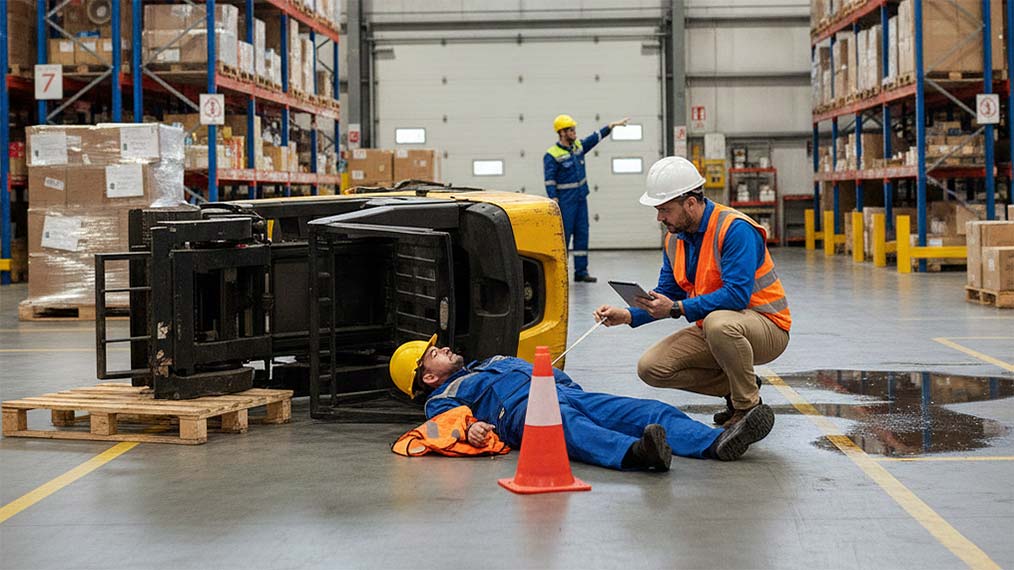
Incident investigation is the backbone of effective occupational health and safety, because it focuses on understanding why an incident occurred rather than who was involved. When done properly, it

ISO 14001 Gap Analysis is a structured assessment that helps organizations measure their current Environmental Management System against ISO 14001 requirements because even small compliance gaps can lead to

Choosing the right professional certification depends on career goals, industry exposure and long-term relevance. Many professionals choose ISO 9001 Lead Auditor Course in UAE because organizations across the region
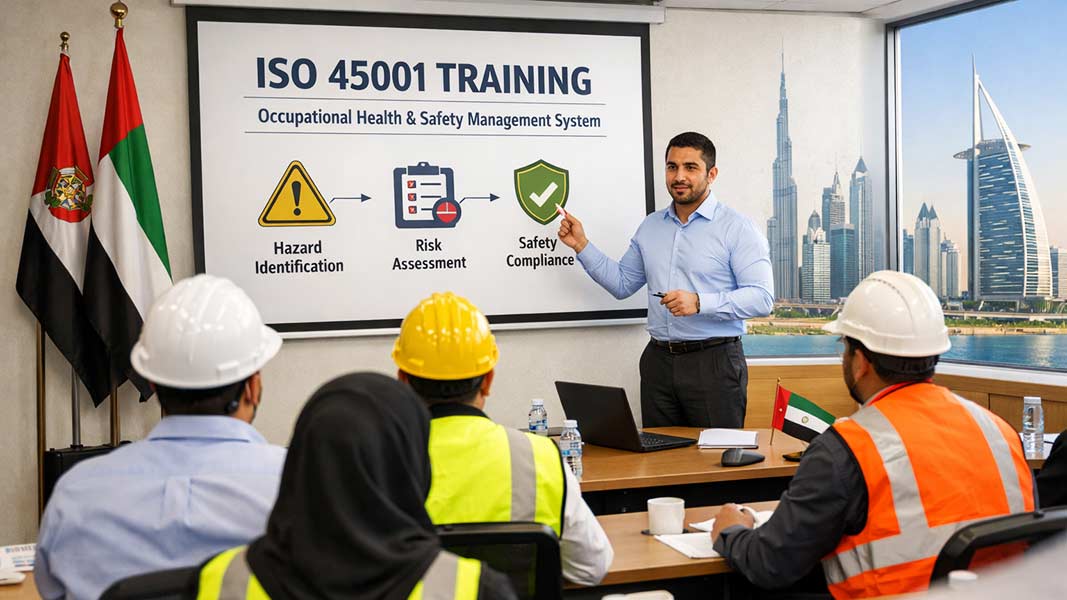
ISO 45001 Training in the UAE is no longer optional for professionals responsible for workplace safety, compliance and operational control. Organizations are under increasing pressure to reduce incidents, meet

ISO 45001 Implementation and Certification for SMEs in UAE has become a direct path for small and medium businesses to strengthen safety performance because it brings structure, accountability and
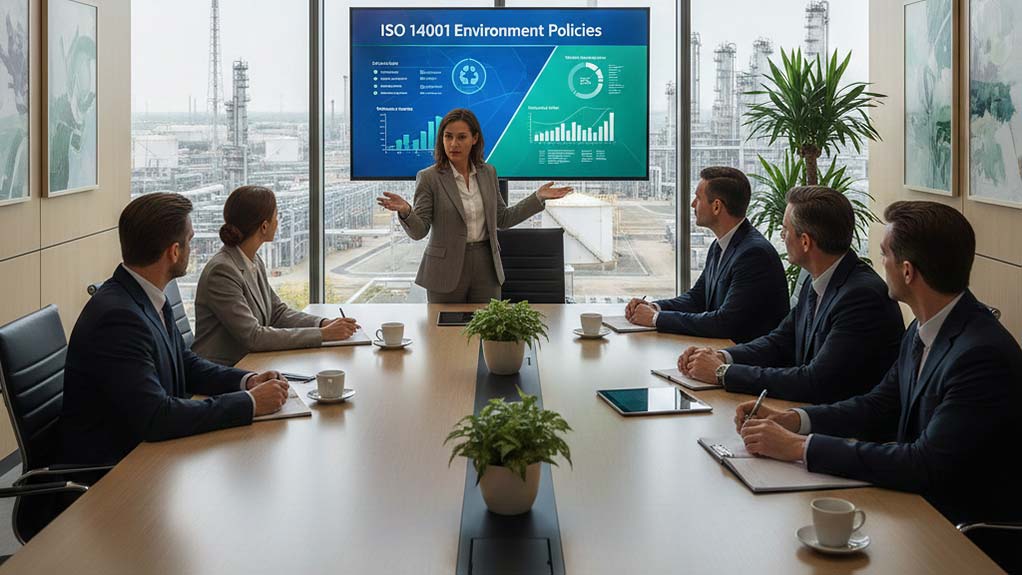
ISO 14001 Environmental Policy and Leadership set the foundation for how an organization turns environmental intent into measurable action. When both elements work in sync, teams move from declarations

Mental health in workplace safety is a critical factor that decides how consistently people follow procedures, recognize hazards and respond under pressure. When employees feel overwhelmed, their ability to

An ISO 45001 Gap Analysis gives you a realistic picture of how your current safety practices measure against the requirements of the ISO 45001 Occupational Health and Safety Management
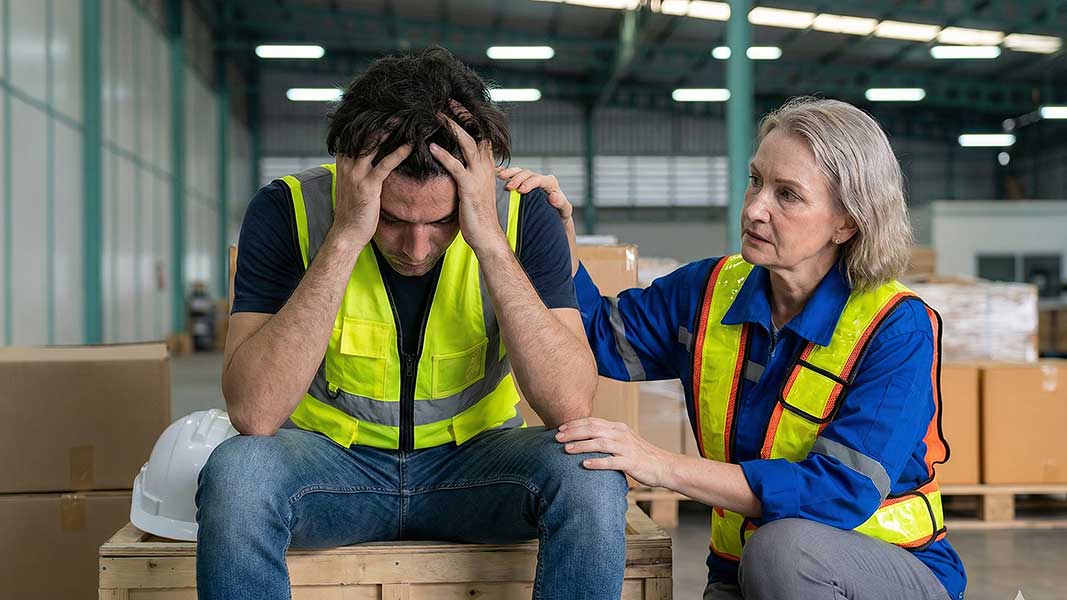
Psychosocial hazards in the workplace influence how people think, behave and respond to risks because they directly affect mental wellbeing long before a physical incident occurs. When pressure builds,

Behavior based safety plays a defining role in how workplace safety culture grows, matures and stays consistent across daily operations. When organizations pay attention to the way people act
Soft skills for HSE professionals shape how effectively they communicate, influence and guide people on site, therefore they matter just as much as technical expertise. I’ve seen many safety
ISO 9001 digital transformation is reshaping how organizations in the UAE manage quality, safety and efficiency. Companies across Dubai, Abu Dhabi and Sharjah are moving beyond traditional paperwork and
An HSE Implementation Plan is the foundation of every safe and responsible workplace. It provides a structured framework for managing health, safety and environmental risks so that daily operations
ISO 45001 nonconformities are among the most common challenges organizations face during health and safety audits. We’ve seen many businesses struggle with recurring gaps that delay certification, affect compliance,
Leadership in ISO 9001 Certification success is the single most decisive factor that determines whether an organization truly achieves quality excellence or merely collects a certificate. ISO 9001:2015 places
An ISO 45001 audit preparation is far more than gathering documents and hoping for the best. It’s a disciplined process that tests your organization’s true commitment to occupational health
Common ISO 14001 implementation mistakes can quietly derail even the most well-intentioned environmental management plans. Many organizations across the UAE especially in Dubai, Abu Dhabi or Sharjah start with
ISO 9001 audit nonconformities reveal where a quality management system falls short of meeting the standard’s requirements. They highlight gaps in consistency, documentation, or process control that can impact
Achieving ISO 45001 certification is more than a compliance milestone, it’s a strategic commitment to protecting people and building a culture of safety across all levels of an organization.
Continuous improvement is the backbone of every high-performing organization. It’s not just about fixing what’s broken — it’s about building a culture that keeps evolving, learning and improving every
NVQ Level 6 Career Progression has become a defining step for health and safety professionals aiming to move from technical roles to senior leadership positions. The ProQual NVQ Level
Both the NVQ Level 7 SHSLM and NVQ Level 6 OHSP are highly respected health and safety qualifications, but they serve a little different career stages and objectives. As
A Health and Safety Internal Audit Report is more than a document; it’s the foundation for maintaining a safe, compliant, and accountable workplace. Every organization, whether operating in construction,
Health and safety leadership is the foundation of every successful organization that values its people. It’s not just about rules, checklists, or compliance manuals. It’s about creating a shared
A well-structured HSE Plan is the backbone of workplace safety and regulatory compliance in the UAE. It outlines how businesses protect workers, manage risks and meet legal requirements across