Health and Safety Leadership – Building a Culture of Responsibility and Excellence

Health and safety leadership is the foundation of every successful organization that values its people. It’s not just about rules, checklists, or compliance manuals. It’s about creating a shared mindset where every individual from top management to frontline staff, understands their responsibility for safety and takes pride in maintaining it. True safety leadership drives accountability, influences behavior and builds trust across the workplace. Organizations that invest in strong leadership see tangible results: fewer accidents, higher productivity and a workforce that feels respected and secure. In the UAE, where industries such as oil and gas, construction and manufacturing operate under demanding conditions, effective health and safety leadership isn’t optional; it’s essential. That’s why at Eduskills Training, we emphasize leadership-based learning and professional qualifications that empower individuals to lead with confidence, responsibility and integrity.

What is Health and Safety Leadership?

Health and safety leadership is the ability to inspire, guide and influence others to prioritize safety as a core organizational value. Safety leadership goes beyond enforcing procedures, it’s about cultivating an environment where people actively care for their own safety and that of others. Leaders in this domain set the tone for how health and safety is perceived, practiced and continuously improved across every department. Strong safety leadership blends three critical dimensions: knowledge of health and safety standards, emotional intelligence to motivate teams and the strategic foresight to align safety goals with organizational performance.

Beyond Compliance – Leading with Commitment and Accountability:

Compliance is the baseline, but leadership starts when safety becomes personal. A committed leader doesn’t wait for an inspection or an incident to act, they champion safety initiatives, communicate proactively and model the behaviors they expect from their teams.
Commitment means being visible, approachable and consistent. Accountability means owning both the successes and failures of safety outcomes. Together, these values build credibility. Employees are more likely to follow procedures and report hazards when they see their leaders genuinely involved, not just enforcing policies but living by them. Many professionals strengthen this mindset through advanced health and safety qualification and certifications such as the ProQual Level 7 Diploma in Strategic Health and Safety Leadership and Management offered by Eduskills Training, which develops leadership capacity to manage health and safety at a strategic level.

The Difference Between Safety Management and Safety Leadership:

Safety management is about systems, documentation and compliance frameworks and it ensures that processes are in place. Safety leadership, on the other hand, is about people, influence and culture which ensures that those processes are followed with intent and understanding.
A manager might assign tasks and review incident reports. A leader listens, mentors and inspires others to make safety a shared priority. Where management focuses on “what must be done,” leadership focuses on “why it matters.” The most effective organizations integrate both approaches: structured management supported by strong leadership. This balance not only keeps the workplace compliant but also transforms safety into a value-driven culture.

“Strong leadership in safety saves lives, builds trust and drives performance. It transforms safety from a checklist into a culture that defines how work gets done.”

Why Effective Health and Safety Leadership Matters?

Leadership determines how safety is perceived and practiced across an organization. When leaders treat health and safety as a strategic priority, not just an operational requirement which changes how people behave, communicate and make decisions. Effective leadership builds awareness, fosters discipline and ensures that safety becomes everyone’s responsibility.
For health and safety in UAE across the industries, from construction to energy, this kind of leadership directly impacts how teams perform under pressure. It’s not limited to preventing accidents, it’s about shaping a culture that values human life, operational efficiency and ethical accountability.

Reducing Workplace Incidents and Injuries:

Strong safety leadership reduces the frequency and severity of workplace incidents because leaders influence how workers think about risk. When supervisors and senior managers actively participate in safety briefings, monitor conditions and respond promptly to concerns, employees are more alert and engaged.
Leadership drives behavioral change. For example, workers are less likely to bypass safety measures when they know their leaders prioritize safe practices over short-term gains. Data from safety-driven organizations consistently shows a direct link between leadership involvement and lower injury rates.
At Eduskills Training, top health and safety qualifications and certification like the Qualifi Level 7 International Diploma in Occupational Health and Safety Management (OHSM) or ProQual Level 7 Diploma in Strategic Health and Safety Leadership and Management help professionals develop the leadership mindset needed to assess risks effectively and implement preventive measures across complex work environments.
Improving Employee Morale and Productivity:

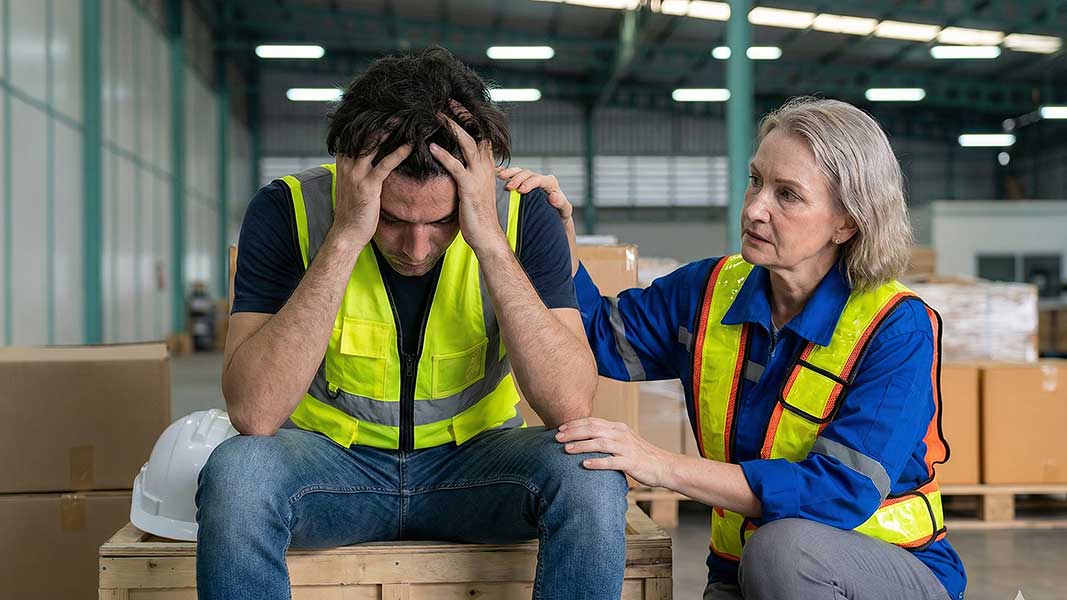
When employees feel that their wellbeing is genuinely valued, they respond with greater focus, loyalty and motivation. Effective safety leadership shows that management isn’t just interested in output but in people. This sense of care translates into stronger teamwork, lower absenteeism and higher productivity.
Leaders who communicate transparently, listen to safety concerns and act quickly to resolve them create a workplace where employees feel heard and respected. A culture that prioritizes health and safety reduces stress, improves morale and ultimately drives performance. Organizations that invest in leadership development see a ripple effect when people feel safe, they work smarter, take initiative and stay longer.

Strengthening Corporate Reputation and Compliance:

In the UAE’s competitive and highly regulated industries, a strong record of health and safety performance enhances reputation and trust. Clients, investors and regulators pay close attention to how organizations manage safety risks. A company known for responsible leadership attracts better contracts, retains skilled workers and minimizes legal or regulatory issues.
Health and safety management & leadership ensures that compliance is achieved not just through documentation but through demonstrated behavior. It aligns internal policies with international standards such as ISO 45001:2018 Occupational Health and Safety Management System, which emphasizes proactive risk prevention and continuous improvement. By integrating leadership with compliance, organizations create a sustainable framework that safeguards both people and business continuity.

Core Principles of Strong Safety Leadership:

Strong safety leadership doesn’t happen by chance. It’s built on consistent behaviors and values that shape how people think and act in the workplace. Leaders who understand these principles move safety beyond compliance, they make it part of the organization’s identity. These principles guide decisions, influence culture and set the foundation for long-term improvement in both safety and performance.

Leading by Example at Every Level:

People follow what they see, not what they’re told. When leaders actively participate in safety meetings, wear proper PPE and follow the same procedures they expect from others, they send a clear message that safety is non-negotiable.
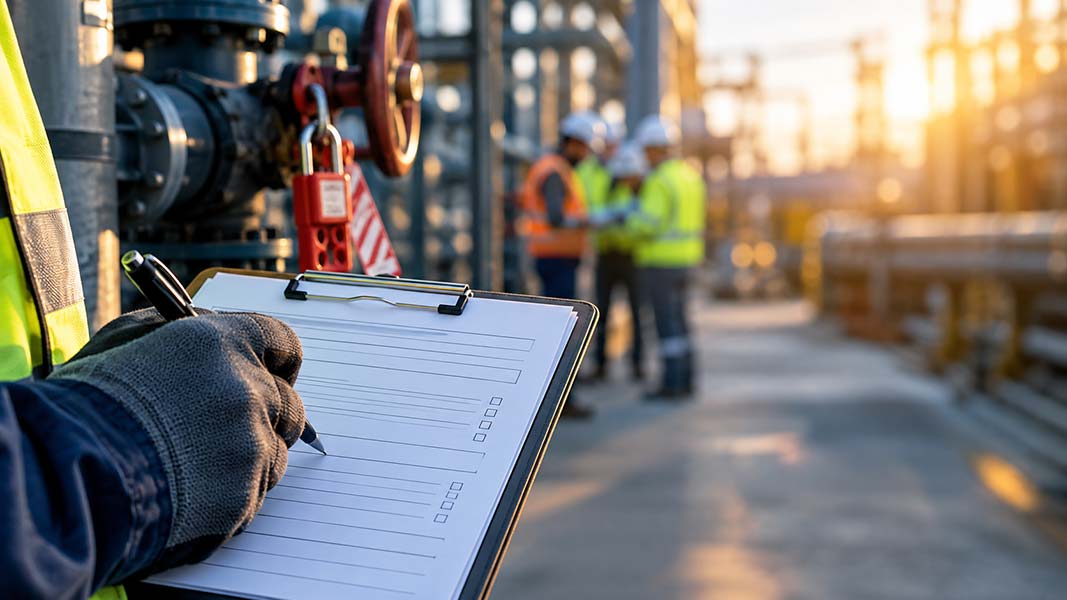
Leading by example builds credibility. Whether it’s a site supervisor inspecting equipment or a senior executive reviewing incident reports personally, visible involvement reinforces the seriousness of safety commitments. In industries such as oil and gas or construction, this visible leadership can be the difference between a safe shift and a serious incident. True leadership starts when safety becomes part of every decision, not an afterthought or a box to tick.

Communicating Safety Expectations Clearly:

Unclear communication is one of the biggest barriers to a safe workplace. Leaders must communicate safety expectations in simple, direct terms that everyone can understand, regardless of their position or language background.
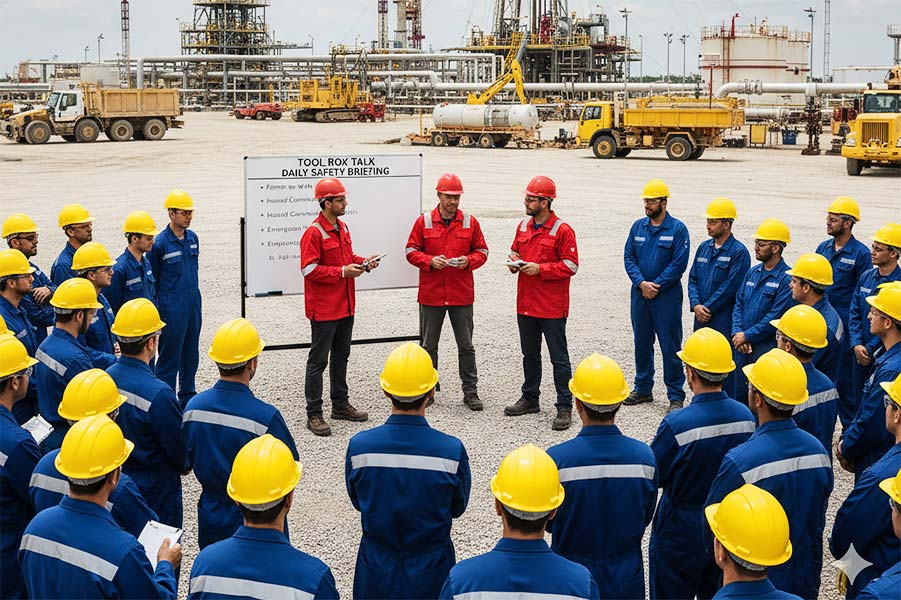
Good communication means more than issuing instructions—it involves listening, asking questions and ensuring that safety messages are understood and practiced. Regular toolbox talks, open feedback channels and visible leadership engagement create a two-way flow of information that prevents small issues from turning into serious accidents.
Clarity also builds accountability. When people know exactly what’s expected of them and why, they’re more likely to meet those expectations consistently.

Empowering Employees to Take Ownership:

A strong safety culture depends on shared responsibility. Leaders who empower employees to make decisions about safety, report hazards, or stop unsafe work without fear of punishment create a proactive environment.
Empowerment drives engagement. When employees feel trusted, they take pride in protecting themselves and their colleagues. This approach also helps identify hidden risks faster because those closest to the work are often the first to spot potential hazards.

Recognizing and Rewarding Safe Behaviors:

Acknowledging safe behavior is as important as correcting unsafe practices. Leaders who celebrate achievements whether it’s a milestone without incidents or a worker who proactively reported a hazard, reinforce the right behaviors across the team.
Recognition doesn’t always need to be formal or financial. A simple thank-you or public acknowledgment can motivate others to act responsibly. When safety is recognized and appreciated, it becomes a source of pride rather than obligation. Reward systems also signal that leadership values long-term prevention over short-term output. This mindset builds loyalty and strengthens the overall safety culture.

“Safety leadership isn’t inherited; it’s developed through learning, consistency and reflection. The more leaders invest in their growth, the stronger their influence becomes.”

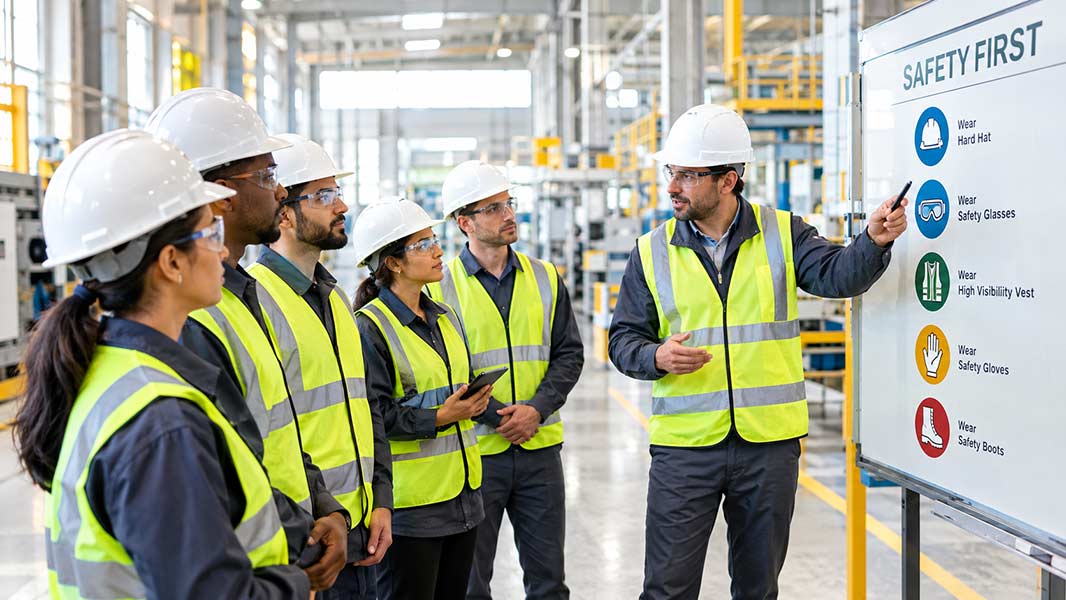
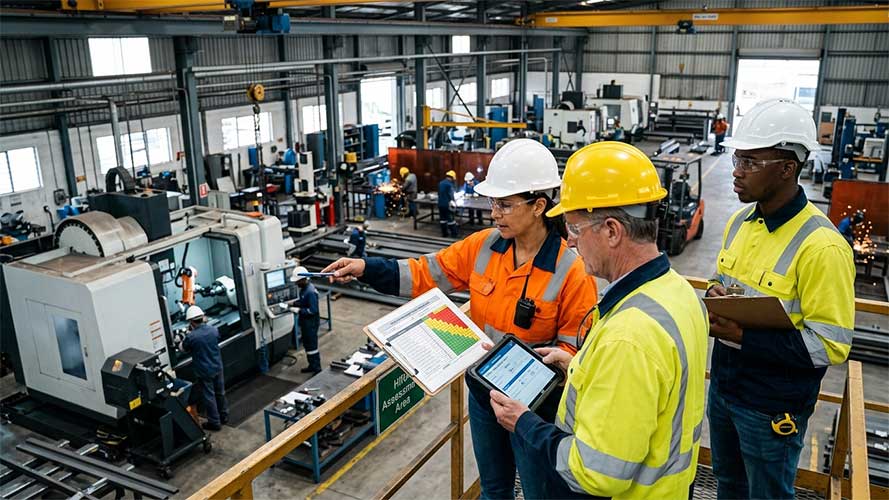
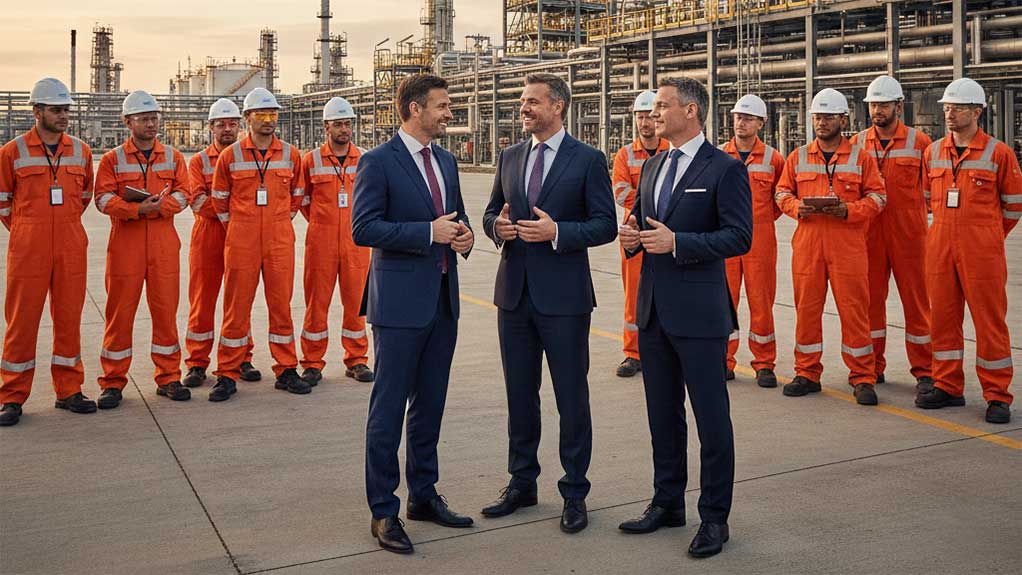
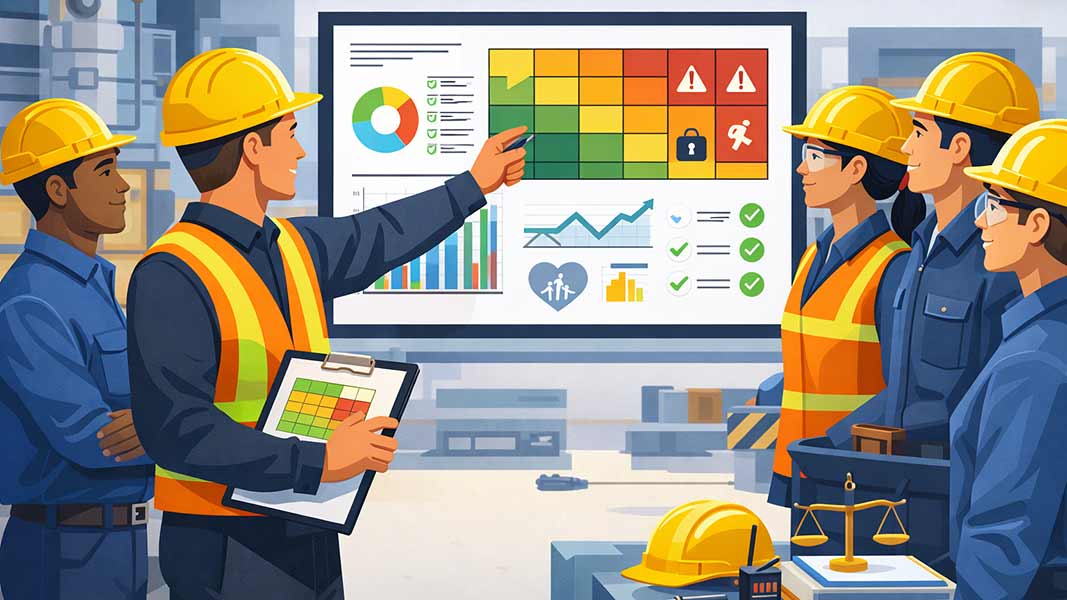
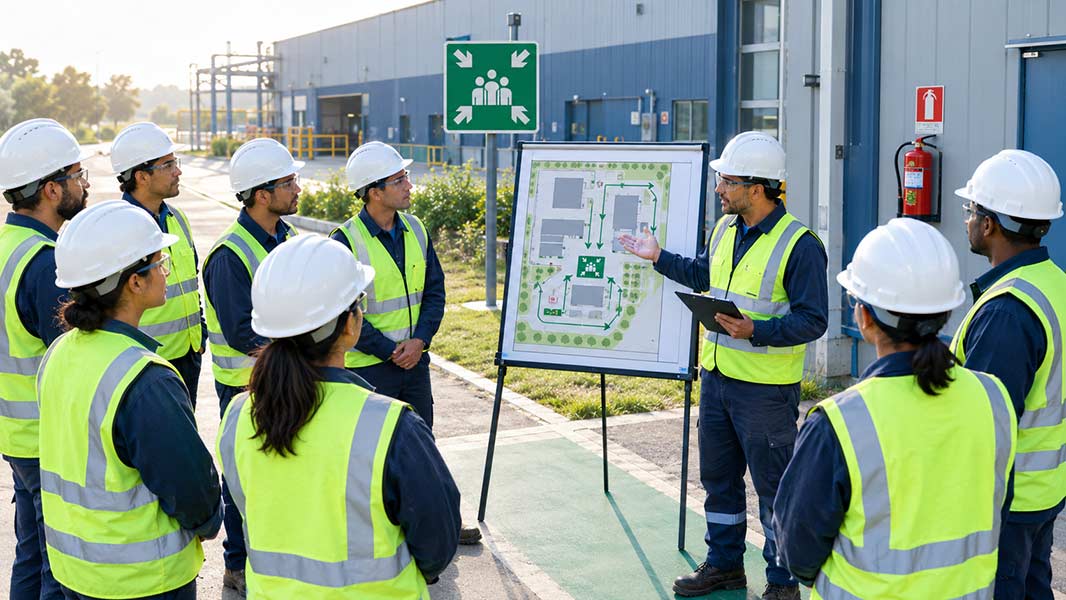
Occupational Health and Safety Leadership Team Discussing Safety plans with the workers

Developing Health and Safety Leadership Skills:

Health and safety leadership isn’t an inherited trait, it’s a skillset built through experience, self-awareness and continuous learning. Great leaders know that technical knowledge alone isn’t enough; they must also develop the ability to influence, communicate and make informed decisions under pressure.
In industries across the UAE, where operations are complex and workforce diversity is high, leadership development is essential for maintaining safe and efficient workplaces. Organizations that prioritize training and mentorship create a consistent standard of safety thinking at every level.

Essential Competencies Every Safety Leader Should Master:

Effective safety leaders share a set of competencies that help them guide teams and maintain control in challenging environments. These include:
Strategic Thinking: Understanding how safety aligns with business goals and operational realities.
Emotional Intelligence: Managing people with empathy, building trust and handling conflict with professionalism.
Communication Skills: Delivering safety messages clearly and ensuring feedback flows both ways.
Decision-Making Under Pressure: Staying calm, analyzing risks and taking corrective action quickly.
Continuous Improvement Mindset: Learning from incidents and implementing better systems rather than assigning blame.

These competencies distinguish leaders who simply enforce compliance from those who inspire real change. The best organizations identify potential leaders early and invest in building these skills across departments.

Training and Professional Development Opportunities:

Developing strong safety leadership requires structured learning backed by practical application. Advanced qualifications help professionals gain the knowledge and confidence to manage safety strategically, not just operationally.
Health and safety qualification and certifications such as the ProQual Level 7 Diploma in Strategic Health and Safety Leadership and ManagementProQual NVQ Level 6 Diploma in Occupational Health and Safety Practice or Qualifi Level 7 International Diploma in Occupational Health and Safety Management (OHSM) offered by Eduskills Training, are specifically designed for professionals aiming to lead safety functions at an executive or organizational level. These qualifications focuses on strategic leadership, organizational culture and advanced risk management that are all critical for shaping modern safety leaders.
Additionally, short courses like the IOSH Managing Safely Course or specialized programs such as ISO 45001 Internal Auditor Training or ISO 45001 Lead Auditor course help strengthen technical understanding and reinforce best practices across industries.
Continuous learning is key because safety challenges evolve with technology, regulations and workforce diversity. Leaders who invest in their development stay ahead, protecting people, assets and reputation.

“When leaders put safety first, everything else improves—productivity, morale and reputation. A strong safety culture always begins with leadership at the top.”

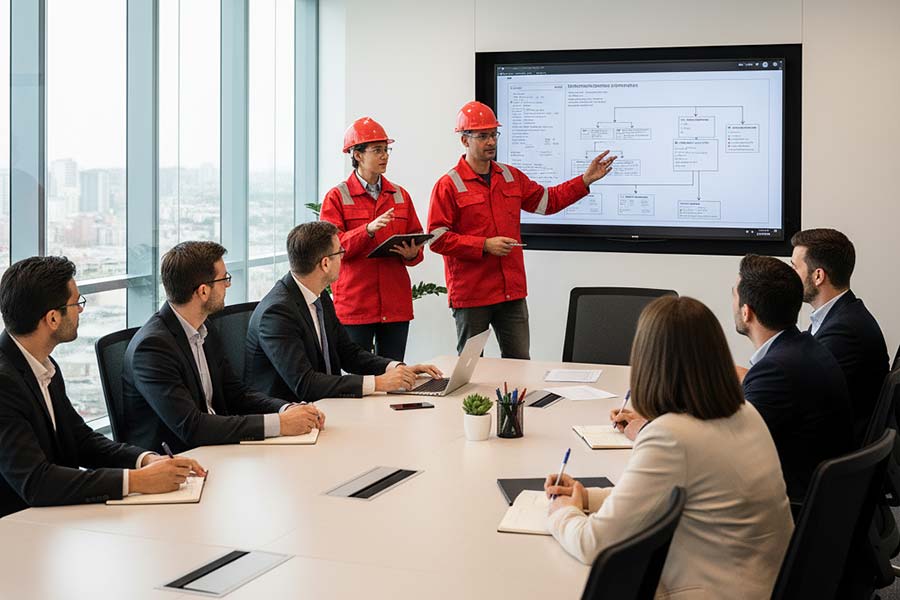
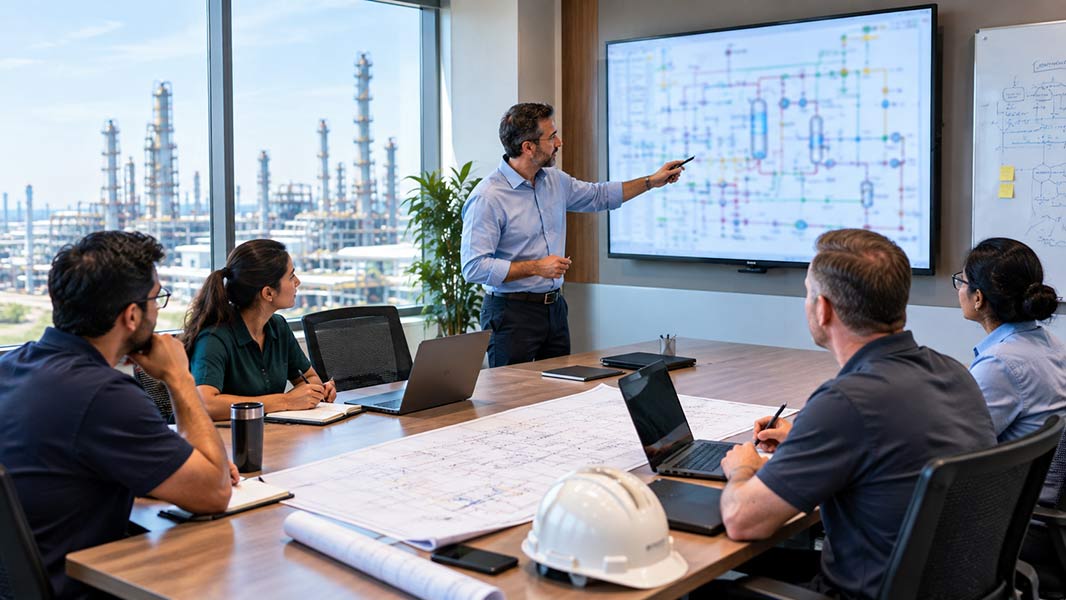
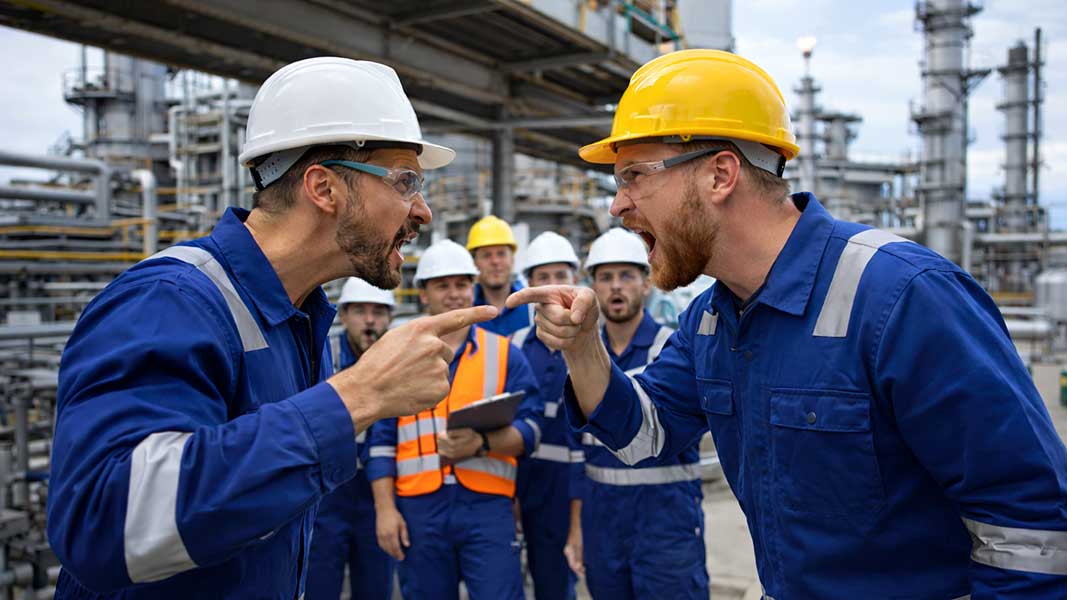
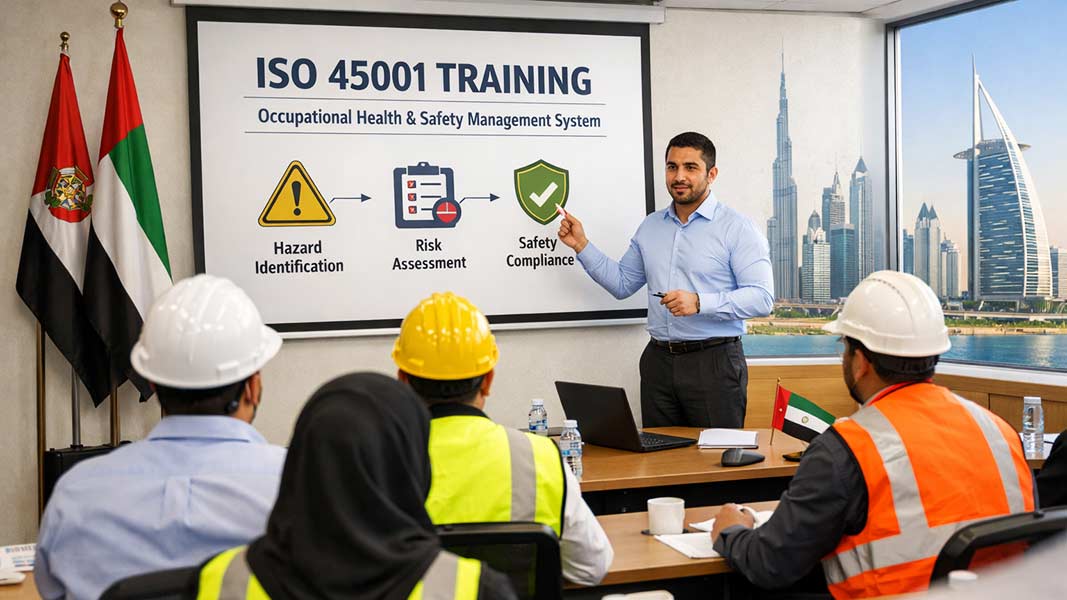
An Occupational Health and Safety Team Leader is discussing a safety plan with other safety professionals.

How Health and Safety Leadership Impacts Organizational Performance:

Health and safety leadership directly influences how efficiently and responsibly an organization operates. When leaders prioritize safety, they’re not just protecting workers, albeit they’re strengthening the organization’s reputation, financial performance and long-term viability. A strong safety culture creates operational stability because fewer accidents mean less downtime, fewer claims and more predictable productivity.
In a competitive market like the UAE and Gulf region, companies that integrate safety into their core management systems stand out. They demonstrate reliability, attract skilled professionals and maintain compliance with international standards. Leadership is the driving force behind this transformation. 

Building Trust Between Management and Workforce:

Trust is the foundation of every effective safety culture. When management demonstrates genuine concern for worker wellbeing, employees respond with commitment and accountability. This mutual respect builds open communication channels and workers feel confident to report hazards, suggest improvements, or admit mistakes without fear of punishment.
Transparent leadership also strengthens unity. When teams see leaders walking through sites, discussing safety issues face-to-face and taking feedback seriously, it builds credibility. Trust ensures that safety is viewed not as management’s responsibility alone but as a shared mission. This connection between leadership and workforce is what keeps organizations resilient, especially in high-risk sectors like construction, oil and gas and logistics. 

Driving Long-Term Sustainability and Compliance:

Sustainability in business isn’t limited to environmental goals, it includes the wellbeing of people as well. Safety leadership ensures that sustainability strategies are backed by safe practices, ethical operations and long-term workforce protection.
Leaders who embed safety into their business strategy create organizations capable of withstanding regulatory, social and operational pressures. Compliance becomes effortless when the organization’s culture naturally aligns with standards such as ISO 45001:2018 Occupational Health and Safety Management System, which focuses on continual improvement and worker participation. In short, safety leadership sustains the business because it sustains the people who run it.

Reducing Operational Costs Through Preventive Leadership:

Accidents and unsafe practices are expensive, both financially and reputationally. Medical costs, insurance claims, equipment damage and production delays can quickly add up. Preventive leadership reduces these losses by identifying risks before they escalate.
Leaders who focus on prevention make smarter operational decisions. They allocate resources to regular inspections, employee training and maintenance programs all of which minimize downtime and extend asset life. Moreover, an organization with a strong safety record enjoys lower insurance premiums, fewer legal disputes and better client confidence. Investing in leadership-driven safety isn’t just an ethical choice, it’s a sound financial strategy.

The Role of Training in Strengthening Safety Leadership:

Leadership in health and safety is learned, practiced and continuously refined through structured training and professional exposure. Even experienced managers benefit from updated knowledge, changing regulations and modern safety methodologies. Training bridges the gap between intention and execution. It provides leaders with the technical expertise, behavioral insight and strategic perspective required to influence others effectively. In high-risk industries across the UAE, Saudi Arabia and Qatar, continuous professional development ensures that leadership decisions are informed, consistent and aligned with global standards. Organizations that invest in safety leadership training, build resilience, innovation and accountability into their workforce. 

Importance of Accredited Certifications and Diplomas:

Internally or nationally accredited health and safety qualifications validate both competence and credibility. They help professionals move beyond traditional safety management and into strategic leadership roles. These certifications signal to employers, clients and regulators that the individual not only understands safety systems but can lead their implementation across diverse teams and operations.
Eduskills Training offers several internationally recognized programs that support this professional journey. For example:

Each certification is designed to build practical skills, critical thinking, communication and leadership behavior so that participants can apply what they learn immediately in their workplaces. By combining accredited certifications with on-the-job application, professionals across Dubai, Abu Dhabi, Sharjah and beyond can lead safety transformations that benefit both people and performance.

Conclusion – Leading the Change for Safer Workplaces:

Effective health and safety leadership is a mindset and more than a professional skill. It transforms policies into action, inspires confidence and creates environments where people feel valued and protected. Leadership doesn’t end with compliance; it begins with responsibility and continues through consistent improvement. Organizations that empower safety leaders set themselves apart. not only for their results but for their integrity. A strong safety culture reduces risks, attracts talent and builds public trust. It’s an investment that pays back in reputation, performance and long-term sustainability.

Frequent Asked Questions (FAQs):

Why is effective safety leadership essential in the workplace?

Because leadership drives behavior. A strong leader can prevent incidents, motivate employees and build a lasting culture of safety and accountability.

What are the qualities of a strong safety leader?

Integrity, empathy, accountability and the ability to communicate clearly. Great safety leaders listen first and act consistently.

How does safety leadership improve overall business performance?

Organizations with proactive safety leaders experience fewer accidents, lower costs and higher productivity because people feel valued and protected.

What role does training play in improving safety leadership?

Training empowers leaders to understand risk management, behavioral safety and compliance. At Eduskills Training, every program combines technical depth with real-world leadership focus.

Which industries benefit most from strong safety leadership?

Oil and gas, construction, manufacturing, transport and energy, industries where proactive leadership can prevent life-threatening incidents.

How does effective communication support safety leadership?

Open, honest communication helps teams identify risks early, share lessons and create a workplace where everyone feels responsible for safety.

Can safety leadership reduce workplace accidents?

Yes. When leaders demonstrate care, consistency and presence, employees naturally adopt safer behaviors and attitudes.

How does Eduskills Training contribute to developing safety leaders in the UAE?

Eduskills Training offers internationally recognized qualifications, flexible study options and industry-experienced instructors who prepare professionals to lead with confidence.

Why choose Eduskills Training for safety leadership courses?

Because Eduskills Training combines affordability, flexible learning (classroom and online) and expert-led trainings designed specifically for professionals across the UAE and Gulf region.

Inquiry Form