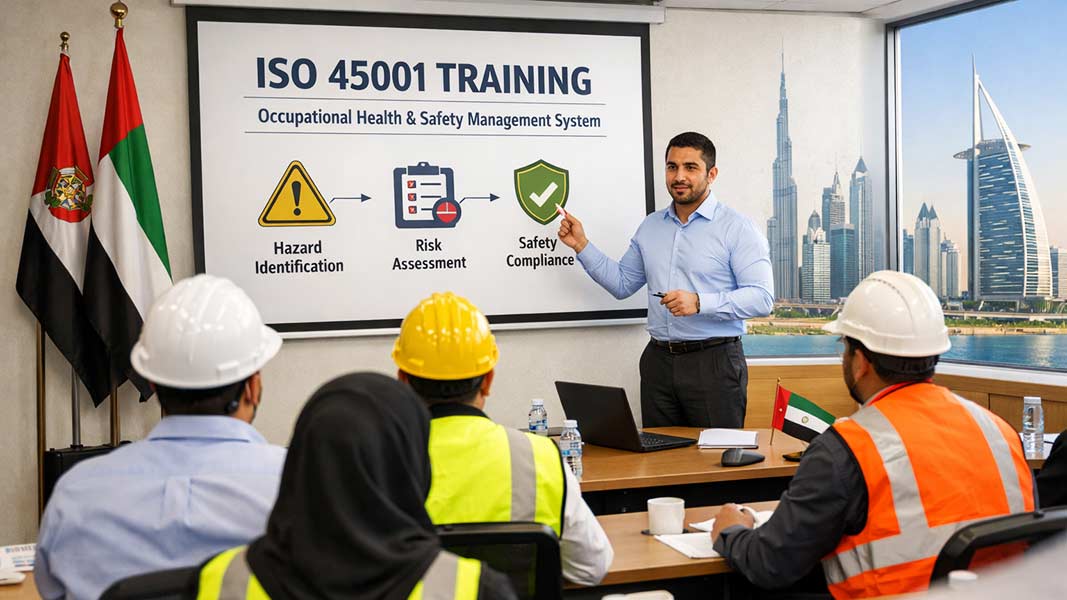
Health and Safety Internal Audit Report | A Guide On ISO 45001 Internal Audit

A Health and Safety Internal Audit Report is more than a document; it’s the foundation for maintaining a safe, compliant, and accountable workplace. Every organization, whether operating in construction, manufacturing, oil and gas, or services, carries the responsibility to protect its people and assets. Regular health and safety internal audits help companies measure how effectively their safety systems are performing and where improvements are needed. The goal of a Health and Safety Internal Audit Report is to present clear evidence of compliance with occupational health and safety standards, including ISO 45001 requirements. It identifies gaps, tracks corrective actions, and provides management with the insights needed to strengthen their safety management system.

Introduction to Health and Safety Internal Audits:

Internal health and safety audits are one of the most practical ways for organizations to evaluate how well their safety management system is working. These audits go beyond paperwork; they assess real-world practices, workforce behavior and the overall effectiveness of safety controls. The process helps identify weaknesses before they turn into accidents or compliance issues. A well-documented internal audit report provides management with the data needed to make informed safety decisions and demonstrate due diligence to regulators or clients.

What Is a Health and Safety Internal Audit Report?

A Health and Safety Internal Audit Report is a formal summary of an organization’s internal review of its occupational health and safety management system. It outlines the audit’s scope, methods, findings and recommendations for corrective or preventive actions. The report ensures that safety objectives are being met and that the organization’s policies align with legal and international standards such as ISO 45001.

The report typically includes:

  • Details of audit objectives, scope and criteria
  • Observations and non-conformities identified during inspection
  • Root cause analysis of gaps or incidents
  • Recommended improvements and action timelines

When prepared correctly, the audit report becomes a roadmap for continuous improvement, helping management strengthen operational safety and compliance.

Why Every Organization Needs Internal Safety Audits?

Internal safety audits serve as an early warning system. They reveal weaknesses in safety protocols, documentation or training before external auditors or authorities identify them. Regular audits reduce the risk of accidents, ensure legal compliance and foster a proactive safety culture. Organizations in high-risk industries such as oil and gas, construction and manufacturing in the UAE and GCC particularly benefit from scheduled internal audits because they face stricter regulatory oversight. By addressing audit findings promptly, businesses can avoid penalties, protect their workforce and maintain their operational credibility.

Role of Internal Audits in Maintaining ISO 45001 Compliance:

ISO 45001 sets the international benchmark for occupational health and safety management systems. Internal audits play a key role in ensuring ongoing compliance with this standard. They help verify whether the organization is effectively implementing its OHSMS, meeting both legal and stakeholder requirements. Auditors review evidence, assess performance indicators and evaluate the effectiveness of risk control measures. Findings from these internal audits support management reviews and help the organization prepare for external ISO 45001 certification audits.

Professionals who wish to build or refine these auditing skills can pursue the ISO 45001 Internal Auditor Training offered by Eduskills Training, which provides both classroom and e-learning options across Dubai, Abu Dhabi and the wider GCC region. This training enables participants to conduct professional audits and write accurate, actionable audit reports aligned with international best practices.

“The real goal of an internal safety audit is not to find fault, but to uncover hidden risks, weak controls and missed opportunities for improvement. A well-executed audit helps organizations strengthen compliance, reduce hazards and ensure that every process contributes to a safer, more reliable workplace.”

Key Objectives of Conducting a Health and Safety Internal Audit:

A Health and Safety Internal Audit is not just a formality; it’s a structured evaluation that reveals how effectively an organization manages workplace risks. The audit measures the performance of the health and safety management system, identifies weak areas and ensures that every process aligns with regulatory and international standards. The outcome is actionable insight, helping leadership strengthen policies, improve safety outcomes and demonstrate compliance.


Identifying Non-Conformities and Gaps in the Safety Management System: 

One of the primary objectives of an internal audit is to uncover non-conformities which are those areas where current practices fail to meet the organization’s defined standards or ISO 45001:2018 requirements. These can include missing safety procedures, outdated documentation or incomplete employee training records.

By identifying such gaps early, organizations can take preventive measures before issues escalate into accidents or non-compliance penalties. This process also encourages accountability at every level, as teams become more aware of how their daily actions affect the overall safety system. A well-documented audit report ensures that these findings are clearly communicated, prioritized and resolved within defined timelines.


Evaluating Risk Control Measures and Their Effectiveness:

Risk control measures form the backbone of workplace safety. Internal audits evaluate whether these controls are properly implemented, monitored and updated based on changing site conditions. For example, if an organization in the construction or manufacturing sector identifies recurring near-miss incidents, the audit helps determine whether existing controls are inadequate or if workers require additional training.

Evaluating control effectiveness also involves checking how well risk assessments are performed, how incidents are reported and how corrective actions are tracked. Continuous monitoring ensures that hazards are minimized and that the safety culture remains strong throughout the organization.


Strengthening Compliance with UAE Safety Regulations and International Standards:

Organizations operating in the UAE must comply with both national regulations and international frameworks like ISO 45001. A comprehensive internal audit bridges the gap between local laws and global best practices. It verifies that safety procedures, emergency response plans and documentation meet the legal obligations set by UAE authorities and align with international standards.

This not only protects the organization from legal liabilities but also enhances its professional reputation, especially in industries that rely on safety certifications to win contracts. Many companies choose to strengthen their compliance efforts through professional development certifications such as the ISO 45001 Internal Auditor training or ISO 45001 Lead Auditor training, offered by Eduskills Training. These qualification helps professionals lead effective audits and maintain strong compliance systems across sectors in Dubai, Abu Dhabi and the wider GCC.

Step-by-Step Process of Preparing a Health and Safety Internal Audit Report:

Creating a professional Health and Safety Internal Audit Report requires structure, accuracy and a clear understanding of audit objectives. A systematic approach ensures consistency across audits and helps management trust the findings. Each step from planning to corrective action plays an essential role in improving the organization’s overall safety performance.


Planning and Setting the Scope of Audit:

Every successful audit begins with proper planning. This stage defines the audit’s purpose, scope and criteria. The auditor identifies which departments, processes or work areas will be reviewed and gathers background information such as previous audit reports, risk assessments and safety policies.

A detailed audit plan outlines the schedule, team responsibilities and checklist of standards to be assessed. Planning also ensures that resources and time are allocated efficiently so that no critical process is overlooked. When conducted regularly, this structured approach allows organizations to track performance trends over time and measure improvements accurately.


Gathering Evidence and Performing Site Inspections:

After planning, auditors collect evidence through site inspections, document reviews and interviews with employees. The goal is to verify whether the safety procedures described in the management system are actually being followed on the ground.

During inspections, auditors observe work practices, check equipment maintenance records, review incident logs and assess compliance with regulatory and ISO 45001:2018 requirements. Gathering credible, objective evidence ensures that the audit report reflects reality, not assumptions. This stage is also an opportunity to engage employees in open discussions about safety challenges and improvement ideas.


Recording Findings and Observations Accurately:

Accuracy in reporting determines the value of an audit. All observations, whether positive or negative, must be documented clearly with supporting evidence. Findings should highlight both compliance achievements and areas requiring corrective action.

A professional audit report typically categorizes findings as:

  • Non-conformities: Deviations from policies, procedures or standards
  • Observations: Minor issues that could develop into risks if not addressed
  • Opportunities for improvement: Practical suggestions to enhance performance


Developing Corrective and Preventive Action Plans:

The final and most critical step in preparing a Health and Safety Internal Audit Report is converting findings into actionable improvements. Corrective actions address existing issues, while preventive actions aim to eliminate the root causes of potential problems.

An effective action plan should specify what needs to be done, who is responsible and the completion timeline. Tracking and reviewing these actions regularly ensures that the audit delivers measurable results rather than just recommendations on paper.

Professionals who handle this stage often benefit from formal audit training. Trainings like the ISO 45001:2018 Occupational Health and Safety Management System (OHSMS) Lead Auditor Course offered by Eduskills Training equip learners with the skills to conduct detailed audits, interpret results and write comprehensive reports that meet global standards.

“Most audit findings are not failures, they’re insights waiting to be acted upon. Gaps in documentation, poor training or weak control measures all reveal where leadership can invest effort to build a culture that prevents accidents before they occur.”

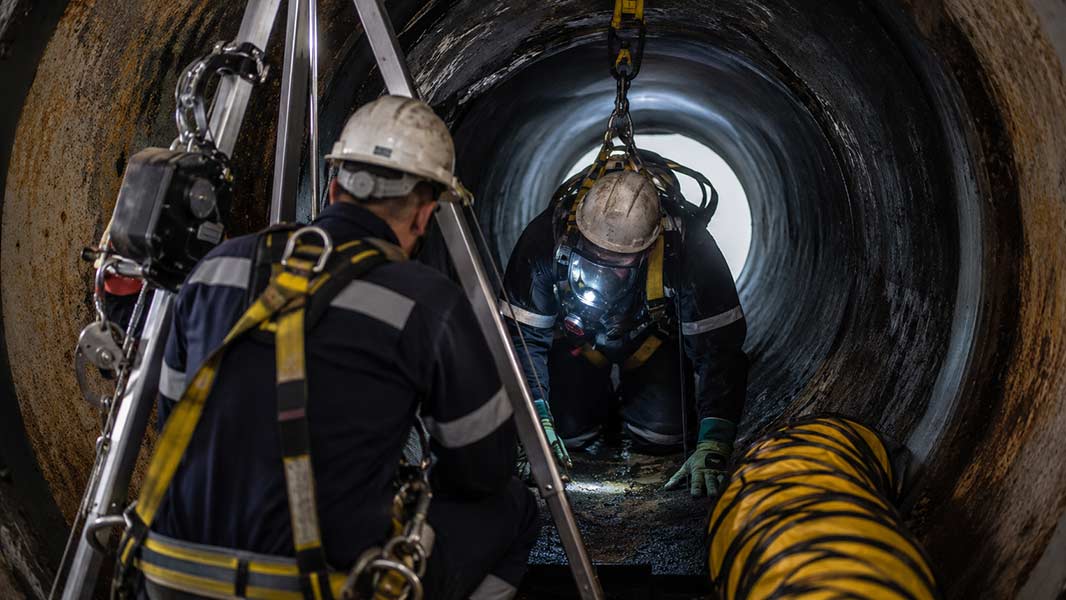
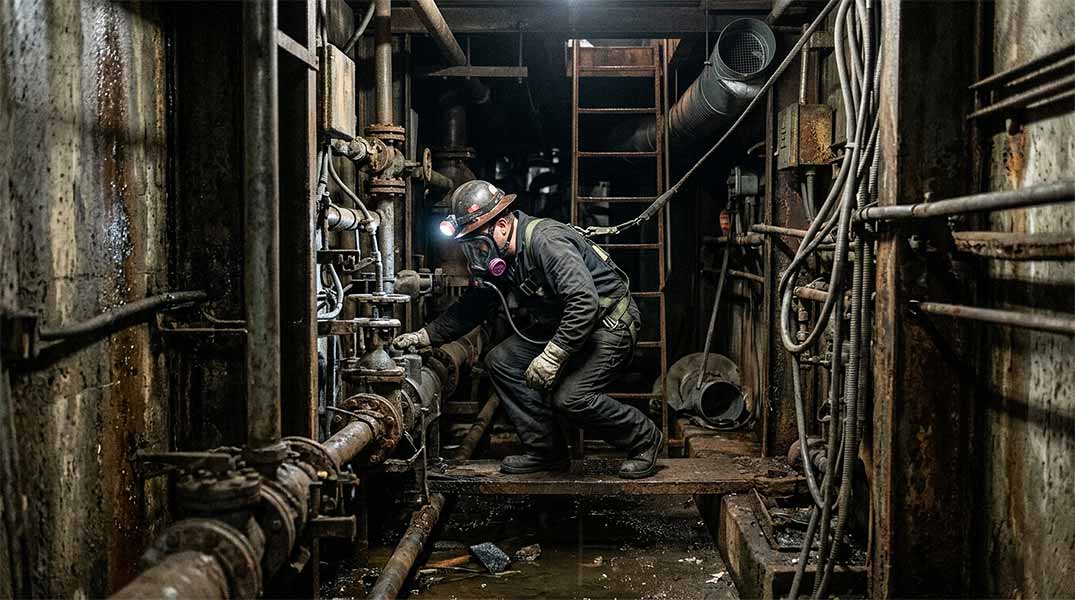
Occupational Safety Internal Auditors performing health and safety internal audit

Common Findings Highlighted in Internal Audit Reports:

A well-executed internal audit often reveals recurring issues that impact the effectiveness of a safety management system. These findings don’t necessarily indicate failure; they highlight areas where policies or practices need strengthening. Recognizing common patterns helps organizations focus their improvement efforts, allocate resources wisely and enhance overall compliance with occupational health and safety standards.


Gaps in Safety Documentation and Training Records:

Incomplete or outdated documentation is one of the most frequent findings in a Health and Safety Internal Audit Report. Missing risk assessments, outdated safety manuals or incomplete training logs can quickly lead to non-conformities during external inspections. These documentation gaps often occur when safety procedures are not updated in line with new regulations or operational changes.

Accurate and up-to-date records prove that employees are trained, hazards are controlled and safety responsibilities are being fulfilled. Organizations can address this by scheduling regular reviews of documentation and maintaining digital records for easy accessibility. Investing in professional training, such as the Qualifi Level 7 International Diploma in Occupational Health and Safety Management, offered by Eduskills Training, helps managers and safety officers develop the competence to manage these systems effectively across UAE industries.


Poor Implementation of Control Measures:

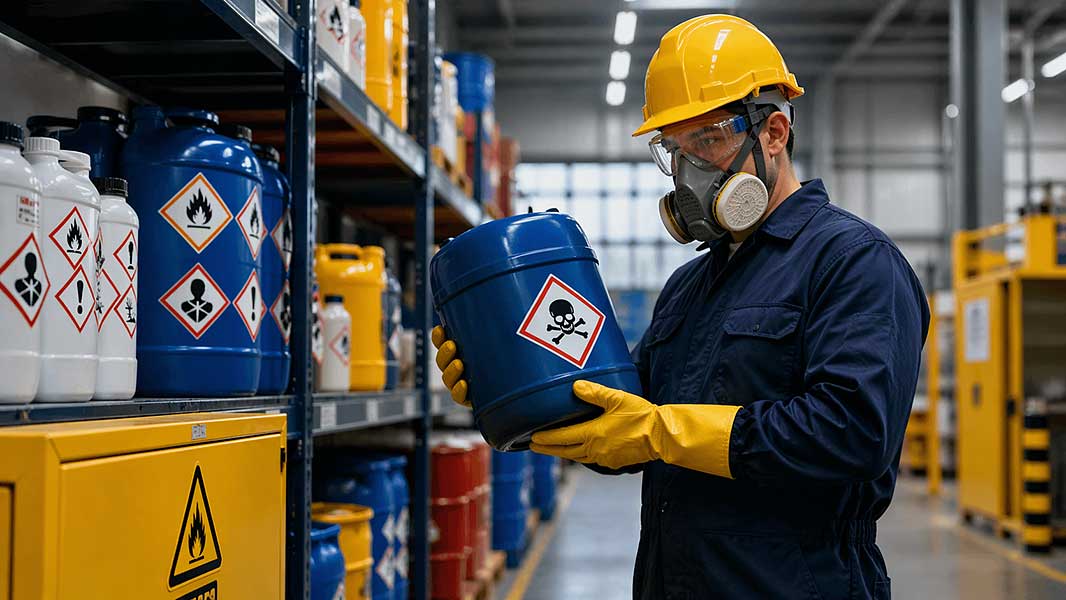
Another frequent issue identified during audits is weak implementation of control measures. While organizations may have safety policies written on paper, real improvement comes from consistent execution in the field. Internal audits often reveal lapses such as missing PPE usage, inadequate supervision or failure to follow safe operating procedures.

To address this, management must ensure that safety plans translate into everyday practices. This requires ongoing monitoring, employee engagement and leadership commitment. When controls are properly implemented, the risk of incidents, injuries and equipment failures drops significantly, improving both productivity and compliance.


Inadequate Incident Reporting or Emergency Preparedness:

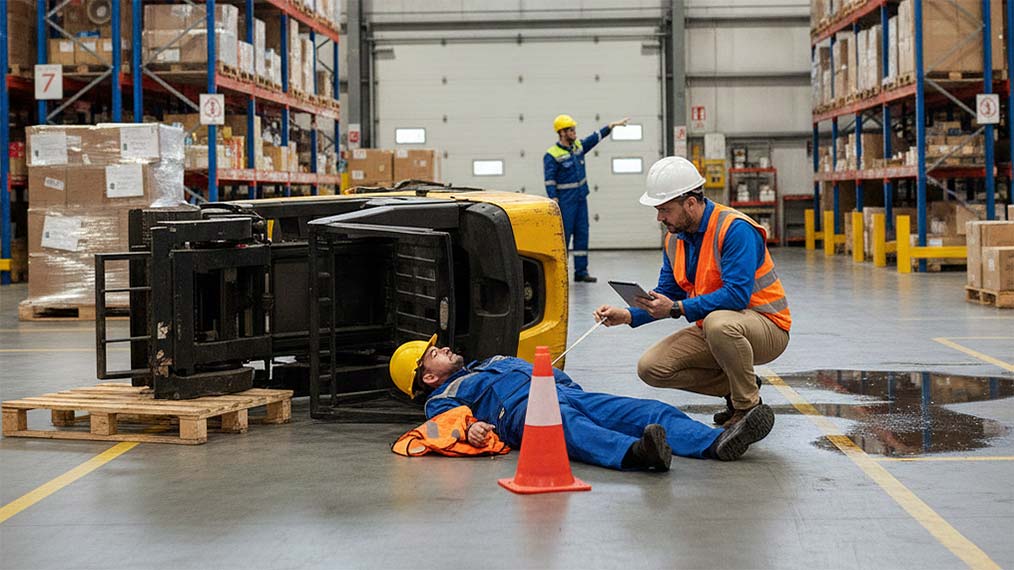
Strong incident reporting and emergency preparedness are key components of any effective safety management system. However, internal audits frequently expose weaknesses in these areas — from underreporting of near misses to outdated emergency drills or incomplete response plans.

An organization that fails to document and analyze incidents misses valuable opportunities to prevent future occurrences. Regular drills, updated emergency procedures and clear communication protocols ensure a faster and safer response during crises. Conducting periodic reviews and mock drills also helps reinforce readiness across all departments.

Auditors often recommend implementing structured systems to track incidents and responses. With proper analysis and corrective actions, organizations not only comply with ISO 45001:2018 but also build confidence among their workforce and clients that safety is genuinely prioritized.

Importance of Regular Internal Audits for Continuous Improvement:

Regular internal audits are vital for sustaining and improving a company’s health and safety performance. They provide more than compliance assurance, they serve as a continuous feedback loop that helps organizations identify strengths, correct weaknesses and refine their safety management systems over time. In high-risk industries across the UAE and GCC, consistency in auditing ensures that safety standards evolve in step with operational demands, regulatory changes and emerging risks. 


Building a Proactive Safety Culture:

A proactive safety culture doesn’t develop by accident; it’s built through awareness, accountability and consistent evaluation. Internal audits create opportunities for employees and management to engage in meaningful safety discussions, promoting shared responsibility. Instead of waiting for incidents to trigger reviews, audits encourage prevention.

When organizations conduct internal audits routinely, they demonstrate a visible commitment to safety and set a standard of accountability at every level. This proactive approach enhances trust between management and workers, leading to fewer risks and higher overall performance. Many companies in the UAE choose to enhance this culture by enrolling their teams in professional safety training programs provided by Eduskills Training, which focus on leadership and advanced safety management practices.


Reducing Workplace Accidents and Legal Liabilities:

The financial and reputational costs of workplace accidents can be severe. Internal audits help organizations identify unsafe conditions, behaviors or system flaws before they lead to incidents. By ensuring timely corrective actions, companies reduce the likelihood of injuries, equipment damage and costly downtime. 

In addition, well-documented audit trails prove compliance with national safety laws and ISO 45001 standards, protecting the organization from potential fines or legal actions. Regular internal audits also ensure that emergency procedures, training records and incident investigations are maintained properly, creating a strong defense during external audits or inspections.


Enhancing Employee Awareness and Accountability:

Internal audits educate employees about the importance of compliance and safe work practices. When team members understand how their daily actions are evaluated through audits, they become more cautious, responsible and involved in maintaining safety standards.

Auditors often involve employees in discussions during inspections, which improves awareness and provides valuable feedback from those directly engaged in daily operations. This interaction promotes ownership of safety outcomes and ensures that improvements are practical and well-understood. Over time, continuous auditing cultivates a workforce that values safety as part of the organization’s identity rather than as a regulatory requirement.

“An audit report should speak with evidence, clarity and purpose. It must highlight what matters most including critical risks, actionable insights and measurable improvements so that decision-makers can drive real change instead of managing compliance on paper.”

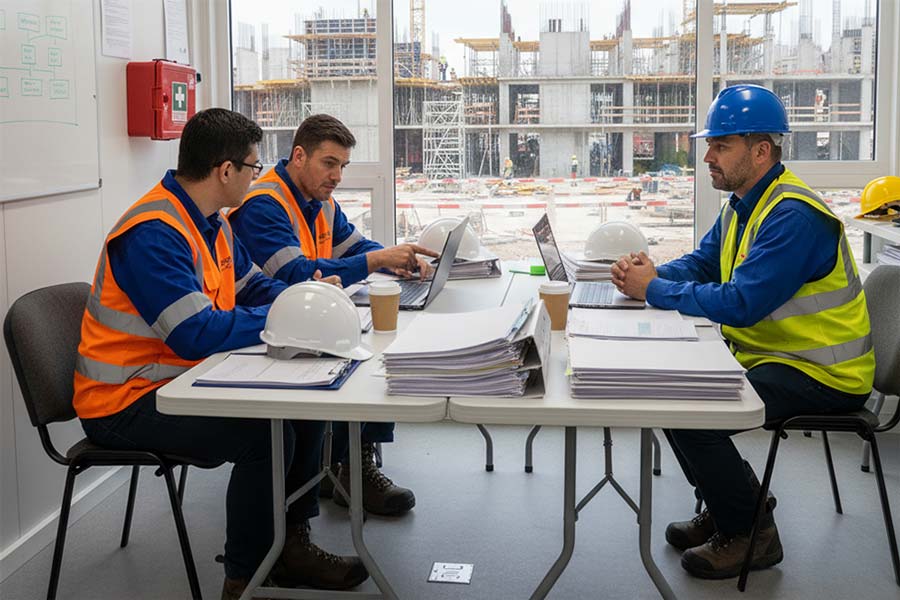
An Occupational Health and Safety Team Leader is discussing a safety plan with other safety professionals.

How to Write an Effective Health and Safety Internal Audit Report:

An effective Health and Safety Internal Audit Report should be clear, objective and results-driven. It must translate technical findings into meaningful insights that management can act upon. A well-written report not only identifies gaps but also provides solutions that improve safety performance and compliance with ISO 45001:2018 standards. Whether it’s for internal management review or preparation for an external certification audit, the quality of the report reflects the competence and professionalism of the auditor.


Using a Clear, Evidence-Based Format:

Clarity and structure are the foundation of any strong audit report. The information should be organized in a logical sequence typically starting with the audit scope, objectives and methodology, followed by key findings, evidence and recommendations. Every statement or observation must be supported by verifiable evidence, such as inspection records, interview notes or photographs.

Avoid vague language or assumptions. Instead, describe what was observed, where it occurred and the associated impact. This evidence-based approach ensures transparency and helps management prioritize corrective actions confidently. Professionals trained through programs like the ISO 9001 Internal Auditor Training offered by Eduskills Training often develop the skill to structure such detailed and fact-based audit reports effectively.


Prioritizing High-Risk Findings:

Not all findings carry the same level of urgency. Effective audit reports classify issues based on their potential risk to people, property or compliance. High-risk non-conformities such as lack of emergency preparedness, unguarded machinery or missing PPE compliance should be highlighted clearly with recommended immediate actions.

By prioritizing risks, auditors help organizations allocate resources where they matter most. This also assists management in tracking improvements and demonstrating compliance during future audits or inspections. Clear risk prioritization reflects an auditor’s understanding of operational realities, not just technical checklists.


Recommending Practical, Measurable Improvements:

A strong audit report doesn’t stop at identifying problems, it provides actionable, measurable recommendations. These should be realistic, aligned with the organization’s resources and designed to prevent recurrence. Recommendations must specify what needs to be done, who should do it and within what timeframe.

For example, if training gaps are identified, the report might recommend refresher sessions for high-risk tasks or improved induction processes for new employees. When improvements are specific and measurable, progress can be monitored effectively.

Many auditors refine this ability through advanced qualifications such as the ProQual Level 7 Diploma in Strategic Health and Safety Leadership and Management, offered by Eduskills Training. This course helps safety professionals and managers master the art of strategic auditing, reporting and leadership in occupational health and safety across diverse industries in Dubai, Abu Dhabi and the wider GCC.

Role of ISO 45001 Internal Auditor Training in Audit Excellence:

Audit quality depends heavily on the competence and judgment of the auditor. Even the most detailed checklist or advanced management system cannot replace professional knowledge and skill. ISO 45001 Internal Auditor Training builds that competence by equipping professionals with the tools to conduct thorough, impartial and evidence-based audits. In a region like the UAE, where regulatory standards are high and industries operate under tight compliance requirements, trained internal auditors play a vital role in maintaining operational integrity and continuous improvement.


Why Auditor Competence Matters in Reporting:

An audit report is only as strong as the auditor behind it. A competent auditor understands not just the clauses of ISO 45001 but also the intent behind each requirement. This understanding allows them to identify deeper systemic issues rather than surface-level non-conformities.

Trained auditors know how to ask the right questions, collect objective evidence and evaluate findings with fairness and precision. They can distinguish between minor deviations and major risks, which ensures management receives actionable insights. Competence also ensures consistency and audits performed by skilled professionals are repeatable, reliable and respected by external auditors and regulatory authorities alike.

How Eduskills Training Helps You Develop Professional Audit Skills:

Eduskills Training delivers ISO 45001 Internal Auditor Training designed to help safety professionals, managers and compliance officers master the core principles of auditing. The training covers every stage of the audit cycle including planning, conducting, reporting and follow-up that aligned with the latest ISO 45001:2018 standards. Participants gain hands-on experience through practical case studies, audit simulations and report-writing exercises. The goal is not just to pass an exam but to build the analytical and communication skills required for real-world auditing. Graduates of this training are better prepared to conduct internal audits that meet international best practices while driving tangible safety improvements in their organizations.

To meet the diverse needs of working professionals, Eduskills Training offers flexible learning formats for ISO 45001 Internal Auditor Training. Learners from Dubai, Abu Dhabi, Sharjah or across the UAE can get interactive online classes accessible from anywhere in the UAE, Saudi Arabia, Qatar or other GCC countries. This flexibility allows participants to balance their training with professional commitments while still gaining globally recognized audit skills. The affordability, expert-led instruction and practical learning approach make Eduskills Training a preferred choice for safety and quality professionals aiming to excel in occupational health and safety auditing.

Conclusion:

An internal audit only adds value when its findings are transformed into practical improvements. Organizations should prioritize corrective and preventive actions that address the root causes of non-conformities rather than just fixing surface issues. By setting clear timelines and assigning responsibilities, businesses can ensure continuous enhancement of their Health and Safety Management Systems. Regular follow-ups and performance tracking are equally essential to confirm that implemented measures are effective in minimizing risks and improving workplace safety outcomes.

Frequent Asked Questions (FAQs):

Why are internal safety audits important for organizations in the UAE?

Internal audits help ensure compliance with UAE labor laws and international standards such as ISO 45001, minimizing legal risks and improving workplace safety performance.

How often should a company conduct internal health and safety audits?

Most organizations perform internal audits annually or biannually, but high-risk industries like construction or oil and gas may conduct them quarterly.

Who can perform a Health and Safety Internal Audit?

Internal audits should be carried out by trained and competent auditors, preferably those certified through an ISO 45001 Internal Auditor Training. Eduskills Training is offering this ISO 45001 Internal Auditor training across the UAE.

What is included in a Health and Safety Internal Audit Report?

It usually covers the audit scope, methodology, findings, observations, corrective actions and recommendations for management review.

What industries benefit most from conducting safety internal audits?

Construction, manufacturing, oil and gas, logistics and chemical processing industries benefit the most due to their higher exposure to workplace risks.

How can organizations improve the quality of their audit reports?

Using a standardized reporting format, focusing on evidence-based findings and prioritizing high-risk issues can significantly enhance audit quality.

What is the difference between an internal and external health and safety audit?

An internal audit is conducted by in-house or trained auditors, while an external audit is performed by independent third parties for certification or compliance verification.

How can internal audits reduce workplace accidents?

By identifying unsafe practices and system weaknesses early, internal audits help management take corrective actions before incidents occur.

How can internal audit results contribute to continuous improvement?

When findings are tracked, reviewed and linked to corrective actions, they become valuable data for enhancing policies, training and operational safety practices.

Why choose Eduskills Training for ISO and Health & Safety courses in the UAE?

Because Eduskills Training offers internationally recognized qualifications, online and e-learning options and expert trainers who understand regional safety standards and compliance expectations.

Inquiry Form