Incident Investigation: Causes and Preventing Workplace Incidents

Incident investigation is the backbone of effective occupational health and safety, because it focuses on understanding why an incident occurred rather than who was involved. When done properly, it turns injuries, near misses and dangerous occurrences into sources of hard evidence, therefore allowing organizations to prevent repeat events instead of reacting to them.

In occupational health, safety and environment, incident investigation is not a paperwork exercise or a compliance ritual. It is a structured process that examines unsafe acts, unsafe conditions, human factors and management system gaps because incidents rarely happen due to a single failure. Most workplace incidents are the result of multiple weaknesses aligning at the same time, therefore superficial conclusions always miss the real risk.

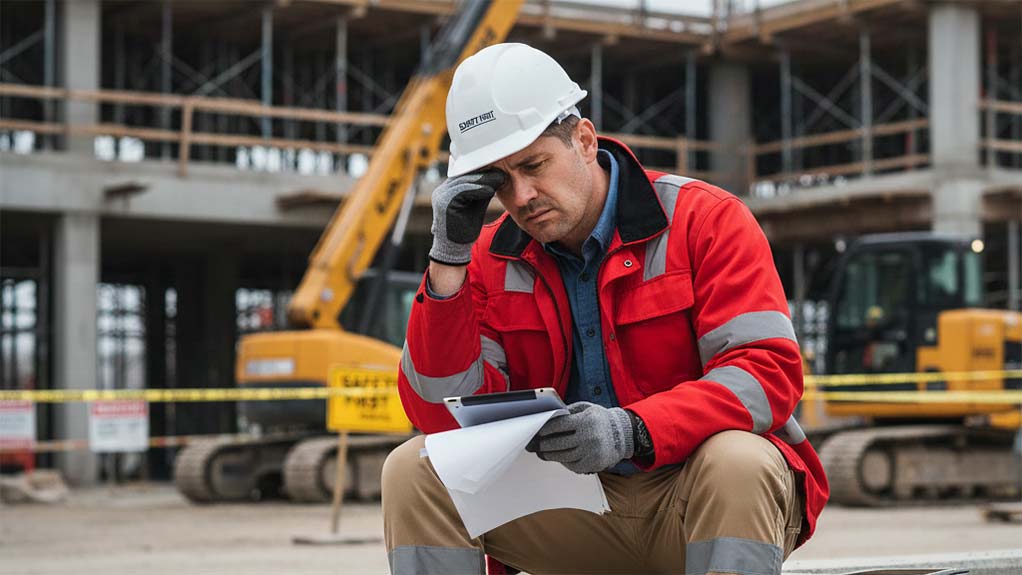
What Is Incident Investigation in Occupational HSE?

Definition of Incident Investigation:

Incident investigation in OHS is a systematic process used to identify what happened, how it happened and why it happened after an undesired event at work. The purpose is prevention, therefore the focus remains on facts, evidence and system weaknesses rather than assumptions or personal opinions. A well-executed investigation examines immediate causes, contributing factors and root causes because stopping at surface-level explanations never reduces future risk. 

In practical terms, incident investigation connects the event to failures in procedures, training, supervision, equipment and management controls. This structured approach allows organizations to implement corrective and preventive actions that actually work, therefore improving safety performance instead of creating paperwork that adds no value.

Incidents vs Accidents vs Near Misses:

In occupational health, safety and environment, the terms incident, accident and near miss are not interchangeable because each represents a different level of risk exposure and learning opportunity.

An incident is any unplanned event that has the potential to cause injury, ill health, environmental damage or property loss. An accident is an incident that results in actual harm or loss, therefore it often triggers immediate reporting and investigation. A near miss is an incident where no injury or damage occurred, but the potential for serious consequences was present, which means the warning signs were already there.

Near misses are especially valuable for incident investigation because they expose system failures without the cost of injury or damage. Organizations that investigate near misses consistently are far more effective at preventing serious incidents, therefore mature HSE systems treat near misses with the same seriousness as accidents.

Why Incident Investigation Is a Legal and Moral Requirement?

Incident investigation is a legal requirement in most jurisdictions because occupational health and safety laws mandate employers to identify causes of workplace incidents and prevent recurrence. Regulatory authorities expect organizations to demonstrate due diligence through proper investigation, documentation and follow-up actions, therefore weak investigations often lead to penalties, prosecutions and reputational damage.

Beyond legal compliance, incident investigation is a moral responsibility. Workers have the right to return home safely and employers have a duty to provide safe systems of work. When incidents are ignored, rushed or poorly investigated, the same conditions remain in place, therefore another worker is exposed to the same risk. This ethical obligation to learn and improve is central to professional HSE practice and is a core principle reinforced through competency-based trainings.

Why Incident Investigation Matters in High-Risk Workplaces?

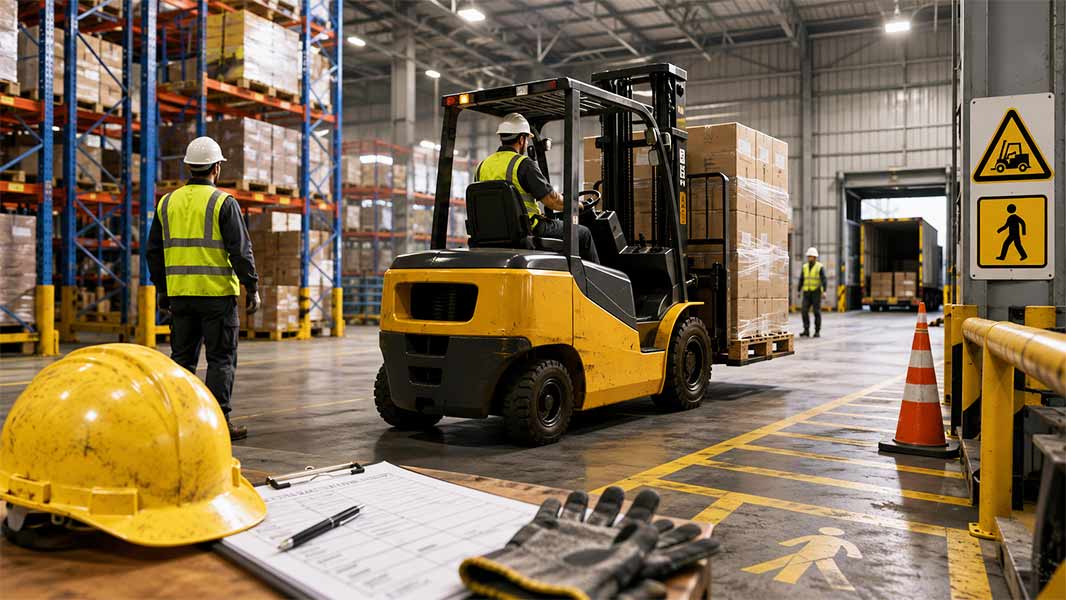
Incident investigation matters most in high-risk workplaces because the margin for error is extremely small. Industries such as construction, oil and gas, manufacturing, logistics and heavy engineering operate with hazardous equipment, complex processes and time pressure, therefore a single uncontrolled failure can result in serious injury, permanent disability or fatality. Without effective incident investigation, organizations repeat the same mistakes because hazards remain embedded in systems, procedures and behaviors.

In these environments, incident investigation is not reactive damage control. It is a preventive tool that identifies early warning signs, exposes weak controls and supports informed decision-making, therefore allowing risks to be managed before they escalate into major accidents.

Protecting Workers From Repeat Injuries:

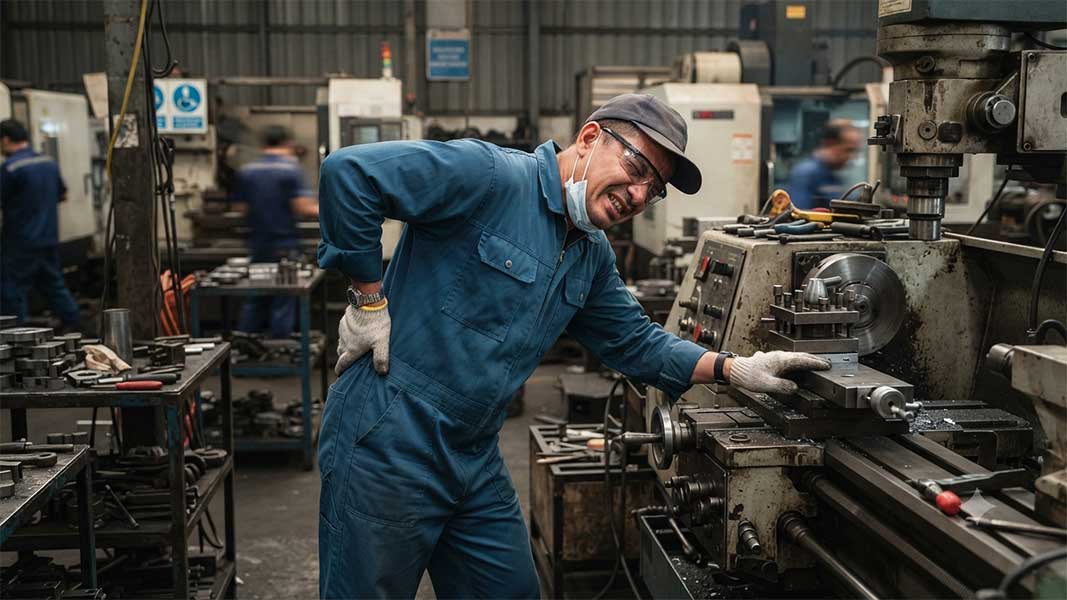
In high-risk workplaces, the same type of injury often occurs again and again because the real causes are never fully addressed. Incident investigation breaks this cycle by identifying repeated failures in controls, work methods, supervision and training, therefore enabling organizations to remove or reduce risk at its source.

When injuries are treated as isolated events, corrective actions remain superficial. However, when investigations analyze trends across similar incidents, patterns emerge, therefore controls can be redesigned and strengthened. This systematic approach significantly reduces repeat injuries and long-term health issues.

Preventing Major Accidents Before They Happen:

Major accidents rarely occur without warning. In most cases, they are preceded by minor incidents, unsafe conditions and near misses that were either ignored or poorly investigated. Incident investigation captures these early signals, therefore giving organizations the opportunity to act before consequences escalate.

High-risk industries operate with complex interactions between people, equipment and processes. When low-level incidents are investigated properly, hidden risks in design, maintenance and operational planning become visible, therefore preventing catastrophic failures rather than responding after damage has already occurred.

Strengthening Safety Culture Through Learning:

Safety culture improves when incident investigation is used as a learning tool rather than a disciplinary weapon. Workers are more willing to report incidents and near misses when they know the goal is improvement because fear and blame suppress honest reporting.

Blame-driven investigations hide risk and distort facts, therefore organizations lose valuable learning opportunities. Learning-focused investigations encourage openness, shared responsibility and accountability at the system level, which is essential for sustainable safety performance.

When Should an Incident Investigation Be Conducted?

Incident investigation should be initiated whenever an event reveals a weakness in controls, decision-making or risk management because harm is often the final outcome of earlier failures. In occupational HSE, the trigger to investigate should be based on potential severity and learning value, not only on whether someone was injured. Clear investigation triggers ensure consistency, preserve critical evidence and prevent selective decision-making, therefore organizations move from reactive response to structured prevention.

Below are the situations where incident investigation must be conducted to maintain effective control of workplace risk.

Fatalities and Life-Threatening Injuries:

Any fatality or life-threatening injury requires an immediate and comprehensive incident investigation because it represents a critical failure of safety and management systems. These events demand senior leadership involvement and a deep examination of technical, human and organizational factors. A surface-level review is never acceptable because it leaves systemic risks unaddressed and exposes others to the same danger.

Serious Injuries and Occupational Ill Health:

Incidents resulting in fractures, amputations, permanent disability or occupational diseases must always be investigated because they indicate significant breakdowns in hazard control. These cases often expose failures in risk assessments, work planning, supervision or competency management. Investigating them thoroughly ensures lessons are captured before similar harm occurs again.

Lost Time Injuries (LTI):

Lost time injuries require investigation because they affect both worker wellbeing and operational continuity. An LTI often signals weaknesses that were present long before the incident occurred, therefore ignoring them leads to repeated disruption and escalating risk. Consistent investigation helps organizations identify patterns rather than treating each case in isolation.

Medical Treatment and Restricted Work Cases:

Incidents requiring medical treatment or restricted duties should be investigated because they frequently represent early warning signs of deeper control failures. Addressing these cases promptly prevents escalation into more serious injuries. Early intervention also demonstrates commitment to prevention rather than damage control.

High-Potential Near Misses:

High-potential near misses must be investigated with urgency because the lack of injury is usually due to luck, timing or minor variation. These events provide the highest preventive value, since they expose serious hazards without the cost of harm. Organizations that fail to investigate near misses consistently miss their strongest opportunity to prevent major accidents.

Dangerous Occurrences:

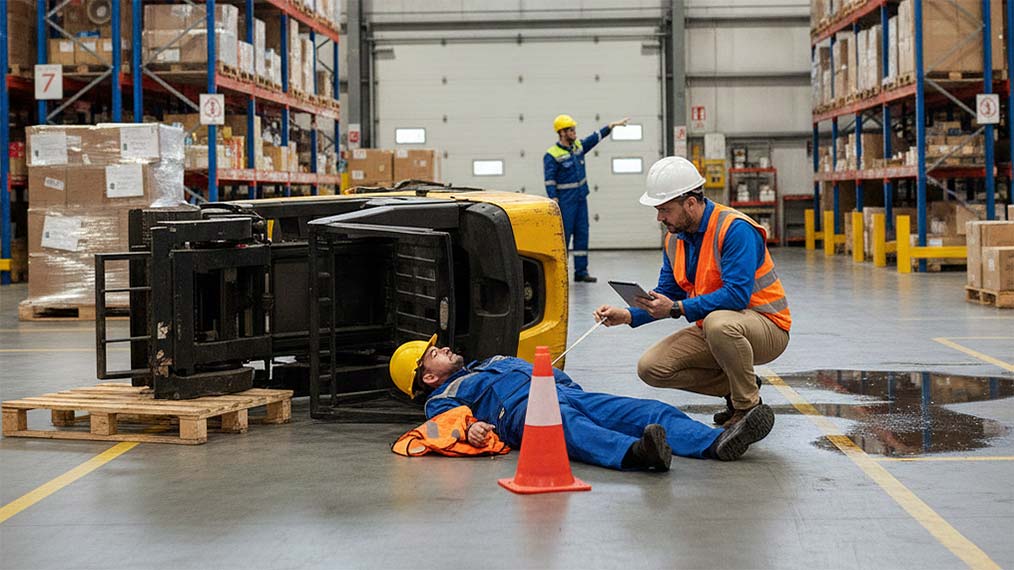
Dangerous occurrences such as fires, explosions, structural failures, equipment malfunctions or uncontrolled energy releases require investigation regardless of outcome. These events indicate that safeguards have failed or were absent, therefore the potential for catastrophic consequences is high. Investigating them helps restore control before conditions repeat.

Environmental Incidents and Spills:

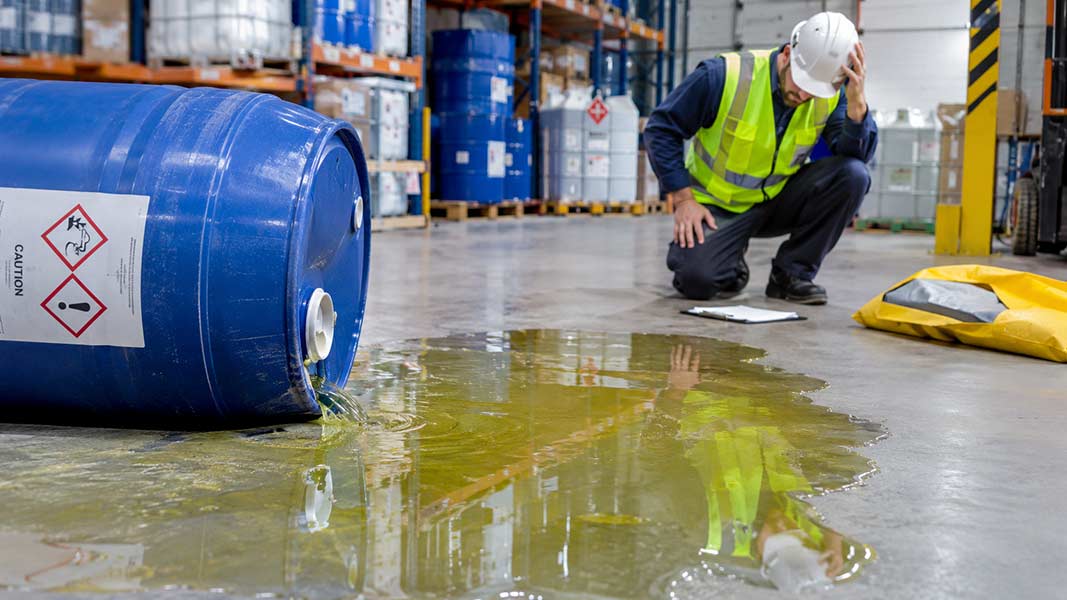
Environmental incidents, including spills, leaks or emissions, must be investigated because they carry legal, environmental and reputational consequences. These events often stem from process failures, poor maintenance or inadequate procedures. Proper investigation supports environmental protection and strengthens overall risk management.

Property Damage and Equipment Failure:

Significant property damage or equipment failure should always trigger an investigation because mechanical and structural failures often precede serious personal injury incidents. Ignoring these events allows unsafe conditions to persist. Investigating them improves asset integrity and operational reliability.

Repeated or Similar Incidents:

When the same type of incident occurs more than once, investigation becomes essential because repetition confirms that previous corrective actions were ineffective. These situations demand a deeper review of root causes rather than minor adjustments. Without this step organizations remain stuck in a cycle of recurring incidents.

Contractor and Third-Party Incidents:

Incidents involving contractors, subcontractors or visitors must be investigated because the organization retains responsibility for site safety and control of work activities. These events often reveal gaps in contractor management, communication or supervision. Treating them seriously reinforces consistent safety standards across all parties.

Change-Related Incidents:

Incidents occurring after changes to processes, equipment, materials, staffing or work methods must be investigated because unmanaged change is a common root cause of serious accidents. These investigations help identify where risk assessments failed to consider new hazards. Effective learning here prevents repeated failures during future changes.

Regulatory Reporting and Legal Triggers:

Any incident that meets regulatory reporting thresholds must trigger an investigation because authorities expect evidence of due diligence and corrective action. Poorly conducted investigations increase legal exposure and undermine credibility. Strong investigation practice demonstrates responsible management of occupational risk.

Audit Findings and Management Review Decisions:

Investigations may be required following internal audits, inspections or management reviews because identified nonconformities often relate directly to incident potential. Linking audit findings to investigation strengthens continual improvement. This approach ensures that weaknesses are corrected before they result in actual incidents.

Roles and Responsibilities in Incident Investigation:

Incident investigation is only effective when roles and responsibilities are clearly defined because unclear ownership leads to delays, weak findings and poor follow-up. In occupational HSE, investigation is not the responsibility of one department alone. It requires visible leadership, technical competence and active workforce involvement, therefore accountability must exist at every level of the organization.

When responsibilities are understood and respected, investigations become objective, timely and prevention-focused rather than reactive or defensive.

Management Responsibilities and Leadership Commitment:

Management carries the primary responsibility for ensuring that incident investigations are conducted properly because leadership controls resources, priorities and culture. This includes establishing investigation procedures, assigning competent investigators and ensuring investigations are initiated without delay. When management is disengaged, investigations become superficial, therefore root causes remain unresolved.

Leadership commitment is also demonstrated through action. Managers must review findings, approve corrective actions and ensure resources are allocated for implementation. Most importantly, leadership must promote a non-blame culture because workers will only report incidents honestly when they trust that investigations are fair and improvement-focused.

HSE Team and Incident Investigation Competence:

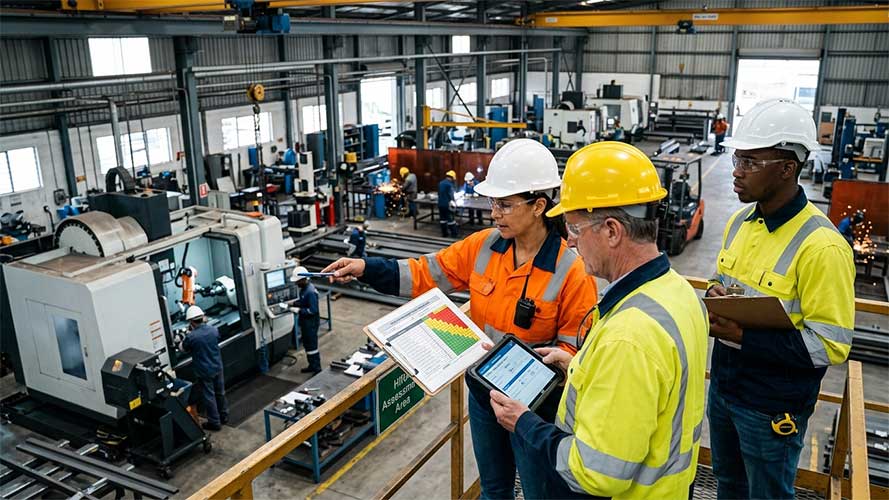
The HSE team plays a critical technical role in incident investigation because effective analysis requires knowledge of hazard control, risk assessment and root cause analysis methods. HSE professionals are responsible for guiding the investigation process, collecting and preserving evidence and ensuring findings are based on facts rather than assumptions.

Competence is essential. Investigators must understand investigation techniques, human factors and system failures, therefore training and practical experience are non-negotiable. Poorly trained investigators often stop at immediate causes, which leads to weak corrective actions.

Worker Participation and Witness Involvement:

Workers and witnesses play a vital role in incident investigation because they understand how the job is actually performed, not just how it is written in procedures. Their input provides insight into real-world conditions, work pressures and informal practices that may contribute to incidents.

Effective investigations encourage open worker participation without fear of blame or punishment. When workers are involved respectfully, information quality improves, therefore findings become more accurate and credible. This inclusive approach also strengthens safety culture because workers see that their experience and concerns are valued as part of prevention.

The Incident Investigation Process in HSE:

The incident investigation process in HSE follows a structured sequence because effective prevention depends on accuracy, objectivity and logical analysis. Skipping steps or rushing conclusions weakens findings and leads to ineffective corrective actions. A disciplined process ensures that immediate risks are controlled, facts are preserved and root causes are identified, therefore investigations deliver real safety improvement rather than administrative closure.

Each stage of the process builds on the previous one, which is why consistency and competence are essential throughout the investigation.

Securing the Scene and Controlling Immediate Risks:

The first priority after an incident is to make the area safe because uncontrolled hazards can lead to secondary incidents. This includes isolating energy sources, restricting access and providing emergency response where required. Scene control protects people and preserves critical evidence, therefore investigation accuracy is maintained.

Changes to the scene should be minimized once immediate risks are controlled. Any necessary alterations must be documented clearly because uncontrolled disturbance can compromise the reliability of findings and weaken legal defensibility.

Collecting Evidence, Facts and Witness Statements:

Effective incident investigation is based on evidence, not opinion. Physical evidence, photographs, documents, equipment condition and environmental factors must be collected systematically because memory alone is unreliable. Timely collection is essential, therefore investigations should begin as soon as it is safe to do so.

Witness statements should be gathered promptly and respectfully. Open-ended questioning helps establish what happened without leading or influencing responses because accuracy depends on honest recollection rather than assumed answers.

Analyzing What Happened and Why It Happened:

Analysis moves the investigation beyond description into understanding. This stage reconstructs the sequence of events and examines how controls failed or were bypassed, therefore both technical and human factors must be considered. Simply stating what happened is insufficient because prevention requires knowing why it occurred.

Effective analysis looks at procedures, supervision, competence, workload, environment and organizational pressures. When these factors are examined together, the investigation reveals system weaknesses rather than isolated mistakes.

Identifying Root Causes Rather Than Symptoms:

Root causes are the underlying failures that allowed the incident to occur, whereas symptoms are the visible outcomes. Stopping at symptoms leads to repeated incidents because the real issues remain unchanged. Root cause identification requires disciplined questioning and structured methods to avoid premature conclusions.

This step often exposes weaknesses in management systems, training or risk assessment rather than individual behavior. Addressing these deeper causes ensures that corrective actions are sustainable and effective.

Recommending Corrective and Preventive Actions:

Corrective and preventive actions must directly address identified root causes because actions that target symptoms provide false confidence. Recommendations should be specific, measurable and assigned to responsible persons with clear deadlines. Without accountability, even well-designed actions fail.

Follow-up is essential. Actions must be tracked, verified for effectiveness and reviewed by management, therefore the investigation results in measurable risk reduction. This disciplined approach reflects professional HSE practice and is a core focus of competency-based investigation training delivered by Eduskills Training.

Corrective and Preventive Actions After an Incident:

Corrective and preventive actions are the point where incident investigation either succeeds or fails because findings only create value when they lead to meaningful change. An investigation that identifies root causes but results in weak or generic actions does not reduce risk. Effective organizations treat this stage as a management responsibility therefore actions are planned, resourced and tracked with the same discipline as operational activities.

Developing Effective Corrective Action Plans:

Corrective action plans must be built directly from identified root causes because actions that address symptoms create a false sense of control. Each action should clearly state what will change, who is responsible, and when it will be completed. Vague actions such as “conduct training” or “remind workers” rarely prevent recurrence unless they are supported by system-level improvements.

Effective plans prioritize risk. Actions that eliminate hazards or strengthen engineering and administrative controls should come before reliance on behavior change alone. This structured approach ensures that corrective actions are realistic, measurable and capable of delivering lasting improvement.

Linking Findings to Risk Assessments:

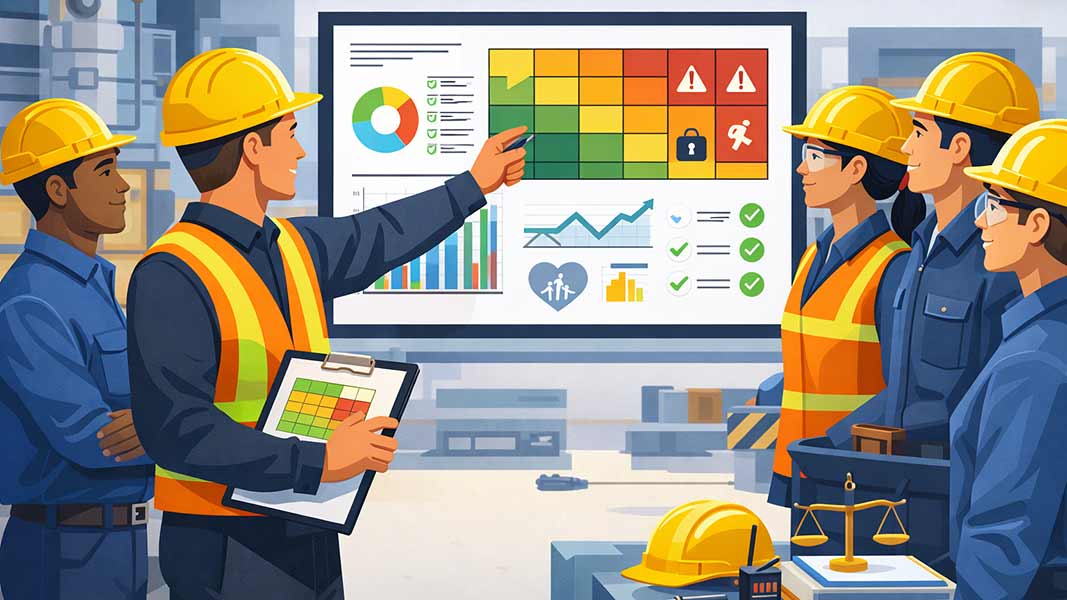
Incident investigation findings must feed back into risk assessments because incidents expose gaps in hazard identification and control effectiveness. When risk assessments are not updated, the same unsafe conditions remain embedded in work planning and procedures.

Linking investigation outcomes to risk assessments ensures that new hazards are recognized, control measures are strengthened and risk ratings reflect reality. This integration closes the loop between learning and prevention, therefore risk management becomes dynamic rather than static.

Monitoring Effectiveness and Closure:

Corrective and preventive actions are not complete when they are implemented, because effectiveness can only be confirmed through monitoring. Organizations must verify that actions have reduced risk and not introduced new hazards. Without this step, closure becomes administrative rather than meaningful.

Effective monitoring includes site verification, performance indicators, and follow-up reviews. Management review is essential at this stage because leadership oversight ensures accountability and continual improvement. This disciplined approach to closure reflects professional HSE practice and is reinforced through practical safety management training delivered by Eduskills Training.

Final Thought:

Incident investigation is one of the most powerful tools in HSE because it transforms failure into prevention. When investigations are conducted with discipline, objectivity and competence, they reveal weaknesses that would otherwise remain hidden until a more serious incident occurs. This learning-focused approach protects workers, strengthens systems, and supports sustainable operational performance. Effective incident investigation is not about completing reports or satisfying compliance requirements. It is about asking the right questions, acting on evidence and ensuring that corrective actions lead to real change. Organizations that treat investigation as a leadership responsibility rather than an administrative task consistently achieve better safety outcomes.

When incident investigation is embedded into everyday operations, safety becomes proactive rather than reactive. This mindset shift is essential for high-risk industries, where the cost of failure is measured in lives and livelihoods. Building this level of competence requires clear processes, skilled investigators, and ongoing development, which is why professional learning environments such as Eduskills Training play an important role in developing capable HSE practitioners who can investigate incidents with confidence and integrity.

Frequent Asked Questions (FAQs):

Is incident investigation only required when someone is injured?

No. Incident investigation should also be conducted for near misses, dangerous occurrences and system failures because they indicate underlying risk.

What is the main objective of an incident investigation?

The main objective is prevention, therefore the focus is on identifying root causes rather than assigning blame.

Who is responsible for conducting incident investigations?

Management holds overall responsibility, while competent HSE professionals lead the investigation with worker involvement.

How soon should an incident investigation start?

An investigation should begin as soon as the scene is safe because evidence quality and witness recall decline over time.

What is the difference between immediate causes and root causes?

Immediate causes are visible failures, while root causes are underlying system weaknesses that allowed the incident to occur.

Why are near misses important to investigate?

Near misses reveal serious hazards without injury, therefore they offer the highest learning value for prevention.

What role do workers play in incident investigation?

Workers provide practical insight into real work conditions, therefore their participation improves investigation accuracy.

What evidence is commonly used in incident investigations?

Evidence includes photographs, equipment condition, documents, procedures, environmental factors and witness statements.

Inquiry Form