Machine Guarding Safety: Types, Methods and OSHA Requirements

Machine Guarding Safety protects workers from dangerous moving parts, mechanical hazards and high-risk machine operations that exist across industrial workplaces. Manufacturing equipment, conveyor systems, cutting machines, presses and rotating shafts can cause severe injuries because exposed machine components create entanglement, crushing and shearing risks. Effective guarding systems reduce these dangers because physical barriers and safeguarding devices prevent direct access to hazardous zones. Industrial safety standards require employers to install appropriate safeguards because machines must operate without exposing workers to mechanical hazards such as pinch points, rotating parts or flying debris. Fixed guards, interlocked guards, adjustable barriers and presence-sensing devices each serve a specific purpose in preventing accidents during operation and maintenance. Organizations that invest in professional safety education, including specialized courses offered by Eduskills Training, build stronger expertise in machine risk assessment, hazard control and industrial safety management, therefore creating safer and more compliant workplaces across high-risk industries.

What Is Machine Guarding Safety?

Machine Guarding Safety refers to the protective systems, barriers and safeguarding devices installed on machinery to prevent workers from contacting hazardous moving parts. Industrial machines contain rotating components, cutting tools, belts, gears and high-speed mechanisms that can cause serious injuries when workers operate or maintain equipment near hazard zones.

Effective Machine Guarding Safety therefore focuses on controlling exposure to these dangers through engineering controls, physical barriers and properly designed safety devices. Effective Machine Guarding Safety also includes operational procedures, maintenance inspections and worker training because even the best guard becomes ineffective if it is removed, damaged or bypassed during machine operation.

Why Machine Guarding Is Critical for Workplace Safety?

Machine Guarding Safety plays a crucial role in protecting workers from life-altering injuries that occur when hazardous machine parts remain exposed. Industrial equipment often operates at high speed and high force, therefore even brief contact with moving parts can cause amputations, crushing injuries, severe cuts or entanglement incidents.

Workers frequently perform tasks close to machinery, including feeding materials, adjusting machine settings, cleaning components and performing routine inspections. These activities increase exposure to mechanical hazards because operators must interact directly with equipment during normal operations.

Organizations that prioritize Machine Guarding Safety also strengthen overall safety culture because employees develop greater confidence when they know equipment is properly safeguarded. Injury prevention, regulatory compliance and improved operational reliability therefore become natural outcomes of effective machine safeguarding practices.

Common Machinery Hazards That Require Guarding:

Many industrial machines contain mechanical hazards that require proper safeguarding to prevent worker exposure. Machine Guarding Safety focuses on controlling these hazards through barriers, enclosures and safety devices that eliminate direct contact with dangerous components.

Common machinery hazards include:

  • Rotating Parts: Shafts, couplings and spindles can catch clothing, gloves or hair because rotating motion creates strong entanglement forces.
  • Pinch Points: Areas where two moving parts meet can trap fingers or hands, therefore workers require proper protection from these zones.
  • Crushing Hazards: Presses, rollers and conveyor systems can compress body parts when workers enter dangerous operating zones.
  • Cutting and Shearing Points: Blades, cutters and stamping machines create sharp hazards that can cause severe lacerations.
  • Flying Debris: Grinding machines, milling equipment and cutting operations can eject metal chips or fragments at high speed.

“Machines improve productivity, but they also introduce significant mechanical hazards when safeguards are missing or ineffective. Strong Machine Guarding Safety practices protect workers, maintain operational stability and ensure organizations meet their safety responsibilities.”

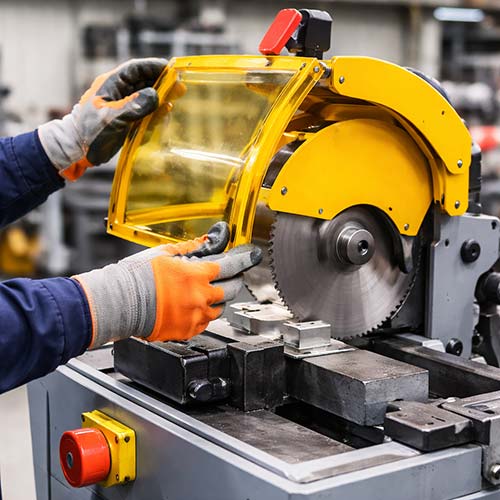
Industrial worker installing a yellow protective guard on a circular saw machine to improve Machine Guarding Safety in a manufacturing workshop.

Why Machine Guarding Safety Is Important in the Workplace?

Machine Guarding Safety remains one of the most important elements of an effective workplace safety system because machines operate with force, speed and motion that humans cannot safely control without proper safeguards. Industrial equipment such as presses, conveyors, grinders and automated production lines create hazard zones where workers can be exposed to moving parts, sharp edges and rotating components. Proper guarding systems therefore serve as the first line of defense that prevents workers from coming into contact with dangerous machine areas.

Preventing Serious Injuries and Fatalities:

One of the primary objectives of Machine Guarding Safety is to prevent severe workplace injuries and fatal incidents caused by unprotected machinery. Industrial machines often generate powerful mechanical forces, therefore even a brief moment of exposure to moving parts can result in catastrophic injuries. Workers may lose fingers, hands or limbs when rotating shafts, cutting tools or stamping machines operate without proper safeguards.

Machine guards create a protective barrier between workers and hazardous machine components, which significantly reduces the risk of accidental contact. These barriers also prevent loose clothing, gloves or hair from being caught in rotating parts because entanglement hazards frequently occur when workers operate machines without adequate protection.

Protecting Workers from Mechanical Hazards:

Industrial machinery contains several types of mechanical hazards that require proper control measures. Rotating components, moving belts, cutting tools and high-speed mechanical systems create hazardous zones where workers may become exposed during normal machine operation. Mechanical hazards typically appear at the point of operation, where the machine performs cutting, shaping, pressing or drilling functions. Additional hazards exist within power transmission components such as gears, pulleys and chains because these parts continuously transfer mechanical energy throughout the machine.

Effective Machine Guarding Safety also protects maintenance personnel because workers performing inspections, cleaning or adjustments frequently interact with machine components. Guards, interlocks and presence-sensing devices therefore reduce the likelihood of accidental activation or hazardous contact while maintenance tasks are being performed.

Improving Operational Safety and Productivity:

Machine Guarding Safety improves workplace productivity because safer machines create more stable and reliable operations. When machines are properly safeguarded, operators feel more confident performing their tasks, therefore workflow interruptions caused by accidents or unsafe conditions become less frequent.

Production efficiency improves because accidents often lead to shutdowns, equipment damage and lengthy investigations. A single machinery-related injury can stop production for hours or even days, therefore organizations that prioritize safeguarding often maintain smoother operational performance.

Preventive maintenance also becomes more effective when machines include properly designed guarding systems. Safety engineers can inspect machine components safely while guards ensure that hazardous zones remain controlled during routine checks and operational monitoring.

Supporting Legal and Regulatory Compliance:

Machine Guarding Safety also supports compliance with workplace safety laws and international safety standards. Regulatory authorities require employers to protect workers from mechanical hazards because unguarded machinery presents a serious occupational risk. Organizations that fail to install proper guards may face penalties, regulatory citations or operational shutdowns during safety inspections.

Workplace safety standards developed by the Occupational Safety and Health Administration require machines to include appropriate safeguarding systems that prevent workers from contacting hazardous moving parts. Employers therefore carry legal responsibility for ensuring that machines are properly guarded, inspected and maintained.

Professional training programs offered by Eduskills Training help safety officers and supervisors understand regulatory expectations, hazard identification methods and machine safeguarding requirements. Skilled safety professionals can therefore design and maintain effective Machine Guarding Safety systems that protect workers while ensuring organizations remain compliant with workplace safety regulations.

Types of Machine Guards Used in Industrial Safety:

Industrial machines operate with powerful moving parts, therefore selecting the correct guarding solution becomes essential for effective hazard control. Different types of guards are commonly used across industries because machines vary widely in size, motion and operating speed. Understanding these guard types helps safety professionals implement the most effective protection systems for workers operating industrial equipment.

Fixed Machine Guards:

Fixed guards are the most common and reliable type of protection used in Machine Guarding Safety programs. These guards are permanently attached to the machine structure, therefore they remain in place during normal machine operation and cannot be easily removed without tools.

A fixed guard creates a solid physical barrier between the worker and the hazard zone. This barrier prevents access to moving components such as belts, gears, chains and rotating shafts because these parts can cause serious injuries if workers come into contact with them.

Typical applications include belt drives, fan blades, power transmission systems and rotating machine parts that do not require frequent adjustment or access.

Interlocked Machine Guards:

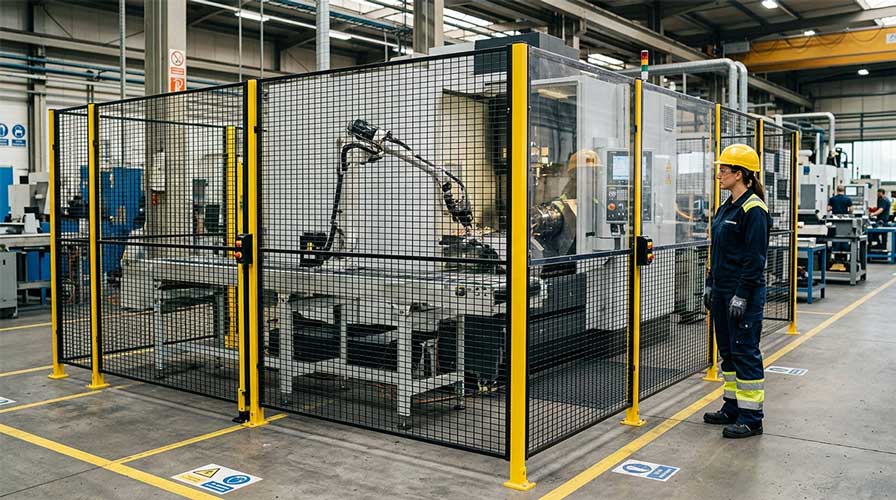
Interlocked guards provide an additional level of protection because they connect the machine guard directly to the machine’s control system. Machine Guarding Safety systems often use interlocking mechanisms to ensure that the machine automatically stops when the guard is opened or removed.

This type of guard allows workers to access the machine only when the equipment has been safely shut down. When the guard is closed again, the machine cannot restart unless the safety interlock confirms that the protective barrier is correctly positioned.

These guards are commonly used on CNC machines, automated production equipment, robotic cells and industrial processing machines where controlled access is necessary during operations.

Adjustable Machine Guards:

Adjustable guards allow operators to change the position or opening of the guard depending on the size or shape of the material being processed.

Safety professionals emphasize training and supervision when adjustable guards are used because human interaction plays a significant role in maintaining effective protection. Regular inspection and proper adjustment therefore ensure that the guard continues to protect workers from cutting, shearing or rotating hazards.

Adjustable guards are commonly found on milling machines, drilling equipment and woodworking machinery where materials vary in size and shape.

Self-Adjusting Machine Guards:

Self-adjusting guards automatically move or adapt to the size of the material entering the machine. Machine Guarding Safety systems use this type of guard because it provides flexible protection while allowing materials to pass through the machine during operation.

The guard opens just enough to accommodate the material being processed, but it returns to its protective position immediately after the material passes through. This automatic movement ensures that hazardous machine components remain covered whenever the machine is not actively processing material.

Self-adjusting guards are particularly useful for machines where continuous feeding of materials occurs, including circular saws, cutting machines and woodworking equipment. These guards help maintain productivity because workers can feed materials into the machine while the guard continues to protect them from exposed blades or cutting surfaces.

“Modern Machine Guarding Safety relies on advanced safeguarding methods that detect hazards and stop machine motion instantly. These technologies allow safe machine operation while ensuring workers remain protected from dangerous mechanical movement.”

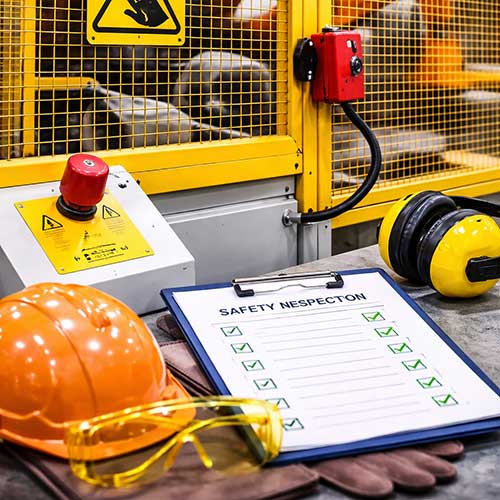
Safety inspection checklist with helmet, gloves, and ear protection placed near a guarded industrial machine highlighting Machine Guarding Safety practices.

Machine Guarding Methods Used to Control Mechanical Hazards:

Effective Machine Guarding Safety methods are designed to interrupt machine operation whenever a worker enters a danger zone. Safety engineers evaluate the machine’s operating cycle, worker interaction and hazard locations before selecting the appropriate safeguarding method. Proper integration of safety devices reduces the risk of crushing, cutting and entanglement incidents because machines respond immediately when unsafe conditions occur.

Presence Sensing Safety Devices:

Presence sensing safety devices detect when a worker enters a hazardous area and automatically stop the machine before contact occurs. Machine Guarding Safety programs use these devices because they create an invisible protective field that monitors access to dangerous machine zones.

These systems use sensors such as infrared beams, laser detection or optical monitoring to track movement around the machine. When the sensor detects a person or object entering the protected area, the machine immediately stops or prevents the hazardous motion from starting.

Presence sensing systems are particularly useful in automated production environments where workers must occasionally access machine areas for loading materials or clearing jams. Safety professionals therefore install these devices around presses, robotic work cells and automated manufacturing equipment to ensure workers remain protected during machine interaction.

Two-Hand Control and Two-Hand Trip Devices:

Two-hand control devices require machine operators to use both hands to activate or operate a machine. Machine Guarding Safety systems use this method because it ensures the operator’s hands remain away from the point of operation while the machine cycle begins.

The machine will not start unless both control buttons are pressed simultaneously. Once the cycle begins, the operator must keep both hands on the controls to maintain safe operation. This requirement prevents workers from placing their hands inside the hazard zone during machine movement.

Two-hand trip devices function in a similar way but only require both buttons to be pressed simultaneously to start the machine cycle. After activation, the machine completes the cycle automatically.

These safeguarding methods are commonly used on mechanical presses, stamping machines and forming equipment where workers might otherwise place their hands near moving components.

Safety Light Curtains and Laser Scanners:

Safety light curtains are widely used in modern Machine Guarding Safety systems because they provide reliable protection while allowing easy access to machinery. These devices create an invisible curtain of light beams across a hazardous area. When a person or object interrupts the beam, the machine stops immediately.

Light curtains are commonly installed on automated machinery, robotic cells and packaging lines because operators often need to load materials or remove finished products from the machine area. The system quickly detects intrusion into the protected zone, therefore preventing contact with dangerous machine components.

Safety Interlock Systems:

Safety interlock systems connect machine guards directly to the machine’s control mechanism. Machine Guarding Safety systems rely on interlocks because they ensure that machines cannot operate unless the protective guard is securely closed.

When the guard is opened or removed, the interlock immediately stops the machine or prevents it from starting. This control mechanism prevents workers from accessing hazardous machine components while the equipment is still running.

Interlock systems are commonly used on CNC machines, industrial mixers, processing equipment and automated machinery where workers frequently open access panels during operation or maintenance.

Safety Mats and Pressure-Sensitive Devices:

Safety mats and pressure-sensitive devices provide another effective method for controlling machine hazards. Machine Guarding Safety systems use these devices to detect when a worker steps into a designated hazard area surrounding a machine.

The mat contains pressure sensors that trigger an immediate machine stop when weight is applied to the surface. This design ensures that the machine stops before the worker can reach dangerous components.

Pressure-sensitive edges and safety strips function in a similar way because they detect physical contact with moving machine parts or protective barriers. These devices are often installed around automated machinery, robotic workstations and industrial equipment where workers may approach moving components.

OSHA Machine Guarding Requirements and Safety Standards:

Machine Guarding Safety is strongly reinforced by regulatory standards that require employers to protect workers from hazardous machine motion. Industrial equipment can expose workers to rotating components, cutting tools and high-force mechanical movement, therefore safety regulations establish clear rules for safeguarding these hazards. Safety professionals rely on these standards because they provide structured guidance for identifying hazard zones, installing proper guards and maintaining safe machine operations.

Overview of OSHA Machine Guarding Standard:

One of the most widely referenced regulations for Machine Guarding Safety is 29 CFR 1910.212, which outlines the general requirements for safeguarding machinery. This regulation is enforced by the Occupational Safety and Health Administration and applies to a wide range of industrial machines used in manufacturing and processing environments.

The standard requires machines to include protective guards that prevent workers from contacting hazardous moving parts. These hazards may exist at the point of operation, within power transmission systems or in other areas where mechanical motion creates injury risks. Proper guarding must therefore isolate workers from dangerous machine components while allowing the equipment to function normally.

Safety professionals use this regulation as a reference when evaluating machine hazards because it establishes the core principles of Machine Guarding Safety, including hazard identification, appropriate safeguarding methods and continuous protection during machine operation.

General Requirements for Machine Guards:

Machine guards must meet specific safety requirements to ensure they provide effective protection for workers. Machine Guarding Safety programs require guards to be designed and installed in a way that prevents workers from reaching hazardous areas while the machine is operating.

Several essential requirements apply to machine guards:

  • Guards must prevent direct contact with moving machine parts that create hazards.
  • Guards must be securely attached to the machine so they cannot be easily removed or bypassed.
  • Guards must not create additional hazards, such as sharp edges or obstructed visibility.
  • Guards must allow safe machine operation and maintenance without exposing workers to danger.
  • Guards must be durable and resistant to damage because industrial environments involve continuous mechanical stress.

Employer Responsibilities for Machine Safety:

Employers carry significant responsibility for implementing and maintaining effective Machine Guarding Safety within the workplace.

Employer responsibilities typically include:

  • Conducting machine risk assessments to identify hazardous mechanical components.
  • Installing appropriate guarding systems for all machines that present injury risks.
  • Providing worker training on safe machine operation and hazard awareness.
  • Inspecting and maintaining machine guards regularly to ensure proper functioning.
  • Preventing workers from removing, modifying or bypassing guards during machine operation.

Common Machine Guarding Violations in Industry:

Despite clear regulatory requirements, Machine Guarding Safety violations remain among the most frequently cited workplace safety issues in industrial environments. Many incidents occur because guards are missing, improperly installed or intentionally bypassed during production activities. The violations significantly increase the risk of severe workplace injuries. Safety professionals therefore conduct regular machine inspections, safety audits and hazard assessments to ensure that Machine Guarding Safety systems remain effective and compliant with regulatory expectations.

Common machine guarding violations include:

  • Missing or removed machine guards on rotating or cutting equipment.
  • Inadequate guarding at the point of operation where workers interact with the machine.
  • Exposed power transmission components such as belts, gears and pulleys.
  • Disabled safety interlocks or sensors that should stop machine movement.
  • Poor maintenance of guards that leads to damage or malfunction.

Final Thoughts:

Machine Guarding Safety remains one of the most critical components of industrial workplace protection because machines operate with powerful mechanical motion that can cause severe injuries when hazards are not properly controlled. Rotating components, cutting tools and high-speed machinery create significant risks for workers, therefore effective safeguarding systems are essential for preventing accidents and protecting employees.

Organizations that implement strong machine safeguarding programs create safer working environments while maintaining reliable production processes. Proper guard installation, regular inspections, worker training and compliance with safety standards all contribute to effective Machine Guarding Safety management. Safety professionals play a central role in this process because they identify hazards, implement safeguards and ensure that machines remain properly maintained.

Industrial workplaces that prioritize machine safety demonstrate a strong commitment to worker protection and responsible operations. When organizations combine engineering controls, professional training and proactive safety management, Machine Guarding Safety becomes a powerful tool for preventing workplace injuries and building a culture of safety across industrial environments.

Frequent Asked Questions (FAQs):

Why is Machine Guarding Safety important in industrial workplaces?

Machine Guarding Safety is important because it protects workers from mechanical hazards that can cause amputations, crushing injuries, severe cuts or entanglement incidents during machine operation.

What are the main types of machine guards?

The main types include fixed guards, interlocked guards, adjustable guards and self-adjusting guards. Each type is designed to protect workers depending on the machine design and operational requirements.

What hazards require machine guarding?

Common hazards include rotating parts, pinch points, crushing areas, cutting edges and flying debris. These hazards can cause serious injuries if workers come into contact with them.

What is the OSHA standard for machine guarding?

The primary regulation is 29 CFR 1910.212, which requires employers to install guards that protect workers from hazardous machine motion and exposed moving parts.

What is the point of operation in machine safety?

The point of operation is the area where the machine performs its main task such as cutting, shaping, pressing or drilling. This area often requires strong safeguarding because workers may interact directly with the machine.

How often should machine guards be inspected?

Machine guards should be inspected regularly as part of routine workplace safety inspections because guards can become loose, damaged or improperly positioned during machine operation.

What role does worker training play in machine guarding safety?

Worker training ensures employees understand machine hazards, proper operating procedures and the importance of never removing or bypassing safety guards.

What is the difference between machine guarding and Lockout Tagout?

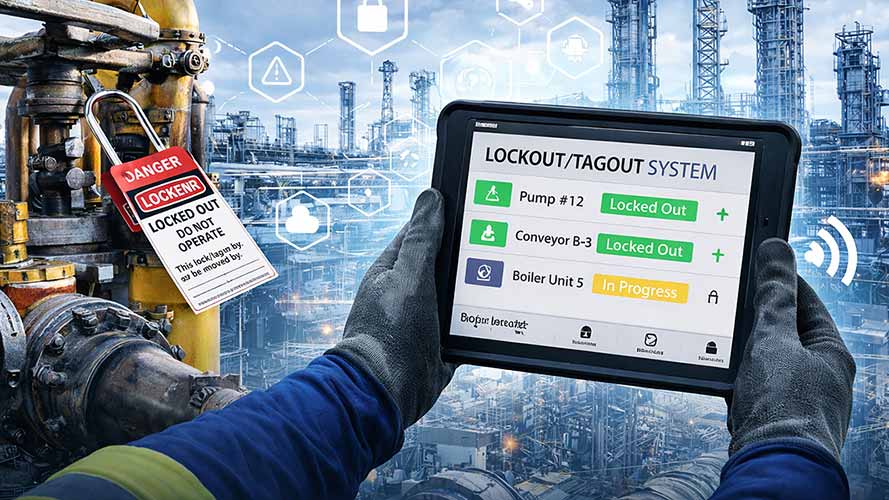
Machine guarding protects workers during normal machine operation, while Lockout Tagout isolates hazardous energy sources during maintenance or repair activities.

How can professionals learn more about machine guarding safety?

Safety professionals can enhance their knowledge through professional training by Eduskills Training that cover machine risk assessment, safeguarding methods and industrial safety practices.

Inquiry Form