Hazardous Materials Safety: Handling, Storage and Risk Control Guide

Hazardous Materials Safety is the line between controlled operations and catastrophic failure because one mismanaged chemical, one incompatible storage condition or one missed warning label can trigger injuries, fires, toxic exposure or environmental damage. Every year, failures involving chemical handling, hazard communication, hazardous waste management and spill response continue to cause serious workplace incidents across construction, oil and gas, manufacturing, logistics and laboratories.

This guide explores practical strategies for identifying hazards, handling dangerous substances safely, controlling exposure risks and responding effectively during emergencies. It also addresses compliance expectations linked to GHS labeling, hazard identification and workplace emergency response. Whether you manage hazardous substances daily or oversee occupational risk, this resource is designed to support safer decisions.

What Are Hazardous Materials in the Workplace?

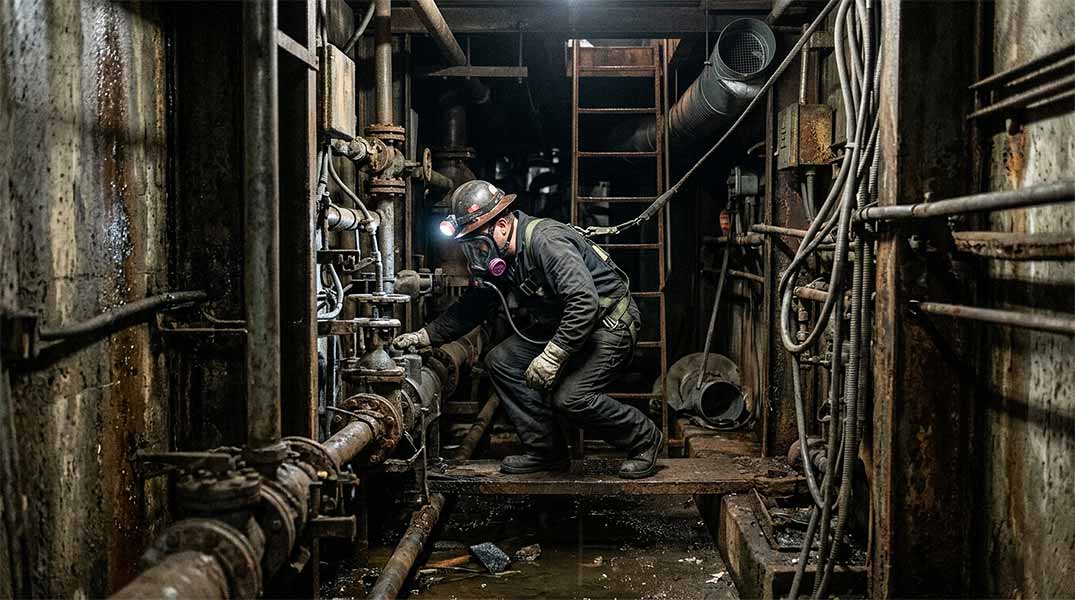
Hazardous materials are substances that can harm people, property or the environment because of their chemical, physical or biological characteristics. In workplace settings, the risk often does not come from the material alone, but from how it is stored, handled, transferred or disposed of. A solvent drum placed beside an ignition source, a corrosive stored in the wrong container or an unlabeled toxic substance can turn routine operations into an incident scene.

This is why hazard identification sits at the center of hazardous materials safety. Before organizations can control risk, they must understand what hazards exist, how exposure can occur and what controls are required. This applies across laboratories, warehouses, hospitals, construction sites, manufacturing plants and oil and gas facilities.

According to the International Labour Organization, work-related injuries and diseases contribute to millions of deaths annually, with hazardous substance exposure remaining a significant factor. While regulations differ across jurisdictions, the principle is consistent: recognize the hazard first, then control the risk.

Types of Hazardous Materials and Their Classes:

Not all hazardous substances present the same danger. Some ignite, some poison, some react violently, while others cause long-term health damage after repeated exposure. Therefore, classification is critical.

Under GHS classification, hazardous materials commonly fall into categories such as:

  • Flammable substances including fuels, solvents, aerosols and gases.
  • Corrosive materials such as sulfuric acid, caustic soda and battery acids.
  • Toxic substances including pesticides, heavy metals and poisonous gases.
  • Oxidizing agents that intensify combustion.
  • Reactive chemicals that may explode or react dangerously.
  • Compressed gases stored under pressure.
  • Radioactive materials requiring specialized controls.
  • Biological hazards such as infectious agents and contaminated waste.

Physical, Health and Environmental Hazards:

A critical mistake in many workplaces is assuming all hazards are immediate and visible. Many are not. Physical hazards include fire, explosion, pressurization, chemical reactivity and violent energy release. These hazards often create acute events within seconds.

Health hazards may involve skin burns, respiratory sensitization, carcinogenicity, organ toxicity or asphyxiation. Exposure to benzene, silica dust or hydrogen sulfide, for example, can create severe consequences even when effects are delayed.

Then there are environmental hazards, which may contaminate soil, waterways or ecosystems. A poorly managed chemical spill can become both a safety emergency and an environmental violation.

This is why risk assessment, Safety Data Sheets (SDS), exposure monitoring and the hierarchy of controls work together. PPE alone is rarely enough, because elimination, substitution and engineering controls often provide stronger protection.

Why Hazardous Materials Safety Matters?

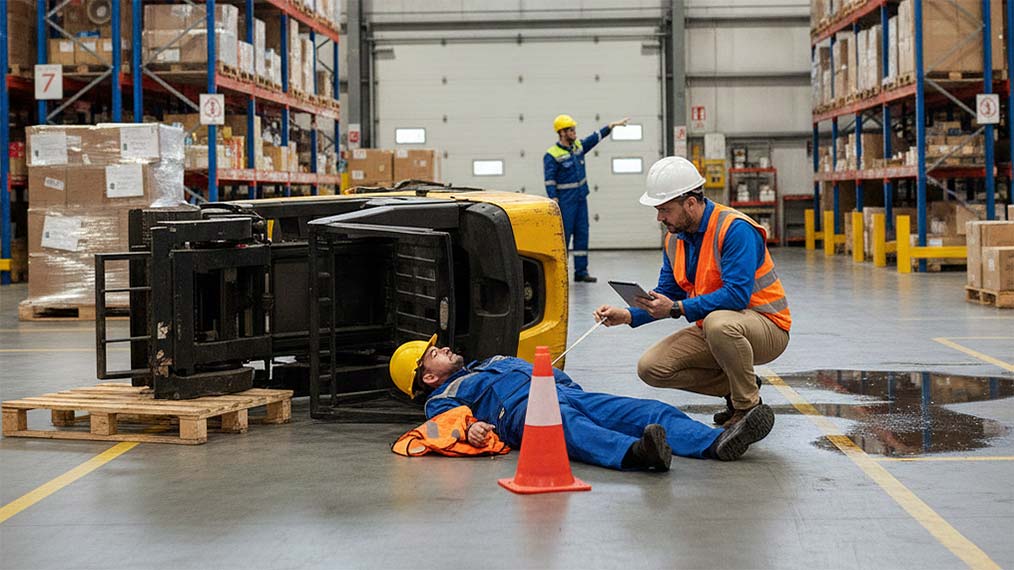
Hazardous Materials Safety protects far more than regulatory compliance. It protects lives, prevents operational disruption, reduces liability and strengthens organizational resilience. When hazardous substances are poorly controlled, the consequences can move quickly from minor exposure to fire, explosion, toxic release, environmental damage or fatality.

Many workplace incidents linked to hazardous substances are preventable because they often stem from known failures: poor risk assessment, weak hazard communication, improper chemical storage or inadequate training. Therefore, effective control is not only a technical issue, but a management responsibility.

Strong safety systems create measurable benefits. They reduce injuries, support compliance, improve emergency readiness and protect reputation. In practice, organizations that treat chemical safety management as part of operational excellence often perform better across safety, quality and productivity.

Injury, Illness and Fire Risk Prevention:

At its core, hazardous materials safety is about preventing harm before exposure occurs.

Poorly controlled chemicals can cause burns, poisoning, respiratory disease, occupational cancers, explosions and catastrophic fires. However, prevention improves dramatically when organizations apply layered controls such as hazard identification, engineering controls, permit systems, PPE and emergency preparedness.

Consider a few common examples:

  • Flammable vapors igniting from uncontrolled hot work.
  • Toxic gas exposure caused by inadequate ventilation.
  • Chemical splashes resulting from incompatible transfer methods.
  • Dust explosions triggered by poor housekeeping controls.

These are not unusual scenarios. They are recurring incident patterns. Because prevention depends on foresight, not reaction, strong organizations focus on eliminating hazards where possible, then controlling what remains. That principle sits at the heart of the hierarchy of controls.

Legal Compliance and Employer Responsibilities:

Compliance is often discussed as documentation, but in reality it is about duty of care. Employers have legal and moral responsibilities to identify hazardous substances, assess risks, provide controls, maintain Safety Data Sheets (SDS), ensure proper GHS labeling, train workers and prepare for emergencies.

These responsibilities align across many frameworks, whether under Occupational Safety and Health Administration principles, International Labour Organization conventions or recognized ISO-based management systems.

Failure in these duties can lead to:

  • Regulatory penalties
  • Civil liability claims
  • Environmental enforcement actions
  • Operational shutdowns
  • Severe reputational damage

Lessons Learned from Major Industrial Incidents:

Safety history has been written in hard lessons. Major events such as the Bhopal disaster, the Texas City Refinery explosion and the Beirut explosion exposed recurring failures involving hazardous materials: poor storage controls, weak process safety barriers, ignored warnings and inadequate emergency planning. Different industries. Different decades. Similar causes.

Repeated lessons emerge:

  • Hazard warnings were recognized but not acted upon.
  • Incompatible materials were poorly controlled.
  • Safety barriers failed or were by passed.
  • Emergency response preparedness was insufficient.
  • Management systems existed on paper but not in practice.

Hazard Identification and Risk Assessment:

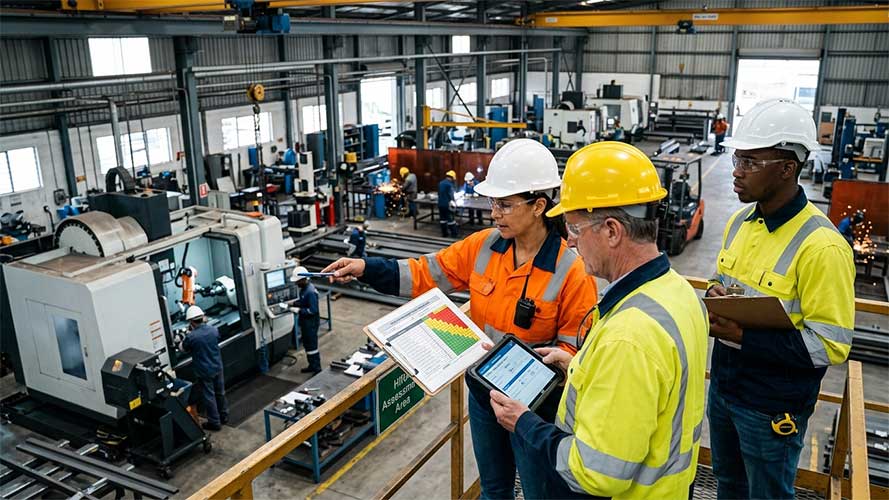
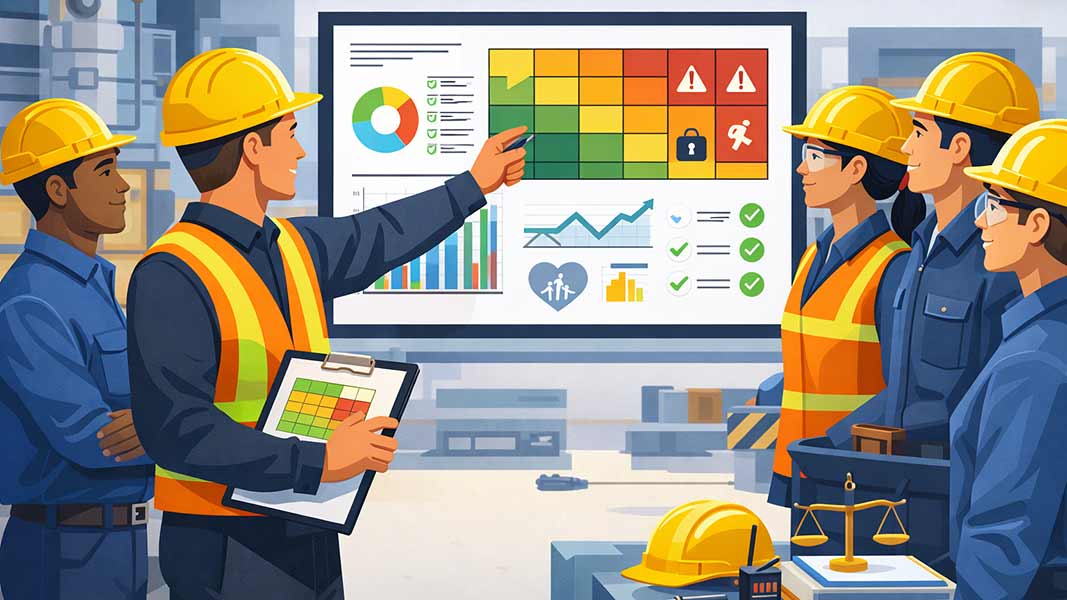
Effective Hazardous Materials Safety begins long before an incident occurs. It starts when hazards are recognized, exposure pathways are understood and control measures are selected before work starts. That is the foundation of sound risk assessment.

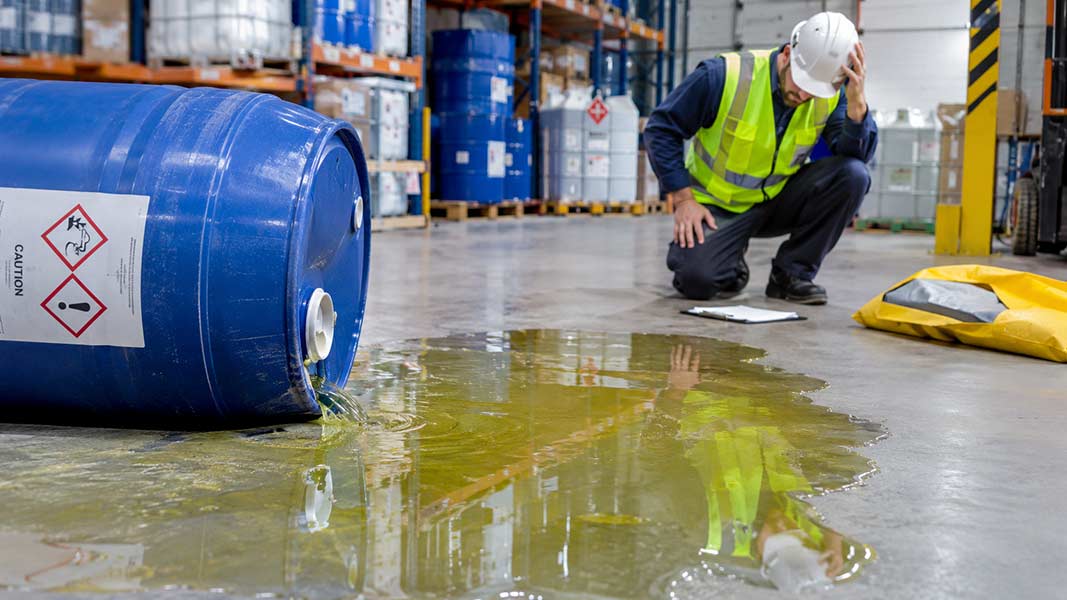
Many chemical incidents are not caused by unknown dangers. They happen because known hazards were overlooked, underestimated or poorly controlled. A leaking drum, an incompatible storage arrangement, an uncontrolled ignition source or inadequate ventilation can all become precursors to serious events.

This is why hazard identification, exposure evaluation and control planning sit at the center of every mature safety management system. When done properly, risk assessment does not become a paperwork exercise. It becomes an operational defense.

How to Identify Hazardous Material Risks?

Identifying hazardous material risks means looking beyond the product label and understanding how harm could occur throughout the full work cycle, including receipt, storage, transfer, use and disposal.

A competent risk review should examine several factors:

  • Chemical properties such as flammability, toxicity, corrosivity and reactivity.
  • Exposure pathways including inhalation, skin contact and ingestion.
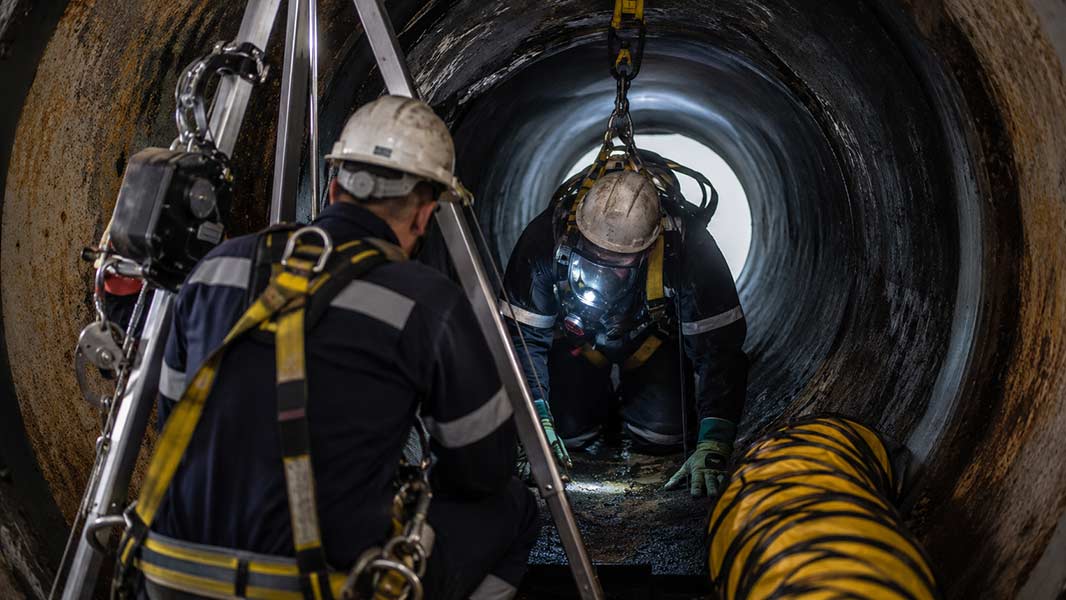
  • Task conditions such as confined spaces, hot work or manual transfer operations.
  • Material incompatibilities that may trigger violent reactions.
  • Human factors including procedural error or inadequate supervision.

This broader view matters because hazards often emerge from the interaction between people, processes and materials, not from the substance alone.

Consider chlorine as an example. Stored under controlled conditions, risk may be manageable. Released in a confined area without ventilation or emergency controls, the same material presents a radically different risk profile.

That is why effective hazard identification asks not only what is hazardous, but also what can go wrong and how escalation can be prevented.

Reading Safety Data Sheets Effectively

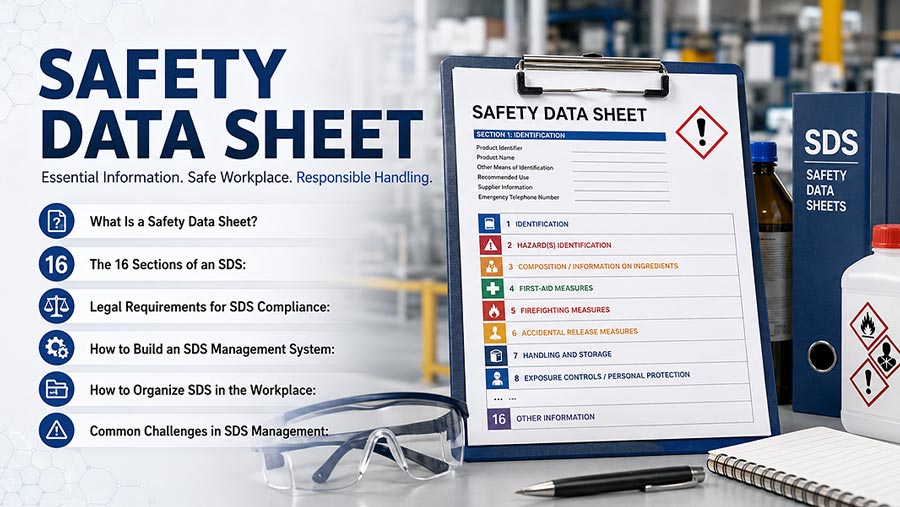
Too often Safety Data Sheets (SDS) are treated as compliance documents stored in binders. In reality, they are practical risk control tools.

A well-used SDS provides critical information on:

  • Hazard classifications and warning statements
  • Exposure limits and health effects
  • Required personal protective equipment (PPE)
  • Safe handling and storage conditions
  • Spill response and first aid measures
  • Stability and incompatibility concerns

For example, a solvent may seem routine to experienced workers. However, the SDS may identify vapor accumulation risks or oxidizer incompatibilities that completely change safe handling requirements.

Because of that, reading an SDS should not be reduced to checking symbols. It should influence planning, control selection and emergency readiness.

Risk Assessment Controls Using the Hierarchy:

Once hazards are identified, the next question is not whether controls exist, but whether the right controls exist.

This is where the hierarchy of controls remains one of the strongest principles in occupational risk management because it prioritizes controls from most effective to least effective:

  • Elimination — remove the hazard entirely.
  • Substitution — replace it with a less hazardous option.
  • Engineering Controls — isolate people from the hazard.
  • Administrative Controls — manage risk through procedures and training.
  • PPE — provide protection where residual risk remains.

The order matters.

Many organizations move quickly toward procedures and PPE, but stronger upstream controls may be missed. A toxic chemical may be substituted. A ventilation system may remove airborne exposure. A process redesign may eliminate the hazard altogether.

PPE still matters, but it should not be the first answer to every risk. Strong risk control measures come from asking better questions: Can the hazard be removed? Can exposure be engineered out? Are procedural controls reliable? That shift separates compliance-driven assessments from true prevention.

Coordination with Local Emergency Authorities:

No workplace operates in isolation during an emergency, therefore coordination with external agencies is critical. Companies must align their plans with civil defense requirements and maintain updated contact with emergency services.

Regular collaboration and joint drills improve response efficiency because external responders understand site-specific risks and layouts. Companies that integrate this level of coordination into their emergency preparedness planning demonstrate higher compliance and operational resilience.

Risk Control Measures for Hazardous Materials:

Strong Hazardous Materials Safety depends not only on identifying hazards, but on controlling them systematically. That is where risk control measures move safety from recognition to prevention.

Many organizations can identify hazards. Fewer implement controls in a way that consistently prevents exposure, fire, chemical reaction or operational loss. The difference usually lies in control quality, not hazard awareness.

Effective risk control is built on one principle: control the hazard as close to its source as possible. The farther control relies only on worker behavior, the weaker protection often becomes.

Applying the Hierarchy of Controls:

The hierarchy of controls remains one of the most important principles in occupational risk management because it prioritizes controls based on effectiveness, not convenience.

Its structure follows a clear order:

  • Elimination — remove the hazard entirely.
  • Substitution — replace it with a less hazardous alternative.
  • Engineering Controls — isolate people from the hazard.
  • Administrative Controls — reduce risk through systems and procedures.
  • Personal Protective Equipment (PPE) — protect against residual exposure.

The order matters. Too often organizations move directly to PPE and procedures while stronger upstream controls are overlooked. Yet relying on workers to avoid exposure is generally less reliable than designing exposure out of the process.

For example, replacing a toxic solvent with a lower-hazard alternative may reduce risk far more effectively than depending solely on respirators and procedures.

That is why the hierarchy is not just a theory model. It is a decision-making framework for practical risk control measures.

Elimination and Substitution as Primary Controls:

The most effective hazard is the one no longer exists. That is why hazard elimination sits at the top of the hierarchy. If a hazardous substance, process or exposure can be removed entirely, the risk disappears at source. Where elimination is not practical, substitution controls often offer the next strongest option.

Examples may include:

  • Replacing highly toxic solvents with lower-risk alternatives.
  • Using water-based products instead of flammable materials.
  • Selecting less reactive chemicals for process operations.
  • Automating tasks to reduce worker contact with hazardous substances.

These controls are often overlooked because they may require process redesign or procurement decisions. However, they frequently provide the most sustainable risk reduction. This is also where mature organizations begin thinking beyond compliance and toward prevention by design.

Engineering and Administrative Control Measures:

When hazards cannot be removed or substituted, robust control often depends on engineering controls supported by disciplined administrative controls.

Engineering controls reduce exposure through physical safeguards such as:

  • Local exhaust ventilation.
  • Closed transfer systems.
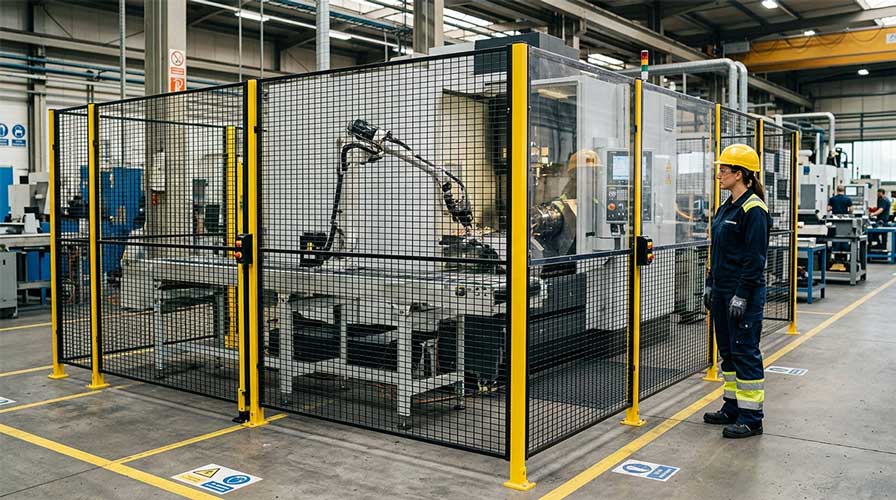
  • Isolation barriers and containment systems.
  • Gas detection and alarm systems.
  • Interlocks, shutdown protections and process safeguards.

These controls are often stronger because they do not rely entirely on human behavior. Administrative controls then strengthen risk management through procedures, supervision, permit systems, training, inspections and exposure monitoring.

Neither should stand alone. A permit-to-work system without physical safeguards may be weak. Engineering controls without procedural discipline may also fail. Strong chemical safety management usually depends on both working together.

This is particularly true in higher-risk industries where process safety depends on multiple protection layers rather than single barriers.

Monitoring and Reviewing Control Effectiveness:

Controls cannot be assumed effective simply because they exist.

One of the most common weaknesses in safety systems is failing to verify whether controls still work as intended over time. Ventilation systems degrade. Procedures drift. Workers develop shortcuts. Conditions change. That is why control effectiveness monitoring is a critical part of risk assessment.

Reviewing controls often includes:

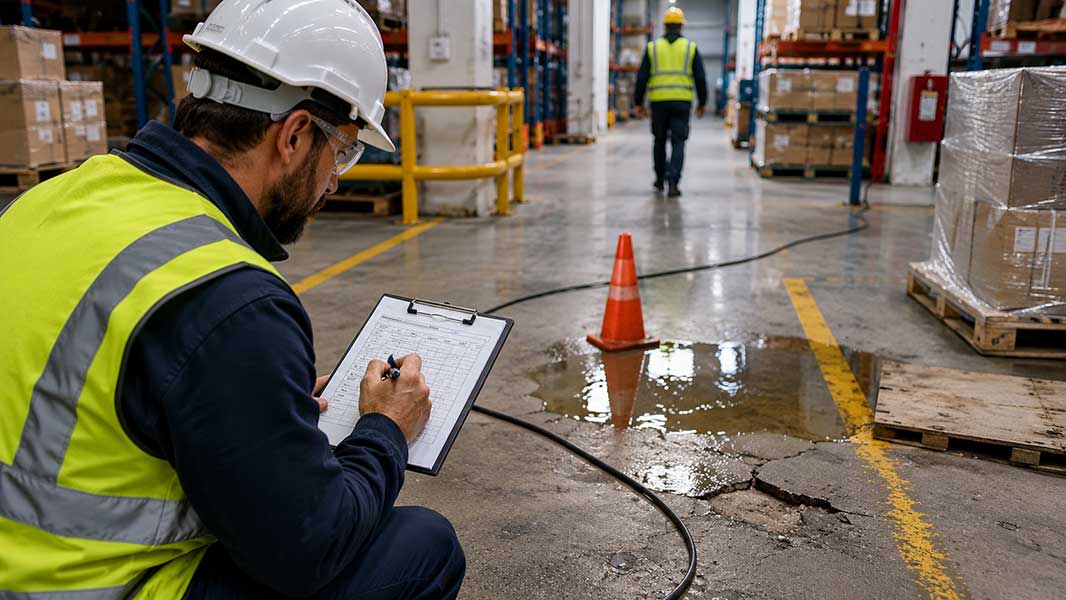
  • Workplace inspections and observations.
  • Exposure monitoring and performance checks.
  • Testing alarms, containment systems and safeguards.
  • Reviewing incidents, near misses and deviations.
  • Updating controls when processes or materials change.

Final Thoughts:

Hazardous Materials Safety is often discussed through regulations, labels, procedures and protective equipment. Yet at its core, it is about preventing harm before conditions align for failure. That is what links safe handling, proper storage and effective risk control measures together. Across industries, major incidents rarely begin as major events. They often begin as small control breakdowns: a mislabeled container, an overlooked incompatibility, a weak transfer procedure, a failed safeguard that no one challenged in time. That is why strong safety performance is rarely built on reaction. It is built on disciplined prevention.

A recurring lesson runs through every part of this guide: safer workplaces depend less on isolated controls and more on systems that work together. Hazard identification, chemical storage safety, engineering controls, hazard communication, worker competency and continuous review all reinforce one another.

That is also why Hazardous Materials Safety should never be treated as a compliance exercise alone. It is a practical business discipline that protects people, operations and the environment at the same time.

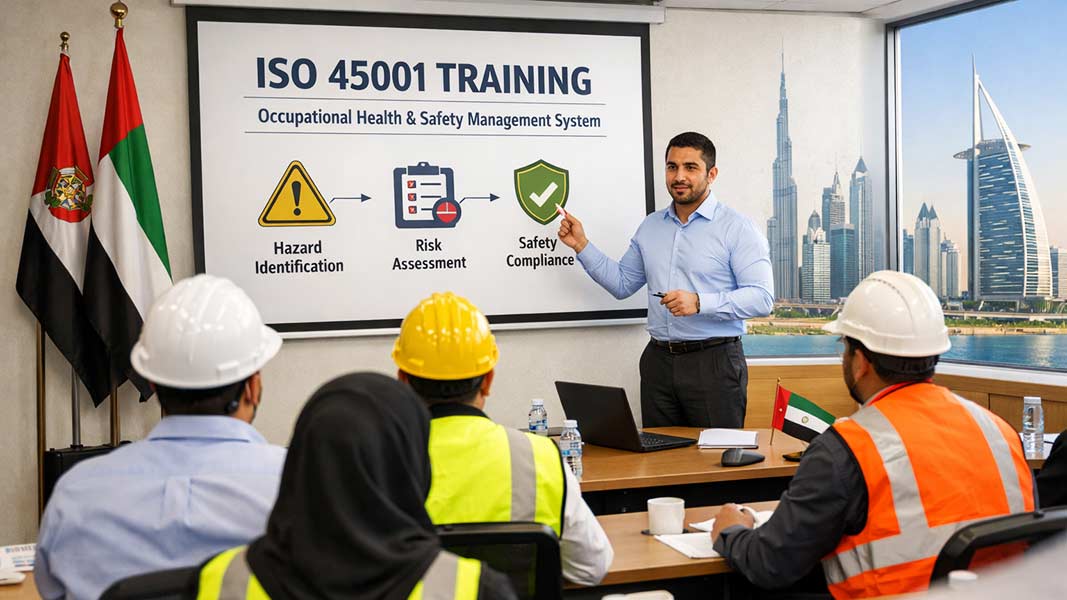
Organizations that perform well in this area usually share one characteristic. They do not manage hazardous substances only when inspections or emergencies demand it. They embed control into everyday decisions. That is where long-term resilience is built. At Eduskills Training, this principle sits at the center of professional development because technical knowledge matters, but competent application is what prevents incidents. In the end, hazardous materials can rarely be made harmless, but they can be managed safely when risk is understood, controls are effective and people are prepared.

Frequent Asked Questions (FAQs):

What is the difference between hazardous materials and dangerous goods?

Hazardous materials is a broader safety term used for substances posing risk during use, storage or handling. Dangerous goods usually refers to hazardous substances regulated during transport under systems such as the UN transport classifications.

What are the main hazard classes of hazardous materials?

Common hazard classes include flammables, corrosives, toxic substances, oxidizers, reactive chemicals, compressed gases, radioactive materials and infectious substances.

What is the hierarchy of controls in hazardous materials safety?

The hierarchy of controls prioritizes risk reduction through elimination, substitution, engineering controls, administrative controls and PPE, in that order of effectiveness.

Why is chemical compatibility important in hazardous material storage?

Chemical incompatibility can cause fires, explosions, toxic gas releases or violent reactions. Compatibility controls help prevent these incidents through proper segregation and storage.

What information should be reviewed in a Safety Data Sheet (SDS)?

An SDS should be reviewed for hazard classifications, exposure limits, safe handling instructions, incompatibilities, emergency response actions and required protective controls.

What are common causes of hazardous material incidents?

Frequent causes include poor labeling, incompatible storage, inadequate ventilation, transfer errors, weak supervision and failure to follow risk control measures.

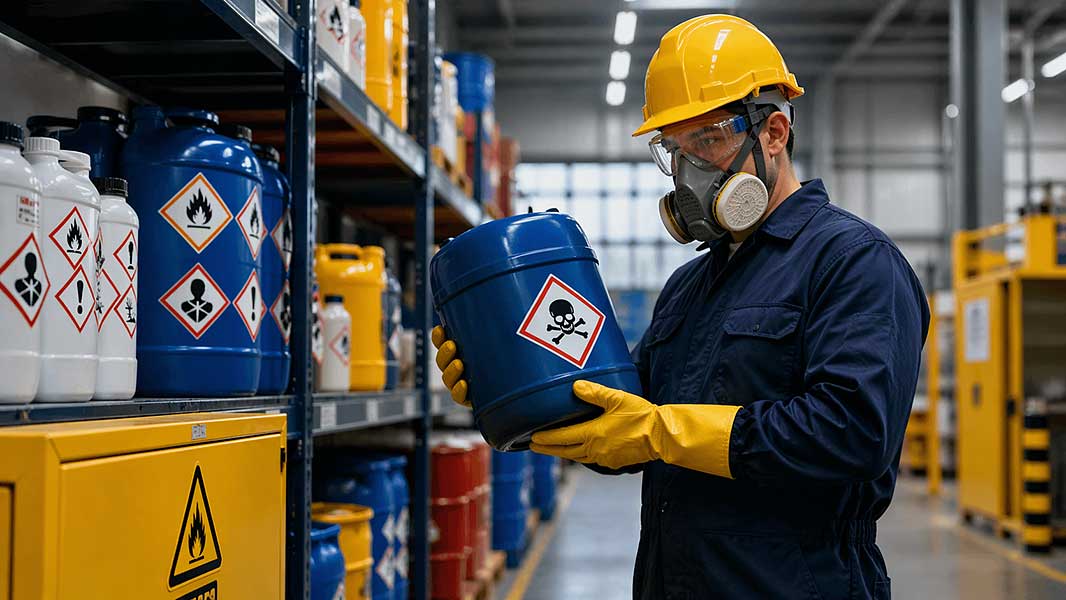
What is the purpose of GHS labeling?

GHS labeling provides standardized hazard communication using signal words, pictograms, hazard statements and precautionary information to improve risk recognition. 

How often should hazardous material risk assessments be reviewed?

Risk assessments should be reviewed whenever materials, processes, equipment or exposure conditions change and periodically through inspections or management review.

Inquiry Form