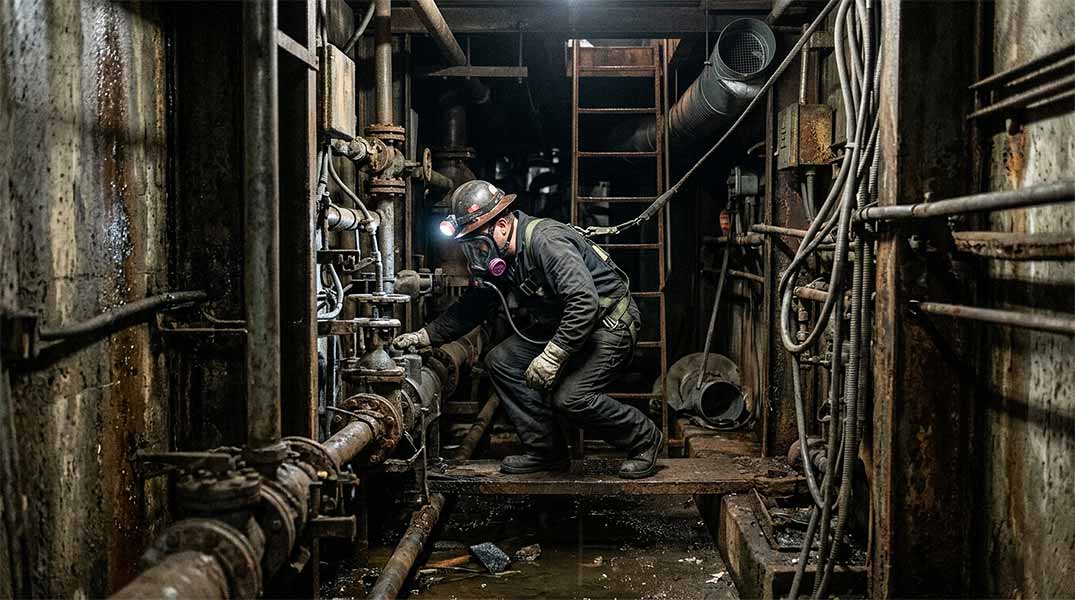
Confined Space Hazards Every Worker Must Know
Confined Space Hazards remain one of the most critical risks in industrial workplaces because they combine limited access, poor ventilation and unpredictable conditions that can turn routine tasks into

Confined Space Hazards remain one of the most critical risks in industrial workplaces because they combine limited access, poor ventilation and unpredictable conditions that can turn routine tasks into life-threatening incidents. Whether it involves confined space entry into tanks, silos, pipelines or underground chambers, workers face multiple layers of danger including hazardous atmospheres, oxygen deficiency, toxic gas exposure and engulfment risks, therefore even a small oversight can lead to severe injury or fatality. Many incidents occur not because hazards are unknown, but because the hazards of confined space are underestimated during planning, risk assessment permit-to-work processes. Strong safety performance depends on proper confined space risk assessment, continuous gas monitoring and strict adherence to entry procedures, because these environments do not forgive mistakes. This blog explains the most critical confined space hazards, their real impact on worker safety and the control measures that reduce exposure, so safety professionals and organizations can build safer systems, improve compliance and protect lives effectively.
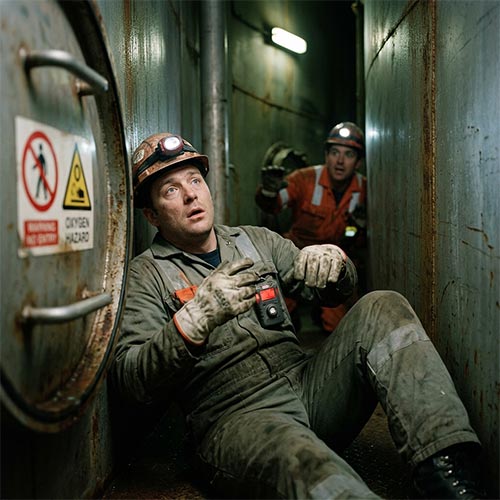
Confined Space Hazards refer to a combination of environmental, physical and operational risks that exist within enclosed or partially enclosed areas where confined space entry is required to perform work. These hazards are not always visible, therefore they demand a structured approach to identification, assessment and control before any entry is permitted. The hazards of confined space often escalate quickly because conditions inside these spaces can change without warning, which makes them one of the most dangerous work environments across industries such as oil and gas, construction, utilities and manufacturing.
Confined spaces create high-risk conditions because multiple hazards can exist at the same time, while escape options remain limited. Poor ventilation often leads to the buildup of toxic gases such as hydrogen sulfide or carbon monoxide, therefore workers may not detect danger until symptoms appear. In addition, oxygen levels can drop or increase unexpectedly, which directly affects breathing and increases fire risks. The hazards of confined space areas become more severe when monitoring systems are absent or when workers rely on assumptions instead of data. Human factors also play a role, because lack of training, fatigue or poor communication can increase exposure to risks that are otherwise controllable.
Certain characteristics turn an ordinary space into a high-risk environment for confined space hazards. Limited entry and exit points restrict quick evacuation, while poor natural ventilation allows hazardous atmospheres to develop and persist. The presence of chemicals, residues biological agents further increases the risk of toxic exposure. Spaces with inwardly converging walls or sloping floors create engulfment hazards, therefore workers can become trapped or buried within seconds. In many cases, the absence of proper confined space risk assessment, gas testing and permit systems transforms manageable environments into dangerous zones. Recognizing these features early allows organizations to apply effective control measures before any entry takes place.
“Confined Space Hazards do not give second chances because invisible risks like toxic gases and oxygen deficiency can overcome a worker within seconds. Safe confined space entry is not just a procedure, it is a disciplined commitment to identifying hazards before they become incidents.”
The majority of serious incidents during confined space entry are not random because they follow predictable patterns linked to poorly controlled Confined Space Hazards. Understanding these hazards in detail helps safety professionals prevent repeat incidents, while also strengthening confined space risk assessment, permit systems and emergency planning. The hazards of confined space often exist together, therefore focusing on only one risk can create blind spots that lead to failure.
A hazardous atmosphere is the most critical of all Confined Space Hazards, because it can cause immediate harm without visible warning signs. Contaminated air may contain toxic gases, flammable vapors or low oxygen levels, therefore workers cannot rely on smell or instinct to detect danger. Air contamination often develops due to residues, ongoing processes or nearby activities, which makes continuous gas monitoring essential during confined space entry operations.
Oxygen deficiency occurs when oxygen levels fall below safe limits, typically due to displacement by inert gases or consumption during chemical reactions. This is one of the deadliest hazards of confined space because symptoms such as dizziness or confusion appear suddenly, therefore workers may lose consciousness before they can escape. Proper gas testing, ventilation and entry controls are critical to prevent exposure.
Oxygen enrichment increases the concentration of oxygen beyond safe levels, which significantly raises the risk of fire and explosion. Materials that are normally non-flammable can ignite easily under enriched conditions, therefore even a small spark can escalate into a serious incident. This type of Confined Space Hazard often goes unnoticed without proper monitoring, which highlights the importance of calibrated detection equipment.
Toxic gases such as hydrogen sulfide, carbon monoxide and chemical vapors pose severe health risks because they can cause poisoning, respiratory failure or long-term damage. These hazardous atmospheres often build up in tanks, sewers or pipelines, therefore workers must never enter without verified atmospheric testing. Effective confined space risk assessment must identify all possible chemical sources before entry is approved.
Fire and explosion risks develop when flammable gases, vapors or dust combine with oxygen and an ignition source. In confined environments, pressure builds rapidly during an explosion, therefore the impact becomes more severe compared to open areas. These Confined Space Hazards require strict control measures such as isolation, gas testing and use of intrinsically safe tools during confined space entry.
Engulfment hazards occur when workers become trapped or buried in substances like water, sludge, grain or sand. These hazards of confined space are particularly dangerous because materials can shift suddenly, therefore escape becomes almost impossible once engulfment begins. Isolation of flow sources and continuous monitoring are essential to prevent unexpected releases.
Poor ventilation is a root cause behind many Confined Space Hazards because it allows gases and vapors to accumulate without dilution. Without proper airflow, even minor leaks can create dangerous conditions, therefore reliance on natural ventilation is never sufficient. Continuous air monitoring and forced ventilation systems are necessary to maintain safe conditions during confined space entry operations.
Mechanical hazards include moving parts, rotating equipment and stored mechanical energy that can injure workers during entry. These risks are often overlooked during planning, but they can cause severe injuries if equipment is not properly isolated. Effective lockout/tagout (LOTO) procedures must be applied because uncontrolled equipment remains a significant Confined Space Hazard.
Electrical hazards involve exposed wiring, energized systems or unexpected release of stored energy. These risks increase in confined spaces because contact is more likely due to restricted movement, therefore proper isolation and verification are essential before entry. Failure to control electrical energy is a major contributor to serious incidents in confined space entry.
Physical conditions such as high temperatures, excessive noise and limited mobility create additional layers of risk. Heat stress can quickly affect worker performance and decision-making, while noise can disrupt communication and awareness, therefore coordination becomes difficult in emergencies. Restricted movement increases fatigue and injury risk, which makes these Confined Space Hazards critical to address through planning, PPE and controlled work duration.
You might be interested in reading
Effective control of Confined Space Hazards starts with a structured identification and assessment process because assumptions inside confined environments often lead to serious incidents. Every confined space entry must be treated as a high-risk activity, therefore hazards should be identified, evaluated and controlled before any worker enters the space. The hazards of confined space can change over time due to ongoing work, environmental conditions or nearby operations, which makes continuous evaluation essential. A strong confined space risk assessment not only protects workers, but it also strengthens compliance, improves planning and ensures that control measures remain effective throughout the task.
Hazard identification must follow a clear and systematic process because missing even one hazard can compromise the entire operation.
The first step involves reviewing the history and purpose of the confined space, including previous contents, chemical residues and past incidents. This is followed by a physical inspection to identify potential sources of hazardous atmospheres, mechanical risks and structural concerns.
All possible Confined Space Hazards should then be documented, while considering how work activities such as welding, cleaning or chemical use may introduce new risks. The process should also include input from experienced personnel because practical knowledge often highlights hazards that are not immediately visible.
Gas testing is a critical control measure during confined space entry, because atmospheric conditions cannot be judged without proper instruments. Pre-entry testing must check oxygen levels, flammable gases and toxic contaminants, therefore entry should only be permitted when readings are within safe limits. However, conditions inside confined spaces can change rapidly, which makes continuous monitoring equally important. A space that is safe at the start of work may become hazardous due to leaks, reactions or poor ventilation. Reliable gas detectors, proper calibration and trained personnel are essential to manage these hazardous atmospheres effectively and reduce exposure to invisible risks.
A comprehensive confined space risk assessment evaluates both the likelihood and severity of each identified hazard, which helps prioritize control measures. Techniques such as Job Safety Analysis (JSA), Hazard Identification and Risk Assessment (HIRA) and permit-to-work systems are commonly used because they provide a structured framework for decision-making. Each identified hazard should be assessed based on potential impact, while appropriate controls such as isolation, ventilation and personal protective equipment (PPE) must be defined before entry. The hazards of confined space require a layered approach to control, because relying on a single measure is not sufficient. Regular review and updating of the risk assessment ensure that changing conditions are addressed, which keeps workers protected throughout the operation.
Effective control of Confined Space Hazards depends on applying a layered approach where risks are eliminated, reduced and managed before and during confined space entry. Engineering controls such as isolation of energy sources, proper ventilation and fixed gas detection systems play a critical role because they remove or reduce hazardous atmospheres at the source.
At the same time, strong administrative controls including permit-to-work systems, defined roles and clear procedures ensure that every entry is planned, authorized and monitored under controlled conditions. These measures work together, therefore relying on only one control is never sufficient in managing the hazards of confined space.
In addition, the correct use of personal protective equipment (PPE) provides a final layer of protection when risks cannot be fully eliminated, while emergency response and rescue planning ensure that any incident is managed quickly and effectively.
A well-prepared rescue plan, trained personnel and regular drills are essential because confined space incidents can escalate within seconds. Strong confined space risk assessment, continuous monitoring and disciplined execution of controls ultimately determine whether a task is completed safely, which makes control measures the backbone of any successful confined space safety system.
You might be interested in reading
Managing Confined Space Hazards requires more than awareness, because real safety depends on how effectively risks are identified, assessed and controlled before any confined space entry takes place. The hazards of confined space are often invisible and can escalate quickly, therefore relying on assumptions or past experience is never enough. A strong safety approach combines accurate confined space risk assessment, continuous monitoring, proper control measures and well-trained personnel who understand the risks and their responsibilities.
Organizations that take confined space safety seriously build systems that prevent incidents rather than react to them, which ultimately protects lives, ensures compliance and improves operational performance. At Eduskills Training, we focus on developing practical competency in managing Confined Space Hazards, because skilled professionals make better decisions under pressure and maintain safer workplaces.
A confined space is an area with limited entry and exit, not designed for continuous occupancy, where confined space entry requires special precautions.
They are dangerous because hazardous atmospheres, poor ventilation and limited escape options can quickly lead to serious injury or fatality.
Gas testing identifies hazardous atmospheres before and during entry, therefore it ensures safe conditions for workers.
It is a formal authorization process that ensures all Confined Space Hazards are identified and controlled before entry begins.
They can be controlled through isolation, ventilation, monitoring, proper procedures and use of personal protective equipment (PPE).
Training builds awareness and competency, therefore workers can identify and manage Confined Space Hazards effectively.
A confined space risk assessment should be conducted before every entry and updated if conditions change.
Eduskills Training provides practical training programs that improve competency in managing Confined Space Hazards and ensure safer work practices.
Confined Space Hazards remain one of the most critical risks in industrial workplaces because they combine limited access, poor ventilation and unpredictable conditions that can turn routine tasks into
The benefits of ISO 45001 lead auditor training are becoming increasingly important for safety professionals in the UAE because industries such as construction, oil and gas, manufacturing, logistics and
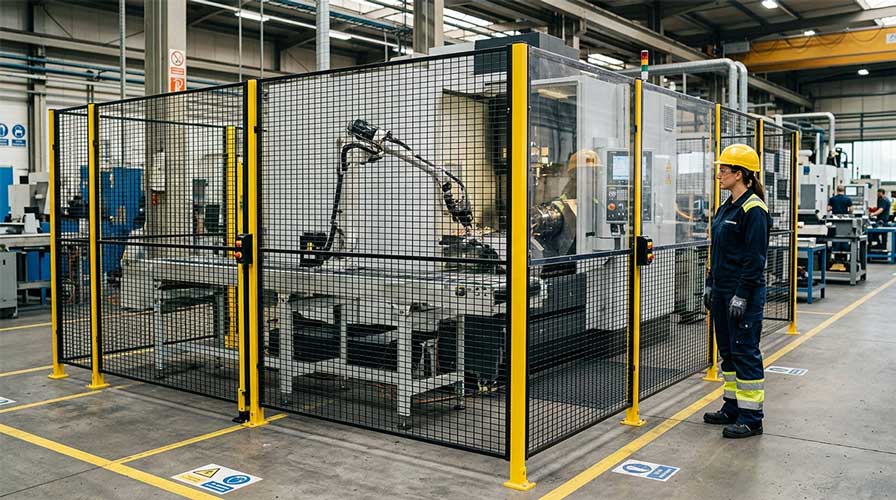
Machine Guarding Safety protects workers from dangerous moving parts, mechanical hazards and high-risk machine operations that exist across industrial workplaces. Manufacturing equipment, conveyor systems, cutting machines, presses and rotating

The ISO 14001 Certification Process provides organizations with a structured method to establish an effective Environmental Management System (EMS) that identifies environmental aspects, evaluates potential environmental impacts and implements
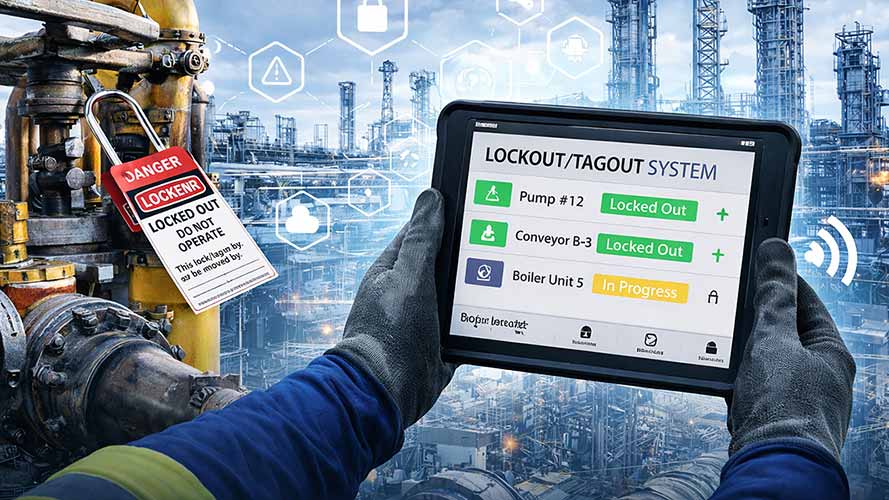
Digital LOTO Systems are becoming an essential part of modern industrial safety programs because traditional paper-based lockout tagout procedures often create gaps in documentation, communication and verification of hazardous
The benefits of ISO 9001 Lead Auditor Course in UAE are clear for professionals who want authority in quality management, because this qualification proves you can plan, conduct and

Employee Assistance Programs for workplace safety strengthen risk control because mental health, personal stress and financial pressure directly affect concentration, judgment and safe behavior at work. Many incident investigations
ISO 45001 clause 5.1 leadership and commitment requirements determine whether an Occupational Health and Safety Management System truly works in practice. Under the ISO 45001 framework, top management is

Bullying and harassment prevention in the workplace is a critical part of occupational health, legal compliance and organizational risk management. When disrespectful conduct is ignored, employee morale declines and

The benefits of ISO 14001 Lead Auditor Training in UAE extend far beyond earning a professional credential. This advanced qualification by Eduskills Training equips you to plan, conduct and
Workplace violence prevention is not limited to reacting after an incident occurs but instead focuses on identifying risks early and controlling them before harm happens. Violence at the workplace
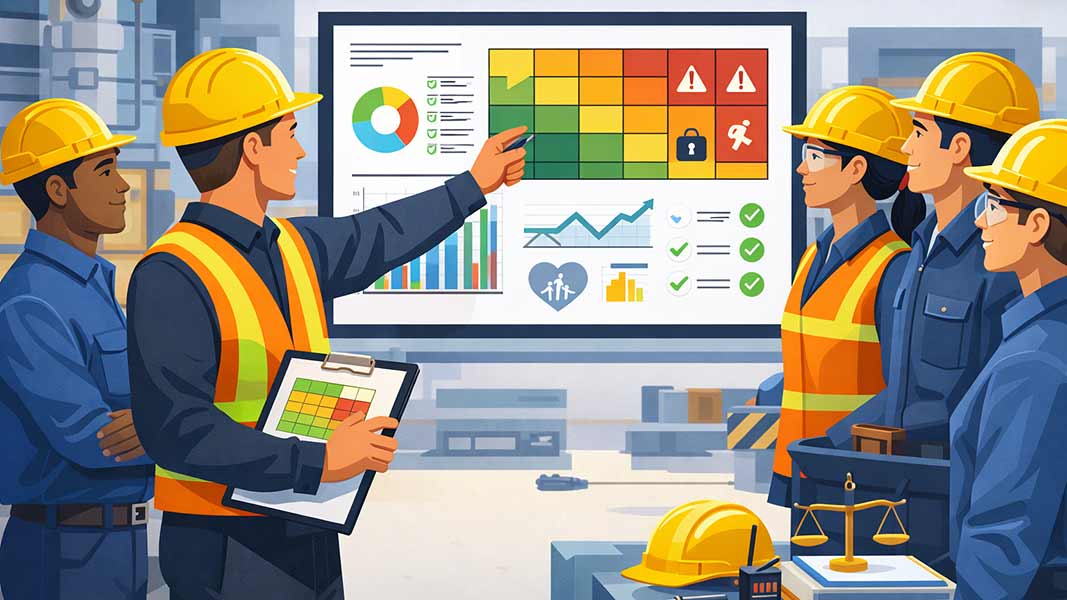
HSE KPIs are the backbone of effective health, safety and environmental performance measurement because they turn policies, procedures and controls into measurable outcomes. When defined and used correctly, KPIs

ISO 45001 Implementation is the process of building a structured occupational health and safety management system that actually works on the ground, therefore reducing risks, preventing incidents and protecting
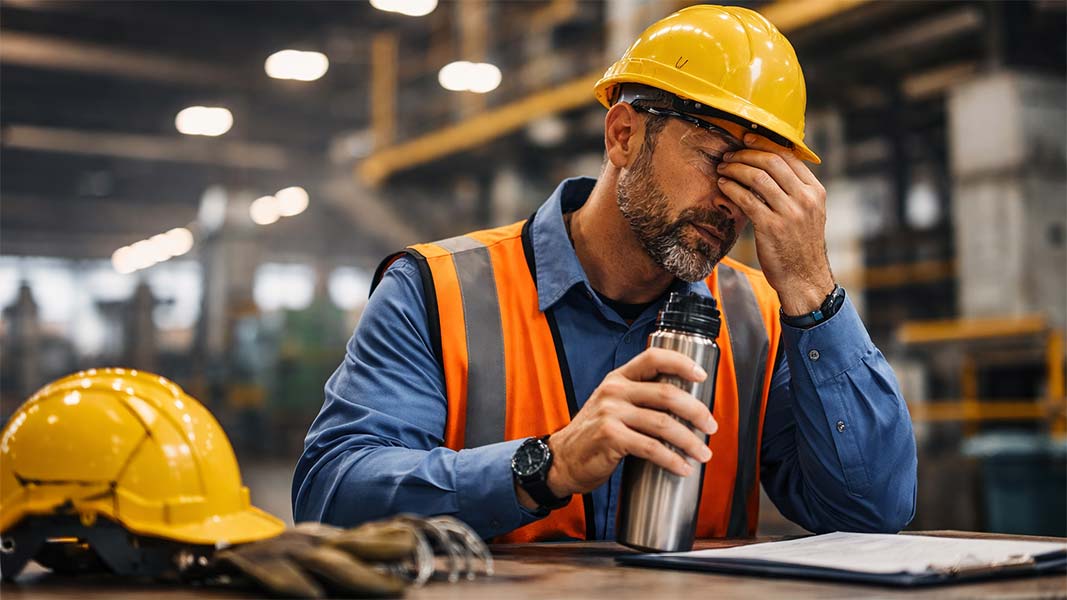
Fatigue management at the workplace has become a critical safety concern because fatigue directly affects alertness, judgment, reaction time and decision-making. When workers are fatigued, the likelihood of errors
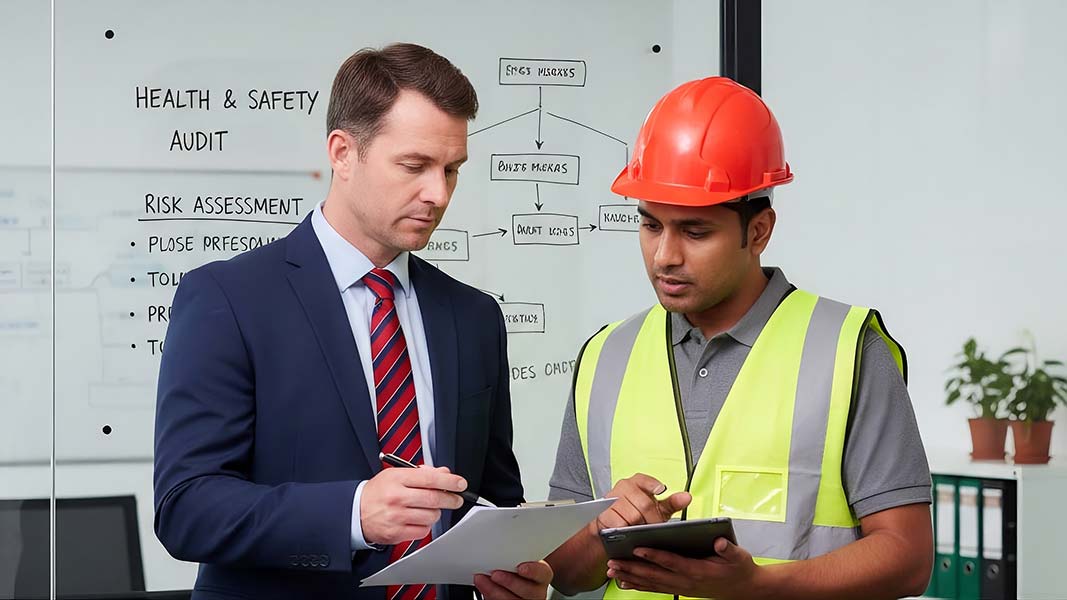
Guide to ISO 45001 Lead Auditor Course is the starting point for professionals who want to upgrade from “knowing safety” to auditing occupational health and safety systems with confidence

Ergonomics and Musculoskeletal Health sit at the center of injury prevention because most work-related pain develops from everyday tasks rather than sudden accidents. When jobs are designed without considering
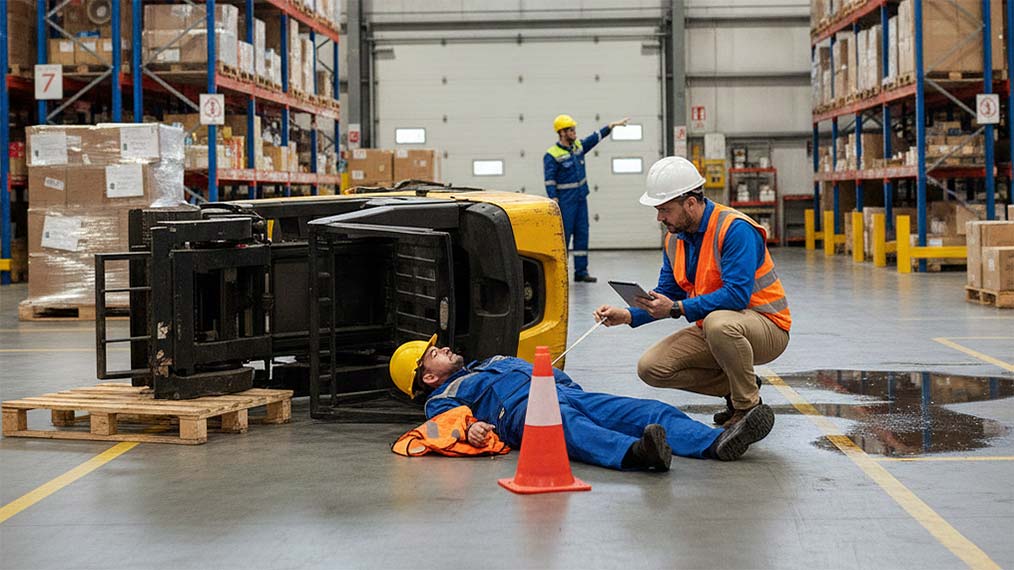
Incident investigation is the backbone of effective occupational health and safety, because it focuses on understanding why an incident occurred rather than who was involved. When done properly, it
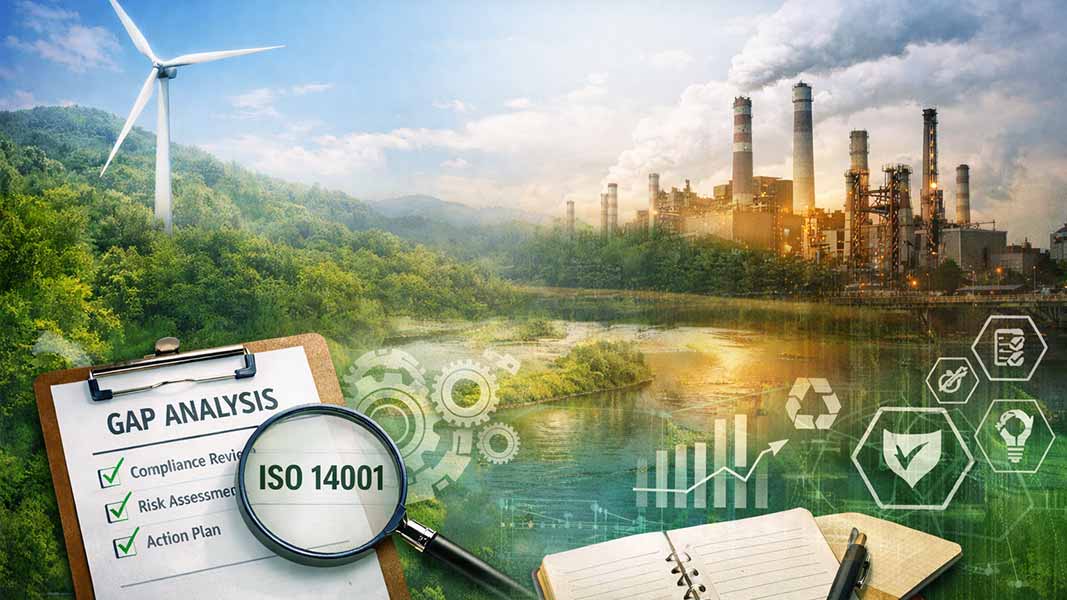
ISO 14001 Gap Analysis is a structured assessment that helps organizations measure their current Environmental Management System against ISO 14001 requirements because even small compliance gaps can lead to

Choosing the right professional certification depends on career goals, industry exposure and long-term relevance. Many professionals choose ISO 9001 Lead Auditor Course in UAE because organizations across the region
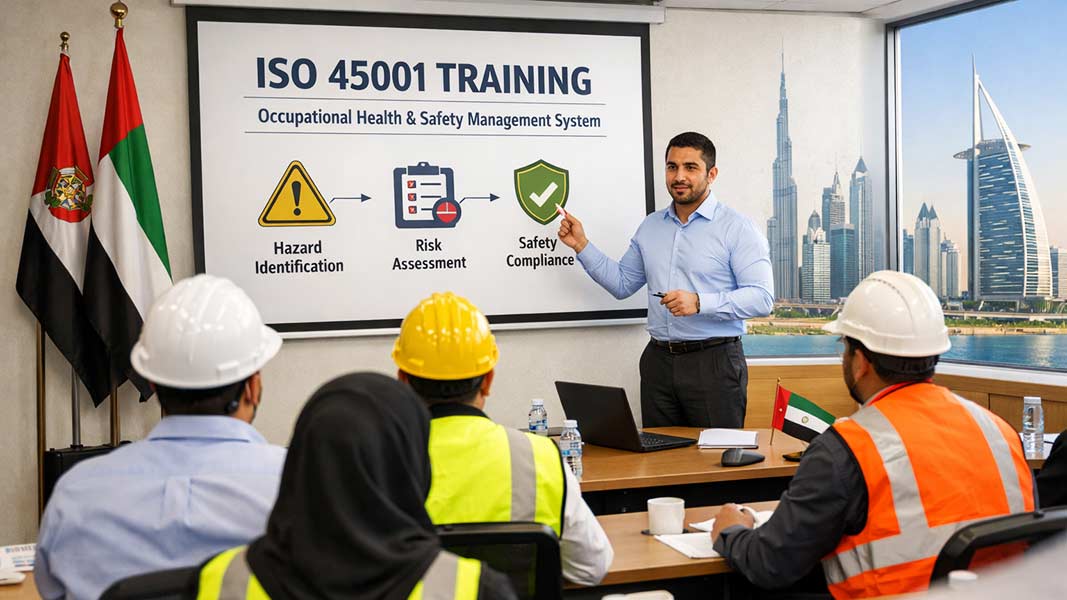
ISO 45001 Training in the UAE is no longer optional for professionals responsible for workplace safety, compliance and operational control. Organizations are under increasing pressure to reduce incidents, meet

ISO 45001 Implementation and Certification for SMEs in UAE has become a direct path for small and medium businesses to strengthen safety performance because it brings structure, accountability and
ISO 14001 Environmental Policy and Leadership set the foundation for how an organization turns environmental intent into measurable action. When both elements work in sync, teams move from declarations
Mental health in workplace safety is a critical factor that decides how consistently people follow procedures, recognize hazards and respond under pressure. When employees feel overwhelmed, their ability to
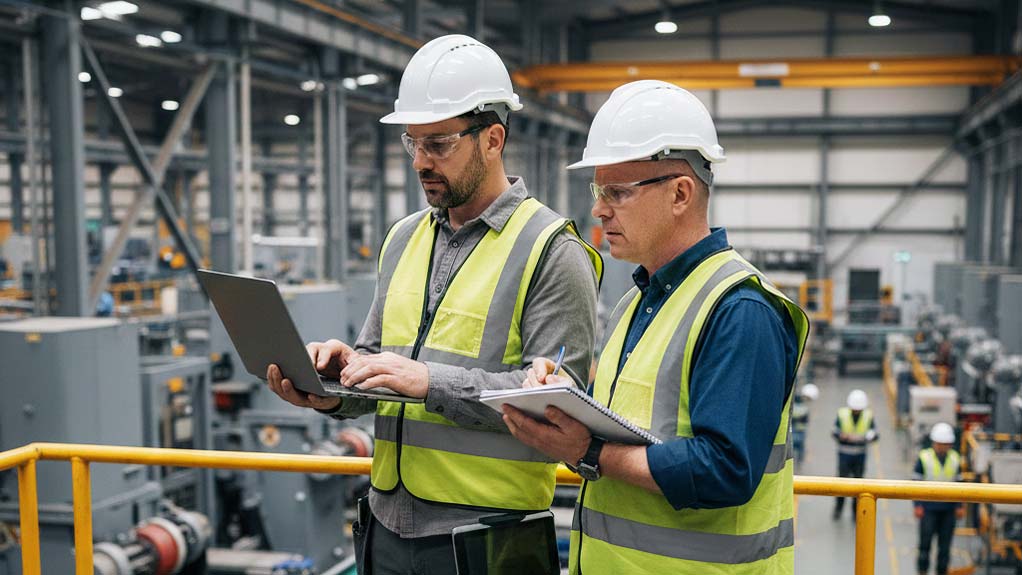
An ISO 45001 Gap Analysis gives you a realistic picture of how your current safety practices measure against the requirements of the ISO 45001 Occupational Health and Safety Management
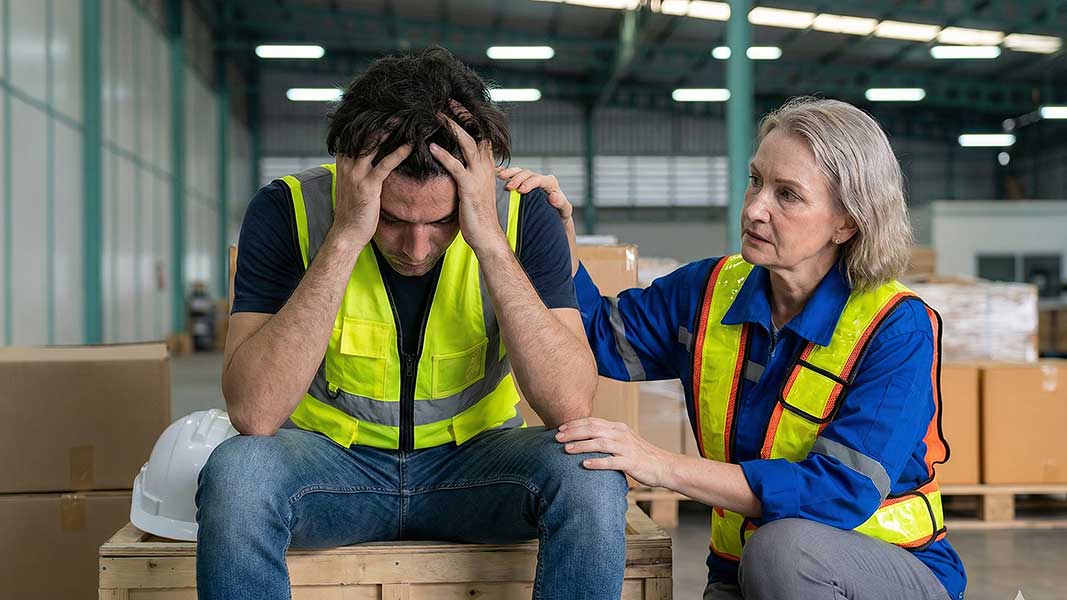
Psychosocial hazards in the workplace influence how people think, behave and respond to risks because they directly affect mental wellbeing long before a physical incident occurs. When pressure builds,

Behavior based safety plays a defining role in how workplace safety culture grows, matures and stays consistent across daily operations. When organizations pay attention to the way people act
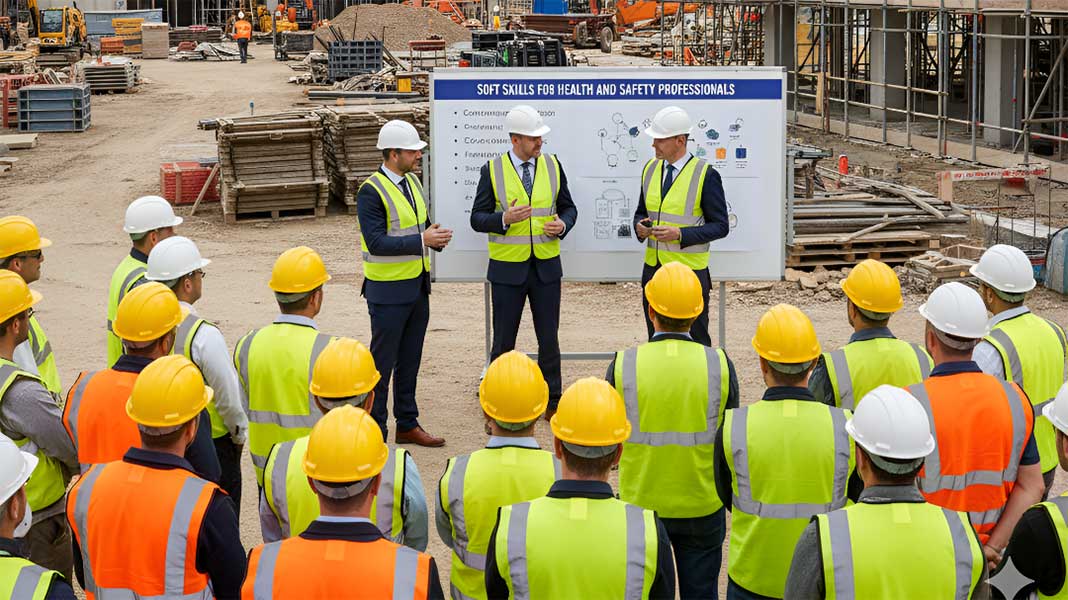
Soft skills for HSE professionals shape how effectively they communicate, influence and guide people on site, therefore they matter just as much as technical expertise. I’ve seen many safety

ISO 9001 digital transformation is reshaping how organizations in the UAE manage quality, safety and efficiency. Companies across Dubai, Abu Dhabi and Sharjah are moving beyond traditional paperwork and
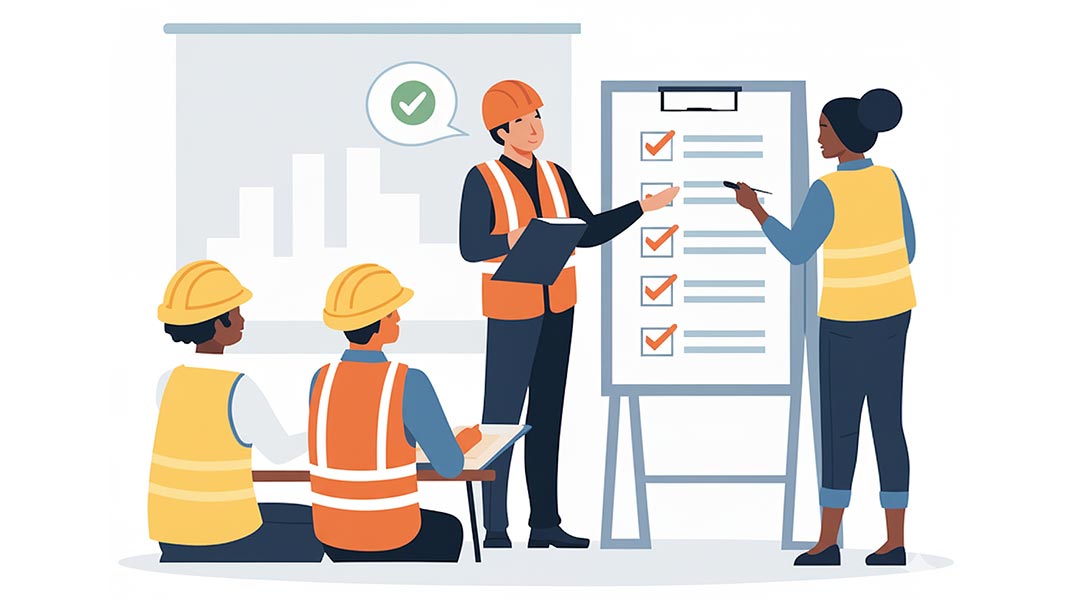
An HSE Implementation Plan is the foundation of every safe and responsible workplace. It provides a structured framework for managing health, safety and environmental risks so that daily operations
ISO 45001 nonconformities are among the most common challenges organizations face during health and safety audits. We’ve seen many businesses struggle with recurring gaps that delay certification, affect compliance,

Leadership in ISO 9001 Certification success is the single most decisive factor that determines whether an organization truly achieves quality excellence or merely collects a certificate. ISO 9001:2015 places

An ISO 45001 audit preparation is far more than gathering documents and hoping for the best. It’s a disciplined process that tests your organization’s true commitment to occupational health
Common ISO 14001 implementation mistakes can quietly derail even the most well-intentioned environmental management plans. Many organizations across the UAE especially in Dubai, Abu Dhabi or Sharjah start with
ISO 9001 audit nonconformities reveal where a quality management system falls short of meeting the standard’s requirements. They highlight gaps in consistency, documentation, or process control that can impact
Achieving ISO 45001 certification is more than a compliance milestone, it’s a strategic commitment to protecting people and building a culture of safety across all levels of an organization.

Continuous improvement is the backbone of every high-performing organization. It’s not just about fixing what’s broken — it’s about building a culture that keeps evolving, learning and improving every
NVQ Level 6 Career Progression has become a defining step for health and safety professionals aiming to move from technical roles to senior leadership positions. The ProQual NVQ Level

Both the NVQ Level 7 SHSLM and NVQ Level 6 OHSP are highly respected health and safety qualifications, but they serve a little different career stages and objectives. As

A Health and Safety Internal Audit Report is more than a document; it’s the foundation for maintaining a safe, compliant, and accountable workplace. Every organization, whether operating in construction,

Health and safety leadership is the foundation of every successful organization that values its people. It’s not just about rules, checklists, or compliance manuals. It’s about creating a shared
A well-structured HSE Plan is the backbone of workplace safety and regulatory compliance in the UAE. It outlines how businesses protect workers, manage risks and meet legal requirements across

Risk assessment in construction is more than a regulatory requirement; it is the foundation of occupational health and safety in one of the world’s most hazardous industries. Every project

How to Conduct a Successful ISO 9001 Gap Analysis for Your Business? Conducting an ISO 9001 Gap Analysis in UAE is the smartest way to understand how close your

In 2025, clients, regulators and global partners are watching more than just your certificates. They want to know whether your team genuinely committed to health and safety or just
Many companies say they “comply with safety standards.” That’s not the same as having a safety-first culture. Compliance is a checklist. Culture is a mindset. When safety becomes part

Dubai’s business ecosystem is booming, but so is the demand for proven quality. Customers—especially corporate and government clients—are no longer impressed by just promises. They want proof. And ISO
In a world rapidly shifting toward sustainability and environmental compliance, professionals who can lead this change are in high demand. Whether you're based in the UAE or the broader
ProQual NVQ Level 7 Diploma in Strategic Health and Safety Leadership and Management by Eduskills Training is a competency-based qualification designed for professionals looking to enhance their expertise in

ISO 45001 is an international standard for Occupational Health and Safety Management Systems (OHSMS) designed to improve workplace safety, reduce risks and enhance employee well-being. Introduced by the International

The benefits of ISO 50001 certification go far beyond just meeting international standards—they empower businesses across the UAE and GCC to drastically cut energy costs, boost operational efficiency and
