Digital LOTO Systems: Why Industries Are Replacing Paper-Based LOTO?

Digital LOTO Systems are becoming an essential part of modern industrial safety programs because traditional paper-based lockout tagout procedures often create gaps in documentation, communication and verification of hazardous energy isolation. Maintenance teams working in industries such as oil and gas, manufacturing and power generation must ensure that every energy source is properly isolated before servicing equipment, but paper records rarely provide real-time visibility of lockout status across multiple work areas. Safety managers also face difficulties during inspections because manual checklists, handwritten signatures and physical documents can be incomplete or misplaced. Digital Lockout Tagout Systems address these challenges by moving lockout procedures into a controlled digital environment where supervisors can track isolation steps, verify worker authorization and maintain accurate audit-ready records, therefore improving both worker protection and compliance management. Many organizations are now replacing paper-based LOTO programs because better visibility, stronger documentation and safer maintenance coordination are essential for modern industrial operations.

Understanding Lockout Tagout (LOTO) and Hazardous Energy Control:

Lockout Tagout, commonly referred to as LOTO, is a safety procedure used to isolate and control hazardous energy before equipment maintenance, servicing or repair work begins. The process requires authorized personnel to physically lock energy isolation points such as electrical switches, valves, circuit breakers or hydraulic controls so that machinery cannot be started while work is in progress. Warning tags are then attached to the lockout devices because these tags clearly indicate that equipment must not be operated until maintenance activities are completed and the lock is removed by the authorized worker. This structured approach ensures that equipment remains safely de-energized, therefore preventing unexpected startup that could endanger workers.

Lockout Tagout plays a fundamental role in industrial safety because machinery, electrical systems, hydraulic pressure and stored mechanical energy can cause severe injuries if equipment starts unexpectedly during maintenance. Organizations that implement structured LOTO procedures create a safer work environment because each step of energy isolation is verified, documented and supervised. Safety professionals also recognize that a strong LOTO program supports regulatory compliance and strengthens operational discipline across industrial facilities.

What Are Digital LOTO Systems?

Industrial safety programs are evolving as organizations move toward Digital LOTO Systems to manage hazardous energy control with greater accuracy and visibility. Digital systems introduce structured electronic processes that improve control over every step of energy isolation. Maintenance supervisors, safety managers and authorized workers can monitor lockout activities through centralized digital platforms because the system records each action performed during the procedure. This digital approach strengthens safety oversight while reducing the possibility of documentation errors or communication gaps. Many organizations therefore adopt digital LOTO platforms to ensure that hazardous energy isolation is clearly documented, verified and accessible whenever maintenance operations are taking place.

Definition and Core Concept of Digital LOTO Systems:

Digital LOTO Systems are technology-driven platforms designed to manage lockout tagout procedures electronically rather than through paper-based records. These systems allow authorized personnel to document energy isolation steps, assign responsibilities and verify safety actions through a digital interface that can be accessed by safety managers and maintenance teams. Every step of the lockout process is recorded within the system because digital workflows guide workers through the required procedures before maintenance begins.

This structured approach ensures that hazardous energy sources are properly isolated, verified and documented, therefore improving both safety performance and operational accountability.

How Digital LOTO Systems Work in Industrial Environments?

Digital Lockout Tagout Systems function by creating a controlled workflow that guides workers through each stage of the energy isolation process. Maintenance personnel begin by identifying the equipment that requires servicing and selecting the corresponding digital lockout procedure stored within the system. The platform then displays the required isolation points, safety steps and authorization requirements because these procedures are preconfigured based on equipment specifications. Workers confirm each action through mobile devices, tablets or workstation terminals, therefore supervisors can immediately verify that lockout procedures are being followed correctly. The system records timestamps, worker identification and verification steps automatically, which creates a clear and traceable record of the entire lockout process.

Key Components of a Digital Lockout Tagout System:

Digital Lockout Tagout Systems consist of several integrated components that support safe and structured energy isolation procedures. A centralized digital platform forms the core of the system because it stores equipment-specific lockout procedures and manages user access.

Mobile devices or industrial tablets allow workers to follow step-by-step lockout instructions while working near the equipment. Digital authorization controls ensure that only trained personnel can initiate or release lockout procedures, therefore reducing the risk of unauthorized equipment operation.

Automated documentation features record every lockout action performed by workers, which helps safety managers maintain accurate records for operational monitoring and regulatory compliance.

“Modern Digital LOTO Systems transform hazardous energy control because they provide real-time visibility, accurate documentation and coordinated safety workflows. Maintenance teams work faster and safer when lockout status, permits, and safety records are digitally connected. Therefore, industries gain stronger compliance, better operational control and a safer working environment.”

Key Features of Modern Digital LOTO Systems:

Modern Digital LOTO Systems provide several operational and safety advantages because they combine structured lockout procedures with real-time digital monitoring. Digital platforms help maintenance teams follow standardized procedures while supervisors maintain full oversight of lockout activities. Accurate documentation, immediate verification of safety steps and centralized monitoring allow organizations to strengthen compliance and reduce operational risk. These systems also support better coordination between maintenance crews and safety managers because every step of the lockout process is digitally recorded and easily accessible when needed.

Mobile Access for Maintenance and Safety Teams:

Mobile accessibility is one of the most practical features of modern digital LOTO platforms because maintenance teams rarely work from fixed office locations. Technicians often perform servicing tasks directly at equipment sites, therefore access to lockout procedures through mobile devices or industrial tablets allows them to follow safety instructions without returning to control rooms or administrative offices.

Workers can view equipment-specific isolation steps, confirm lockout actions and record verification directly from the work area. This improves accuracy because technicians follow structured digital instructions while performing the procedure.

Real-Time Lockout Status Monitoring:

Real-time monitoring allows supervisors and safety managers to track lockout activities across the facility because digital systems display the current status of equipment isolation. Supervisors can immediately see which machines are locked out, which workers are responsible for the procedure and whether verification steps have been completed.

Maintenance teams often work on multiple systems simultaneously, therefore centralized monitoring prevents confusion about equipment status and reduces the risk of accidental startup during servicing operations.

Automated Documentation and Audit Trails:

Accurate documentation is essential for safety compliance but manual recordkeeping often leads to missing information or inconsistent records. Digital LOTO platforms automatically record each action performed during the lockout process because the system logs user identification, timestamps and verification steps.

This automated documentation creates a clear audit trail that safety managers can review whenever required. Investigations, inspections and compliance reviews therefore become more efficient because all records are stored within a structured digital system.

Integration with Permit-to-Work and Safety Management Systems:

Many organizations integrate Digital Lockout Tagout Systems with broader safety management platforms because maintenance operations often require multiple safety controls. Permit-to-work systems, risk assessment tools and maintenance management software can connect with digital lockout procedures, therefore safety teams can manage complex work activities through a single coordinated platform.

This integration improves operational control because supervisors can verify that energy isolation, work permits and safety approvals are properly aligned before maintenance work begins.

Major Benefits of Digital LOTO Systems:

Industrial facilities are increasingly adopting Digital LOTO Systems because they provide measurable improvements in safety management, operational efficiency and regulatory compliance. Traditional lockout tagout procedures rely heavily on manual documentation and physical verification, but digital platforms introduce structured workflows that guide workers through each stage of hazardous energy isolation. Maintenance supervisors gain greater visibility of lockout activities while safety managers can verify compliance through centralized records. These improvements help organizations reduce operational risk because energy isolation procedures become more consistent, transparent and easier to manage across large industrial environments.

Improved Worker Safety and Hazardous Energy Control:

Worker safety remains the primary objective of any lockout tagout program because unexpected equipment startup can cause severe injuries during maintenance activities. Digital Lockout Tagout Systems strengthen hazardous energy control by guiding authorized personnel through clearly defined isolation procedures for each piece of equipment.

Workers must confirm every safety step within the digital system, therefore the likelihood of skipped procedures or incomplete verification is significantly reduced. Supervisors can also monitor ongoing lockout activities across the facility, which helps ensure that machinery remains properly isolated until servicing work is safely completed.

Stronger Compliance with Safety Regulations:

Regulatory authorities expect organizations to maintain accurate records demonstrating that hazardous energy control procedures are consistently followed. Paper-based documentation often creates challenges during inspections because incomplete forms or missing signatures can raise compliance concerns.

Digital Lockout Tagout Systems improve regulatory alignment because every action performed during the lockout process is automatically recorded and stored within the system. Safety managers therefore have immediate access to detailed records that confirm who performed the procedure, when energy isolation was verified and when equipment was safely returned to operation.

Faster Maintenance Coordination and Reduced Downtime:

Maintenance teams frequently work on multiple systems across large facilities, therefore effective coordination is essential to avoid delays and operational disruptions. Digital Lockout Tagout Systems support faster maintenance planning because supervisors can instantly review lockout status and confirm which equipment is available for servicing.

Teams can also access equipment-specific isolation procedures directly through the system, which reduces the time spent searching for manuals or paper instructions. Clear communication between maintenance workers and supervisors helps maintenance tasks progress more efficiently, therefore equipment can return to operation without unnecessary downtime.

Accurate Recordkeeping and Audit Readiness:

Accurate documentation is essential for safety audits, incident investigations and operational reviews. Digital Lockout Tagout Systems maintain detailed electronic records because the platform automatically captures lockout steps, user verification and timestamps during the procedure. Safety managers can quickly retrieve these records whenever auditors request proof of compliance. This structured documentation approach improves audit readiness because organizations no longer need to search through large volumes of paper files to locate specific lockout records.

“Successful implementation of Digital LOTO Systems requires structured planning, accurate hazard identification and workforce training. Organizations that align digital tools with existing safety procedures build stronger control over hazardous energy. Therefore, a step-by-step implementation approach ensures both operational efficiency and regulatory compliance.”

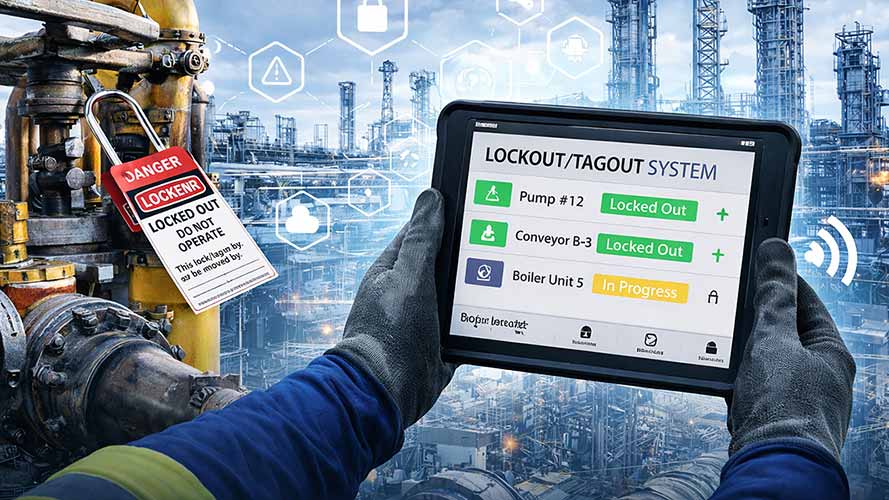
Industrial worker using a tablet to manage digital LOTO systems during equipment maintenance.

Step-by-Step Approach to Implementing Digital LOTO Systems:

Successful implementation of Digital LOTO Systems requires careful planning because hazardous energy control procedures must remain accurate, practical and aligned with existing operational processes. Organizations should approach this transition methodically so that safety teams, maintenance personnel and supervisors clearly understand how digital lockout procedures will function within their facilities. A structured implementation process helps ensure that energy isolation points are correctly documented, digital workflows match real equipment conditions and workers receive proper training before the system becomes fully operational. When organizations follow a clear step-by-step approach, digital LOTO platforms become powerful safety tools that improve both compliance management and operational control.

Evaluate Existing Lockout Tagout Procedures:

The first step involves reviewing current lockout tagout procedures because organizations must understand how hazardous energy is currently controlled across their facilities. Safety teams should examine existing documentation, equipment-specific isolation instructions and authorization procedures. This evaluation helps identify gaps within paper-based systems since incomplete documentation, inconsistent procedures or unclear responsibilities may already exist. A detailed review also ensures that accurate procedures are transferred into the digital platform once the implementation process begins.

Identify Hazardous Energy Sources and Isolation Points:

Every piece of equipment within an industrial facility may contain multiple hazardous energy sources such as electrical power, hydraulic pressure, compressed air, mechanical motion or stored thermal energy. Safety professionals must therefore identify all isolation points associated with each machine or system before digital procedures are created. Accurate identification ensures that lockout instructions within the digital platform reflect real operational conditions. Maintenance teams also benefit from this process because clearly documented isolation points make energy control procedures easier to follow during servicing tasks.

Select the Right Digital LOTO Platform:

Choosing the appropriate digital platform is a critical step because the system must support the operational needs of the facility. Organizations should evaluate software capabilities such as mobile access, centralized monitoring, automated documentation and integration with maintenance or safety management systems. The selected platform should allow safety teams to store equipment-specific procedures while supervisors maintain visibility of ongoing lockout activities. A well-designed system improves usability for maintenance workers, therefore procedures can be followed accurately without adding unnecessary complexity.

Train Maintenance and Safety Personnel:

Training is essential because the effectiveness of Digital Lockout Tagout Systems depends on how well workers understand and apply the new process. Maintenance technicians, safety officers and supervisors should receive structured training that explains digital workflows, authorization procedures and verification requirements. Workers must know how to access lockout instructions through the system and confirm each isolation step during maintenance operations. Proper training strengthens procedural discipline and ensures that digital safety systems are used correctly across the organization, which is why many professionals enhance their expertise through specialized occupational safety programs offered by Eduskills Training.

Future Trends in Digital LOTO Systems and Industrial Safety:

Industrial safety continues to evolve as technology becomes more integrated into operational management systems. Digital LOTO Systems are expected to play an increasingly important role in hazardous energy control because organizations are seeking better visibility, faster decision-making and stronger safety oversight across their facilities. Emerging technologies are helping safety teams move beyond basic digital documentation toward more intelligent systems that monitor equipment status, analyze safety data and support proactive risk management. These developments will strengthen hazardous energy control procedures because digital tools allow organizations to detect potential risks earlier and manage maintenance activities with greater precision.

IoT-Enabled Lockout Devices:

IoT-enabled lockout devices are beginning to transform how hazardous energy isolation is monitored within industrial facilities. Smart lockout devices equipped with sensors or connectivity features can communicate lockout status directly to digital safety platforms because these devices transmit real-time information about equipment isolation points. Safety managers can therefore confirm whether machinery remains properly locked out without relying solely on manual verification. This level of visibility improves operational control, particularly in large facilities where multiple maintenance teams may be working on interconnected systems.

Data Analytics for Safety Performance:

Digital LOTO platforms generate large amounts of operational data because every lockout procedure, verification step and authorization action is recorded within the system. Safety managers can analyze this information to identify trends related to maintenance activities, compliance performance and procedural consistency. Data analysis for safety performance helps organizations understand where procedural gaps may exist and where improvements are needed. Safety teams therefore gain valuable insights that support stronger decision-making and continuous improvement within hazardous energy control programs.

Predictive Safety and Smart Maintenance Systems

Predictive safety technologies are becoming more common in industrial environments because organizations want to anticipate risks before incidents occur. Digital Lockout Tagout Systems can integrate with maintenance monitoring tools that track equipment performance, operational stress and maintenance schedules. When these systems work together, maintenance activities can be planned more effectively because safety teams receive early indications of equipment conditions that may require servicing. This approach helps organizations schedule lockout procedures in advance, which improves both safety management and operational efficiency.

Final Thoughts:

Industries are steadily moving toward Digital LOTO Systems because modern operations require greater visibility, stronger compliance control and more reliable documentation of hazardous energy isolation procedures. Traditional paper-based methods often struggle to keep pace with complex industrial environments where multiple teams perform maintenance across interconnected equipment systems. Digital platforms solve many of these challenges because they provide real-time monitoring, structured workflows and accurate electronic records that support both worker safety and regulatory compliance. Organizations that adopt digital lockout systems gain better control over maintenance coordination while ensuring that hazardous energy remains properly isolated throughout servicing activities. As industrial safety continues to evolve, digital solutions will play an increasingly important role in protecting workers and strengthening operational safety management across high-risk industries.

Frequent Asked Questions (FAQs):

How are Digital Lockout Tagout Systems different from paper-based LOTO?

Paper-based LOTO relies on manual documentation and physical checklists, but digital systems record procedures electronically. This improves visibility, reduces documentation errors and helps supervisors monitor lockout activities in real time.

Why are industries replacing paper-based LOTO systems?

Industries are replacing paper-based LOTO because digital systems provide better safety oversight, reliable documentation and faster access to lockout records during inspections and maintenance operations.

Do Digital Lockout Tagout Systems improve worker safety?

Yes, digital systems improve worker safety because they guide workers through structured lockout procedures and ensure that every hazardous energy source is properly isolated before maintenance begins.

Can Digital Lockout Tagout Systems help with safety audits?

Digital LOTO platforms maintain automatic records of lockout procedures, therefore safety managers can quickly provide documented evidence during safety audits or compliance inspections.

What types of hazardous energy require lockout tagout procedures?

Hazardous energy sources include electrical power, hydraulic pressure, pneumatic systems, mechanical motion, chemical energy and thermal energy that may remain stored in equipment.

Do Digital LOTO Systems require special training?

Workers should receive proper training before using digital LOTO platforms because they must understand both hazardous energy control procedures and how to follow digital workflows during maintenance tasks.

Where can safety professionals learn advanced industrial safety practices?

Professionals can strengthen their occupational safety knowledge through structured training programs offered by Eduskills Training, which focus on practical safety management and modern industrial safety systems.

Inquiry Form