


Employee Assistance Programs for Workplace Safety

Employee Assistance Programs for workplace safety strengthen risk control because mental health, personal stress and financial pressure directly affect concentration, judgment and safe behavior at work. Many incident investigations across construction, oil and gas, manufacturing and logistics highlight human factors such as fatigue, distraction or emotional strain; therefore organizations that focus only on physical hazards overlook a critical safety gap. An effective EAP provides confidential counselling, crisis intervention and structured psychosocial support, which helps employees regain focus and maintain compliance with safety procedures. When EAPs are integrated into the occupational health and safety management system, they function as a preventive control rather than a reactive benefit. Reduced absenteeism, fewer behavior-based incidents, stronger reporting culture and improved morale follow because employees feel supported before problems escalate.





What Is an Employee Assistance Program (EAP)?

An Employee Assistance Program (EAP) is a structured workplace support system designed to help employees manage personal and professional challenges that may affect job performance, health and safety. It provides confidential access to qualified professionals who address issues such as stress, mental health concerns, substance misuse, financial pressure and family difficulties. Although EAPs are often categorized under HR benefits, they function as a risk management tool because unresolved personal problems frequently translate into reduced concentration, unsafe behavior and operational errors.

In safety-critical industries, EAPs contribute to workforce stability and behavioral reliability; therefore, they should be considered part of the broader Occupational Health and Safety framework. When implemented correctly, an EAP strengthens employee wellbeing while supporting compliance, productivity and incident prevention.

Core Services Included in an Effective EAP:

An effective EAP includes a range of professional support services designed to address common workplace and personal risk factors. These typically involve short-term counselling, mental health referrals, substance abuse guidance, trauma response and stress management programs. Many programs also provide 24/7 helpline access because crises do not occur only during office hours.

A well-designed EAP should align with organizational risk assessments and support leadership in maintaining a psychologically safe workplace.

Confidential Counselling and Crisis Intervention Support:

Confidential counselling is the foundation of any credible Employee Assistance Program because employees are unlikely to seek help if privacy is uncertain. Professional counsellors provide short-term therapy, coping strategies and emotional support for issues such as anxiety, depression, burnout, grief or workplace conflict.

Crisis intervention support becomes critical after serious incidents, accidents or traumatic events. Immediate psychological assistance reduces the risk of long-term stress disorders and helps employees return to safe functioning more quickly. When organizations respond to trauma proactively, absenteeism declines and workforce morale stabilizes.

Legal, Financial and Family Support Services:

Legal and financial difficulties often create persistent stress, which in turn affects workplace focus and decision-making. Many EAPs offer advisory services related to debt management, legal disputes, housing issues and family matters. Employees gain practical guidance, which reduces uncertainty and mental distraction during working hours.

Family support services, including marital counselling and parenting guidance, also contribute to emotional stability. When personal life stress is managed effectively, employees demonstrate improved attention to safety procedures and stronger engagement with team responsibilities. 

Integration of EAP with Occupational Health Programs:

An EAP delivers maximum value when integrated with occupational health programs rather than operating separately. Coordination with health surveillance, return-to-work processes and psychosocial risk assessments ensures that mental wellbeing is treated as part of overall workplace health.

When safety leaders, HR teams and occupational health professionals collaborate, early warning signs such as behavioral changes, increased absence or declining performance can be addressed constructively.

“When organizations manage psychosocial risks with the same discipline as physical hazards, they prevent incidents before they occur because employee wellbeing directly shapes safe behavior and operational control.”

Confidential counselling session under an Employee Assistance Programs for workplace safety initiative between an occupational health professional and industrial employees.

Why Employee Assistance Programs Matter in Workplace Safety?

EAP play a critical role in workplace safety because human performance is directly connected to mental and emotional stability. Safety systems, procedures and permits may be well designed, but performance declines when employees are distracted, overwhelmed or emotionally distressed. Many incident investigations in construction, oil and gas, manufacturing and logistics reveal that unsafe acts often stem from underlying personal stressors; therefore organizations that ignore employee wellbeing leave a significant risk unmanaged.

Link Between Mental Health and Safety Incidents:

The connection between mental health and safety incidents is often underestimated because the impact is not always visible until something goes wrong. Anxiety, depression, burnout or substance misuse can reduce situational awareness and impair reaction time; consequently, employees may overlook hazards, bypass procedures or misjudge critical steps in high-risk environments.

When EAP services provide confidential counselling and early intervention, employees regain focus and resilience, which directly supports safer behavior on site.

How Stress, Fatigue and Personal Issues Increase Operational Risk?

Stress and fatigue influence cognitive performance because the brain under pressure prioritizes immediate relief over long-term safety. Workers experiencing chronic stress are more likely to take shortcuts, ignore safety briefings or struggle with complex tasks; therefore, operational risk increases even when controls are in place. Personal issues such as financial hardship or family conflict also contribute to presenteeism, where employees are physically present but mentally disengaged. This hidden productivity loss often translates into higher error rates, equipment damage and safety violations.

EAPs as a Preventive Control in Safety Management Systems:

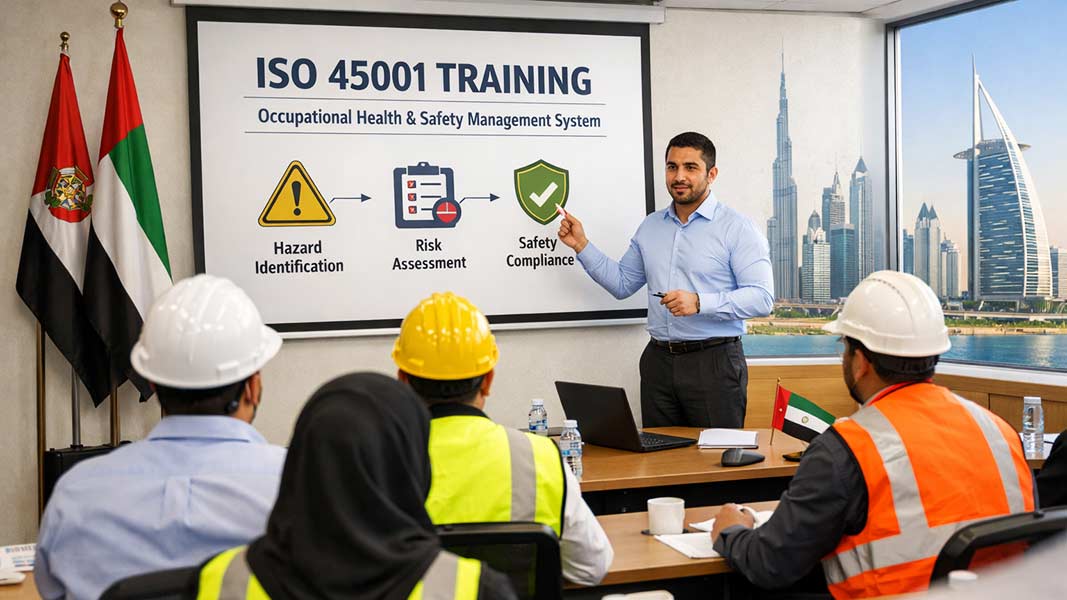
EAPs should be positioned as a preventive control within the Occupational Health and Safety Management System because psychosocial risks are real workplace hazards. Under frameworks such as ISO 45001 organizations are expected to identify and manage risks that affect worker health, including psychological wellbeing. When EAP services are integrated into risk assessments, training programs and leadership development, they support proactive hazard management rather than reactive crisis response.

How EAPs Function as a Proactive Safety Tool:

Employee Assistance Programs function as a proactive safety tool because they address risk factors before they result in incidents, near misses or productivity loss. Traditional safety controls focus on physical hazards such as machinery, chemicals and work at height; however, many operational failures originate from human factors including stress, distraction and emotional instability.

A proactive EAP approach aligns with hazard identification and risk assessment processes because psychological wellbeing directly influences safe behavior, compliance and decision-making. Instead of reacting after an accident occurs organizations that integrate EAP services into their occupational health strategy reduce the probability of unsafe acts and behavioral deviations.

Early Identification of Behavioral and Psychological Risk Factors:

Early identification of behavioral and psychological risk factors prevents minor concerns from escalating into serious safety issues. Changes in mood, declining performance, increased absenteeism or conflict with colleagues often signal underlying stress or personal challenges; therefore, structured referral systems and confidential reporting channels become essential.

An effective EAP provides employees and supervisors with safe pathways to seek support without stigma. When warning signs are addressed promptly, the risk of impaired judgment, substance misuse or emotional breakdown during critical tasks decreases significantly.

Reducing Human Error Through Emotional Stability:

Human error frequently stems from cognitive overload, fatigue or emotional strain rather than lack of technical competence. Employees under sustained stress struggle with concentration, which increases the likelihood of procedural violations or missed hazards. Emotional stability improves focus and situational awareness, which directly supports safe task execution.

EAP counselling and coping strategies help employees manage anxiety, burnout and personal pressure; as a result, reaction time, decision-making quality and adherence to safety procedures improve. Reducing emotional distraction strengthens operational reliability, especially in high-risk environments such as construction sites, oil and gas facilities and manufacturing plants.

Strengthening Safety Culture and Reporting Confidence:

A strong safety culture depends on trust, openness and psychological safety. Employees are more likely to report hazards, near misses or unsafe conditions when they believe the organization genuinely cares about their wellbeing. EAPs reinforce this trust because they demonstrate leadership commitment to employee support beyond compliance requirements.

When workers feel supported, defensive behavior decreases and communication improves; consequently, reporting rates increase and corrective actions become more effective. Psychological safety within teams encourages honest conversations about mistakes, which supports continuous improvement in health and safety performance.

Supporting Supervisors in Managing High-Risk Situations:

Supervisors often encounter employees who display behavioral changes or signs of stress, but many lack the tools to respond appropriately. EAP frameworks provide guidance, referral protocols and management training, which enable supervisors to intervene early without breaching confidentiality.

When managers are equipped to handle sensitive situations constructively, workplace conflict, misconduct and safety violations are managed more effectively. At Eduskills Training, we emphasize leadership awareness programs that integrate EAP principles into safety leadership development because proactive supervision reduces risk exposure and strengthens workplace resilience.

“When EAPs are aligned with safety KPIs and leadership commitment organizations see measurable reductions in incidents and absenteeism because wellbeing and performance move in the same direction.”

Measurable Safety and Business Benefits of EAP Implementation:

EAP implementation delivers measurable safety and business outcomes because employee wellbeing directly influences operational performance. Organizations that treat psychosocial risk management as part of their Occupational Health and Safety strategy often observe improvements in key safety KPIs, workforce stability and overall productivity. While EAPs are designed to support individuals, their impact extends to reduced incident rates, improved attendance patterns and stronger safety culture; therefore, leadership teams can track both safety and financial returns.

Reduction in Lost Time Injuries (LTIs):

Lost Time Injuries frequently involve a human factor component, including distraction, fatigue, emotional instability or impaired judgment. When employees receive timely psychological support and stress management guidance, cognitive clarity improves; consequently, compliance with procedures and hazard awareness increases.

Organizations that integrate EAP services into high-risk operations often report fewer behavior-related incidents because early intervention prevents small issues from escalating into serious accidents. Reduced LTIs not only protect employees but also lower compensation claims, downtime and reputational risk.

Lower Absenteeism and Presenteeism:

Absenteeism decreases when employees have access to confidential counselling and structured support because they are more capable of managing personal challenges without prolonged absence. At the same time, presenteeism, where employees are physically present but mentally disengaged, declines as emotional stability improves.

Lower absenteeism supports operational continuity, while reduced presenteeism enhances task accuracy and safety compliance. Both indicators can be tracked through HR and HSE reporting systems, which allows organizations to measure EAP impact through objective data rather than perception.

Improved Productivity and Workforce Morale:

Employee productivity is closely linked to mental focus and emotional wellbeing. When stress levels are controlled and employees feel supported, engagement increases and workplace morale stabilizes. Teams collaborate more effectively because interpersonal conflicts are addressed early through counselling and mediation support.

Improved morale contributes to safer work practices since employees are more willing to follow procedures, participate in safety meetings and report hazards. A supportive environment reduces defensive attitudes, which strengthens continuous improvement within the safety management system.

Decreased Incident Investigation Findings Related to Human Factors:

Incident investigations frequently identify human factors such as poor concentration, fatigue or emotional distress as contributing causes. When EAP services are accessible and actively promoted, the frequency of these findings often decreases because employees receive support before performance declines.

Tracking investigation trends over time provides measurable evidence of EAP effectiveness. At Eduskills Training, we advise organizations to review root cause analysis data alongside EAP utilization trends because this integrated review highlights patterns, supports preventive action and strengthens long-term workplace safety performance.

How to Implement an Effective EAP Within Your Safety Management System?

Implementing an effective Employee Assistance Program within your safety management system requires structured planning because psychosocial risks must be managed with the same discipline as physical hazards. An EAP should not operate as a standalone HR initiative; instead, it must align with hazard identification, risk assessment, leadership accountability and performance monitoring processes. When EAP integration is systematic organizations strengthen both compliance and operational resilience.

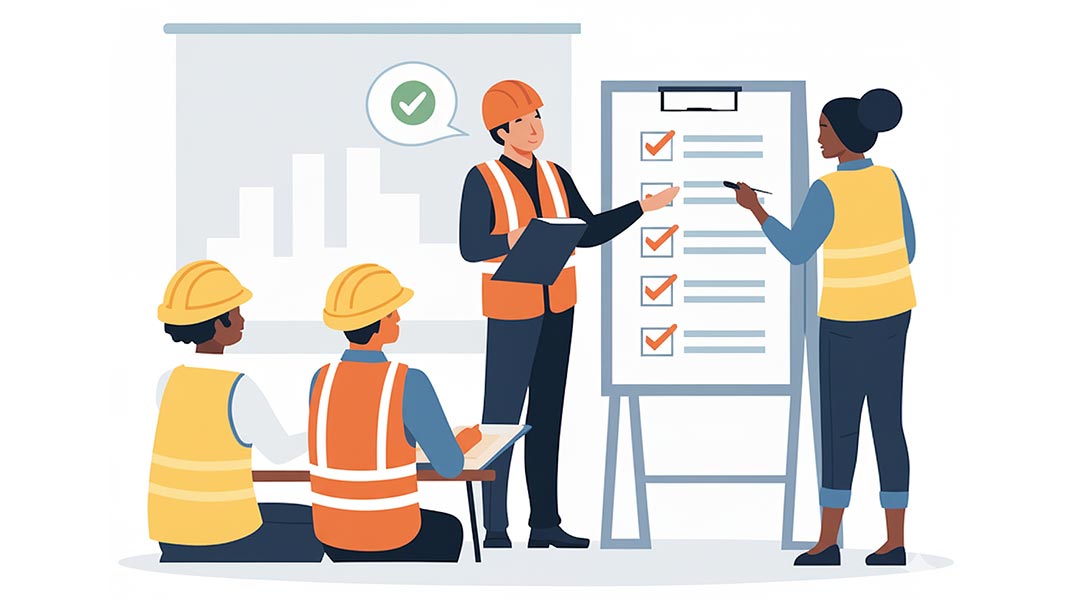
A successful implementation framework includes risk assessment, provider selection, leadership training and measurable performance tracking. Each step ensures that employee wellbeing becomes embedded into the Occupational Health and Safety Management System rather than treated as an optional support service.

Conducting a Psychosocial Risk Assessment:

A psychosocial risk assessment identifies workplace factors that may contribute to stress, burnout, conflict or mental health strain. These factors often include excessive workload, unclear roles, shift patterns, job insecurity, exposure to traumatic events or poor communication. When organizations assess these risks formally, they gain visibility into underlying causes of unsafe behavior and declining performance.

Data collection methods may involve employee surveys, safety observations, incident analysis, absenteeism trends and supervisor feedback. The findings should be documented within the existing risk register because psychological hazards require the same control measures and review cycles as physical risks.

Selecting the Right EAP Provider:

Selecting the right EAP provider determines the program’s credibility and utilization rate. Organizations should evaluate provider qualifications, confidentiality protocols, crisis response capability, 24/7 accessibility and industry experience. In high-risk sectors such as construction, oil and gas or manufacturing, providers must understand safety-critical environments because generic support models may not address operational realities.

Service level agreements should define response times, reporting structures and data protection measures. Clear communication about confidentiality encourages employee trust, which directly influences engagement and effectiveness.

Training Managers and Safety Leaders:

Managers and safety leaders play a critical role in EAP success because they are often the first to observe behavioral changes. Training programs should equip them to recognize early warning signs such as mood shifts, declining productivity, increased errors or interpersonal conflict. They must also understand referral procedures, communication boundaries and confidentiality requirements.

When supervisors are confident in addressing sensitive situations, early intervention becomes possible without stigma or escalation. At Eduskills Training, we emphasize leadership awareness workshops that integrate psychosocial risk management into safety leadership development, since proactive leadership reduces exposure to preventable incidents.

Monitoring KPIs and Continual Improvement:

Monitoring KPIs ensures that the EAP remains effective and aligned with safety objectives. Key indicators may include utilization rates, absenteeism trends, Lost Time Injury frequency, near miss reporting, employee engagement scores and root cause analysis findings related to human factors. When these metrics are reviewed regularly, leadership can evaluate impact and identify improvement opportunities.

Continual improvement requires periodic program evaluation, employee feedback and alignment with evolving organizational risks. Integrating EAP performance into management review meetings strengthens accountability because wellbeing metrics become part of overall safety performance discussions.

Final Thoughts:

Employee Assistance Programs are not soft initiatives; they are structured risk controls that strengthen workplace safety because human performance sits at the center of every operation. Procedures, permits and engineering safeguards reduce exposure to physical hazards, but decision-making, attention and behavior determine whether those controls are followed consistently. When psychosocial risks such as stress, fatigue or personal crisis remain unmanaged, safety systems weaken despite strong documentation.

Integrating EAPs into the safety management system shifts the focus from reactive correction to proactive prevention. Organizations that align employee wellbeing with hazard identification, leadership training and KPI monitoring build a more resilient workforce and reduce human-factor-related incidents. When Employee Assistance Programs are treated as a core component of Occupational Health and Safety strategy, safety culture strengthens, productivity stabilizes and long-term business performance improves.

Frequent Asked Questions (FAQs):

How do EAPs improve workplace safety?

EAPs reduce psychosocial risks such as stress, fatigue and emotional distress, which directly influence human error and unsafe behavior.

Can EAPs reduce workplace accidents?

Yes, because improved mental clarity and emotional stability reduce distraction, poor judgment and safety violations.

Do EAPs only support mental health issues?

No, EAPs also provide financial advice, legal guidance, family counselling and crisis intervention services.

How are EAPs linked to ISO 45001?

ISO 45001 requires organizations to manage risks affecting worker health, including psychosocial hazards and EAPs support compliance in this area.

How can organizations measure EAP effectiveness?

Effectiveness can be tracked through KPIs such as absenteeism rates, Lost Time Injuries, near misses and incident investigation findings related to human factors.

Why do some employees avoid using EAP services?

Low trust, confidentiality concerns or lack of awareness often reduce utilization rates.

Do supervisors play a role in EAP success?

Yes, supervisors help identify early warning signs and guide employees toward support services appropriately.

Is EAP implementation expensive?

Costs vary, but preventive benefits often outweigh expenses because reduced incidents and absenteeism lower operational losses.

How quickly can an EAP impact safety performance?

Improvements in morale and reporting culture may be visible within months, while measurable reductions in incident trends develop over time.

Should EAPs be part of the safety management system?

Yes, because psychosocial risk management is a critical component of modern Occupational Health and Safety frameworks.

Inquiry Form