
Ergonomics and Musculoskeletal Health for Injury Prevention

Ergonomics and Musculoskeletal Health sit at the center of injury prevention because most work-related pain develops from everyday tasks rather than sudden accidents. When jobs are designed without considering posture, reach, force and repetition, the human body absorbs the risk. Over time, this exposure leads to back pain, neck strain, shoulder injuries and chronic disorders that reduce both work capacity and quality of life. Musculoskeletal disorders rarely start with a single warning sign. Instead, they build gradually because of static postures, repetitive movements and poorly designed workstations. Therefore, treating symptoms alone never solves the problem. Effective ergonomics focuses on removing the root causes at the task and workplace level, which is why it remains a critical component of occupational health and safety management.

Understanding Ergonomics in Occupational Health and Safety:

Ergonomics and Musculoskeletal Health within occupational health and safety focus on fitting work to the worker because the human body has clear physical limits. When tasks exceed those limits through poor posture, excessive force or constant repetition, injury becomes predictable rather than accidental. Therefore, ergonomics should be treated as a structured risk control, not as an optional improvement.

From an HSE perspective, ergonomics directly supports injury prevention, legal compliance and sustainable performance. It reduces exposure to musculoskeletal risk factors at the source, which is always more effective than relying on medical treatment or personal resilience after damage has already occurred.

What Ergonomics Means in Real Work Environments?

In real work environments, ergonomics means designing tasks, tools and workstations around how people actually work, not how procedures look on paper. This includes seating height, screen positioning, reach distances, manual handling methods and task duration. Because work is often repetitive and time-bound, even small design flaws can create cumulative strain.
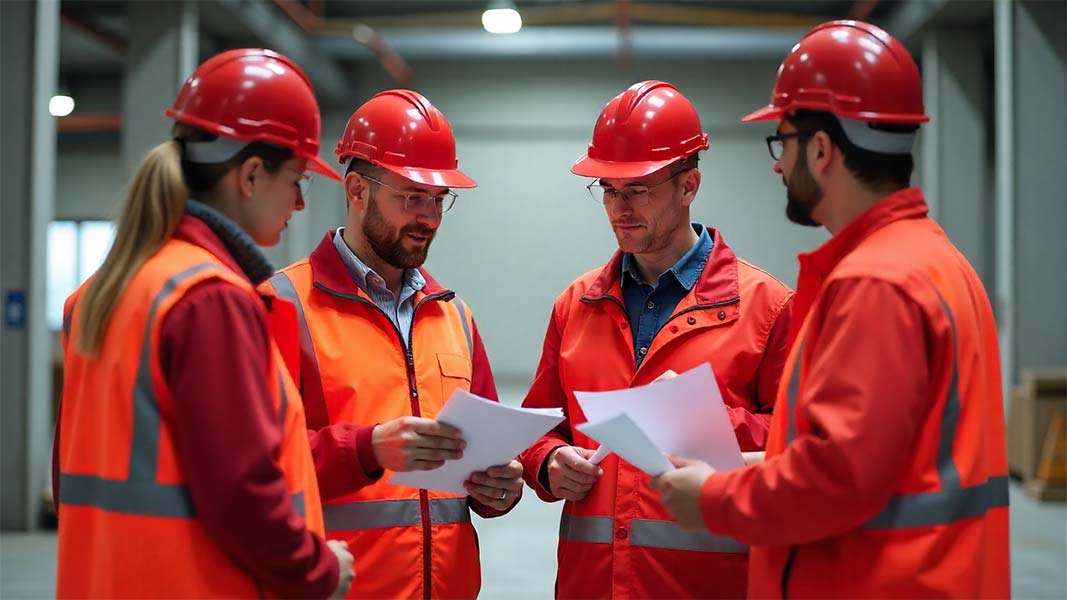
For example, an office worker with a poorly positioned monitor may develop chronic neck pain, while a warehouse operative handling loads without mechanical assistance may suffer long-term back injury. In both cases, the issue is not worker behavior alone. Instead, the root cause sits in task design and equipment layout. Effective ergonomics addresses these factors early, therefore reducing dependence on corrective actions later.

Why Ergonomics Is a Core Element of HSE Management Systems?

Ergonomics aligns naturally with hazard identification and risk assessment processes used in HSE management systems. Musculoskeletal risks can be identified, assessed, controlled and reviewed using the same structured approach applied to physical, chemical and mechanical hazards. Because of this alignment, ergonomics fits seamlessly into formal safety frameworks.

Within mature HSE systems, ergonomic risks are documented in risk registers, controlled through engineering and administrative measures and monitored through incident data and health surveillance. When ergonomics is embedded into HSE systems, organizations move from reactive injury reporting to proactive risk elimination. This shift improves compliance, strengthens audits and builds credibility with both regulators and the workforce.

Ergonomics vs. Comfort: The Risk Management Perspective:

Ergonomics is often misunderstood as a comfort initiative, however comfort is only a secondary outcome. The primary objective is risk reduction. A chair may feel comfortable, but if it promotes poor posture or restricts movement, it still increases injury risk over time. Therefore, comfort without risk analysis offers a false sense of safety.

From a risk management perspective, ergonomics focuses on measurable exposure factors such as posture angles, force requirements, task frequency and recovery time. These factors determine injury likelihood, regardless of how comfortable the task appears initially. When organizations apply ergonomics through this lens, musculoskeletal health becomes predictable and controllable.

By treating ergonomics as a risk-based discipline rather than a comfort upgrade, employers protect their workforce more effectively and achieve long-term operational stability.

Musculoskeletal Disorders (MSDs) and Their Impact on the Workforce:

Musculoskeletal disorders are among the most common occupational health problems because they develop silently and progress steadily. Unlike acute injuries, MSDs rarely stop work immediately. Instead, they reduce physical capacity over time, which eventually affects performance, attendance and long-term employability. Therefore, understanding their impact is essential for any organization serious about workforce protection.

MSDs affect muscles, tendons, ligaments, joints, nerves and supporting structures. When work exposes these tissues to continuous strain without adequate recovery, damage accumulates. Because of this gradual progression, MSDs are often underreported until they become chronic and difficult to reverse.

Common Work-Related Musculoskeletal Disorders:

The most frequently reported work-related MSDs include lower back pain, neck and shoulder disorders, tendonitis, carpal tunnel syndrome and knee injuries. These conditions appear across both office-based and industrial roles, although the exposure sources differ. Office work often involves static postures and screen-related strain, whereas industrial tasks introduce manual handling, vibration and forceful exertion.

Upper limb disorders are common where repetitive hand movements and poor tool design exist. Similarly, back injuries dominate environments involving lifting, pushing or prolonged standing. Because these disorders are task-driven, they are largely preventable through proper ergonomic design and early intervention.

How MSDs Develop Over Time?

MSDs develop through repeated exposure to ergonomic risk factors rather than through single events. Poor posture increases muscle loading, repetitive movements prevent tissue recovery and excessive force accelerates wear on joints and tendons. Over time, the body adapts by compensating, which creates further imbalance and strain.

Early symptoms such as stiffness, tingling or mild discomfort are often ignored, because workers continue to meet performance demands. However, without corrective action, these symptoms progress into persistent pain, reduced range of motion and functional limitations. Therefore, addressing ergonomic risks early is far more effective than managing advanced injuries.

The Cost of Ignoring Musculoskeletal Health in the Workplace:

Ignoring Ergonomics and musculoskeletal health carries both direct and indirect costs. Direct costs include medical treatment, compensation claims and rehabilitation expenses. Indirect costs are often higher and include absenteeism, presenteeism, reduced productivity and increased staff turnover.

From a management perspective, unmanaged MSDs also affect safety performance indicators and audit outcomes. They signal weak risk control and poor system integration. Organizations that invest in ergonomic awareness and structured training, reduce injury rates while strengthening operational resilience.

When Ergonomics and Musculoskeletal Health is treated as a strategic priority rather than a reactive concern, organizations protect their people, control costs and sustain long-term performance.

Key Ergonomic Risk Factors That Lead to Musculoskeletal Injuries:

Musculoskeletal injuries rarely occur without warning. They develop because specific ergonomic risk factors remain uncontrolled within daily tasks. When these factors persist, tissue loading exceeds the body’s capacity to recover, therefore injury becomes a predictable outcome rather than an exception. Identifying and managing these risks is a fundamental responsibility within occupational health and safety.

Ergonomic risk factors are present across all sectors, although their form and intensity vary. Whether the work involves computer use, manual handling or precision tasks, the same principles apply. Exposure duration, task design and recovery time determine injury likelihood.

Awkward and Static Postures:

Awkward postures place joints and muscles outside their neutral range, which increases internal stress. Examples include bent necks, raised shoulders, twisted spines and extended reaching. Static postures create a different but equally serious problem because muscles remain contracted without movement, restricting blood flow and accelerating fatigue.

When workers hold these positions for long periods, discomfort progresses into strain and inflammation. Over time, this leads to chronic pain and reduced functional capacity. Therefore, posture correction through workstation adjustment and task redesign is a primary ergonomic control.

Repetitive Movements and Task Frequency:

Repetitive movements overload the same muscle groups and tendons repeatedly, especially when tasks allow little recovery time. High task frequency combined with poor posture multiplies injury risk because tissues cannot repair between cycles.

This risk is common in assembly work, data entry, packaging and tool-based operations. Although repetition alone may not cause injury, its interaction with force and duration significantly increases exposure. Managing task cycles, introducing variation and allowing micro-breaks therefore play a critical role in prevention.

Manual Handling, Force and Load Characteristics:

Manual handling tasks expose workers to significant musculoskeletal risk when loads are heavy, awkward or unstable. Excessive force during lifting, pushing or pulling increases spinal compression and joint stress. Load characteristics such as size, grip quality and center of gravity also influence injury risk.

Even lighter loads can cause injury when handled repeatedly or with poor technique. Because of this, ergonomic assessment must consider both load weight and handling conditions. Mechanical aids, improved layout and handling training reduce exposure more effectively than relying on physical strength alone.

Poor Workstation and Tool Design:

Workstations and tools that do not match the user’s body dimensions force workers to adapt through harmful postures and movements. Common issues include incorrect desk height, poorly positioned screens, non-adjustable seating and tools that require excessive grip force.

Poor design increases fatigue and error rates because the body works harder to complete simple tasks. In contrast, ergonomically designed workstations support neutral posture and efficient movement. By improving Ergonomics and Musculoskeletal Health and task performance simultaneously and ergonomic risk factors are addressed systematically, injury rates fall and work becomes safer, more sustainable and more productive.

Conducting an Effective Ergonomic Risk Assessment:

An ergonomic risk assessment is the foundation of injury prevention because it identifies where and how the body is being overloaded during work. Without assessment, ergonomic issues remain subjective and are often dismissed as personal discomfort. Therefore, a structured approach is essential to convert observations into actionable risk controls.

Effective ergonomic assessments follow the same logic used in occupational risk management. Hazards are identified, risks are evaluated, controls are implemented and performance is reviewed. When this process is applied consistently, musculoskeletal risks become visible and manageable.

Identifying Ergonomic Hazards in Daily Tasks:

Ergonomic hazards are embedded in routine activities, which is why they are often overlooked. Identifying them requires close observation of posture, movement, force and task duration. Activities involving prolonged sitting, repetitive hand movements, frequent lifting or sustained reaching should always be examined.

Task observation should focus on how work is actually performed rather than how procedures describe it. Workers often adapt to poor design by altering posture or technique, which signals underlying risk. Because of this, frontline input is critical for accurate hazard identification.

Ergonomic Assessment Tools and Methods:

Several practical tools support ergonomic risk assessment, depending on task complexity and environment. Common methods include posture analysis, task cycle breakdowns and screening tools that evaluate repetition, force and recovery time. These tools provide objective structure, therefore reducing reliance on personal opinion.

For higher-risk tasks, detailed assessments may be required to quantify exposure levels and prioritize controls. Regardless of the method used, consistency matters more than complexity. Assessments should be repeatable, easy to apply and aligned with existing HSE processes.

Employee Involvement and Reporting Mechanisms:

Employees play a central role in ergonomic risk assessment because they experience the physical demands of work daily. Encouraging early reporting of discomfort allows issues to be addressed before injuries develop. However, this requires a culture where reporting is seen as prevention, not complaint.

Involving workers in assessments improves accuracy and acceptance of control measures. When employees understand why changes are introduced, compliance increases.

Documenting Findings and Control Measures:

Documentation transforms ergonomic assessments into accountable risk management actions. Findings should clearly describe the task, identified risk factors, risk level and selected controls. This clarity supports follow-up, review and continuous improvement.

Control measures must be tracked to ensure implementation and effectiveness. Over time, documented assessments provide valuable data for trend analysis and audit readiness. Therefore, proper documentation is not administrative burden. It is a critical element of sustainable musculoskeletal risk control.

Control Measures to Improve Ergonomics and Musculoskeletal Health:

Effective ergonomic control measures focus on reducing physical strain at the source rather than managing pain after injury occurs. Once ergonomic risks are identified, controls should be selected using the hierarchy of controls, because elimination and engineering solutions deliver the most reliable results. Administrative measures and training then reinforce these controls and sustain long-term improvement.

When applied correctly, ergonomic controls reduce injury rates, improve task efficiency and support workforce longevity. The goal is not to change human capability but to design work that respects it.

Engineering Controls and Workplace Redesign:

Engineering controls are the most effective ergonomic interventions because they remove or reduce risk through physical change. Examples include adjustable workstations, mechanical lifting aids, redesigned tool handles and improved workstation layout. These changes allow workers to maintain neutral postures and reduce excessive force.

Workplace redesign should consider reach distances, working heights and movement flow. When tasks are redesigned to fit the worker, strain decreases and productivity often improves. Therefore, engineering controls provide both health and operational benefits.

Administrative Controls and Job Rotation:

Administrative controls manage exposure by adjusting how work is organized. Job rotation reduces prolonged exposure to repetitive tasks, while work-rest schedules allow recovery time for muscles and joints. Task variation also helps prevent fatigue, especially in high-frequency operations.

Clear procedures, ergonomic guidelines and supervision support these controls. However, administrative measures should never replace engineering solutions. Instead, they should complement physical changes and reinforce safe work practices.

Safe Manual Handling Techniques:

Safe manual handling techniques reduce injury risk when lifting or moving loads cannot be eliminated. Proper body positioning, load assessment and movement planning all influence spinal and joint stress. Training workers to recognize handling limits therefore plays a critical role in prevention.

Manual handling should always be supported by environmental controls such as clear pathways, stable load storage and appropriate lifting aids.

Ergonomic Equipment and Support Tools:

Ergonomic equipment supports the body by reducing unnecessary strain during task performance. This includes adjustable chairs, sit-stand desks, anti-fatigue mats, supportive footwear and ergonomically designed tools. Selection should be task-specific rather than generic.

Support tools are most effective when combined with proper setup and user training. Poorly adjusted equipment can create new risks instead of solving existing ones. Therefore, ergonomic equipment must be integrated into a broader risk control strategy rather than treated as a standalone solution.

When control measures are selected systematically and reviewed regularly, improvements in ergonomics and musculoskeletal health become measurable, sustainable and aligned with overall HSE performance.

Training and Awareness as a Long-Term Ergonomic Control:

Training and awareness sustain ergonomic improvements because physical changes alone do not eliminate risk. Workers and supervisors must understand how tasks affect the body and why controls are in place. Without this understanding, even well-designed workplaces can drift back into unsafe practices over time. Therefore, training acts as a stabilizing control that reinforces safe behavior and early risk recognition.

Ergonomic awareness also supports continuous improvement. When people recognize early signs of strain, corrective action can be taken before injury develops. This proactive mindset reduces long-term musculoskeletal damage and supports consistent performance.

Role of Ergonomics Training in Injury Prevention:

Ergonomics training helps workers recognize risk factors such as awkward posture, repetition and excessive force. It also teaches practical adjustments that reduce exposure during daily tasks. Training empowers workers to protect their own musculoskeletal health because training connects theory with real work activities.

Effective training focuses on task-specific risks rather than generic advice. It explains why certain postures or techniques matter, therefore improving compliance. Programs delivered through Eduskills Training emphasize practical application, which ensures learning translates directly into safer work practices.

Supervisor and Manager Responsibilities:

Supervisors and managers influence ergonomic outcomes through task planning, workload allocation and enforcement of controls. Their role is critical because they shape daily work conditions and respond to early warning signs. When leaders understand ergonomics, they can intervene before discomfort becomes injury.

Management responsibility also includes ensuring assessments are completed, controls are maintained and training remains current. By reinforcing ergonomic expectations, supervisors create consistency and accountability across teams. This leadership involvement strengthens both safety performance and workforce trust.

Building a Reporting-Focused Safety Culture:

A reporting-focused safety culture encourages workers to speak up about discomfort without fear of blame. Early reporting allows minor issues to be corrected quickly, therefore preventing long-term injury. This culture depends on trust, responsiveness and visible action from management.

When reports lead to meaningful improvements, employees remain engaged in the process. Training supports this culture by framing reporting as prevention rather than weakness. Over time, open communication becomes a powerful ergonomic control that protects Ergonomics and Musculoskeletal Health and strengthens overall HSE maturity.

Integrating Ergonomics into ISO and HSE Management Systems:

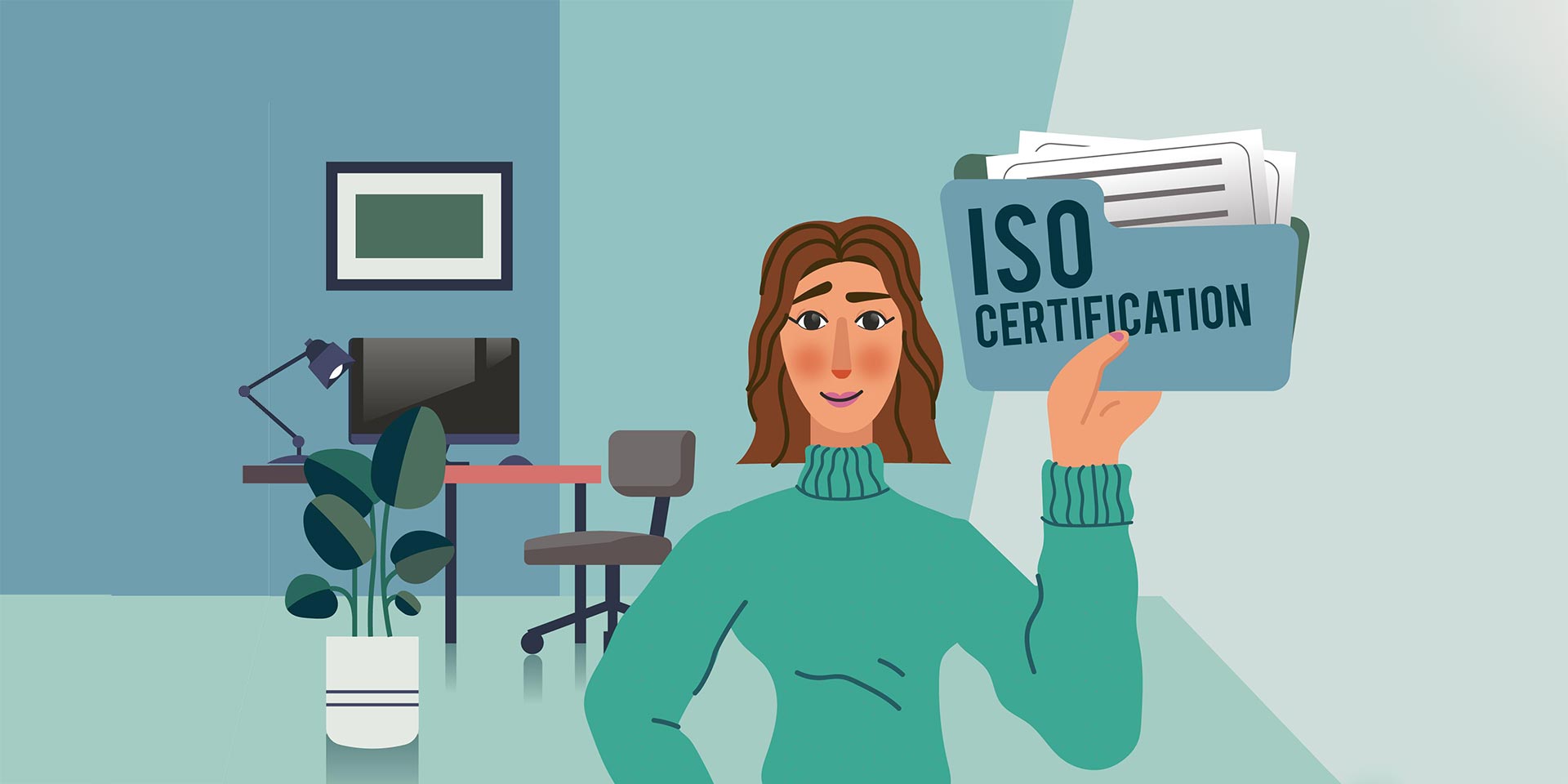
Ergonomics delivers the greatest value when it is embedded within formal ISO and HSE management systems rather than treated as a standalone initiative. Management systems provide structure, accountability and continuity, therefore ergonomic controls remain effective even as work conditions change. This integration ensures musculoskeletal risks are managed with the same discipline as other occupational hazards.

When ergonomics is aligned with system requirements, organizations move from reactive injury response to preventive risk control. This approach supports compliance, audit readiness and long-term workforce protection.

Ergonomics Within ISO 45001 Occupational Health and Safety Systems:

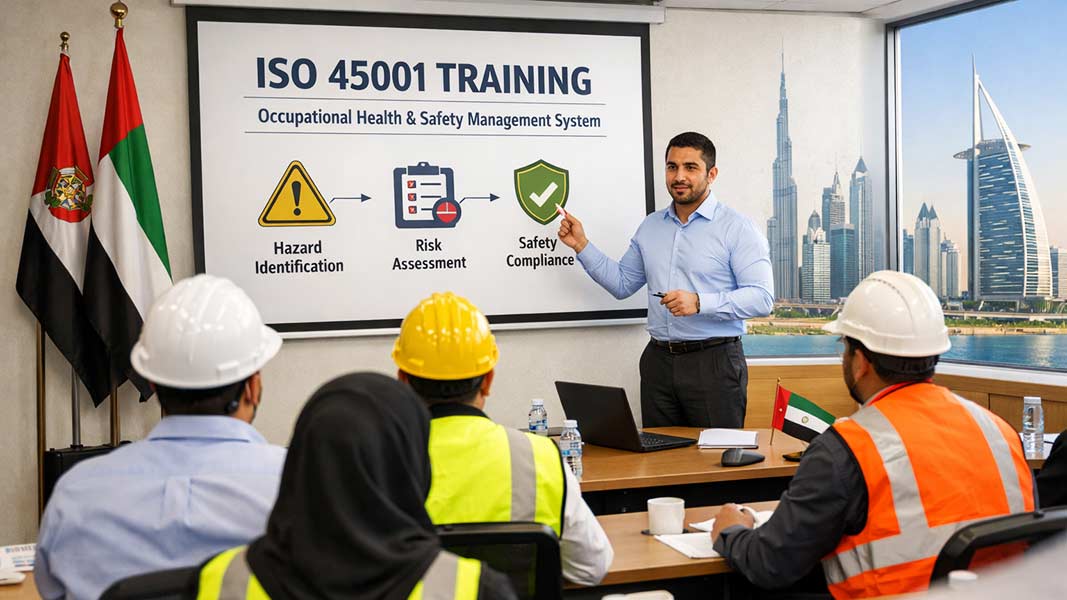
ISO 45001 emphasizes hazard identification, risk assessment and operational control, which naturally includes ergonomic risks. Musculoskeletal hazards fit within the standard’s definition of health risks because they affect physical well-being and work capability. Therefore, ergonomic assessments should be included in routine hazard identification processes.

Within ISO 45001 frameworks, ergonomic risks are evaluated based on severity and likelihood, then controlled through engineering and administrative measures. Training and awareness support these controls by ensuring competence at all levels. Organizations that follow structured guidance, including that provided by Eduskills Training, strengthen alignment between ergonomic practice and ISO compliance.

Linking Ergonomic Controls to Risk Registers and KPIs:

Risk registers provide visibility and prioritization for ergonomic hazards. By documenting ergonomic risks alongside other safety risks, organizations ensure they receive appropriate attention and resources. This integration prevents Ergonomics and Musculoskeletal Health from being sidelined as a secondary concern.

Key performance indicators support monitoring and accountability. Metrics such as reported discomfort cases, MSD-related absenteeism and completion of ergonomic assessments provide measurable insight. When ergonomic controls are linked to KPIs, improvement becomes trackable and management engagement increases.

Continuous Improvement Through Monitoring and Review:

Continuous improvement is essential because work environments, equipment and processes evolve. Regular monitoring ensures ergonomic controls remain effective and relevant. This includes reviewing assessment outcomes, incident data and employee feedback.

Management reviews should evaluate whether controls reduce exposure and whether training remains adequate. When findings are acted upon, systems mature and injury rates decline. Therefore, integrating ergonomics into monitoring and review processes sustains musculoskeletal health and strengthens overall HSE performance.

Why Professional Ergonomics Training Matters?

Professional ergonomics training moves organizations beyond basic awareness into structured risk control. While informal guidance may improve comfort temporarily, it rarely addresses root causes or supports system-level change. Therefore, competency-based training is essential for managing musculoskeletal risks consistently and effectively across diverse work environments.

Well-trained professionals understand how to assess tasks, interpret risk factors and implement controls that align with HSE objectives. This competence protects workers while strengthening compliance and operational reliability.

Competency-Based Ergonomics Knowledge for HSE Professionals:

HSE professionals require more than general ergonomic concepts. They need the ability to identify complex risk interactions involving posture, force, repetition and duration. Competency-based training develops this capability by linking ergonomic theory to real workplace scenarios.

Such training also supports decision-making during risk assessments and audits. When professionals can justify controls using ergonomic principles, interventions gain credibility and acceptance. This depth of knowledge improves both injury prevention and management system performance.

How Eduskills Training Supports Ergonomic Risk Management:

Eduskills Training supports ergonomic risk management by delivering practical, industry-relevant learning that aligns with occupational health and safety frameworks. Training focuses on real tasks, real hazards and realistic control measures rather than abstract theory. This approach ensures participants can apply learning immediately in their workplaces.

Programs emphasize assessment skills, control selection and integration with existing HSE systems. As a result, organizations develop internal capability to manage musculoskeletal risks proactively rather than relying solely on external intervention.

Developing Practical Skills for Real-World Workplaces:

Practical skill development is critical because ergonomics is applied at the task level. Training must therefore reflect actual work conditions, equipment constraints and operational pressures. Scenario-based learning helps participants recognize risk patterns and select appropriate controls under real-world limitations.

When professionals gain hands-on assessment and problem-solving skills, ergonomic improvements become sustainable. Over time, this capability reduces injury rates, improves productivity and strengthens safety culture. Professional ergonomics training therefore delivers long-term value for both workers and organizations.

Final Thought:

Protecting Ergonomics and Musculoskeletal Health requires a shift in mindset. Injuries caused by poor ergonomics are not unavoidable outcomes of work. They are predictable and preventable when tasks, tools and environments are designed with the human body in mind. Proactive ergonomics therefore stands as one of the most effective occupational health strategies available.

When organizations address ergonomic risks early, they reduce injury exposure before pain becomes permanent. This approach supports workforce sustainability and strengthens overall HSE performance.

Frequent Asked Questions (FAQs):

How does Ergonomics and Musculoskeletal Health affect employee safety?

Ergonomics and Musculoskeletal Health are directly linked because poor task design increases strain on muscles and joints, which leads to long-term injuries.

Lower back pain, neck and shoulder strain, tendonitis, carpal tunnel syndrome and knee injuries are the most frequently reported.

Are musculoskeletal disorders caused by single incidents?

In most cases, no. They usually develop gradually due to repeated exposure to physical stressors.

Which types of jobs face higher ergonomic risk?

Office-based roles, manufacturing, construction, logistics, healthcare and warehouse operations face higher exposure.

What is the most effective way to control ergonomic risks?

Engineering controls such as workstation redesign and mechanical handling aids offer the strongest protection.

Can ergonomics training actually reduce injuries?

Yes. Training improves awareness, correct posture and early reporting, therefore lowering injury rates.

How does Ergonomics and Musculoskeletal Health align with ISO 45001?

Ergonomics and Musculoskeletal Health are managed as occupational health risks within hazard identification, risk assessment and control processes.

Who is responsible for managing ergonomic risks in the workplace?

Responsibility is shared among management, supervisors, HSE professionals and employees.

How can organizations improve ergonomic competence internally?

By integrating ergonomics into HSE systems and investing in practical training through providers such as Eduskills Training.

Inquiry Form