Fall Protection for Work at Height: Top 10 Tips for Safety

Fall protection for work at height remains one of the most critical safety priorities across construction, oil and gas, manufacturing and maintenance industries because even a minor lapse can lead to severe injuries or fatalities. Organizations that implement effective fall protection systems, working at height safety measures and personal fall arrest systems significantly reduce risks while improving compliance and operational confidence. However, real safety comes from combining risk assessment procedures, safety harness inspection and anchor point certification with proper training and supervision, therefore every worker understands not just what to use, but how and when to use it. This guide covers the most practical and field-tested strategies that align with global standards, helping companies build a strong work at height safety culture while ensuring full control over hazards and legal compliance.
Understanding Fall Protection for Work at Height:

Fall protection for work at height is more than a compliance requirement because it defines how organizations identify hazards, control risks and protect workers operating above ground level. It combines hazard identification, risk assessment procedures and the correct use of fall protection systems to either prevent a fall or minimize its impact. In practice, this means selecting the right solution based on the task, environment and exposure level, therefore no single method fits all situations.

A well-structured approach integrates engineering controls, safe work practices and personal protective equipment (PPE), while ensuring that every worker understands their role in maintaining safety. When companies treat fall protection as a system rather than a checklist, they build a reliable work at height safety culture that reduces incidents and strengthens operational control.

Why Fall Protection Matters in High-Risk Industries:

A single misstep at height can change everything, consequently fall protection for work at height is not optional but a core safety requirement across industries like construction, oil and gas, power plants and industrial maintenance. These environments involve constant exposure to elevated work platforms, open edges and unstable surfaces, which significantly increase the risk of serious incidents.

Companies that invest in fall hazard identification, site-specific safety planning and protective systems not only reduce injuries but also strengthen compliance with international standards. Strong safety performance reflects leadership commitment because a proactive approach builds trust, reduces downtime and protects both people and reputation.

Common Causes of Falls at Height:

Most fall incidents are predictable, therefore preventable when risks are properly managed. The leading causes often include unprotected edges, improper use of safety harness systems and failure in anchorage points. In many cases, workers operate on fragile surfaces or temporary structures without adequate safeguards, which increases exposure to danger.

Additionally, poor housekeeping, slippery conditions and lack of fall risk assessment create hidden hazards that are often ignored until an incident occurs. Human factors also play a role because inadequate training and overconfidence can lead to unsafe decisions on site.

Difference Between Fall Prevention and Fall Arrest:

Understanding the difference between fall prevention systems and fall arrest systems is critical because both serve different purposes in controlling risk. Fall prevention focuses on stopping a fall before it happens, therefore it includes measures like guardrails, barriers and safe work platforms.

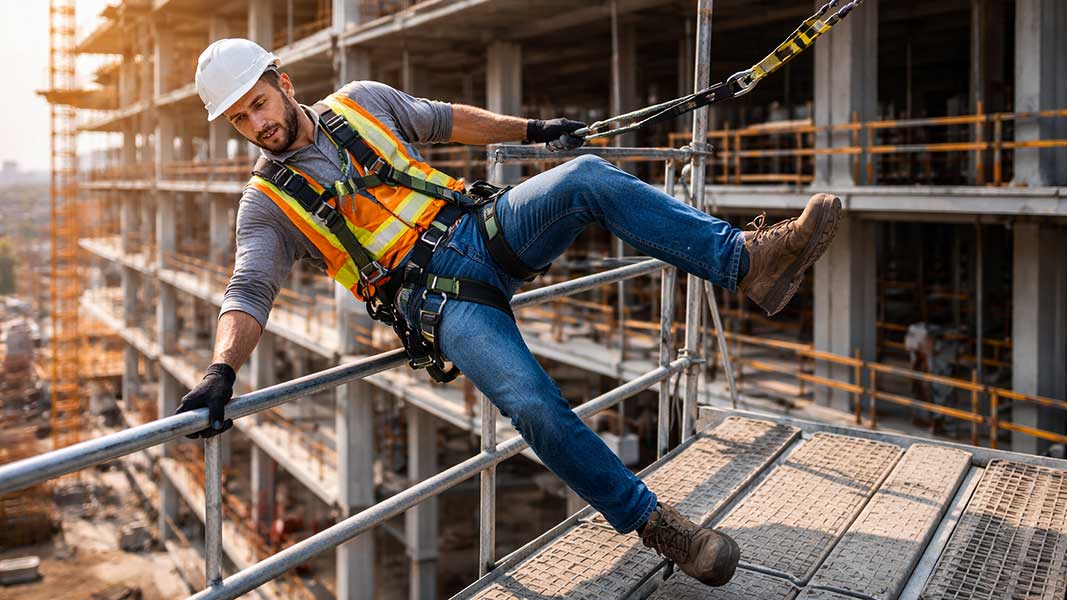
On the other hand, fall arrest systems are designed to stop a fall once it has occurred, which involves equipment such as full body harnesses, shock-absorbing lanyards and lifeline systems. Prevention is always the preferred approach, but where it is not feasible, arrest systems provide a controlled way to minimize injury. A well-designed safety plan integrates both approaches to ensure maximum protection.

Key Components of a Fall Protection System:

An effective fall protection system relies on multiple components working together, because failure in one element can compromise the entire setup. The most critical components include anchorage points, which must be strong and certified to withstand the required loads, along with body support systems such as harnesses that distribute force safely. Connecting devices like lanyards, self-retracting lifelines, and energy absorbers play a key role in reducing impact forces during a fall.

Additionally, proper equipment inspection protocols and regular maintenance ensure reliability over time. Training remains equally important, because even the best equipment can fail when used incorrectly, therefore organizations must prioritize competence alongside compliance.

Top 10 Tips for Fall Protection for Work at Height:

Clear, practical actions make the difference between compliance on paper and safety in real conditions, therefore these refined strategies focus on what actually prevents incidents on site while strengthening fall protection for work at height.

Conduct a Pre-Work Risk Assessment:

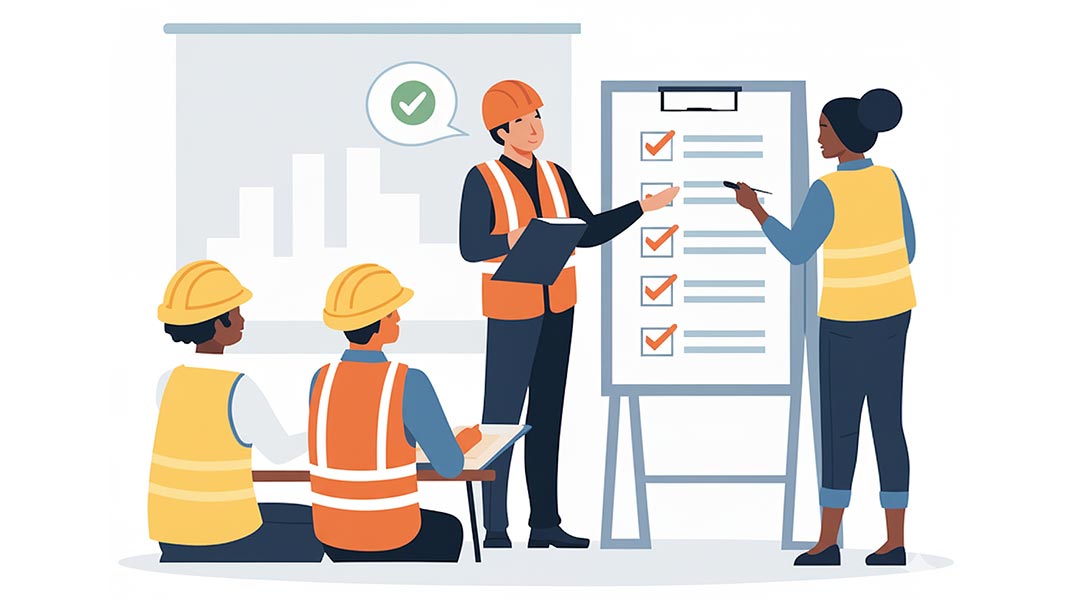
Every task at height should begin with a structured risk assessment procedure because hazards vary based on location, access and work type. Identifying fall hazards, surface conditions and access limitations allows teams to select the right controls before exposure begins. Skipping this step often leads to reactive decisions, which increases risk and delays operations.

Use Certified and Inspected Equipment:

All fall protection equipment must meet recognized standards and undergo routine checks because worn or uncertified gear creates a false sense of safety. Regular equipment inspection protocols help detect damage, corrosion or wear before failure occurs, therefore ensuring reliability during critical moments.

Select and Use the Right Harness:

Not all harnesses are the same, therefore choosing the correct full body harness based on the task is essential. Proper fitting and correct attachment to connecting devices ensure that forces are distributed safely during a fall, while incorrect use can lead to serious injuries even if the system functions.

Install Guardrails Where Feasible:

Guardrail systems provide one of the most effective forms of collective fall protection because they eliminate the risk at the source. Wherever possible, physical barriers should be prioritized over personal systems, therefore reducing reliance on individual behavior.

Maintain 100% Tie-Off:

Workers must remain continuously connected to a secure anchorage system because even a few seconds of disconnection can lead to fatal consequences. Maintaining 100% tie-off ensures uninterrupted protection, especially during movement between positions.

Ensure Competent Supervision:

Strong site supervision ensures that safety procedures are followed consistently because even trained workers can overlook risks under pressure. Competent supervisors identify unsafe practices early and enforce work at height safety protocols, therefore maintaining control over site conditions.

Deliver Ongoing Training and Toolbox Talks:

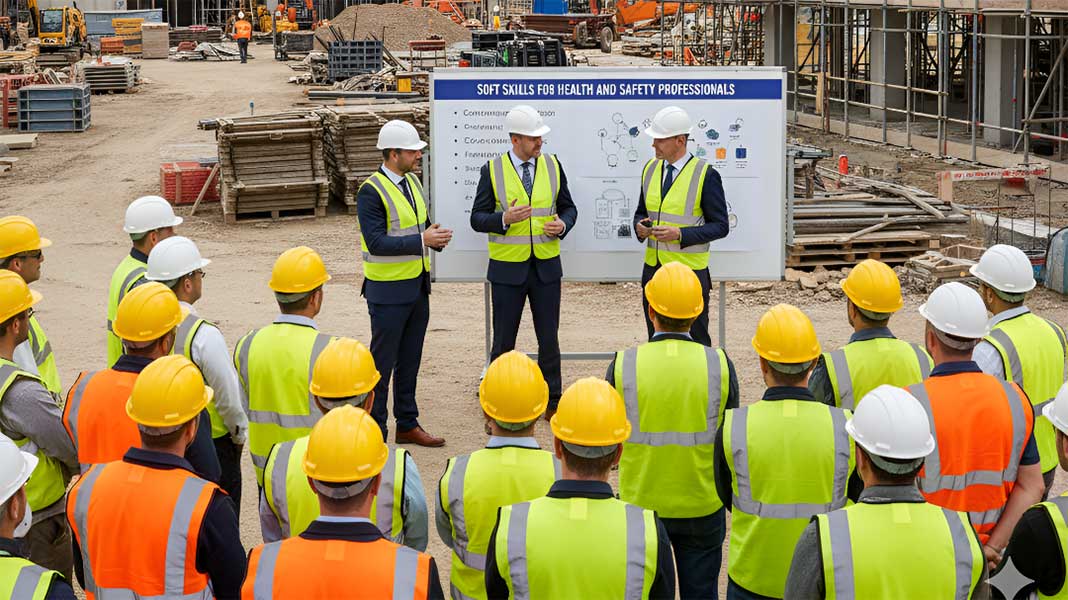
Regular safety training programs and short, focused toolbox talks reinforce safe behavior because knowledge fades without repetition. Practical sessions improve understanding of fall protection systems, while real-life scenarios help workers apply procedures correctly on site.

Inspect Anchors and Lifelines Regularly:

Anchor points and lifeline systems must be verified before each use, because they bear the full load during a fall event. Any weakness or improper installation can lead to system failure, therefore routine inspection is critical for reliability.

Manage Weather and Site Conditions:

Environmental factors like wind, rain and heat directly affect working at height safety because they reduce stability and visibility. Monitoring weather and adjusting work schedules helps control exposure, therefore preventing avoidable incidents.

Establish and Communicate a Rescue Plan:

A fall arrest system is only effective if a timely rescue follows because suspension trauma can occur within minutes. A clear rescue plan, supported by trained personnel and equipment, ensures quick response, therefore minimizing injury severity and saving lives.

Common Mistakes in Fall Protection and How to Avoid Them:

Even well-equipped sites experience incidents because mistakes in planning, execution and behavior weaken the effectiveness of fall protection for work at height. Identifying these gaps early allows organizations to strengthen their safety management systems, therefore reducing risk exposure and improving overall control.

Ignoring Equipment Inspection and Maintenance:

Using damaged or poorly maintained equipment is one of the most dangerous failures on site because defects are not always visible during routine use. Skipping equipment inspection protocols often leads to unnoticed wear in safety harness systems, lanyards and lifeline systems, which can fail under load. Regular inspection, proper storage and scheduled maintenance ensure that all fall protection equipment performs as intended, therefore eliminating preventable risks.

Inadequate Training and Awareness:

Workers cannot use what they do not fully understand, therefore lack of safety training programs creates serious exposure even when the right systems are available. Inadequate knowledge of fall hazard identification, incorrect use of personal protective equipment (PPE) and poor understanding of procedures often lead to unsafe actions. Continuous training, practical demonstrations and regular toolbox talks build awareness and confidence because informed workers make safer decisions under pressure.

Poor Planning and Lack of Supervision:

Rushing into work without proper planning increases the likelihood of incidents because hazards remain unidentified and controls are applied too late. Weak job hazard analysis and absence of site supervision result in inconsistent safety practices across teams. Effective planning includes selecting the right fall protection systems, defining responsibilities and monitoring compliance throughout the task, therefore ensuring that safety is maintained from start to finish.

Final Thoughts:

Fall protection for work at height is not just about meeting regulatory requirements because real safety depends on how effectively risks are identified, controlled and managed on site. Organizations that prioritize risk assessment procedures, invest in reliable fall protection systems and strengthen their work at height safety culture consistently reduce incidents and improve operational performance. Every element matters, from selecting the right equipment to ensuring proper training and supervision, therefore safety should be treated as an integrated system rather than isolated actions.

A proactive approach supported by continuous learning and practical implementation creates long-term impact because workers become more aware, confident and responsible in high-risk environments. This is where Eduskills Training plays a vital role by equipping professionals with industry-relevant knowledge, hands-on skills and globally aligned practices. When organizations commit to doing things the right way, they not only protect lives but also build trust, compliance and sustainable growth.

Frequent Asked Questions (FAQs):

At what height is fall protection required?

Requirements vary by regulation, but generally protection is needed above 1.8 to 2 meters, therefore a proper risk assessment procedure should always determine the need.

What are the main types of fall protection systems?

They include fall prevention systems like guardrails and fall arrest systems such as harnesses, lifelines and energy absorbers.

Why is a risk assessment procedure important before working at height?

It identifies hazards, evaluates risks and helps select appropriate controls, therefore reducing the chances of accidents.

How often should fall protection equipment be inspected?

Equipment should be checked before each use and undergo formal periodic inspections because undetected damage can lead to failure.

Who is responsible for ensuring fall protection on site?

Employers must provide safe systems and training, while workers must follow work at height safety protocols and use equipment correctly.

What are common causes of falls at height?

Typical causes include unprotected edges, improper use of safety harness systems and failure of anchor points.

Why is training essential for fall protection?

Training ensures workers understand how to use personal protective equipment (PPE) and follow safety procedures because misuse can lead to serious injuries.
What is a rescue plan in fall protection?

It is a predefined procedure to safely recover a worker after a fall because delayed rescue can lead to suspension trauma.

Inquiry Form