
Benefits of ISO 9001 Lead Auditor Course in UAE
The benefits of ISO 9001 Lead Auditor Course in UAE are clear for professionals who want authority in quality management, because this qualification proves you can plan, conduct and

The benefits of ISO 9001 Lead Auditor Course in UAE are clear for professionals who want authority in quality management, because this qualification proves you can plan, conduct and

Employee Assistance Programs for workplace safety strengthen risk control because mental health, personal stress and financial pressure directly affect concentration, judgment and safe behavior at work. Many incident investigations

ISO 45001 clause 5.1 leadership and commitment requirements determine whether an Occupational Health and Safety Management System truly works in practice. Under the ISO 45001 framework, top management is

Bullying and harassment prevention in the workplace is a critical part of occupational health, legal compliance and organizational risk management. When disrespectful conduct is ignored, employee morale declines and

The benefits of ISO 14001 Lead Auditor Training in UAE extend far beyond earning a professional credential. This advanced qualification by Eduskills Training equips you to plan, conduct and

Workplace violence prevention is not limited to reacting after an incident occurs but instead focuses on identifying risks early and controlling them before harm happens. Violence at the workplace
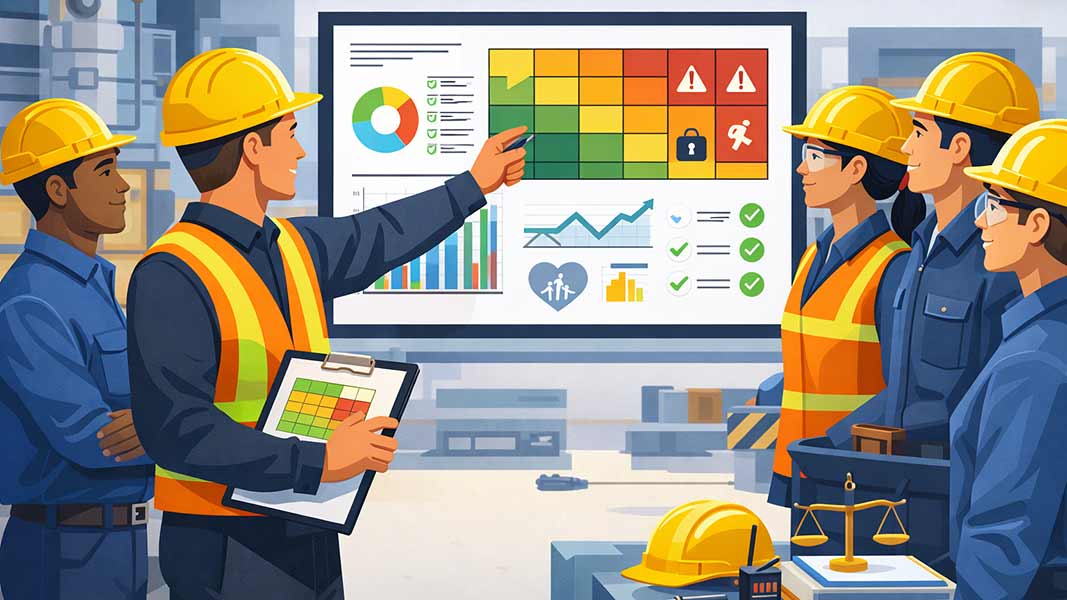
HSE KPIs are the backbone of effective health, safety and environmental performance measurement because they turn policies, procedures and controls into measurable outcomes. When defined and used correctly, KPIs

ISO 45001 Implementation is the process of building a structured occupational health and safety management system that actually works on the ground, therefore reducing risks, preventing incidents and protecting

Fatigue management at the workplace has become a critical safety concern because fatigue directly affects alertness, judgment, reaction time and decision-making. When workers are fatigued, the likelihood of errors

Guide to ISO 45001 Lead Auditor Course is the starting point for professionals who want to upgrade from “knowing safety” to auditing occupational health and safety systems with confidence

Ergonomics and Musculoskeletal Health sit at the center of injury prevention because most work-related pain develops from everyday tasks rather than sudden accidents. When jobs are designed without considering
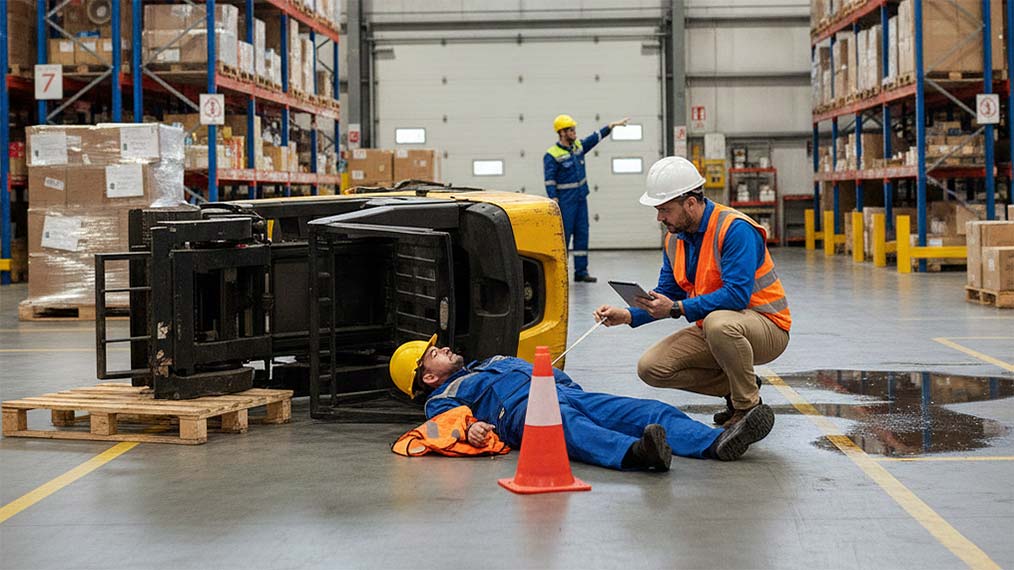
Incident investigation is the backbone of effective occupational health and safety, because it focuses on understanding why an incident occurred rather than who was involved. When done properly, it

ISO 14001 Gap Analysis is a structured assessment that helps organizations measure their current Environmental Management System against ISO 14001 requirements because even small compliance gaps can lead to

Choosing the right professional certification depends on career goals, industry exposure and long-term relevance. Many professionals choose ISO 9001 Lead Auditor Course in UAE because organizations across the region
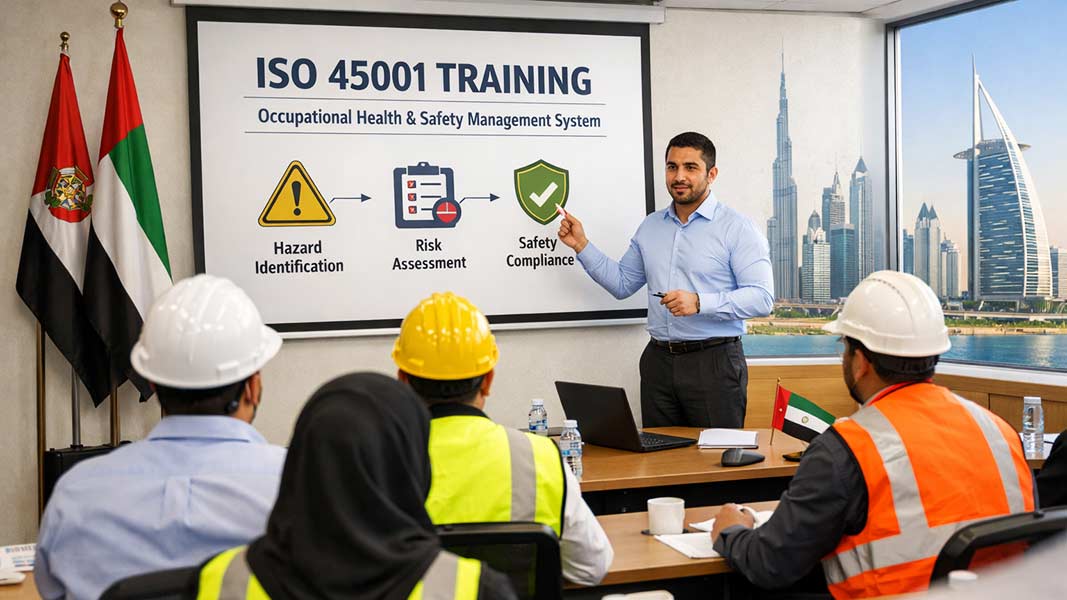
ISO 45001 Training in the UAE is no longer optional for professionals responsible for workplace safety, compliance and operational control. Organizations are under increasing pressure to reduce incidents, meet

ISO 45001 Implementation and Certification for SMEs in UAE has become a direct path for small and medium businesses to strengthen safety performance because it brings structure, accountability and
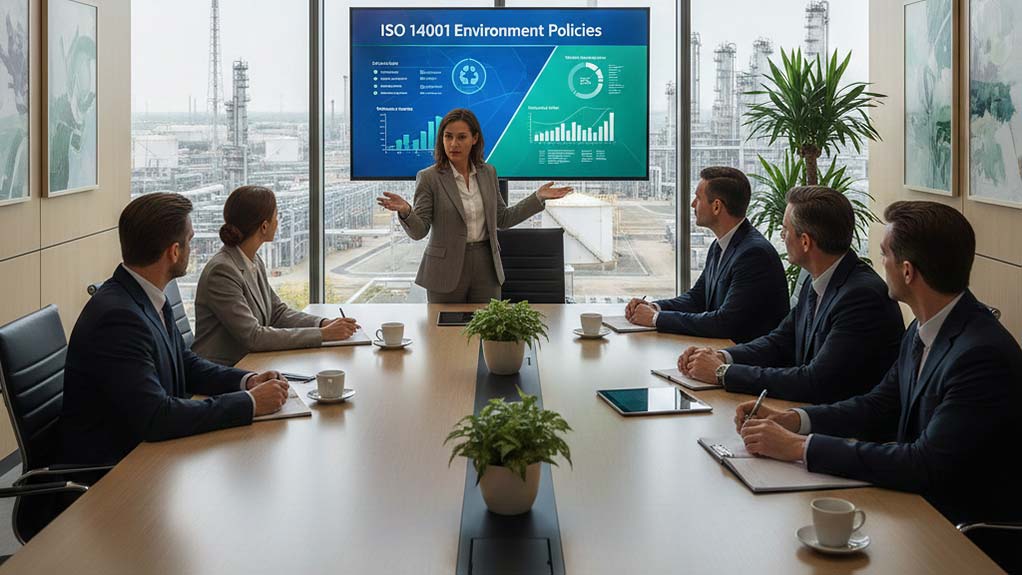
ISO 14001 Environmental Policy and Leadership set the foundation for how an organization turns environmental intent into measurable action. When both elements work in sync, teams move from declarations

Mental health in workplace safety is a critical factor that decides how consistently people follow procedures, recognize hazards and respond under pressure. When employees feel overwhelmed, their ability to

An ISO 45001 Gap Analysis gives you a realistic picture of how your current safety practices measure against the requirements of the ISO 45001 Occupational Health and Safety Management

Psychosocial hazards in the workplace influence how people think, behave and respond to risks because they directly affect mental wellbeing long before a physical incident occurs. When pressure builds,

Behavior based safety plays a defining role in how workplace safety culture grows, matures and stays consistent across daily operations. When organizations pay attention to the way people act
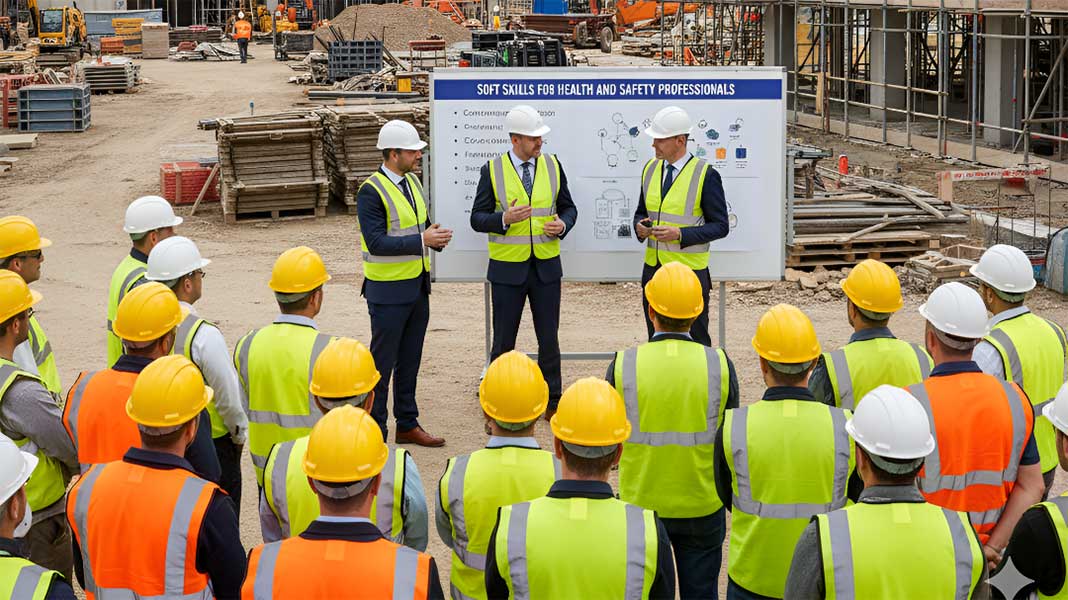
Soft skills for HSE professionals shape how effectively they communicate, influence and guide people on site, therefore they matter just as much as technical expertise. I’ve seen many safety

ISO 9001 digital transformation is reshaping how organizations in the UAE manage quality, safety and efficiency. Companies across Dubai, Abu Dhabi and Sharjah are moving beyond traditional paperwork and
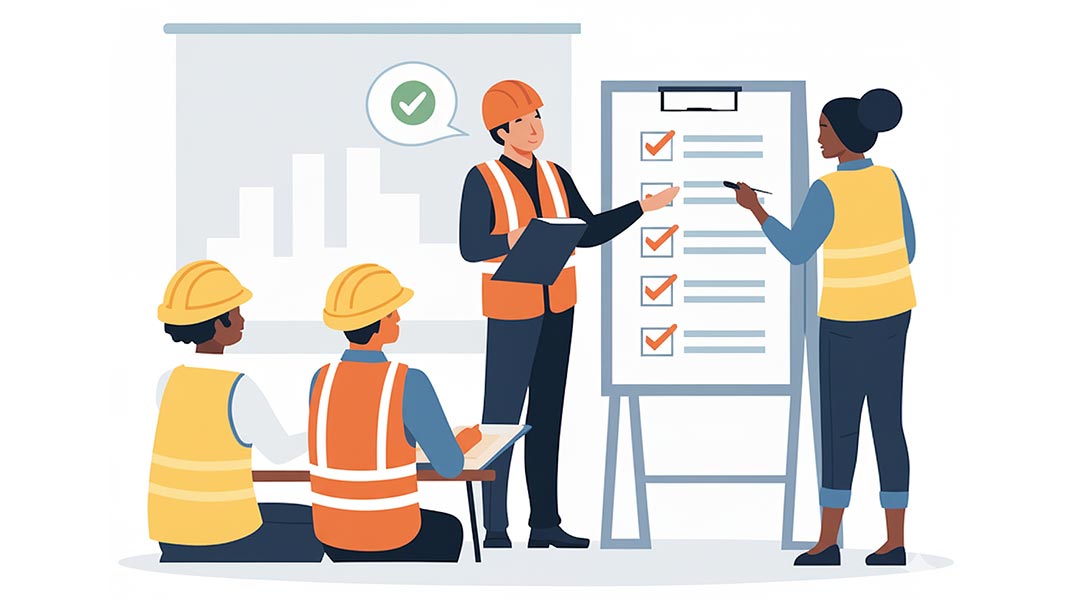
An HSE Implementation Plan is the foundation of every safe and responsible workplace. It provides a structured framework for managing health, safety and environmental risks so that daily operations

ISO 45001 nonconformities are among the most common challenges organizations face during health and safety audits. We’ve seen many businesses struggle with recurring gaps that delay certification, affect compliance,

Leadership in ISO 9001 Certification success is the single most decisive factor that determines whether an organization truly achieves quality excellence or merely collects a certificate. ISO 9001:2015 places

An ISO 45001 audit preparation is far more than gathering documents and hoping for the best. It’s a disciplined process that tests your organization’s true commitment to occupational health

Common ISO 14001 implementation mistakes can quietly derail even the most well-intentioned environmental management plans. Many organizations across the UAE especially in Dubai, Abu Dhabi or Sharjah start with

ISO 9001 audit nonconformities reveal where a quality management system falls short of meeting the standard’s requirements. They highlight gaps in consistency, documentation, or process control that can impact

Achieving ISO 45001 certification is more than a compliance milestone, it’s a strategic commitment to protecting people and building a culture of safety across all levels of an organization.

Continuous improvement is the backbone of every high-performing organization. It’s not just about fixing what’s broken — it’s about building a culture that keeps evolving, learning and improving every

NVQ Level 6 Career Progression has become a defining step for health and safety professionals aiming to move from technical roles to senior leadership positions. The ProQual NVQ Level

Both the NVQ Level 7 SHSLM and NVQ Level 6 OHSP are highly respected health and safety qualifications, but they serve a little different career stages and objectives. As

A Health and Safety Internal Audit Report is more than a document; it’s the foundation for maintaining a safe, compliant, and accountable workplace. Every organization, whether operating in construction,

Health and safety leadership is the foundation of every successful organization that values its people. It’s not just about rules, checklists, or compliance manuals. It’s about creating a shared

A well-structured HSE Plan is the backbone of workplace safety and regulatory compliance in the UAE. It outlines how businesses protect workers, manage risks and meet legal requirements across

Risk assessment in construction is more than a regulatory requirement; it is the foundation of occupational health and safety in one of the world’s most hazardous industries. Every project

How to Conduct a Successful ISO 9001 Gap Analysis for Your Business? Conducting an ISO 9001 Gap Analysis in UAE is the smartest way to understand how close your

In 2025, clients, regulators and global partners are watching more than just your certificates. They want to know whether your team genuinely committed to health and safety or just

Many companies say they “comply with safety standards.” That’s not the same as having a safety-first culture. Compliance is a checklist. Culture is a mindset. When safety becomes part

Dubai’s business ecosystem is booming, but so is the demand for proven quality. Customers—especially corporate and government clients—are no longer impressed by just promises. They want proof. And ISO

In a world rapidly shifting toward sustainability and environmental compliance, professionals who can lead this change are in high demand. Whether you're based in the UAE or the broader

ProQual NVQ Level 7 Diploma in Strategic Health and Safety Leadership and Management by Eduskills Training is a competency-based qualification designed for professionals looking to enhance their expertise in

ISO 45001 is an international standard for Occupational Health and Safety Management Systems (OHSMS) designed to improve workplace safety, reduce risks and enhance employee well-being. Introduced by the International

The benefits of ISO 50001 certification go far beyond just meeting international standards—they empower businesses across the UAE and GCC to drastically cut energy costs, boost operational efficiency and
ISO certification in UAE has become more than just a professional badge — it’s a powerful tool for building trust, credibility and long-term success. As the UAE continues to

The importance and benefits of ISO 14001 certification extend far beyond regulatory compliance—they position businesses as responsible and sustainable entities in a world where environmental concerns are at the

When considering the benefits of the IOSH Managing Safely course, particularly in high-risk industries such as construction, oil and gas, manufacturing and healthcare, it’s clear that IOSH Managing Safely

If you're working in health and safety and looking to move forward in your career, the Qualifi Level 7 Diploma in Occupational Health and Safety Management is one of
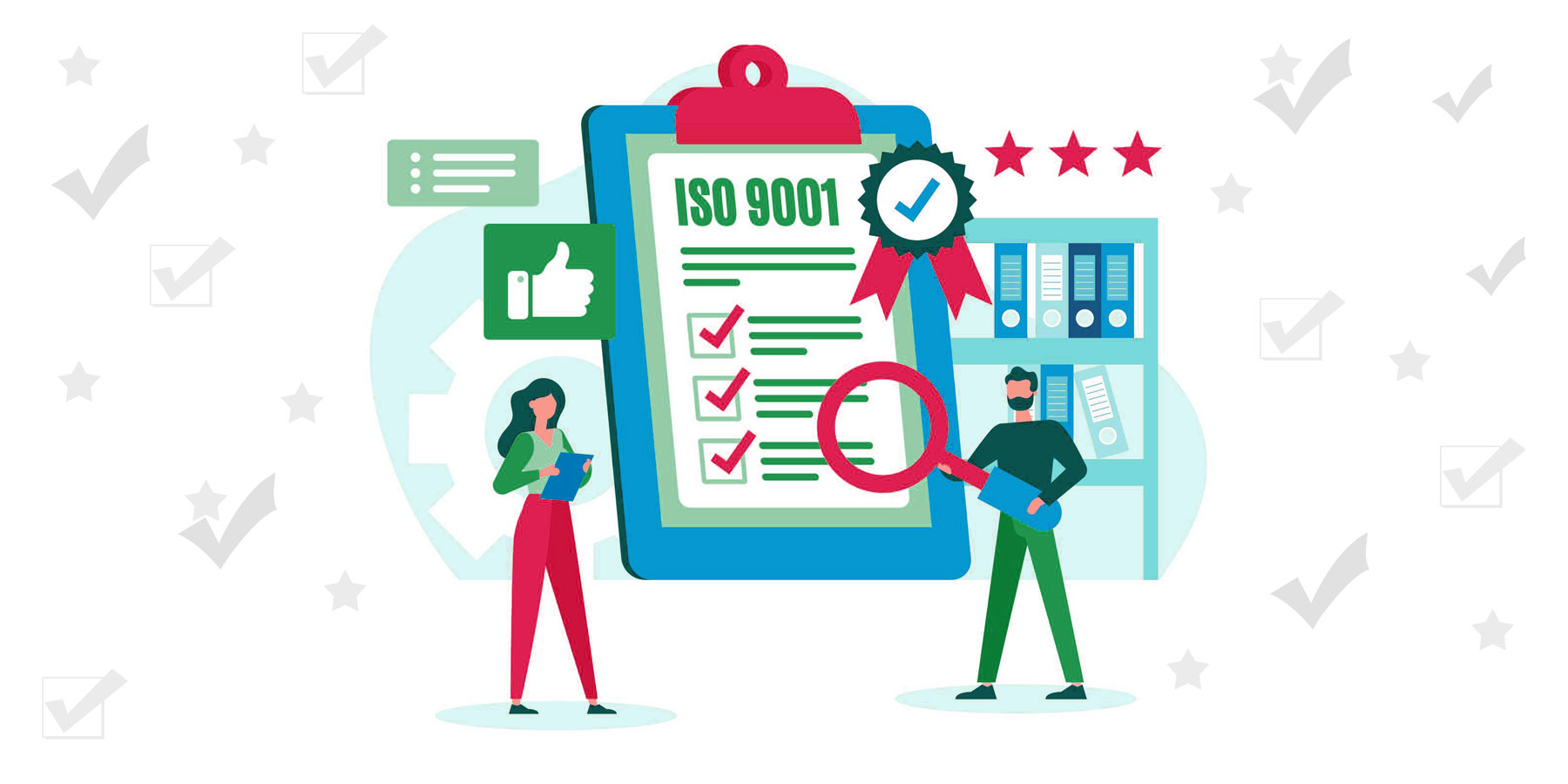
ISO 9001 certification in UAE is a cornerstone for organizations striving to establish and maintain an effective Quality Management System (QMS). ISO 9001 is internationally recognized standard symbolizes a