
Importance and Benefits of Behavior Based Safety for Workplace Safety Culture

Behavior based safety plays a defining role in how workplace safety culture grows, matures and stays consistent across daily operations. When organizations pay attention to the way people act during routine and high-risk tasks, they gain clearer insight into the real conditions that influence incidents. Because behavior often reveals what written procedures cannot, a behavior focused approach helps teams recognize unsafe habits early and guide workers towards safer choices. This shift strengthens trust, improves communication and creates an environment where people look out for one another rather than simply following instructions. As a result, companies build a culture that reduces risk, supports accountability and improves long-term safety performance across all levels of the workforce. Eduskills Training continues to support this transformation by helping teams in Dubai, Abu Dhabi, Sharjah and across the UAE understand the human factors that drive safer behavior.


Understanding Behavior Based Safety in the Workplace:

Behavior Based Safety is an approach that focuses on how people act during routine and high-risk tasks because behavior often reveals the real conditions that influence safety performance. It helps organizations understand why certain unsafe habits develop and how positive actions can be encouraged through coaching, observation and continuous improvement. This method allows teams to identify risks early, build stronger communication and support a workplace culture where safe choices become the norm.



What Behavior Based Safety aims to improve?

Behavior Based Safety aims to improve the consistency and quality of safe work practices. It helps workers identify hazards more clearly, follow controls with greater confidence and support colleagues when conditions change. Because the approach examines real behavior instead of relying only on procedures, it brings practical improvements that strengthen both individual actions and overall safety culture. Eduskills Training guides teams in Dubai, Abu Dhabi, Sharjah and across the UAE in understanding these behavioral drivers and applying them effectively.

How behavior influences day-to-day safety outcomes?

Daily safety outcomes often depend on routine decisions workers make during normal tasks, therefore behavior plays a major role in determining whether controls are followed correctly. Confident and well-informed workers take safer actions because they understand the risks involved. However, time pressure, unclear communication or complacency can push people towards unsafe shortcuts. Observing behavior helps organizations understand these triggers and address them early, leading to safer and more predictable operations.

Why observation and feedback form the foundation of BBS?

Observation and feedback form the core of BBS because they provide real insight into how tasks are performed. Regular observations help identify positive actions as well as behaviors that need improvement. Constructive feedback then guides workers towards safer choices without blame or pressure. This cycle strengthens trust, encourages ownership and supports long-term cultural improvement across all departments.

Key Components of an Effective Behavior Based Safety Program:

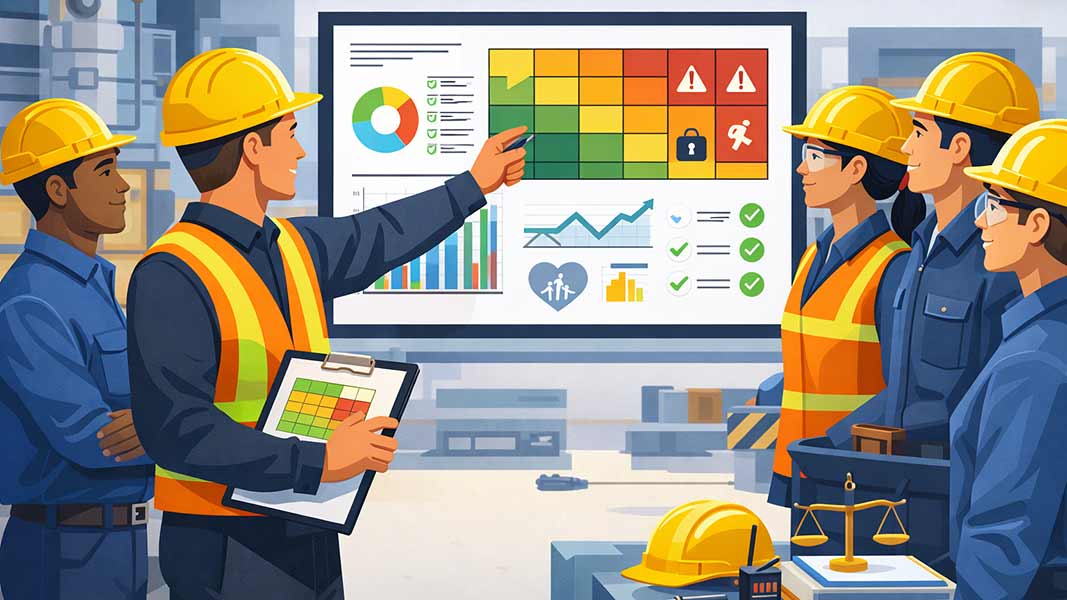
An effective BBS program brings structure to the way organizations observe, understand and improve everyday actions on site. Because behavior often reveals risks long before incidents occur, a strong BBS framework helps teams identify unsafe habits early and reinforce safer alternatives. This approach strengthens communication, supports accountability and builds a safety culture where workers feel valued and involved. 

Identifying critical behaviors on site:

Identifying critical behaviors begins with understanding which actions have the highest impact on safety. These behaviors may relate to equipment handling, working at height, manual lifting or communication during high-risk tasks. When organizations focus on the few actions that matter most, they gain clearer insight into where risk originates. Because this process is based on real site conditions, it becomes easier to target unsafe habits and support the behaviors that protect workers every day.

Creating simple and practical observation tools:

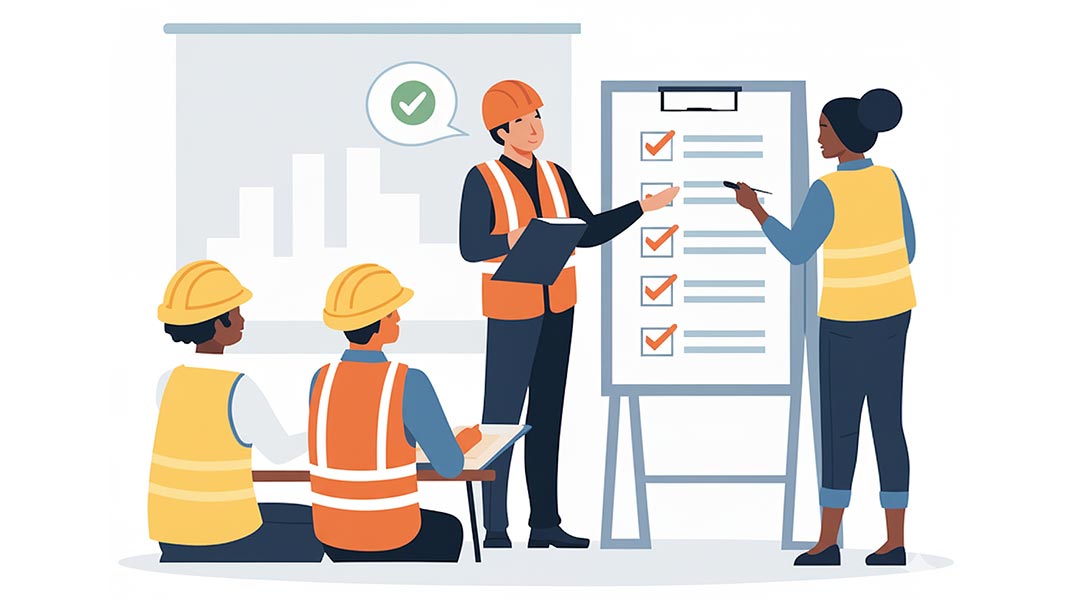
Observation tools should be clear, easy to use and directly linked to the critical behaviors identified. A practical checklist allows observers to capture both safe and unsafe actions without unnecessary complexity. When tools are simple, teams stay consistent in how they record behavior, therefore the data becomes more accurate. This clarity helps decision-makers understand real issues instead of relying on assumptions or paperwork that does not reflect site realities.

Training observers to recognize behavior patterns:

Observers need proper training because their role shapes the quality of the entire BBS program. Skilled observers understand body language, communication gaps and the environmental pressures that influence behavior. They can distinguish between deliberate shortcuts and honest mistakes. This understanding leads to more accurate observations and more respectful feedback. With Eduskills Training, organizations learn how to train observers who support improvement rather than create fear or resistance.

Recording and reviewing behavioral data:

Behavioral data offers a clear picture of how people work, therefore consistent recording is essential. When observers capture trends, repeat behaviors and contributing factors, organizations gain valuable insight into emerging risks. Reviewing this data helps safety teams understand whether controls are working, where additional coaching is required and how behavior shifts over time. Because the information is based on real actions, the resulting decisions are more reliable and targeted.

Reinforcing positive behavior through recognition:

Recognition plays a powerful role in strengthening Behavior Based Safety because people naturally repeat actions that are acknowledged and appreciated. Positive reinforcement encourages workers to maintain safe habits and support colleagues in doing the same. When recognition is sincere and specific to the behavior observed, it builds confidence and trust. Over time, this reinforces a culture where workers take ownership of their actions and feel motivated to uphold high safety standards.

Benefits of Behavior Based Safety:

BBS reshapes how people think, act and respond to risks in real time. Because it focuses on behavior rather than paperwork, it gives organizations in the UAE, Saudi Arabia and Qatar a clearer way to prevent incidents before they happen. When BBS becomes part of the daily routine, companies see consistent improvements across operations, culture and decision-making.

Lower Incident Rates:

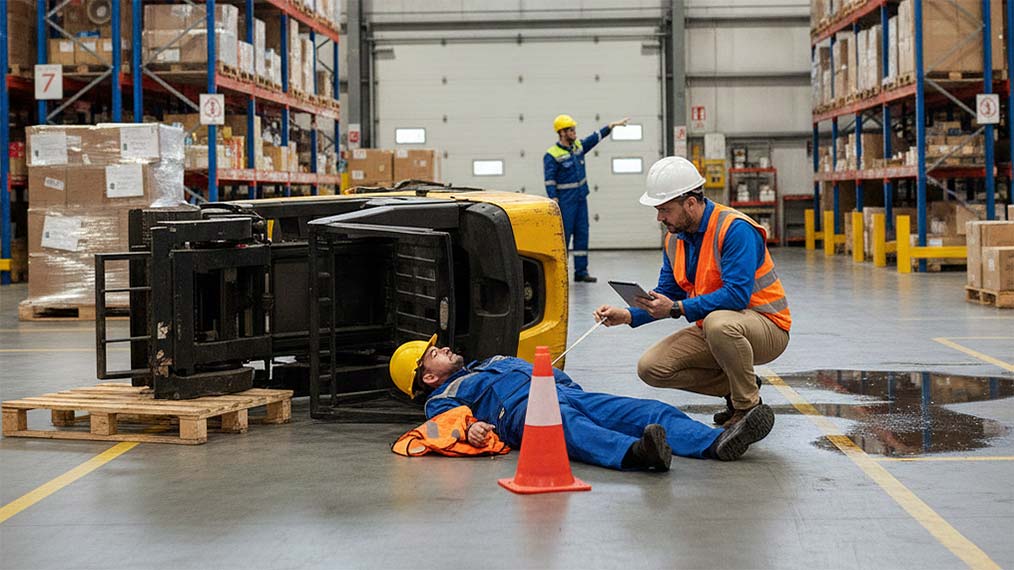
Incident reduction is one of the strongest results of behavior based safety. Observers identify unsafe habits early, discuss them constructively and help workers make small corrections that prevent larger failures. Over time, these small interventions create a noticeable drop in near-misses, recordable injuries and property damage. Because workers understand the impact of their actions, they naturally move toward safer routines.

Stronger Safety Compliance:

Compliance strengthens because BBS removes the confusion that often surrounds procedures. People aren’t just told to follow a rule—they learn why it matters. Therefore, they apply controls more consistently, whether they are doing lifting work, working at height or operating equipment. This reduces repeat violations and makes internal and external audits cleaner and easier to manage.

Stable Operations:

Stable operations come from predictable behavior. When teams replace shortcuts with proven safe habits, the workflow becomes smoother, equipment lasts longer and disruptions decline. Supervisors also spend less time fixing avoidable issues and more time improving processes. As a result, production schedules stabilize and downtime becomes easier to control.

Better Teamwork and Communication:

BBS opens a two-way communication channel between workers and supervisors. Since observation and feedback are part of the program, people talk more openly about risks, concerns and improvements. This builds collaboration, speeds up decision-making and helps teams adjust to changing site conditions without hesitation.

Higher Employee Morale:

Morale increases when workers feel valued and included in safety conversations. BBS encourages recognition of safe behaviors, which helps teams stay motivated and engaged. Because feedback is constructive rather than punitive, employees develop a stronger sense of ownership over their environment, which improves participation in all safety initiatives.

Reduced Operational Costs:

Cost savings come from fewer incidents, lower insurance claims and reduced equipment repairs. Because unsafe acts are identified early, the organization avoids the expensive cycle of injury response, investigation, downtime and retraining. These savings accumulate over time and improve overall financial performance.

Better High-Risk Decisions:

BBS strengthens decision-making during high-risk tasks. Workers learn to pause, assess and choose the safest action, even when under pressure. This reduces critical errors in areas like hot work, electrical tasks, confined space entry and heavy lifting. Better decisions lead to a better safety record, especially in high-risk industries.

Stronger Worker–Supervisor Trust:

Trust grows when feedback is respectful, consistent and fair. BBS turns supervisors into mentors rather than enforcers. Because workers receive recognition as often as correction, relationships improve and conversations become easier. This leads to faster issue reporting and stronger safety alignment across the site.

Improved Contractor Coordination:

Contractors often work differently from in-house teams, which creates inconsistencies in safety performance. BBS helps unify these behaviors through clear expectations and shared observation tools. Contractors quickly understand what the organization values, which makes joint tasks safer and reduces miscommunication during maintenance, shutdowns and high-activity periods.

Higher Accountability:

Behavior based safety promotes personal accountability because every worker understands how their actions influence overall safety. Teams stop relying only on management or procedures and start holding themselves and each other responsible. This creates a culture where safe behavior becomes the standard, not a special effort.

Better Policy Alignment:

Policies work best when they match real-world behavior. BBS highlights where procedures are strong, where they need adjustment and how workers actually apply them in the field. Therefore, organizations can fine-tune their policies based on behavioral data rather than assumptions, which leads to clearer, more practical guidelines.

Enhanced Corporate Reputation:

Companies with strong behavioral safety performance earn the confidence of clients, auditors and regulatory bodies. This improves their standing during pre-qualification, vendor approvals and competitive bidding. A visible commitment to BBS also strengthens brand reputation, especially for organizations operating in oil and gas, construction, manufacturing and critical infrastructure.

Common Challenges in Implementing BBS Programs:

Even the strongest behavior based safety framework can struggle if the implementation is not managed carefully. Many organizations in the UAE, Saudi Arabia and Qatar introduce BBS with good intentions, yet they face avoidable obstacles because the program depends heavily on mindset, communication and consistency. Understanding these challenges early helps teams build a more reliable and transparent system.

Treating BBS as a Policing Tool:

A common mistake is using BBS as a method of catching workers doing something wrong. This approach weakens trust, increases anxiety and discourages open conversations about risk. BBS is meant to coach, guide and build awareness. Therefore, when leaders shift from policing to supporting, workers feel safer to speak up and participate honestly in observations.

Lack of Consistency in Observations:

Observations often decline after the first few weeks because teams become busy or lose focus. Inconsistent observations produce inconsistent data, and inconsistent data weakens the entire program. BBS needs regular, well-planned checks that capture real conditions across the site. When supervisors and trained observers keep a steady routine, patterns become clearer and the program produces practical insights.

Focusing on Paperwork Instead of Behavior:

Some organizations fall into the trap of chasing forms rather than changing habits. When the emphasis stays on filling checklists instead of improving behavior, BBS loses its purpose. Real improvement comes from conversations, coaching and reflection. Paperwork is useful only when it supports these actions. Therefore, the goal should always be meaningful behavioral change, not completed forms.

Failure to Involve Workers in Decisions:

BBS works best when workers feel their input matters. If decisions about critical behaviors, observation tools or corrective actions are made without their involvement, the program quickly loses credibility. Workers understand the realities of the job better than anyone. Because of this, involving them in decisions builds ownership, improves buy-in and strengthens the quality of the observations.

Strengthening Behavior Based Safety Through Continuous Improvement:

Why a Culture of Safe Behavior Is Essential:

A strong safety culture is built on the behaviors that people repeat every day because these habits shape the outcomes on site. When safe behavior becomes the norm, teams respond more calmly during pressure, maintain discipline during complex tasks and stay focused even when conditions shift. This stability reduces errors and creates a workplace where people look out for one another. It also supports long-term business performance since fewer disruptions mean more predictable operations and stronger trust between workers and management.

How Continuous Improvement Strengthens BBS Results?

Behavior based safety is never a one-time initiative because risk patterns evolve as equipment changes, teams rotate and workloads increase. Continuous improvement keeps the program alive and relevant by encouraging organizations to review behavioral data, adjust observation tools and refine coaching conversations. When teams regularly analyses what is working well and where behaviors are slipping, they address gaps before they turn into incidents. Therefore, the program becomes a living system that adapts to new challenges rather than a static checklist that loses impact over time.

The Value of Ongoing Training and Development:

Ongoing training ensures that workers understand expectations clearly and apply safer behaviors with confidence. It reinforces skills that naturally fade over time and introduces new techniques for managing emerging risks. Supervisors also benefit because additional training helps them coach more effectively, hold stronger conversations and guide workers without creating tension. As a result, behavioral standards remain consistent across shifts, contractors and departments. Regular development also strengthens accountability because everyone knows what good behavior looks like and feels equipped to maintain it.

How Eduskills Training Supports Behavior Based Safety?

Eduskills Training plays a practical role in helping organizations strengthen BBS across the UAE because it focuses on real-world learning and consistent skill development. Companies in Dubai, Abu Dhabi, Sharjah and across the UAE rely on these programs since they blend field experience with structured coaching that improves workplace habits. The support extends beyond awareness and shifts towards building a safety mindset that aligns with day-to-day site conditions. As a result, teams become more confident in identifying behavioral risks, communicating concerns and applying safer practices during routine tasks.

  • Practical training designed for real work environments.
  • Support for organizations in Dubai, Abu Dhabi, Sharjah and across the UAE.
  • Affordable programs that accommodate different budgets.
  • Flexible classroom and e-learning options.
  • Guidance from highly experienced trainers and consultants.
  • Focus on behavior improvement rather than theory.
  • Programs customized to high-risk industries operating in the UAE.

Final Thoughts:

A strong BBS culture grows through consistent actions rather than one-off campaigns. When leaders set the tone, supervisors coach with respect and workers feel confident to speak up, safety becomes a natural part of how the organization operates. This shift protects people because it reduces risky habits before they escalate, and it strengthens long-term business performance because operations become steadier and more predictable. When teams continue learning, reviewing patterns and improving their approach, BBS with the help of Eduskills Training evolves into a reliable framework that supports every level of the organization across the UAE.

Frequent Asked Questions (FAQs):

Why is BBS important in high-risk industries?

BBS improves how workers respond during pressure because it strengthens safe habits that prevent many common incidents.

How does BBS reduce workplace accidents?

It identifies unsafe behaviors early, therefore allowing organizations to correct them before they lead to injuries or damage.

Does BBS replace traditional safety systems?

No. It supports existing procedures by ensuring workers follow them consistently in real site conditions.

How often should observations be conducted?

Observations should follow a steady routine so that teams collect accurate behavioral data and track patterns over time.

Is BBS effective in multicultural teams?

Yes. It encourages open communication and clear expectations, which supports diverse workforces across the UAE.

What makes a BBS program successful?

Consistency, honest feedback, worker involvement and leadership support all contribute to strong, long-term results.

How does BBS improve morale?

Workers feel valued when their concerns are heard and when feedback focuses on support rather than blame.

Can BBS help reduce operational costs?

Yes. Fewer incidents and smoother operations reduce downtime, medical costs and equipment damage.

Why is coaching important in BBS?

Coaching helps workers understand the reason behind each behavior, therefore making improvements more meaningful and long-lasting.

How can Eduskills Training support BBS?

Eduskills Training provides practical courses, experienced trainers and flexible learning options that help organizations build stronger behavioral standards across the UAE.

Inquiry Form