
Top Soft Skills for HSE Professionals to Succeed in the Workplace

Soft skills for HSE professionals shape how effectively they communicate, influence and guide people on site, therefore they matter just as much as technical expertise. I’ve seen many safety officers who understand every regulation, yet struggle to gain cooperation because their soft skills are weak. On the other hand, those who communicate clearly, handle pressure with composure and read situations accurately tend to create safer environments across different industries. This is why organizations across the UAE, especially in Dubai and Abu Dhabi, look for HSE professionals who combine strong technical knowledge with the interpersonal abilities that keep teams aligned and alert. Eduskills Training continues to highlight this balance because employers value individuals who can lead with confidence, build trust and respond quickly when conditions shift. Developing these soft skills gives any HSE professional a genuine advantage, whether they are entering the field or aiming for senior roles.


Why Soft Skills Matter for HSE Professionals:

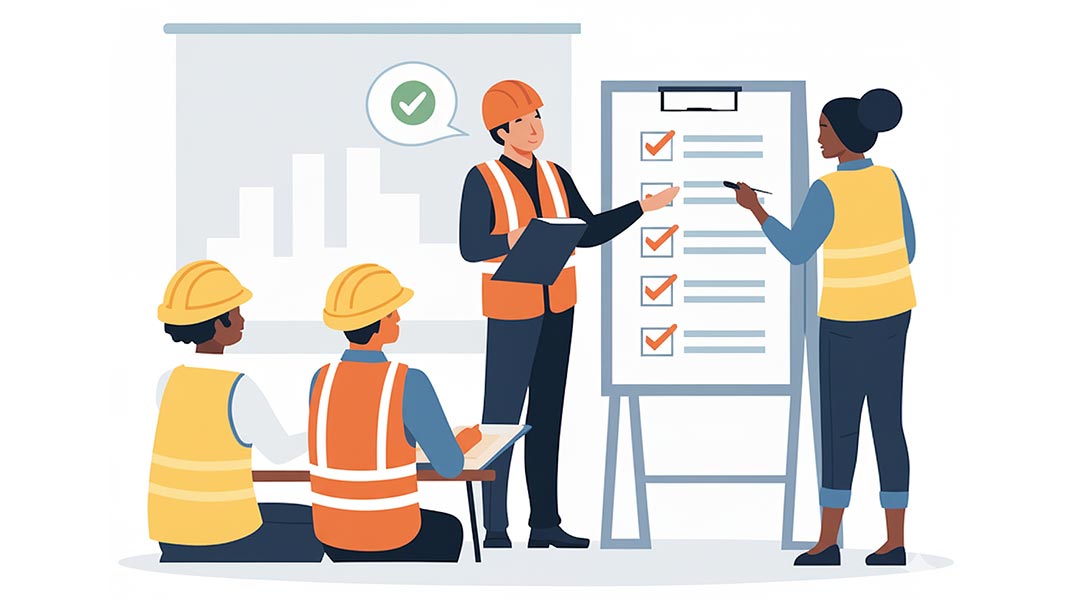
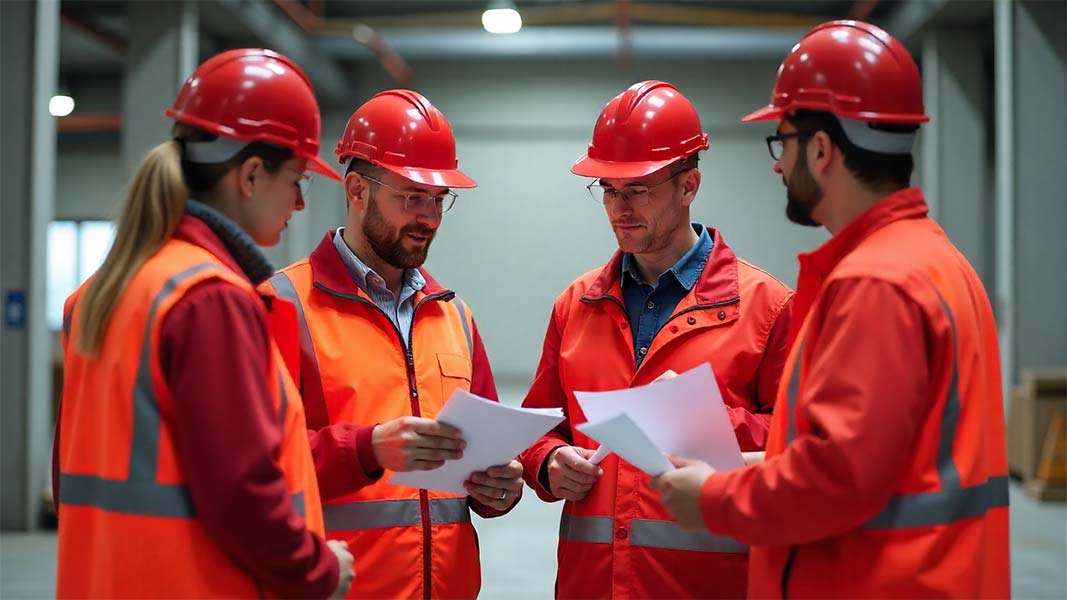
Technical procedures guide the work, however soft skills for HSE professionals control how well those procedures are understood and followed. When a health, safety and environment professional communicates clearly, listens actively and explains a hazard in a grounded, human way, people respond better. They ask questions. They follow instructions. They report issues sooner. Because of this, daily safety performance rises without forcing compliance. Soft skills make safety feel shared rather than imposed.

The connection between behavior and incident prevention:

Most incidents stem from human behavior, not missing documents. Therefore, influencing behavior becomes one of the strongest tools an HSE professional can rely on. A calm tone prevents panic. A confident conversation reduces resistance. A well-timed intervention can stop a risky act before it unfolds. When a health, safety and environment professional knows how to read body language, guide a difficult worker or de-escalate tension, the risk of incidents naturally drops because attitudes begin to shift.

Why employers priorities well-rounded HSE teams:

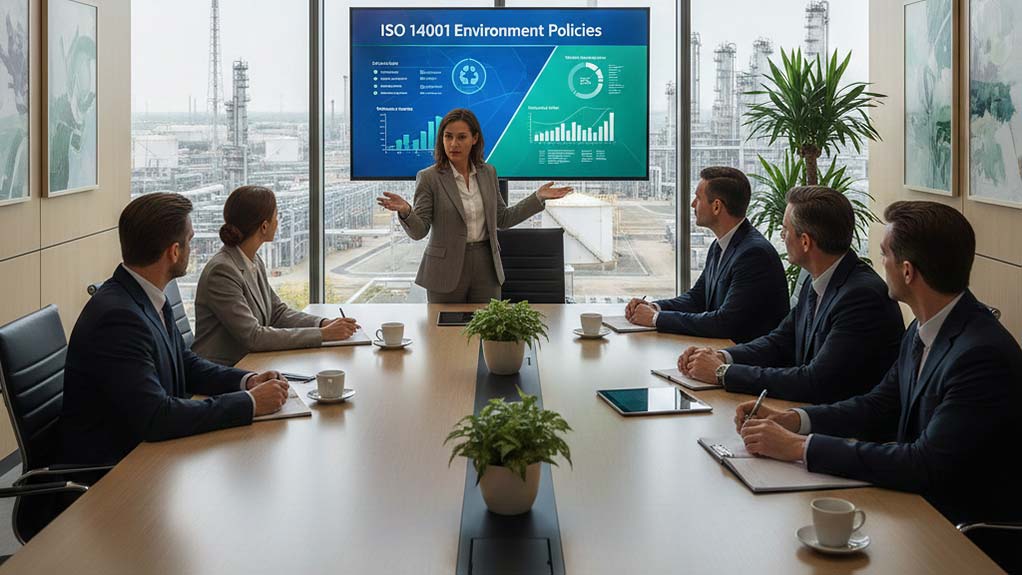
Organizations operating in complex environments where safety decisions must be quick and well-communicated. Because of this, employers prefer health and safety professionals who combine technical competence with strong interpersonal abilities. They want people who can speak to supervisors and workers with equal clarity, influence change without conflict and handle pressure without losing focus. Eduskills Training works closely with such employers, therefore the demand for well-rounded HSE practitioners continues to rise.


Essential Soft Skills for HSE Professionals:

Soft skills for HSE professionals shape how effectively they are able to guides people, responds to risk and maintains control of a work environment because technical knowledge sets the foundation however these interpersonal abilities decide whether teams listen, cooperate and act safely under pressure. Also because of the workplaces across the UAE rely on diverse teams and fast-paced operations, employers expect health, safety and environment practitioners to communicate clearly, resolve issues calmly and adapt when conditions shift.

Communication Skills:

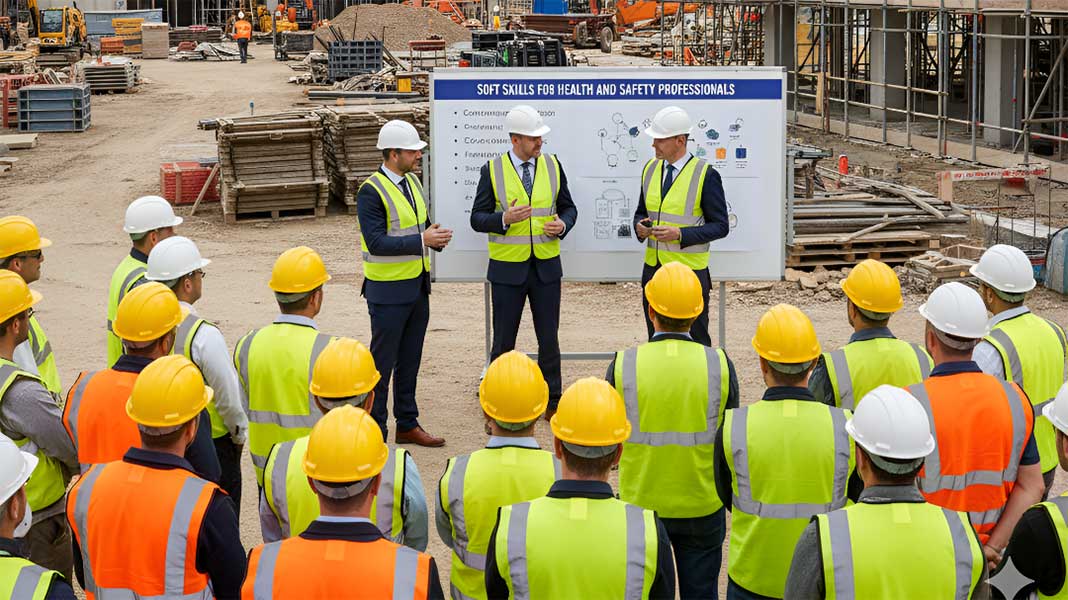
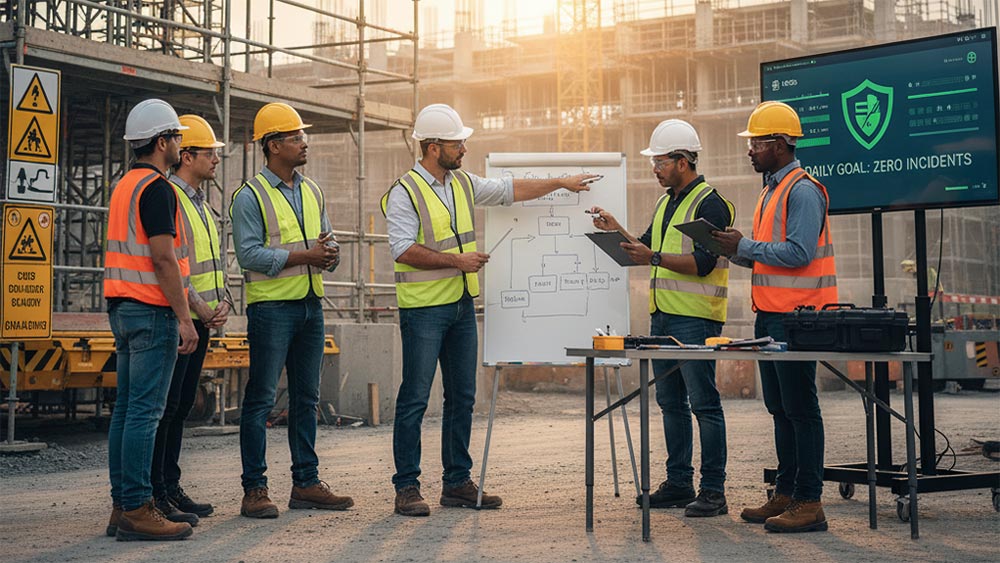
Strong communication sits at the center of effective HSE work because people rely on clear instructions, not assumptions. A health and safety professional who explains hazards in simple language, adjusts their tone to suit the audience and listens carefully earns trust. Workers follow guidance more willingly and supervisors stay aligned with the HSE plan.

Leadership Skills:

Leadership in HSE isn’t about authority; it’s about influence. A health and safety leader who leads by example can shift behaviors across a site. When they stay calm, act responsibly and reinforce good habits, teams mirror their approach. Because workers respond to people they respect, this kind of leadership creates a culture where safety becomes a shared commitment rather than a checklist.

Critical Thinking:

Worksites change quickly, therefore health, safety and environment professionals must assess situations fast and choose the right course of action. Critical thinking helps them filter information, challenge assumptions and recognize deeper risks. When decisions are made promptly and based on sound judgement, the chances of escalation drop significantly.

Problem-Solving Skills:

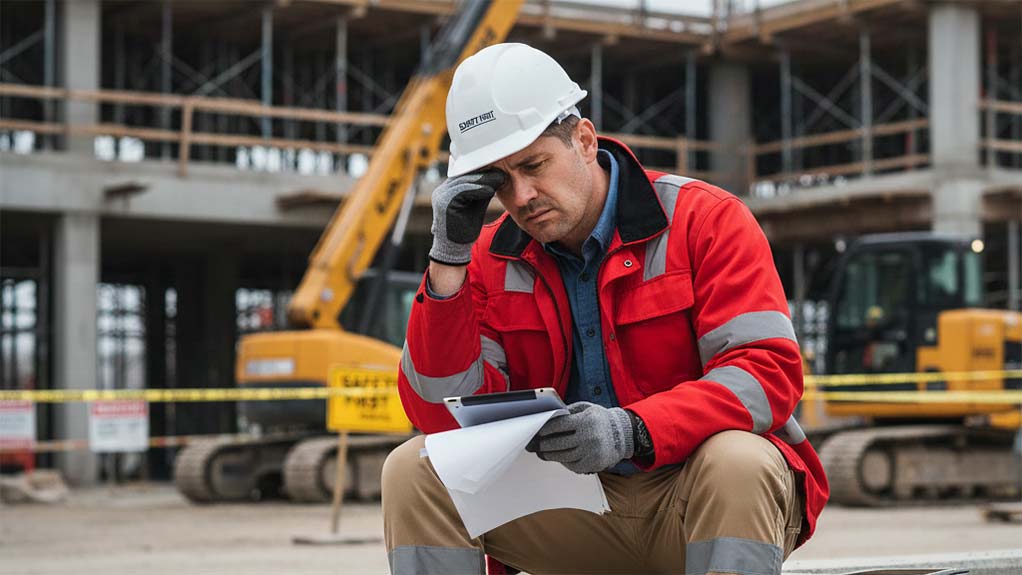
Even the most organized operations face surprises. Equipment fails, weather shifts or procedures break down. Problem-solving helps health and safety professionals identify the root cause, propose practical solutions and communicate them without wasting time. Because of this ability, the site returns to stability faster and with fewer disruptions.

Teamwork:

Safety is a cross-department responsibility. Health, safety and environment professionals must work smoothly with operations, maintenance, HR and management to keep standards consistent. Collaboration across the departments and teams ensures information flows freely and improves compliance because everyone feels involved in the process. This is especially important across large UAE projects where multicultural teams rely on strong team coordination.

Conflict Resolution:

Safety discussions can become tense when deadlines, workload or misunderstandings collide. An HSE professional who stays composed, listens without judgement and resolves disagreements calmly prevents conflict from hindering safety performance. Because conflict handled poorly creates resistance, this skill directly supports cooperation.

Adaptability:

Conditions on a site, particularly in industries like oil and gas or construction, shift constantly. Adaptability allows HSE professionals to adjust their approach without losing control of the safety plan. When new hazards appear or procedures change, adaptable individuals lead the transition smoothly and keep teams aligned.

Emotional Intelligence:

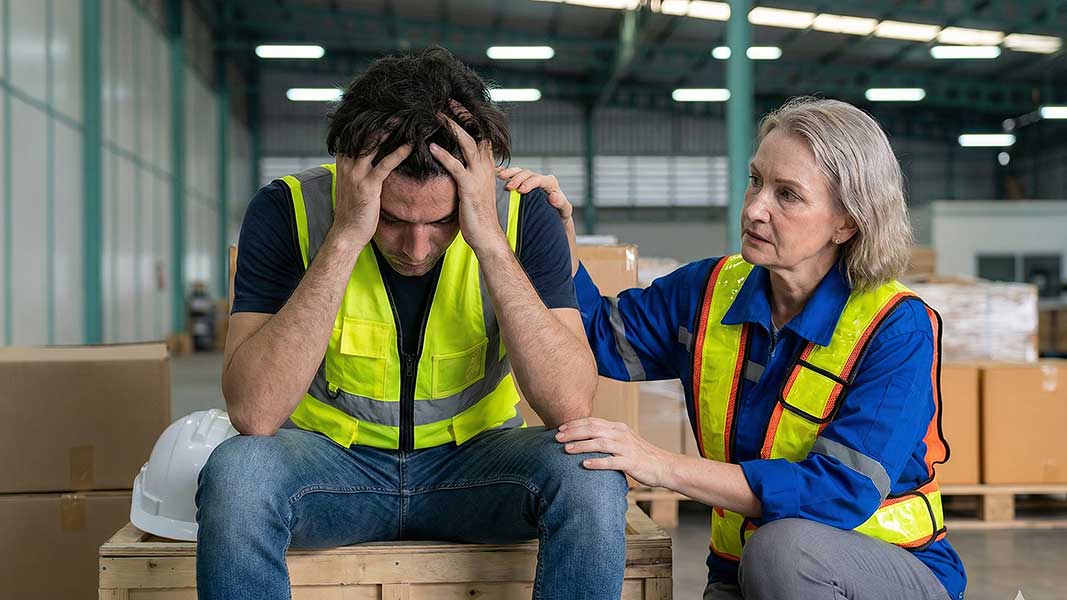
Emotional intelligence helps HSE professionals read the mood, recognize stress and respond in a way that keeps communication constructive. Workers open up more easily when they feel understood. Management listens better when the conversation remains balanced. Because emotional intelligence strengthens relationships, safety messages land with more impact.

Observation And Situational Awareness:

A single missed detail can lead to a serious incident. Observation skills help health, safety and environment professionals spot unsafe behavior, identify equipment faults and recognize environmental risks before they develop. Situational awareness keeps them alert and fully present, which is essential when overseeing complex sites across the UAE.

Negotiation Skills:

HSE work often involves convincing people to change habits, adopt safer methods or agree to improvements. Negotiation skills ensure these conversations remain constructive. When professionals present safety requirements in a way that respects operational realities, teams respond positively and buy-in increases.

How These Soft Skills Improve Safety Outcomes?

Better engagement because workers trust HSE guidance:

When workers trust the person delivering safety instructions, they engage more openly and follow guidance without hesitation. Soft skills for HSE professionals such as clear communication, empathy and calm leadership help health and safety professionals build that trust. As a result, workers report hazards earlier, ask questions when something feels unclear and feel confident approaching the safety team before a small issue grows into a serious problem. This level of engagement consistently leads to safer sites across the UAE.

Stronger safety culture across operations:

A strong safety culture develops when people feel respected, informed and included. Soft skills for HSE professionals drive this shift because they influence how messages are shared and how teams respond. When safety professionals communicate confidently and collaborate well with all departments, workers adopt safer habits naturally. Over time, safety becomes part of the organization’s identity rather than an obligation.

Reduced incidents linked to human behavior:

Many workplace incidents occur not because procedures were missing but because behavior drifted away from safe practices. Soft skills for HSE professionals allow them to spot these behavioral gaps early and address them in a constructive way. Whether it’s de-escalating conflict, guiding a frustrated worker or encouraging teams to stay alert, these abilities help prevent mistakes before they turn into accidents. Therefore, incident rates fall and operations run more smoothly with fewer disruptions.

Final Thoughts:

Soft skills for HSE professionals sit at the core of effective health and safety practice because they determine how well safety messages are understood, accepted and applied. When professionals communicate with clarity, lead with confidence and read situations accurately, they influence behavior in ways that technical rules alone cannot achieve. Organizations across the UAE continue to value HSE teams that combine knowledge with strong interpersonal abilities, therefore investing in these skills strengthens both career growth and workplace safety. Eduskills Training remains committed to helping professionals build these capabilities so they can contribute to safer, more resilient operations in Dubai, Abu Dhabi, Sharjah and across the UAE.

Frequent Asked Questions (FAQs):

Why do soft skills matter in the HSE profession?

Soft skills for HSE professionals matter the most because they help professionals guide teams, influence safe behavior and manage high-pressure situations more effectively than technical knowledge alone.

How do soft skills improve safety performance?

They improve safety performance by encouraging better engagement, clearer communication and stronger cooperation across departments.

Are soft skills more important than technical knowledge for HSE roles?

Both are essential. Technical knowledge explains the “what” of safety, while soft skills ensure people actually follow it.

How can new HSE professionals build strong soft skills?

New professionals can develop these skills through practical training, mentorship, real-site exposure and structured programs offered by providers like Eduskills Training.

Which soft skill helps most with incident prevention?

Situational awareness helps significantly because it allows HSE professionals to spot unsafe behavior or changing conditions before they escalate.

How does emotional intelligence support HSE work?

It helps professionals understand how people feel, respond calmly to conflict and build trust with workers and management.

Yes. When professionals communicate well, resolve conflict and guide behavior effectively, incidents linked to human error decrease.

Inquiry Form