Manual Handling Hazards: Causes, Risks & Control Measures
Manual handling hazards exists in almost every workplace, from warehouses to hospitals and it remains one of the leading causes of workplace injury worldwide. According to the UK Health
Manual handling hazards exists in almost every workplace, from warehouses to hospitals and it remains one of the leading causes of workplace injury worldwide. According to the UK Health and Safety Executive, manual handling accounts for over a third of all reported workplace injuries every year, so ignoring it is not an option for any serious employer. Manual handling injuries rarely happen because workers are careless; they happen because tasks are poorly assessed, loads are misjudged or safe lifting techniques are never properly taught. At Eduskills Training, we have seen firsthand how the right manual handling control measures reduce injury rates and protect both people and productivity. This blog breaks down the causes, the risks and the practical controls every workplace needs to put in place.
Manual handling hazards are not limited to heavy lifting and that’s the first misconception most workplaces need to correct. It includes any activity involving lifting, lowering, pushing, pulling, carrying or restraining an object, a person or an animal by hand or bodily force. A worker moving a light box repeatedly for eight hours faces the same underlying risk as one lifting a heavy crate once, because the hazard lies in the strain on the body over time, not just the weight in hand. Therefore, understanding this hazard properly is the foundation for everything else in this blog, from risk assessment to control measures.
Officially, the UK Health and Safety Executive defines manual handling as any transporting or supporting of a load by hand or bodily force and this includes lifting, putting down, pushing, pulling, carrying or moving. But definitions on paper rarely capture what happens on a factory floor. A nurse repositioning a patient, a warehouse worker stacking pallets and a chef lifting stockpots all fall under this same umbrella, even though their tasks look nothing alike. What connects them is the physical load placed on muscles, joints and the spine and this is precisely why manual handling remains one of the most underestimated hazards across industries. Because the definition is broad, employers often miss hazards hiding in ordinary, repetitive tasks that never get flagged as “heavy work.”
Awareness matters because the numbers do not leave room for complacency. The UK HSE reported that musculoskeletal disorders, largely driven by manual handling, accounted for 473,000 workers suffering from work-related MSDs in a recent reporting year, translating into millions of lost working days. In the United States, the Bureau of Labor Statistics has consistently identified overexertion in lifting and lowering as one of the top causes of nonfatal occupational injuries requiring days away from work.
These are not abstract figures, since every case represents a worker who could not do their job the next day and often not for weeks. So awareness is not a compliance checkbox; it is what separates a workplace that prevents injury from one that simply reacts to it after the damage is done.
Most workplaces face the same handful of manual handling hazards types, regardless of whether the setting is a hospital ward, a warehouse floor or a construction site. Recognizing these patterns early is what separates a safety program that prevents injury from one that only reacts after someone gets hurt. Based on HSE’s own MAC and RAPP assessment tools, here are the 6 hazard categories every workplace needs to watch for.
Lifting and lowering cause more manual handling injuries than any other task type and the risk has less to do with how heavy the object is than where it sits relative to the body. A load lifted from floor level or above shoulder height forces the spine out of its natural curve, so even a moderate weight becomes dangerous in the wrong position. HSE’s MAC tool specifically scores vertical lift region as a standalone risk factor, because a warehouse worker restocking a top shelf faces a different risk profile than one lifting the same box from waist height. This is why proper manual handling techniques, bending at the knees and keeping the load close to the body, matter more than raw strength.
Carrying feels less risky than lifting, but distance and route conditions change that quickly. A worker carrying a box across a clear, flat floor for a few steps faces minimal strain, but the same box carried up stairs, around obstacles or over uneven ground introduces balance and visibility risks that lifting alone never creates. HSE’s carrying assessment specifically weighs obstacles enroute and carry distance as separate scoring factors and this distinction matters because it shows the hazard is not the load itself but the path the worker has to navigate while holding it.
Pushing trolleys, pallet jacks or wheeled equipment introduces a different kind of strain, since the highest force typically occurs at the start of the movement rather than throughout it. Research on pushing and pulling has found cart and load weight to be the most influential factor for strain, with handle height also affecting how the load is distributed across the body. Because this force builds gradually as equipment ages or maintenance gets deferred, a trolley that pushed easily last year can quietly become a hazard nobody flagged, simply because the wear happened in small increments nobody noticed.
When two or more workers lift together, the physical load should be evenly shared, but poor timing or unclear communication can shift the entire weight onto one person without warning. HSE’s MAC tool treats communication and coordination as a distinct scoring factor for team handling, precisely because the risk here is not physical strength but synchronization. A team lift that looks safe on paper can become dangerous the moment one worker sets the load down a half-second before the others and this is a hazard that solo lifting simply does not have.
Twisting the spine, bending at the waist instead of the knees or reaching overhead all place unnatural stress on the back and these postures show up constantly in retail stocking, automotive repair and warehouse picking. What makes this hazard tricky is that it rarely causes immediate pain, so workers keep repeating the same motion hundreds of times a shift without realizing the cumulative damage. Musculoskeletal disorders driven by this kind of repetitive strain are a major reason around 473,000 UK workers reported musculoskeletal disorders linked to their work in a recent HSE reporting year and most of these cases built up slowly rather than happening in a single incident.
A load does not need to be heavy to be dangerous, because bulky, oddly shaped, sharp, hot or hard-to-grip items force the body to compensate in ways a well-balanced load never would. Furniture, machinery parts and liquid-filled containers are classic examples where the shape matters more than the weight, since an unstable load that shifts mid-carry triggers a sudden, uncontrolled correction that is often when the injury actually happens. Poor grip compounds this further, whether from wet hands, oily surfaces or handles that were never designed for the object being moved and this combination of factors is exactly why HSE scores grip quality as its own risk factor rather than folding it into general load weight.
You might be interested in reading
Every manual handling hazard becomes dangerous through a combination of factors, not a single cause and this is exactly why HSE built its assessment approach around four interacting categories: task, individual, load and environment. Understanding these factors matters because two workers can perform the identical lift, yet only one gets injured, simply because their circumstances differed in one of these areas. This section breaks down what actually drives risk, so a manual handling risk assessment identifies the real problem instead of guessing at it.
The task itself sets the baseline risk and three variables matter most: how much the load weighs, how far it travels and how often the task repeats. A 15kg box lifted once poses far less risk than the same box lifted 200 times a shift, because fatigue accumulates and technique deteriorates as the body tires. Distance compounds this further, since carrying a load 20 meters demands sustained muscular effort that a 2-meter carry never requires. HSE’s assessment tools score load weight against lift frequency precisely because the interaction between these two factors, not either one alone, determines whether a task crosses into hazardous territory.
The same task can be safe for one worker and hazardous for another, because individual capability varies significantly across a workforce. A worker recovering from a previous back injury carries elevated risk even for tasks well within normal limits and this is why health surveillance and return-to-work assessments matter after any musculoskeletal injury.
Age affects joint flexibility and recovery time, fitness affects muscular endurance across a full shift and training affects whether a worker instinctively bends at the knees or defaults to bending at the waist under pressure. None of these factors alone should exclude someone from manual handling work, but ignoring them when assigning tasks is how a manageable job turns into an injury claim.
The environment a task happens in can turn a low-risk lift into a high-risk one without changing the load at all. Confined spaces force awkward postures because there is no room to keep the load close to the body, while poor lighting hides trip hazards and obstacles a worker would otherwise avoid. Floor surface matters just as much, since wet, uneven or cluttered flooring increases the chance of a slip mid-lift and a slip while carrying a load almost always causes a worse injury than a slip while walking empty-handed.
Temperature plays a role too, because cold environments reduce grip strength and joint mobility, which is why HSE’s assessment tools score environmental conditions as a standalone risk factor rather than an afterthought.
Once the manual handling hazards have been identified and assessed, the next step is choosing the right control and this is where most workplaces either succeed or fail.
The Manual Handling Operations Regulations 1992 establish a clear hierarchy for this: avoid hazardous manual handling operations so far as is reasonably practicable, assess any hazardous manual handling operations that cannot be avoided and reduce the risk of injury to the lowest level reasonably practicable. This hierarchy is not a suggestion; it is a legal structure and working through it in order is what turns health and safety manual handling from a paperwork exercise into an actual reduction in injuries.
The most effective manual handling controls are the ones that remove the hazard entirely and this sits at the very top of the hierarchy for good reason. If a task can be redesigned so no one has to lift, carry or push a load by hand, the risk disappears rather than getting managed.
A warehouse that switches from manual pallet stacking to automated conveyor systems has eliminated the hazard, not reduced it. Where full elimination isn’t practical, substitution is the next best option, such as replacing a single heavy sack with several smaller, pre-portioned bags or swapping a rigid, awkward container for one designed with proper handles. Employers often skip this step because it requires upfront investment, but it is consistently the step that delivers the largest long-term drop in injury rates.
When a task cannot be eliminated, engineering controls change the physical demands of the task itself. Trolleys, hoists, forklifts, conveyor belts and vacuum lifters all shift the physical burden away from the worker’s body and onto equipment designed to handle it safely. A hospital that introduces patient hoists for repositioning, for example, removes the need for staff to manually lift a patient’s full body weight, which is precisely the kind of task most likely to cause serious back injury. Height-adjustable workstations and pallet levellers serve a similar purpose in warehouses, since they let a worker load and unload at waist height instead of bending to floor level repeatedly. The upfront cost of this equipment is almost always lower than the long-term cost of musculoskeletal injury claims, lost workdays and reduced productivity.
Administrative controls address how a task is performed rather than the task itself and this is where most manual handling techniques training fits in. Teaching workers to bend at the knees, keep loads close to the body and avoid twisting while carrying reduces risk, but only when it’s reinforced through supervision and refresher courses, not delivered once during onboarding and forgotten. Job rotation is another administrative control worth using, since it limits how long any one worker performs a repetitive task before switching to different work, reducing cumulative strain. Clear procedures for team lifts, including designated lead communication and agreed set-down points, also fall into this category, because coordination failures are a documented cause of team handling injuries. Administrative controls work best as a layer on top of engineering controls, not as a replacement for them.
PPE sits at the bottom of the hierarchy because it does nothing to reduce the hazard itself; it only reduces the severity of harm if something goes wrong. Gloves protect against cuts and improve grip on rough or hot surfaces, steel-toe boots protect against dropped loads and back support belts are sometimes used, though their effectiveness is debated among ergonomists and should never substitute for proper lifting technique. Relying on PPE as a primary manual handling hazards control measures strategy is a common mistake, because it treats the symptom rather than the cause. The correct approach is to exhaust elimination, engineering and administrative controls first and use PPE only as the final layer of protection for whatever risk remains.
You might be interested in reading
Preventing manual handling hazards comes down to consistent habits, not one-time fixes. Below are the practices that make the biggest difference on the ground, drawn directly from HSE guidance and real workplace outcomes.
At Eduskills Training, we’ve found that workplaces which turn these points into daily habits, rather than annual checklist items, see the sharpest and most lasting drop in manual handling injuries.
Manual handling hazards will always exist wherever people lift, carry, push, or pull something as part of their job, so the goal was never to eliminate manual handling altogether. The real goal is building a workplace where hazards get identified before they cause harm, where risk assessments reflect what actually happens on the floor rather than what a policy document assumes, and where manual handling control measures are treated as a daily practice instead of an annual compliance exercise. Because injuries from poor manual handling rarely happen in a single dramatic moment, they build up quietly through repeated small risks that nobody flagged in time. This is exactly why awareness, proper technique, the right equipment, and consistent training matter more than any single fix. At Eduskills Training, we believe the workplaces that take health and safety manual handling seriously are the ones that protect their people and their productivity in equal measure, and that combination is what makes a safety program worth having.
Assessments should be reviewed whenever the task, load, environment or workforce changes significantly and at minimum annually even without obvious changes, per HSE guidance.
Any operation involving a risk of injury, particularly to the back, due to the load’s characteristics or unfavorable ergonomic conditions, as defined under MHOR 1992.
Yes. Under general health and safety law, employees have the right to stop work they reasonably believe presents a serious and imminent danger, including unsafe manual handling tasks.
TILE stands for Task, Individual, Load and Environment, the four risk factor categories HSE requires assessors to evaluate together, not in isolation.
Yes. Most manual handling injuries, including back strain, tendonitis and joint damage, fall under the broader MSD classification used in HSE and OSHA injury reporting.
Engineering controls change the physical task, like introducing a hoist, while administrative controls change how the task is performed, like training or job rotation, without altering the task itself.
Minimally. PPE like gloves or back supports reduces injury severity in specific scenarios but doesn’t address the underlying hazard, which is why it sits last in the control hierarchy.
Manual handling hazards exists in almost every workplace, from warehouses to hospitals and it remains one of the leading causes of workplace injury worldwide. According to the UK Health
Heat stress vs heat stroke confuses more workers than it should, and that confusion costs lives every summer. The Bureau of Labor Statistics recorded 48 work-related deaths due to
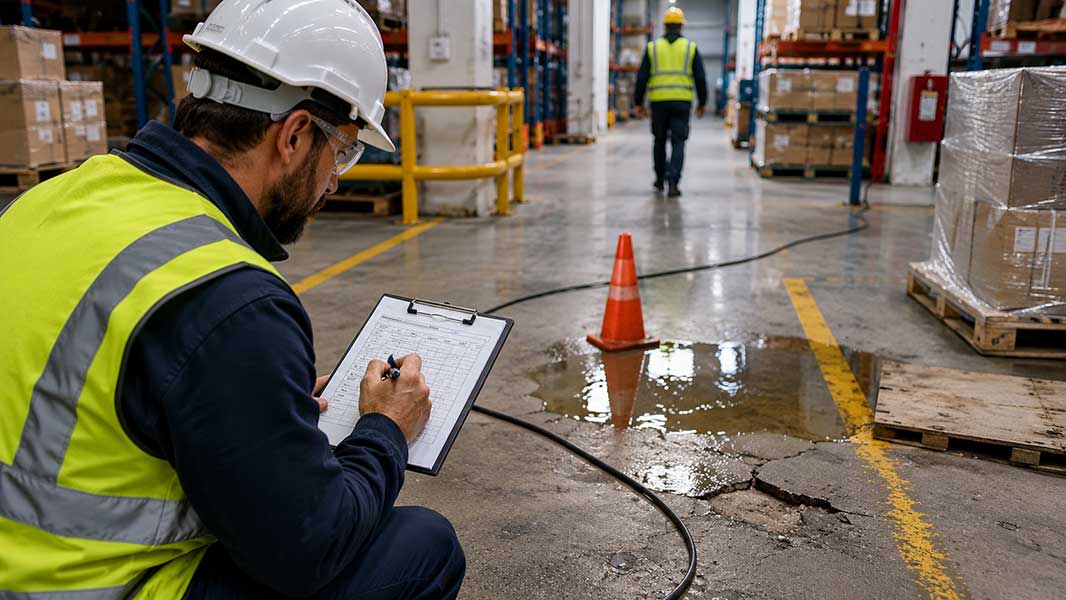
A slip, trip and falls risk assessment is the single most effective tool employers have for catching hazards before they turn into injuries. Because falls remain one of the
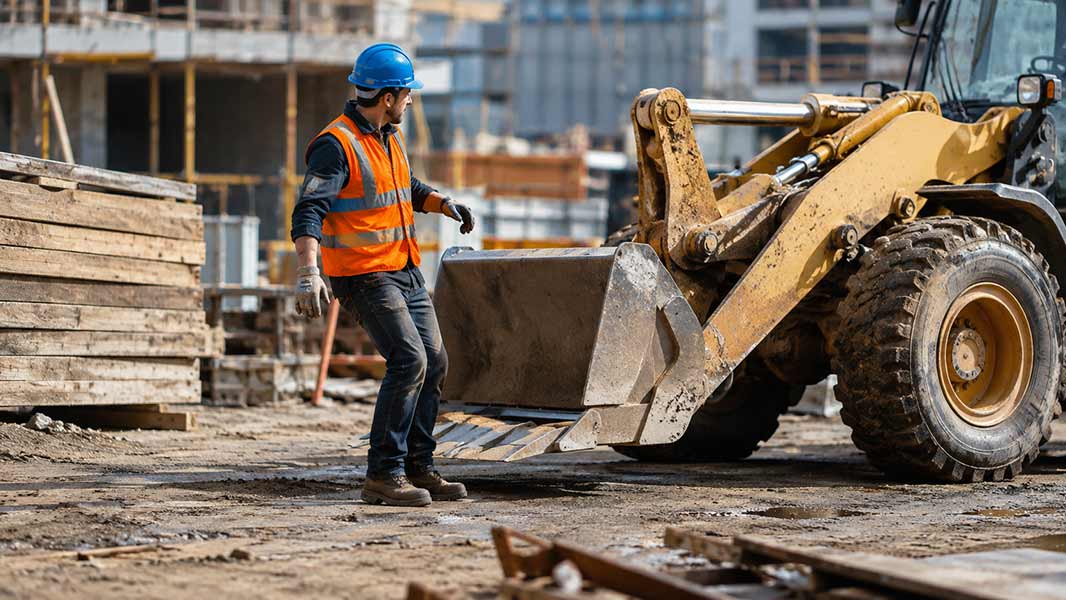
Line of fire hazards occur when a worker's body is positioned where it could be struck, crushed, pinned, or caught by moving equipment, falling objects, or released energy and
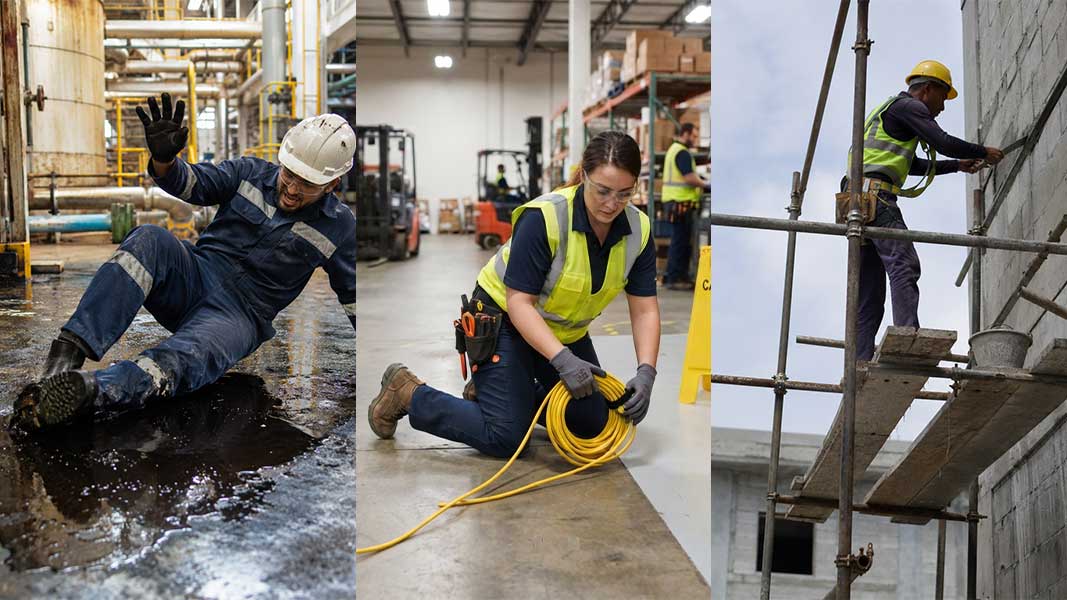
Slip, trip and fall hazards remain one of the most underestimated risks inside any workplace, largely because they hide in plain sight, a wet floor here, a loose cable
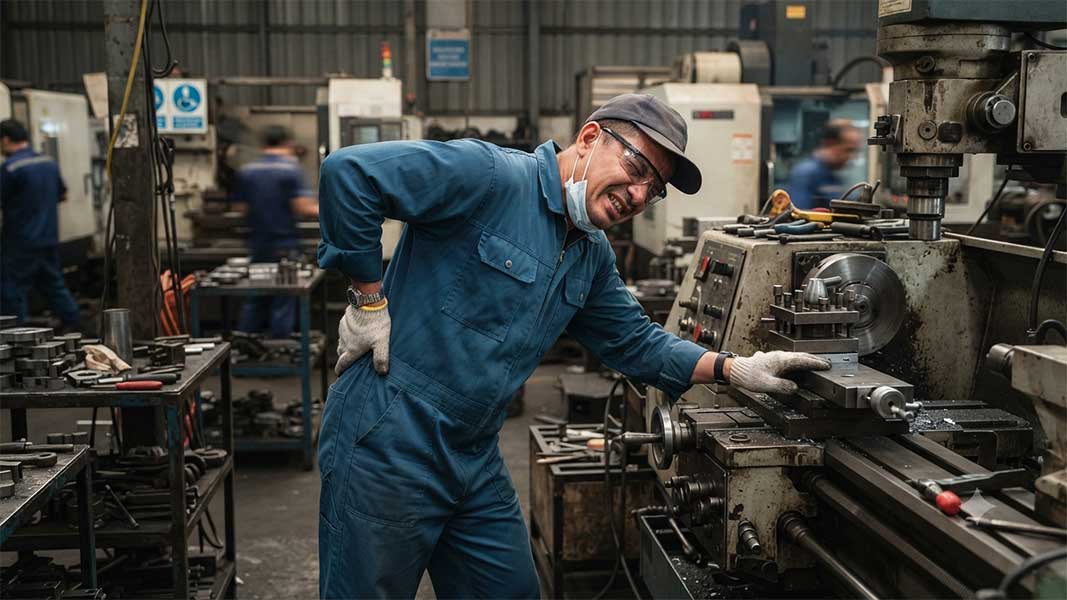
Repetitive strain injury at Workplace affects millions of workers every year and most of them do not realize the damage is building until pain becomes constant. According to the

Heat Stress Awareness starts with a simple fact: the human body can only handle so much heat before it starts to fail and most workers never see the warning
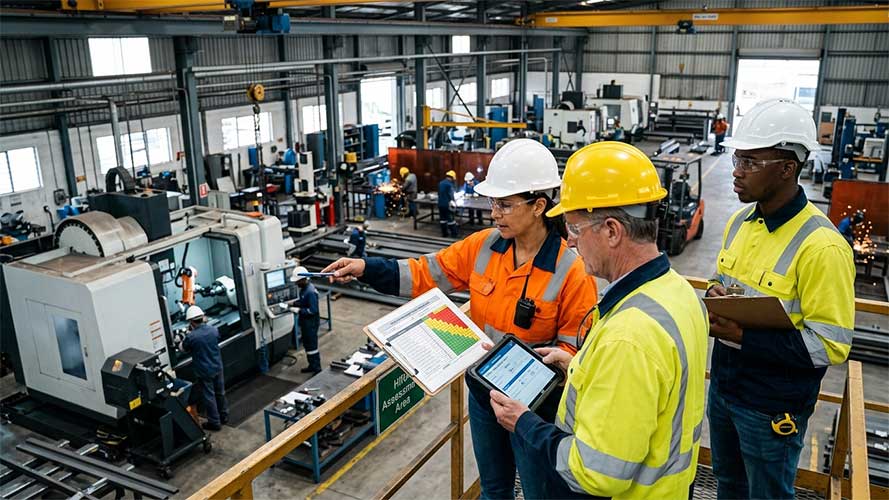
HIRA in the workplace is not a paperwork exercise. It is the single most important process that stands between your workers and a serious injury, a fatality or a
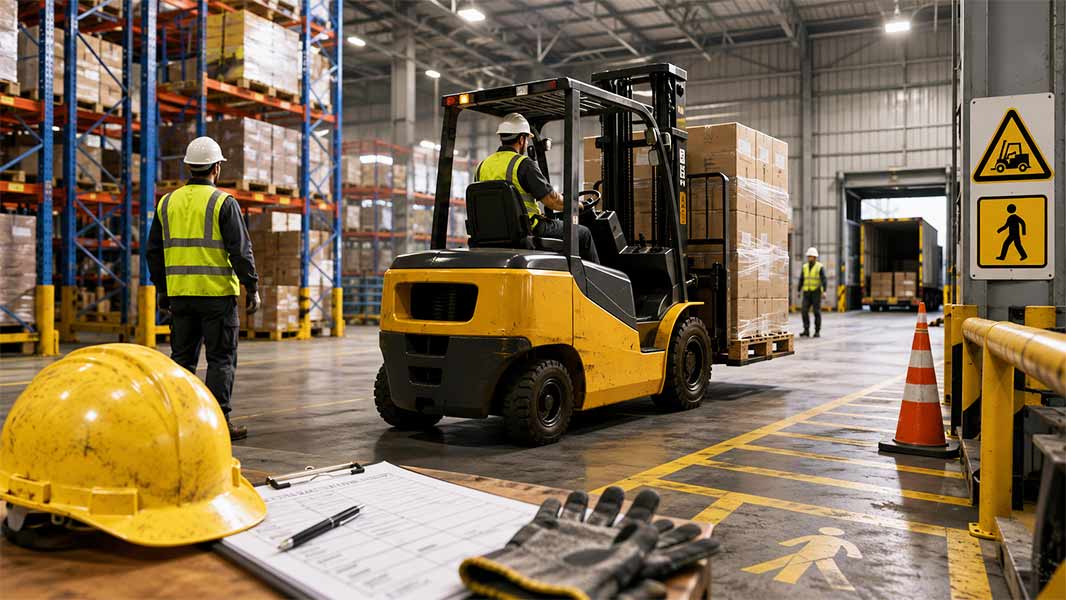
Forklift hazards and risk control is a critical responsibility in any workplace where powered industrial trucks operate daily. Warehouses, construction sites, manufacturing plants and logistics hubs rely on forklifts
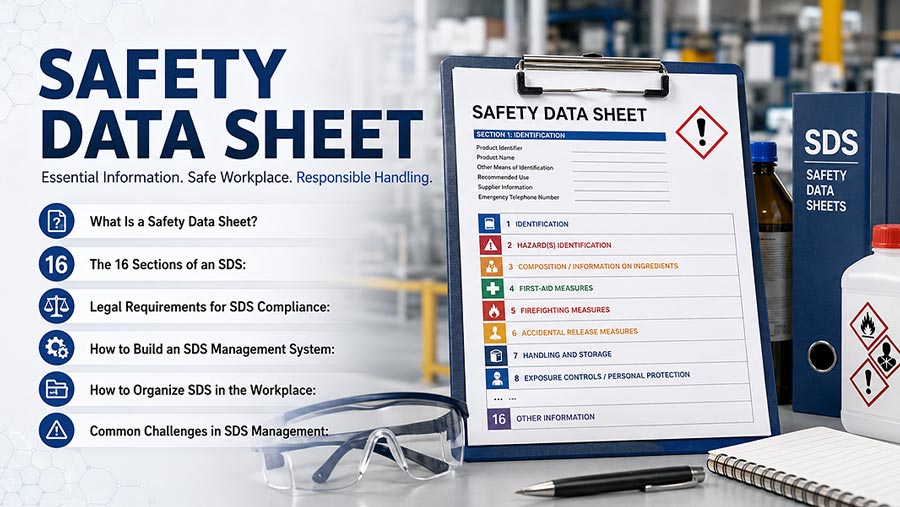
Every year, thousands of workplace chemical incidents happen not because the hazard was unknown, but because the right information was not where it needed to be. A Safety Data
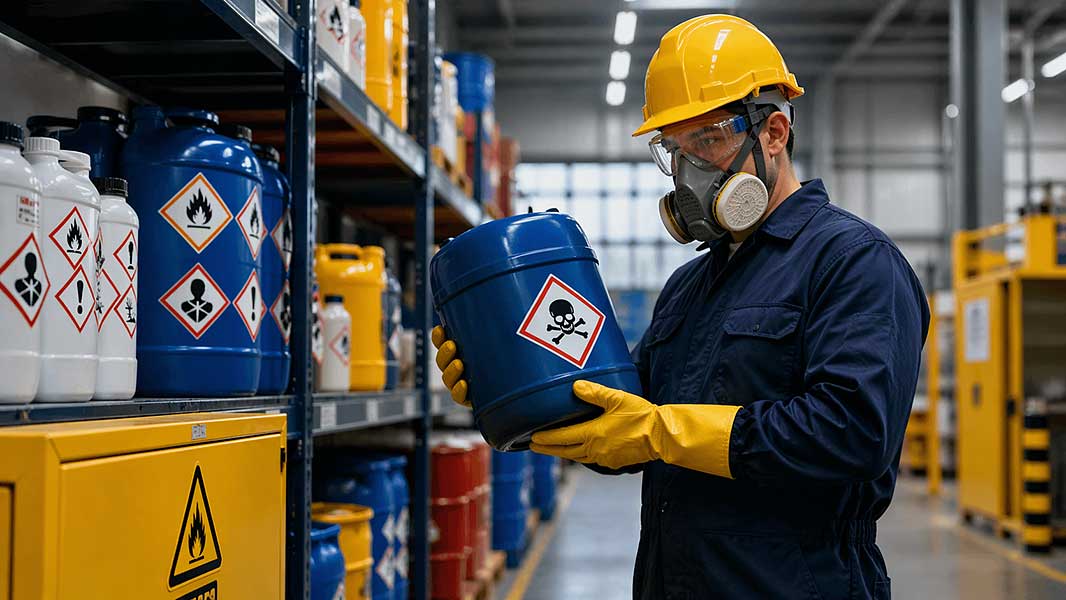
Hazardous Materials Safety is the line between controlled operations and catastrophic failure because one mismanaged chemical, one incompatible storage condition or one missed warning label can trigger injuries, fires,

Emergency Preparedness in UAE is no longer optional because a single unplanned incident can shut down operations, cause serious injuries and expose businesses to legal consequences. In high-risk sectors,

ISO 14001 Environmental Management Lead Auditor in UAE is a highly respected role because organizations rely on qualified professionals to assess environmental management systems (EMS), ensure ISO 14001:2015 compliance
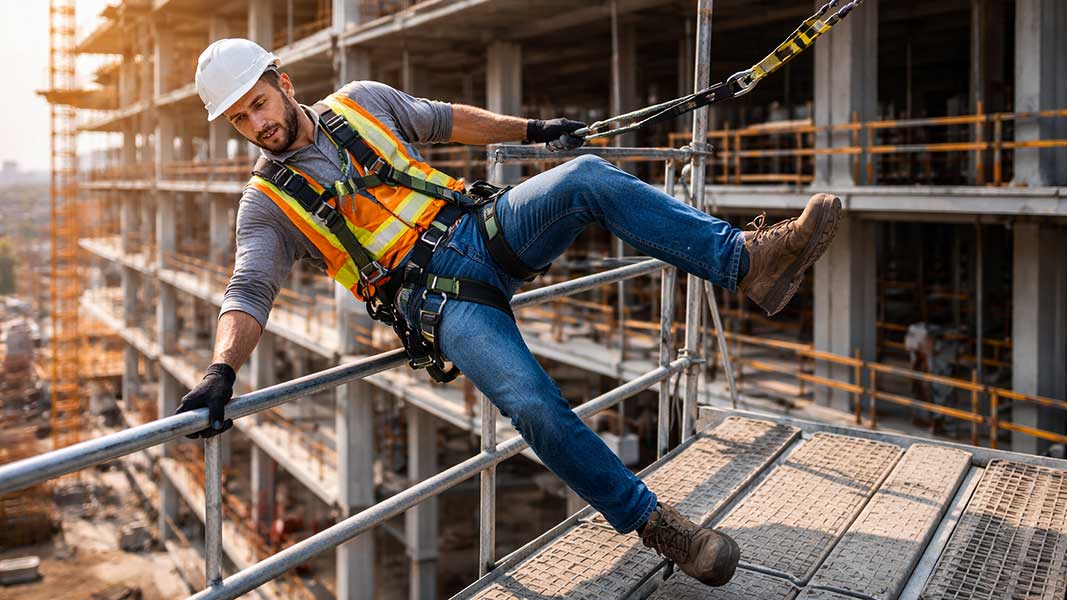
Fall protection for work at height remains one of the most critical safety priorities across construction, oil and gas, manufacturing and maintenance industries because even a minor lapse can

Key requirements of ISO 9001 Certification in UAE define how organizations build a structured, consistent and performance-driven ISO 9001 Quality Management System that meets customer expectations and regulatory demands.
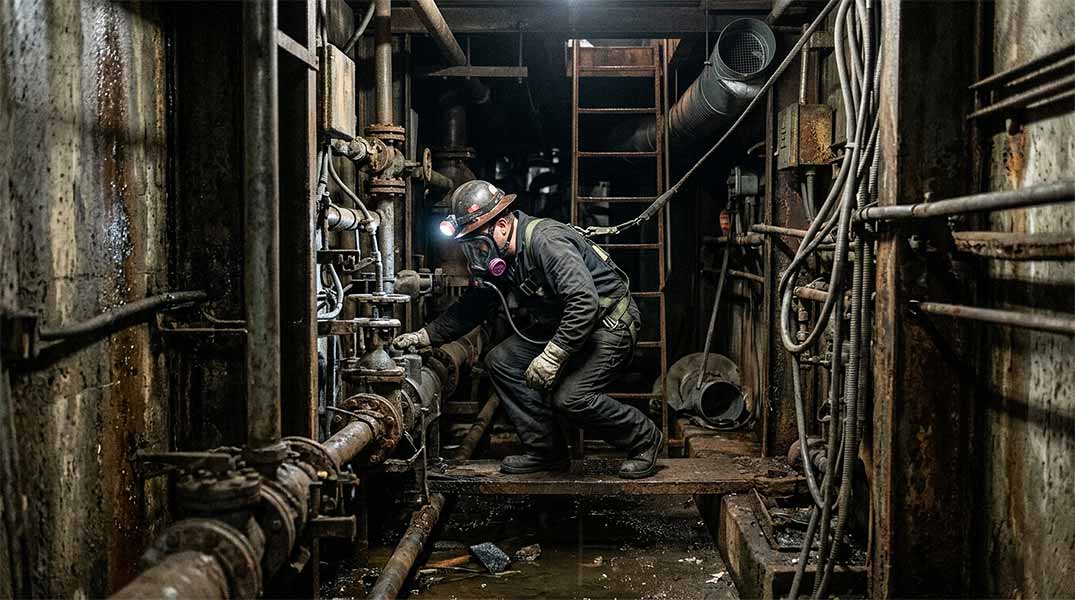
Confined Space Hazards remain one of the most critical risks in industrial workplaces because they combine limited access, poor ventilation and unpredictable conditions that can turn routine tasks into

The benefits of ISO 45001 lead auditor training are becoming increasingly important for safety professionals in the UAE because industries such as construction, oil and gas, manufacturing, logistics and
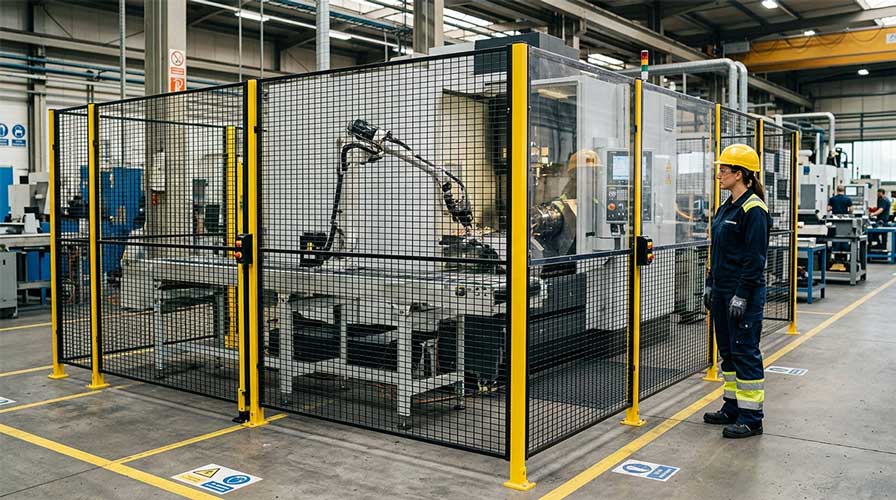
Machine Guarding Safety protects workers from dangerous moving parts, mechanical hazards and high-risk machine operations that exist across industrial workplaces. Manufacturing equipment, conveyor systems, cutting machines, presses and rotating

The ISO 14001 Certification Process provides organizations with a structured method to establish an effective Environmental Management System (EMS) that identifies environmental aspects, evaluates potential environmental impacts and implements
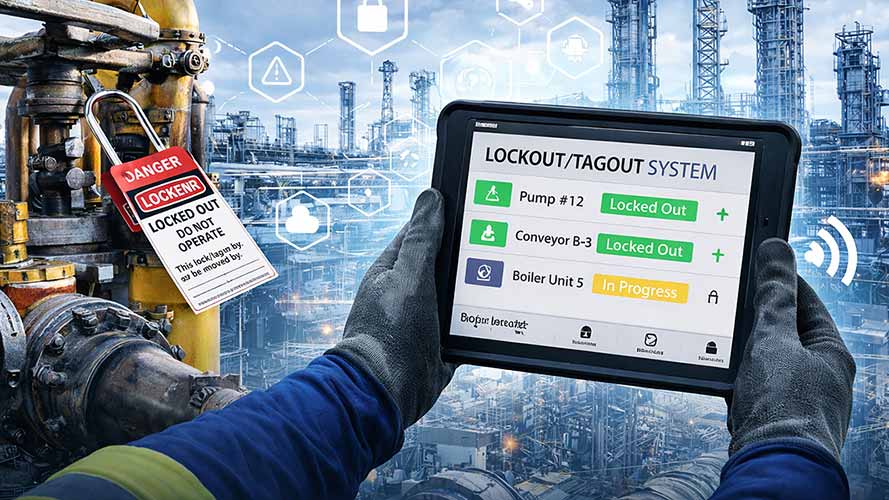
Digital LOTO Systems are becoming an essential part of modern industrial safety programs because traditional paper-based lockout tagout procedures often create gaps in documentation, communication and verification of hazardous

The benefits of ISO 9001 Lead Auditor Course in UAE are clear for professionals who want authority in quality management, because this qualification proves you can plan, conduct and

Employee Assistance Programs for workplace safety strengthen risk control because mental health, personal stress and financial pressure directly affect concentration, judgment and safe behavior at work. Many incident investigations
ISO 45001 clause 5.1 leadership and commitment requirements determine whether an Occupational Health and Safety Management System truly works in practice. Under the ISO 45001 framework, top management is

Bullying and harassment prevention in the workplace is a critical part of occupational health, legal compliance and organizational risk management. When disrespectful conduct is ignored, employee morale declines and

The benefits of ISO 14001 Lead Auditor Training in UAE extend far beyond earning a professional credential. This advanced qualification by Eduskills Training equips you to plan, conduct and

Workplace violence prevention is not limited to reacting after an incident occurs but instead focuses on identifying risks early and controlling them before harm happens. Violence at the workplace
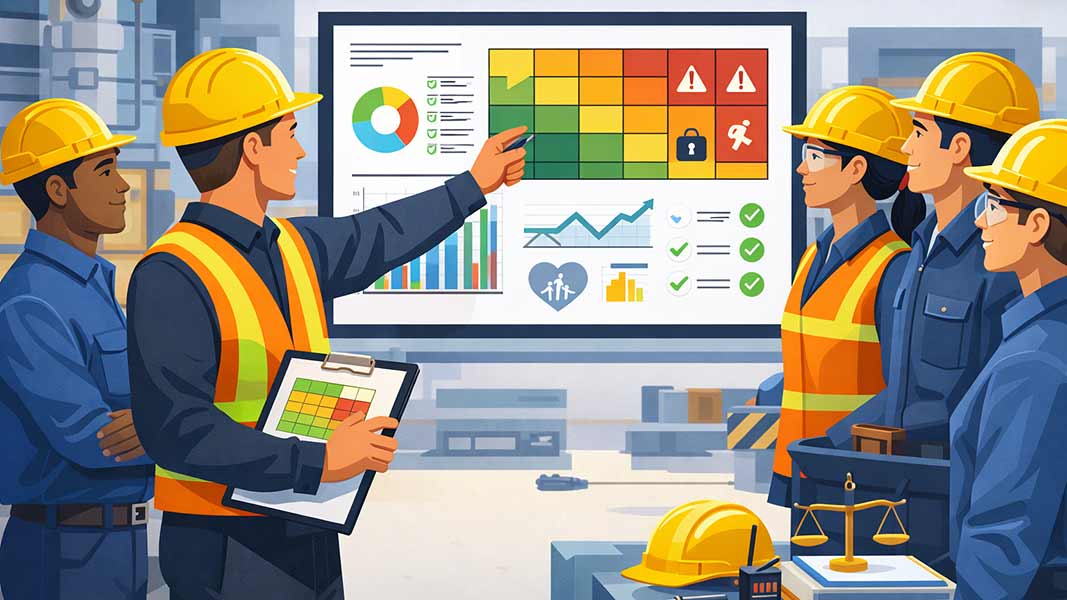
HSE KPIs are the backbone of effective health, safety and environmental performance measurement because they turn policies, procedures and controls into measurable outcomes. When defined and used correctly, KPIs

ISO 45001 Implementation is the process of building a structured occupational health and safety management system that actually works on the ground, therefore reducing risks, preventing incidents and protecting

Fatigue management at the workplace has become a critical safety concern because fatigue directly affects alertness, judgment, reaction time and decision-making. When workers are fatigued, the likelihood of errors

Guide to ISO 45001 Lead Auditor Course is the starting point for professionals who want to upgrade from “knowing safety” to auditing occupational health and safety systems with confidence
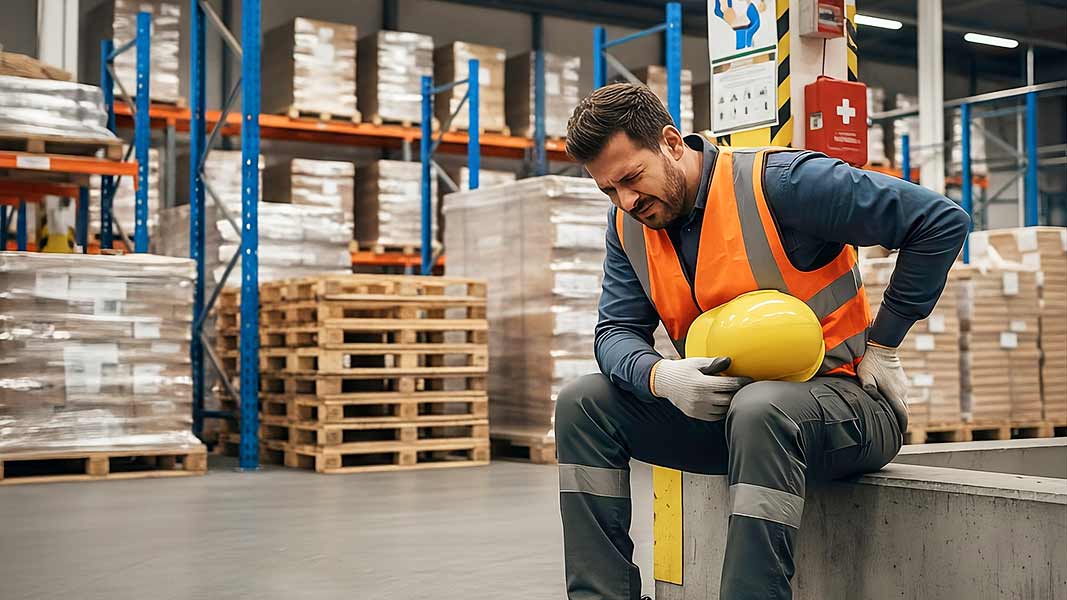
Ergonomics and Musculoskeletal Health sit at the center of injury prevention because most work-related pain develops from everyday tasks rather than sudden accidents. When jobs are designed without considering
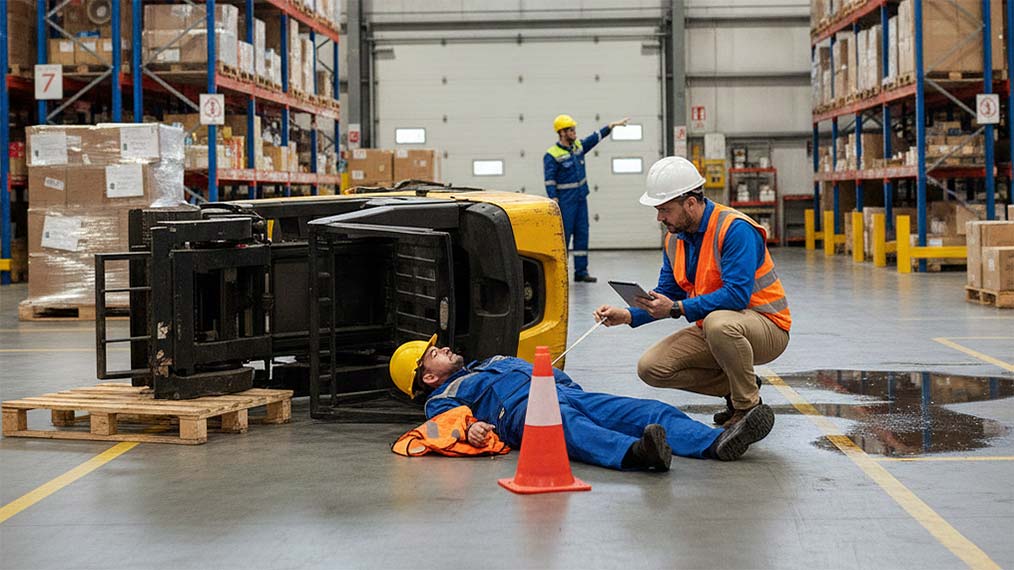
Incident investigation is the backbone of effective occupational health and safety, because it focuses on understanding why an incident occurred rather than who was involved. When done properly, it

ISO 14001 Gap Analysis is a structured assessment that helps organizations measure their current Environmental Management System against ISO 14001 requirements because even small compliance gaps can lead to

Choosing the right professional certification depends on career goals, industry exposure and long-term relevance. Many professionals choose ISO 9001 Lead Auditor Course in UAE because organizations across the region
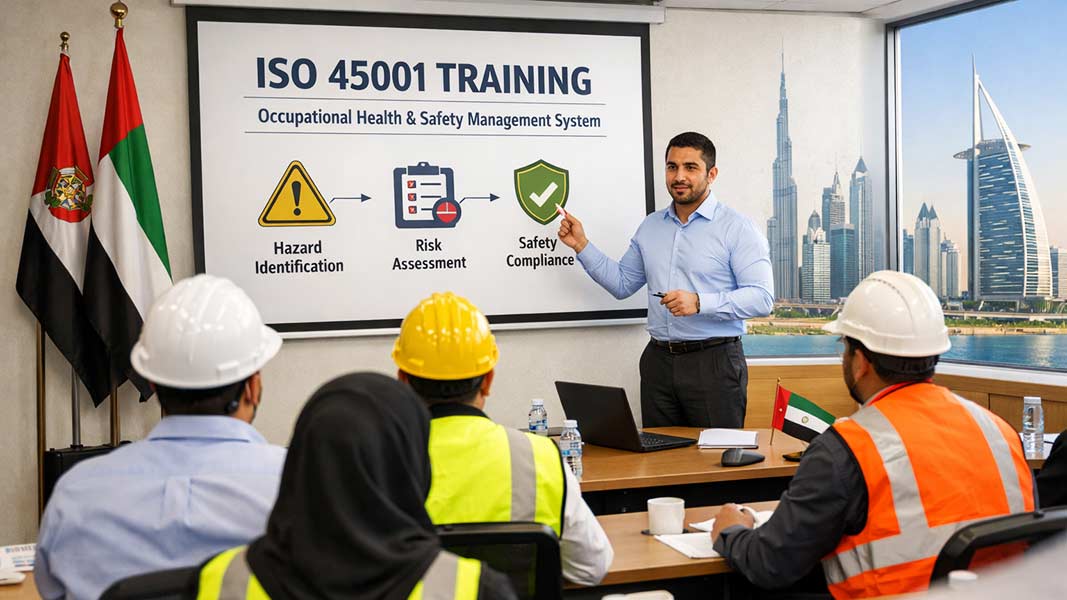
ISO 45001 Training in the UAE is no longer optional for professionals responsible for workplace safety, compliance and operational control. Organizations are under increasing pressure to reduce incidents, meet

ISO 45001 Implementation and Certification for SMEs in UAE has become a direct path for small and medium businesses to strengthen safety performance because it brings structure, accountability and

ISO 14001 Environmental Policy and Leadership set the foundation for how an organization turns environmental intent into measurable action. When both elements work in sync, teams move from declarations
Mental health in workplace safety is a critical factor that decides how consistently people follow procedures, recognize hazards and respond under pressure. When employees feel overwhelmed, their ability to

An ISO 45001 Gap Analysis gives you a realistic picture of how your current safety practices measure against the requirements of the ISO 45001 Occupational Health and Safety Management
Psychosocial hazards in the workplace influence how people think, behave and respond to risks because they directly affect mental wellbeing long before a physical incident occurs. When pressure builds,

Behavior based safety plays a defining role in how workplace safety culture grows, matures and stays consistent across daily operations. When organizations pay attention to the way people act
Soft skills for HSE professionals shape how effectively they communicate, influence and guide people on site, therefore they matter just as much as technical expertise. I’ve seen many safety
ISO 9001 digital transformation is reshaping how organizations in the UAE manage quality, safety and efficiency. Companies across Dubai, Abu Dhabi and Sharjah are moving beyond traditional paperwork and
An HSE Implementation Plan is the foundation of every safe and responsible workplace. It provides a structured framework for managing health, safety and environmental risks so that daily operations
ISO 45001 nonconformities are among the most common challenges organizations face during health and safety audits. We’ve seen many businesses struggle with recurring gaps that delay certification, affect compliance,
Leadership in ISO 9001 Certification success is the single most decisive factor that determines whether an organization truly achieves quality excellence or merely collects a certificate. ISO 9001:2015 places
An ISO 45001 audit preparation is far more than gathering documents and hoping for the best. It’s a disciplined process that tests your organization’s true commitment to occupational health
Common ISO 14001 implementation mistakes can quietly derail even the most well-intentioned environmental management plans. Many organizations across the UAE especially in Dubai, Abu Dhabi or Sharjah start with
ISO 9001 audit nonconformities reveal where a quality management system falls short of meeting the standard’s requirements. They highlight gaps in consistency, documentation, or process control that can impact
Achieving ISO 45001 certification is more than a compliance milestone, it’s a strategic commitment to protecting people and building a culture of safety across all levels of an organization.