
Permit To Work: Complete PTW Safety Guide & Procedure
Permit To Work (PTW) is a formal safety control system used to plan, authorize, execute, monitor, and close out high-risk work under defined conditions. It helps ensure that hazards

Permit To Work (PTW) is a formal safety control system used to plan, authorize, execute, monitor, and close out high-risk work under defined conditions. It helps ensure that hazards are identified, appropriate controls are in place, responsible personnel understand their roles, and work does not begin until the required precautions have been verified. In practice, an effective PTW system connects risk assessment, isolation and lockout/tagout (LOTO), gas testing, personal protective equipment, supervision, and clear communication into one controlled process. It is particularly important for activities such as hot work, confined space entry, electrical work, excavation, line breaking, and maintenance in operating facilities. This guide explains the Permit To Work procedure, common permit types, roles and responsibilities, risk controls, PTW audits, and practical requirements for managing high-risk work safely.

A Permit To Work (PTW) system is a formal process used to control work that could expose people, equipment, the environment, or an operating facility to significant hazards. It defines the job scope, identifies hazards, establishes required precautions, and confirms who is authorized to perform the work. Therefore, a PTW is more than a document or approval signature. It connects planning, risk assessment, isolation, supervision, communication, and verification before work begins. An effective PTW system ensures that high-risk work is performed within clearly defined conditions and that those conditions remain controlled throughout the job.
In HSE, Permit To Work means formally authorizing a specific job at a defined location under clearly established safety conditions. Before issuing the permit, responsible personnel should understand the work scope, assess hazards, establish controls, and verify required precautions.
A PTW does not replace a risk assessment. Instead, it helps ensure that identified controls are implemented before work starts. Depending on the task, these controls may include equipment isolation, gas testing, PPE, fire protection, barricading, standby personnel, or other site-specific precautions.
A PTW system is important because high-risk activities can become dangerous when hazards, responsibilities, work boundaries, or changing conditions are not properly controlled. A well-managed PTW system creates a clear connection between the planned task and the precautions required to perform it safely.
For example, maintenance on process equipment may involve pressure, hazardous energy, chemicals, or flammable materials. The permit process brings the necessary controls together before work begins. If conditions change, the permit can be suspended, reassessed, or revalidated rather than allowing work to continue under outdated conditions.
A PTW system also strengthens accountability by clearly defining responsibilities for permit issuers, supervisors, performing personnel, isolation authorities, and workers.
A PTW is generally required when an activity involves significant hazards that need formal authorization, control, or coordination. Exact requirements vary according to the organization, industry, site procedures, and applicable regulations.
Common examples include hot work, confined space entry, electrical work, excavation, line breaking, equipment opening, work at height, and activities involving hazardous energy. PTW controls may also be required when several work activities occur in the same area and could interfere with one another.
This is particularly relevant during plant maintenance, shutdowns, construction projects, and other periods involving simultaneous operations. The key principle is that a permit should be used where formal control of work conditions is necessary. It should never become a routine signature exercise. Before authorization, the team should confirm the job scope, hazards, controls, isolations, and work conditions.
“High-risk work does not carry the same hazards, so it should not be controlled by a one-size-fits-all permit. Different PTW types address specific risks such as fire, hazardous energy, confined spaces, excavation, electrical work, and line breaking, ensuring the right precautions are verified before work begins.”
Different types of Permit To Work are used to control different hazards and work conditions. The exact permit categories vary between industries and organizations; however, most PTW systems use permits for activities such as hot work, confined space entry, electrical work, excavation, line breaking, and work at height. Each permit should identify the specific hazards, required precautions, authorization requirements, and conditions that must remain in place while the work is performed. Therefore, selecting the correct permit type is an important part of effective work planning.
A Hot Work Permit controls activities that can create an ignition source, heat, sparks, or flames in areas where combustible or flammable materials may be present. Typical hot work includes welding, cutting, brazing, grinding, and other spark-producing activities.
Before authorization, the work area should be assessed for fire and explosion hazards. Required controls may include removal or protection of combustible materials, gas testing, suitable fire extinguishers, fire blankets, ventilation, and a designated fire watch.
The permit should also define the work location, equipment, precautions, validity period, and conditions for stopping the job. In process facilities, additional controls may be required because flammable gases, vapors, or residues can remain present even after equipment has been isolated.
A Cold Work Permit is generally used for work that does not intentionally produce flames, sparks, or significant heat but may still expose workers or equipment to other hazards. Examples can include mechanical maintenance, inspection, cleaning, painting, or certain repair activities.
Although cold work does not normally create an ignition source, it should not automatically be considered low risk. Workers may still encounter hazardous chemicals, pressure, moving equipment, stored energy, sharp edges, or other workplace hazards.
The permit should therefore define the work scope and identify the controls required for the specific task. Where necessary, these may include equipment isolation, depressurization, draining, PPE, barricading, chemical precautions, or atmospheric monitoring.
A Confined Space Entry Permit controls entry into spaces where hazardous conditions may exist and where access, ventilation, or emergency rescue can be difficult. Examples include tanks, vessels, pits, silos, manholes, and certain enclosed chambers.
Before entry, the responsible team should identify atmospheric, physical, chemical, engulfment, and other hazards. Required controls may include isolation, atmospheric testing, ventilation, communication, an attendant, suitable PPE, and an effective rescue arrangement.
Gas testing should be conducted by competent personnel using appropriate equipment and according to site requirements. Conditions should also be monitored when the atmosphere could change during the work.
A confined space permit should clearly establish who may enter, what precautions are required, and when entry must stop.
An Electrical Work Permit is used to control electrical work where workers could be exposed to electrical hazards. Depending on the activity, the system may distinguish between de-energized work, energized work, testing, switching, or other electrical activities.
The permit process should identify the equipment, electrical hazards, isolation requirements, boundaries, authorized personnel, and precautions needed before work starts. Where possible, equipment should be de-energized, isolated, locked, tagged, and verified before work begins.
Only appropriately competent and authorized personnel should perform electrical tasks. The permit should also establish requirements for arc-flash protection, approach boundaries, test equipment, PPE, and emergency arrangements where applicable.
An Excavation and Ground Disturbance Permit controls activities that disturb the ground and could affect people, underground services, structures, or site operations. Excavation, trenching, drilling, piling, and similar activities may require this type of permit.
Before work begins, the team should establish the excavation location and identify potential underground utilities, pipelines, cables, drainage systems, and other buried services. Ground stability and access requirements should also be assessed.
Depending on the conditions, controls may include service drawings, utility detection, safe excavation methods, protective systems, barricading, access arrangements, and competent supervision. The permit should be reviewed when excavation conditions or the work scope change.
A Line Breaking and Equipment Opening Permit controls activities where piping, vessels, tanks, or equipment are opened and workers could be exposed to hazardous substances, pressure, temperature, or stored energy.
Before opening equipment, the relevant system should be identified and appropriate isolation verified. Depending on the process, this may include draining, depressurizing, purging, flushing, disconnecting, locking, and testing.
The work team should understand what material may be present and what precautions are required if residual contents remain. Suitable PPE, containment, spill controls, ventilation, and emergency arrangements may also be necessary.
Because unexpected pressure or hazardous material release can have serious consequences, line breaking should never rely solely on the assumption that equipment is empty or isolated.
A Work at Height Permit may be used to control activities where workers could fall from an elevated position or where falling objects could endanger people below. The exact requirement depends on the organization’s PTW system and applicable site rules.
Before authorization, the work area should be assessed for fall hazards, access, structural conditions, weather, nearby operations, and dropped-object risks. Controls may include suitable work platforms, guardrails, scaffolding, personal fall protection, exclusion zones, tool securing, and safe access systems.
Where fall-arrest equipment is used, workers should understand its correct application and the rescue arrangements required after a fall. The permit should define the work location, controls, responsible personnel, and conditions that require the activity to stop.
Organizations may use additional permits depending on their operations, hazards, and risk-control framework. Examples can include lifting or critical lifting permits, radiation work permits, diving permits, pressure testing permits, vehicle entry permits, and specialized maintenance permits.
Some organizations also combine related controls into a single permit system or use supplementary certificates alongside the main PTW. Therefore, permit names should not be assumed to have identical requirements across different workplaces.
The important principle is that each permit category should address the hazards associated with the specific activity. It should define authorization, precautions, responsibilities, work boundaries, validity, and close-out requirements. A well-designed PTW system should reflect the actual hazards of the workplace rather than simply copying a generic list of permit types.
“A Permit To Work procedure provides a controlled sequence for planning, authorizing, executing, monitoring, and closing high-risk work. Each step should confirm that hazards are understood, controls are implemented, responsible personnel are identified, and the work remains within approved conditions. Therefore, a PTW should be treated as an active safety control throughout the job, not simply as paperwork completed before work starts.”
The first step is to clearly define what work will be performed, where it will take place, and what equipment or systems are involved. The description should be specific enough that everyone involved understands the exact job boundaries.
The work scope should identify the task, location, equipment identification where applicable, expected duration, and personnel responsible for performing the work. Ambiguous descriptions can create confusion, particularly when several work activities are taking place in the same area.
Therefore, the permit should describe the actual work rather than using broad terms such as “maintenance” or “repair.” A clearly defined scope provides the foundation for hazard identification, control selection, isolation, authorization, and subsequent verification.
Once the work scope is established, the responsible team should identify hazards associated with the task, location, equipment, materials, and surrounding activities. The assessment should consider both routine and reasonably foreseeable non-routine hazards.
Depending on the job, hazards may include hazardous energy, fire, explosion, toxic substances, pressure, electrical exposure, confined spaces, falling objects, vehicle movement, or interaction with simultaneous operations.
The team should then assess the risks and determine whether additional controls are required before work can begin. Importantly, the PTW should reflect the findings of the relevant risk assessment, JSA, or TRA rather than operating as a separate paperwork exercise.
After identifying the hazards, the team should establish the controls necessary to reduce risk to an acceptable level. Controls should address the actual conditions of the job rather than relying on generic precautions.
Depending on the activity, requirements may include isolation, depressurization, draining, gas testing, ventilation, fire protection, barricading, PPE, fall protection, standby personnel, or emergency arrangements.
The permit should clearly state critical precautions so that workers and supervisors understand what conditions must be maintained. Where several controls are required, responsibility for implementing and verifying them should also be clear.
Effective PTW systems therefore connect identified hazards directly to specific controls. This makes it easier to verify whether the work is genuinely ready to proceed.
Where hazardous energy could endanger workers, appropriate isolation must be completed before work begins. This may involve electrical, mechanical, hydraulic, pneumatic, thermal, chemical, pressure, or other forms of stored energy.
Lockout/tagout (LOTO) provides a structured method for controlling applicable energy sources. Depending on the task, isolation may also require draining, venting, purging, blanking, disconnecting, or securing equipment.
Isolation should not simply be assumed because a switch has been turned off. The responsible personnel should verify that the intended isolation is effective using the organization’s approved process.
The PTW should identify relevant isolation requirements and confirm that required verification has been completed before authorization.
Gas testing is required when the work could expose personnel to flammable, toxic, oxygen-deficient, or otherwise hazardous atmospheres. This is particularly important for confined spaces, hot work, line breaking, process areas, and certain maintenance activities.
A competent person should conduct testing using suitable, calibrated equipment according to the site’s requirements. The test results should be recorded where required, and acceptance limits should be established by applicable standards and site procedures.
Atmospheric conditions can change during work. Therefore, a single test may not be sufficient where conditions can deteriorate. Continuous or periodic monitoring may be necessary depending on the hazards.
If atmospheric conditions move outside approved limits, work should stop and the permit should be reassessed.
The work permit should be prepared using the information established during planning, risk assessment, isolation, and hazard-control activities. It should accurately describe the job, location, hazards, precautions, validity period, responsible personnel, and required supporting documents.
Before authorization, the permit should be reviewed by the appropriate competent or authorized personnel. They should confirm that the work scope is clear and that required controls, isolations, gas tests, equipment, and emergency arrangements are in place.
Supporting documents may include a risk assessment, JSA or TRA, method statement, isolation certificate, gas test record, or other relevant documentation.
A permit should not be approved simply because the form is complete. The actual field conditions must support the assumptions and controls documented on the permit.
The permit should only be authorized by personnel who have the appropriate competence and authority under the site’s PTW system. Before issuing it, the responsible authority should verify that the required controls have been implemented.
The issuer and performing authority should understand the job scope, hazards, precautions, permit boundaries, validity conditions, and responsibilities. Where required, field verification should be completed before authorization.
Once issued, the permit becomes the formal authorization to perform the defined work under its stated conditions. It does not provide unrestricted permission to continue regardless of changing circumstances.
Therefore, everyone involved should understand that work must remain within the approved scope. Any significant change in conditions, location, method, or hazards should trigger the site’s change, suspension, or revalidation process.
Before work begins, the supervisor or responsible person should communicate the permit requirements to everyone involved in the task. A toolbox talk provides an opportunity to confirm that workers understand the job, hazards, controls, emergency arrangements, and individual responsibilities.
The discussion should cover important permit conditions rather than simply collecting signatures. Workers should know where they can work, what activities are prohibited, which precautions must remain in place, and when they must stop the job.
Questions and concerns should be addressed before starting. If workers identify a hazard that was not adequately considered, the work should not proceed until the issue is reviewed.
A properly conducted toolbox talk therefore turns written permit requirements into practical understanding at the worksite.
Once work starts, supervisors and responsible personnel should ensure that activities remain within the conditions established by the permit. Field monitoring should confirm that required controls remain effective and that workers follow the approved work scope.
Conditions can change because of weather, nearby operations, equipment status, process changes, atmospheric conditions, or simultaneous activities. Therefore, permit compliance should not be treated as a one-time check.
Where required, gas testing, isolation verification, fire watch, confined-space monitoring, or other controls should continue throughout the activity.
If an unsafe condition develops or the work changes significantly, workers should stop and notify the responsible authority. Continuing work simply because a permit has already been signed can defeat the purpose of the PTW system.
A permit should be suspended when conditions become unsafe, the work scope changes, an emergency occurs, required controls are lost, or the job is temporarily stopped according to site procedures. Work should only resume after the required conditions have been reassessed and authorization has been restored.
Revalidation may be required when a job continues beyond an approved period or when specific site conditions need to be reconfirmed. The exact process should follow the organization’s PTW procedure.
When the work is complete, the responsible personnel should inspect the area, confirm that the job is finished or safely left in an approved condition, remove temporary controls where authorized, and complete the permit close-out process. Proper close-out provides formal confirmation that the authorized work has ended.
You might be interested in reading
A PTW system only works when responsibilities are clearly assigned. Different organizations may use different job titles, but the underlying functions remain similar.
The Permit Issuer or Issuing Authority is responsible for ensuring that the permit accurately reflects the planned work and required safety conditions. This normally includes reviewing the work scope, hazards, risk controls, isolations, supporting documents, and site conditions before authorization.
The issuer should verify that the permit is appropriate for the activity and that required precautions have been implemented. Where field verification is required, it should be completed before work starts.
The issuer should also communicate permit conditions to the performing authority and ensure that the authorization remains valid only within its defined scope. If conditions change, the issuer or designated authority should ensure that the permit is suspended, reassessed, or revalidated according to the site’s procedure.
The Permit Receiver, often called the Performing Authority, accepts responsibility for carrying out the work within the conditions specified on the permit. This person should understand the job scope, hazards, controls, limitations, and required precautions before accepting the permit.
The performing authority should ensure that workers understand the permit requirements and that the approved work method is followed. They should also monitor conditions at the worksite and stop the activity if an unsafe condition develops or the job moves outside the approved scope.
Importantly, accepting a permit does not transfer overall site safety responsibility to one individual. Instead, it establishes clear accountability for the work party and creates a formal link between the authorization and actual job execution.
The Area Authority and Operations Team help ensure that work can be performed safely within the affected operating area. Their responsibilities may include confirming equipment status, identifying nearby hazards, coordinating simultaneous activities, and ensuring that operational conditions are compatible with the planned work.
They may also coordinate isolations, access restrictions, process changes, and interactions between different work groups. This becomes particularly important during maintenance shutdowns or busy operating periods.
Because operations can change while work is underway, the area authority should remain aware of active permits and changing conditions. Where a process upset, emergency, or conflicting activity affects the job, work may need to be stopped and the permit reassessed.
The Isolation Authority is responsible for implementing or verifying designated isolations according to the organization’s approved isolation procedure. Depending on the hazard, this can involve electrical, mechanical, hydraulic, pneumatic, chemical, thermal, or process energy.
The Gas Tester performs required atmospheric checks using appropriate equipment and according to established competence requirements. Test results should be recorded where required, and monitoring should continue when conditions can change.
These functions are safety-critical because a permit should not rely on assumptions about isolation or atmospheric conditions. The responsible personnel should provide evidence that the required controls are actually in place before work proceeds.
Workers are responsible for following the permit conditions, approved work method, and instructions provided for the task. They should use required PPE, maintain established controls, and immediately report hazards or changes in conditions.
Supervisors provide direct oversight of the work and help ensure that the work party remains within the authorized scope. They should monitor changing conditions and stop work when required controls are no longer effective.
Every worker also has a practical role in PTW effectiveness. A signed permit cannot make an unsafe condition acceptable. Therefore, workers should understand the permit sufficiently to recognize when conditions differ from those under which the job was authorized.
A Permit To Work is valid only while its stated conditions remain applicable. Work may need to stop because of changing hazards, emergencies, process conditions, weather, loss of controls, or changes to the approved work scope. Therefore, suspension, revalidation, extension, and close-out should be treated as active parts of the PTW lifecycle. The exact process and approval requirements should always follow the organization’s documented PTW procedure.
A permit should be suspended when conditions no longer support safe execution of the authorized work. This may occur following an emergency, process upset, loss of isolation, failed gas test, significant weather change, unexpected hazard, or change in work scope.
Suspension may also be necessary when operations require the work area or equipment to be returned to service.
The work party should stop the affected activity and make the worksite safe according to the site’s procedure. The responsible authority should then determine whether the original conditions can be restored or whether further assessment is necessary.
Importantly, workers should never continue simply because a permit has already been signed. The permit is conditional on the controls and circumstances under which it was issued.
Permit revalidation is required when an organization’s PTW procedure specifies that previously established conditions must be reviewed before work resumes or continues. This can occur after a suspension, shift handover, extended interruption, change in operating conditions, or expiry of a defined validity period.
Revalidation should confirm that the work scope remains unchanged and that required controls, isolations, atmospheric conditions, and site arrangements remain suitable.
A permit should not be revalidated automatically. The responsible authority should determine whether the original assessment remains valid or whether the work requires fresh review.
The exact revalidation period and authorization process should be defined by the site’s PTW procedure rather than assumed to be the same across all workplaces.
A permit may be extended or reissued only when the organization’s PTW procedure allows it and the responsible authority confirms that the work remains adequately controlled. Extension should not be used simply to avoid completing a new permit.
Before extending or reissuing a permit, the team should verify the work scope, site conditions, isolations, atmospheric requirements, personnel, and remaining hazards. If any significant condition has changed, a new assessment or permit may be necessary.
This distinction is important because a permit represents authorization under specific conditions. Once those conditions materially change, continuing the same authorization may create a false sense of control.
Permit close-out should confirm that the authorized work has been completed or safely left in an approved condition. The responsible personnel should inspect the worksite, confirm that workers and equipment are clear, and verify that temporary controls are handled according to the site’s procedure.
Depending on the job, close-out may involve confirming housekeeping, reinstatement requirements, removal of tools, completion of inspections, and return of equipment to the appropriate operational status.
The permit should then be formally closed and retained according to document-control requirements.
Effective close-out matters because it communicates that the specific authorization has ended. It also provides a useful record for audits, incident reviews, performance monitoring, and lessons learned.
A PTW audit should verify whether the PTW system is actually controlling work in the field, not simply whether forms are completed. The audit should cover authorization, risk assessment, isolation, gas testing, supervision, permit status, and close-out. Therefore, auditors should review both documentation and physical worksite conditions.
Verify that the permit identifies the correct job, work location, equipment, responsible personnel, validity period, and applicable permit category. Check that the permit was reviewed and authorized by competent personnel according to the site PTW procedure.
Confirm that required supporting documents, such as risk assessments, method statements, drawings, or certificates, are available and referenced where applicable. The auditor should also check whether permit conditions were clearly communicated to the work team before work started.
Any alterations, extensions, suspensions, or revalidations should be properly recorded and authorized. Missing signatures alone should not be treated as the only issue. The audit should establish whether the authorization process actually confirmed that the required controls were in place before work commenced.
Review whether the risk assessment adequately reflects the actual job, location, equipment, and foreseeable hazards. Controls listed in the assessment should correspond with the conditions specified on the permit. Verify that critical controls were implemented before work began rather than merely documented.
The auditor should check for hazards involving energy sources, hazardous substances, ignition sources, confined spaces, simultaneous operations, access, dropped objects, environmental conditions, and emergency response where relevant. Particular attention should be given to changes in job scope or site conditions. If conditions change significantly, the permit and supporting risk assessment should be reassessed rather than allowing workers to continue under outdated assumptions.
Verify that hazardous energy sources were identified and isolated according to the approved isolation procedure. Depending on the work, this may include electrical, mechanical, hydraulic, pneumatic, thermal, chemical, pressure, or stored energy. Confirm that isolation points were correctly identified, locked or otherwise secured, and clearly identified. Where required, check that zero-energy or safe-state verification was completed before work commenced.
Auditors should compare isolation documentation with the actual equipment and field conditions. Particular attention should be given to complex isolations, group LOTO arrangements, line breaking, and equipment opening.
A permit should not be considered adequately controlled simply because an isolation certificate or checklist is attached. The physical effectiveness of the isolation remains critical.
Where atmospheric hazards are possible, verify that gas testing was conducted by authorized and competent personnel using suitable, calibrated equipment. Review the recorded test location, time, atmospheric parameters, tester identification, and results against the applicable site requirements. Determine whether testing was performed before work and repeated at the required intervals or continuously where conditions demand ongoing monitoring.
For confined spaces, hot work, line breaking, or work involving potentially hazardous substances, auditors should confirm that monitoring arrangements match the identified hazards. Equipment status and calibration records should also be checked where relevant. If atmospheric conditions change, the permit should be reassessed and work suspended when required.
Compare the approved permit conditions with the actual worksite. Confirm that barricading, access control, PPE, fire protection, ventilation, housekeeping, tools, equipment, emergency arrangements, and other specified controls are in place. Check whether workers understand the permit boundaries and whether the work remains within the approved scope.
The auditor should also look for simultaneous activities that could introduce additional hazards. Conditions such as weather, nearby operations, equipment status, or changes in plant configuration may require the permit to be reviewed. Field verification is essential because a correctly completed permit can still become ineffective when site conditions change. Therefore, PTW audits should include direct observation of active work whenever practicable.
Review whether permits were suspended when work conditions became unsafe, the scope changed, an emergency occurred, or the permit conditions could no longer be maintained. Check that revalidation was completed before work resumed when required by the site procedure. For completed work, verify that the work area was left in a safe condition, tools and temporary equipment were removed, guards or protective systems were restored, and the responsible authority confirmed completion. Where isolations were applied, verify that their removal followed the approved isolation process. Closed permits should provide a clear record of what work was completed and whether outstanding actions remained. Repeated suspension or close-out deficiencies should be recorded as trends for corrective action.
Permit to Work practices in the UAE should be understood in relation to the applicable emirate, industry, employer requirements, client standards, and site-specific risk controls. Abu Dhabi has a specific CoP 21.0 PTW Systems within its Occupational Safety and Health System Framework. Dubai and other emirates have their own regulatory and technical frameworks that may apply depending on the activity and workplace. Therefore, organizations should not assume that one generic PTW procedure automatically satisfies every UAE requirement. Instead, the applicable authority requirements and the organization’s approved HSE system should be reviewed together.
PTW systems are widely relevant to UAE workplaces where high-risk activities require formal control and coordination. This includes sectors such as oil and gas, petrochemicals, construction, utilities, manufacturing, facilities management, and industrial maintenance.
The exact permit requirements depend on the activity and workplace. Employers may also have additional client or corporate standards that establish specific permit types, authorization levels, isolation procedures, or documentation.
In Abu Dhabi, CoP 21.0 specifically addresses PTW Systems under the Abu Dhabi Occupational Safety and Health System Framework.
Therefore, UAE organizations should establish PTW procedures that reflect their actual hazards and applicable regulatory requirements rather than relying on a generic international template.
PTW training should develop the knowledge and practical competence needed to control high-risk work safely. The exact training requirements depend on the individual’s role, workplace hazards, applicable procedures, and authorization responsibilities. A worker who performs tasks under permits may require different training from someone who issues or authorizes permits. Therefore, organizations should use a role-based competency approach. Training should cover both the PTW process and the hazards that make formal authorization necessary.
PTW training may be relevant to permit issuers, permit receivers, supervisors, operations personnel, maintenance teams, HSE professionals, contractors, and workers who perform activities under permit controls.
However, not everyone requires the same level of training. A permit issuer may need deeper knowledge of authorization, risk controls, isolation, and permit interaction, while workers may need stronger emphasis on permit conditions, work boundaries, stop-work requirements, and hazard awareness.
Organizations should identify roles that require formal authorization and establish competency criteria for each.
Contractors should also receive appropriate site-specific orientation because their understanding of PTW requirements can directly affect worksite safety.
A Permit to Work system formally authorizes defined work under specified safety conditions. It ensures hazards are assessed, critical controls are implemented, responsibilities are assigned, and work remains within an approved scope.
No. A risk assessment identifies hazards, evaluates risk, and establishes controls. A PTW authorizes specific work under defined conditions and verifies that relevant controls are in place before the activity starts.
A JSA or TRA analyzes hazards and controls associated with specific job steps. PTW provides formal authorization for performing that work at a defined location and under specified conditions. The two should work together.
A permit should be suspended when conditions become unsafe or materially different from those under which it was issued. Examples include loss of isolation, failed atmospheric testing, emergencies, major scope changes, or significant operational changes.
Lockout/tagout helps control hazardous energy before work begins. It prevents unintended energization or release of electrical, mechanical, hydraulic, pneumatic, thermal, chemical, or other stored energy during maintenance and related activities.
Gas testing is required when workers could encounter hazardous atmospheres, including flammable, toxic, or oxygen-deficient conditions. It is particularly relevant to confined spaces, hot work, line breaking, and certain process-area activities.
An authorized Permit Issuer or Issuing Authority normally verifies the work scope, hazards, controls, isolations, and site conditions before authorizing the permit. Specific responsibilities depend on the organization’s PTW procedure.
SIMOPS means simultaneous operations. It refers to multiple activities occurring at the same time where one activity could affect another. PTW coordination helps identify conflicts and establish controls between concurrent work groups.
An audit should examine permit accuracy, authorization, risk assessments, control measures, isolation and LOTO, gas testing, field conditions, worker understanding, permit deviations, suspension, revalidation, and close-out.
Permit To Work (PTW) is a formal safety control system used to plan, authorize, execute, monitor, and close out high-risk work under defined conditions. It helps ensure that hazards
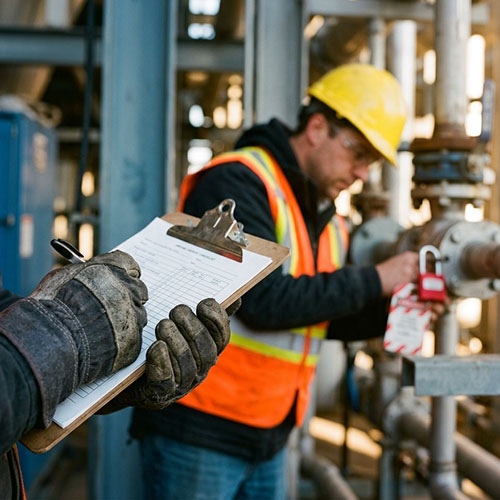
An HSE Policy is the written backbone of how a company protects its people, because it sets out exactly who is responsible for what when something goes wrong on
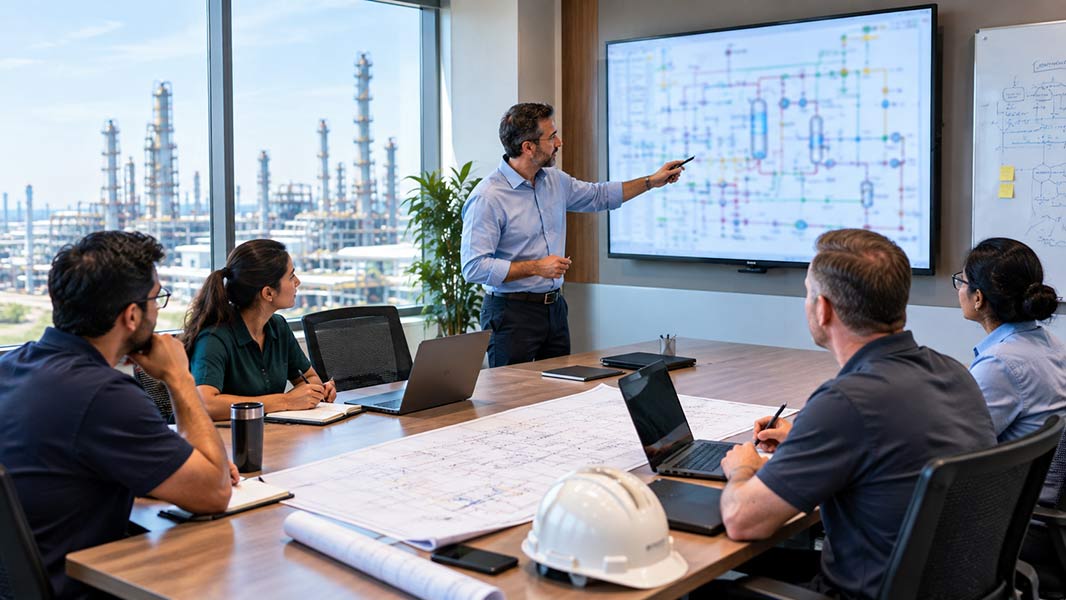
A HAZOP study stands between a process design that looks fine on paper and one that actually survives contact with real operating conditions. It exists because most process failures

Risk Based Process Safety decides whether a plant runs for decades without incident or ends up in a Chemical Safety Board report. Most facilities already track hazards on paper

Health and safety culture determines whether a workplace merely follows rules or genuinely protects the people inside it. Because most incidents trace back to attitudes and habits rather than

Process Safety Management exists because a single overlooked valve, a skipped inspection or an ignored warning sign can turn a chemical plant into a disaster site within minutes. Companies
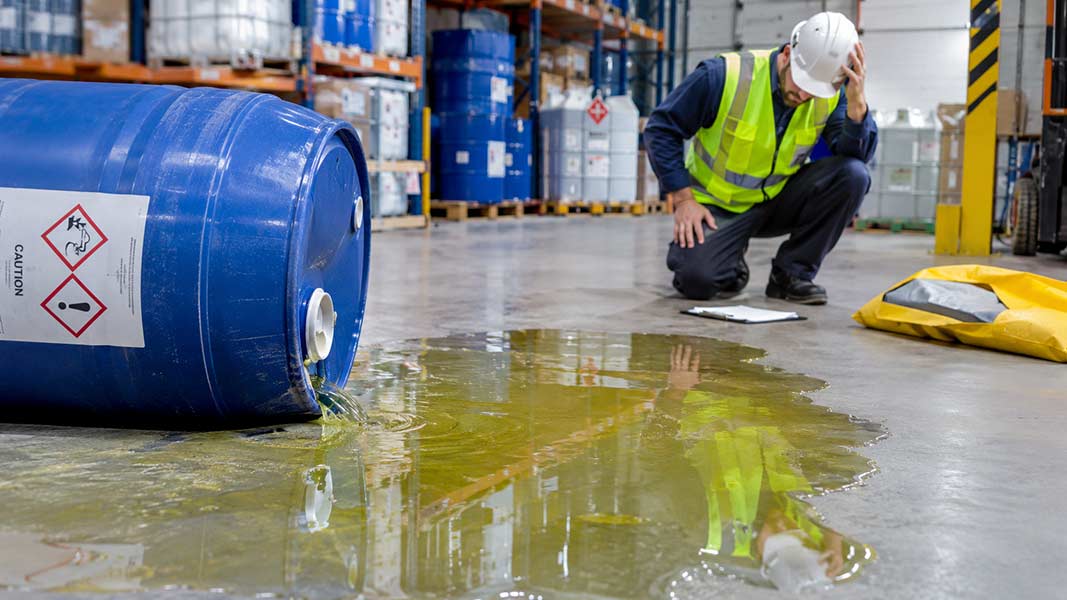
Chemical hazards cause more workplace injuries and long-term illnesses than most employers realize because exposure often happens quietly through skin contact, inhalation or repeated low-dose contact over months and
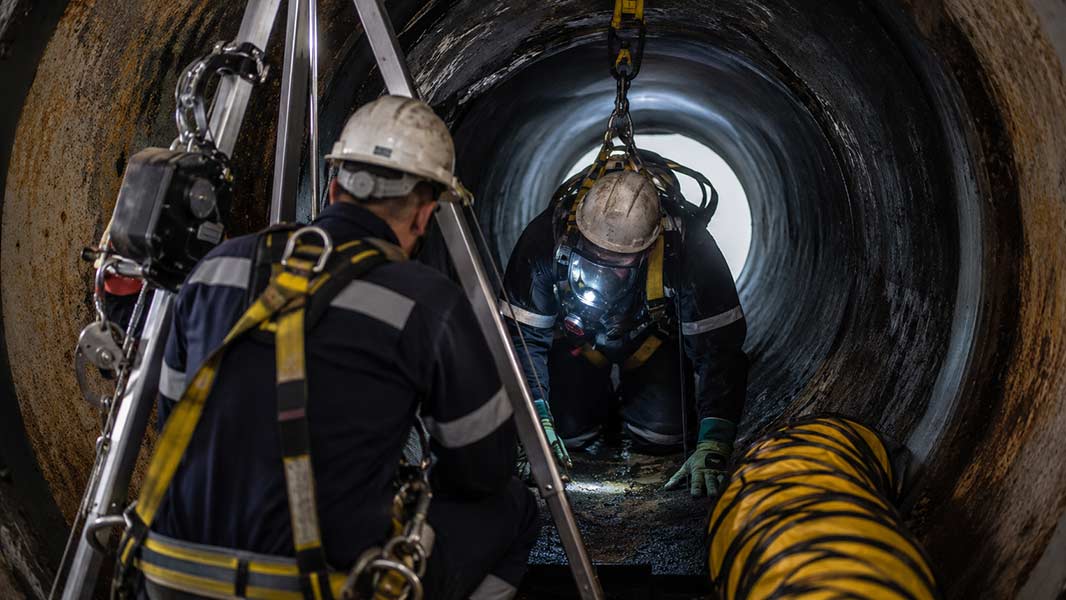
Confined Space Hazards cause more workplace deaths every year than most employers realize, often because the risks stay invisible until someone is already inside. A space doesn't need to

Manual handling hazards exists in almost every workplace, from warehouses to hospitals and it remains one of the leading causes of workplace injury worldwide. According to the UK Health

Heat stress vs heat stroke confuses more workers than it should, and that confusion costs lives every summer. The Bureau of Labor Statistics recorded 48 work-related deaths due to
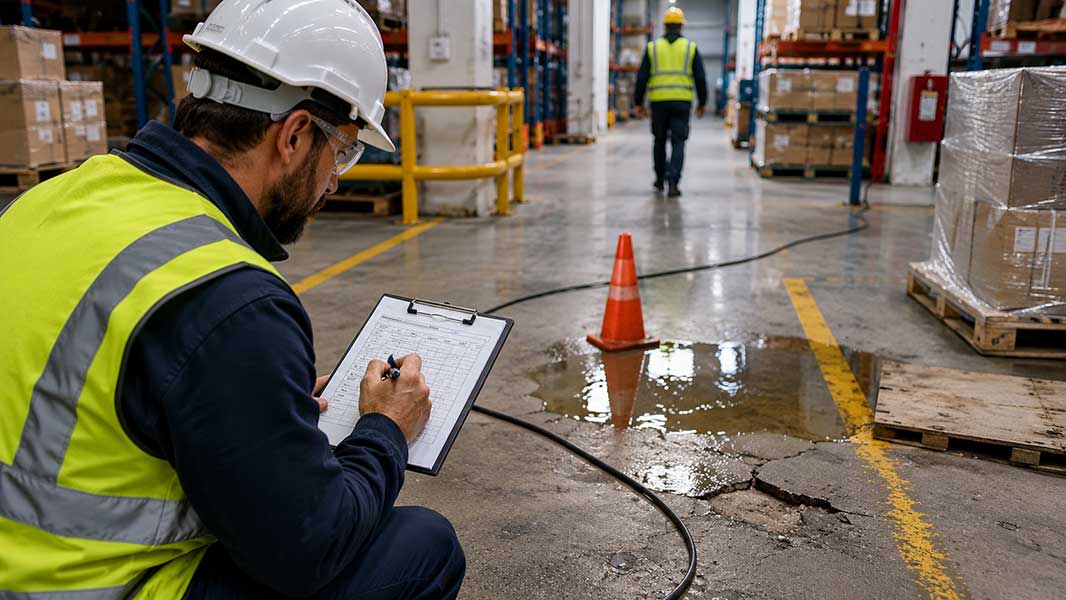
A slip, trip and falls risk assessment is the single most effective tool employers have for catching hazards before they turn into injuries. Because falls remain one of the

Line of fire hazards occur when a worker's body is positioned where it could be struck, crushed, pinned, or caught by moving equipment, falling objects, or released energy and
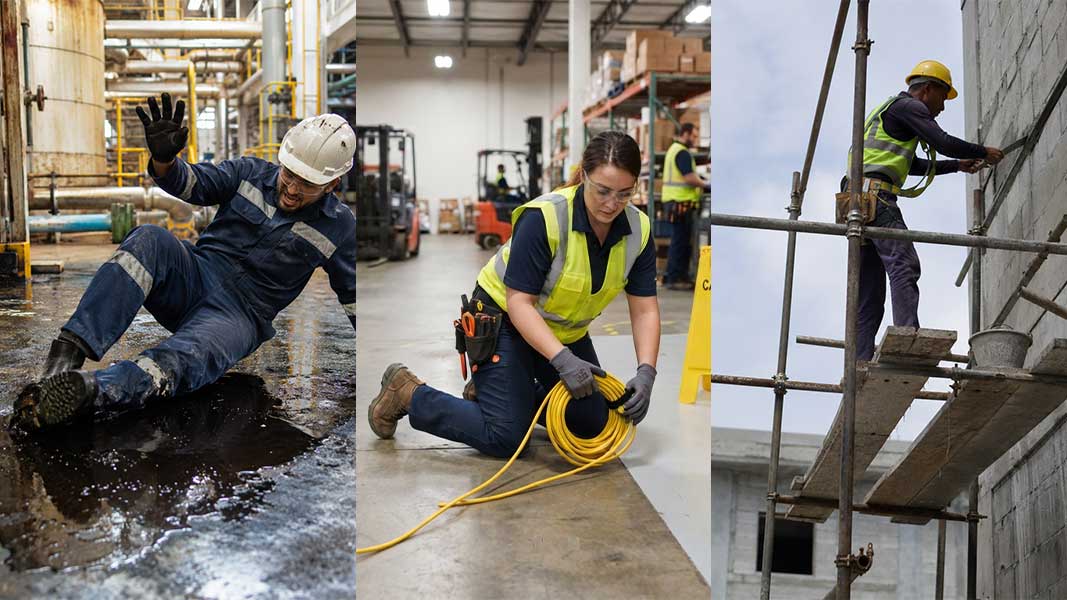
Slip, trip and fall hazards remain one of the most underestimated risks inside any workplace, largely because they hide in plain sight, a wet floor here, a loose cable
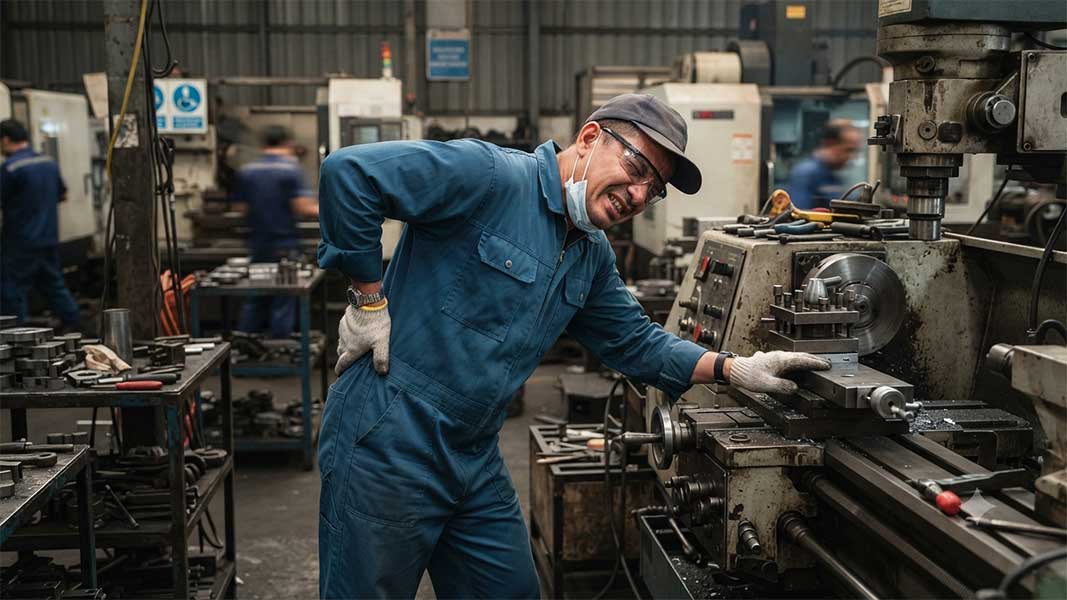
Repetitive strain injury at Workplace affects millions of workers every year and most of them do not realize the damage is building until pain becomes constant. According to the

Heat Stress Awareness starts with a simple fact: the human body can only handle so much heat before it starts to fail and most workers never see the warning
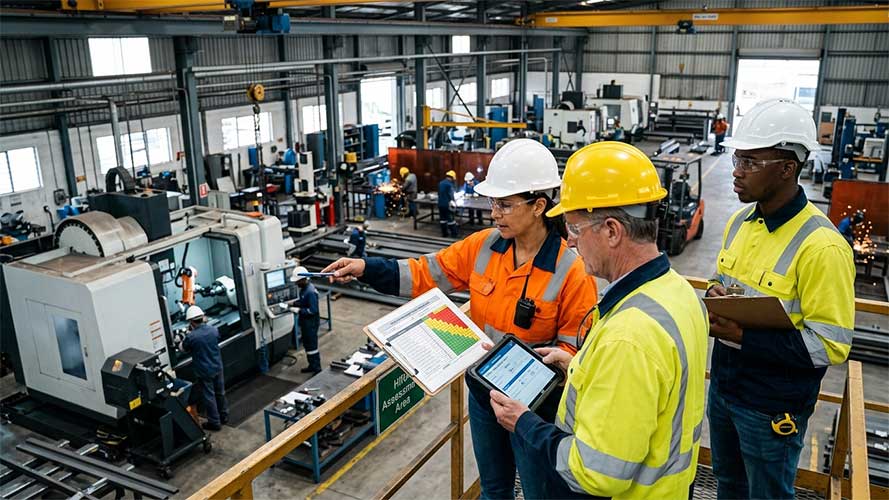
HIRA in the workplace is not a paperwork exercise. It is the single most important process that stands between your workers and a serious injury, a fatality or a
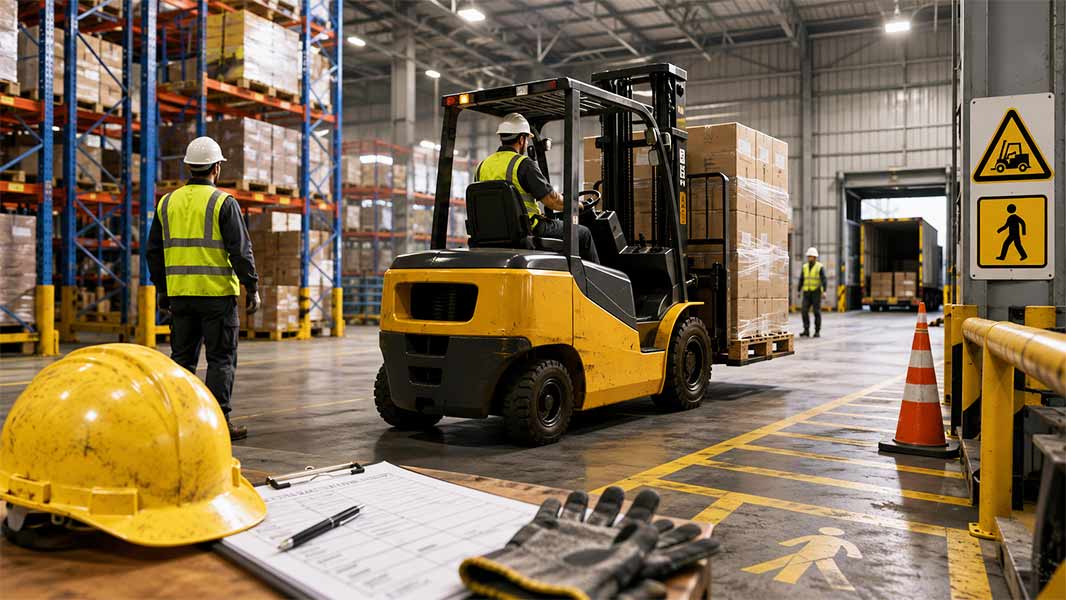
Forklift hazards and risk control is a critical responsibility in any workplace where powered industrial trucks operate daily. Warehouses, construction sites, manufacturing plants and logistics hubs rely on forklifts
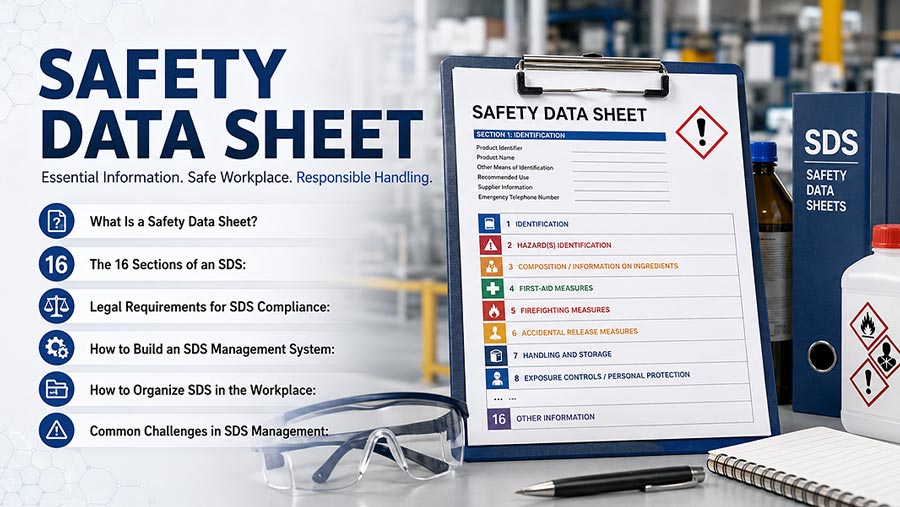
Every year, thousands of workplace chemical incidents happen not because the hazard was unknown, but because the right information was not where it needed to be. A Safety Data
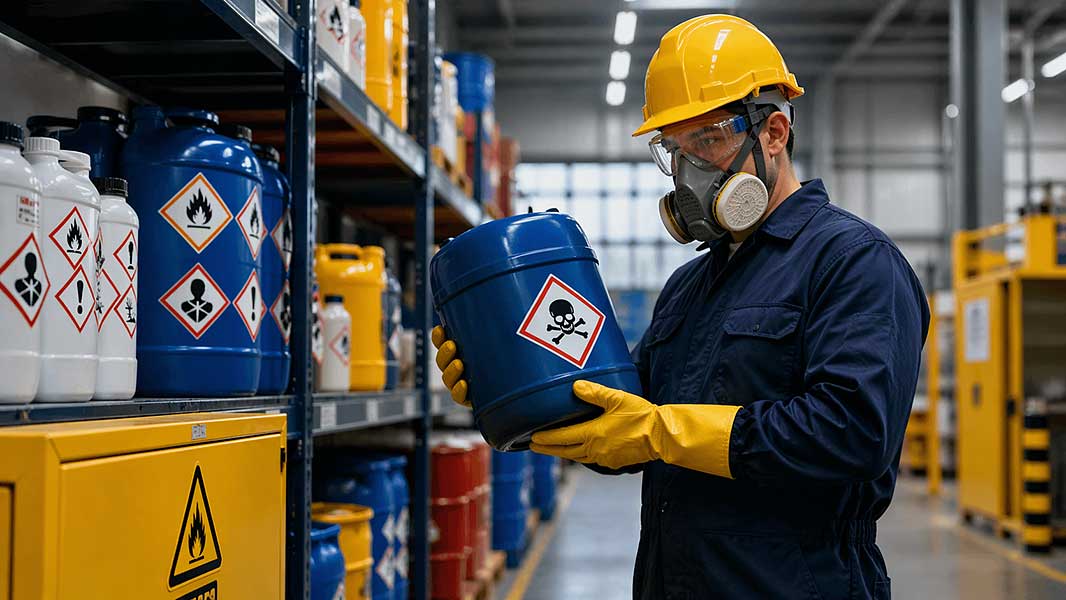
Hazardous Materials Safety is the line between controlled operations and catastrophic failure because one mismanaged chemical, one incompatible storage condition or one missed warning label can trigger injuries, fires,

Emergency Preparedness in UAE is no longer optional because a single unplanned incident can shut down operations, cause serious injuries and expose businesses to legal consequences. In high-risk sectors,

ISO 14001 Environmental Management Lead Auditor in UAE is a highly respected role because organizations rely on qualified professionals to assess environmental management systems (EMS), ensure ISO 14001:2015 compliance

Fall protection for work at height remains one of the most critical safety priorities across construction, oil and gas, manufacturing and maintenance industries because even a minor lapse can

Key requirements of ISO 9001 Certification in UAE define how organizations build a structured, consistent and performance-driven ISO 9001 Quality Management System that meets customer expectations and regulatory demands.
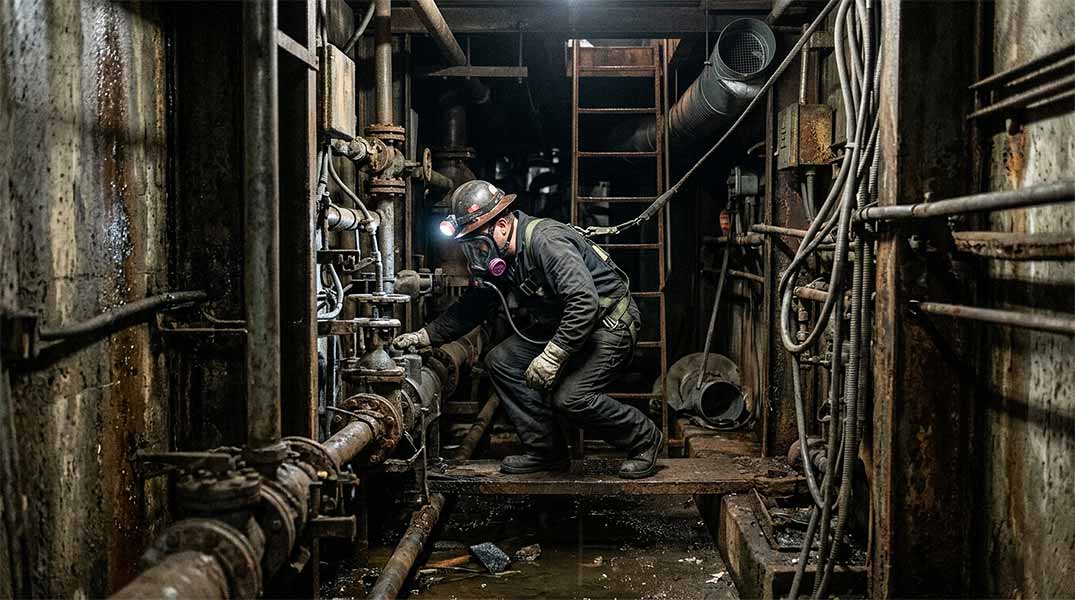
Confined Space Hazards remain one of the most critical risks in industrial workplaces because they combine limited access, poor ventilation and unpredictable conditions that can turn routine tasks into

The benefits of ISO 45001 lead auditor training are becoming increasingly important for safety professionals in the UAE because industries such as construction, oil and gas, manufacturing, logistics and
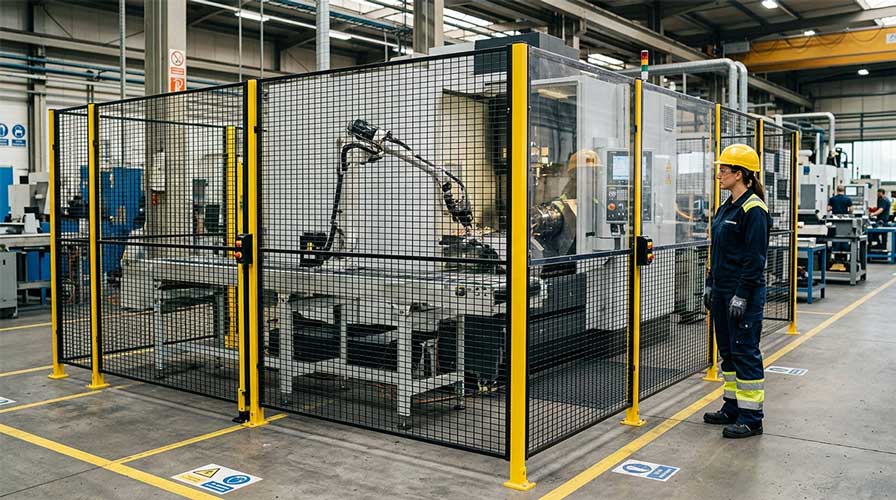
Machine Guarding Safety protects workers from dangerous moving parts, mechanical hazards and high-risk machine operations that exist across industrial workplaces. Manufacturing equipment, conveyor systems, cutting machines, presses and rotating

The ISO 14001 Certification Process provides organizations with a structured method to establish an effective Environmental Management System (EMS) that identifies environmental aspects, evaluates potential environmental impacts and implements
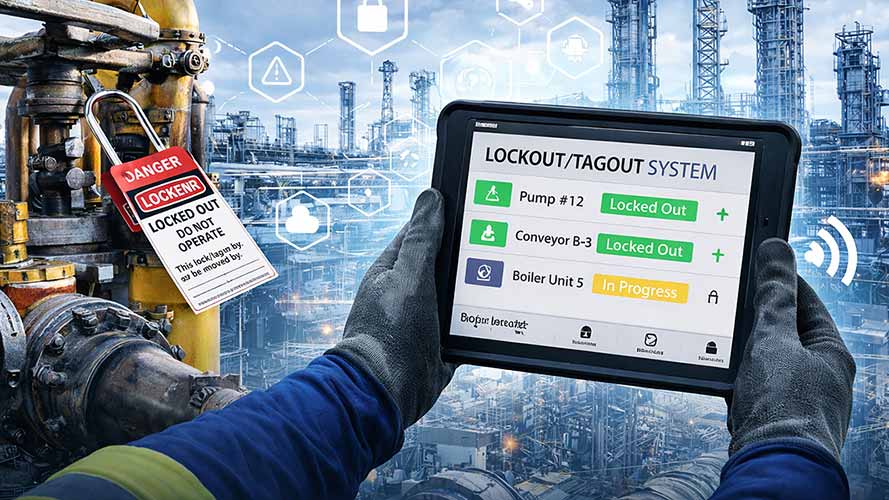
Digital LOTO Systems are becoming an essential part of modern industrial safety programs because traditional paper-based lockout tagout procedures often create gaps in documentation, communication and verification of hazardous

The benefits of ISO 9001 Lead Auditor Course in UAE are clear for professionals who want authority in quality management, because this qualification proves you can plan, conduct and

Employee Assistance Programs for workplace safety strengthen risk control because mental health, personal stress and financial pressure directly affect concentration, judgment and safe behavior at work. Many incident investigations

ISO 45001 clause 5.1 leadership and commitment requirements determine whether an Occupational Health and Safety Management System truly works in practice. Under the ISO 45001 framework, top management is

Bullying and harassment prevention in the workplace is a critical part of occupational health, legal compliance and organizational risk management. When disrespectful conduct is ignored, employee morale declines and

The benefits of ISO 14001 Lead Auditor Training in UAE extend far beyond earning a professional credential. This advanced qualification by Eduskills Training equips you to plan, conduct and

Workplace violence prevention is not limited to reacting after an incident occurs but instead focuses on identifying risks early and controlling them before harm happens. Violence at the workplace

HSE KPIs are the backbone of effective health, safety and environmental performance measurement because they turn policies, procedures and controls into measurable outcomes. When defined and used correctly, KPIs

ISO 45001 Implementation is the process of building a structured occupational health and safety management system that actually works on the ground, therefore reducing risks, preventing incidents and protecting

Fatigue management at the workplace has become a critical safety concern because fatigue directly affects alertness, judgment, reaction time and decision-making. When workers are fatigued, the likelihood of errors

Guide to ISO 45001 Lead Auditor Course is the starting point for professionals who want to upgrade from “knowing safety” to auditing occupational health and safety systems with confidence

Ergonomics and Musculoskeletal Health sit at the center of injury prevention because most work-related pain develops from everyday tasks rather than sudden accidents. When jobs are designed without considering
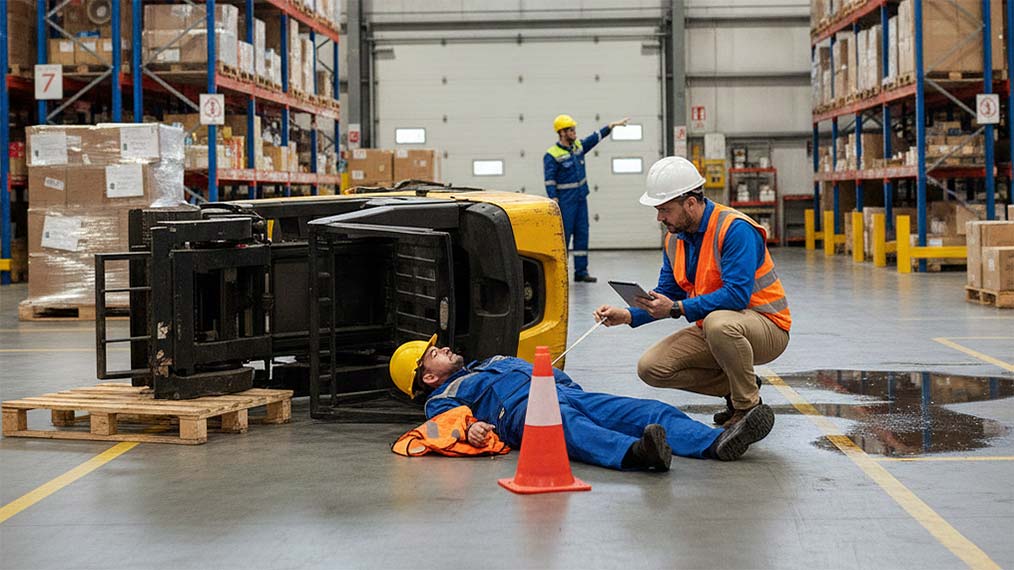
Incident investigation is the backbone of effective occupational health and safety, because it focuses on understanding why an incident occurred rather than who was involved. When done properly, it

ISO 14001 Gap Analysis is a structured assessment that helps organizations measure their current Environmental Management System against ISO 14001 requirements because even small compliance gaps can lead to

Choosing the right professional certification depends on career goals, industry exposure and long-term relevance. Many professionals choose ISO 9001 Lead Auditor Course in UAE because organizations across the region
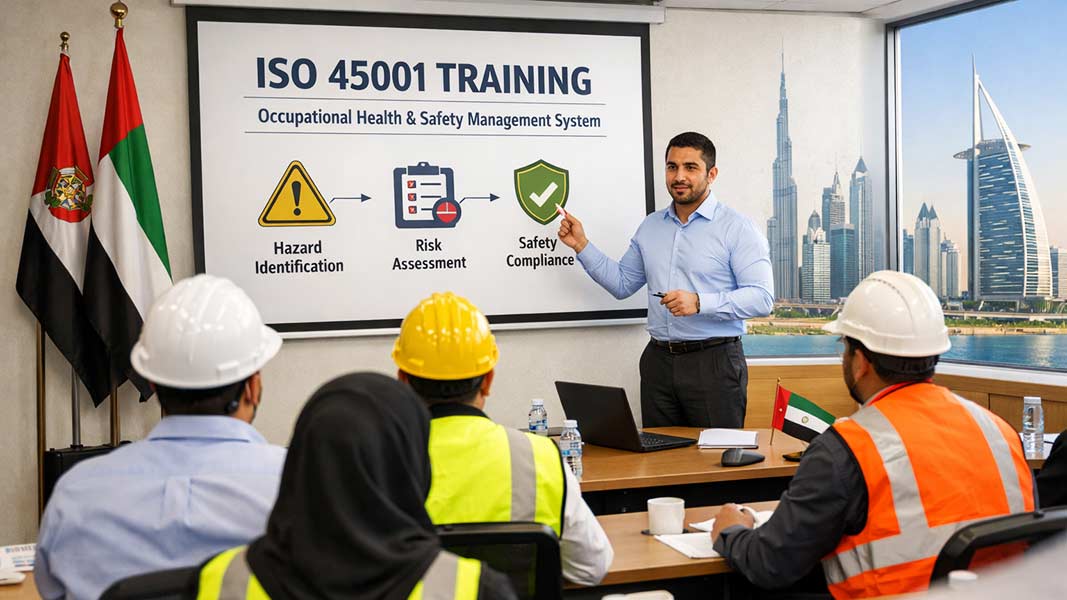
ISO 45001 Training in the UAE is no longer optional for professionals responsible for workplace safety, compliance and operational control. Organizations are under increasing pressure to reduce incidents, meet

ISO 45001 Implementation and Certification for SMEs in UAE has become a direct path for small and medium businesses to strengthen safety performance because it brings structure, accountability and
ISO 14001 Environmental Policy and Leadership set the foundation for how an organization turns environmental intent into measurable action. When both elements work in sync, teams move from declarations

Mental health in workplace safety is a critical factor that decides how consistently people follow procedures, recognize hazards and respond under pressure. When employees feel overwhelmed, their ability to

An ISO 45001 Gap Analysis gives you a realistic picture of how your current safety practices measure against the requirements of the ISO 45001 Occupational Health and Safety Management

Psychosocial hazards in the workplace influence how people think, behave and respond to risks because they directly affect mental wellbeing long before a physical incident occurs. When pressure builds,

Behavior based safety plays a defining role in how workplace safety culture grows, matures and stays consistent across daily operations. When organizations pay attention to the way people act
Soft skills for HSE professionals shape how effectively they communicate, influence and guide people on site, therefore they matter just as much as technical expertise. I’ve seen many safety