Heat Stress Awareness: Recognize the Warning Signs
Heat Stress Awareness starts with a simple fact: the human body can only handle so much heat before it starts to fail and most workers never see the warning

An HSE Implementation Plan is the foundation of every safe and responsible workplace. It provides a structured framework for managing health, safety and environmental risks so that daily operations run smoothly, efficiently and in compliance with regulatory standards. A well-designed plan not only protects people and the environment but also strengthens an organization’s credibility with clients, auditors and governing authorities. Developing a clear plan requires more than paperwork; it demands leadership commitment, well-defined objectives, regular monitoring and continuous improvement. When each element is addressed thoughtfully, the plan becomes a living system that supports long-term sustainability and operational excellence. At Eduskills Training, we help organizations in Dubai, Abu Dhabi, Sharjah and across the USE to build and maintain effective HSE management systems through expert-led training and consultancy. Our goal is to ensure that every company, regardless of its size or sector, has the tools and knowledge to create a strong safety culture and meet global best-practice standards.
An HSE Implementation Plan provides a structured pathway for organizations to manage health, safety and environmental risks effectively. It acts as a practical roadmap, translating company policies into measurable actions. The purpose is not only to comply with legal requirements but also to embed a proactive safety culture that protects employees, assets and the environment.
An HSE Implementation Plan is a systematic guide that outlines how an organization intends to manage its health, safety and environmental responsibilities. It sets clear procedures, assigns accountability and ensures that preventive actions are prioritized before problems arise. Because every industry faces different risks, the plan must be tailored to its operations, resources and workforce.
At its core, the plan integrates safety into daily routines rather than treating it as a separate process. It defines how incidents are prevented, how employees are trained and how compliance is achieved. Therefore, a strong implementation plan becomes the foundation for sustainable performance and continuous improvement.
A defined HSE strategy is essential because it provides direction and consistency. Without one, even well-intentioned safety efforts can become reactive and fragmented. A structured plan helps organizations identify hazards early, allocate resources wisely and measure performance through defined objectives.
Moreover, it sends a clear message that management values employee welfare and environmental protection. This builds trust among workers, clients and regulators. In the UAE, where industries operate under strict local and international safety requirements, a defined strategy ensures ongoing compliance and reduces the risk of costly penalties.
An effective HSE Implementation Plan directly contributes to legal and operational compliance. It helps organizations align their procedures with recognized standards such as ISO 45001 for occupational health and safety and ISO 14001 for environmental management. By integrating these requirements into the plan, businesses avoid gaps that might otherwise lead to non-conformities during audits or inspections.
In addition, a well-executed plan reduces risks by promoting hazard identification, incident reporting and corrective actions. Because responsibilities are clearly assigned and performance is monitored, potential threats are addressed before they escalate. As a result, companies maintain safer workplaces, minimize downtime and enhance overall productivity.
Eduskills Training supports this process through its expert-led HSE courses and consultancy services across UAE. Through a blend of classroom and online / e-learning, we help organizations strengthen compliance, reduce risk and build a culture of accountability.
A well-designed HSE Implementation Plan brings consistency, accountability and measurable improvement to an organization’s safety culture. Each element plays a specific role in preventing accidents, meeting compliance obligations and achieving long-term sustainability. The following are the ten essential elements every organization should include when designing or improving its HSE plan.
Strong health and safety leadership and management sets the direction for the entire HSE system because senior management carries prodigious responsibilities and must demonstrate visible commitment by setting policies, allocating resources and actively participating in safety initiatives. When leaders hold themselves accountable, employees are more likely to follow procedures, report hazards and maintain high standards. Regular reviews and open communication reinforce that safety is a shared responsibility than a departmental task.
Defining measurable goals gives the plan purpose. Objectives should be specific, realistic and aligned with the organization’s operational risks. For example, targets might include reducing incident rates, improving emergency response times or achieving ISO 45001 certification. Because progress must be trackable, performance indicators should be reviewed periodically to confirm that initiatives are delivering measurable improvements.
Every effective plan begins with understanding what can go wrong. Conducting thorough risk assessments helps organizations identify hazards related to equipment, processes and human behavior. The next step is to evaluate the likelihood and severity of each risk, followed by implementing suitable control measures. Continuous assessment ensures that new or changing conditions are addressed promptly.
An HSE system cannot succeed without employee involvement. Workers must understand the procedures that affect their tasks, which is why regular training and awareness sessions are vital. When employees take ownership of safety practices, they become the first line of defense against incidents. Eduskills Training provides practical HSE and ISO training programs that strengthen this involvement across all levels of the workforce.
Operational control defines how routine tasks are managed safely. This includes safe-work procedures, permit-to-work systems and equipment maintenance schedules. Equally important is emergency preparedness including developing and testing response plans for fire, chemical spills or other critical events. Regular drills and reviews ensure the organization is ready to act quickly and effectively when required.
Timely reporting and thorough incident investigation and near misses form a cornerstone of an effective HSE system. This process identifies root causes, prevents recurrence and improves organizational learning. A transparent reporting culture encourages employees to share information without fear, helping management address weaknesses before they lead to serious accidents.
Transparent communication ensures everyone understands their role within the HSE framework. Clear reporting channels encourage timely sharing of safety information, while proper documentation provides traceability and legal protection. Because consistency matters, all documents including policies, training records and incident reports should be regularly updated and accessible to relevant personnel.
Performance indicators such as near-miss frequency, audit results and corrective actions reveal how well the system functions. Regular monitoring allows organizations to identify trends and take proactive steps before issues escalate. Internal audits, inspections and management reviews validate that procedures remain effective and compliant with regulations.
An HSE Implementation Plan should never be static. Lessons learned from incidents, audits and employee feedback must feed back into the system for continuous improvement. Therefore, organizations should adopt a cycle of review, evaluation and enhancement. This approach ensures the plan evolves with operational changes and maintains alignment with international standards.
Compliance forms the backbone of any HSE plan. Organizations operating in the UAE must adhere to local regulatory requirements and, where applicable, global frameworks such as ISO 45001 and ISO 14001. Regular updates to legal registers, periodic audits and consultation with experts like Eduskills Training ensure ongoing adherence to evolving standards.
Building a strong and sustainable HSE Implementation Plan requires not just awareness but professional expertise and structured learning. This is where Eduskills Training plays a crucial role. We equip professionals and organizations with the knowledge, tools and confidence to design, implement and sustain high-performing HSE systems aligned with international standards.
Our trainings are developed and delivered by experienced industry professionals who understand both the theoretical and practical sides of health, safety and environment management. Through accredited qualifications and real-world case studies, learners gain a deeper understanding of how to build, manage and evaluate an effective HSE Implementation Plan.
We offer HSE and ISO trainings, certifications and services throughout the UAE, including Dubai, Abu Dhabi and Sharjah, enabling organizations to raise their internal competence and maintain compliance with local and global regulations.
Every organization operates under unique conditions, therefore a one-size-fits-all approach rarely works in HSE. Eduskills Training provides customized consultancy services that align with each client’s operational realities. Whether it’s developing an internal safety management framework, conducting risk assessments or preparing for ISO 45001 certification, our consultants work side by side with clients to strengthen their HSE culture and performance.
Because we understand local regulatory frameworks, we help companies across Dubai, Abu Dhabi and Sharjah meet their compliance requirements efficiently and confidently.
Recognizing that professionals have different schedules and learning preferences, Eduskills Training offers online and e-learning trainings as well. Our online trainings enables learners to study from anywhere, while our in-person sessions provide hands-on experience guided by highly qualified instructors.
All our trainers and consultants bring years of experience in health and safety, environmental management and ISO systems implementation. This ensures every learner receives practical insights that can be immediately applied to real-world situations.
Developing an HSE Implementation Plan is not just about compliance; it’s about shaping an organization’s identity around safety, accountability and sustainability. With the right approach, businesses can protect their workforce while enhancing efficiency and reputation. Sustainability in HSE begins with commitment and grows through continuous improvement. By regularly reviewing procedures, analyzing incidents and updating training programs, organizations create a proactive safety culture. A well-structured Plan protects more than just compliance records but it also safeguards employees, reduces downtime from incidents and strengthens public trust. Because safety excellence reflects operational excellence, organizations that priorities HSE are better positioned to achieve long-term business success. At Eduskills Training, our goal is to help every organization in the UAE and neighboring regions build that strength, one well-designed plan at a time.
Top management leads the process, but every employee plays a role through participation, reporting and following safety procedures.
It should be reviewed at least once a year or whenever there are significant operational or regulatory changes.
An HSE policy states an organization’s commitment to safety, while the health, safety and environment (HSE) implementation plan details how that commitment will be achieved and monitored.
Training builds awareness and competence, ensuring employees understand their responsibilities and follow safe work practices effectively.
Risk assessment identifies potential hazards and determines the controls required to minimize or eliminate them.
A well-designed plan aligns directly with ISO 45001 requirements, making certification easier and maintaining compliance more consistent.
It covers procedures, drills and training for handling incidents such as fires, chemical spills or equipment failures.
Organizations can use KPIs, audits, inspections and near-miss reports to track progress and identify improvement areas.
Encouraging participation through awareness sessions, open communication and recognition programs helps employees take ownership of safety.
Eduskills Training offers expert-led training and consultancy to help organizations design, implement and maintain effective HSE systems in Dubai, Abu Dhabi, Sharjah and across the UAE.
Heat Stress Awareness starts with a simple fact: the human body can only handle so much heat before it starts to fail and most workers never see the warning
HIRA in the workplace is not a paperwork exercise. It is the single most important process that stands between your workers and a serious injury, a fatality or a

Forklift hazards and risk control is a critical responsibility in any workplace where powered industrial trucks operate daily. Warehouses, construction sites, manufacturing plants and logistics hubs rely on forklifts
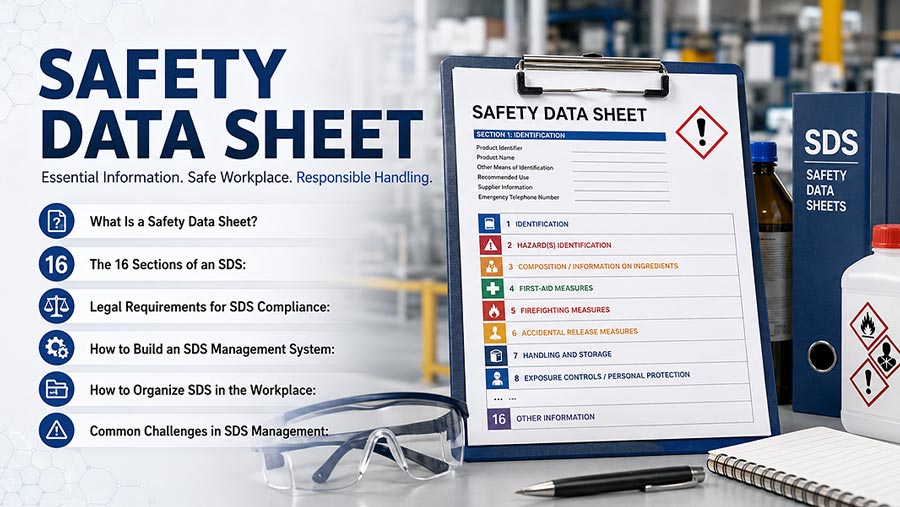
Every year, thousands of workplace chemical incidents happen not because the hazard was unknown, but because the right information was not where it needed to be. A Safety Data
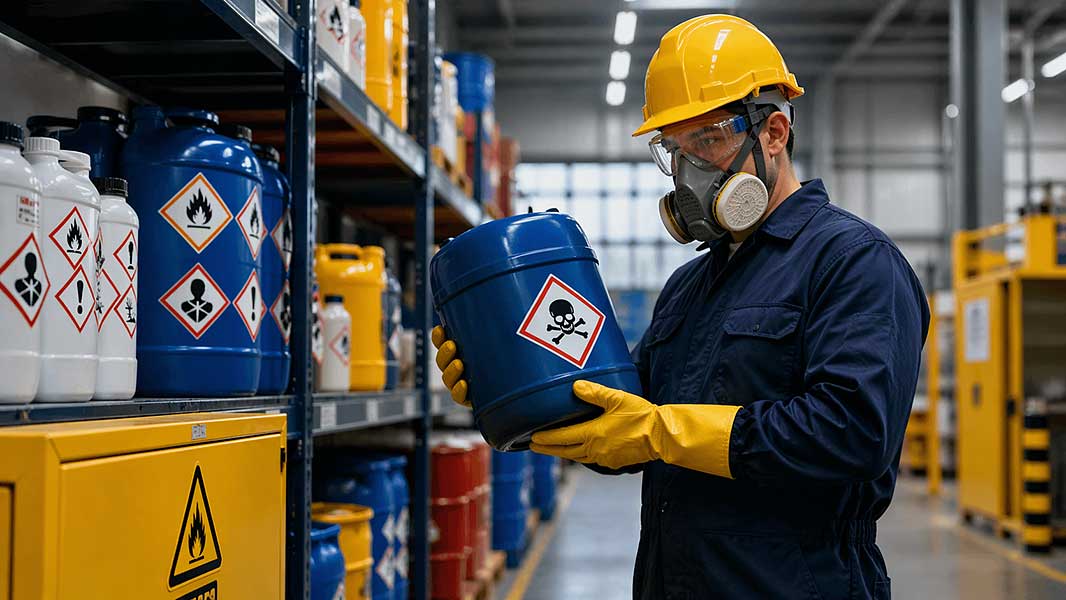
Hazardous Materials Safety is the line between controlled operations and catastrophic failure because one mismanaged chemical, one incompatible storage condition or one missed warning label can trigger injuries, fires,

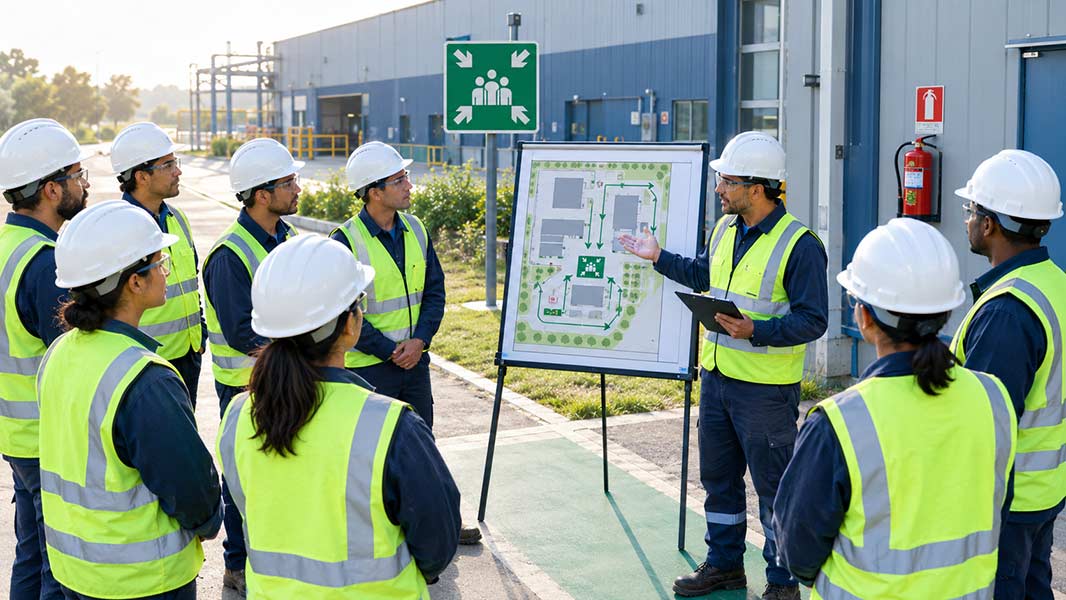
Emergency Preparedness in UAE is no longer optional because a single unplanned incident can shut down operations, cause serious injuries and expose businesses to legal consequences. In high-risk sectors,

ISO 14001 Environmental Management Lead Auditor in UAE is a highly respected role because organizations rely on qualified professionals to assess environmental management systems (EMS), ensure ISO 14001:2015 compliance

Fall protection for work at height remains one of the most critical safety priorities across construction, oil and gas, manufacturing and maintenance industries because even a minor lapse can

Key requirements of ISO 9001 Certification in UAE define how organizations build a structured, consistent and performance-driven ISO 9001 Quality Management System that meets customer expectations and regulatory demands.
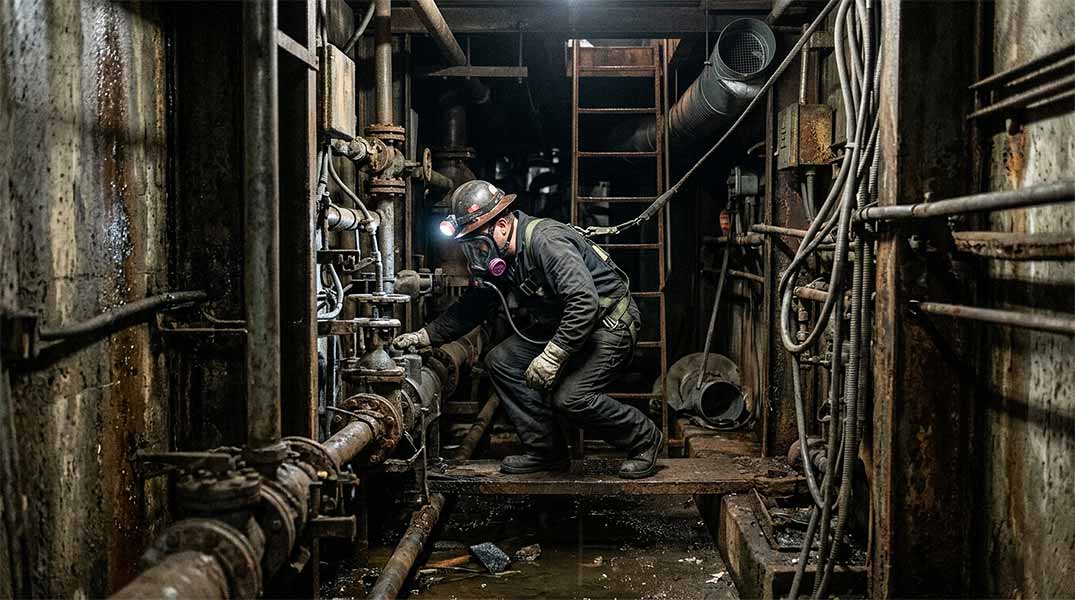
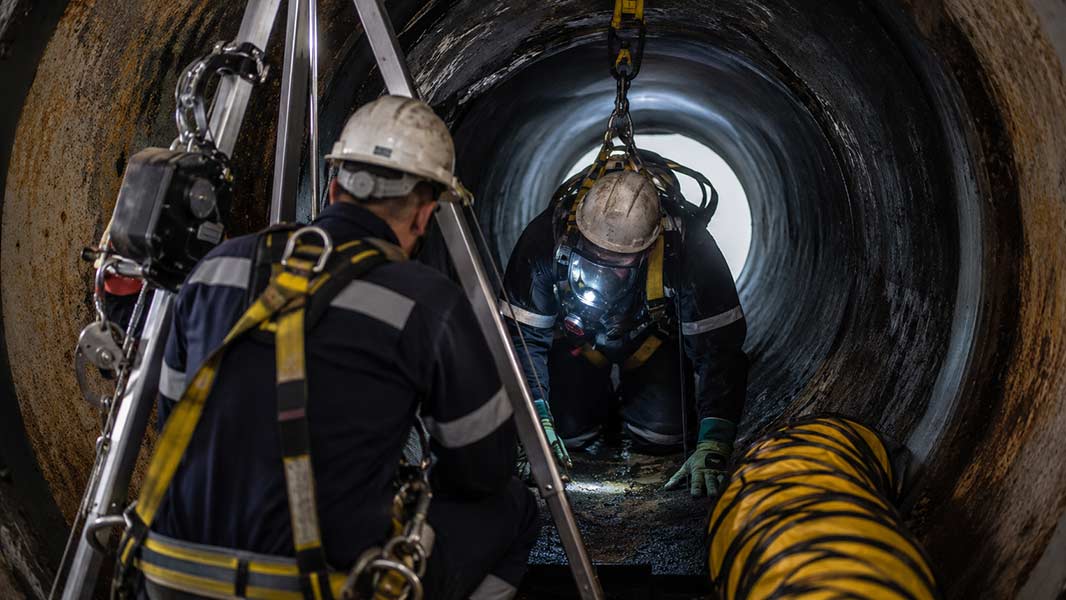
Confined Space Hazards remain one of the most critical risks in industrial workplaces because they combine limited access, poor ventilation and unpredictable conditions that can turn routine tasks into

The benefits of ISO 45001 lead auditor training are becoming increasingly important for safety professionals in the UAE because industries such as construction, oil and gas, manufacturing, logistics and

Machine Guarding Safety protects workers from dangerous moving parts, mechanical hazards and high-risk machine operations that exist across industrial workplaces. Manufacturing equipment, conveyor systems, cutting machines, presses and rotating

The ISO 14001 Certification Process provides organizations with a structured method to establish an effective Environmental Management System (EMS) that identifies environmental aspects, evaluates potential environmental impacts and implements

Digital LOTO Systems are becoming an essential part of modern industrial safety programs because traditional paper-based lockout tagout procedures often create gaps in documentation, communication and verification of hazardous

The benefits of ISO 9001 Lead Auditor Course in UAE are clear for professionals who want authority in quality management, because this qualification proves you can plan, conduct and

Employee Assistance Programs for workplace safety strengthen risk control because mental health, personal stress and financial pressure directly affect concentration, judgment and safe behavior at work. Many incident investigations

ISO 45001 clause 5.1 leadership and commitment requirements determine whether an Occupational Health and Safety Management System truly works in practice. Under the ISO 45001 framework, top management is

Bullying and harassment prevention in the workplace is a critical part of occupational health, legal compliance and organizational risk management. When disrespectful conduct is ignored, employee morale declines and

The benefits of ISO 14001 Lead Auditor Training in UAE extend far beyond earning a professional credential. This advanced qualification by Eduskills Training equips you to plan, conduct and

Workplace violence prevention is not limited to reacting after an incident occurs but instead focuses on identifying risks early and controlling them before harm happens. Violence at the workplace
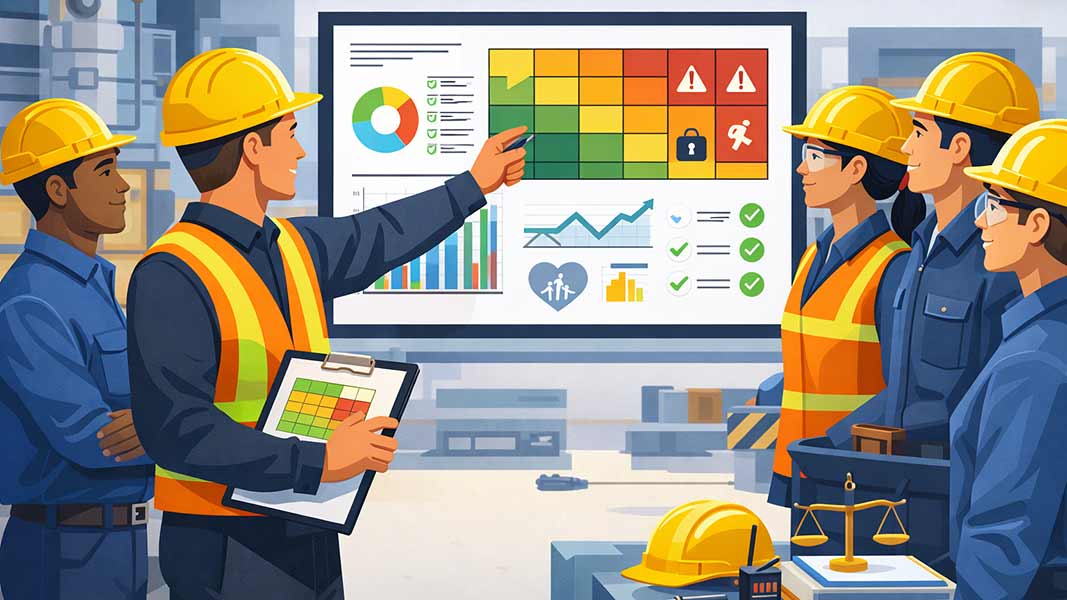
HSE KPIs are the backbone of effective health, safety and environmental performance measurement because they turn policies, procedures and controls into measurable outcomes. When defined and used correctly, KPIs

ISO 45001 Implementation is the process of building a structured occupational health and safety management system that actually works on the ground, therefore reducing risks, preventing incidents and protecting

Fatigue management at the workplace has become a critical safety concern because fatigue directly affects alertness, judgment, reaction time and decision-making. When workers are fatigued, the likelihood of errors

Guide to ISO 45001 Lead Auditor Course is the starting point for professionals who want to upgrade from “knowing safety” to auditing occupational health and safety systems with confidence

Ergonomics and Musculoskeletal Health sit at the center of injury prevention because most work-related pain develops from everyday tasks rather than sudden accidents. When jobs are designed without considering
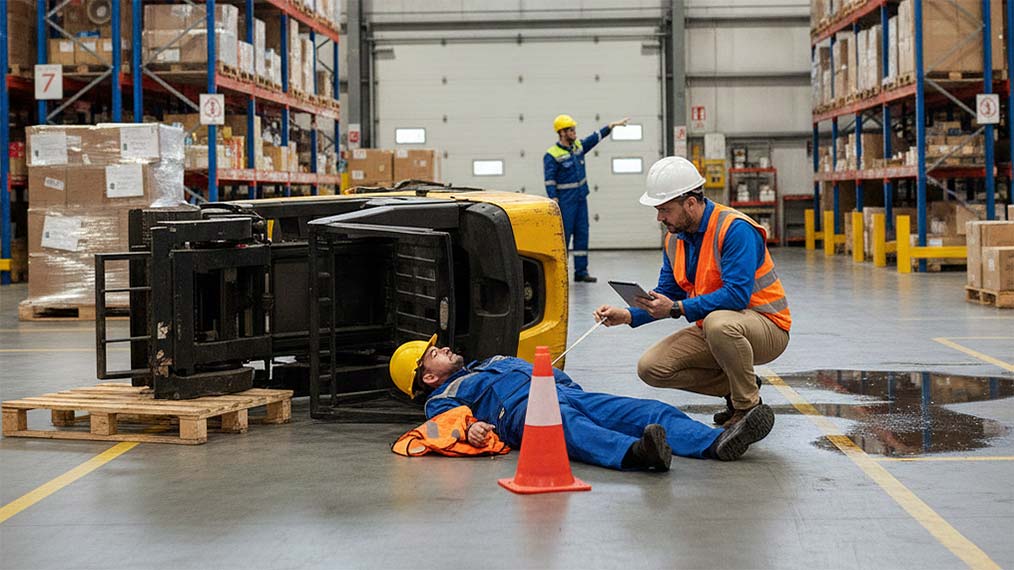
Incident investigation is the backbone of effective occupational health and safety, because it focuses on understanding why an incident occurred rather than who was involved. When done properly, it

ISO 14001 Gap Analysis is a structured assessment that helps organizations measure their current Environmental Management System against ISO 14001 requirements because even small compliance gaps can lead to

Choosing the right professional certification depends on career goals, industry exposure and long-term relevance. Many professionals choose ISO 9001 Lead Auditor Course in UAE because organizations across the region
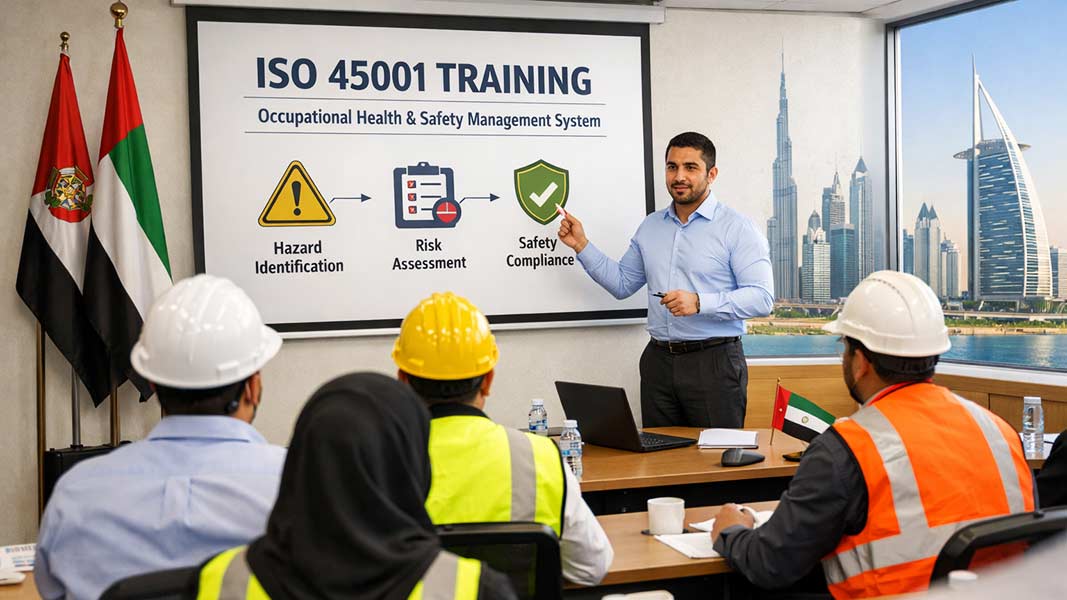
ISO 45001 Training in the UAE is no longer optional for professionals responsible for workplace safety, compliance and operational control. Organizations are under increasing pressure to reduce incidents, meet

ISO 45001 Implementation and Certification for SMEs in UAE has become a direct path for small and medium businesses to strengthen safety performance because it brings structure, accountability and

ISO 14001 Environmental Policy and Leadership set the foundation for how an organization turns environmental intent into measurable action. When both elements work in sync, teams move from declarations

Mental health in workplace safety is a critical factor that decides how consistently people follow procedures, recognize hazards and respond under pressure. When employees feel overwhelmed, their ability to

An ISO 45001 Gap Analysis gives you a realistic picture of how your current safety practices measure against the requirements of the ISO 45001 Occupational Health and Safety Management

Psychosocial hazards in the workplace influence how people think, behave and respond to risks because they directly affect mental wellbeing long before a physical incident occurs. When pressure builds,

Behavior based safety plays a defining role in how workplace safety culture grows, matures and stays consistent across daily operations. When organizations pay attention to the way people act
Soft skills for HSE professionals shape how effectively they communicate, influence and guide people on site, therefore they matter just as much as technical expertise. I’ve seen many safety
ISO 9001 digital transformation is reshaping how organizations in the UAE manage quality, safety and efficiency. Companies across Dubai, Abu Dhabi and Sharjah are moving beyond traditional paperwork and
An HSE Implementation Plan is the foundation of every safe and responsible workplace. It provides a structured framework for managing health, safety and environmental risks so that daily operations
ISO 45001 nonconformities are among the most common challenges organizations face during health and safety audits. We’ve seen many businesses struggle with recurring gaps that delay certification, affect compliance,
Leadership in ISO 9001 Certification success is the single most decisive factor that determines whether an organization truly achieves quality excellence or merely collects a certificate. ISO 9001:2015 places
An ISO 45001 audit preparation is far more than gathering documents and hoping for the best. It’s a disciplined process that tests your organization’s true commitment to occupational health
Common ISO 14001 implementation mistakes can quietly derail even the most well-intentioned environmental management plans. Many organizations across the UAE especially in Dubai, Abu Dhabi or Sharjah start with
ISO 9001 audit nonconformities reveal where a quality management system falls short of meeting the standard’s requirements. They highlight gaps in consistency, documentation, or process control that can impact
Achieving ISO 45001 certification is more than a compliance milestone, it’s a strategic commitment to protecting people and building a culture of safety across all levels of an organization.
Continuous improvement is the backbone of every high-performing organization. It’s not just about fixing what’s broken — it’s about building a culture that keeps evolving, learning and improving every
NVQ Level 6 Career Progression has become a defining step for health and safety professionals aiming to move from technical roles to senior leadership positions. The ProQual NVQ Level
Both the NVQ Level 7 SHSLM and NVQ Level 6 OHSP are highly respected health and safety qualifications, but they serve a little different career stages and objectives. As
A Health and Safety Internal Audit Report is more than a document; it’s the foundation for maintaining a safe, compliant, and accountable workplace. Every organization, whether operating in construction,
Health and safety leadership is the foundation of every successful organization that values its people. It’s not just about rules, checklists, or compliance manuals. It’s about creating a shared
A well-structured HSE Plan is the backbone of workplace safety and regulatory compliance in the UAE. It outlines how businesses protect workers, manage risks and meet legal requirements across