

SIMOPS: A Complete Guide to Safe Simultaneous Operations

SIMOPS (Simultaneous Operations) refers to the planning, coordination and control of two or more activities taking place concurrently within the same operational area or across interconnected work locations. In high-risk industries such as oil and gas, construction, petrochemicals and offshore operations, these activities can create additional hazards when their risks interact or interfere with one another. For example, conducting hot work near live hydrocarbon equipment while lifting operations continue in an adjacent area can introduce serious fire, explosion and dropped-object risks. Therefore, effective simultaneous operations management requires systematic hazard identification, risk assessment, permit-to-work coordination, clear communication and defined operational responsibilities. This guide explains the technical principles, safety controls and practical procedures required to manage simultaneous operations, minimize operational conflicts and maintain workplace and process safety without compromising project efficiency.

What Is SIMOPS and Purpose in Occupational Health and Safety?

SIMOPS stands for Simultaneous Operations. It describes situations where multiple work activities are conducted at the same time within a shared or interconnected operational area. These activities may involve different contractors, departments, equipment or operational teams.

In occupational health and process safety, it focuses on identifying and controlling hazards that may arise when separate work activities interact, overlap or interfere with one another. These interactions can introduce risks that would not normally exist if each activity were performed independently. The primary purpose is to prevent incidents caused by conflicting or interacting work activities.

Therefore, it requires coordinated planning, interface risk assessment, permit-to-work control and continuous communication between operations, contractors and HSE teams.

Effective simultaneous operations management typically involves:

  • Identifying overlapping activities and potential hazard interactions.
  • Establishing clear operational responsibilities and communication channels.
  • Coordinating permit-to-work systems and equipment isolations.
  • Defining acceptable, restricted and prohibited activity combinations.
  • Maintaining emergency response arrangements and safe access routes.

Where SIMOPS Applies in Industrial Operations?

SIMOPS is particularly relevant in industrial environments where construction, maintenance, production and other activities take place concurrently. It is widely applied in oil and gas facilities, offshore platforms, petrochemical plants, refineries, power generation facilities and large construction projects.

For example, an offshore platform may conduct drilling, hydrocarbon production, equipment maintenance and material lifting within interconnected operational areas. Similarly, a refinery expansion project may involve civil construction alongside live process operations. In both situations, activities can create interacting hazards through shared equipment, restricted access, energy sources or changing process conditions. Therefore, simultaneous operations assessment is essential wherever concurrent work could affect personnel safety, process integrity, environmental protection or emergency preparedness.

Common Types of SIMOPS Activities:

SIMOPS activities vary according to the nature of an industrial facility, project phase and operational requirements. However, they commonly involve combinations of construction, production, maintenance, commissioning, lifting and hazardous work activities.

Each combination presents different interface risks because work teams may share operational boundaries, equipment, access routes or safety systems. For instance, construction activities near a live processing unit can introduce ignition sources, equipment movement and changes to emergency access arrangements. Therefore, identifying the types of simultaneous activities is an important part of operations planning. It allows operations and HSE teams to evaluate potential conflicts, establish compatible work arrangements and determine which activities require additional controls or scheduling restrictions.

Construction and Live Plant Operations:

Construction activities frequently take place alongside operating facilities during plant expansions, upgrades and infrastructure modifications. These situations require careful SIMOPS coordination because construction personnel, machinery and temporary equipment may operate close to live process systems.

For example, installing structural steel near an operating gas processing unit can introduce dropped-object hazards, equipment movement and potential interference with emergency access routes.

Additionally, excavation work may affect underground utilities or buried process pipelines. Therefore, effective management requires defined work boundaries, approved excavation permits, lifting controls, utility identification and coordination with plant operations. Where construction activities could compromise process safety barriers, additional restrictions or temporary suspension of specific operations may be necessary.

Drilling and Production Operations:

Drilling and hydrocarbon production can create significant simultaneous operations challenges, particularly on offshore platforms and multi-well installations. These activities may involve drilling operations, well testing, wireline intervention, production monitoring and maintenance within interconnected areas. However, the interaction between well operations and live hydrocarbon systems can introduce serious risks, including unexpected hydrocarbon releases, ignition, pressure-related hazards and interference with emergency response arrangements.

For example, conducting well testing while nearby production equipment remains operational requires careful assessment of process interfaces and potential escalation scenarios. Consequently, simultaneous operations planning should establish operational boundaries, communication protocols, well control arrangements and clearly defined restrictions before concurrent activities are authorized.

Maintenance and Process Operations:

Maintenance activities often take place while other sections of an industrial facility remain operational. This creates simultaneous operations interfaces when maintenance personnel work on equipment located near live process systems, electrical installations or operating machinery.

For example, replacing a pump on an isolated process line while adjacent equipment continues transferring flammable liquids requires strict isolation verification and protection against unintended energy release. Furthermore, maintenance activities may affect ventilation, fire protection, detection systems or other critical safety barriers.

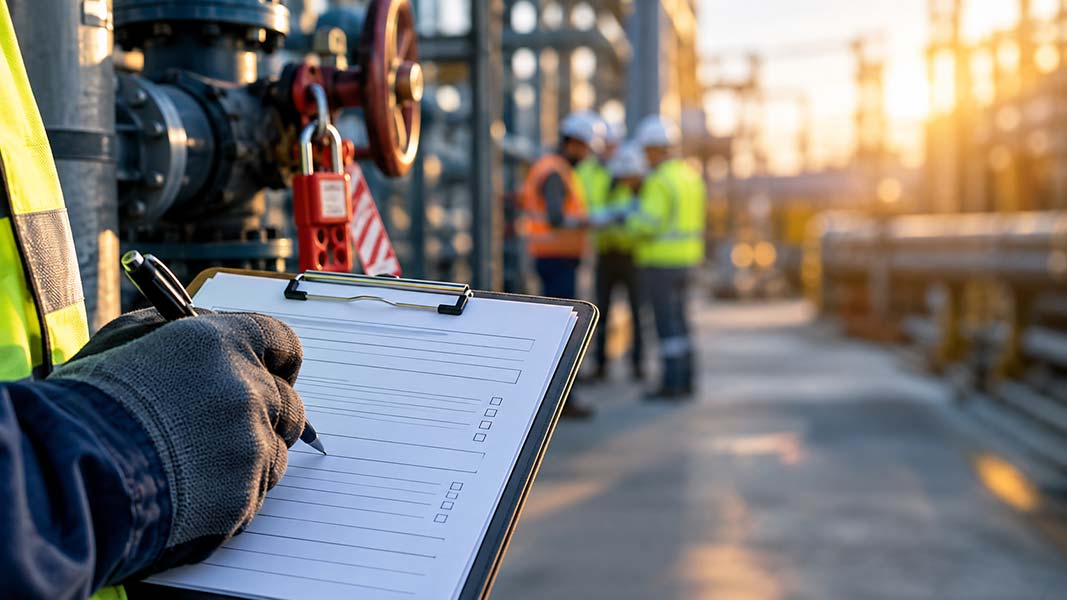
Therefore, operations and maintenance teams must coordinate permit approvals, lockout/tagout (LOTO), equipment isolation, gas testing and reinstatement procedures. Where isolation boundaries or process conditions change, the simultaneous operations assessment must be reviewed before work continues.
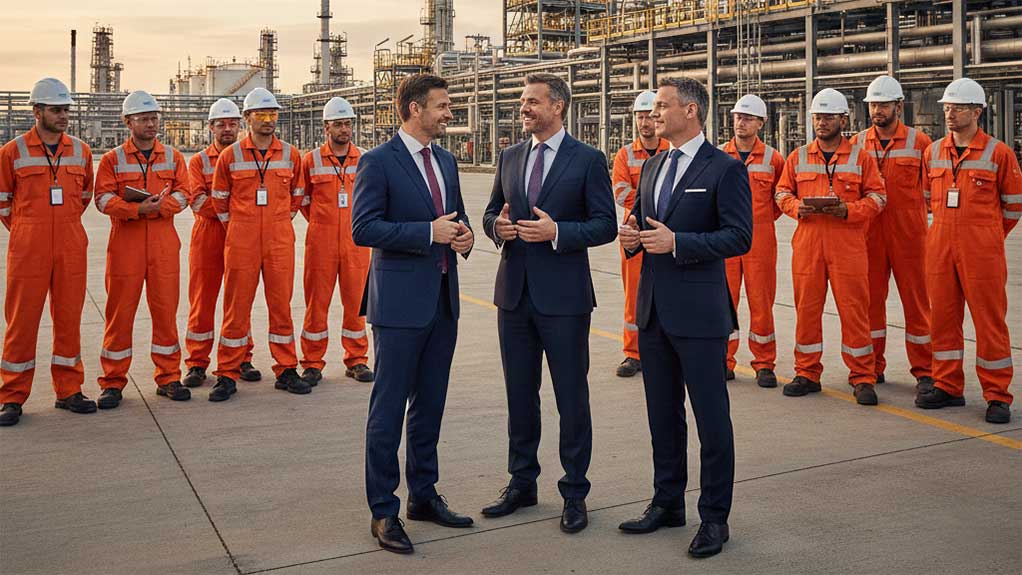
Pre-Commissioning and Commissioning Activities:

Pre-commissioning and commissioning introduce additional SIMOPS risks because newly installed systems may be tested, energized or introduced into operational service while construction and other activities continue nearby.

Pre-commissioning typically includes flushing, cleaning, pressure testing and equipment verification, whereas commissioning involves functional testing, energization and introducing operating fluids or process conditions.

For example, electrical energization of a newly installed switchgear system while construction personnel work within the same area can create serious electrical exposure risks. Similarly, introducing hydrocarbons into a commissioned process system may affect nearby work activities. Therefore, clear system boundaries, energization controls, isolation management, access restrictions and formal handover procedures are essential.

Hot Work and Other Concurrent Activities:

Hot work is one of the most critical activities requiring SIMOPS assessment, particularly when performed near live hydrocarbon systems, flammable substances or combustible materials. Welding, grinding and gas cutting can generate sparks, heat and ignition sources that may trigger fires or explosions if hazardous atmospheres are present.

The risk increases when other activities, such as hydrocarbon transfer, chemical handling, painting or gas testing, occur within the same operational area.

For example, welding on a structural support near a process line carrying flammable gas requires assessment of potential release scenarios, ignition sources and protective barriers. Consequently, hot work permits, atmospheric monitoring, fire watch arrangements and operational restrictions must be coordinated with all affected work teams. In certain conditions, the safest control is to prohibit concurrent activities.

“In high-risk industrial environments, the greatest danger often lies not in individual activities, but in the way they interact. Safe execution depends on recognizing these operational interfaces, coordinating every movement and ensuring that one work activity never compromises the safety of another.”

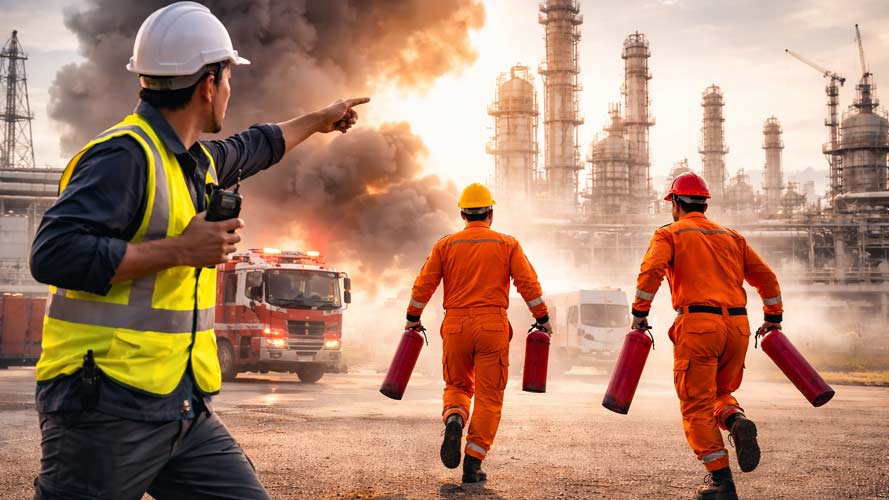
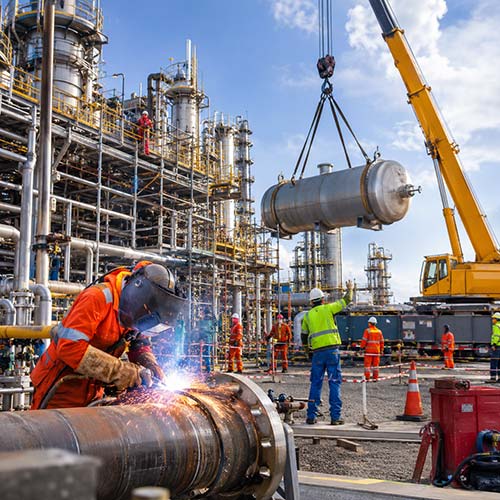
Industrial SIMOPS hazards involving hot work, crane lifting and concurrent maintenance activities at a petrochemical facility.

Major Hazards and Risks Associated With SIMOPS:

Concurrent industrial activities can introduce complex safety risks when multiple work activities interact within shared or interconnected operational areas. For example, hot work near a live hydrocarbon system can introduce ignition risks, while lifting operations above active work areas may expose personnel to dropped objects. Other concerns include electrical energy conflicts, hazardous atmospheres, restricted access and emergency response interference. A structured risk assessment helps establish suitable controls, define operational restrictions and prevent hazardous interactions before work begins.

Fire, Explosion and Hydrocarbon Release:

Fire and explosion are among the most serious operational hazards, particularly in oil and gas facilities, refineries and petrochemical plants. These incidents can occur when ignition sources interact with flammable gases, vapors or combustible materials released during concurrent operations.

For example, welding near an operating hydrocarbon pipeline may create an ignition risk if a leak develops within the affected area. Similarly, pressure testing or maintenance activities could disturb process connections and cause an unintended release. Therefore, risk assessments for concurrent activities must consider hazardous area classification, potential release points, ignition sources, gas detection coverage and emergency shutdown arrangements. Depending on the assessed risk, controls may include suspending nearby operations, establishing exclusion zones, conducting continuous gas monitoring and restricting hot work.

Lifting Operations and Dropped Objects:

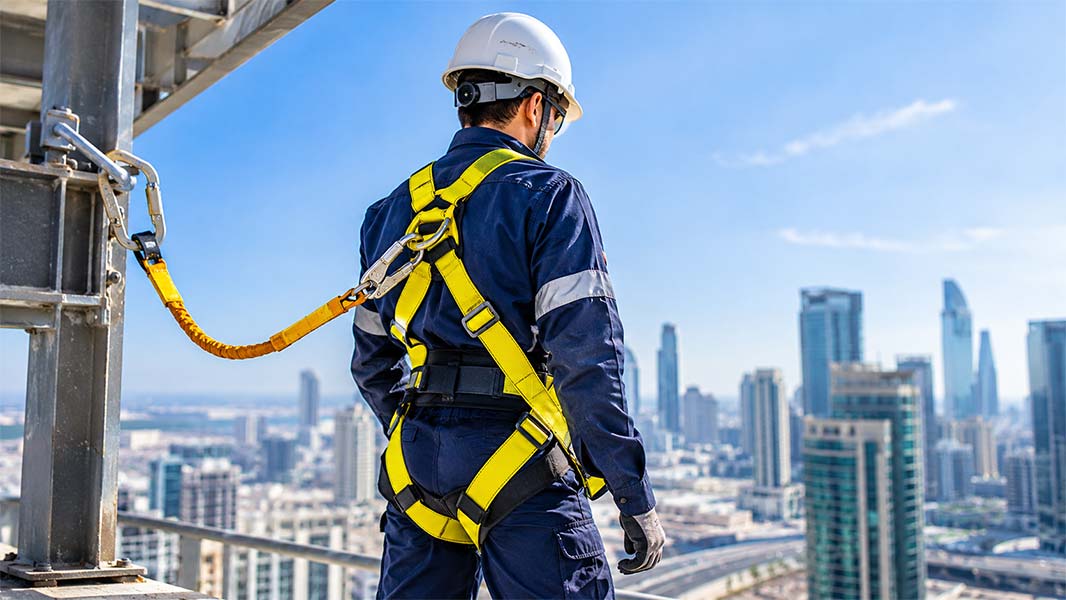
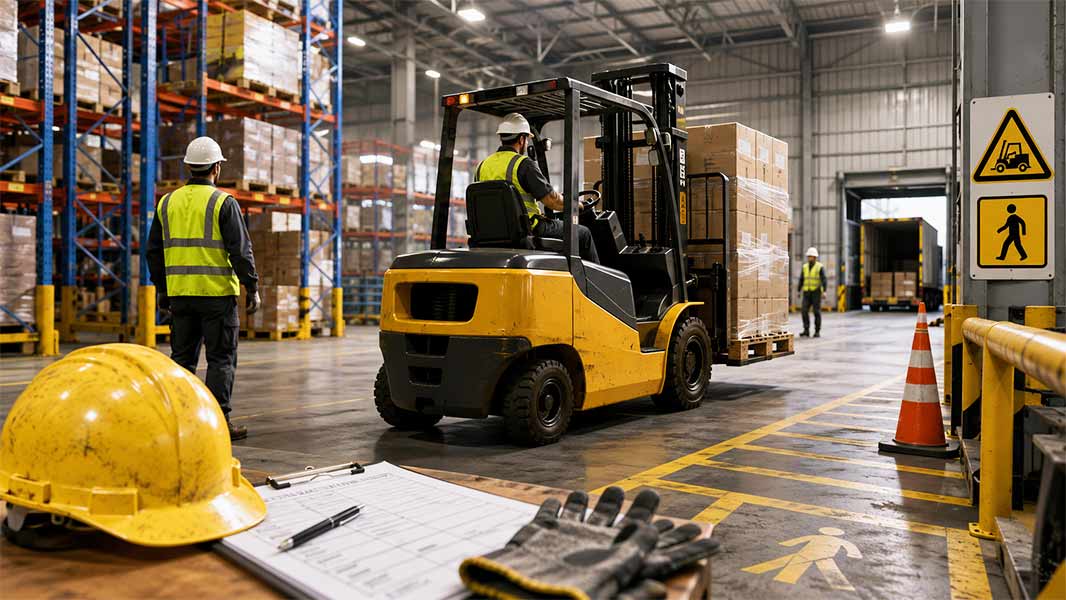
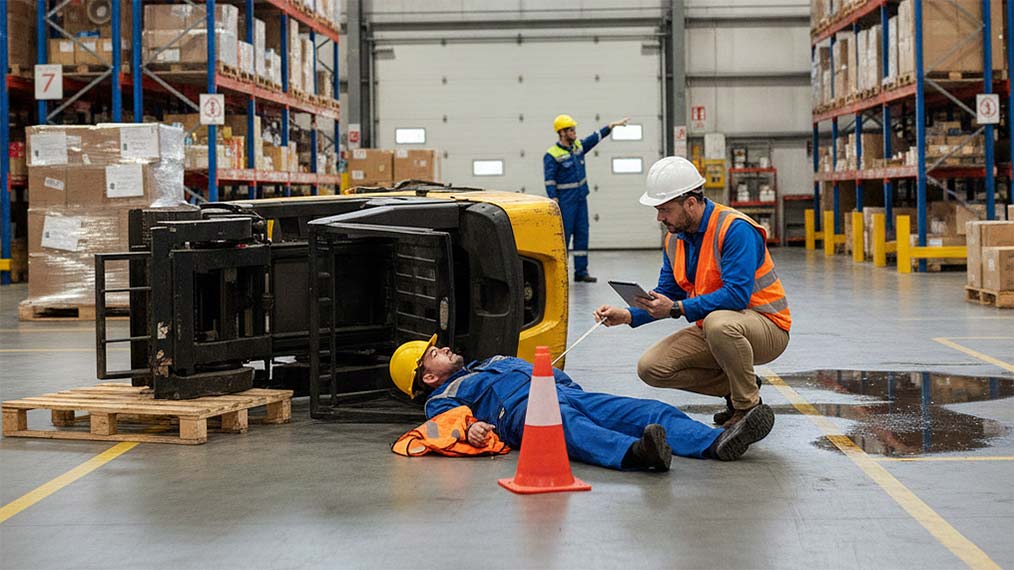
Simultaneous lifting and ground-level activities can expose personnel and equipment to significant struck-by and dropped-object hazards. These risks increase when cranes, forklifts or other lifting equipment operate above or near active work areas. For instance, lifting structural components over a maintenance crew may expose workers to falling loads if equipment fails or the load becomes unstable.

Additionally, crane movements can interfere with overhead power lines, process pipework and adjacent operations. Effective management of concurrent activities requires approved lifting plans, defined exclusion zones, competent lifting personnel and coordinated communication between operators and ground teams. Furthermore, overlapping lifting activities should be assessed for crane interaction, load paths, wind conditions and potential obstruction of emergency access routes.

Electrical Hazards and Energy Isolation Conflicts:

Electrical hazards can become more complex when maintenance, construction and live operations involve shared electrical systems or interconnected equipment. Uncoordinated isolation activities may result in unexpected energization, electric shock, arc flash or equipment damage.

For example, an electrical team may isolate a distribution panel for maintenance while another contractor depends on the same supply for temporary construction equipment. Similarly, incorrect identification of interconnected circuits can expose workers to hazardous electrical energy. Therefore, operational coordination must establish clear isolation boundaries, authorized personnel, lockout/tagout (LOTO) arrangements and verified electrical drawings. Any changes to isolation status must be communicated to affected teams before work proceeds or equipment is returned to service.

Confined Space and Hazardous Gas Exposure:

Confined space operations present serious safety challenges when nearby activities can affect atmospheric conditions, ventilation or emergency access. Workers entering tanks, vessels, pits or enclosed process equipment may be exposed to oxygen deficiency, toxic gases, flammable vapors or unexpected material ingress.

For example, chemical cleaning near an open vessel entry could introduce hazardous vapors into the confined space. Similarly, welding or coating activities may affect ventilation and atmospheric quality. Consequently, risk assessments must consider adjacent work activities, gas migration pathways, ventilation arrangements and rescue requirements.

Appropriate controls include valid confined space permits, atmospheric testing, continuous monitoring where necessary, isolation verification and dedicated standby personnel with suitable rescue arrangements.

Worksite Congestion and Restricted Access:

Worksite congestion develops when multiple teams, vehicles, equipment and materials compete for limited operational space. This can obstruct access routes, reduce visibility and increase the likelihood of collisions or contact with hazardous equipment.

For example, material deliveries, crane movements and maintenance activities taking place within the same access corridor can restrict pedestrian movement and emergency vehicle access. Furthermore, poorly coordinated work zones may expose personnel to unrelated activities and unexpected hazards. Therefore, site planning should establish designated work areas, equipment routes, pedestrian walkways and material storage locations. Supervisors must also monitor changing site conditions because temporary obstructions or additional contractors can alter previously approved access arrangements.

Emergency Response and Evacuation Conflicts:

Concurrent activities can interfere with emergency response when different work teams follow incompatible evacuation arrangements or when their activities affect critical emergency facilities.

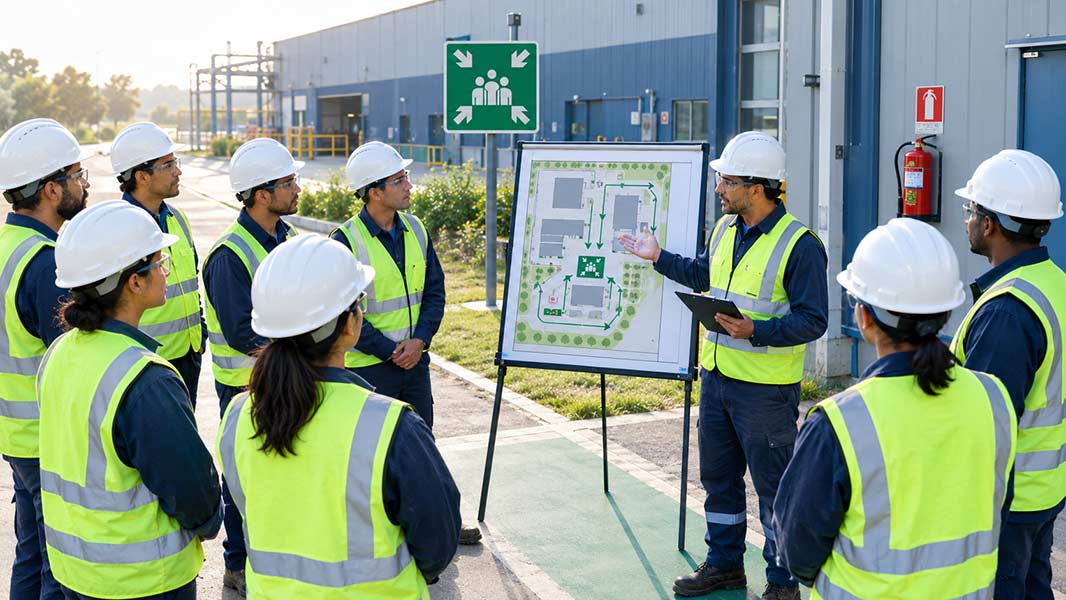
For example, scaffolding installation may obstruct an escape route, while maintenance work could temporarily impair a fire detection or suppression system. Similarly, lifting operations may restrict access for emergency response vehicles. These conditions can delay evacuation, rescue and incident containment. Therefore, emergency planning must evaluate access routes, muster points, alarm communication and temporary impairment of safety-critical systems. All contractors and operational personnel should understand the applicable emergency procedures. Where an activity compromises essential emergency arrangements, additional safeguards or suspension of the affected work may be necessary.

SIMOPS Risk Assessment and Hazard Identification:

A SIMOPS risk assessment evaluates how concurrent work activities may interact and create additional hazards beyond those identified through individual job risk assessments. It considers operational interfaces, shared resources, process conditions, worksite boundaries and the effectiveness of existing safety barriers. The assessment must be reviewed whenever work scopes, operating conditions, personnel or environmental circumstances change.

Identifying Interacting Work Activities:

The first step in SIMOPS risk assessment is identifying all activities that may overlap geographically, operationally or through shared equipment and systems. This requires reviewing work schedules, permit applications, construction programs, maintenance plans and ongoing production activities. However, physical proximity is not the only consideration because activities in separate locations may still interact through ventilation systems, process pipelines, electrical networks or shared emergency arrangements.
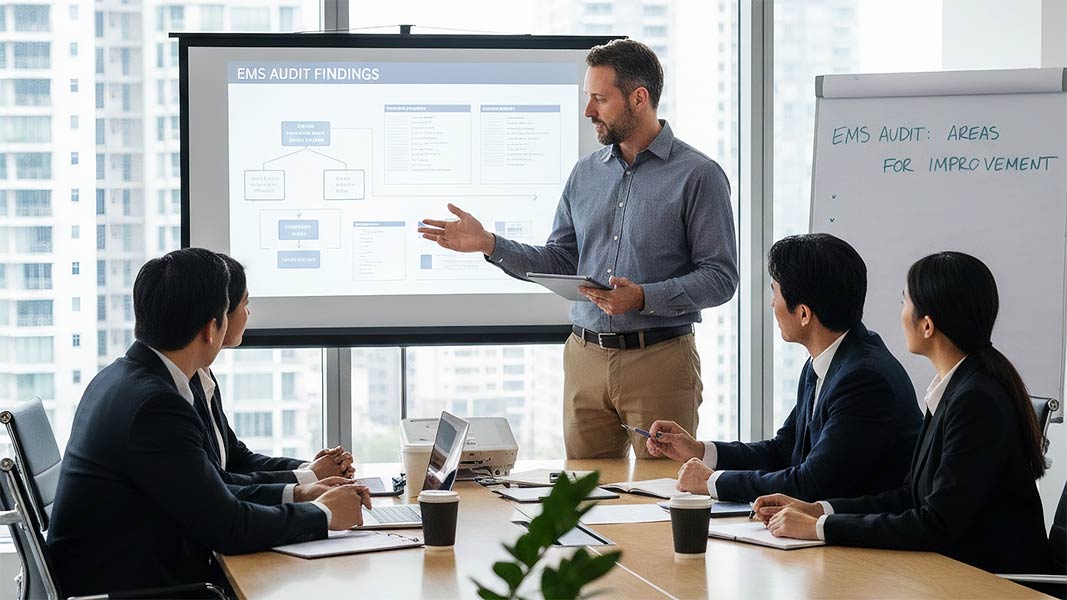
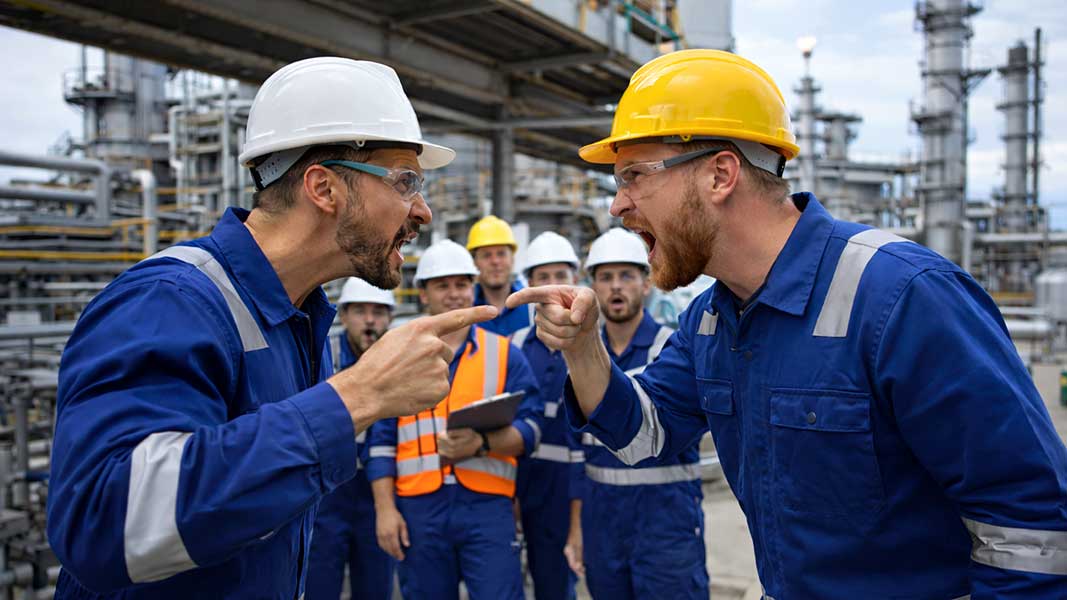
For example, pressure testing in one area may affect equipment connected to an operating system elsewhere. Therefore, planners should develop a coordinated activity register that identifies work locations, timings, responsible contractors, equipment requirements and potential interfaces before determining whether activities can safely proceed together.
Conducting SIMOPS Hazard Identification:

SIMOPS hazard identification examines the specific conditions that could cause one activity to create or increase risk for another. A multidisciplinary review involving operations, HSE, engineering, maintenance and contractor representatives helps identify hazards that individual work teams might overlook.

Techniques such as Hazard Identification (HAZID), Job Safety Analysis (JSA) and structured simultaneous operations review workshops can support this process.

For example, a workshop may identify that nearby painting operations could introduce flammable vapours into an area where welding is planned. The assessment should also consider abnormal operating conditions, equipment failure, human error and potential escalation scenarios. Consequently, hazard identification must address both direct task hazards and interactions between concurrent activities.

Assessing Combined and Interface Risks:

Combined risk assessment determines how hazards from separate activities may interact and produce consequences greater than those associated with individual tasks. This includes examining shared process systems, energy sources, work boundaries, environmental conditions and safety-critical equipment.

For example, maintenance on a firewater system while hot work continues nearby may reduce the facility’s ability to control a fire. Similarly, simultaneous lifting and scaffold dismantling can create overlapping dropped-object exposure. Therefore, assessment teams must examine credible interaction scenarios, identify affected personnel and determine whether existing safeguards remain effective. Particular attention should be given to escalation potential, because one incident may trigger secondary events across interconnected operational areas.

Evaluating Risk Severity and Likelihood:

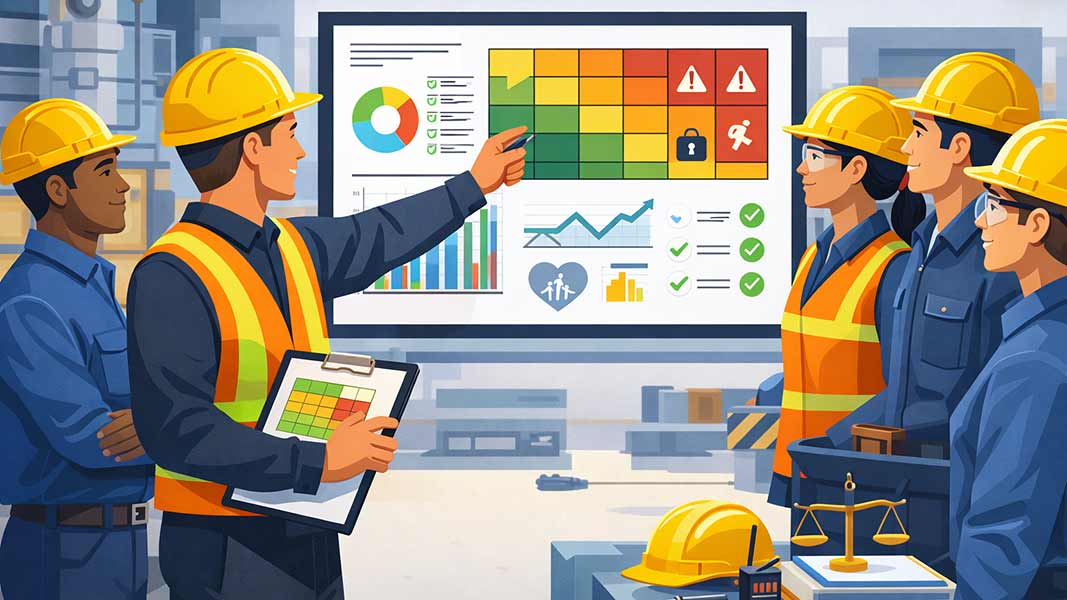
After identifying interacting hazards, the assessment team must evaluate their potential consequences and likelihood using the organization’s approved risk assessment methodology. A risk matrix can help classify scenarios according to severity and probability, while considering existing safeguards and operational conditions. However, teams should not assume that individual task risk ratings accurately represent combined SIMOPS risks.

For example, two activities assessed as low risk separately may create a significant hazard when performed together. The evaluation should consider personnel exposure, asset damage, environmental consequences, process disruption and potential escalation. Where uncertainty exists, additional technical assessment or specialist review may be necessary before simultaneous work is authorized.

Selecting Additional Risk Control Measures:

Once combined risks have been evaluated, the team must determine whether existing controls are sufficient or whether additional measures are required.

Controls should follow the Hierarchy of Controls, prioritizing elimination and substitution where reasonably practicable before relying on administrative measures and PPE.

For example, rescheduling hot work until hydrocarbon transfer is completed may eliminate an interaction more effectively than relying solely on gas monitoring. Other measures may include physical segregation, additional isolation, restricted access, revised lifting arrangements and enhanced supervision.

Each control should have a clearly assigned owner, defined implementation requirements and a verification method. Furthermore, incompatible activities should be prohibited when risks cannot be reduced to an acceptable level.

Reviewing Residual Risk Before Work Begins:

Residual risk is the level of risk remaining after the selected control measures have been implemented. Before authorizing simultaneous activities, responsible personnel must verify that these controls are in place and functioning as intended. This includes checking equipment isolation, work area segregation, permit conditions, communication arrangements and emergency provisions.

For example, if nearby hot work is approved subject to continuous gas monitoring, the monitoring equipment, alarm arrangements and responsible personnel must be confirmed before ignition sources are introduced. The authorized operations representative should review the remaining risk against the organization’s acceptance criteria. If residual risk remains unacceptable, the affected activities must be modified, postponed or prohibited.

Essential Safety Controls for SIMOPS Activities:

Effective management of concurrent operations depends on selecting and maintaining safety controls that address interactions between different work activities. These measures must protect personnel, prevent interference with operating systems and preserve the integrity of critical process safety barriers. Depending on the work environment, controls may include physical segregation, atmospheric monitoring, equipment coordination, energy isolation and controlled site access. However, individual contractors should not establish these arrangements independently because one team’s activities may affect another team’s safety.

For example, an exclusion zone established for crane lifting must also account for nearby maintenance work and emergency access requirements. Therefore, operations and HSE teams should coordinate protective measures through the management plan, permit-to-work system and regular worksite verification.

Work Area Segregation and Exclusion Zones:

Physical segregation helps prevent personnel, equipment and work activities from entering areas where they could be exposed to unrelated hazards. Designated work zones, barriers, warning signs and controlled entry points help separate incompatible activities.

For example, an exclusion zone beneath a suspended load should prevent maintenance personnel and other workers from entering the lifting area. Similarly, hot work areas may require separation from flammable material handling or hazardous process equipment. However, boundaries must reflect actual hazard exposure rather than simply the physical location of each task. Supervisors should also verify that barriers remain effective when work conditions, equipment movements or site arrangements change.

Gas Testing and Continuous Monitoring:

Atmospheric testing is essential when concurrent activities may generate, release or expose personnel to hazardous gases and vapors. It is particularly important around hydrocarbon processing facilities, confined spaces, hot work locations and chemical handling operations. Depending on the identified hazards, testing may measure oxygen concentration, flammable gas levels and specific toxic contaminants such as hydrogen sulphide (H₂S).

For example, hot work near an operating process line may require atmospheric testing before work starts and continuous monitoring where the risk assessment or permit conditions demand it. Testing should be conducted by competent personnel using suitable, calibrated equipment. Alarm limits, monitoring locations and response actions must also be clearly established before work begins.

Control of Hot Work and Ignition Sources:

Controlling ignition sources is critical when hot work takes place near flammable materials, hydrocarbon systems or hazardous atmospheres. Welding, grinding, cutting and other spark-producing activities must be assessed against nearby operations before authorization.

Essential controls include a valid hot work permit, verified gas testing, suitable fire protection, fire watch arrangements and the removal or protection of combustible materials. However, these measures may not be sufficient where another activity introduces an uncontrolled hydrocarbon release or changes atmospheric conditions. In such cases, hot work should be suspended or rescheduled.

Operations personnel must also coordinate permit conditions with affected contractors and immediately communicate any change that could increase ignition risk.

Lifting Plans and Equipment Coordination:

Lifting operations require coordinated planning when cranes, hoists and other equipment operate near active work areas or shared infrastructure. An approved lifting plan should identify load weight, lifting equipment capacity, lifting route, ground conditions, environmental limitations and exclusion zones. Planners must also consider nearby personnel, overhead services, process equipment and other lifting activities.

For example, a crane lift near an operating pipe rack may require restrictions on equipment movement and access to adjacent areas. Competent lifting personnel should maintain clear communication through agreed signaling arrangements. Furthermore, lifting activities must be stopped when conditions exceed approved limits or when the designated exclusion zone cannot be maintained.

Process Isolation and Safety Barrier Protection:

Effective isolation management prevents the unintended release of hazardous energy or process materials during maintenance, testing and other concurrent activities.

Operations teams must coordinate mechanical, electrical and process isolations because separate work permits may depend on the same isolation boundaries.

Controls should include approved isolation plans, lockout/tagout procedures, positive isolation where required, verification and controlled reinstatement. Equally important is protecting safety-critical barriers such as emergency shutdown systems, firewater networks, gas detection and fire protection equipment.

For example, maintenance that temporarily impairs a fire protection system may require compensatory measures and formal authorization. Any impairment must be communicated to affected teams and managed according to the facility’s approved procedures.

Access Control and Traffic Management:

Access control and traffic management reduce the risk of collisions, unauthorized entry and interference between concurrent work activities. Industrial sites should establish designated pedestrian routes, vehicle movement plans, delivery schedules and restricted work areas. These arrangements must account for cranes, forklifts, emergency vehicles, temporary storage and contractor movements.

For example, transporting heavy equipment through an active maintenance zone may expose workers to struck-by hazards and obstruct emergency access. Therefore, supervisors should coordinate vehicle movements, use suitable barriers and signage, and maintain clear escape routes. Access arrangements must also be reviewed when work locations change or additional activities are introduced.

“Implementing an effective process for simultaneous operations requires a structured approach that connects work planning, risk assessment, operational coordination and site supervision. It should begin before overlapping activities are authorized and continue throughout their execution.”

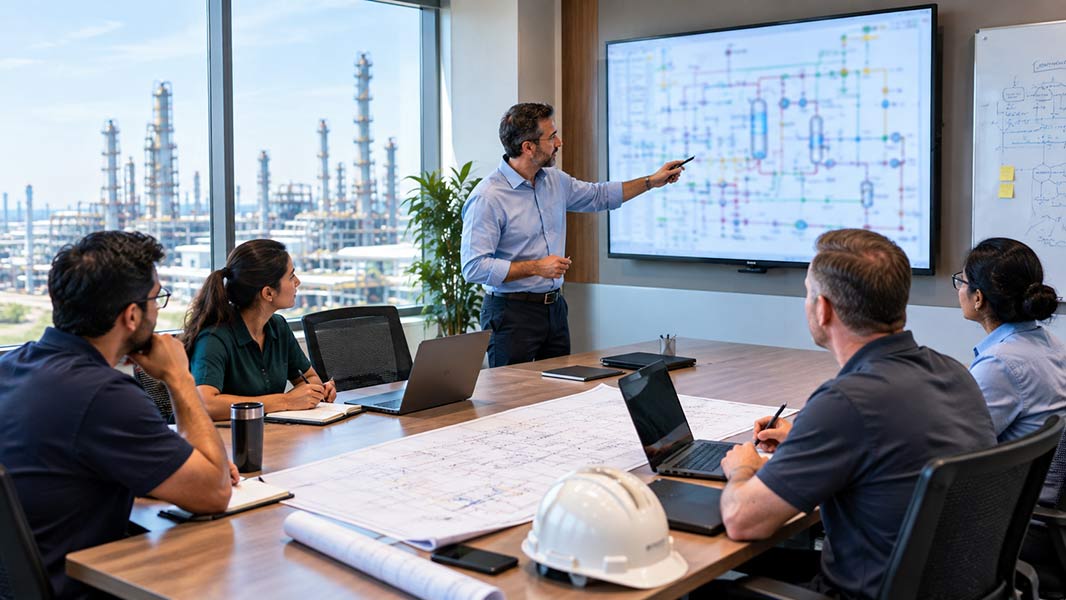
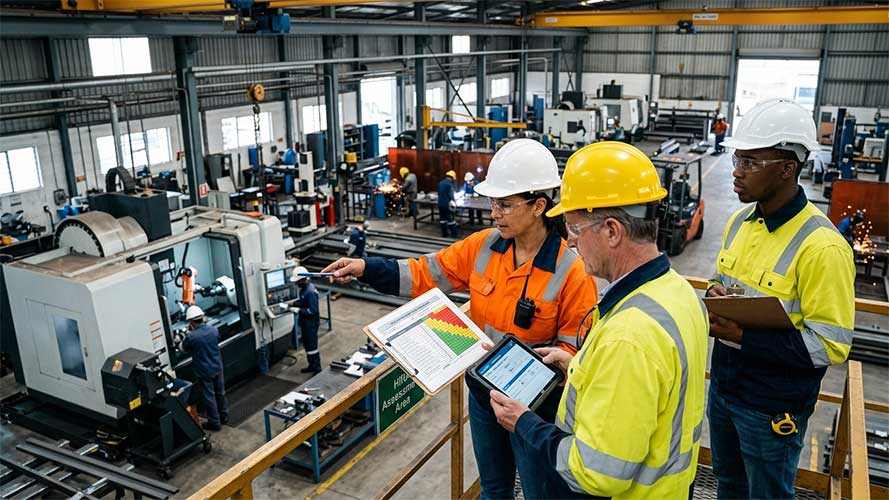
HSE professionals coordinating simultaneous industrial activities and reviewing work plans at an active oil and gas refinery to implement safe SIMOPS procedures.

How to Implement an Effective SIMOPS Process:

The following steps provide a practical framework for controlling interacting activities and maintaining safe operations.

Identify and Screen Planned Activities:

The first step is to identify all planned and ongoing activities that could interact within the same facility or interconnected operational areas. Review construction schedules, maintenance programs, production activities, permit applications and contractor work plans to establish a complete picture of site operations. However, screening should consider more than geographical proximity because shared utilities, process systems and emergency facilities can create indirect interfaces.

Each activity should be evaluated according to its location, duration, equipment requirements and potential impact on other operations. This initial screening helps determine which activities require detailed interface risk assessment, additional coordination or restrictions before they are included in the operational schedule.

Conduct SIMOPS Risk Assessment Workshops:

Once potential activity interfaces have been identified, conduct structured risk assessment workshops involving operations, HSE, engineering, maintenance and relevant contractor representatives. These sessions allow different disciplines to examine how their activities could interact and identify hazards that may be overlooked during individual job assessments.

Techniques such as HAZID, JSA reviews and interface risk assessments can support the discussion. For example, a workshop may identify that simultaneous crane lifting and overhead electrical maintenance could create unacceptable exposure. Participants should evaluate credible incident scenarios, assess existing safeguards and agree on additional controls. All findings, assigned responsibilities and operational restrictions must be documented for implementation and verification.

Develop the Management Plan and Matrix:

The management plan establishes how concurrent activities will be coordinated, controlled and monitored throughout the project or operational period. It should define the scope, work boundaries, responsibilities, communication arrangements, risk assessment requirements and emergency procedures. A compatibility matrix should also identify which activity combinations are acceptable, require additional controls or are prohibited.

For example, the matrix may classify hot work near live hydrocarbon operations as restricted or prohibited under specified conditions. Classification must reflect actual process hazards and approved operating procedures, rather than relying on generic assumptions. Additionally, the plan should establish how changes to work schedules, process conditions or activity interfaces will be reviewed and authorized.

Approve Permits and Verify Safety Controls:

Before overlapping activities begin, all relevant permits must be reviewed and coordinated through the facility’s permit-to-work system. Permit approval should confirm that individual job requirements do not conflict with other authorized activities or compromise shared safety barriers.

For example, a confined space entry permit must account for nearby chemical handling, ventilation changes and potential hazardous material ingress. Operations representatives should verify equipment isolation, gas testing, exclusion zones and other specified controls before authorization. Furthermore, affected supervisors and contractors must understand the permit conditions and any operational restrictions. Work should not commence until the required safeguards have been implemented and verified by authorized personnel.

Monitor Worksite Activities and Interfaces:

Monitoring ensures that approved controls remain effective while activities are being performed. Supervisors, operations personnel and HSE representatives should conduct regular worksite inspections, review permit conditions and maintain communication between affected teams. However, monitoring must also identify changes that could introduce new interface risks.

For example, an unexpected hydrocarbon release, deteriorating weather conditions or a change in lifting arrangements may make a previously acceptable activity combination unsafe. Any significant deviation should trigger reassessment and, where necessary, suspension of affected work. Clear stop-work authority is essential because personnel must be able to report unsafe conditions without delay.

Review, Audit and Improve Performance:

Performance should be reviewed throughout the project to identify weaknesses in planning, coordination and control implementation. Regular audits can examine permit compliance, risk assessment quality, contractor coordination, safety barrier availability and the effectiveness of communication arrangements. Incident investigations and near-miss reports should also be analyzed because they can reveal recurring interface problems.

For example, repeated permit conflicts may indicate that the activity screening process is not identifying overlapping work early enough. Lessons learned should be incorporated into revised procedures, risk assessments and future project planning. Consequently, periodic reviews help maintain an effective management system as operational conditions, work scopes and contractor requirements evolve.

Benefits of Effective SIMOPS Management:

Effective management of simultaneous operations provides important safety and operational benefits in complex industrial environments. By identifying activity conflicts before work begins, organizations can reduce exposure to interacting hazards and protect critical operational systems. It also improves coordination between departments, contractors and project teams because everyone works according to clearly defined responsibilities and operational restrictions.

Furthermore, a structured approach helps organizations manage changing work conditions without relying on individual task permits alone. Its benefits extend beyond accident prevention because better planning can also reduce unnecessary interruptions, improve resource utilization and support project delivery.

These advantages are particularly important in oil and gas, petrochemical, construction and offshore operations.

Improved Workplace and Process Safety:

A major benefit is improved protection of personnel, equipment and process safety barriers. Systematic identification of interacting hazards helps prevent incidents such as fires, explosions, dropped objects and unexpected energy releases. Furthermore, coordinated permit approvals, isolation management and worksite supervision reduce the likelihood of one activity compromising another.

For example, identifying a conflict between hot work and nearby hydrocarbon transfer allows operations teams to introduce suitable restrictions before ignition sources are introduced. Effective coordination therefore supports safer working conditions while strengthening the wider occupational health and safety and process safety framework.

Reduced Operational and Project Risks:

Early assessment of activity interfaces allows organizations to address potential conflicts before they develop into incidents, equipment damage or costly project interruptions. Project teams can manage these risks through revised work sequences, additional safeguards or controlled operating restrictions.

For example, coordinating excavation with underground pipeline operations can reduce the risk of accidental utility damage and unplanned shutdowns. Similarly, protecting critical process systems during construction helps prevent disruptions to existing production. Consequently, organizations can manage operational uncertainty more effectively while reducing the potential financial and safety consequences of poorly coordinated work.

Better Contractor and Workforce Coordination:

Multiple contractors often work within the same industrial facility, each with different supervisors, work methods and operational responsibilities. A common coordination framework helps these teams understand their interfaces, permit conditions and work restrictions. Regular coordination meetings, toolbox talks and shift handovers also communicate changes that could affect other activities.

For example, a maintenance contractor must be informed if an adjacent production activity changes the isolation requirements or introduces a new process hazard. Clear communication strengthens accountability because responsibilities for approving, monitoring and stopping work are defined. As a result, teams can work more effectively without creating unnecessary exposure for others.

Improved Project Scheduling and Productivity:

Effective planning can improve project productivity by identifying incompatible activities before they cause delays or operational disruptions. When work sequences are coordinated early, project managers can allocate personnel, equipment and resources more efficiently.

For example, scheduling heavy lifting before scaffold installation in the same area may prevent access conflicts and repeated worksite modifications. However, productivity must never take priority over safety. Some activities may need to be separated or postponed when their combined risks cannot be adequately controlled. A well-managed process therefore supports realistic project scheduling, reduces avoidable downtime and helps maintain progress within acceptable safety and operational boundaries.

Conclusion:

Managing SIMOPS is essential wherever industrial activities overlap and their hazards can interact. Effective implementation requires systematic hazard identification, combined risk assessment, compatible work planning, coordinated permit approvals and continuous supervision. However, the process must extend beyond documentation because operational conditions can change and introduce new risks throughout the work cycle. Organizations should therefore establish clear responsibilities, maintain communication between contractors and protect critical process safety barriers at every stage. By integrating these arrangements into wider HSE management and operational control systems, organizations can reduce workplace exposure, prevent operational conflicts and support safer project execution. Eduskills Training recognizes the importance of practical HSE knowledge in managing complex industrial risks and developing competent safety professionals capable of applying these principles in real operational environments.

Frequent Asked Questions (FAQs):

What is the difference between SIMOPS and routine operations?

Routine operations involve activities performed under established operating procedures, whereas SIMOPS addresses additional risks created when two or more activities interact. It focuses on operational interfaces, combined hazards and potential conflicts between concurrent work activities.

What is a SIMOPS matrix, and why is it important?

A SIMOPS matrix is a planning tool used to assess the compatibility of simultaneous activities. It classifies activity combinations as acceptable, conditional or prohibited according to the facility’s defined criteria. This helps operations teams identify where additional controls, restrictions or work rescheduling are necessary.

What is the difference between a SIMOPS matrix and MOPO?

A compatibility matrix evaluates whether concurrent activities can safely take place together, while a MOPO (Manual of Permitted Operations) defines permitted and restricted operating conditions under specified circumstances. Both support operational decision-making by identifying activities that can proceed, require additional safeguards or must be suspended.

Who is responsible for approving simultaneous operations?

Approval rests with the designated operational authority, such as the installation manager, operations manager or authorized site representative, depending on the facility’s procedures. The coordinator, HSE personnel and relevant supervisors provide technical input, review interfaces and verify that required controls are addressed.

How is a SIMOPS risk assessment different from a JSA?

A Job Safety Analysis (JSA) examines hazards associated with an individual task and its execution steps. A combined operations risk assessment examines interactions between multiple activities, including shared resources, process interfaces, conflicting controls and combined incident consequences.

When should a SIMOPS risk assessment be reviewed?

An assessment should be reviewed whenever there is a material change in work scope, process conditions, activity sequencing, equipment status or operational interfaces. It should also be reassessed following incidents, near misses or identification of ineffective safety controls. Reviews should follow the facility’s defined change and authorization procedures.

How can concurrent activities affect process safety barriers?

Overlapping activities can impair preventive and mitigate barriers such as process isolation, gas detection, fire protection and emergency shutdown systems. Risk assessment should identify these potential interactions and establish compensatory measures or operational restrictions to maintain the required level of protection.

What is the role of LOTO in simultaneous operations?

Lockout/Tagout (LOTO) prevents unintended energization or release of hazardous energy during maintenance and other controlled activities. Isolation boundaries must be coordinated across affected permits and work teams to prevent conflicting isolations, premature reinstatement or unexpected equipment operation.

Which industries require formal management of simultaneous operations?

This approach is particularly important in oil and gas, offshore drilling, petrochemical processing, refining, power generation and large-scale construction. It is relevant wherever concurrent activities could interact and create additional risks to personnel, assets, process safety or the environment. The level of formal control should reflect the complexity and risk of the work.

What should happen when activities become incompatible?

When activities become incompatible, the responsible operations authority must restrict, suspend or reschedule the affected work. The team should reassess the hazards, revise the compatibility matrix or work plan where necessary, and obtain the required authorization before restarting. Work should resume only after the revised controls have been implemented and verified.

Inquiry Form