
How to Conduct Safety Toolbox Talk That Actually Work
A toolbox talk (TBT) works best when it sounds like a conversation about today’s job and not a recital of rules. It is a short discussion held at the

A toolbox talk (TBT) works best when it sounds like a conversation about today’s job and not a recital of rules. It is a short discussion held at the worksite before work starts, and it covers one hazard, the controls already in place and what each person should do if conditions change. Because the crew hears the message where the risk actually sits, they connect it to the task in front of them. Regulators and clients often expect these briefings to happen before the activity begins and to be recorded. However, meeting a paperwork minimum does not guarantee that anyone listens. This guide shows how to prepare, deliver and document briefings that change what workers do on site.
A written procedure protects nobody until the person doing the task knows it and applies it. A short safety toolbox talk closes that gap because it puts the plan in front of the crew at the point of work. It also gives workers a regular chance to speak up, and it leaves a record that supports safety audits and investigations. Research supports the practice, but with a condition. A 2025 scoping review of 14 United States studies, published in the journal Safety, found that effectiveness depends on the quality of the content and the way it is delivered. Therefore, the benefit comes from preparation and delivery, not from the meeting itself.
Risk assessments and method statements are normally written in an office before the work begins. On site, conditions change. A new crew arrives, the wind picks up, or another contractor starts work on the floor above. A pre-shift TBT and briefing lets the supervisor turn the document into the plan for that shift, so the crew hears which controls apply, where the exclusion zone sits and who has the authority to stop the job.
Standards support this link. ISO 45001, the international standard for occupational health and safety management, includes clauses on awareness 7.3 and communication 7.4, which expect workers to be aware of the hazards and risks relevant to their work. Many national regulations and client contracts say the same in simpler terms. As a result, the briefing is not an optional extra. It is the step that converts an assessment into a working control.
Workers see conditions that managers miss. A frayed lanyard, a blocked escape route or a loose scaffold board is often noticed first by the person using it. However, many workers hesitate to report such issues, particularly when they fear blame or when the supervisor does all the talking. A regular briefing in which questions are expected makes reporting a normal part of the shift.
Standards and regulations point in the same direction. ISO 45001 clause 5.4 covers consultation and participation of workers, and many national rules expect employers to involve workers in safety decisions. Because trust builds through action, supervisors should fix a reported hazard, or explain why it will not be fixed, by the next session. One visible response teaches the whole crew that speaking up works.
Management system standards such as ISO 45001 include requirements on communication and documented information (clauses 7.4 and 7.5), and many regulators and clients ask to see briefing records during inspections and safety audits. A record that shows the date, topic, presenter and attendees is therefore direct evidence that the information was delivered.
After an incident, investigators ask what the crew was told before the task started. A signed record that shows the hazard was covered, the controls were agreed and the injured worker was present answers that question quickly. Without it, the employer has little to show. However, a record proves only that a briefing took place. It does not prove that anyone listened, so the supervisor should also watch whether the agreed controls are applied during the shift.
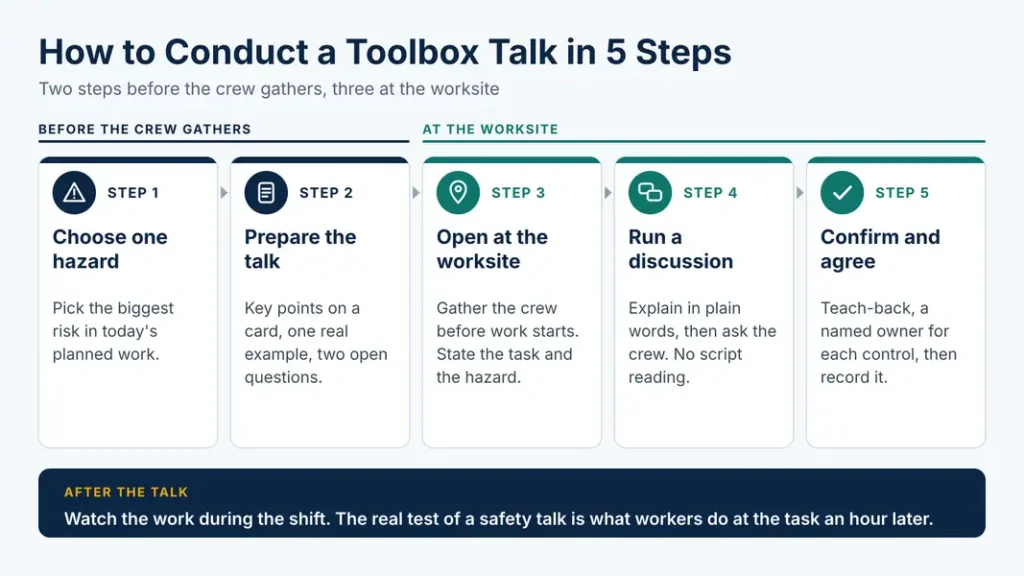
A toolbox talk follows five steps. First, choose one hazard linked to the planned work. Second, prepare the key points and questions. Third, hold the session at the worksite before work starts. Fourth, run it as a discussion. Fifth, confirm understanding and agree the controls for the shift. The first two steps happen before the crew gathers, so the session itself stays short and focused. Skipping any step weakens the result, because each one prevents a different failure, such as an irrelevant topic, a rambling delivery or a crew that nodded without understanding.
Start with the work plan for the shift. Check the permits, the method statements, the weather forecast and any changes since the previous day. Then choose the one hazard that carries the most risk for that crew. A specific topic, such as checking harness connectors before climbing the scaffold, works better than a broad subject like working at height, because workers can act on it immediately.
Recent near misses and site inspection findings are also good sources. Supervisors should select a topic that fits the upcoming activity, so a random sheet taken from a binder does not meet the intent. If the task carries several major hazards, run separate briefings instead of squeezing them into one, since a crowded talk leaves the crew remembering none of it.
Write the key points on a small card instead of a full script. A script invites reading aloud, whereas a card keeps the supervisor looking at the crew. The card should hold:
Add one short real example, ideally from your own site or a published incident investigation report, because a true story is remembered longer than a rule. Prepare two open questions as well, such as what could go wrong with this lift if the wind picks up. If the topic sits outside your experience, ask the HSE officer to help with the content, because the person who wrote the risk assessment can explain why each control matters.
Hold the session before the activity begins, because a briefing given after work has started cannot change how the task was set up. The crew should know within the first half minute why this topic matters today. Follow this sequence:
Reading a sheet aloud turns the briefing into a signature exercise. Instead, explain each control in plain language and then ask the crew about it. Ask a worker to describe how he would carry out the first step, or ask who has met the hazard before.
A study using TBT developed by NIOSH researchers found that adding a narrative and discussion questions increased their effectiveness. So a short account of a real incident, followed by a question, usually works better than a list of rules.
Keep the tone respectful. If someone gives a wrong answer, correct it calmly, because the rest of the crew is watching how the supervisor responds. A worker who is embarrassed once will rarely volunteer again.
Before closing, check that the message landed and that everyone knows what happens next. Work through this checklist:
A record listing the attendees is standard practice, and clients and regulators often require it. Finally, observe the work during the shift. The real test of a safety talk is not the signature sheet but what workers do at the task an hour later.
The person who leads should be the one who directs the work and knows the task, which is usually the supervisor, with the HSE team in a supporting role. Everyone exposed to the activity should attend, regardless of which company employs them. This matters on multi-contractor sites, because a hazard created by one crew often injures another.
Supervisors should deliver most briefings because they direct the work and the workers already takes instructions from them. Each role then contributes in a different way:
However, any presenter must know the topic well enough to answer questions from the crew. Presentation skills can also be learned, and supervisor courses such as the IOSH Managing Safely offered online by Eduskills Training help new presenters understand their duties for controlling hazards.
Every person exposed to the hazard should attend, regardless of which company employs them. The way you include each group differs slightly:
Therefore, a briefing delivered in a language half the crew does not understand does not count as a briefing.
Strengthen your workplace safety knowledge: read this next
The right frequency of conducting TBT depends on how quickly the hazards change, and the right length depends on how complex the topic is. Active construction crews usually need a briefing every day, while stable operations can manage with a weekly session. Most sessions run between five and fifteen minutes. However, some regulators and clients set a minimum, so the project HSE plan and the local rules should settle the schedule before habit does.
The right schedule depends on how quickly the hazards change on your site. Most crews need a combination of three types of briefing, each with a different trigger.
In practice, most sites layer all three. A short daily pre-start covers the planned work, a weekly session follows the topic calendar, and a task briefing accompanies each high-risk permit. Because the project HSE plan or the client requirements often state how frequently safety meetings must be held, those documents, not personal preference, should decide how often the crew meets.
Five to fifteen minutes is long enough to cover one hazard properly and short enough to keep the crew attentive and the start of work on time. The 2025 scoping review in Safety describes sessions of this length, and UK guidance puts a typical session at 10 to 15 minutes. Complex topics such as lifting or confined space entry sit at the upper end, whereas a simple reminder can finish sooner. If a subject needs more time, it belongs in a separate training session.
Some authorities also set a floor. For example, the RAKEZ construction regulation in the UAE requires a site safety briefing of at least 10 minutes before an activity starts, so a five-minute talk would not meet it there. Time pressure is the usual reason sessions get rushed or skipped, and the same review lists it as a common barrier. Consequently, the briefing should be written into the shift plan, not squeezed in after the crew has already started.
A scheduled briefing cannot cover everything that happens on site, so some events call for an extra one. Hold an additional briefing in any of these situations:
Keep the focus on what happened and which control failed, not on who made the mistake, because a crew that expects blame will stop reporting near misses. In a NIOSH-supported study, brief scripted talks built around fatal incidents made it easier for supervisors to pass prevention lessons to their crews. Therefore, a short, factual account followed by the corrective action works better than a long lecture. Finally, confirm later that the corrective action is actually in place.
In many Muslim-majority countries, working hours are shortened during Ramadan. In the UAE, for example, the Ministry of Human Resources and Emiratization announces a reduction of two working hours per day for private sector employees each year.
Shorter shifts leave less time for everything, including the briefing, so it needs a fixed place at the start of the shift when the crew is most alert. Supervisors should confirm the working hours in the official announcement before they rebuild the schedule.
The content of the briefing matters as much as the timing. Workers who are fasting do not drink during daylight hours, so supervisors should plan heavy tasks for the cooler part of the shift, watch closely for fatigue and dizziness, and make sure shaded rest areas are available. In addition, where a regulator or client sets a minimum briefing length, confirm whether Ramadan hours change it before shortening the session.
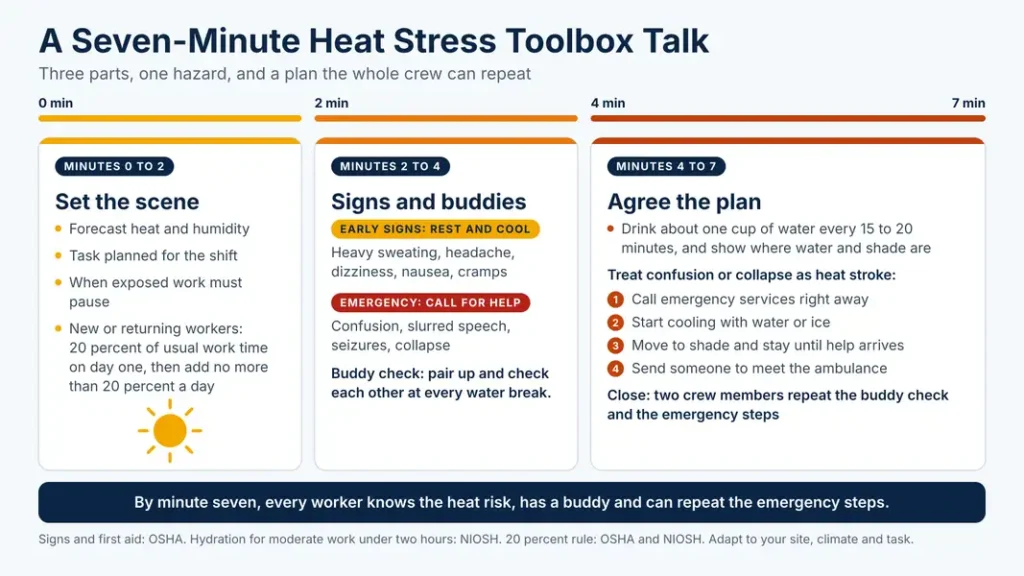
Heat stress is a natural example because the exposure is predictable and the controls are practical. Many hot-climate regions restrict outdoor work during the hottest hours. In the UAE, for instance, outdoor work in direct sun is banned from 12:30 pm to 3:00 pm between June 15 and September 15. However, heat illness does not wait for official dates. Humid mornings and warm days outside any restricted window carry real risk, so this briefing applies whenever conditions are hot. The sample below runs about seven minutes in three parts. Adapt the figures to your crew, task, climate and site layout.
The first two minutes set the stage. The supervisor states the forecast temperature and humidity, the task planned for the shift and the hours during which exposed work must pause. For example, the supervisor tells the crew that the forecast is 44 degrees with high humidity, that the shift involves formwork on level three, and that exposed work pauses from 12:30 pm to 3:00 pm. Numbers make the risk concrete, so the crew adjusts its pace more readily than after a vague warning.
Next, identify anyone who is new, returning from leave or recently arrived in a hot climate. OSHA reports that more than 70 percent of heat-related deaths in the United States occur in a worker’s first week, so these workers need extra protection. OSHA and NIOSH recommend the 20 percent rule, which limits a new worker to 20 percent of the normal duration at full intensity on day one and adds no more than 20 percent each day after.
Spend about two minutes on what the crew should look for, because workers often miss their own symptoms. Split the signs into two groups so the crew knows when to rest and when to call for help.
Early signs: stop work, move to shade and give cool water
Emergency signs: call for help straight away
The buddy system, which NIOSH recommends, covers the gap between the two groups. Each worker names a buddy before work starts, and the pair checks each other at every water break for flushed or pale skin, unusual quietness, unsteady movement or irritability. New workers should not work alone. Therefore, the supervisor asks every pair to confirm who is watching whom before the crew disperses.
The final three minutes turn awareness into a plan. Agree a drinking routine instead of leaving it to thirst. NIOSH advises one cup of water every 15 to 20 minutes during moderate work lasting under two hours, with electrolyte drinks when sweating continues for several hours. Point out where cool water is stored and where the shaded rest area sits. OSHA guidance lists drinking water, rest breaks and shade or a cool area among the basic protections, so the supervisor should confirm that each one is in place today, not assume it.
Then agree the emergency steps. If a worker shows confusion or collapses, treat it as heat stroke and follow this order:
Name the first aider and the meeting point before the crew disperses. Close by asking two crew members to repeat the buddy check and the emergency steps in their own words.
Strengthen your workplace safety knowledge: read this next
A signed attendance sheet proves that a briefing took place, but it does not prove that anyone learned from it. Measurement needs three sources: leading indicators, direct observation and worker feedback. OSHA defines leading indicators as proactive, preventive and predictive measures, and it advises using them to drive change while lagging indicators such as injury rates confirm results. Because injury counts on a single site are usually small and irregular, they make a poor yardstick for something as frequent as a short safety briefing.
Start with a few indicators that you can collect every week, because OSHA warns that checking attendance only twice a year hides any trend. These four give a clear picture without overloading the team:
A rise in near miss reports after a few weeks often reflects growing trust in the process, not a less safe site. Limit yourself to these three or four indicators so the data stays usable.
Observation shows whether the message reached the task. Within the same shift, the supervisor or safety officer visits the crew and checks the points that were discussed. After a briefing on working at height, for example, check whether harnesses are connected to the agreed anchor points and whether the exclusion zone is in place. After the heat briefing, check whether pairs are watching each other, whether water is being drunk on schedule and whether the shaded area is in use.
Keep the checklist to three or four items drawn from the key points on the briefing card. Record the share of observed tasks where the control was in place, and track it over time. When a gap appears, coach the worker on the spot without blame. Also ask a worker later in the day to explain the key control, because a good answer an hour after the session shows that the message lasted beyond the crew meeting.
The crew is the best judge of whether a briefing was useful. At the end of each session, ask what was unclear and what would make the next one better. A show of hands, a short comment card or a quick word with crew leaders and interpreters is enough. Because worker consultation is a core principle of safety management systems, this feedback also supports compliance, not only quality.
Collect the comments in one place and look for patterns. If several workers say a topic repeated last week, the topic calendar needs revising. If interpreters report that a term was unclear, the visual aids need work. Then tell the crew what changed because of their comments. A crew that sees its feedback used will keep giving it, whereas one that hears nothing back will stop. Rotating presenters and reviewing delivery with the safety officer each month completes the improvement cycle.
An effective TBT is short, specific and held at the right moment, and it ends with a crew that knows what to do differently that shift. These points summarize the guide:
A TBT costs a few minutes, yet it can decide whether a crew starts the shift with a clear picture of the main hazard or with assumptions. Its value comes from consistency. Briefings that are planned, specific and two-way become part of how a site works, whereas briefings read from a sheet become a signature exercise. Because regulators, clients and standards such as ISO 45001 all expect clear communication, records and worker consultation, a well-run program also stands up to inspection.
Supervisors and crews who want to build these skills can find structured support. Eduskills Training provides beginner level trainings such as IOSH Managing Safely and top management qualifications such as Proqual Level 6 and Level 7 diplomas, OTHM Level 6 and Level 7 diplomas, Qualifi Level 7 diploma, best suitable for health and safety learners, practitioners and professionals. So start with the next shift and pick one hazard, hold the session before work begins, ask the crew a real question and record what was agreed.
It is a short, informal briefing at the worksite, usually 5 to 15 minutes, on one hazard tied to the day’s task. A safety meeting is longer and more formal, covering incident trends, safety policy and training. A permit-to-work briefing covers one authorized high-risk job. The talk complements both and replaces neither.
In the hierarchy of controls, it is an administrative control, so it relies on human behavior and supervision. It helps the crew understand elimination, substitution and engineering controls, but it cannot replace them. If a hazard can be removed or guarded, fix that first, then use the briefing to confirm that the control is understood and applied.
Start with the day’s work plan, permits and method statements, then add the weather, recent near misses, audit findings and changes since the previous shift. Select the single hazard with the highest risk for that crew, and phrase it as a specific action, such as checking harness connectors before climbing.
Most sessions last 5 to 15 minutes. High-risk work usually needs a daily briefing, stable operations can use a weekly session, and permit-controlled tasks need a briefing before work starts. Project plans and clients may set the frequency or a minimum length, and those requirements take priority.
The supervisor or foreman who directs the work is the best default presenter because the crew already takes instructions from them. Engineers can lead technical topics, and safety officers should prepare content, observe and coach. Any presenter must know the controls in the risk assessment well enough to answer questions.
Take the hazards, controls and residual risks from the risk assessment and method statement for that day’s task, then brief the crew before work starts. Update the content whenever the method or conditions change, and explain in plain terms any control the crew must apply or check.
Record the topic, date, time, location, presenter, duration, attendee names and signatures, and any actions agreed with owners and due dates. Add late joiners after they have been briefed. These records supply evidence for audits, client reviews, incident investigations and ISO 45001 documented information requirements.
Track the share of exposed workers attending, the share of scheduled briefings held, participation, hazard reports raised and the time taken to close them. Add observation of whether agreed controls are in place during the shift. OSHA advises using leading indicators to drive change and lagging indicators, such as injury rates, to confirm results.
ISO 45001:2018 includes requirements on worker consultation and participation (5.4), awareness (7.3), communication (7.4) and documented information (7.5). A well-run briefing with records gives practical evidence for all four. It supports risk assessment and operational control but does not replace them.
A toolbox talk (TBT) works best when it sounds like a conversation about today’s job and not a recital of rules. It is a short discussion held at the
A Safety Audit is a systematic evaluation of workplace health and safety arrangements to determine whether an organization is meeting its legal obligations, following established safety standards and effectively

The hierarchy of controls is a fundamental occupational health and safety framework that helps organizations identify, prioritize, and manage workplace hazards according to the effectiveness of available control measures.

SIMOPS (Simultaneous Operations) refers to the planning, coordination and control of two or more activities taking place concurrently within the same operational area or across interconnected work locations. In

A fall arrest system is a critical form of personal fall protection designed to stop a worker safely after an accidental fall from height. It plays an essential role

LOPA (Layer of Protection Analysis) is a systematic, semi-quantitative risk assessment methodology used to evaluate whether existing safety measures provide sufficient protection against hazardous events in industrial processes. It
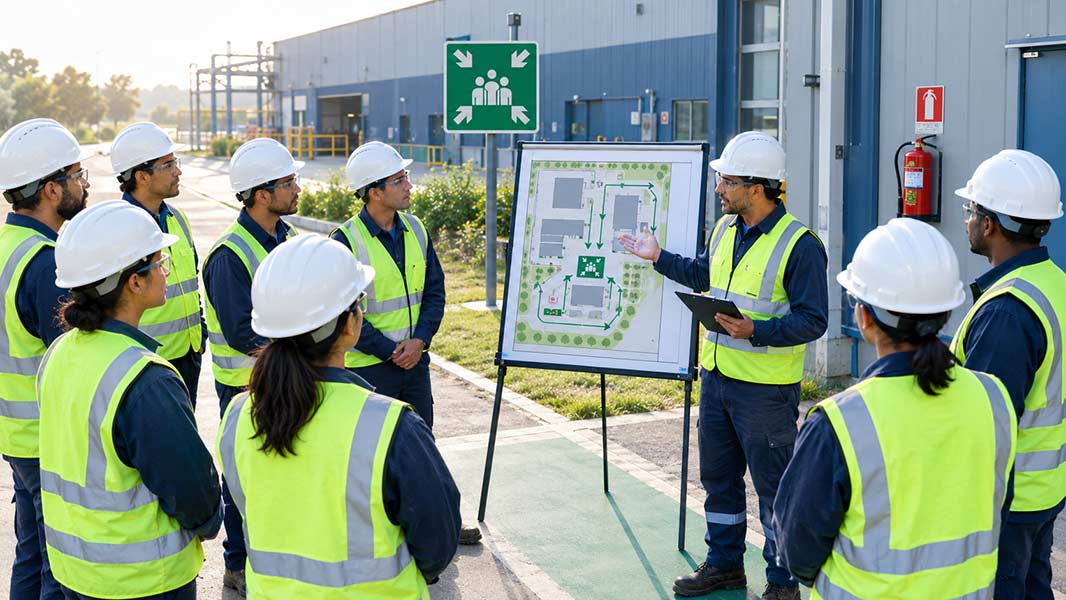
An emergency response plan is the written set of actions that tells every person on site what to do in the first minutes of a fire, chemical release, injury

Permit To Work (PTW) is a formal safety control system used to plan, authorize, execute, monitor, and close out high-risk work under defined conditions. It helps ensure that hazards

An HSE Policy is the written backbone of how a company protects its people, because it sets out exactly who is responsible for what when something goes wrong on

A HAZOP study stands between a process design that looks fine on paper and one that actually survives contact with real operating conditions. It exists because most process failures

Risk Based Process Safety decides whether a plant runs for decades without incident or ends up in a Chemical Safety Board report. Most facilities already track hazards on paper

Health and safety culture determines whether a workplace merely follows rules or genuinely protects the people inside it. Because most incidents trace back to attitudes and habits rather than

Process Safety Management exists because a single overlooked valve, a skipped inspection or an ignored warning sign can turn a chemical plant into a disaster site within minutes. Companies
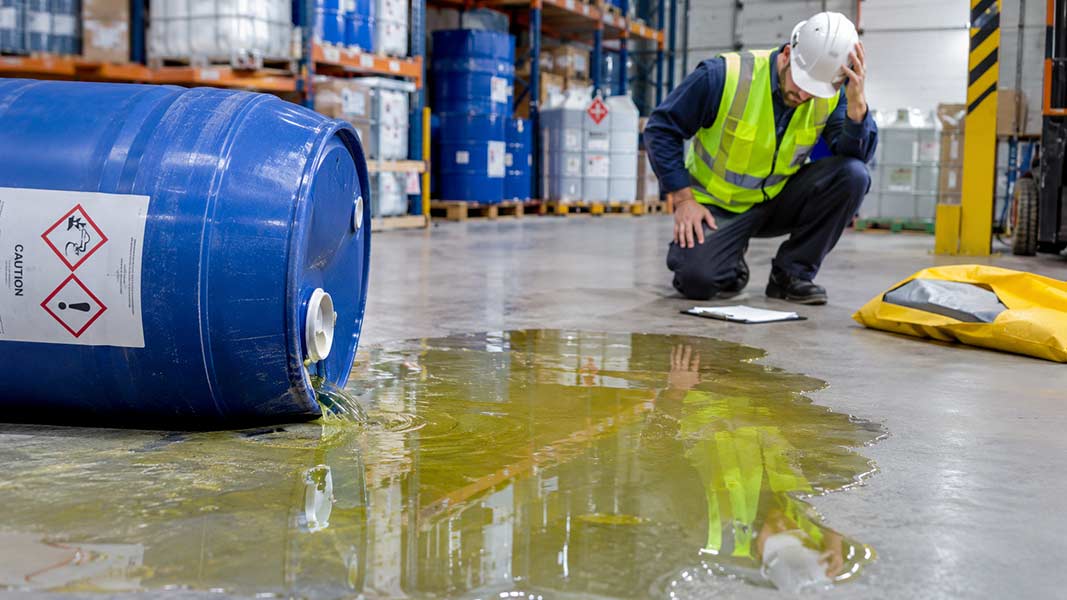
Chemical hazards cause more workplace injuries and long-term illnesses than most employers realize because exposure often happens quietly through skin contact, inhalation or repeated low-dose contact over months and
Confined Space Hazards cause more workplace deaths every year than most employers realize, often because the risks stay invisible until someone is already inside. A space doesn't need to

Manual handling hazards exists in almost every workplace, from warehouses to hospitals and it remains one of the leading causes of workplace injury worldwide. According to the UK Health
Heat stress vs heat stroke confuses more workers than it should, and that confusion costs lives every summer. The Bureau of Labor Statistics recorded 48 work-related deaths due to
A slip, trip and falls risk assessment is the single most effective tool employers have for catching hazards before they turn into injuries. Because falls remain one of the

Line of fire hazards occur when a worker's body is positioned where it could be struck, crushed, pinned, or caught by moving equipment, falling objects, or released energy and
Slip, trip and fall hazards remain one of the most underestimated risks inside any workplace, largely because they hide in plain sight, a wet floor here, a loose cable
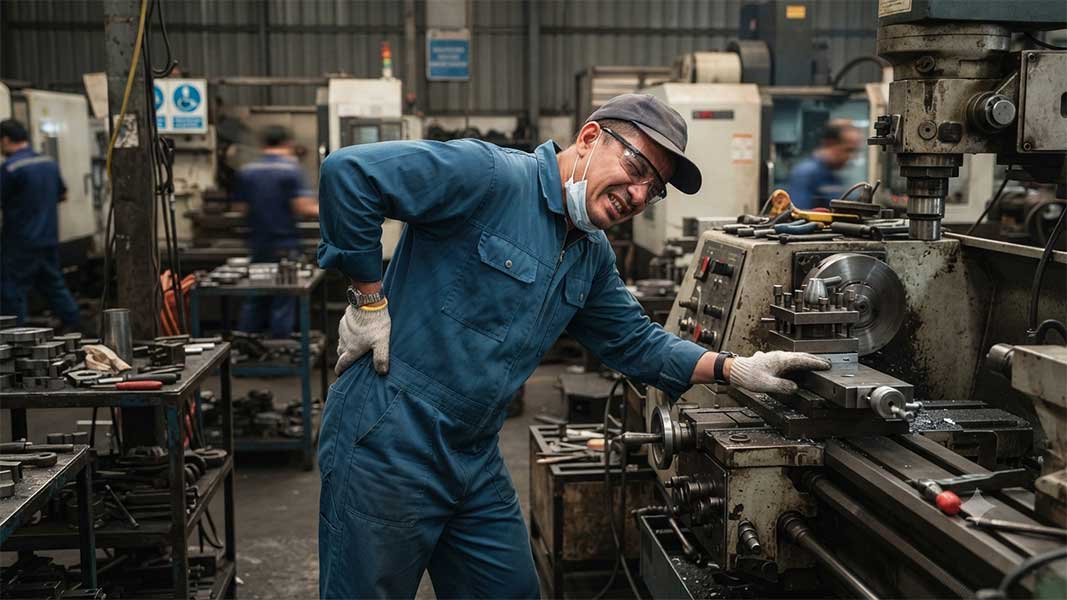
Repetitive strain injury at Workplace affects millions of workers every year and most of them do not realize the damage is building until pain becomes constant. According to the

Heat Stress Awareness starts with a simple fact: the human body can only handle so much heat before it starts to fail and most workers never see the warning
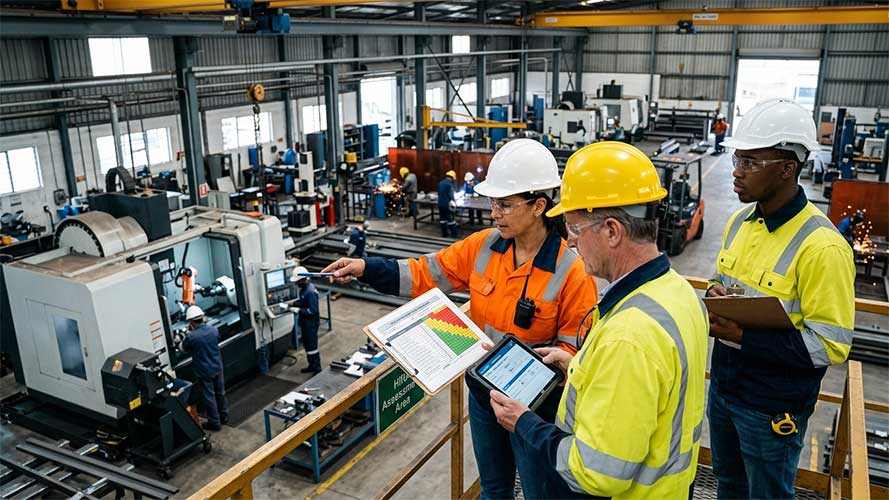
HIRA in the workplace is not a paperwork exercise. It is the single most important process that stands between your workers and a serious injury, a fatality or a

Forklift hazards and risk control is a critical responsibility in any workplace where powered industrial trucks operate daily. Warehouses, construction sites, manufacturing plants and logistics hubs rely on forklifts
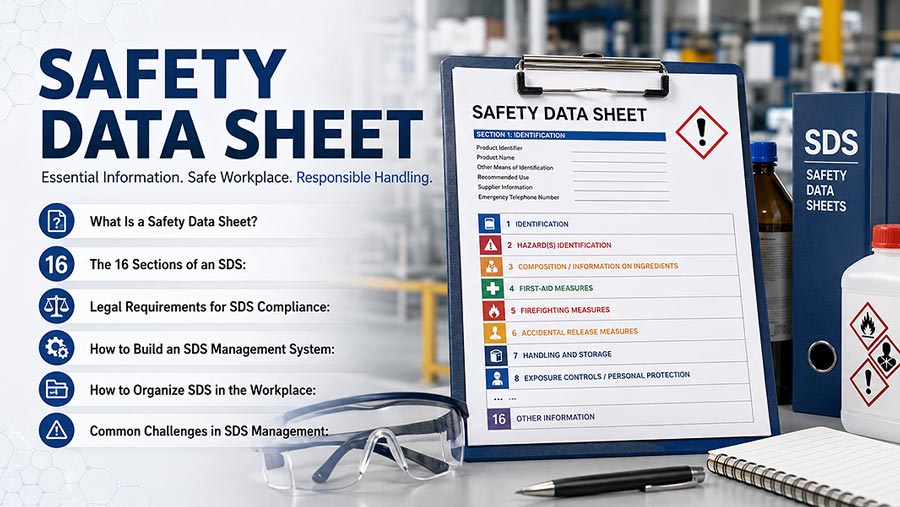
Every year, thousands of workplace chemical incidents happen not because the hazard was unknown, but because the right information was not where it needed to be. A Safety Data
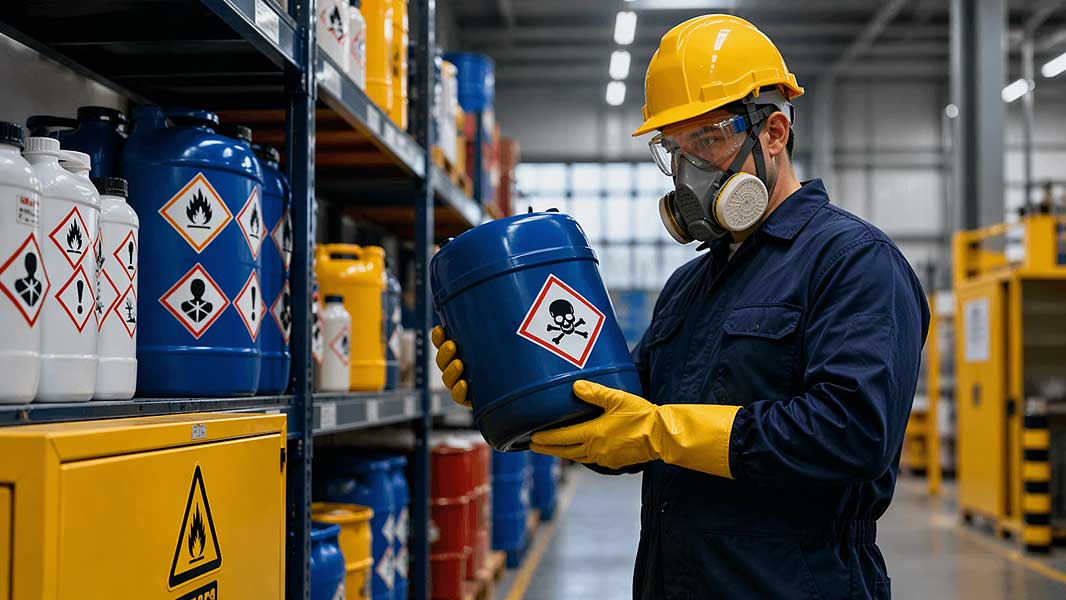
Hazardous Materials Safety is the line between controlled operations and catastrophic failure because one mismanaged chemical, one incompatible storage condition or one missed warning label can trigger injuries, fires,

Emergency Preparedness in UAE is no longer optional because a single unplanned incident can shut down operations, cause serious injuries and expose businesses to legal consequences. In high-risk sectors,

ISO 14001 Environmental Management Lead Auditor in UAE is a highly respected role because organizations rely on qualified professionals to assess environmental management systems (EMS), ensure ISO 14001:2015 compliance

Fall protection for work at height remains one of the most critical safety priorities across construction, oil and gas, manufacturing and maintenance industries because even a minor lapse can

Key requirements of ISO 9001 Certification in UAE define how organizations build a structured, consistent and performance-driven ISO 9001 Quality Management System that meets customer expectations and regulatory demands.
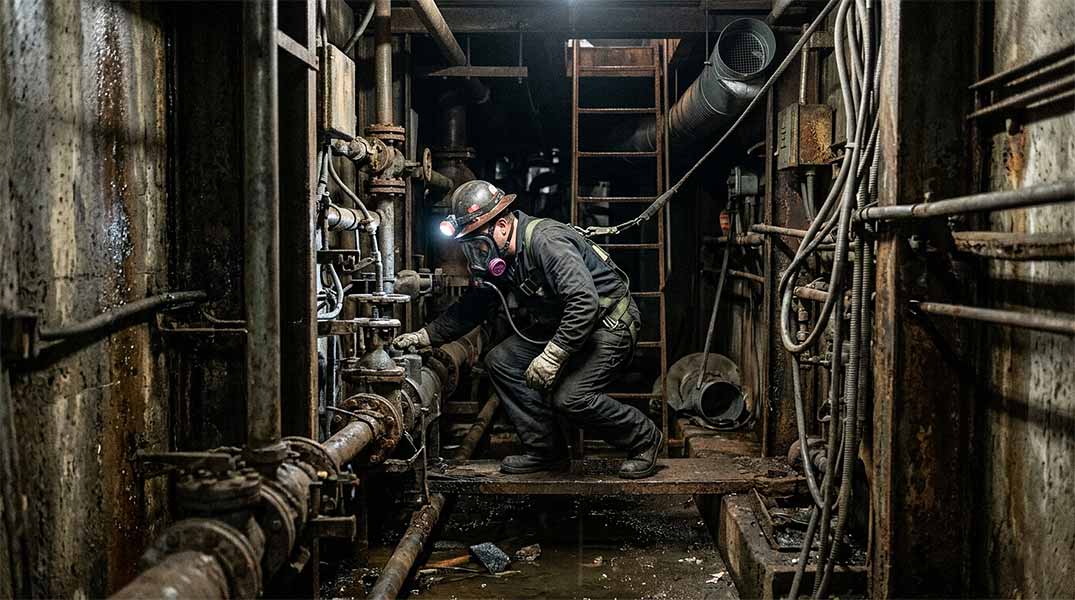
Confined Space Hazards remain one of the most critical risks in industrial workplaces because they combine limited access, poor ventilation and unpredictable conditions that can turn routine tasks into

The benefits of ISO 45001 lead auditor training are becoming increasingly important for safety professionals in the UAE because industries such as construction, oil and gas, manufacturing, logistics and
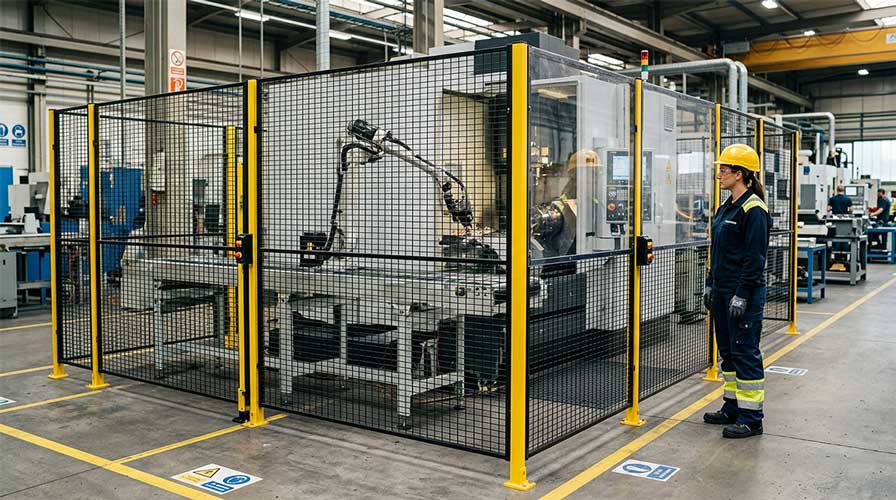
Machine Guarding Safety protects workers from dangerous moving parts, mechanical hazards and high-risk machine operations that exist across industrial workplaces. Manufacturing equipment, conveyor systems, cutting machines, presses and rotating

The ISO 14001 Certification Process provides organizations with a structured method to establish an effective Environmental Management System (EMS) that identifies environmental aspects, evaluates potential environmental impacts and implements
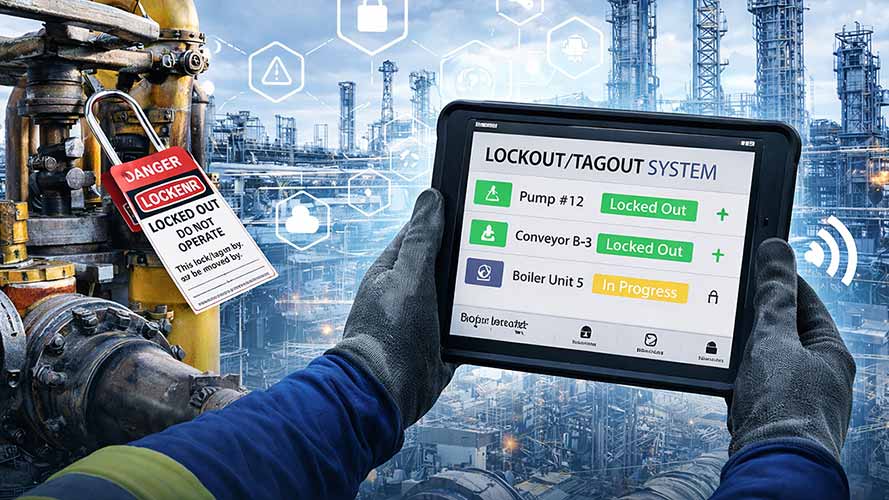
Digital LOTO Systems are becoming an essential part of modern industrial safety programs because traditional paper-based lockout tagout procedures often create gaps in documentation, communication and verification of hazardous

The benefits of ISO 9001 Lead Auditor Course in UAE are clear for professionals who want authority in quality management, because this qualification proves you can plan, conduct and

Employee Assistance Programs for workplace safety strengthen risk control because mental health, personal stress and financial pressure directly affect concentration, judgment and safe behavior at work. Many incident investigations

ISO 45001 clause 5.1 leadership and commitment requirements determine whether an Occupational Health and Safety Management System truly works in practice. Under the ISO 45001 framework, top management is

Bullying and harassment prevention in the workplace is a critical part of occupational health, legal compliance and organizational risk management. When disrespectful conduct is ignored, employee morale declines and

The benefits of ISO 14001 Lead Auditor Training in UAE extend far beyond earning a professional credential. This advanced qualification by Eduskills Training equips you to plan, conduct and

Workplace violence prevention is not limited to reacting after an incident occurs but instead focuses on identifying risks early and controlling them before harm happens. Violence at the workplace

HSE KPIs are the backbone of effective health, safety and environmental performance measurement because they turn policies, procedures and controls into measurable outcomes. When defined and used correctly, KPIs

ISO 45001 Implementation is the process of building a structured occupational health and safety management system that actually works on the ground, therefore reducing risks, preventing incidents and protecting

Fatigue management at the workplace has become a critical safety concern because fatigue directly affects alertness, judgment, reaction time and decision-making. When workers are fatigued, the likelihood of errors

Guide to ISO 45001 Lead Auditor Course is the starting point for professionals who want to upgrade from “knowing safety” to auditing occupational health and safety systems with confidence

Ergonomics and Musculoskeletal Health sit at the center of injury prevention because most work-related pain develops from everyday tasks rather than sudden accidents. When jobs are designed without considering
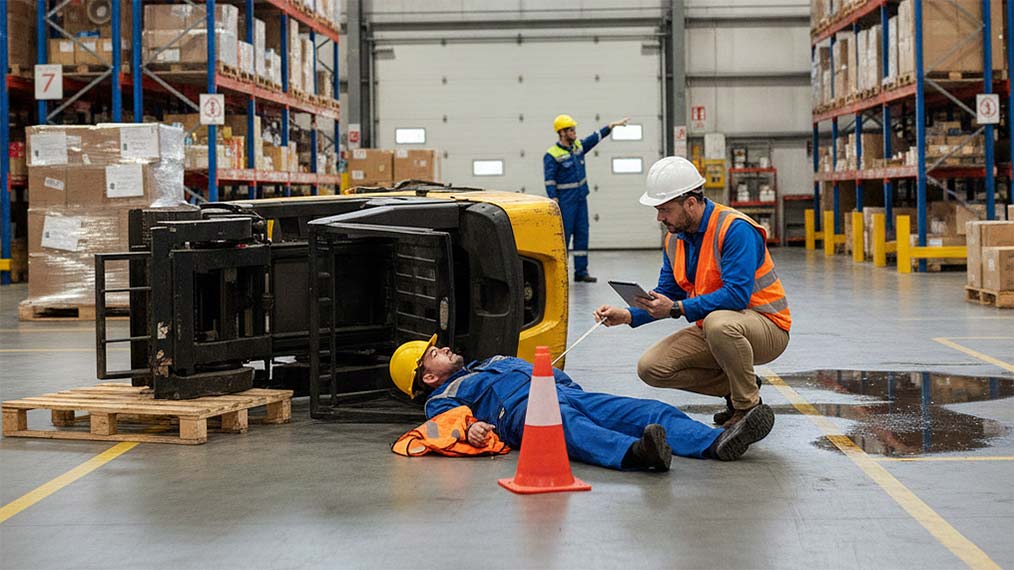
Incident investigation is the backbone of effective occupational health and safety, because it focuses on understanding why an incident occurred rather than who was involved. When done properly, it

ISO 14001 Gap Analysis is a structured assessment that helps organizations measure their current Environmental Management System against ISO 14001 requirements because even small compliance gaps can lead to

Choosing the right professional certification depends on career goals, industry exposure and long-term relevance. Many professionals choose ISO 9001 Lead Auditor Course in UAE because organizations across the region
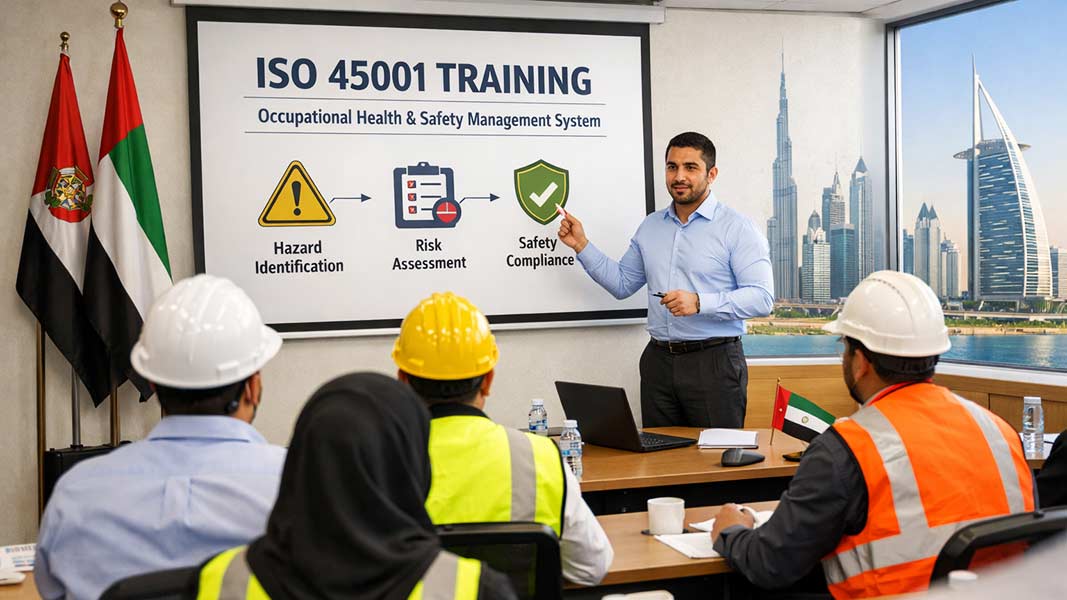
ISO 45001 Training in the UAE is no longer optional for professionals responsible for workplace safety, compliance and operational control. Organizations are under increasing pressure to reduce incidents, meet