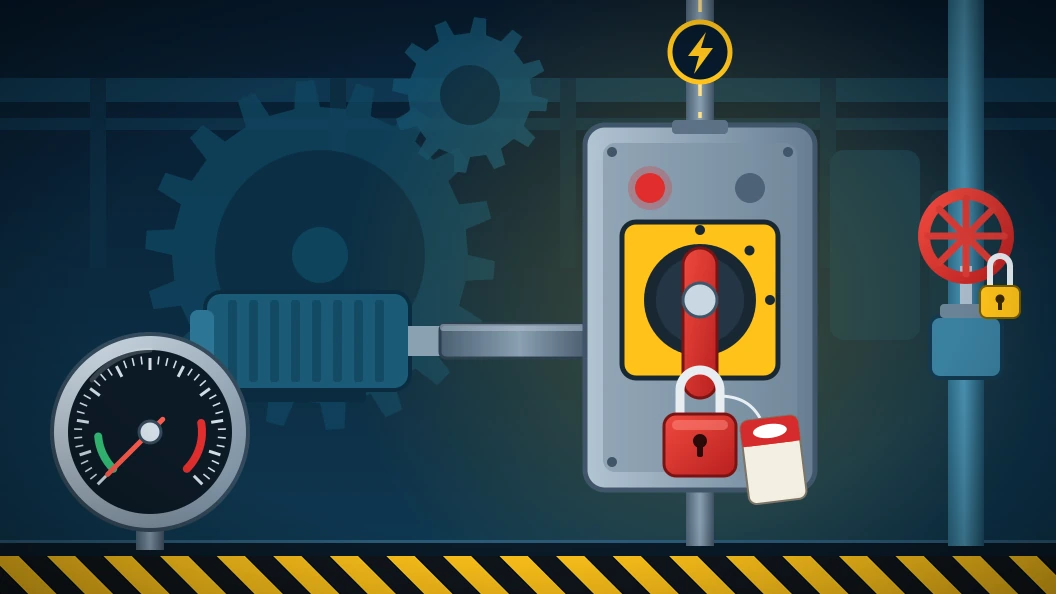
Lockout Tagout: Complete Guide to Hazardous Energy Control
Lockout tagout (LOTO) is the safety procedure that keeps machinery from starting up or releasing stored energy while someone services it. The idea is simple, but the cost of

Lockout tagout (LOTO) is the safety procedure that keeps machinery from starting up or releasing stored energy while someone services it. The idea is simple, but the cost of skipping it is not. OSHA estimates that following its standard prevents about 120 deaths and 50,000 injuries every year, and that same standard still ranked fourth among the most cited in fiscal year 2025, with 2,177 citations. The gap exists because many workplaces treat energy isolation as a quick switch-off instead of a controlled process of locking, tagging and verifying. This guide explains how hazardous energy control works, which standards apply and how each step is carried out. It also covers where programs usually break down, so safety teams can build practices that hold up on the shop floor and in an audit.

Every maintenance job puts someone inside the reach of a machine. Lockout tagout, or LOTO, makes sure that machine cannot start, move or release energy while that person is there. OSHA lists electrocution, burns, crushing, cutting, amputation and fractures among the injuries that follow when hazardous energy is not controlled, and most of them happen in seconds. So the procedure works as a physical barrier first and as a paperwork system second.
Lockout and tagout are separate controls, although most sites apply them together.
A lockout device, such as a padlock or hasp, holds the energy isolating device in the safe position, so the equipment cannot be operated until the lock is removed.
Lockout | Tagout | |
How it works | A physical lock holds the isolating device in the off or safe position. | A warning tag is attached to the isolating device. |
Level of protection | Prevents operation until the lock is removed. | Warns only and relies on people following it. |
Typical devices | Padlocks, hasps, valve and breaker lockouts. | Durable tags with a Do Not Operate message. |
When it is used | Whenever the device can be locked. | When the device cannot be locked, or equal protection is proven. |
OSHA’s rule is direct. Where an energy isolating device can be locked, lockout is required unless the employer shows that tagout gives full protection. If a tag is used on a lockable device, it goes at the same point where the lock would have been placed, and extra measures may be needed to match the protection of a lock, such as removing a circuit element, blocking a control switch, opening an extra disconnect or removing a valve handle.
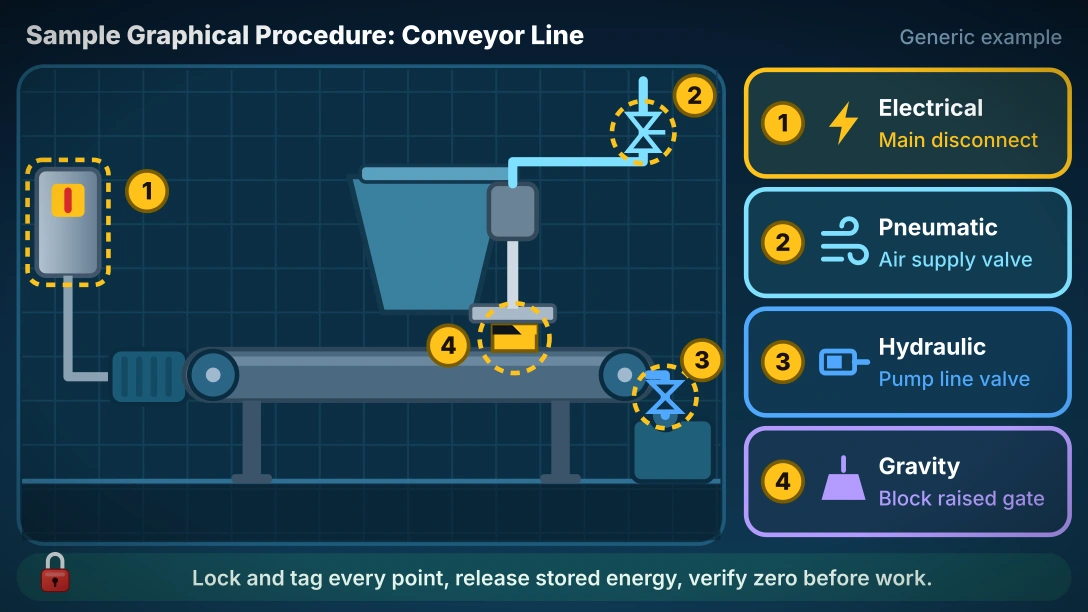
Electrical energy gets most of the attention, but it is only one source. A single machine can hold several forms of energy at once, and each one needs its own isolation method. Stored energy deserves extra care because it stays behind after the power is off. Springs, elevated machine parts, rotating flywheels, capacitors and pressurized lines can all move or discharge without warning, so they must be released, blocked or restrained.
Energy type | Typical example | Common control |
Electrical | Motors, panels, capacitors. | Open and lock the disconnect, then verify with a tester. |
| Mechanical | Moving parts, flywheels, springs. | Stop motion, block parts and release spring tension. |
| Hydraulic | Presses, lifts, power units. | Close and lock valves, bleed pressure and block rams. |
| Pneumatic | Air lines, clamps, actuators. | Close and lock the supply, then vent trapped air. |
| Thermal | Steam lines, hot oil, furnaces. | Isolate the supply and allow cooling time. |
| Chemical | Process piping, reactive materials. | Close, lock and blind or drain the lines. |
| Gravitational | Raised loads, suspended parts. | Lower to rest or block and pin in place. |
The OSHA general industry standard applies to servicing and maintenance work where unexpected energization, start-up or release of stored energy could injure someone.
A few exceptions exist, and each one is narrow:
The standard does not cover construction, agriculture, maritime work, oil and gas well drilling and servicing, electric utility power installations or electrical hazards in utilization installations, because other rules apply there. So a plant manager should confirm which regulation actually governs the site.
There is no single worldwide law for hazardous energy control. Regulators and standards bodies use different wording, but they agree on the sequence: isolate the energy, secure the isolation, release stored energy and prove zero energy before work starts.
OSHA issued the standard in 1989, and it remains the reference point for many programs worldwide. It requires employers to build an energy control program with three parts.
First, documented procedures spell out the steps for shutdown, isolation, blocking and securing, how locks and tags are placed, removed and transferred, and how effectiveness is tested.
Second, training makes sure authorized, affected and other employees each understand their role, with retraining when jobs, equipment or procedures change.
Third, an inspection at least once a year, carried out by an authorized employee who is not using the procedure being checked, confirms the procedure still works and produces a certified record.
Employers must also provide the locks, tags and other hardware used for isolation, and equipment that is new or has been majorly modified must have energy isolating devices designed to accept a lockout device.
These three documents serve different readers, so it helps to separate them. ISO 45001 is a management system standard. It does not prescribe a lockout method, but it requires operational planning and control and the use of the hierarchy of controls, so energy isolation usually falls under what an auditor reviews for maintenance work.
ISO 14118:2017 is a design standard for machine builders, adopted in Europe as EN ISO 14118:2018. It sets requirements for preventing unexpected start-up so people can work safely in danger zones, and it addresses start-up from any energy source, including stored energy.
ANSI/ASSP Z244.1-2024 is a voluntary US consensus standard on lockout, tagout and alternative methods. Earlier editions treated lockout as the preferred method, whereas the 2024 edition puts alternative methods on equal footing and adds cybersecurity considerations. For electrical work, NFPA 70E Article 120 adds a process for establishing an electrically safe work condition.
The UK has no regulation titled lockout tagout, but other rules cover the same ground:
HSE offshore inspections rated about 30% of 477 scores poor or worse, and an inspector said most operators have procedures that go unfollowed. So discipline matters more than paperwork. Check local requirements before adopting any global procedure.
The standard dates from 1989, when most isolation meant physical switches, breakers and valves.
OSHA’s regulatory agenda published in July 2026 lists a proposed rule to modernize it for November 2026, although agenda dates often slip. The proposal is expected to address computer-based controls for hazardous energy. Today the definition of an energy isolating device excludes push buttons, selector switches and other control circuit type devices, so they cannot replace lockout.
A proposal is not a final rule. They can keep procedures current and checked against the actual equipment, list the machines that depend on control circuit safeguards, robots or networked controls and note where lockout is difficult, and follow the agenda so they can comment when the proposal is published. The 2024 ANSI Z244.1 revision already points in the same direction, so it is a useful preview of where practice is heading.
A lock sitting on a shelf protects nobody. OSHA frames a program around procedures, training and inspections, and the sections below turn each of those into daily practice.
Generic procedures fail because machines differ. Each procedure should name the equipment it covers and list every energy source, with the type, magnitude and location of each isolation point. A complete procedure includes:
The format can be text, line drawings, photos or an electronic system, as long as an authorized employee can follow it without guessing. A written procedure can be skipped only when all eight conditions in the standard are met, including a single easily identified energy source and no stored energy after shutdown.
The standard sorts workers into three groups, and each group needs different knowledge.
Many programs keep a named list of authorized employees, because it gives supervisors a clear record of who is trained to apply locks. Supervisors also carry weight here. If they accept shortcuts under production pressure, workers learn that the procedure is optional.
OSHA requires devices that are durable, standardized, substantial and identifiable. In practice, that means locks and tags that survive the environment, look the same across the facility, resist removal without excessive force, and show who applied them.
Tag attachments must be non-reusable, self-locking and hand-attachable, with at least 50 pounds of unlocking strength, similar to a one-piece nylon cable tie. Tags must also carry a clear warning legend, such as Do Not Operate.
Common devices include:
Lockout equipment should serve only one purpose, which is isolation. Using the same padlocks for storage or equipment security makes it harder to recognize a real lockout, so keep them separate and clearly marked.
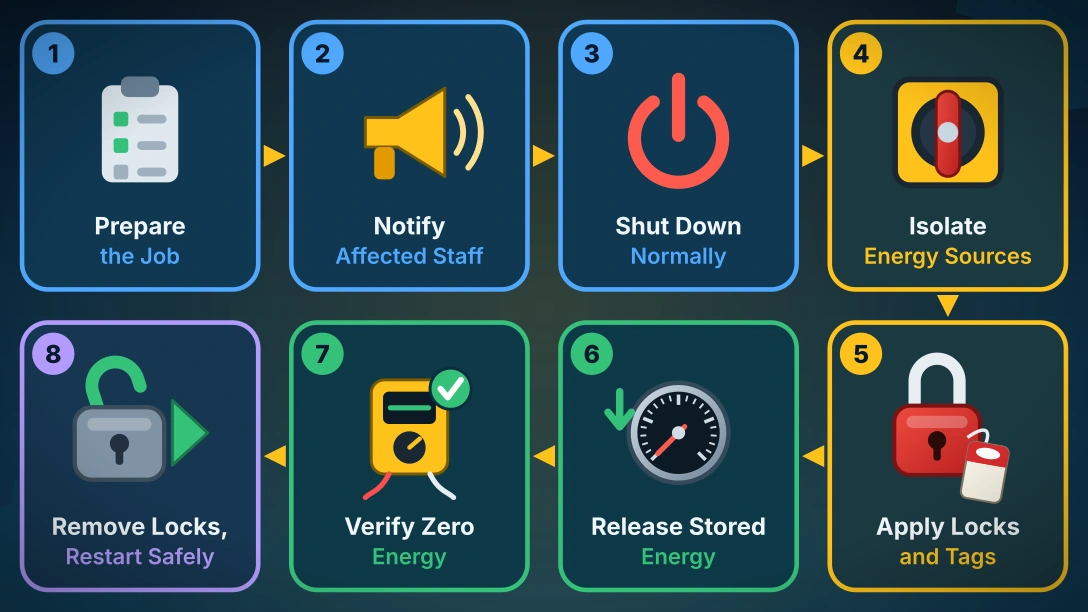
OSHA sets out the control sequence as preparation, shutdown, isolation, device application, stored energy release and verification, followed by a controlled release from lockout. The order matters because each step protects the next one. Skip one and everything after it rests on an assumption.
Preparation decides how the rest of the job goes. Before anyone touches a switch, the authorized employee must know the type and amount of energy the machine holds, the hazards it creates and the way to control it.
In practice, that means pulling the machine-specific energy control procedure and checking it against the equipment as it stands today, because modifications often add isolation points that the paperwork never captured. Collect the personal lock, tag, voltage tester and PPE before starting, so nobody improvises halfway through.
Next, tell the people who will be affected.
OSHA requires notice before locks go on and again after they come off, so operators, neighbors on the line and the supervisor should know which machine is out of service, why and for how long. Then shut the equipment down through its normal stopping procedure.
Isolation means finding and operating every energy isolating device that feeds the machine. Most equipment has more than one, such as an electrical disconnect, a compressed air supply, a hydraulic valve and sometimes a feed from an adjacent line. The written procedure should list them all, but a quick walk along the supply routes catches the ones that were missed.
A tag goes on beside the lock, and most sites include the name, date and reason for the job. If a device cannot take a lock, the tag goes where the lock would have gone, or as close as safely possible where anyone reaching for the device will see it. In that case, consider a measure that matches the protection of a lock, such as removing a fuse or blocking the control switch.
Locks stop energy from arriving, but they do not remove what is already inside the machine. After the devices are applied, OSHA requires all hazardous stored or residual energy to be relieved, disconnected, restrained or otherwise made safe. That can mean bleeding hydraulic pressure, venting air, discharging capacitors, releasing spring tension, lowering or blocking raised loads and waiting for hot surfaces to cool. If the energy can build back up, as pressure or gas can in a line or vessel, the isolation must be rechecked until the work ends.
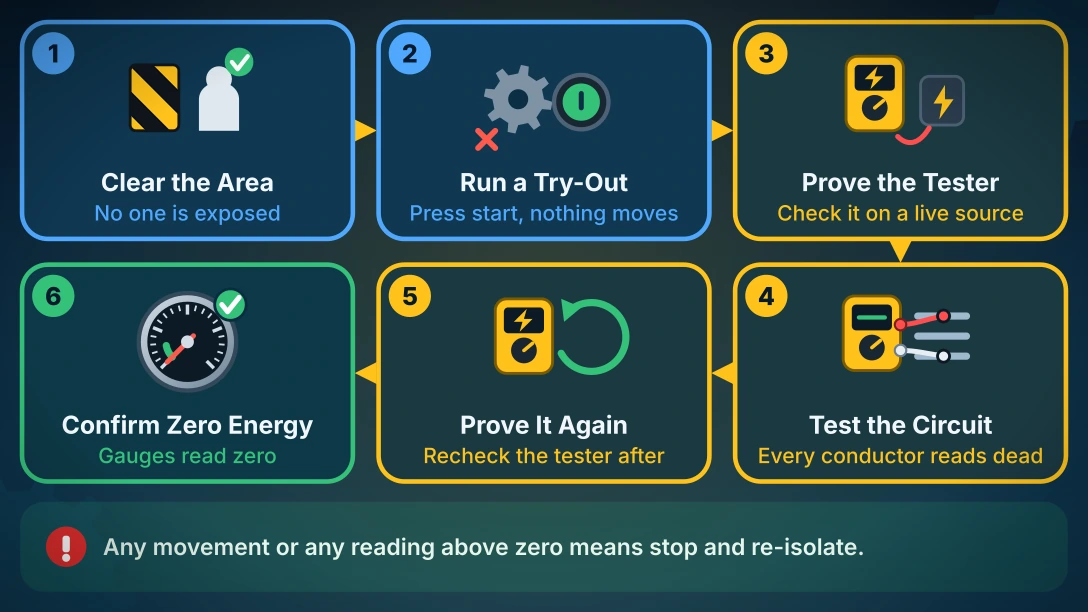
Verification is the step that proves the job is safe to start. A try-out comes first, so confirm that nobody is exposed, press the normal start controls, check that nothing moves and then return the controls to off.
The job is not finished when the last bolt is tight. Before any lock comes off, inspect the work area, remove tools and nonessential items, and confirm that guards and machine components are back in place and working. Then check that every person is clear or safely positioned, and tell the affected employees that the devices are about to come off and the machine will restart.
OSHA allows one narrow exception when that person is unavailable. The employer must follow a documented procedure that verifies the employee is not at the facility, makes reasonable efforts to contact them and makes sure they know the lock was removed before they return to work. Treat that as a last resort and not a convenience, because a cut lock means someone’s protection was taken away without their knowledge.
Digital LOTO moves the lockout tagout process onto software, so procedures, lock assignments, permits and inspection records sit in one system instead of on paper. Alternative hazardous energy controls are a different idea: they protect people during certain tasks without isolating every energy source. The two are often mixed up, so it helps to separate them early. Digital tools change how isolation is managed. Alternative controls change whether full isolation is used at all.
Digital LOTO uses software and connected hardware to manage energy isolation.
Typical tools include electronic procedures on tablets, QR codes on machines, smart padlocks that record who applied them, and dashboards showing every active lockout on site. These systems replace clipboards and spreadsheets, and supervisors can see which equipment is isolated without walking the plant.
However, the technology manages the process and does not isolate the energy. A worker still applies a physical device to a physical energy isolating device, releases stored energy and verifies zero energy. Therefore, the rule for durable, standardized, substantial and identifiable devices applies to a smart lock just as it does to a brass padlock. A tablet entry that says isolated proves nothing if the valve is still open.
OSHA requires documented procedures with specific steps for shutting down, isolating, blocking and securing equipment, placing and removing devices, and testing isolation. The standard does not prescribe a format, so a tablet or QR code can qualify. However, each procedure must still name every energy source, isolation point and verification method for that machine.
Smart locks add a record that a plain padlock cannot give: they can log who applied a lock, when and on which asset. Even so, an electronic lock is still a lockout device, so each authorized employee keeps personal control of their own lock.
Records are another gain. In a 2014 letter, OSHA said electronic certification of training and periodic inspections is generally acceptable when it captures the required details, so a badge swipe can work.
Alternative methods protect people during tasks where full lockout is impractical, such as clearing a jam or troubleshooting a running line. Rather than isolating the machine, the employer relies on engineered controls, typically guards, interlocks and safety rated stop functions.
ANSI/ASSP Z244.1-2024 places these methods alongside lockout, but only after a risk assessment shows they give effective protection.
Functional safety standards measure that protection. ISO 13849-1 grades safety related control functions from performance level a to e, ISO 14119 covers interlocking devices and protection against defeat, and ISO 14118 addresses unexpected start-up. Because a weak stop function can fail without warning, the risk assessment sets the required level.
OSHA’s 2019 request for information referred to a 2016 variance that approved a trapped key system at Nucor Steel Connecticut after reviewing the whole system. So alternatives are judged as complete arrangements, not single switches.
This comparison keeps the three approaches apart and stops teams from treating them as interchangeable.
Approach | What it does? | Isolates energy? | Main condition |
Traditional LOTO | Isolates, locks and verifies zero energy with physical devices. | Yes | Documented procedure, trained employees, periodic inspection. |
Digital LOTO | Manages procedures, locks, permits and records through software. | Yes, once physical devices are applied | Same legal duties as traditional lockout, plus system reliability and data security. |
Alternative methods | Protect people through engineered safeguards during specific tasks. | Usually not | Recognized exception, documented risk assessment and adequate performance level. |
Connected controls need protection against tampering. The 2024 edition of Z244.1 includes cybersecurity considerations, and in the European Union, Regulation 2023/1230 applies from 20 January 2027, expecting safety related hardware and software to resist corruption. So buyers should ask suppliers how their products are protected, and sites should keep a paper fallback procedure for the day a system fails.
Training closes the loop. Workers who learned lockout on paper must practice the new workflow, including what to do when a tablet is offline or a smart lock fails. A green dashboard status never replaces the physical device on the equipment. Eduskills Training encourages sites to treat every new tool as a change to the energy control program: update procedures, retrain people and check the result at the next periodic inspection.
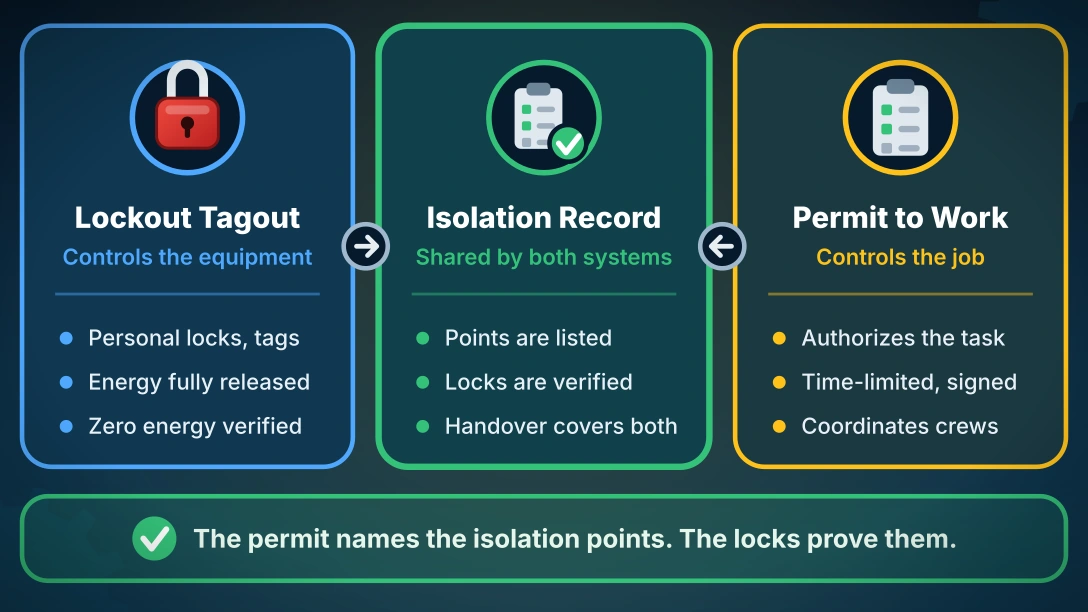
LOTO protects people from a machine’s energy. A permit to work protects them from the hazards of the job itself and from the activities of other crews nearby. On complex jobs, either one alone leaves a gap.
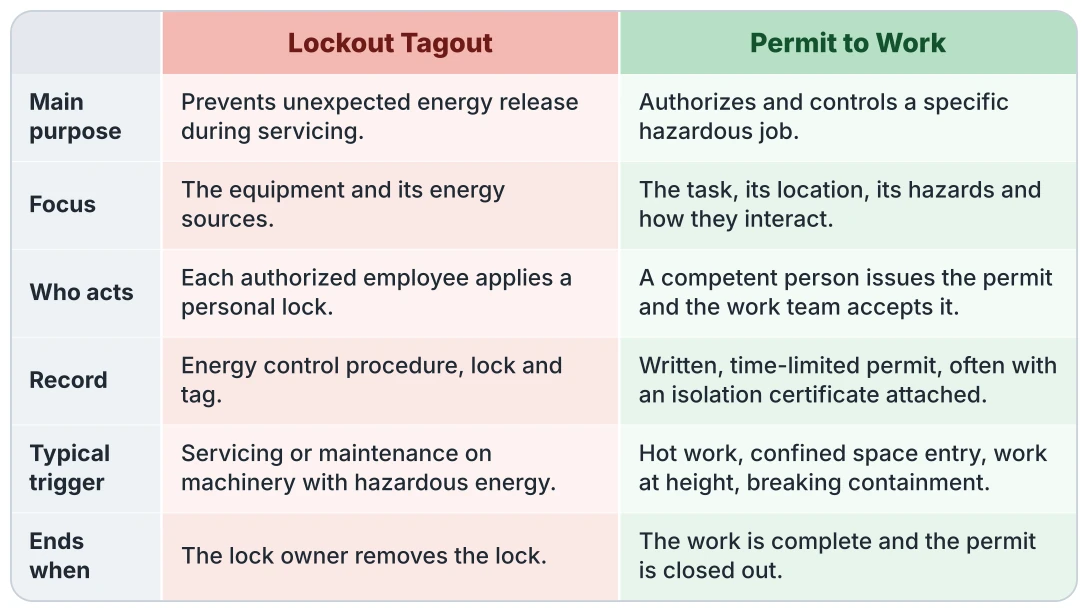
The two systems overlap, but they answer different questions. LOTO asks whether the equipment can release energy. A permit to work asks whether this specific job, in this place and at this time, has been assessed, authorized and communicated. HSE describes a permit as a formal system that states exactly what work is to be done and when, and which parts are safe.
HSE lists work that needs electrical or mechanical isolation among the high-risk jobs where a written permit may be needed, alongside hot work, vessel entry and cutting into pipework that carries hazardous substances. OSHA’s lockout standard does not require a permit, but many companies add one when a job is complex. For that reason the two systems should refer to each other, and HSE’s permit guidance HSG250 even points readers to HSG253 for the details of isolation.
Some jobs cannot be done safely with only one of the two controls. The examples below show why each one matters.
Job | What LOTO covers | What the permit covers |
Cleaning inside a mixing tank. | Locks the agitator, pumps and feed lines. | Entry authorization, atmosphere testing and rescue. |
Welding on pipework near process equipment. | Isolates and drains the line. | Ignition sources and fire watch. |
Replacing a conveyor motor at height. | Locks the drive and releases belt tension. | Access at height and dropped objects. |
Opening a pressurized line. | Isolates, vents and blocks the energy. | Records what is opened, by whom and when. |
Confined space entry shows the link most clearly. OSHA’s permit-required confined space rule defines isolation as removing the space from service and protecting it from the release of energy and material, using methods such as blanking, a double block and bleed system, or lockout or tagout of all energy sources. So an entry permit depends on the LOTO work being finished and verified first.
The crew is the best judge of whether a briefing was useful. At the end of each session, ask what was unclear and what would make the next one better. A show of hands, a short comment card or a quick word with crew leaders and interpreters is enough. Because worker consultation is a core principle of safety management systems, this feedback also supports compliance, not only quality.
Collect the comments in one place and look for patterns. If several workers say a topic repeated last week, the topic calendar needs revising. If interpreters report that a term was unclear, the visual aids need work. Then tell the crew what changed because of their comments. A crew that sees its feedback used will keep giving it, whereas one that hears nothing back will stop. Rotating presenters and reviewing delivery with the safety officer each month completes the improvement cycle.
The cost of keeping the systems apart is clear from the Piper Alpha disaster in 1988, which killed 167 people.
On the day shift, a pressure safety valve was removed from one condensate pump and the open pipe was closed with a blind flange, while the pump itself was isolated electrically.
The two jobs sat under separate permits with no cross-reference. When the other pump tripped that evening, the night shift did not know the valve was missing, so they removed the electrical isolation and restarted the pump.
The Cullen inquiry concluded that the most likely cause of the first explosion was a small release of condensate through the unsecured flange, and it found serious faults in both the permit system and shift handover. The lesson is to tie the systems together.
Strengthen your workplace safety knowledge: read this next
Most lockout failures are not exotic. They are ordinary shortcuts that feel efficient until the day the machine moves. The three below appear again and again in investigations.
NIOSH reviewed 185 fatalities linked to installation, maintenance, service and repair work on or near machinery over a 25-year period. Failure to completely de-energize, block or dissipate the energy source was a factor in 142 of them, or 77%, whereas failure to apply lockout and tagout devices after de-energization appeared in 31, or 17%. In other words, equipment that looked off was often not safe.
A switch position proves very little on its own. One NIOSH case file on a fatal electrocution notes that the victim’s circuit tester, which was meant for confirming a circuit was de-energized, was found in his locker after the incident.
Prevention is simple to describe. Write verification into the procedure as a named step with a defined method, and keep testers and gauges at the point of work so nobody has to hunt for them.
A lock only protects when it belongs to one person and that person holds the only key. OSHA requires lockout devices to be singularly identified, used only for energy control and marked with the identity of the employee who applied them.
A California FACE investigation of a worker who cut a jammed piece of metal with a torch, after which the jam fell away and a door closed on him, noted that the company did not require a supervisor to visually confirm de-energization and lockout before maintenance began.
Fixes are practical. Issue locks through a register, control spare keys centrally, color code locks by department and sweep the site regularly for unattended locks. Require senior sign-off, with the documented contact attempts, before any lock is removed without its owner.
Every lock stands for a person, and culture decides whether others treat it that way.
A FACE investigation found that a factory manager went to an electrical panel to service a saw but did not properly shut down the energy, lock out, tag out or verify. The recommendation was that employers make sure management leads by example. Workers watch what leaders do, so a manager who skips the lock teaches the whole team that the rule is optional.
Culture is built through routine. Leaders follow the same procedure they expect from others.
Technicians get stop-work authority and use it without penalty, and schedules leave time for isolation. Bring technicians into writing and revising procedures, because they know the hidden isolation points. Review near misses and safety audit real jobs in progress, not only the paperwork, and recognize people who catch a missed energy source before work starts.
A good program comes down to a few ideas that every worker and supervisor can repeat. These are the points to keep in mind before moving to the checklist.
Use this list at the machine or copy it into your job planning sheet. It follows the same order as the procedure above.
Before the lock goes on:
While isolating:
Before restart:
Lockout tagout works when each step does exactly what it claims to do. Locks keep energy out, release steps remove what is stored, verification proves the result and people respect the lock. Standards differ in wording from one country to the next, but the logic stays the same. Incidents rarely trace back to missing hardware. They usually trace back to a step that someone skipped. A practical place to start is the machine with the most complicated isolation, so walk through its procedure with the technicians who service it and fix what they find.
Procedures only protect people who understand them. Eduskills Training offers occupational health and safety programs that help supervisors, technicians and safety officers build that competence. When it is backed by honest audits and visible leadership, energy isolation becomes a habit that keeps working long after the training day ends.
An energy isolating device physically prevents energy from being transmitted or released, such as a manually operated disconnect, circuit breaker, line valve or block. OSHA’s definition excludes push buttons, selector switches and other control circuit type devices, so a stop button can never serve as isolation.
Generally not, because the standard targets servicing and maintenance. However, it applies when a worker must remove or bypass a guard or safety device, or place any part of the body in the point of operation or a danger zone during the machine cycle.
Tagout alone is acceptable when the energy isolating device cannot be locked. It is also allowed on lockable devices if the employer demonstrates equivalent protection, which usually needs extra measures such as removing a circuit element, blocking a control switch, opening an additional disconnect or removing a valve handle.
After devices are applied, all hazardous stored or residual energy must be relieved, disconnected, restrained or otherwise made safe, for example by bleeding pressure, discharging capacitors or blocking raised loads. Reaccumulation means the energy can build back up, so isolation must be rechecked until the work is finished.
Verification confirms that isolation and de-energization are complete before work starts. Typical methods are a try-out of the normal start controls once everyone is clear, a rated voltage tester proven on a known source before and after use, and a zero reading on pressure gauges. A try-out alone does not prove that stored energy is gone.
Yes, but only through a set sequence. Clear tools and materials, remove people from the area, remove the lock or tag, then energize and test. Afterward, de-energize the equipment and reapply the energy controls before servicing continues.
One authorized employee takes primary responsibility for the group, and each worker adds a personal lock to the group lockbox or isolation point before starting and removes it when finished. At shift change, the procedure must transfer protection in an orderly way, so in practice the incoming worker locks on before the outgoing worker locks off.
It must happen at least once a year and be performed by an authorized employee who is not using the procedure being checked. The inspector reviews responsibilities with each authorized employee, and with affected employees where tagout is used. The employer then certifies the machine, date, employees involved and inspector.
ISO 14118:2017, adopted in Europe as EN ISO 14118:2018, sets design requirements for preventing unexpected start-up. The Machinery Directive 2006/42/EC also requires clearly identified isolators that can be locked where reconnection could endanger people, and Regulation (EU) 2023/1230 replaces it from January 2027.
The permit authorizes and controls the job, while LOTO controls the equipment’s energy. Therefore the permit should list the isolation points, name the energy control procedure and confirm that locks are applied and verified before work starts. IOGP guidance expects isolation records to be attached to or built into the permit.
Not under the current OSHA standard. Control circuit devices are not energy isolating devices, and alternative measures are accepted mainly for minor servicing during normal production. ANSI/ASSP Z244.1-2024 treats alternative methods as a co-equal choice, but OSHA’s proposed update has not become a final rule.
Lockout tagout (LOTO) is the safety procedure that keeps machinery from starting up or releasing stored energy while someone services it. The idea is simple, but the cost of
A toolbox talk (TBT) works best when it sounds like a conversation about today’s job and not a recital of rules. It is a short discussion held at the

A Safety Audit is a systematic evaluation of workplace health and safety arrangements to determine whether an organization is meeting its legal obligations, following established safety standards and effectively

The hierarchy of controls is a fundamental occupational health and safety framework that helps organizations identify, prioritize, and manage workplace hazards according to the effectiveness of available control measures.

SIMOPS (Simultaneous Operations) refers to the planning, coordination and control of two or more activities taking place concurrently within the same operational area or across interconnected work locations. In

A fall arrest system is a critical form of personal fall protection designed to stop a worker safely after an accidental fall from height. It plays an essential role

LOPA (Layer of Protection Analysis) is a systematic, semi-quantitative risk assessment methodology used to evaluate whether existing safety measures provide sufficient protection against hazardous events in industrial processes. It

An emergency response plan is the written set of actions that tells every person on site what to do in the first minutes of a fire, chemical release, injury

Permit To Work (PTW) is a formal safety control system used to plan, authorize, execute, monitor, and close out high-risk work under defined conditions. It helps ensure that hazards

An HSE Policy is the written backbone of how a company protects its people, because it sets out exactly who is responsible for what when something goes wrong on

A HAZOP study stands between a process design that looks fine on paper and one that actually survives contact with real operating conditions. It exists because most process failures

Risk Based Process Safety decides whether a plant runs for decades without incident or ends up in a Chemical Safety Board report. Most facilities already track hazards on paper

Health and safety culture determines whether a workplace merely follows rules or genuinely protects the people inside it. Because most incidents trace back to attitudes and habits rather than

Process Safety Management exists because a single overlooked valve, a skipped inspection or an ignored warning sign can turn a chemical plant into a disaster site within minutes. Companies
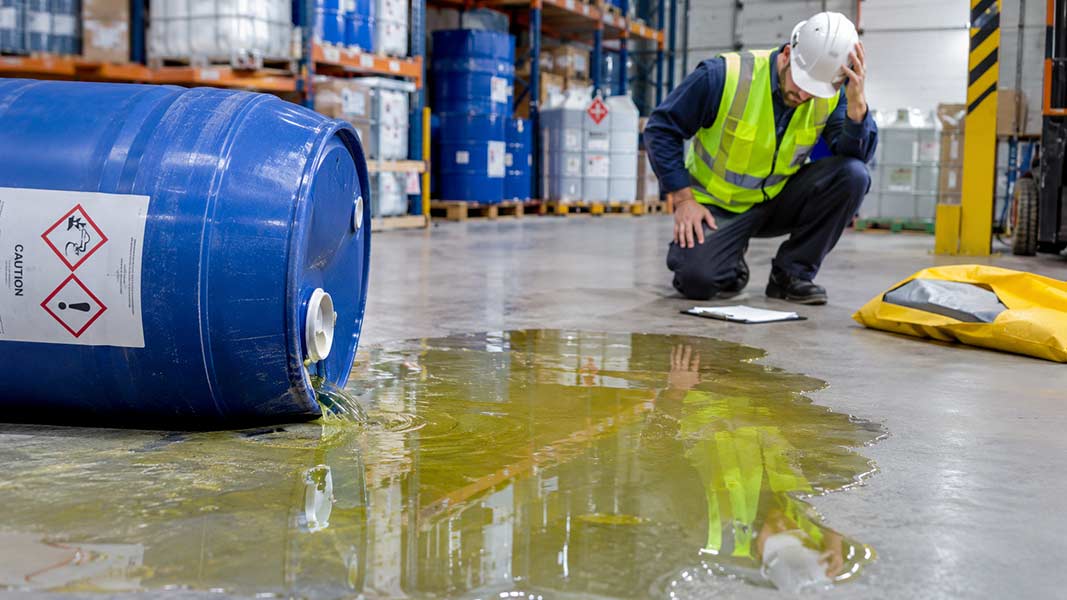
Chemical hazards cause more workplace injuries and long-term illnesses than most employers realize because exposure often happens quietly through skin contact, inhalation or repeated low-dose contact over months and
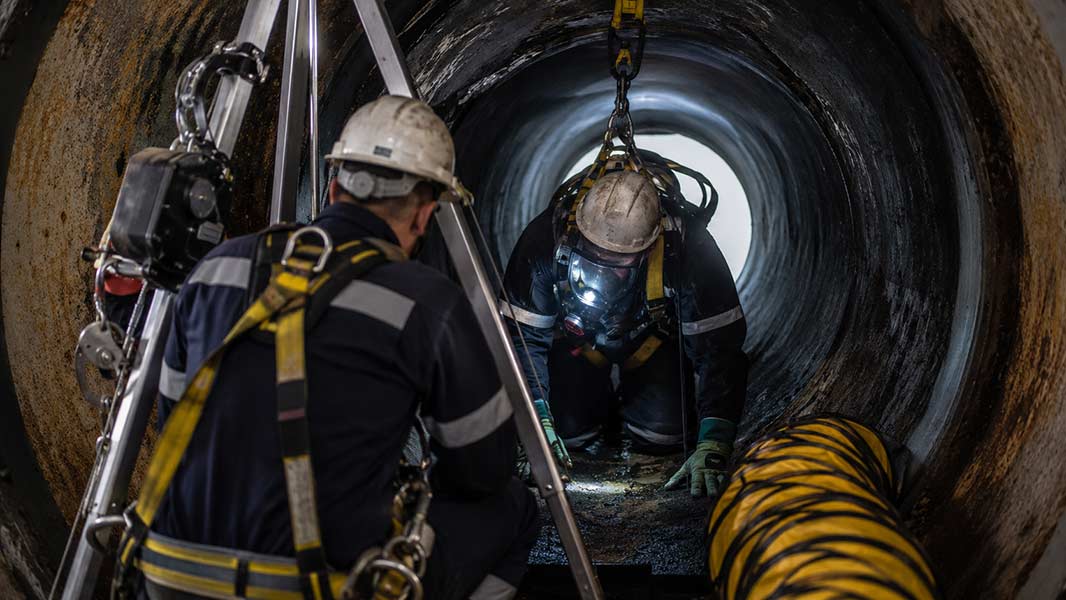
Confined Space Hazards cause more workplace deaths every year than most employers realize, often because the risks stay invisible until someone is already inside. A space doesn't need to

Manual handling hazards exists in almost every workplace, from warehouses to hospitals and it remains one of the leading causes of workplace injury worldwide. According to the UK Health

Heat stress vs heat stroke confuses more workers than it should, and that confusion costs lives every summer. The Bureau of Labor Statistics recorded 48 work-related deaths due to
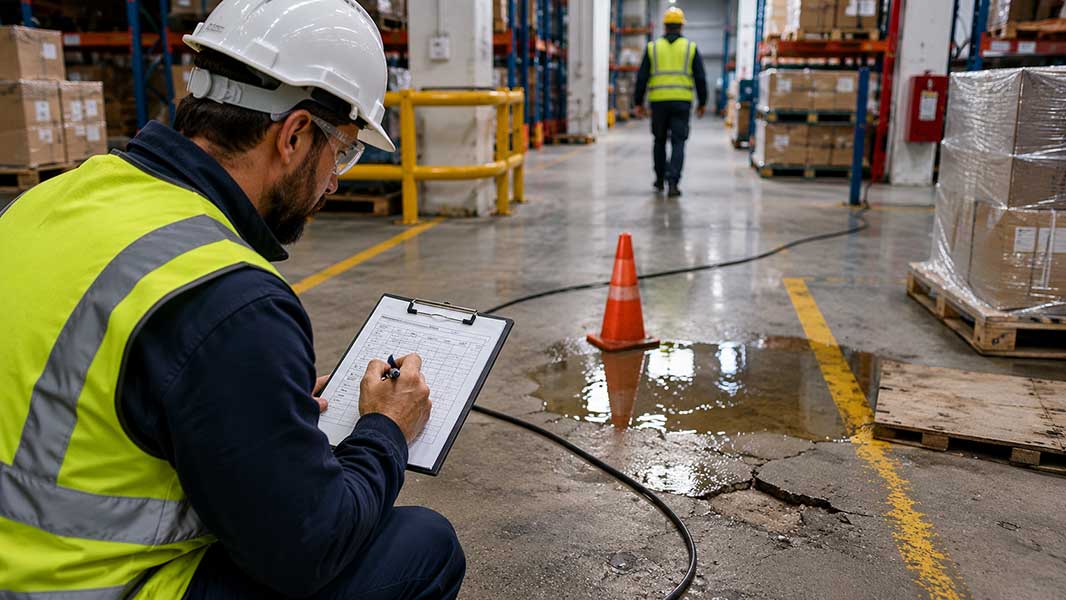
A slip, trip and falls risk assessment is the single most effective tool employers have for catching hazards before they turn into injuries. Because falls remain one of the

Line of fire hazards occur when a worker's body is positioned where it could be struck, crushed, pinned, or caught by moving equipment, falling objects, or released energy and
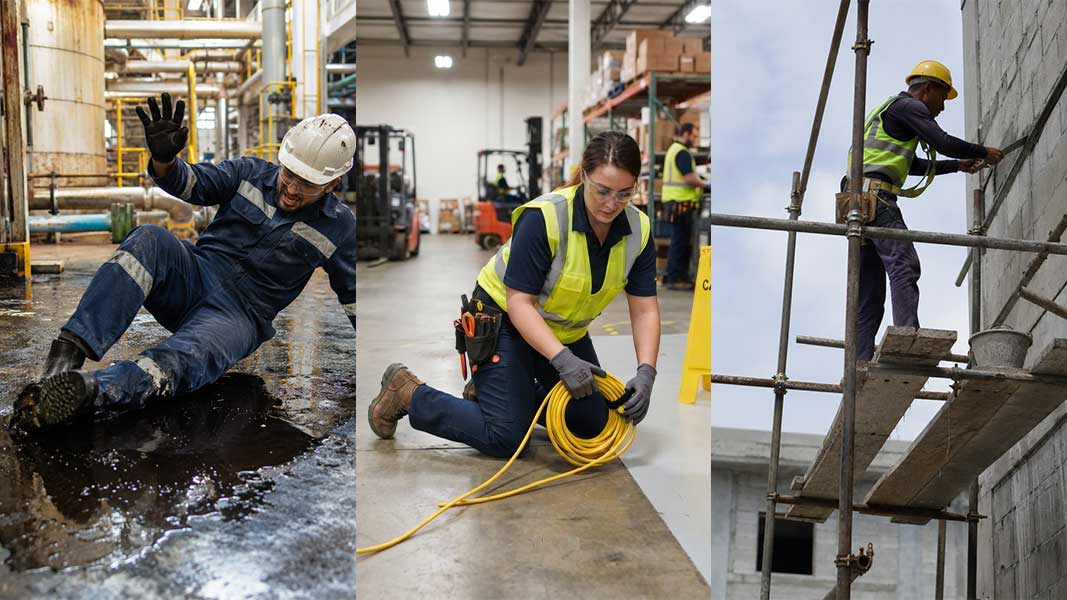
Slip, trip and fall hazards remain one of the most underestimated risks inside any workplace, largely because they hide in plain sight, a wet floor here, a loose cable

Repetitive strain injury at Workplace affects millions of workers every year and most of them do not realize the damage is building until pain becomes constant. According to the

Heat Stress Awareness starts with a simple fact: the human body can only handle so much heat before it starts to fail and most workers never see the warning

HIRA in the workplace is not a paperwork exercise. It is the single most important process that stands between your workers and a serious injury, a fatality or a
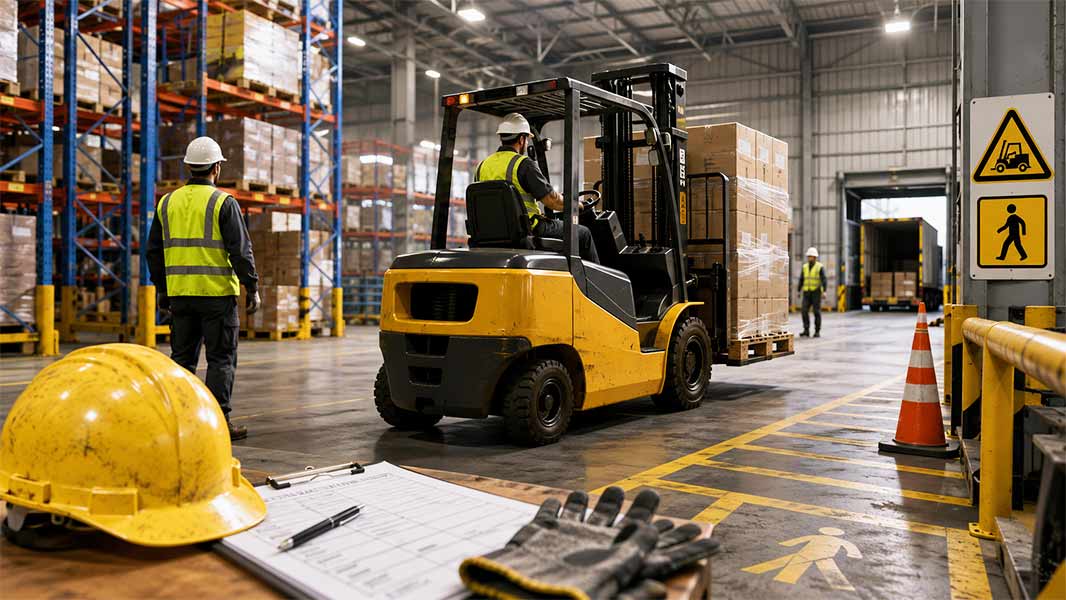
Forklift hazards and risk control is a critical responsibility in any workplace where powered industrial trucks operate daily. Warehouses, construction sites, manufacturing plants and logistics hubs rely on forklifts
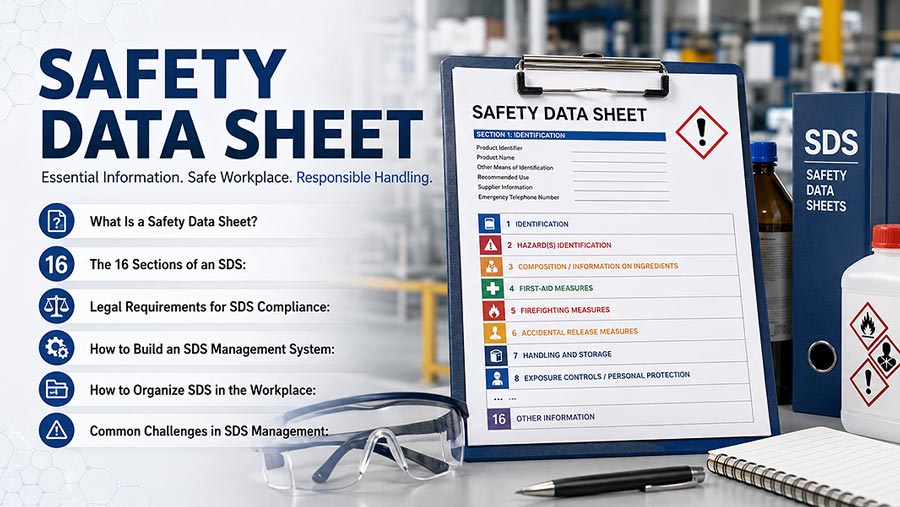
Every year, thousands of workplace chemical incidents happen not because the hazard was unknown, but because the right information was not where it needed to be. A Safety Data
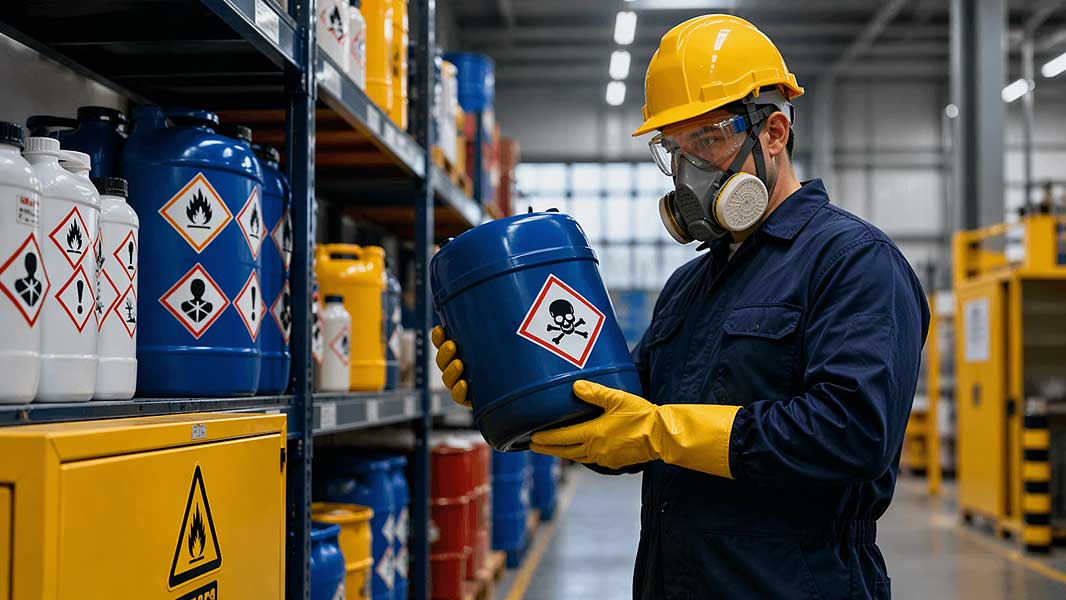
Hazardous Materials Safety is the line between controlled operations and catastrophic failure because one mismanaged chemical, one incompatible storage condition or one missed warning label can trigger injuries, fires,

Emergency Preparedness in UAE is no longer optional because a single unplanned incident can shut down operations, cause serious injuries and expose businesses to legal consequences. In high-risk sectors,

ISO 14001 Environmental Management Lead Auditor in UAE is a highly respected role because organizations rely on qualified professionals to assess environmental management systems (EMS), ensure ISO 14001:2015 compliance

Fall protection for work at height remains one of the most critical safety priorities across construction, oil and gas, manufacturing and maintenance industries because even a minor lapse can

Key requirements of ISO 9001 Certification in UAE define how organizations build a structured, consistent and performance-driven ISO 9001 Quality Management System that meets customer expectations and regulatory demands.
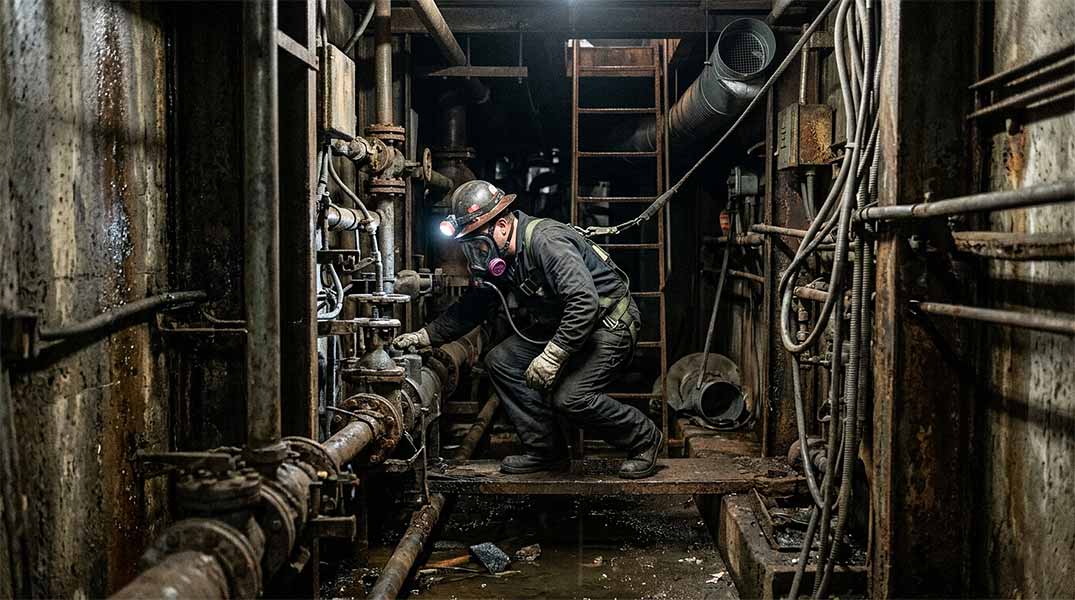
Confined Space Hazards remain one of the most critical risks in industrial workplaces because they combine limited access, poor ventilation and unpredictable conditions that can turn routine tasks into

The benefits of ISO 45001 lead auditor training are becoming increasingly important for safety professionals in the UAE because industries such as construction, oil and gas, manufacturing, logistics and
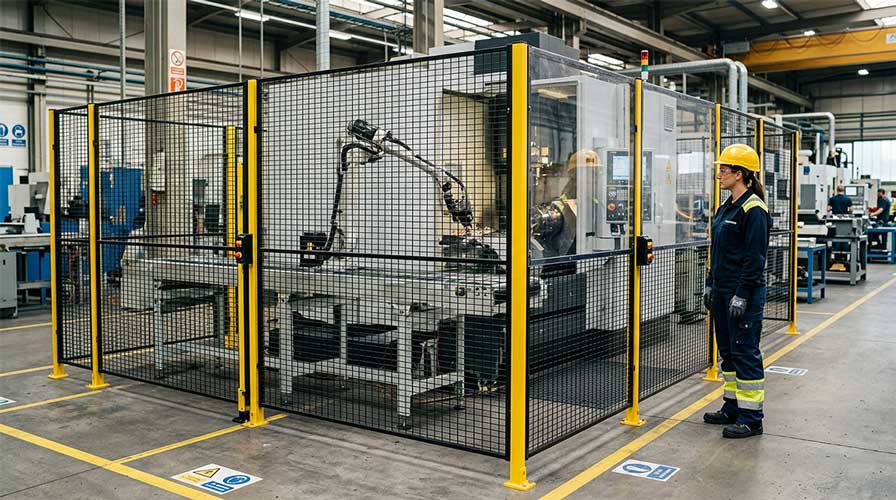
Machine Guarding Safety protects workers from dangerous moving parts, mechanical hazards and high-risk machine operations that exist across industrial workplaces. Manufacturing equipment, conveyor systems, cutting machines, presses and rotating

The ISO 14001 Certification Process provides organizations with a structured method to establish an effective Environmental Management System (EMS) that identifies environmental aspects, evaluates potential environmental impacts and implements

Digital LOTO Systems are becoming an essential part of modern industrial safety programs because traditional paper-based lockout tagout procedures often create gaps in documentation, communication and verification of hazardous

The benefits of ISO 9001 Lead Auditor Course in UAE are clear for professionals who want authority in quality management, because this qualification proves you can plan, conduct and

Employee Assistance Programs for workplace safety strengthen risk control because mental health, personal stress and financial pressure directly affect concentration, judgment and safe behavior at work. Many incident investigations

ISO 45001 clause 5.1 leadership and commitment requirements determine whether an Occupational Health and Safety Management System truly works in practice. Under the ISO 45001 framework, top management is

Bullying and harassment prevention in the workplace is a critical part of occupational health, legal compliance and organizational risk management. When disrespectful conduct is ignored, employee morale declines and

The benefits of ISO 14001 Lead Auditor Training in UAE extend far beyond earning a professional credential. This advanced qualification by Eduskills Training equips you to plan, conduct and

Workplace violence prevention is not limited to reacting after an incident occurs but instead focuses on identifying risks early and controlling them before harm happens. Violence at the workplace

HSE KPIs are the backbone of effective health, safety and environmental performance measurement because they turn policies, procedures and controls into measurable outcomes. When defined and used correctly, KPIs

ISO 45001 Implementation is the process of building a structured occupational health and safety management system that actually works on the ground, therefore reducing risks, preventing incidents and protecting

Fatigue management at the workplace has become a critical safety concern because fatigue directly affects alertness, judgment, reaction time and decision-making. When workers are fatigued, the likelihood of errors

Guide to ISO 45001 Lead Auditor Course is the starting point for professionals who want to upgrade from “knowing safety” to auditing occupational health and safety systems with confidence

Ergonomics and Musculoskeletal Health sit at the center of injury prevention because most work-related pain develops from everyday tasks rather than sudden accidents. When jobs are designed without considering
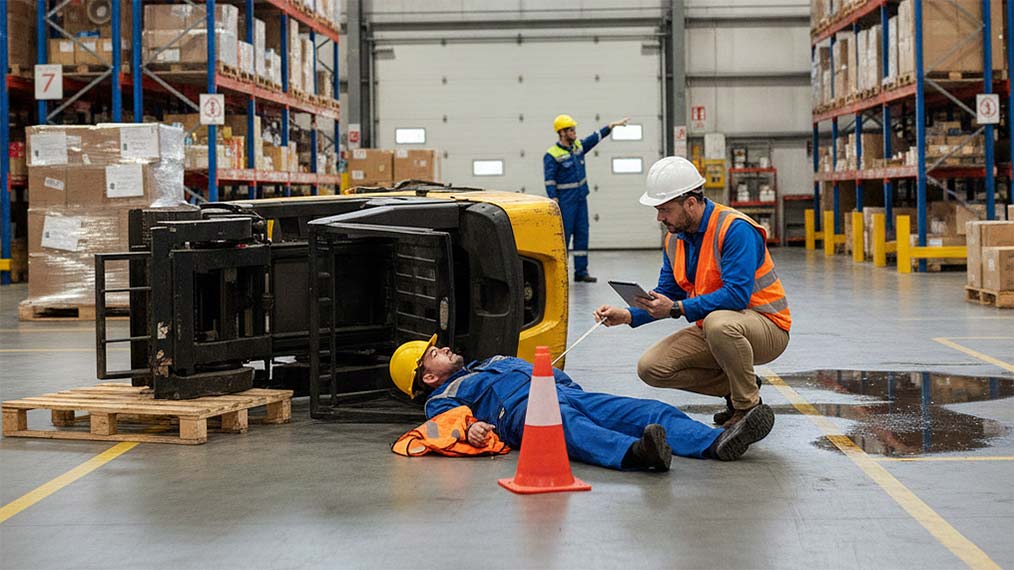
Incident investigation is the backbone of effective occupational health and safety, because it focuses on understanding why an incident occurred rather than who was involved. When done properly, it

ISO 14001 Gap Analysis is a structured assessment that helps organizations measure their current Environmental Management System against ISO 14001 requirements because even small compliance gaps can lead to

Choosing the right professional certification depends on career goals, industry exposure and long-term relevance. Many professionals choose ISO 9001 Lead Auditor Course in UAE because organizations across the region