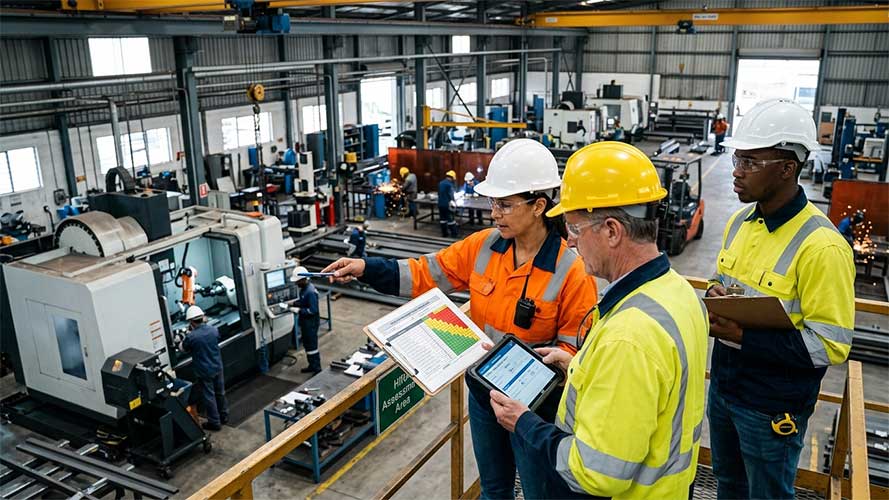
HIRA in the Workplace – Hazard Identification and Risk Assessment
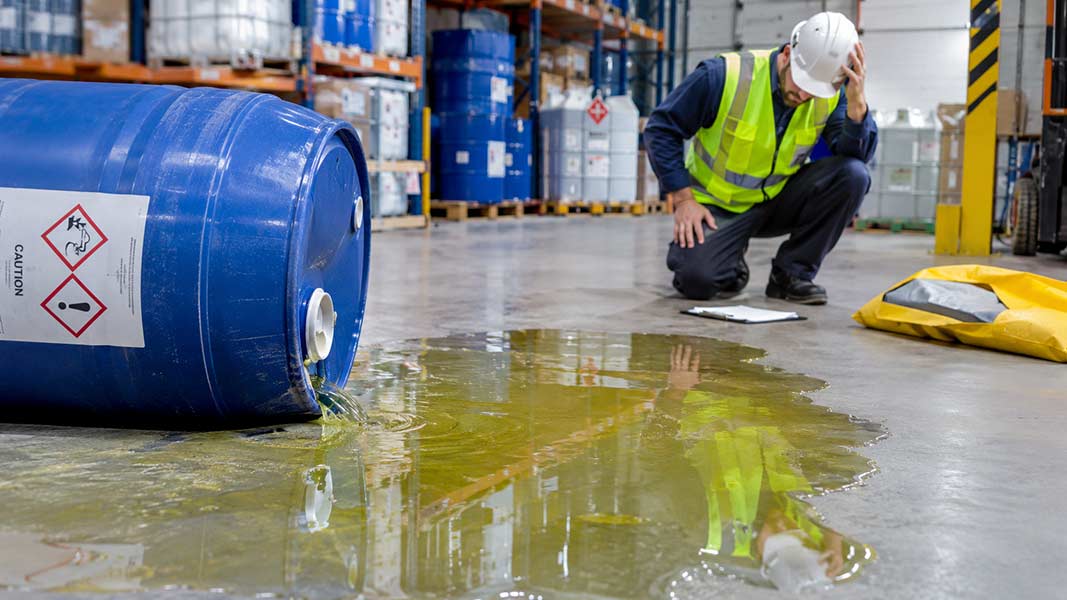
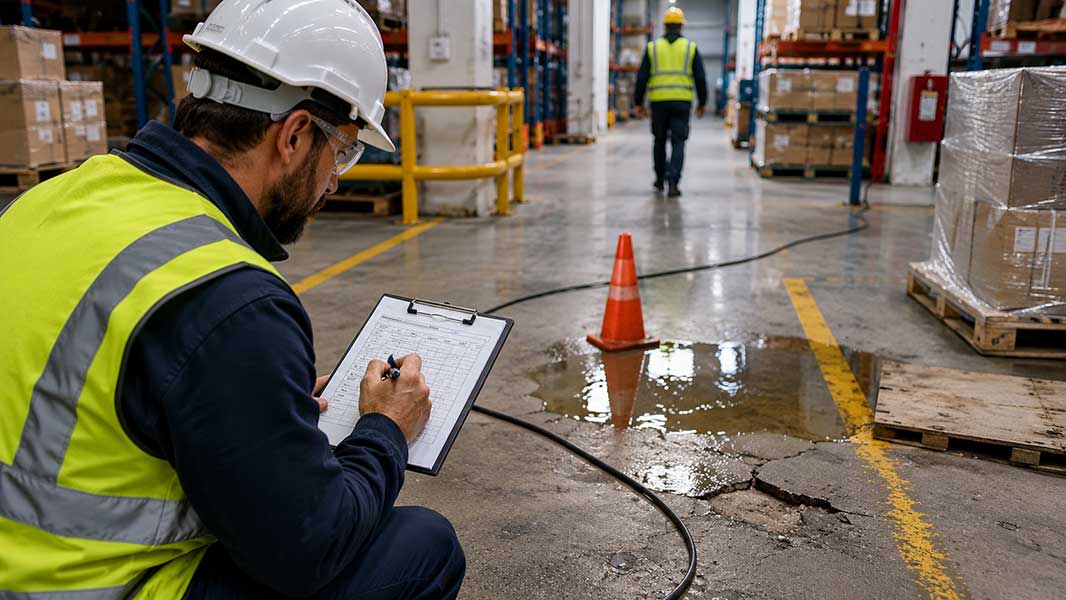
HIRA in the workplace is not a paperwork exercise. It is the single most important process that stands between your workers and a serious injury, a fatality or a
Fall protection for work at height remains one of the most critical safety priorities across construction, oil and gas, manufacturing and maintenance industries because even a minor lapse can lead to severe injuries or fatalities. Organizations that implement effective fall protection systems, working at height safety measures and personal fall arrest systems significantly reduce risks while improving compliance and operational confidence. However, real safety comes from combining risk assessment procedures, safety harness inspection and anchor point certification with proper training and supervision, therefore every worker understands not just what to use, but how and when to use it. This guide covers the most practical and field-tested strategies that align with global standards, helping companies build a strong work at height safety culture while ensuring full control over hazards and legal compliance.
Fall protection for work at height is more than a compliance requirement because it defines how organizations identify hazards, control risks and protect workers operating above ground level. It combines hazard identification, risk assessment procedures and the correct use of fall protection systems to either prevent a fall or minimize its impact. In practice, this means selecting the right solution based on the task, environment and exposure level, therefore no single method fits all situations.
A well-structured approach integrates engineering controls, safe work practices and personal protective equipment (PPE), while ensuring that every worker understands their role in maintaining safety. When companies treat fall protection as a system rather than a checklist, they build a reliable work at height safety culture that reduces incidents and strengthens operational control.
A single misstep at height can change everything, consequently fall protection for work at height is not optional but a core safety requirement across industries like construction, oil and gas, power plants and industrial maintenance. These environments involve constant exposure to elevated work platforms, open edges and unstable surfaces, which significantly increase the risk of serious incidents.
Companies that invest in fall hazard identification, site-specific safety planning and protective systems not only reduce injuries but also strengthen compliance with international standards. Strong safety performance reflects leadership commitment because a proactive approach builds trust, reduces downtime and protects both people and reputation.
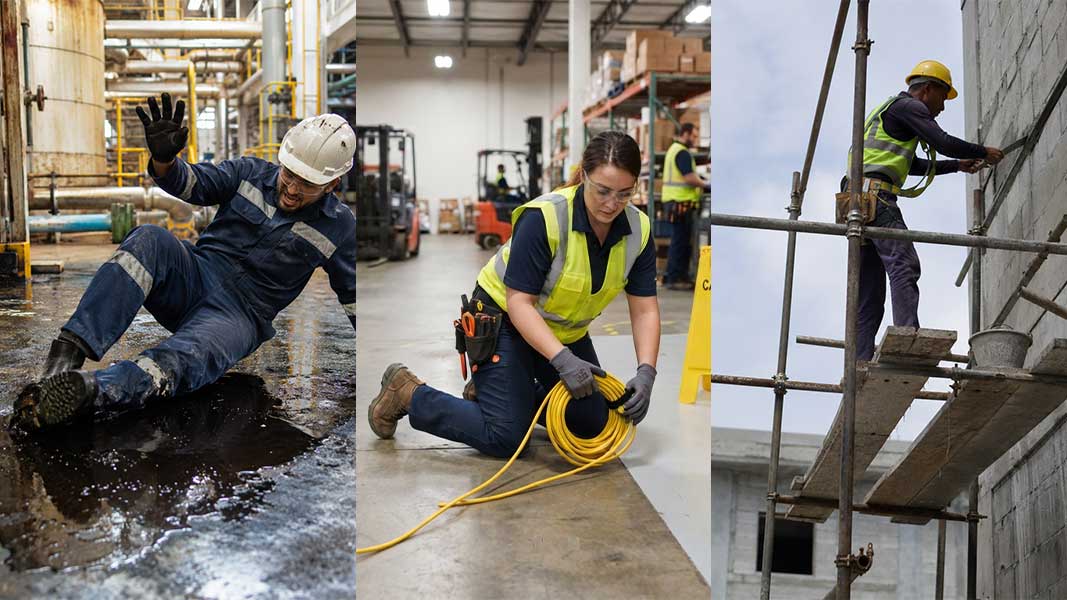
Most fall incidents are predictable, therefore preventable when risks are properly managed. The leading causes often include unprotected edges, improper use of safety harness systems and failure in anchorage points. In many cases, workers operate on fragile surfaces or temporary structures without adequate safeguards, which increases exposure to danger.
Additionally, poor housekeeping, slippery conditions and lack of fall risk assessment create hidden hazards that are often ignored until an incident occurs. Human factors also play a role because inadequate training and overconfidence can lead to unsafe decisions on site.
Understanding the difference between fall prevention systems and fall arrest systems is critical because both serve different purposes in controlling risk. Fall prevention focuses on stopping a fall before it happens, therefore it includes measures like guardrails, barriers and safe work platforms.
On the other hand, fall arrest systems are designed to stop a fall once it has occurred, which involves equipment such as full body harnesses, shock-absorbing lanyards and lifeline systems. Prevention is always the preferred approach, but where it is not feasible, arrest systems provide a controlled way to minimize injury. A well-designed safety plan integrates both approaches to ensure maximum protection.
An effective fall protection system relies on multiple components working together, because failure in one element can compromise the entire setup. The most critical components include anchorage points, which must be strong and certified to withstand the required loads, along with body support systems such as harnesses that distribute force safely. Connecting devices like lanyards, self-retracting lifelines, and energy absorbers play a key role in reducing impact forces during a fall.
Additionally, proper equipment inspection protocols and regular maintenance ensure reliability over time. Training remains equally important, because even the best equipment can fail when used incorrectly, therefore organizations must prioritize competence alongside compliance.
Clear, practical actions make the difference between compliance on paper and safety in real conditions, therefore these refined strategies focus on what actually prevents incidents on site while strengthening fall protection for work at height.
Every task at height should begin with a structured risk assessment procedure because hazards vary based on location, access and work type. Identifying fall hazards, surface conditions and access limitations allows teams to select the right controls before exposure begins. Skipping this step often leads to reactive decisions, which increases risk and delays operations.
All fall protection equipment must meet recognized standards and undergo routine checks because worn or uncertified gear creates a false sense of safety. Regular equipment inspection protocols help detect damage, corrosion or wear before failure occurs, therefore ensuring reliability during critical moments.
Not all harnesses are the same, therefore choosing the correct full body harness based on the task is essential. Proper fitting and correct attachment to connecting devices ensure that forces are distributed safely during a fall, while incorrect use can lead to serious injuries even if the system functions.
Guardrail systems provide one of the most effective forms of collective fall protection because they eliminate the risk at the source. Wherever possible, physical barriers should be prioritized over personal systems, therefore reducing reliance on individual behavior.
Workers must remain continuously connected to a secure anchorage system because even a few seconds of disconnection can lead to fatal consequences. Maintaining 100% tie-off ensures uninterrupted protection, especially during movement between positions.
You might be interested in reading
Strong site supervision ensures that safety procedures are followed consistently because even trained workers can overlook risks under pressure. Competent supervisors identify unsafe practices early and enforce work at height safety protocols, therefore maintaining control over site conditions.
Regular safety training programs and short, focused toolbox talks reinforce safe behavior because knowledge fades without repetition. Practical sessions improve understanding of fall protection systems, while real-life scenarios help workers apply procedures correctly on site.
Anchor points and lifeline systems must be verified before each use, because they bear the full load during a fall event. Any weakness or improper installation can lead to system failure, therefore routine inspection is critical for reliability.
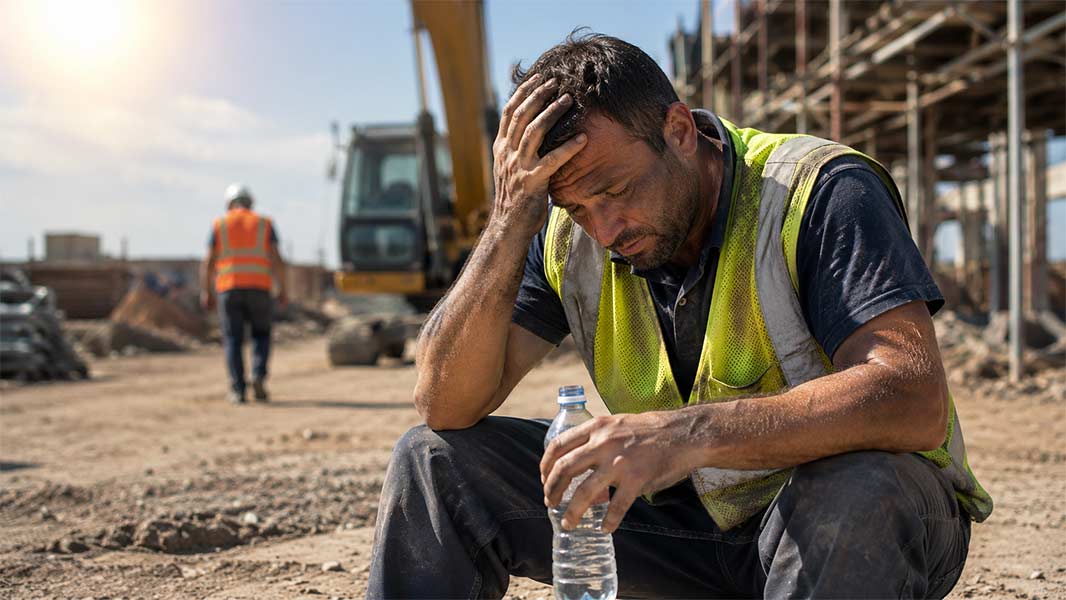
Environmental factors like wind, rain and heat directly affect working at height safety because they reduce stability and visibility. Monitoring weather and adjusting work schedules helps control exposure, therefore preventing avoidable incidents.
A fall arrest system is only effective if a timely rescue follows because suspension trauma can occur within minutes. A clear rescue plan, supported by trained personnel and equipment, ensures quick response, therefore minimizing injury severity and saving lives.
Even well-equipped sites experience incidents because mistakes in planning, execution and behavior weaken the effectiveness of fall protection for work at height. Identifying these gaps early allows organizations to strengthen their safety management systems, therefore reducing risk exposure and improving overall control.
Using damaged or poorly maintained equipment is one of the most dangerous failures on site because defects are not always visible during routine use. Skipping equipment inspection protocols often leads to unnoticed wear in safety harness systems, lanyards and lifeline systems, which can fail under load. Regular inspection, proper storage and scheduled maintenance ensure that all fall protection equipment performs as intended, therefore eliminating preventable risks.
Workers cannot use what they do not fully understand, therefore lack of safety training programs creates serious exposure even when the right systems are available. Inadequate knowledge of fall hazard identification, incorrect use of personal protective equipment (PPE) and poor understanding of procedures often lead to unsafe actions. Continuous training, practical demonstrations and regular toolbox talks build awareness and confidence because informed workers make safer decisions under pressure.
Rushing into work without proper planning increases the likelihood of incidents because hazards remain unidentified and controls are applied too late. Weak job hazard analysis and absence of site supervision result in inconsistent safety practices across teams. Effective planning includes selecting the right fall protection systems, defining responsibilities and monitoring compliance throughout the task, therefore ensuring that safety is maintained from start to finish.
You might be interested in reading
Fall protection for work at height is not just about meeting regulatory requirements because real safety depends on how effectively risks are identified, controlled and managed on site. Organizations that prioritize risk assessment procedures, invest in reliable fall protection systems and strengthen their work at height safety culture consistently reduce incidents and improve operational performance. Every element matters, from selecting the right equipment to ensuring proper training and supervision, therefore safety should be treated as an integrated system rather than isolated actions.
A proactive approach supported by continuous learning and practical implementation creates long-term impact because workers become more aware, confident and responsible in high-risk environments. This is where Eduskills Training plays a vital role by equipping professionals with industry-relevant knowledge, hands-on skills and globally aligned practices. When organizations commit to doing things the right way, they not only protect lives but also build trust, compliance and sustainable growth.
Requirements vary by regulation, but generally protection is needed above 1.8 to 2 meters, therefore a proper risk assessment procedure should always determine the need.
They include fall prevention systems like guardrails and fall arrest systems such as harnesses, lifelines and energy absorbers.
It identifies hazards, evaluates risks and helps select appropriate controls, therefore reducing the chances of accidents.
Equipment should be checked before each use and undergo formal periodic inspections because undetected damage can lead to failure.
Employers must provide safe systems and training, while workers must follow work at height safety protocols and use equipment correctly.
Typical causes include unprotected edges, improper use of safety harness systems and failure of anchor points.
Training ensures workers understand how to use personal protective equipment (PPE) and follow safety procedures because misuse can lead to serious injuries.
It is a predefined procedure to safely recover a worker after a fall because delayed rescue can lead to suspension trauma.
HIRA in the workplace is not a paperwork exercise. It is the single most important process that stands between your workers and a serious injury, a fatality or a
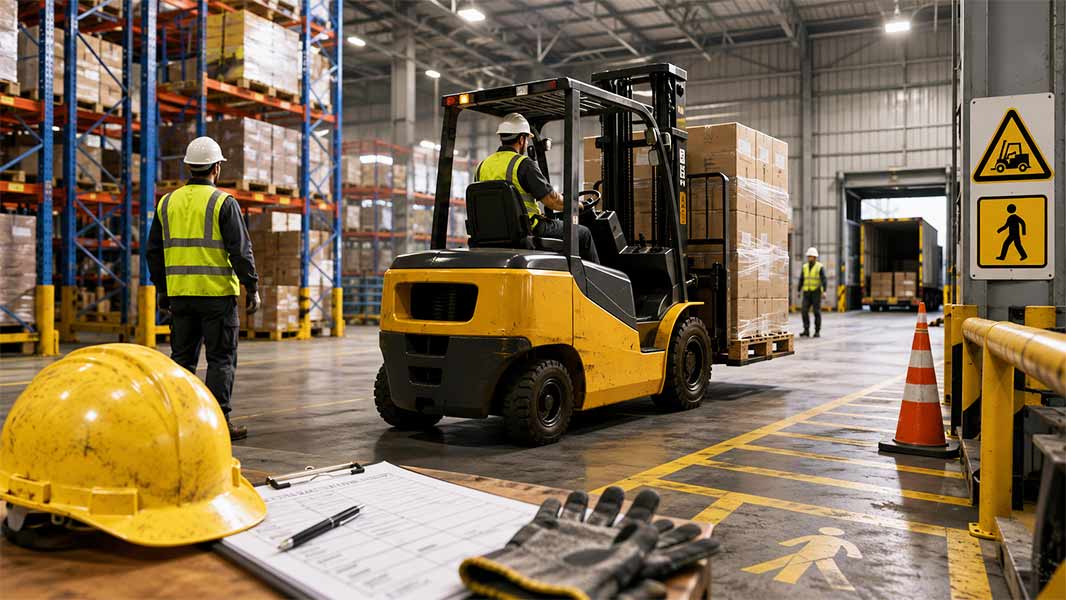
Forklift hazards and risk control is a critical responsibility in any workplace where powered industrial trucks operate daily. Warehouses, construction sites, manufacturing plants and logistics hubs rely on forklifts
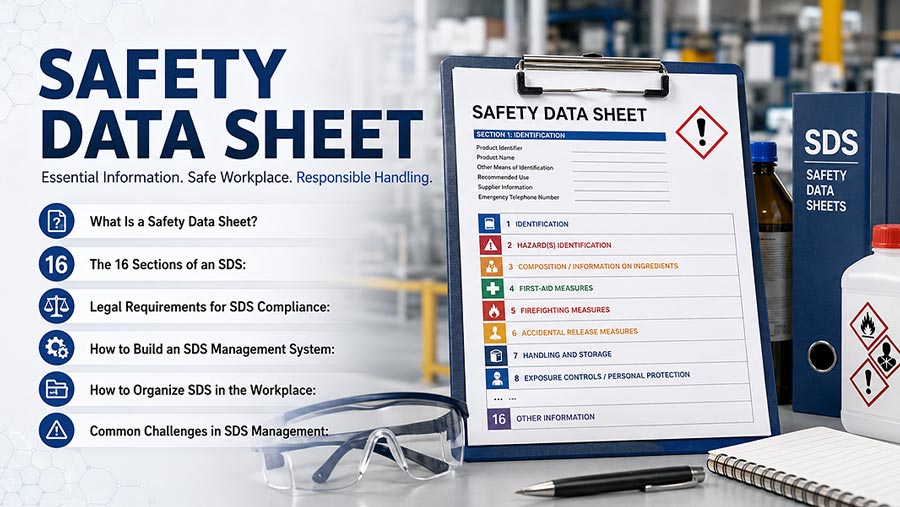
Every year, thousands of workplace chemical incidents happen not because the hazard was unknown, but because the right information was not where it needed to be. A Safety Data
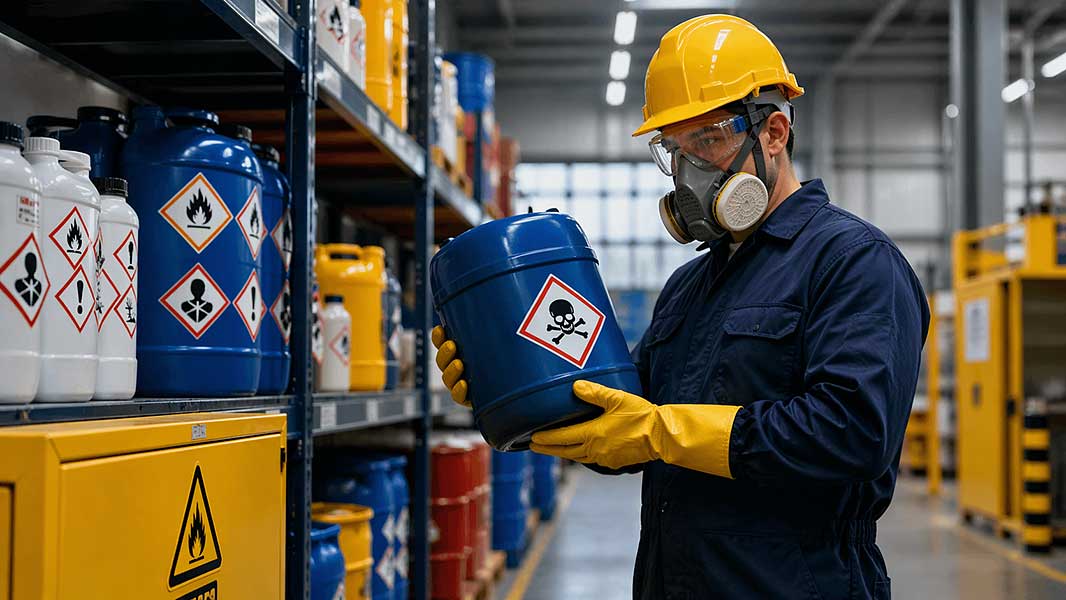
Hazardous Materials Safety is the line between controlled operations and catastrophic failure because one mismanaged chemical, one incompatible storage condition or one missed warning label can trigger injuries, fires,
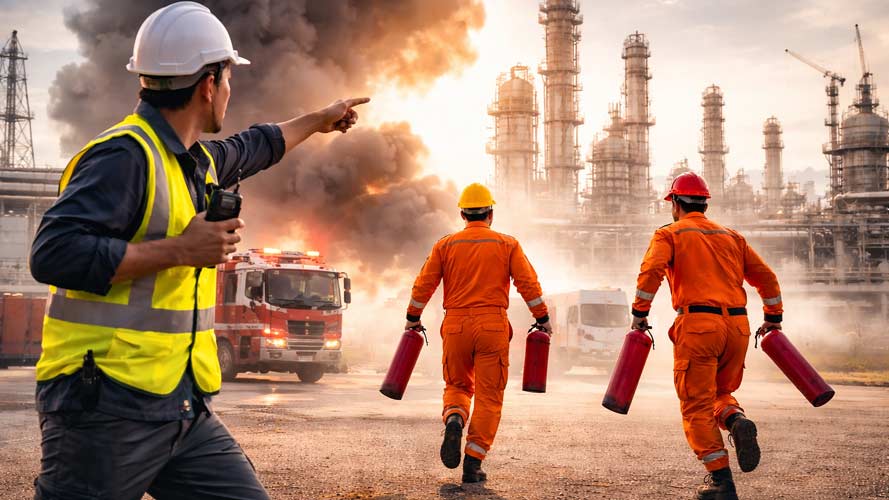
Emergency Preparedness in UAE is no longer optional because a single unplanned incident can shut down operations, cause serious injuries and expose businesses to legal consequences. In high-risk sectors,
ISO 14001 Environmental Management Lead Auditor in UAE is a highly respected role because organizations rely on qualified professionals to assess environmental management systems (EMS), ensure ISO 14001:2015 compliance
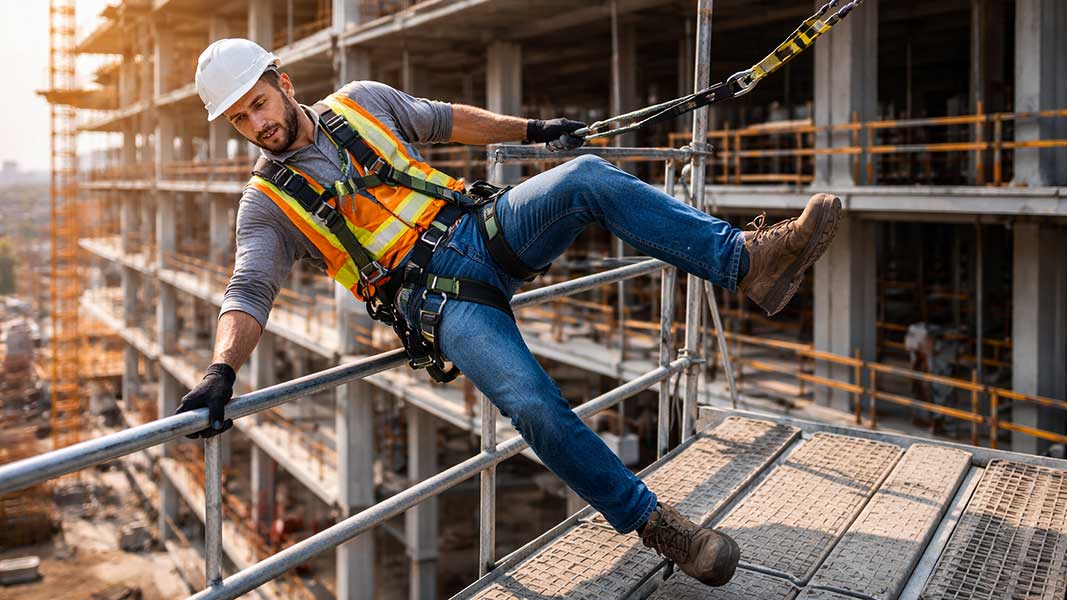
Fall protection for work at height remains one of the most critical safety priorities across construction, oil and gas, manufacturing and maintenance industries because even a minor lapse can
Key requirements of ISO 9001 Certification in UAE define how organizations build a structured, consistent and performance-driven ISO 9001 Quality Management System that meets customer expectations and regulatory demands.
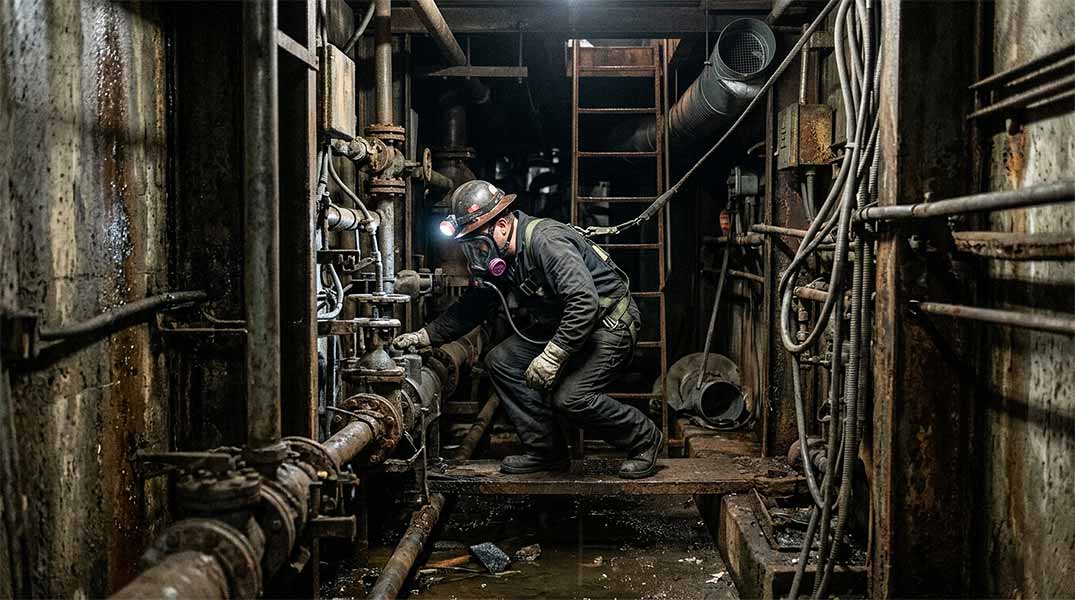
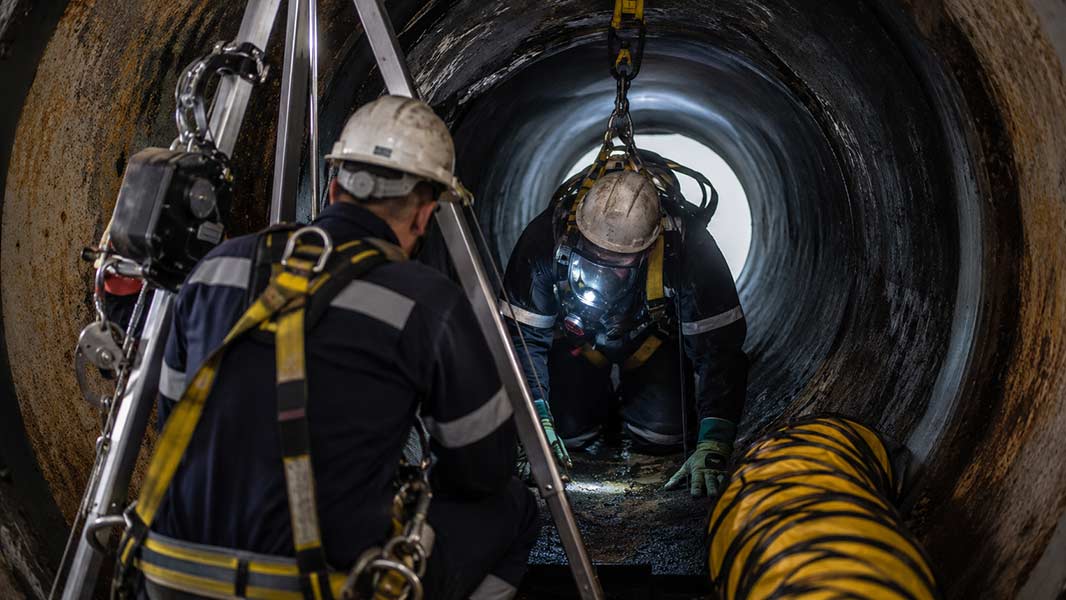
Confined Space Hazards remain one of the most critical risks in industrial workplaces because they combine limited access, poor ventilation and unpredictable conditions that can turn routine tasks into

The benefits of ISO 45001 lead auditor training are becoming increasingly important for safety professionals in the UAE because industries such as construction, oil and gas, manufacturing, logistics and
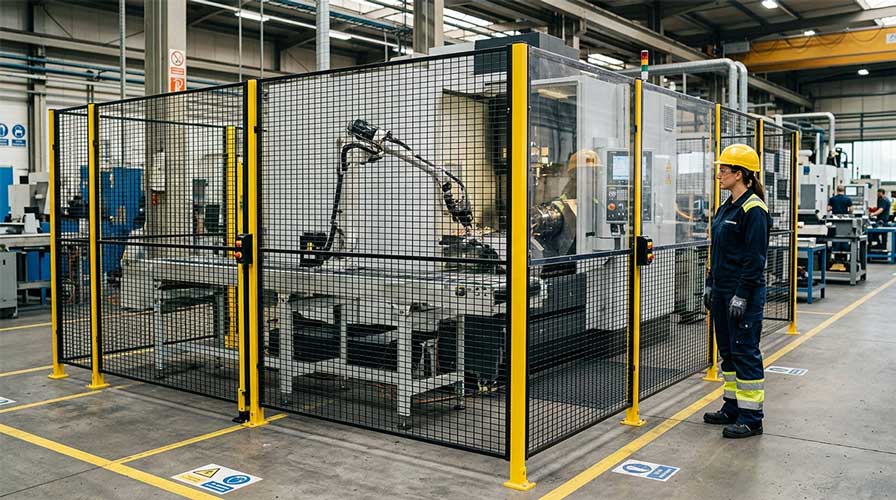
Machine Guarding Safety protects workers from dangerous moving parts, mechanical hazards and high-risk machine operations that exist across industrial workplaces. Manufacturing equipment, conveyor systems, cutting machines, presses and rotating

The ISO 14001 Certification Process provides organizations with a structured method to establish an effective Environmental Management System (EMS) that identifies environmental aspects, evaluates potential environmental impacts and implements
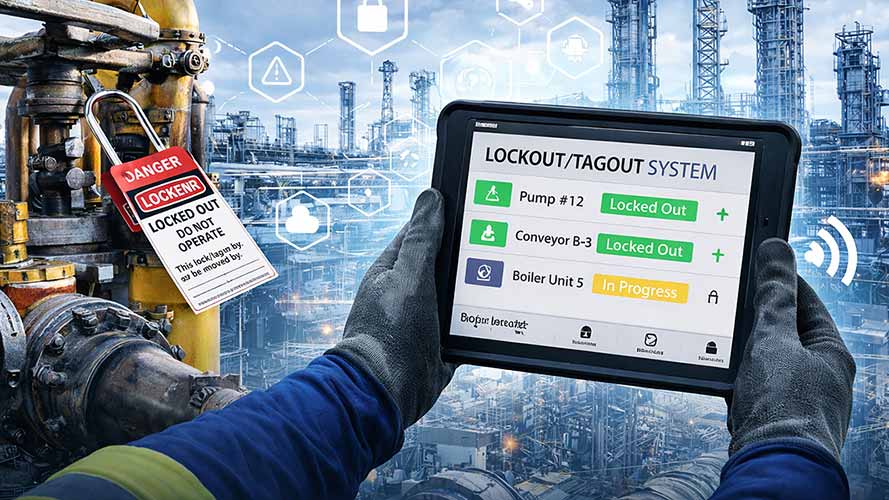
Digital LOTO Systems are becoming an essential part of modern industrial safety programs because traditional paper-based lockout tagout procedures often create gaps in documentation, communication and verification of hazardous
The benefits of ISO 9001 Lead Auditor Course in UAE are clear for professionals who want authority in quality management, because this qualification proves you can plan, conduct and

Employee Assistance Programs for workplace safety strengthen risk control because mental health, personal stress and financial pressure directly affect concentration, judgment and safe behavior at work. Many incident investigations
ISO 45001 clause 5.1 leadership and commitment requirements determine whether an Occupational Health and Safety Management System truly works in practice. Under the ISO 45001 framework, top management is

Bullying and harassment prevention in the workplace is a critical part of occupational health, legal compliance and organizational risk management. When disrespectful conduct is ignored, employee morale declines and
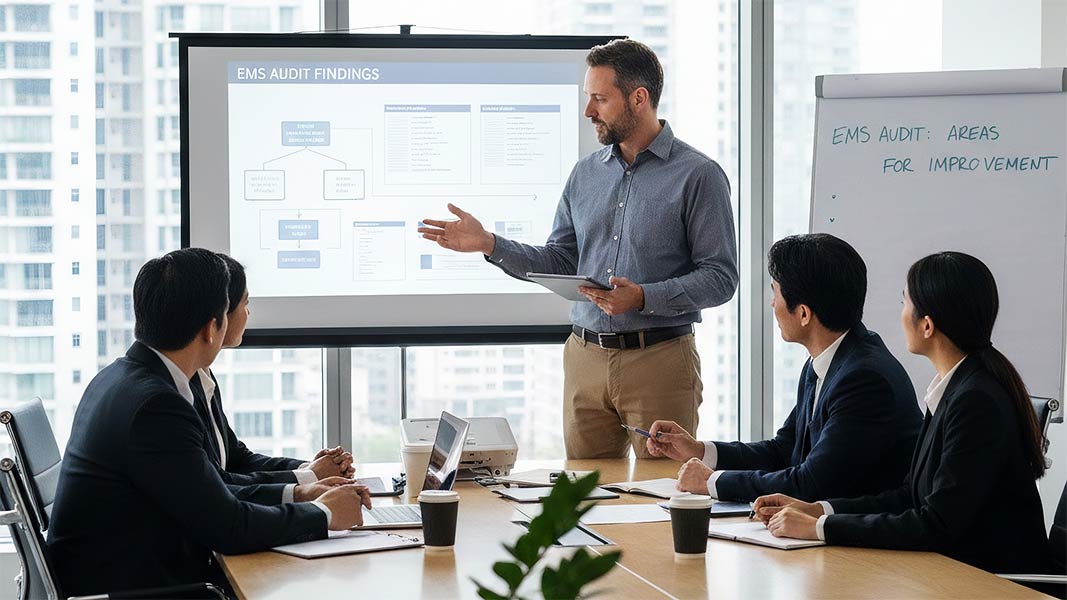
The benefits of ISO 14001 Lead Auditor Training in UAE extend far beyond earning a professional credential. This advanced qualification by Eduskills Training equips you to plan, conduct and
Workplace violence prevention is not limited to reacting after an incident occurs but instead focuses on identifying risks early and controlling them before harm happens. Violence at the workplace
HSE KPIs are the backbone of effective health, safety and environmental performance measurement because they turn policies, procedures and controls into measurable outcomes. When defined and used correctly, KPIs

ISO 45001 Implementation is the process of building a structured occupational health and safety management system that actually works on the ground, therefore reducing risks, preventing incidents and protecting
Fatigue management at the workplace has become a critical safety concern because fatigue directly affects alertness, judgment, reaction time and decision-making. When workers are fatigued, the likelihood of errors
Guide to ISO 45001 Lead Auditor Course is the starting point for professionals who want to upgrade from “knowing safety” to auditing occupational health and safety systems with confidence
Ergonomics and Musculoskeletal Health sit at the center of injury prevention because most work-related pain develops from everyday tasks rather than sudden accidents. When jobs are designed without considering
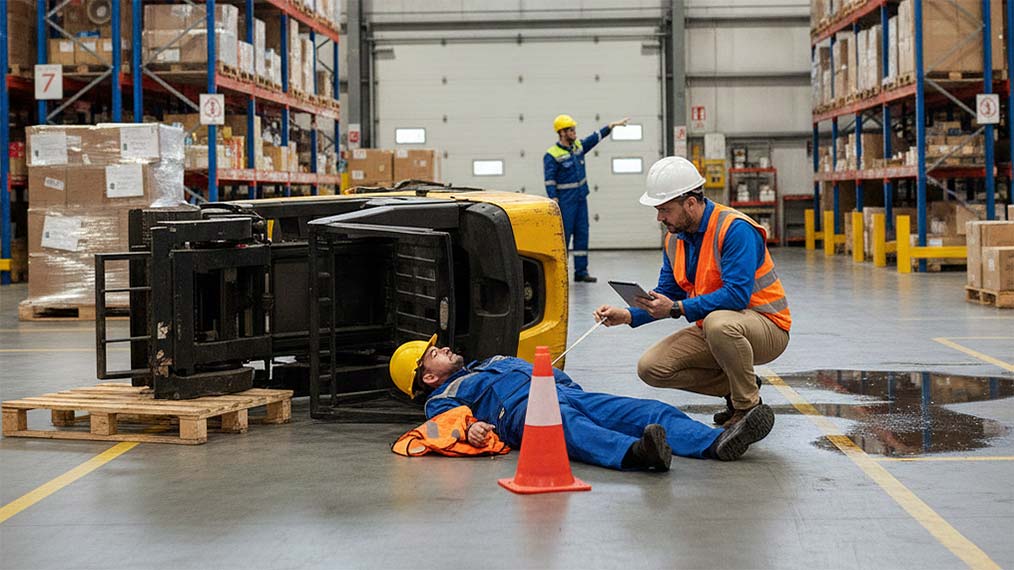
Incident investigation is the backbone of effective occupational health and safety, because it focuses on understanding why an incident occurred rather than who was involved. When done properly, it

ISO 14001 Gap Analysis is a structured assessment that helps organizations measure their current Environmental Management System against ISO 14001 requirements because even small compliance gaps can lead to

Choosing the right professional certification depends on career goals, industry exposure and long-term relevance. Many professionals choose ISO 9001 Lead Auditor Course in UAE because organizations across the region
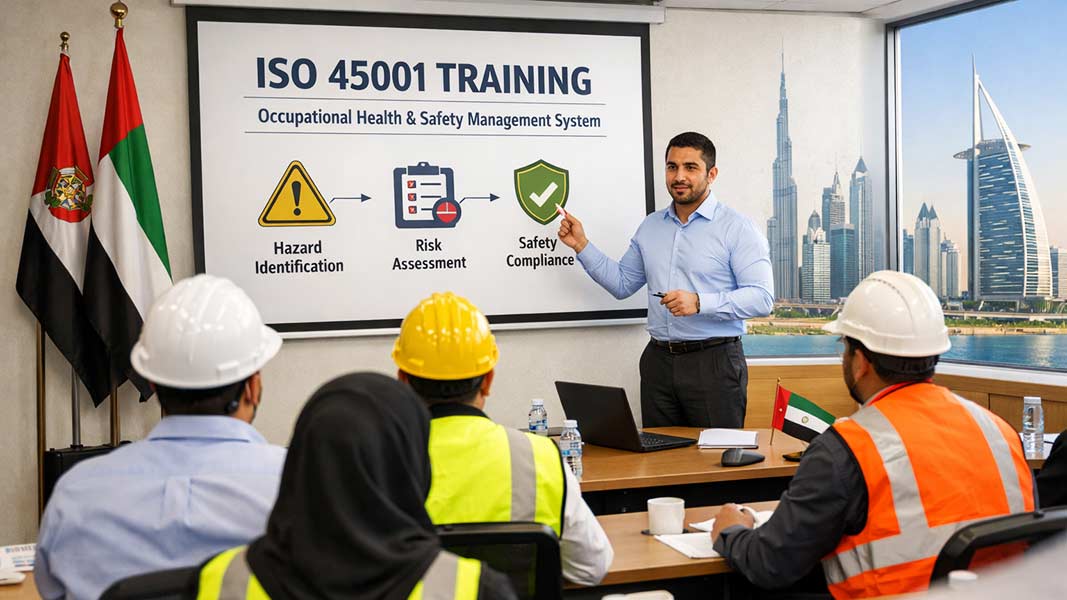
ISO 45001 Training in the UAE is no longer optional for professionals responsible for workplace safety, compliance and operational control. Organizations are under increasing pressure to reduce incidents, meet

ISO 45001 Implementation and Certification for SMEs in UAE has become a direct path for small and medium businesses to strengthen safety performance because it brings structure, accountability and
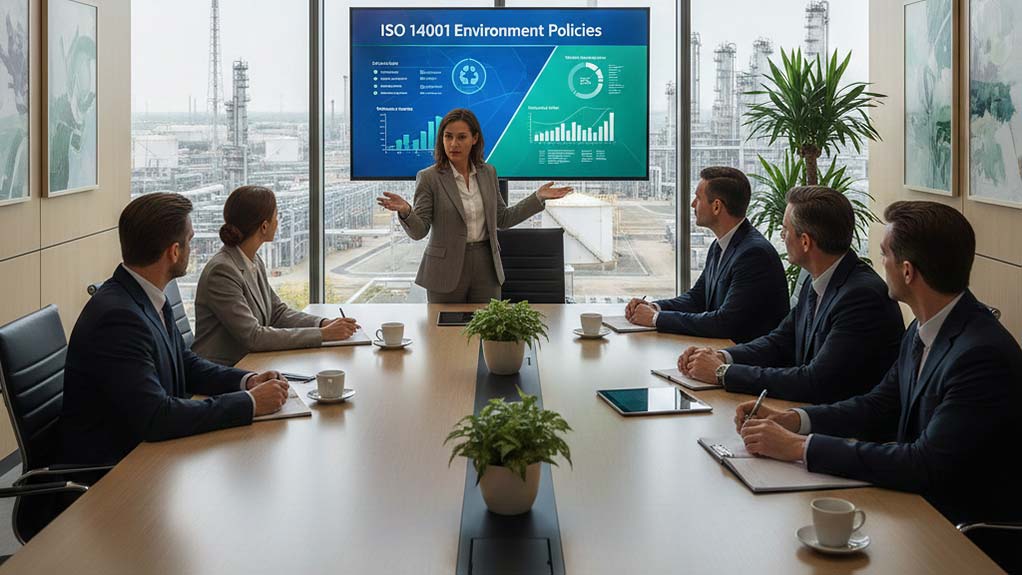
ISO 14001 Environmental Policy and Leadership set the foundation for how an organization turns environmental intent into measurable action. When both elements work in sync, teams move from declarations
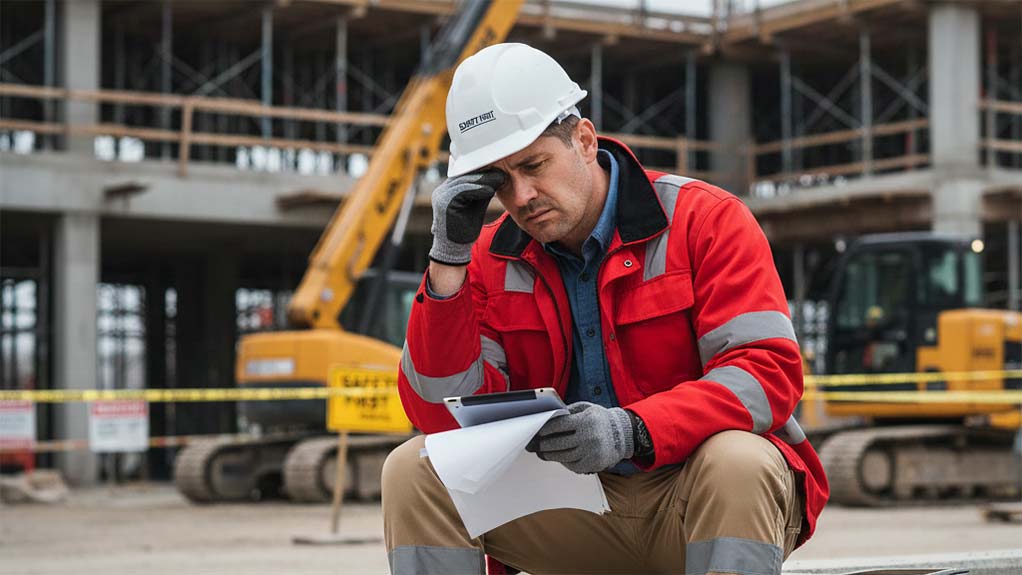
Mental health in workplace safety is a critical factor that decides how consistently people follow procedures, recognize hazards and respond under pressure. When employees feel overwhelmed, their ability to
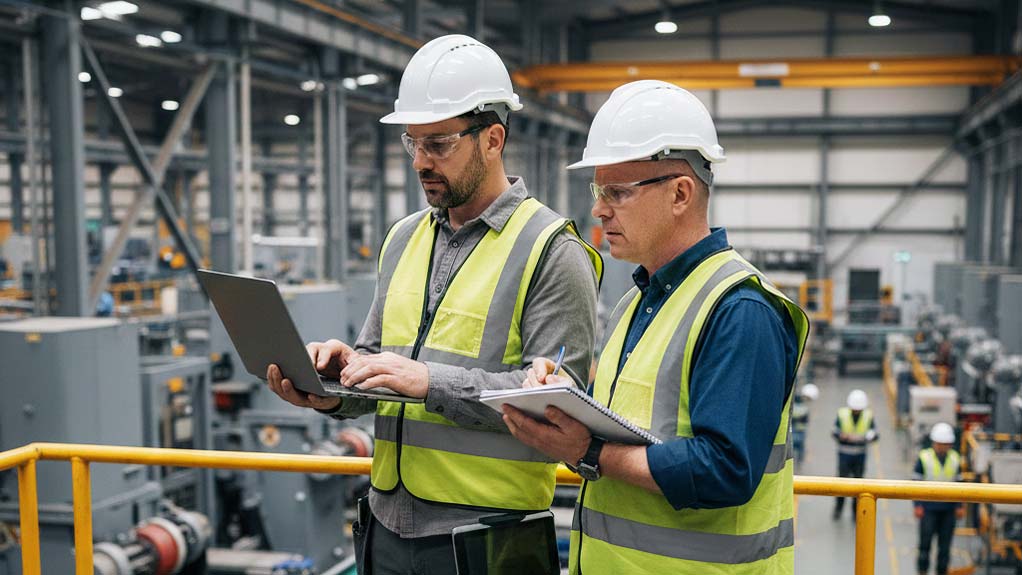
An ISO 45001 Gap Analysis gives you a realistic picture of how your current safety practices measure against the requirements of the ISO 45001 Occupational Health and Safety Management
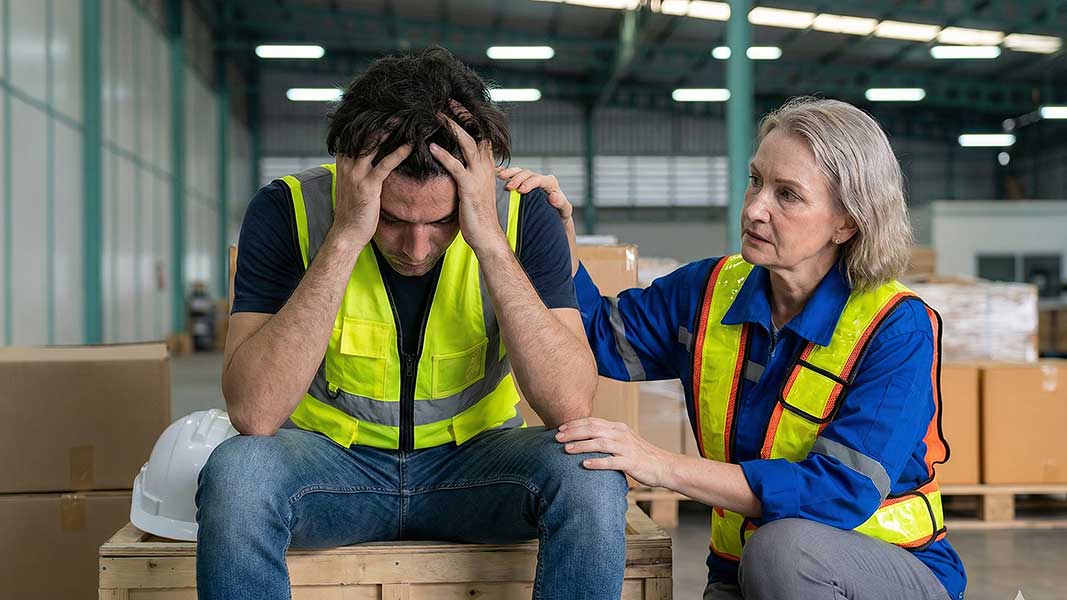
Psychosocial hazards in the workplace influence how people think, behave and respond to risks because they directly affect mental wellbeing long before a physical incident occurs. When pressure builds,

Behavior based safety plays a defining role in how workplace safety culture grows, matures and stays consistent across daily operations. When organizations pay attention to the way people act
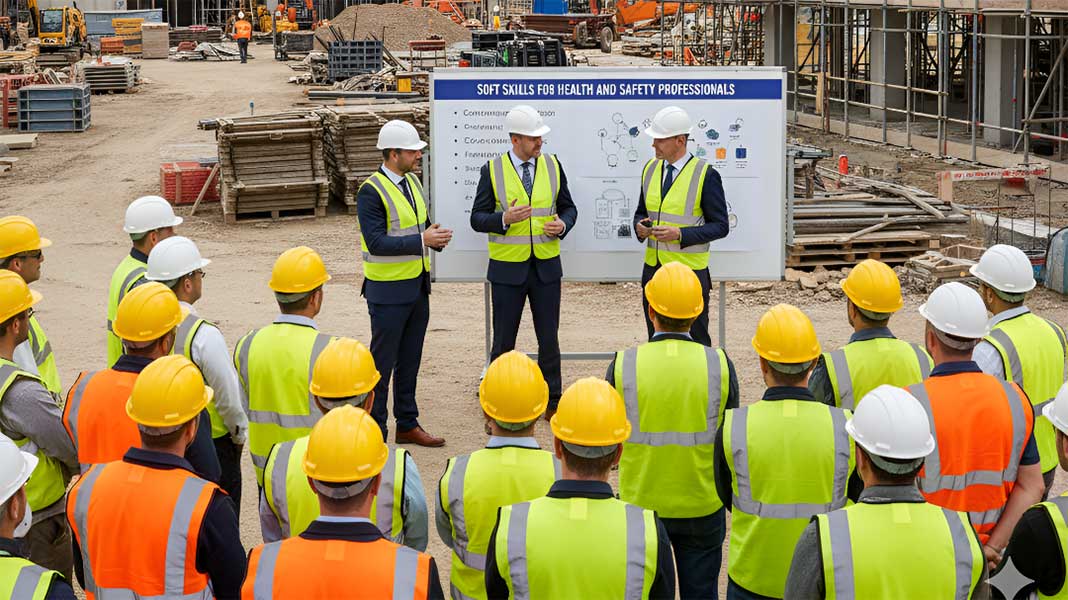
Soft skills for HSE professionals shape how effectively they communicate, influence and guide people on site, therefore they matter just as much as technical expertise. I’ve seen many safety
ISO 9001 digital transformation is reshaping how organizations in the UAE manage quality, safety and efficiency. Companies across Dubai, Abu Dhabi and Sharjah are moving beyond traditional paperwork and
An HSE Implementation Plan is the foundation of every safe and responsible workplace. It provides a structured framework for managing health, safety and environmental risks so that daily operations
ISO 45001 nonconformities are among the most common challenges organizations face during health and safety audits. We’ve seen many businesses struggle with recurring gaps that delay certification, affect compliance,
Leadership in ISO 9001 Certification success is the single most decisive factor that determines whether an organization truly achieves quality excellence or merely collects a certificate. ISO 9001:2015 places
An ISO 45001 audit preparation is far more than gathering documents and hoping for the best. It’s a disciplined process that tests your organization’s true commitment to occupational health
Common ISO 14001 implementation mistakes can quietly derail even the most well-intentioned environmental management plans. Many organizations across the UAE especially in Dubai, Abu Dhabi or Sharjah start with
ISO 9001 audit nonconformities reveal where a quality management system falls short of meeting the standard’s requirements. They highlight gaps in consistency, documentation, or process control that can impact
Achieving ISO 45001 certification is more than a compliance milestone, it’s a strategic commitment to protecting people and building a culture of safety across all levels of an organization.
Continuous improvement is the backbone of every high-performing organization. It’s not just about fixing what’s broken — it’s about building a culture that keeps evolving, learning and improving every
NVQ Level 6 Career Progression has become a defining step for health and safety professionals aiming to move from technical roles to senior leadership positions. The ProQual NVQ Level
Both the NVQ Level 7 SHSLM and NVQ Level 6 OHSP are highly respected health and safety qualifications, but they serve a little different career stages and objectives. As
A Health and Safety Internal Audit Report is more than a document; it’s the foundation for maintaining a safe, compliant, and accountable workplace. Every organization, whether operating in construction,
Health and safety leadership is the foundation of every successful organization that values its people. It’s not just about rules, checklists, or compliance manuals. It’s about creating a shared
A well-structured HSE Plan is the backbone of workplace safety and regulatory compliance in the UAE. It outlines how businesses protect workers, manage risks and meet legal requirements across
Risk assessment in construction is more than a regulatory requirement; it is the foundation of occupational health and safety in one of the world’s most hazardous industries. Every project